
Roof Restoration Blog | Richmond VA & Central Virginia
Is Your Attic Letting Heat Escape?
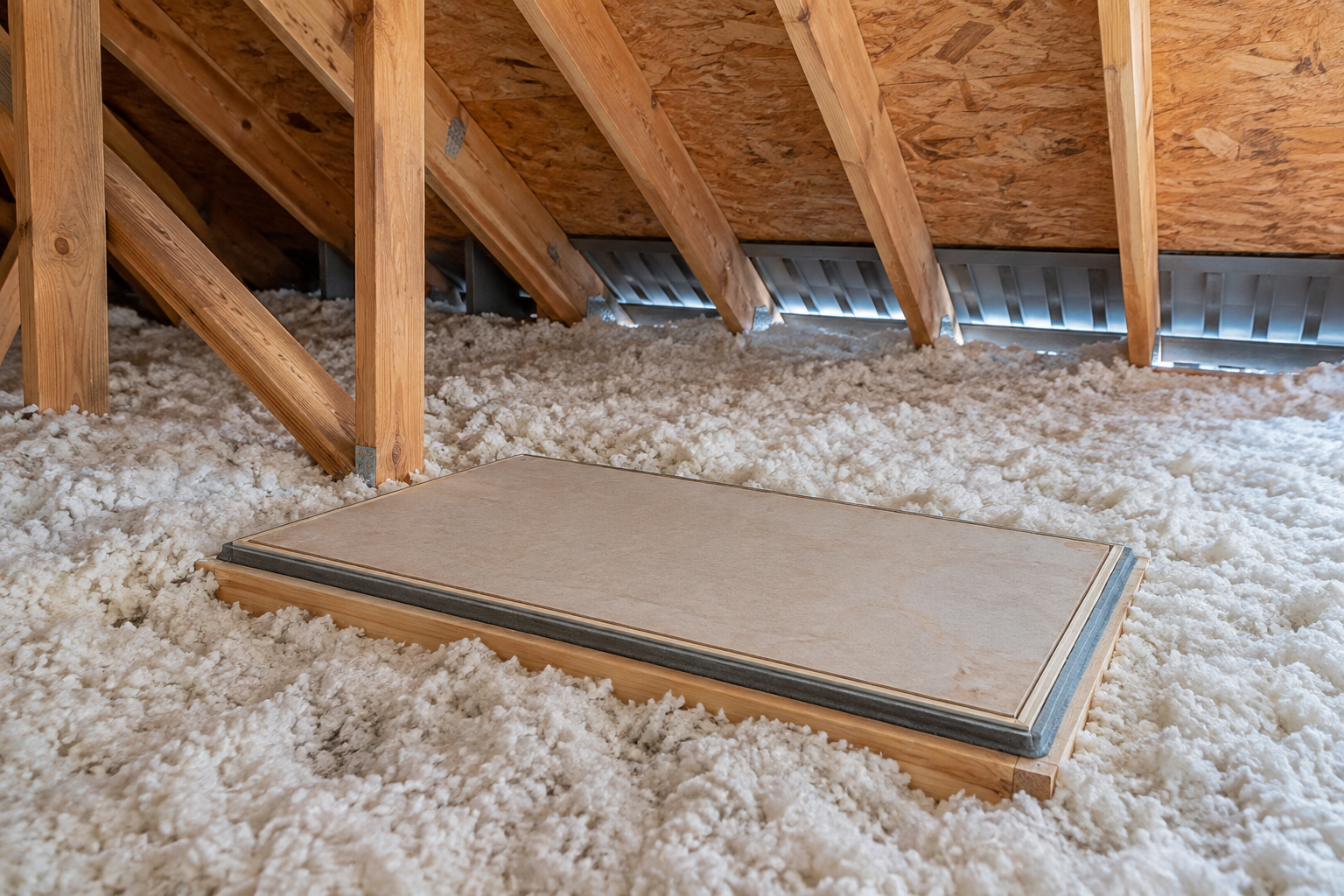
When a Virginia home feels drafty or the heating system seems to run more than expected, the attic is a sensible place to investigate. Heated air can move through gaps in the ceiling and into the attic, while low or uneven insulation can allow additional heat transfer.
That does not mean every home loses most of its heat through the roof. Heat loss depends on the home’s construction, age, air leakage, insulation, windows, doors, ductwork, and other conditions. The useful question is simpler: Is the attic allowing conditioned air or heat to escape unnecessarily?
The Ceiling and Attic Floor Matter
Homeowners often picture heat moving directly through the shingles. In many homes, however, the more important boundary is the ceiling below the attic. Openings around an attic hatch, recessed lighting, plumbing, wiring, duct chases, and other penetrations can create pathways for indoor air to enter the attic.
Air movement and heat transfer are related, but they are not the same problem. A good attic assessment looks at both.
Air Sealing Comes First
Air sealing targets cracks and openings that allow conditioned air to move between the living space and the attic. Common areas worth checking include:
- Attic access doors and pull-down stairs
- Wiring and plumbing penetrations
- Open framing cavities and dropped soffits
- Gaps around ducts, chases, and ceiling fixtures
- Connections where interior walls meet the attic floor
These locations are not always easy to identify from inside the home. A professional assessment can help locate the most meaningful leaks before other improvements are recommended.
Insulation Slows Heat Transfer
Insulation helps resist heat moving through the ceiling assembly. Its performance depends on more than the material alone. Depth, coverage, condition, and installation quality all matter.
Insulation may deserve attention when it is uneven, compressed, disturbed, damp, or missing around parts of the attic floor. Simply adding more material without addressing air leaks can leave an important part of the problem unresolved. That is why ENERGY STAR recommends air sealing before or together with insulation improvements.
Ventilation Has a Different Job
Attic ventilation helps manage airflow through the attic. It should not be confused with air sealing or insulation.
- Air sealing limits unwanted air movement from the living space into the attic.
- Insulation slows heat transfer through the ceiling.
- Ventilation provides a planned path for attic airflow.
Soffit vents and other intake or exhaust paths should remain clear of insulation and debris. Adding powered ventilation without first considering air sealing, intake ventilation, and the home’s overall design may not solve the underlying issue. In some cases, it can draw conditioned air from the house if the attic floor is leaky.
What Virginia Homeowners Can Check
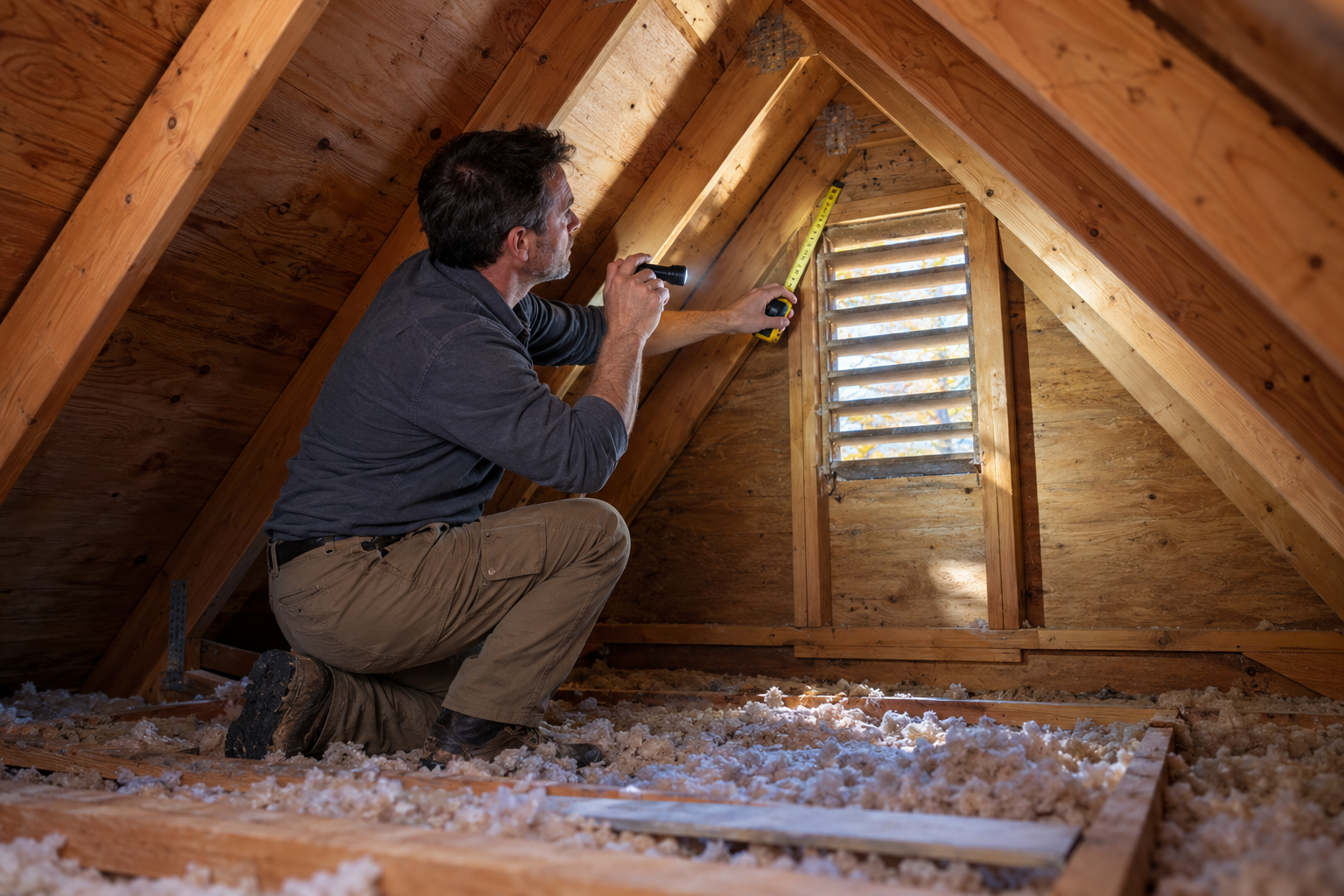
Fall is a practical time to look at attic conditions before colder weather increases the demand on the heating system. From a safe access point, homeowners may be able to notice:
- An attic hatch without weatherstripping or insulation
- Low, uneven, or disturbed insulation
- Insulation blocking soffit ventilation paths
- Visible gaps around pipes, wires, or framing
- Signs of moisture that call for professional evaluation
Avoid stepping between ceiling joists or disturbing materials you cannot identify. Older homes may contain electrical, insulation, or moisture conditions that require trained professionals.
Start With an Evaluation, Not an Assumption
No single attic solution is right for every home. One property may benefit from air sealing, another may need insulation correction, and another may simply need blocked ventilation paths cleared. An evaluation should identify the condition first and recommend work only where it makes sense.
Richmond Roof Rejuvenation provides roof and attic evaluations for homeowners in Midlothian, Richmond, and surrounding Central Virginia communities. To schedule a free evaluation, visit richmondroofrejuvenation.com.