
Roof Restoration Blog | Richmond VA & Central Virginia
Roof Maxx Treatment vs. Roof Repairs: What Belongs in the Quote?
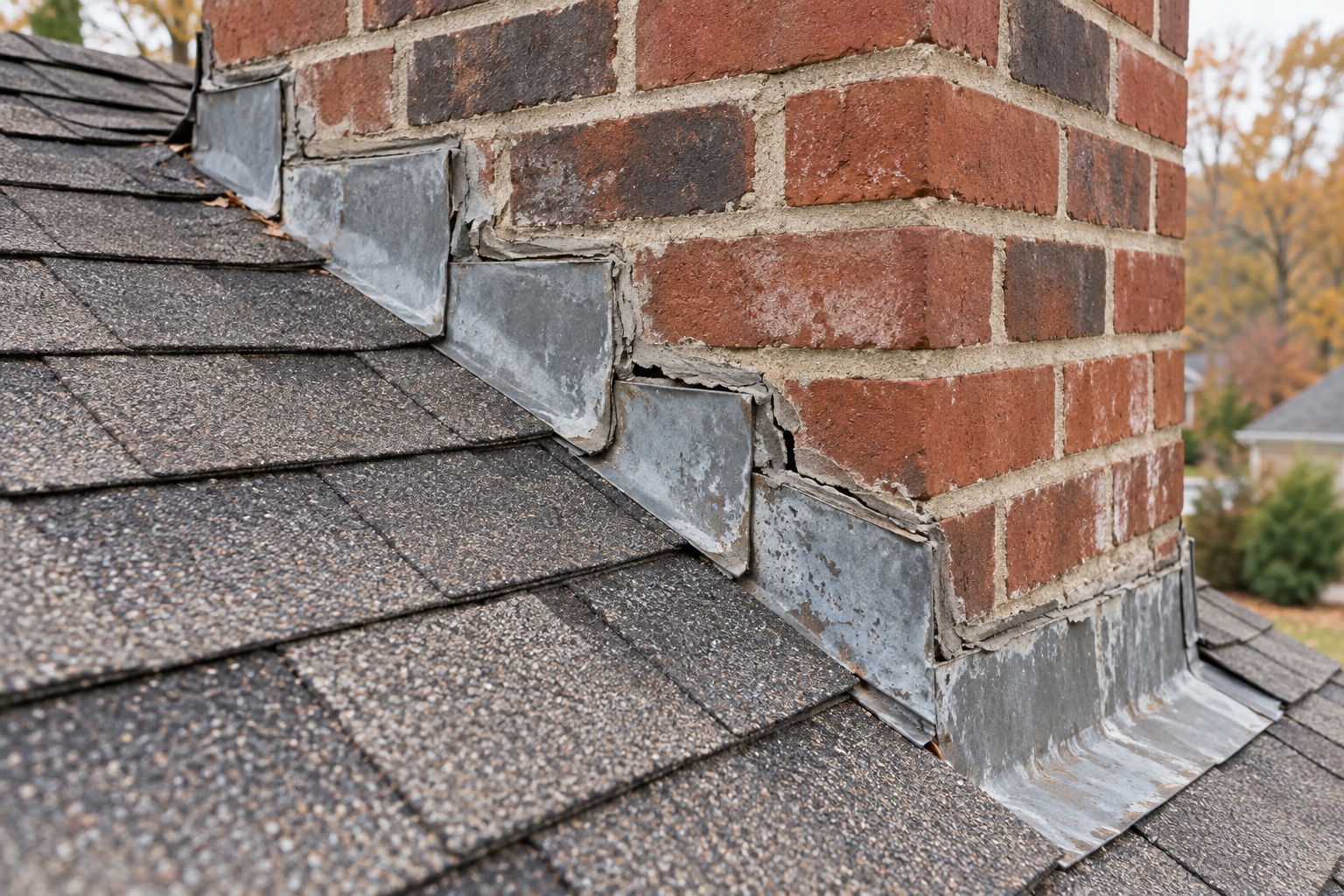
A roof assessment may find more than one type of work. The asphalt shingles may still qualify for Roof Maxx, while flashing, caulking, a vent boot, or another roof component also needs attention. Those findings should be explained clearly before a homeowner approves the project.
The key distinction is straightforward: Roof Maxx treats qualifying asphalt shingles, while roof repairs correct existing damage or defects. One service does not automatically replace the other.
Start With the Roof Assessment
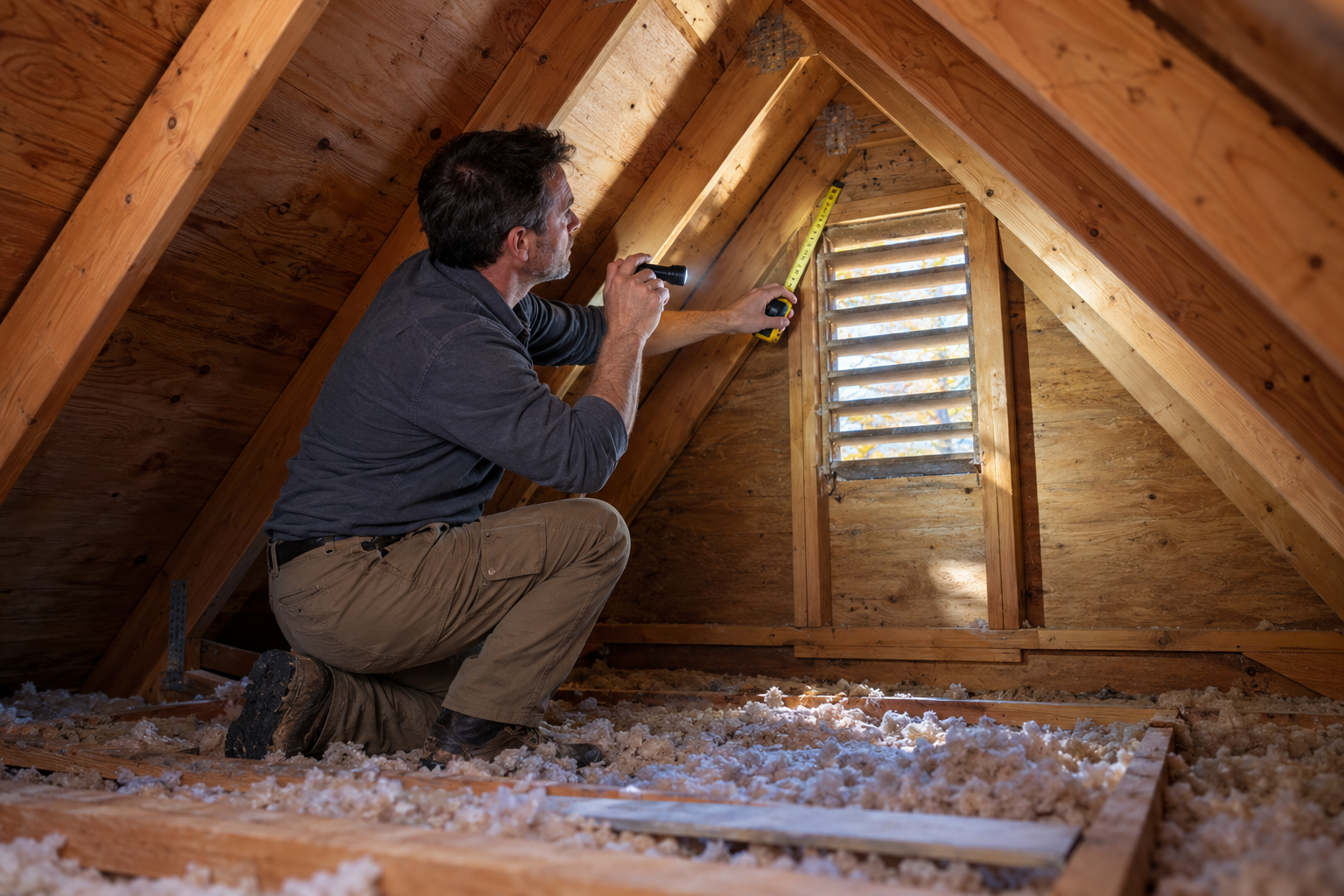
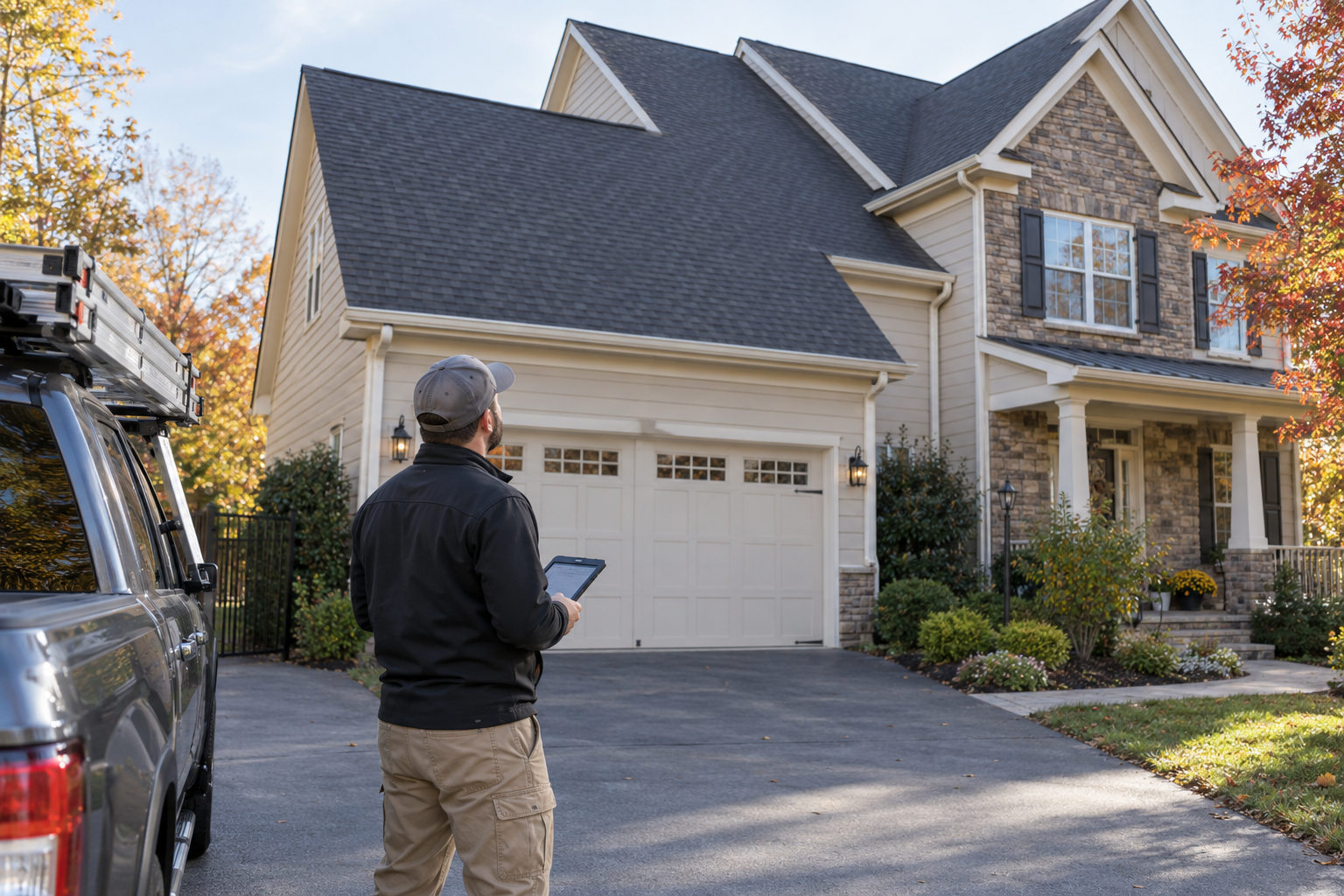
Roof Maxx is intended for aging asphalt shingles that are still in generally good condition. A professional assessment should determine whether the shingles qualify and identify other roof conditions that may need attention first.
The assessment may lead to one of several recommendations:
- Proceed with a Roof Maxx treatment after routine preparation
- Complete minor tune-up work before treatment
- Complete a separate repair before treatment
- Delay treatment until a larger problem is resolved
- Choose replacement when the roof is too damaged to qualify
This decision should be based on the actual roof condition, not its age alone.
What the Roof Maxx Treatment Does
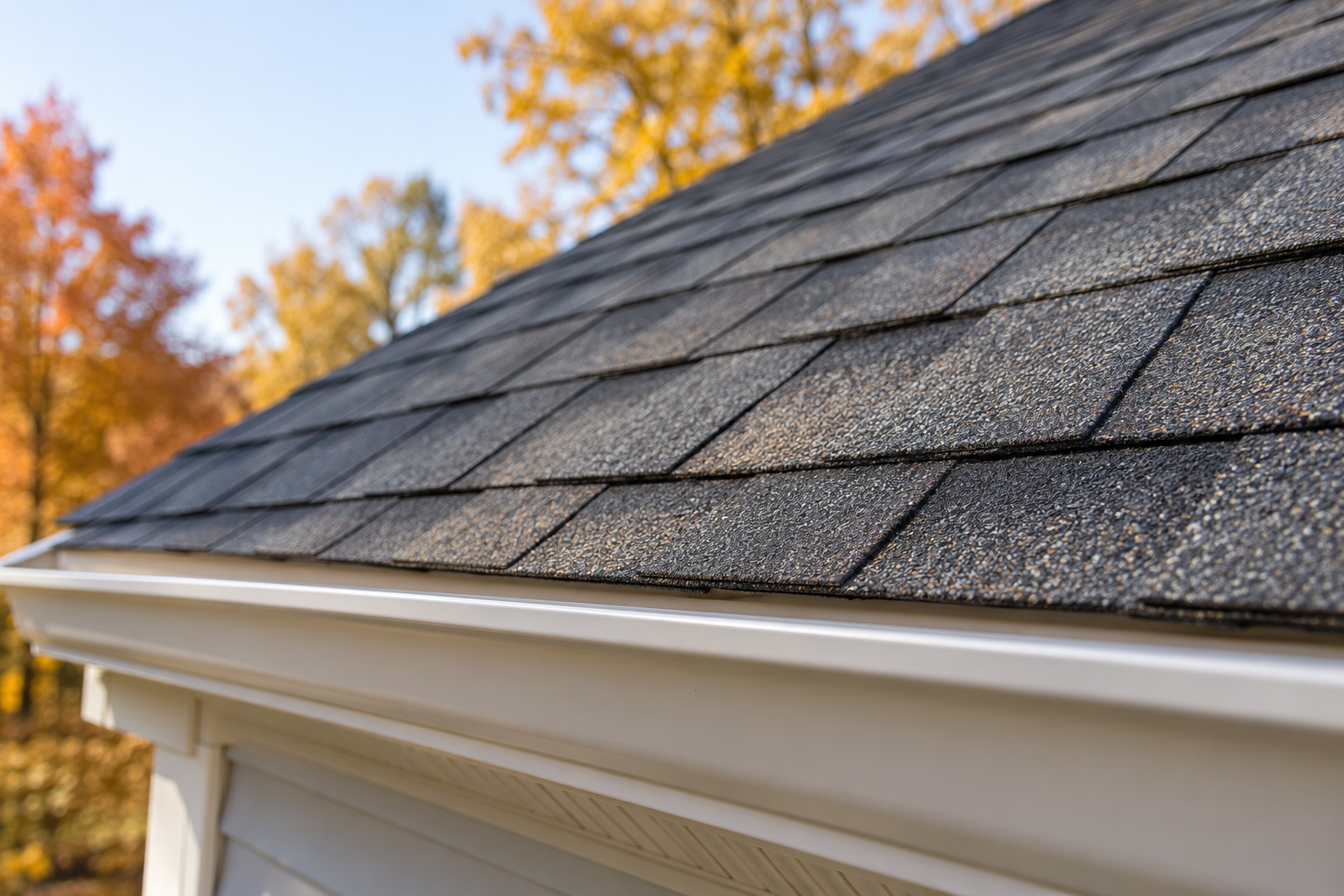
Roof Maxx is designed to replenish oils that asphalt shingles lose as they age. The treatment penetrates the asphalt layer and helps restore shingle flexibility.
It is not a surface coating, and it is not designed to seal active leaks. It also does not repair rotten decking, structural damage, holes in the roof deck, or widespread missing or broken shingles.
Keeping the treatment scope clear helps homeowners understand what they are buying and prevents a rejuvenation service from being mistaken for a general roof repair.
What a Minor Roof Tune-Up May Address
Roof Maxx describes the tune-up as the fix-first stage before treatment. Depending on the local dealer and the roof’s condition, minor work may include:
- Addressing nail pops or exposed nail heads
- Resealing small areas of failed caulking
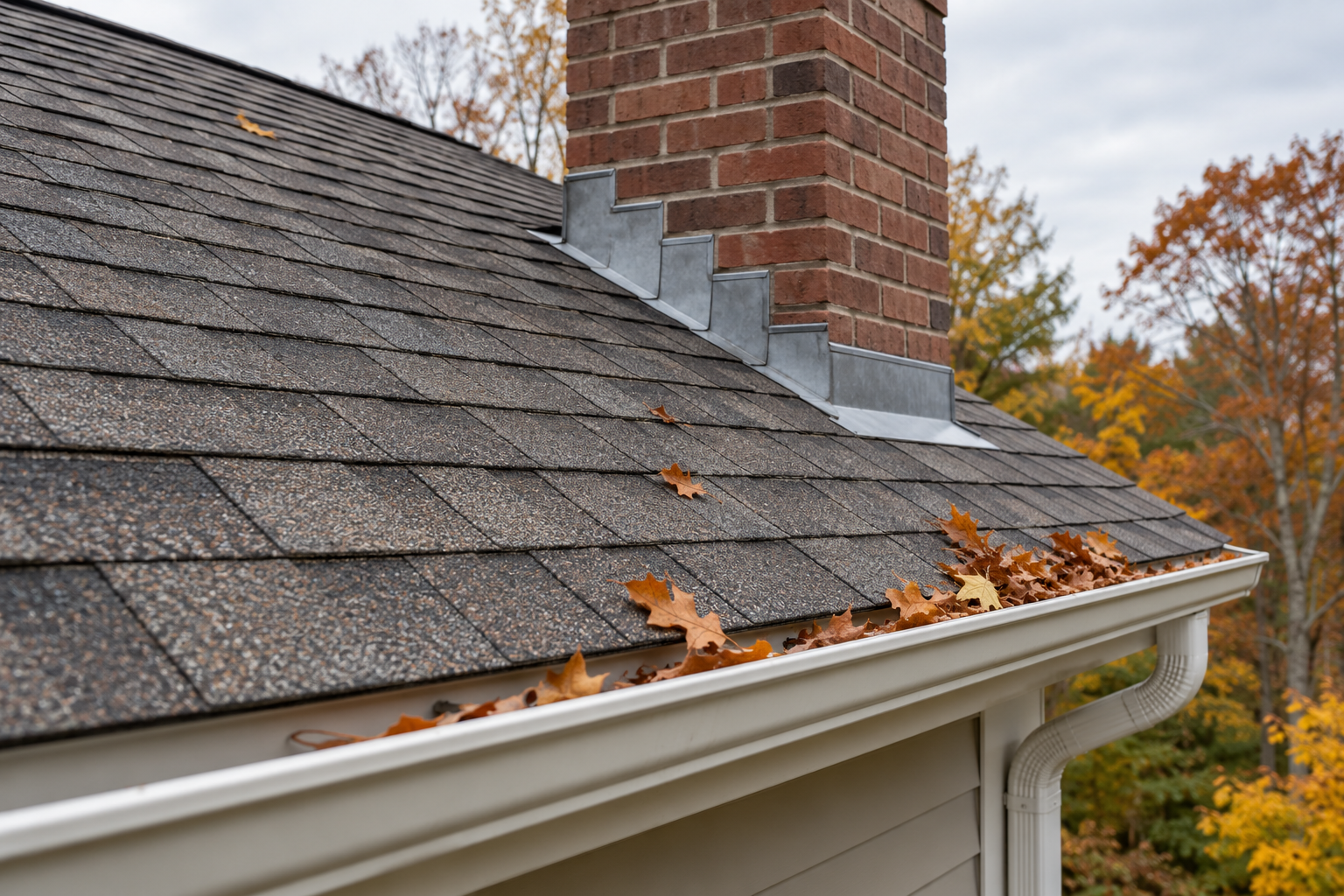
- Securing loose flashing or vents
- Replacing a worn plumbing vent gasket
- Replacing a small number of damaged shingles
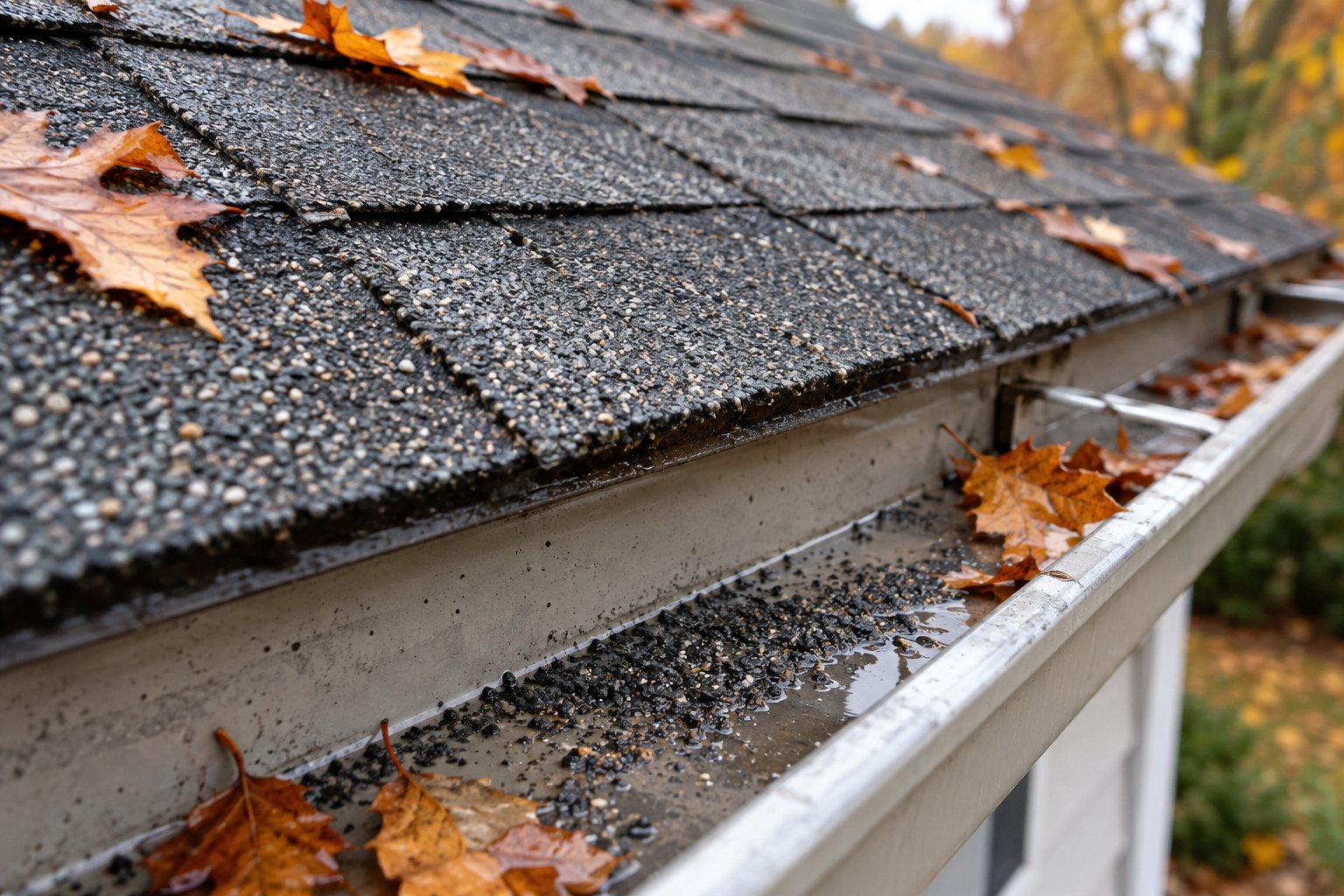
- Removing debris from the roof surface
Local services vary, so the written quote should state exactly which tune-up items are included. Homeowners should not assume every dealer offers the same repair scope.
When Repair Work Should Be Separate
A repair should be identified separately when it goes beyond routine tune-up work or requires specialized materials, labor, or investigation. Examples can include:
- Active or severe leaks that require diagnosis
- Rotten, soft, or damaged roof decking
- Structural movement or sagging
- Large areas of missing, broken, or failed shingles
- Significant chimney or sidewall flashing reconstruction
- Storm damage that affects more than a limited area
- Moisture damage below the roof surface
Some of these conditions may disqualify the roof from treatment until they are corrected. Severe deterioration may make replacement the more responsible recommendation.
Why Separate Pricing Helps the Homeowner
An itemized quote makes it easier to understand the purpose and cost of each service. It also helps the homeowner compare recommendations without assuming every line item is part of the Roof Maxx application.
A clear quote should identify:
- The roof area receiving Roof Maxx treatment
- The tune-up work planned before treatment
- Repairs priced outside the treatment scope
- Conditions that are excluded from the quote
- Whether treatment eligibility depends on completing a repair
- The warranty that applies to the Roof Maxx treatment
Clear documentation protects both the homeowner and the contractor. It also creates a useful maintenance record for future assessments or a potential home sale.
Questions to Ask Before Approving the Quote
Before signing, ask the contractor to walk through the assessment and answer a few direct questions:
- Does the entire roof qualify for Roof Maxx treatment?
- Which findings are normal preparation or tune-up items?
- Which repairs are outside the treatment quote?
- Are any repairs required before treatment can proceed?
- What work and roof conditions are excluded?
- What does the Roof Maxx warranty cover?
The answers should be specific to the property. Avoid relying on a general promise that every roof receives the same preparation or repair work.
Get a Clear Roof Assessment in Central Virginia
Roofs in Midlothian, Richmond, and surrounding Central Virginia communities experience heat, humidity, storms, falling debris, and seasonal temperature changes. An in-person assessment can separate normal shingle aging from damage that requires repair.
Roof Maxx of Midlothian can evaluate the condition of your asphalt shingles, explain whether the roof may qualify for treatment, and identify items that need separate attention. To schedule a free roof assessment, visit richmondroofrejuvenation.com.