
Roof Restoration Blog | Richmond VA & Central Virginia
Roof-Mount vs. Gable-Mount Solar Attic Ventilation
Solar Attic Ventilation is not a one-size-fits-all purchase. The right configuration depends on how the home is built, how the attic is arranged, where sunlight reaches the roof, and how air already moves through the space.
Richmond Roof Rejuvenation currently offers two 30W configurations: a roof-mount unit with an adjustable solar panel and a gable-mount unit with remote solar-panel placement. Both use sunlight to power attic airflow, but they install in different places and solve different placement challenges.
What Both 30W Options Are Designed to Do
The purpose of powered attic ventilation is to help exchange hot, stale attic air for outside air. This may help reduce trapped heat during warm weather and assist with moisture management during cooler periods.
Because the units operate from solar energy when sunlight is available, their operation does not add electricity use to the home's utility bill. That does not guarantee a specific energy saving. Comfort and energy results vary with the home's design, insulation, ductwork, HVAC use, utility rates, roof color, weather, and existing ventilation.
Both available configurations support the same basic goal: improving attic airflow when an evaluation shows that additional ventilation may be appropriate. The main difference is where the equipment is installed.
When a 30W Roof-Mount Configuration May Fit
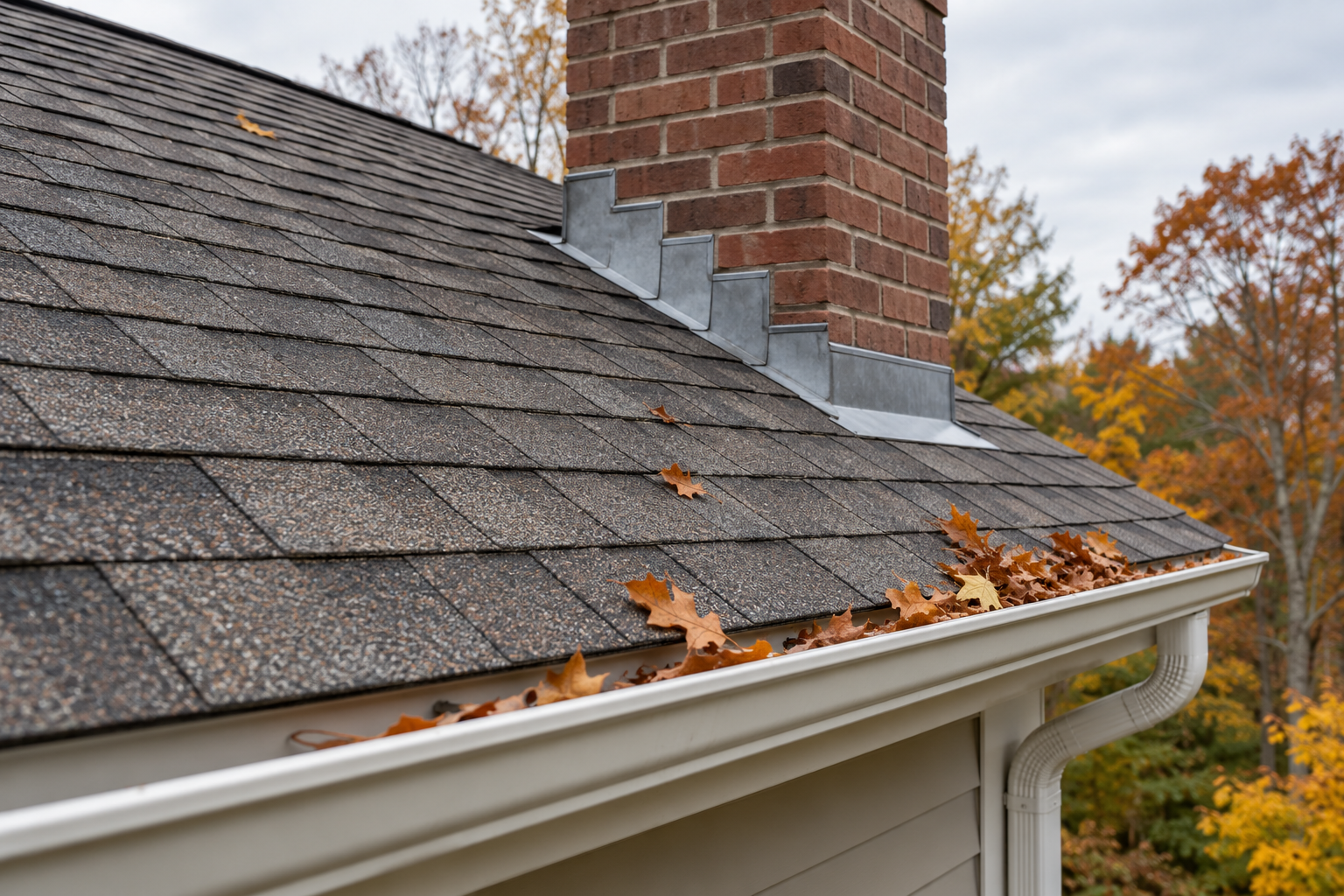
The roof-mount configuration places the ventilation unit directly on the roof. Its solar panel is attached to the housing and can be adjusted to improve exposure to sunlight.
This arrangement may be a practical choice when:
- The roof has a suitable installation area.
- The selected roof plane receives useful sunlight.
- The attic layout allows air to move toward the roof-mounted exhaust point.
- The roof pitch, surface, and installation conditions support a professional roof mount.
The roof-mount option keeps the ventilation unit and solar panel together in one exterior location. That can simplify placement on many homes, but it is not automatically the right answer for every roof. Shading, roof complexity, attic partitions, existing vents, and intake airflow all matter.
When a 30W Gable-Mount Configuration May Fit
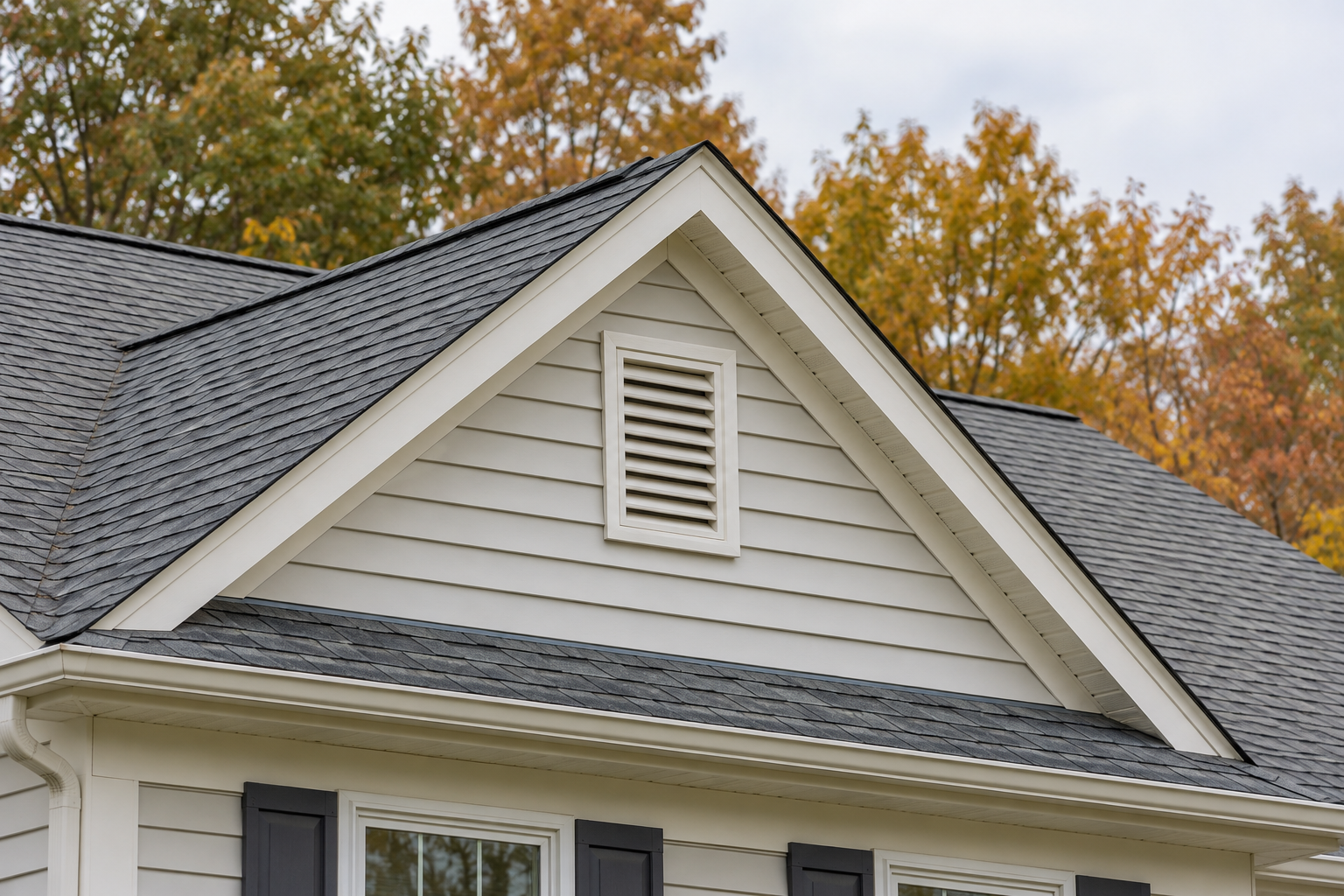
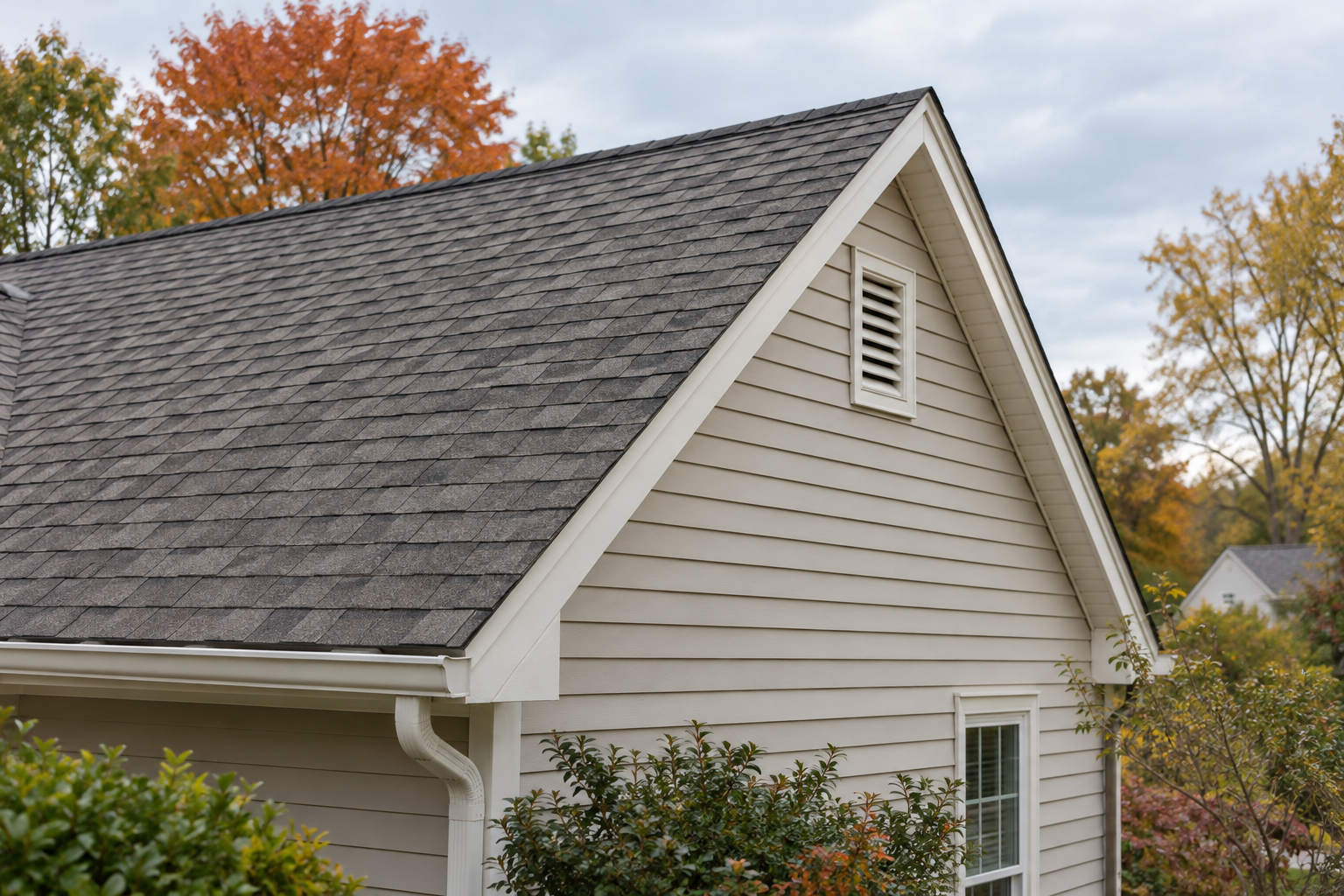
The gable-mount configuration places the ventilation unit at a gable opening instead of mounting the fan housing on the roof surface. Its solar panel is installed separately where it can receive sunlight.
This arrangement may be useful when:
- The home has a suitable gable location.
- A conventional roof-mounted unit is not the practical installation choice.
- Remote solar-panel placement provides better access to sunlight.
- The attic layout can support airflow toward the gable exhaust point.
The gable-mount option separates the ventilation unit from the solar panel. That flexibility can help on certain roof types or designs, but it still requires a careful look at the attic, the gable opening, intake ventilation, wiring path between the panel and unit, and available sun exposure.
Roof Mount or Gable Mount: Which Is Better?
Neither mounting style is universally better. The correct question is which configuration fits the home and its existing ventilation system.
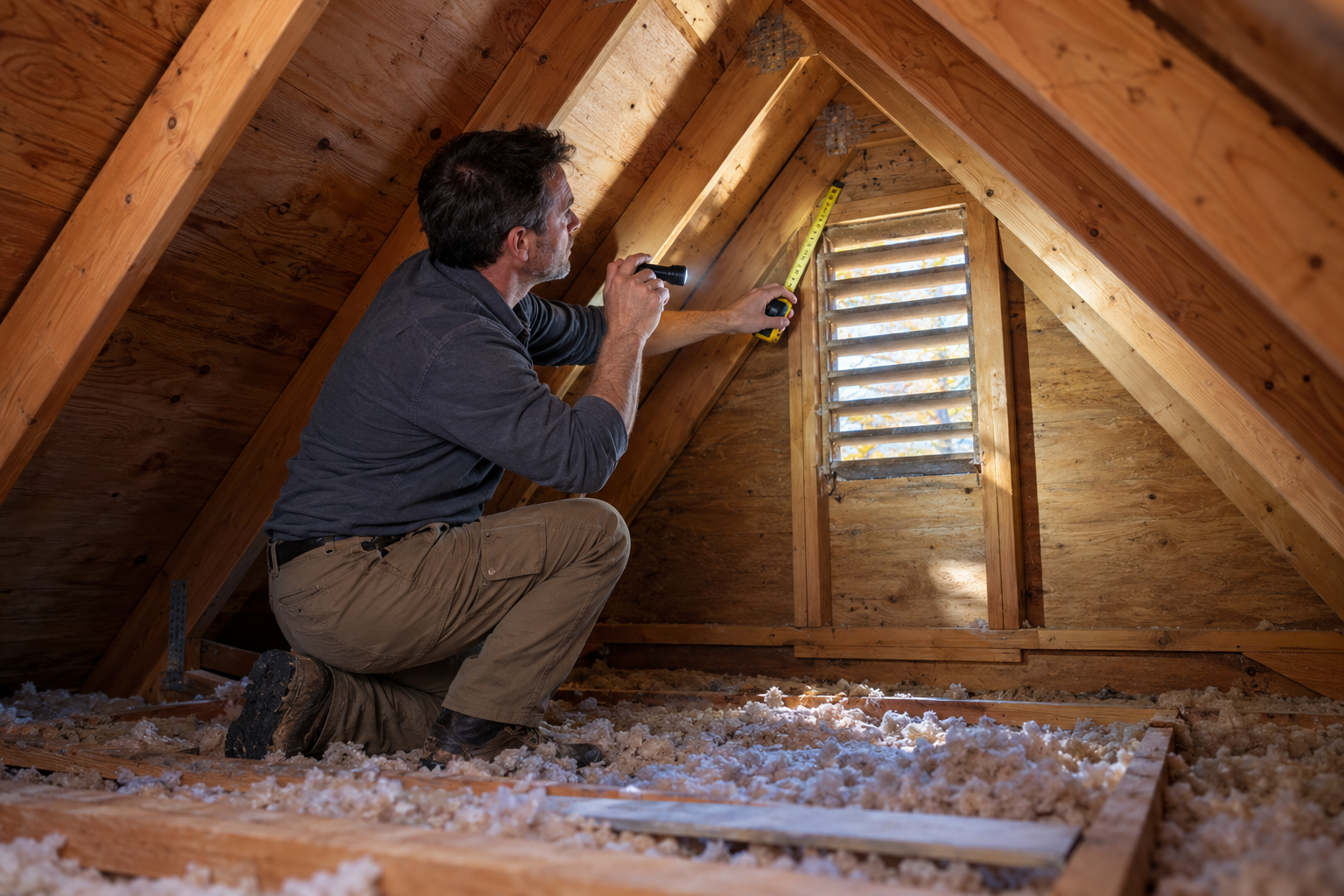
A professional evaluation should consider:
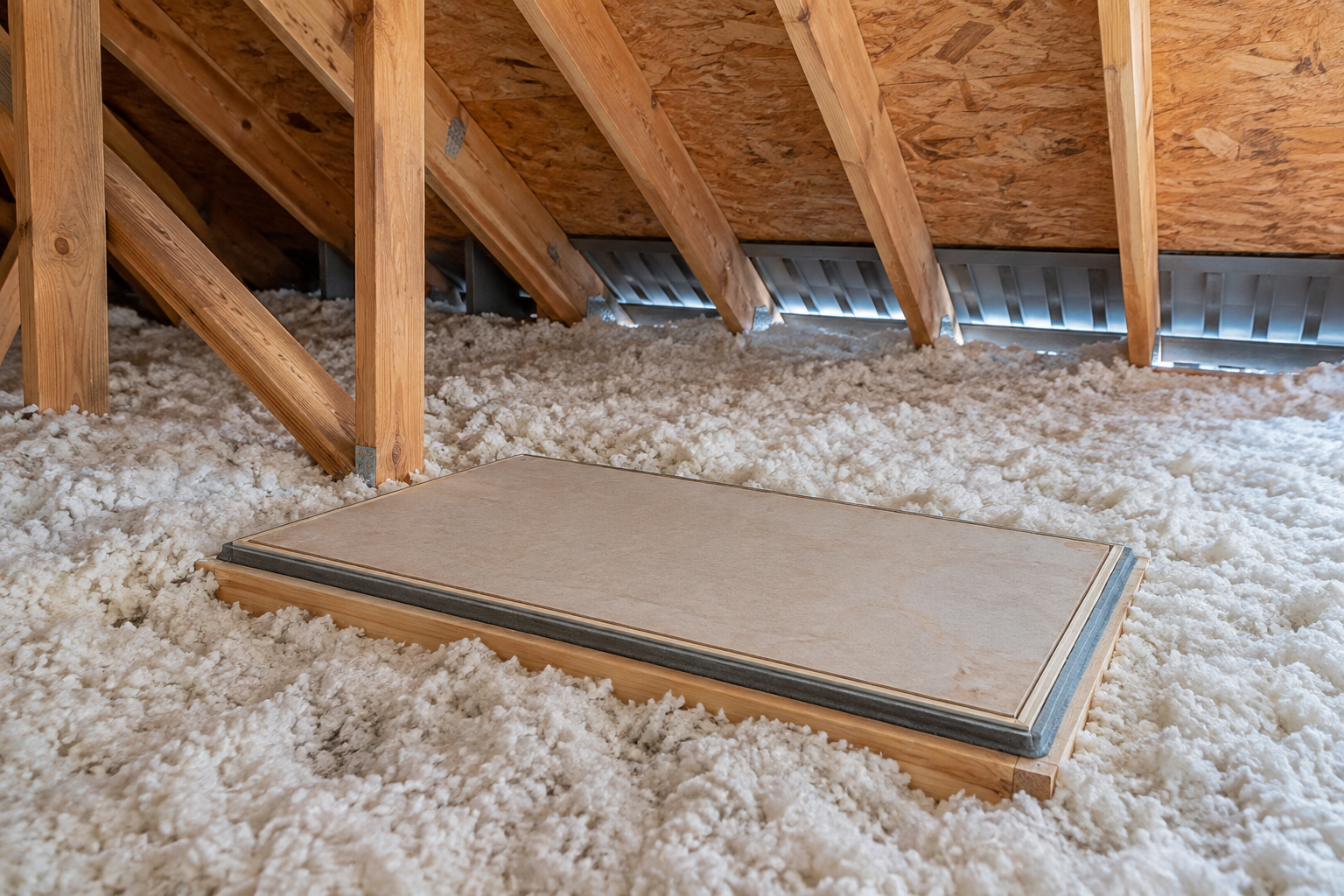
- Attic size and internal layout
- Roof pitch, material, and design
- Gable construction and available opening
- Sun exposure and seasonal shading
- Existing ridge, roof, gable, and soffit vents
- Available intake airflow
- Insulation and ductwork conditions
- Practical installation access
Powered exhaust also needs appropriate intake air. Adding an exhaust unit without looking at the whole ventilation path can lead to an incomplete recommendation. That is why Richmond Roof Rejuvenation evaluates the roof and attic before recommending a mounting style or quantity.
Why Virginia Homes Need a Year-Round View
Virginia weather brings hot, humid summers and cooler periods when moisture and condensation can become concerns. Attic ventilation should therefore be considered as a year-round roof-health issue, not only as a summer comfort upgrade.
During warm weather, improved airflow may help remove trapped attic heat. During cooler weather, ventilation may help move moist air before it lingers around roof decking, rafters, and insulation. The actual effect depends on the home, and additional ventilation is not necessary or appropriate in every case.
Start With a Roof and Attic Evaluation
The simplest way to choose between roof-mount and gable-mount Solar Attic Ventilation is to start with the house, not the product list.
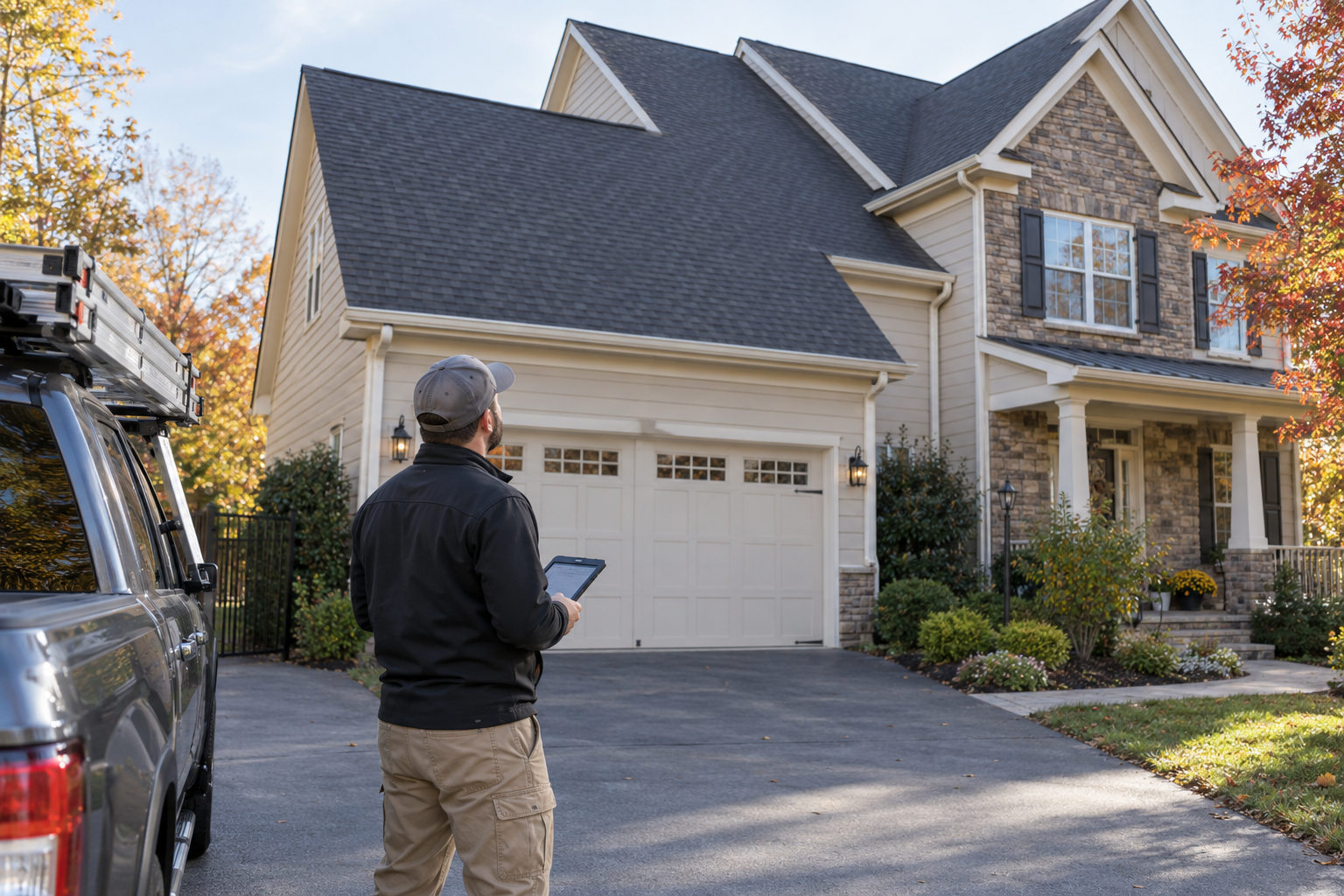
Richmond Roof Rejuvenation can review the roof design, attic layout, existing airflow, and installation conditions, then explain whether additional ventilation makes sense and which 30W configuration may fit.
Schedule a free roof and attic evaluation at richmondroofrejuvenation.com.