
Roof Restoration Blog | Richmond VA & Central Virginia
Roof-Mount or Gable-Mount: What Shapes the Quote?
A solar attic fan is not a one-size-fits-all purchase. Even when two models carry the same wattage and listed airflow, the mounting style can change where the fan goes, how the solar panel is positioned, and what the installation requires.
For Virginia homeowners comparing a 30W roof-mount fan with a 30W gable-mount fan, the best starting point is not the product name. It is the home itself. Roof type, attic layout, solar exposure, existing ventilation, and installation access all help shape the recommendation and the quote.
Two 30W Configurations, Two Different Installations
The current 30W roof-mount and 30W gable-mount models listed by The Attic Depot each have a stated airflow of 1,550 CFM and coverage of up to 1,500 square feet. Those shared specifications do not make the products interchangeable.
The roof-mount model combines a low-profile roof housing with an adjustable solar panel. The gable-mount model separates the fan from the solar panel, placing the fan at the gable while the remote panel is positioned where it can receive sunlight.
That difference changes the installation conversation.
When a Roof-Mount Fan May Make Sense
A roof-mount solar attic fan is installed through the roof surface. Its adjustable solar panel is attached above the fan housing, allowing the panel angle to be set during installation.
This configuration may be considered when:
- The roof type is compatible with a conventional roof-mounted installation.
- The roof has a suitable location with useful solar exposure.
- The attic layout supports the planned fan location.
- Installation access and roof conditions allow the work to be completed properly.
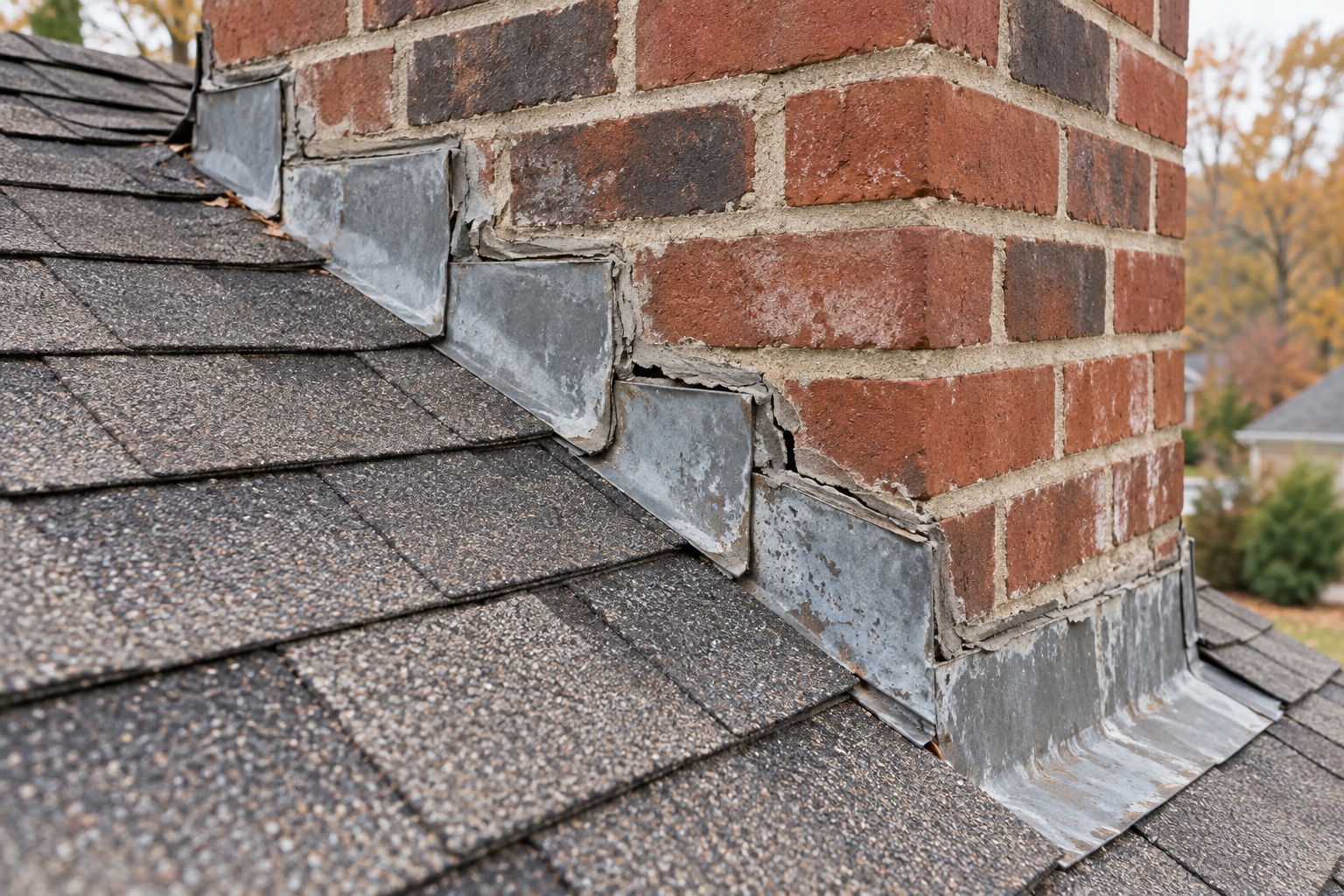
The roof surface, pitch, and planned opening all need to be evaluated before a recommendation is made. A product specification alone cannot answer those questions.
When a Gable-Mount Fan May Make Sense
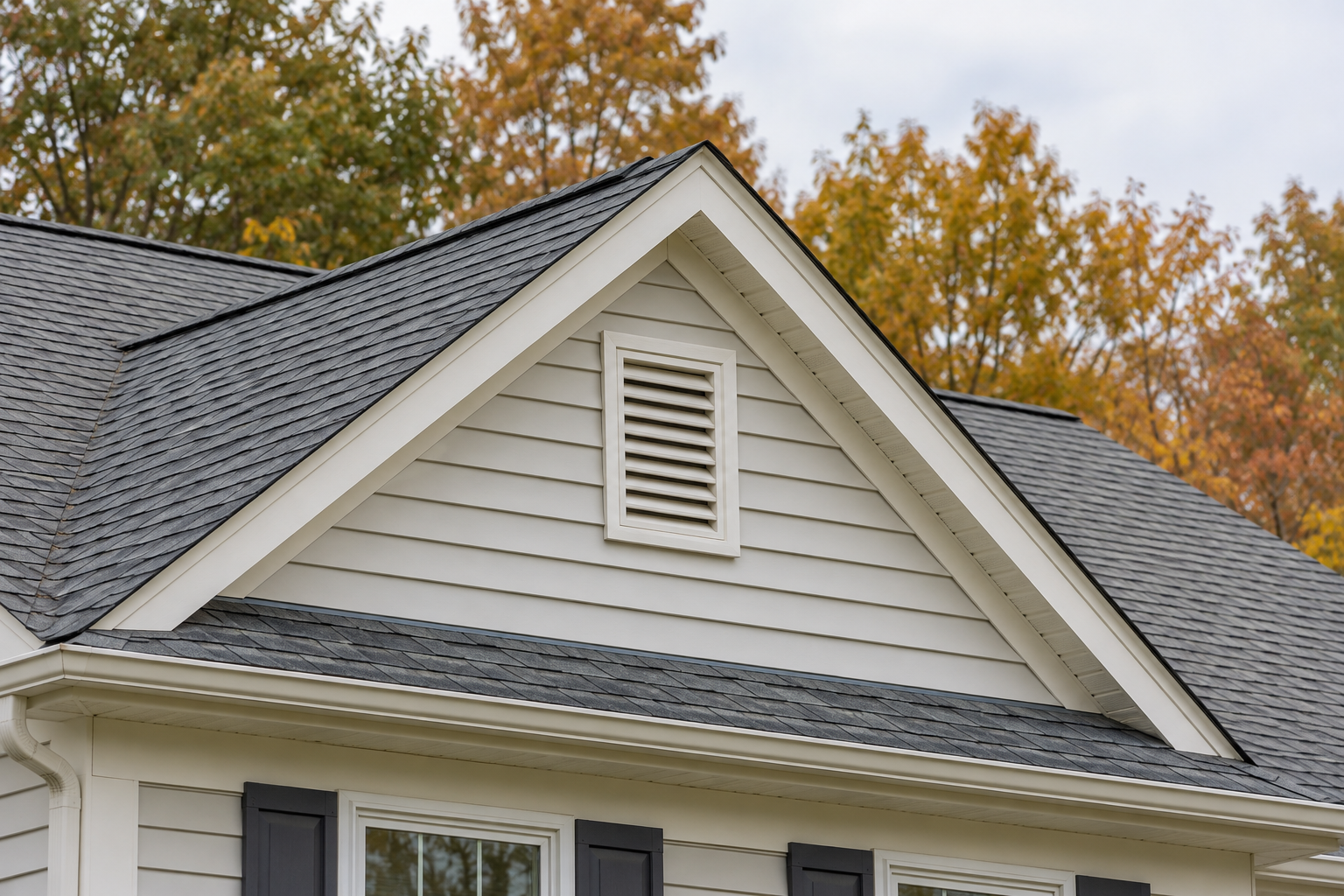
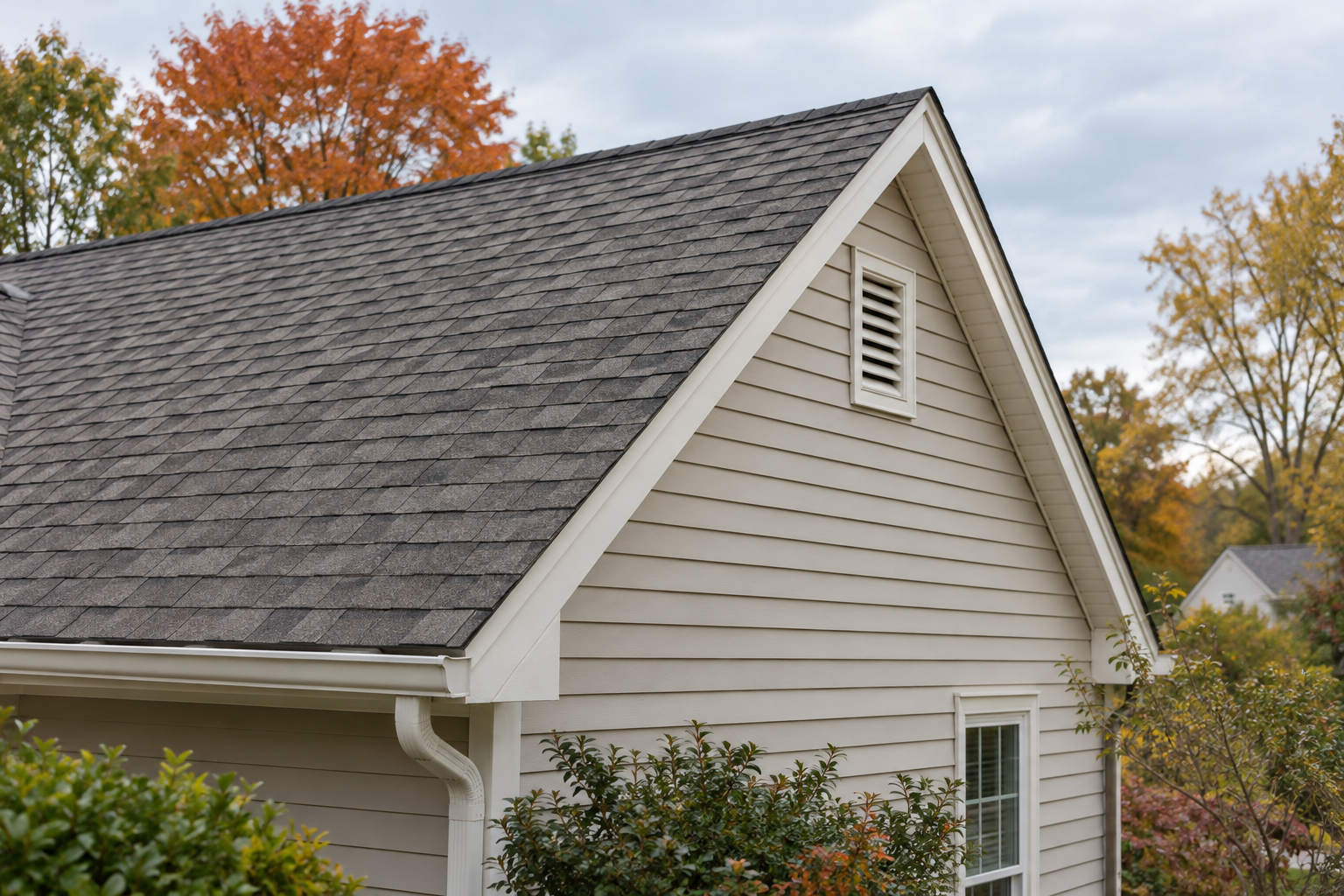
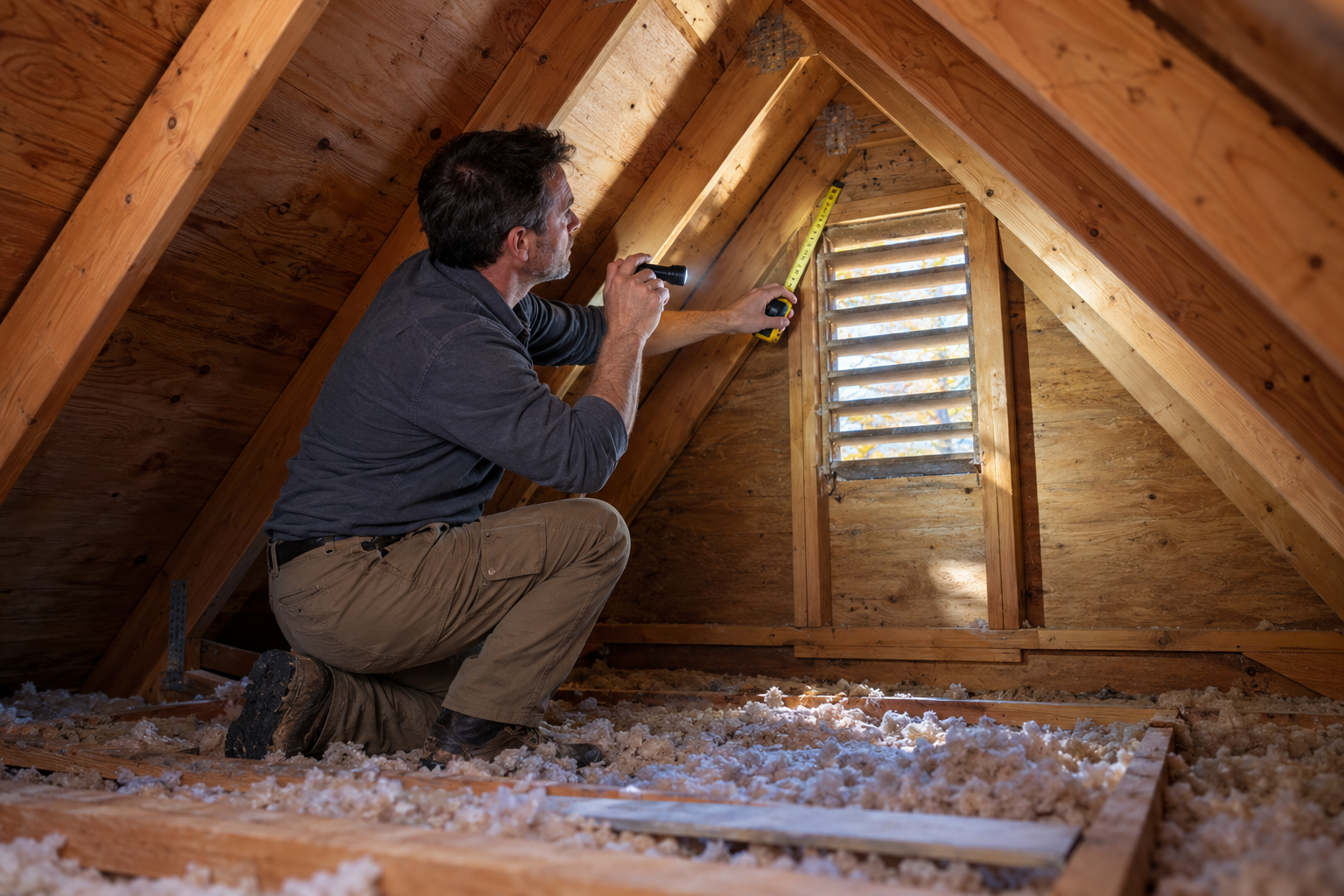
A gable-mount solar attic fan places the fan at the gable end and uses a remote solar panel. The Attic Depot describes this configuration as an option for metal roofs and other roof types where a conventional roof-mounted fan is not practical.
This configuration may be considered when:
- The attic has a usable gable location.
- A roof penetration is not the preferred installation approach.
- The remote solar panel can be placed where it receives useful sunlight.
- The framing, access, and surrounding space can support the fan installation.
A gable opening by itself does not guarantee that a gable-mount fan is the right answer. The size and condition of the opening, nearby framing, attic volume, and the rest of the ventilation system still matter.
The Home Details That Shape the Recommendation
Roof Type and Roof Condition
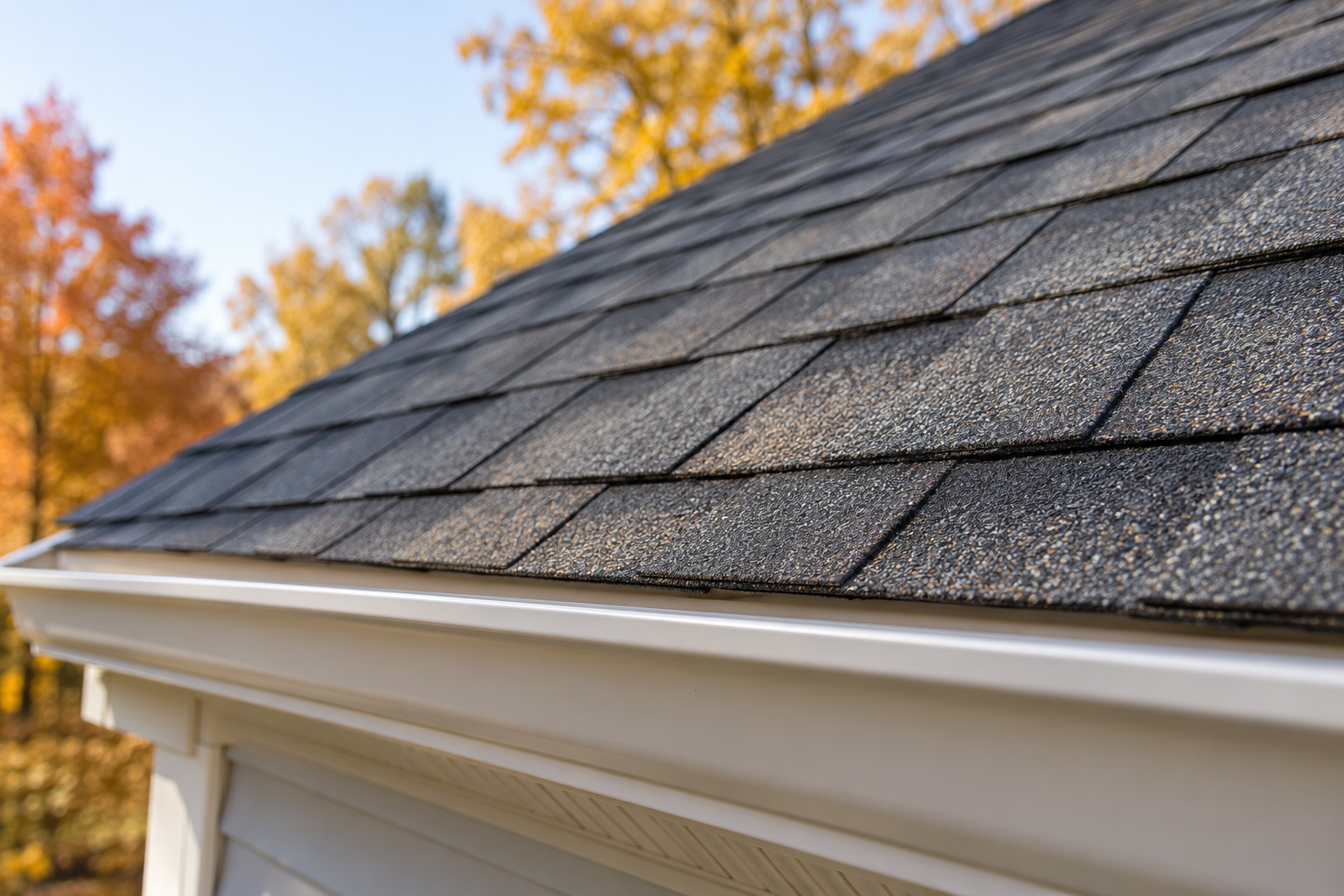
Asphalt shingles, metal roofing, roof pitch, and the condition of the installation area can affect which mounting method is practical. The evaluation should identify where a fan could be installed without treating every roof the same way.
Attic Layout and Gable Access
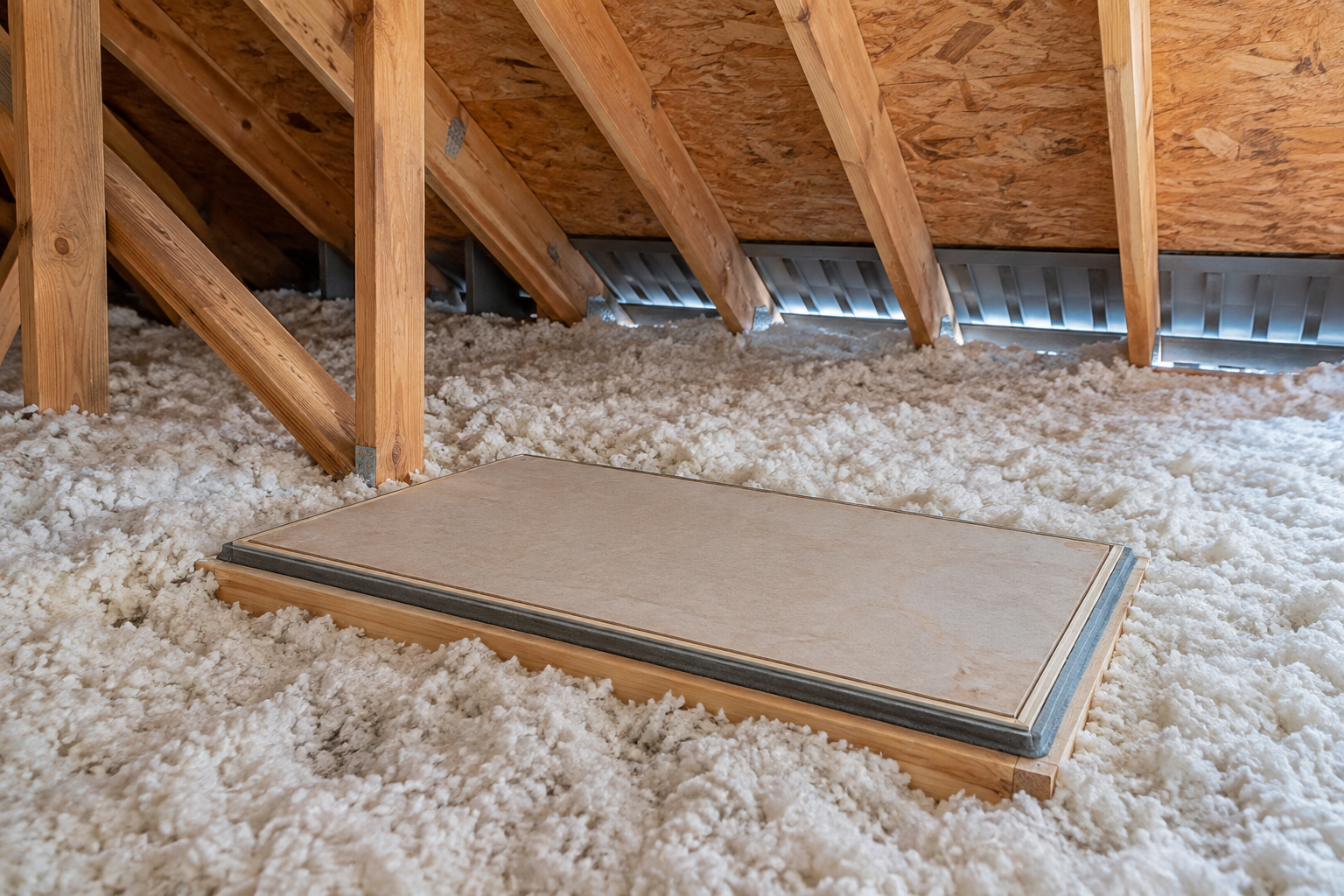
Attics vary in shape, height, framing, and usable working space. Some homes have a clear gable location. Others may have limited access, multiple attic sections, or framing that changes the available options.
Solar Exposure
Both configurations rely on solar energy. The roof-mount model uses an adjustable panel attached to the unit, while the gable-mount model uses a remote panel. Shade, roof orientation, and available panel placement should be reviewed before deciding between them.
Existing Ventilation
The current ventilation system is part of the decision. Existing vents, intake pathways, and attic conditions should be considered before adding powered exhaust. The goal is a home-specific recommendation, not simply adding equipment because space is available.
Installation Access
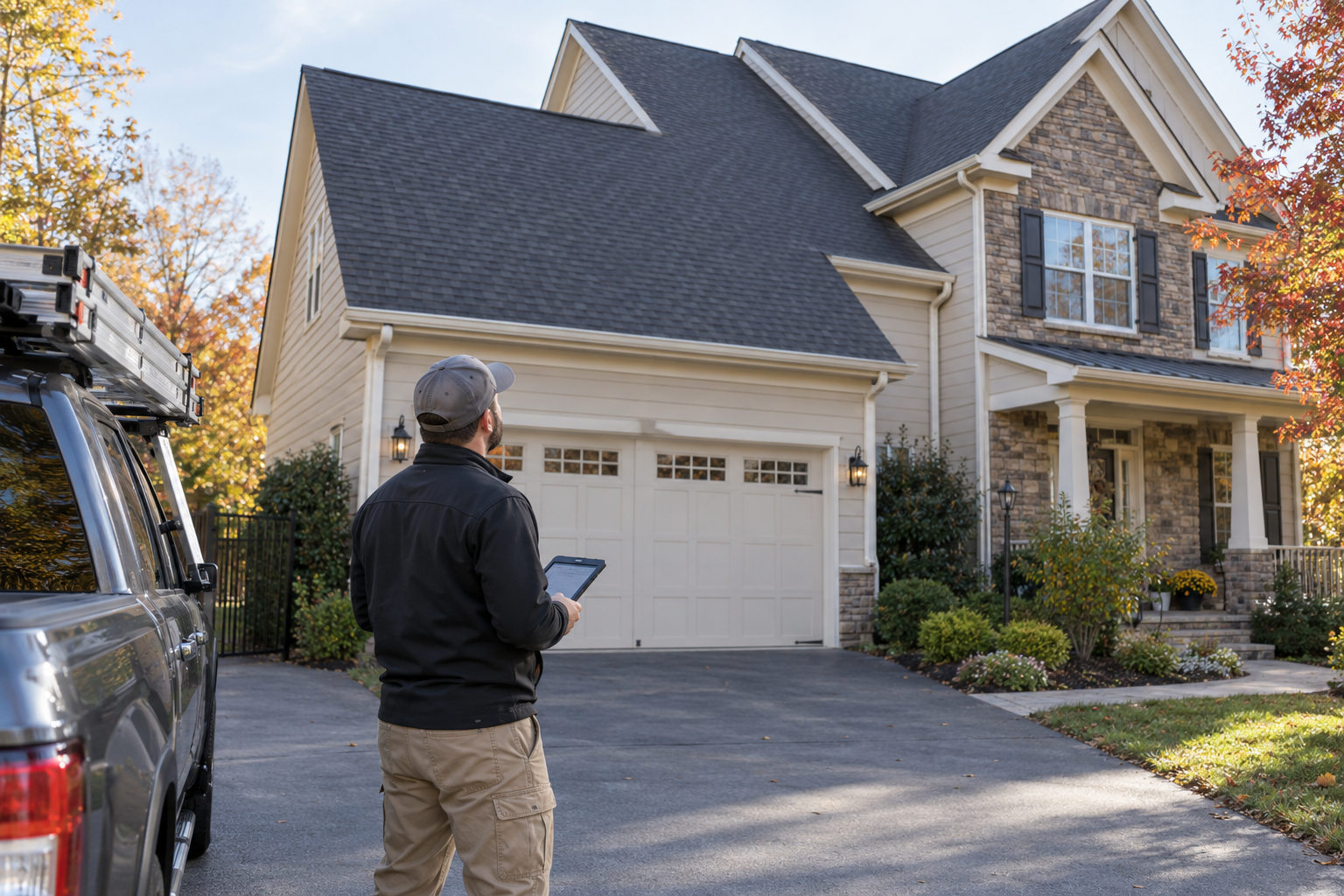
Safe access to the roof or gable area affects the work required. Height, roof pitch, attic clearance, electrical component placement, and other site conditions can influence labor and installation planning.
Why the Quote Should Be Home-Specific
Two homeowners may be comparing the same 30W products and still receive different recommendations or installed quotes. The product choice is only one part of the project. Site conditions, mounting requirements, access, and the number of units recommended can all affect the final scope.
A useful quote should clearly distinguish the selected equipment from the installation work. It should also explain which home conditions influenced the recommendation.
Start With a Free Evaluation
If you are deciding between a roof-mount and gable-mount solar attic fan, begin with the attic and roof rather than guessing from a product page. Roof Maxx can review the relevant conditions and help determine whether either configuration makes sense for your Virginia home.
Request a free home-specific evaluation at richmondroofrejuvenation.com.