
Roof Restoration Blog | Richmond VA & Central Virginia
25W vs. 30W vs. 70W Solar Attic Fans: What Changes?
Solar attic fans are often compared by wattage, but the number on the solar panel is only the beginning. Moving from a 25W system to a 30W or 70W system can also change airflow, estimated coverage, panel design, equipment dimensions, available mounting space, and the installation plan.
The right choice is not automatically the largest model. It depends on the attic, the roof, the existing ventilation system, and the physical conditions at the home.
Richmond Roof Rejuvenation currently offers two 30W configurations: a roof-mount unit with an adjustable solar panel and a gable-mount unit with remote solar-panel placement. The 25W and 70W products below are included as educational manufacturer-catalog comparisons, not as products currently offered by Richmond Roof Rejuvenation.
What Wattage Tells You
The wattage describes the rated output of the solar panel that powers the fan. A larger panel can support a higher-output fan, but wattage does not tell a homeowner everything needed to plan the installation.
The manufacturer also publishes airflow, estimated coverage, panel type, and equipment dimensions. Those details help explain why two models with different wattages may require different amounts of roof space or serve different attic sizes.
Published coverage should be treated as a planning estimate. The Attic Depot states that final recommendations may vary based on attic layout, roof pitch, existing ventilation, insulation levels, roof design, and installation conditions.
25W Roof-Mount: Compact Equipment and a Fixed Panel
The Attic Depot currently lists its 25W roof-mount model with:
- 1,365 CFM airflow
- Coverage up to 1,300 square feet
- A fixed solar panel
- Low-profile dimensions of 18 by 18 by 8 inches
The manufacturer describes the 25W option as suitable for smaller attics where the output of a 30W or 70W fan is not needed.
The fixed panel is an important installation difference. Because the panel position is fixed to the unit, roof orientation and available sunlight deserve attention when reviewing placement.
30W Roof-Mount: More Airflow and an Adjustable Panel
The current 30W roof-mount specifications include:
- 1,550 CFM airflow
- Coverage up to 1,500 square feet
- An adjustable solar panel
- Low-profile dimensions of 19 by 19 by 9 inches
The adjustable panel gives the installer more flexibility to position the panel for available sunlight while the fan housing remains integrated with the roof-mount assembly.
This is one of the two 30W configurations currently offered by Richmond Roof Rejuvenation.
30W Gable-Mount: Remote Panel Placement
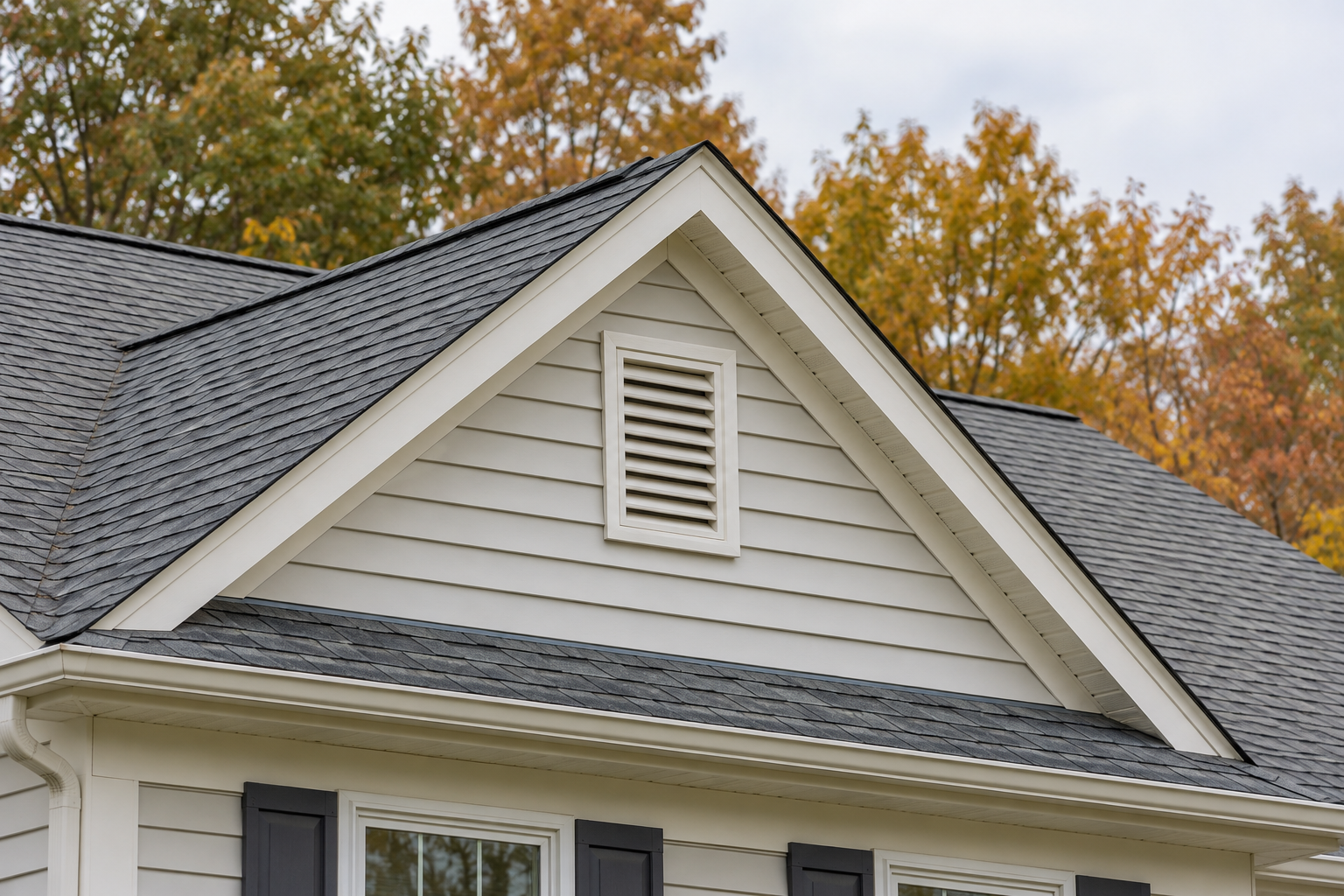
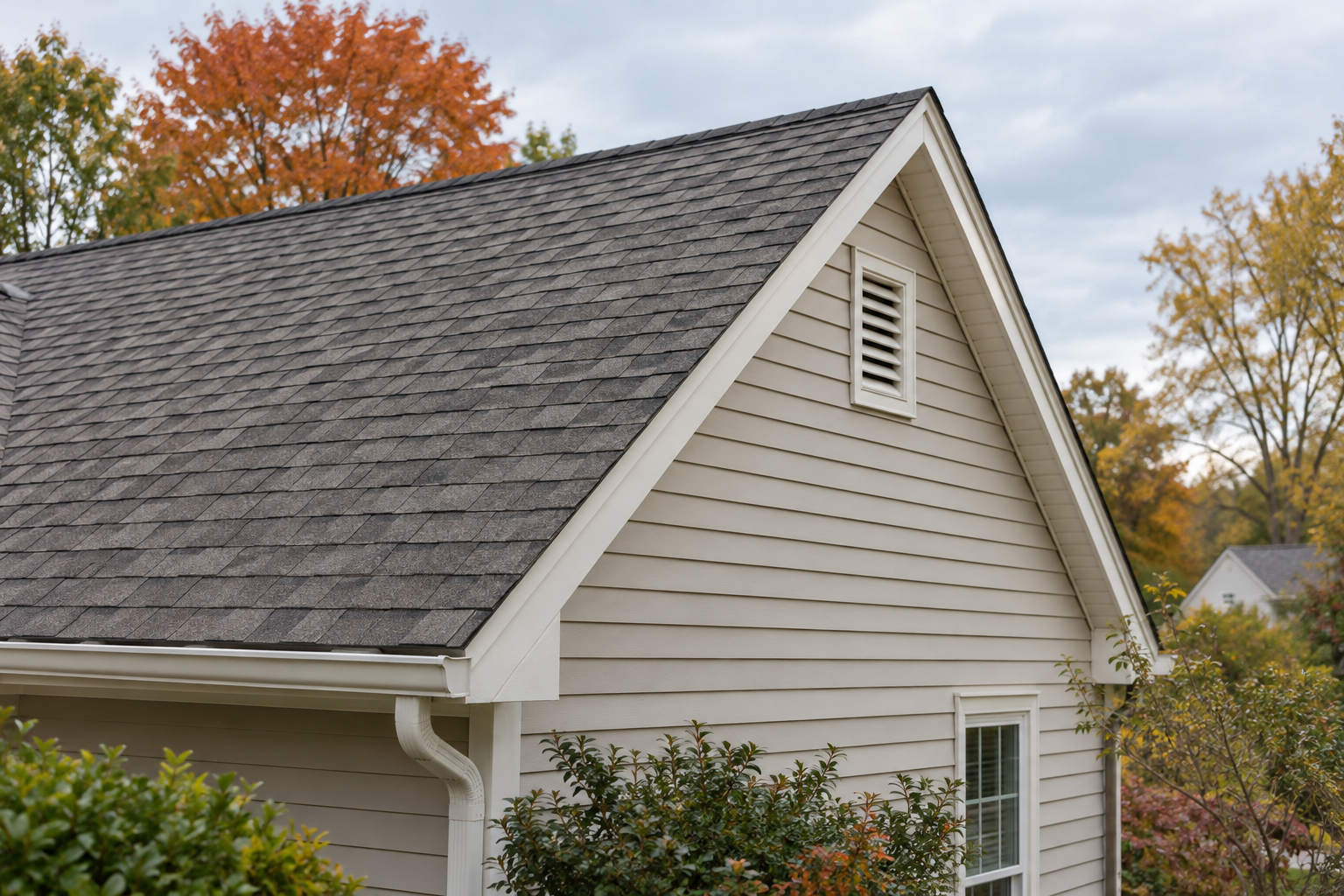
The 30W gable-mount configuration uses a separate fan installed at the gable and a remotely positioned solar panel. The Attic Depot currently lists the gable-mount model with 1,550 CFM airflow and estimated coverage up to 1,500 square feet.
This configuration may be considered when a conventional roof-mount installation is not the practical fit. The separate panel creates a different installation plan because the panel and fan are mounted in different locations.
Richmond Roof Rejuvenation currently offers this 30W gable-mount configuration along with the 30W roof-mount option.
70W Roof-Mount: Higher Output and Larger Equipment
The Attic Depot currently lists its 70W roof-mount model with:
- 3,850 CFM airflow
- Coverage up to 2,500 square feet
- An adjustable solar panel
- Dimensions of 27.5 by 29 by 12.5 inches
The manufacturer positions the 70W model for large attics or situations where two 30W fans do not fit. Its higher output comes with a larger physical footprint, so roof space, clearances, access, and placement become especially important.
Richmond Roof Rejuvenation does not currently market the 70W model. It is included here to show how a larger wattage can change both the equipment and the installation requirements.
Why Coverage Alone Does Not Determine the Installation
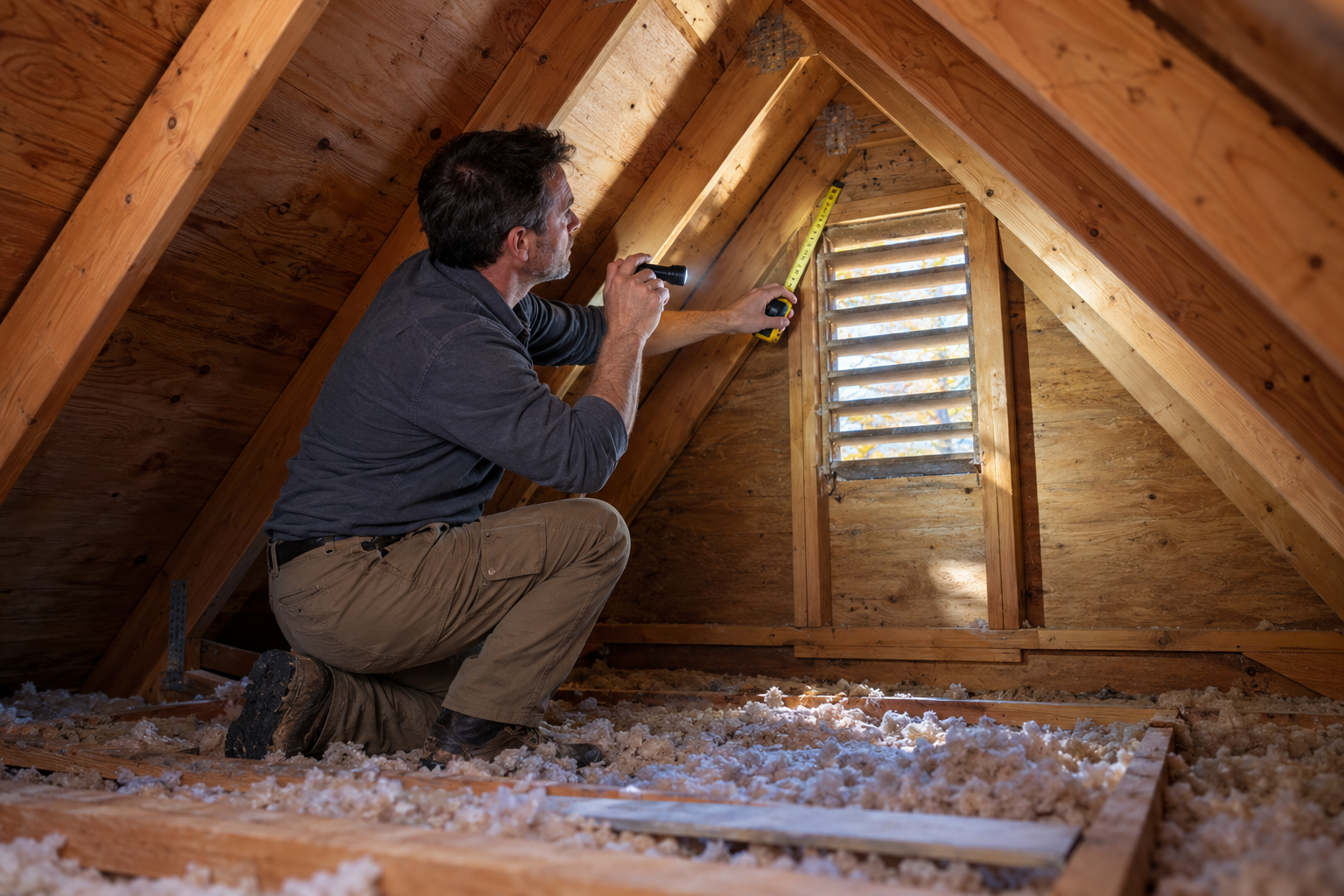
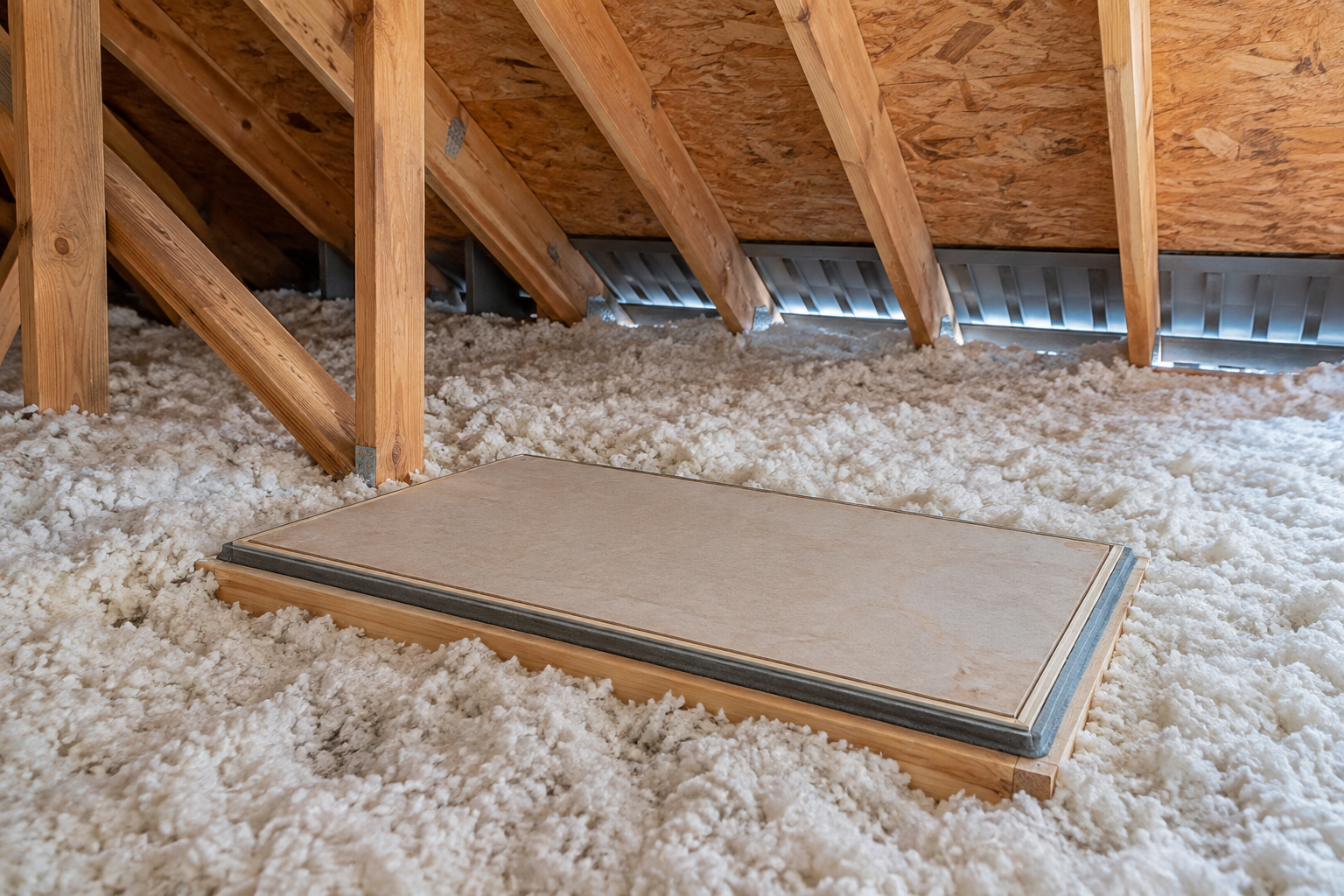
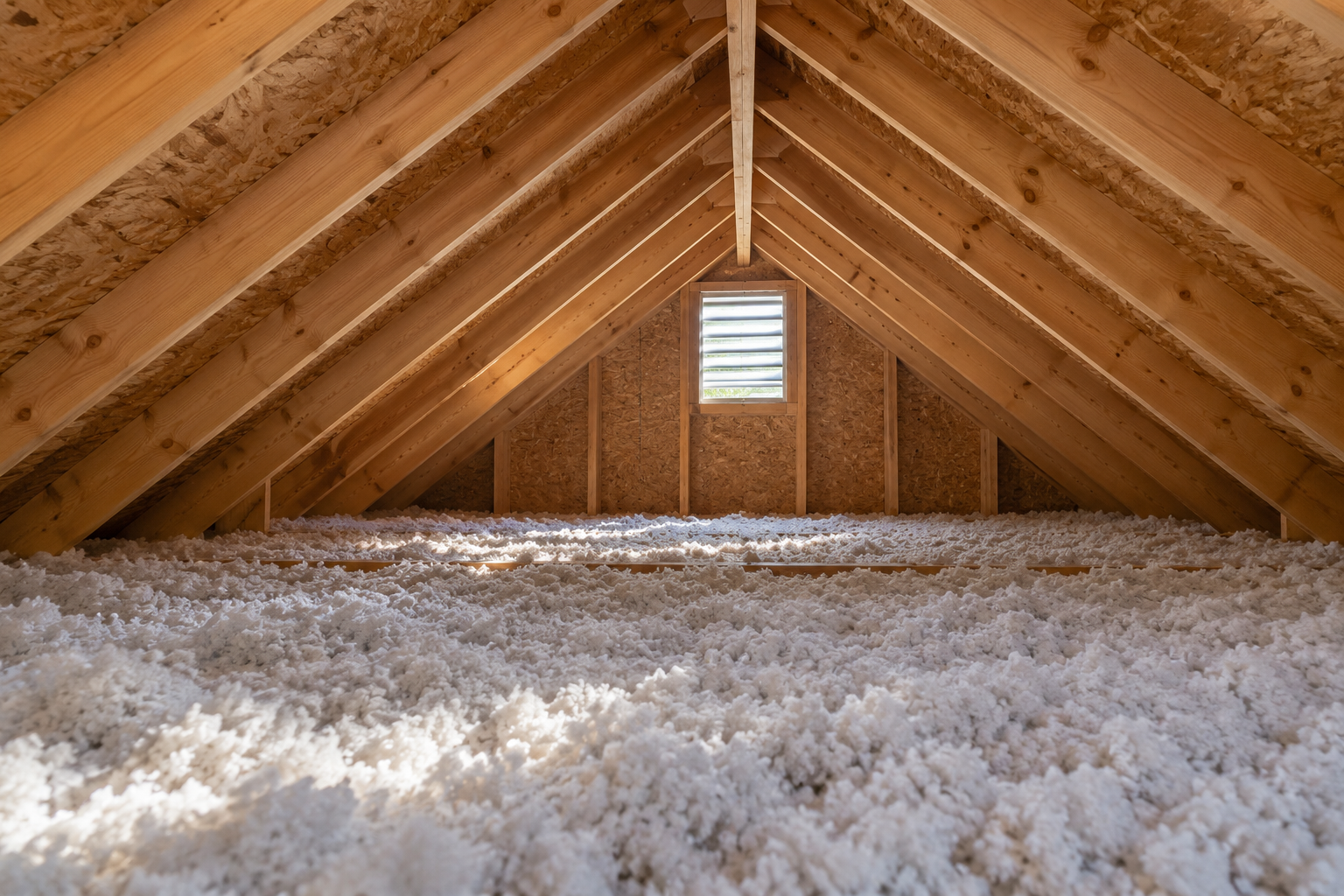
An estimated square-foot coverage number is useful, but it cannot describe every attic or roof. Two homes with the same living area may have different attic areas, roof pitches, attached garages, roof colors, intake ventilation, insulation, and mounting limitations.
A responsible evaluation may consider:
- Estimated attic area rather than living area alone
- One-story, one-and-a-half-story, or two-story construction
- Attached-garage attic space
- Roof color and solar exposure
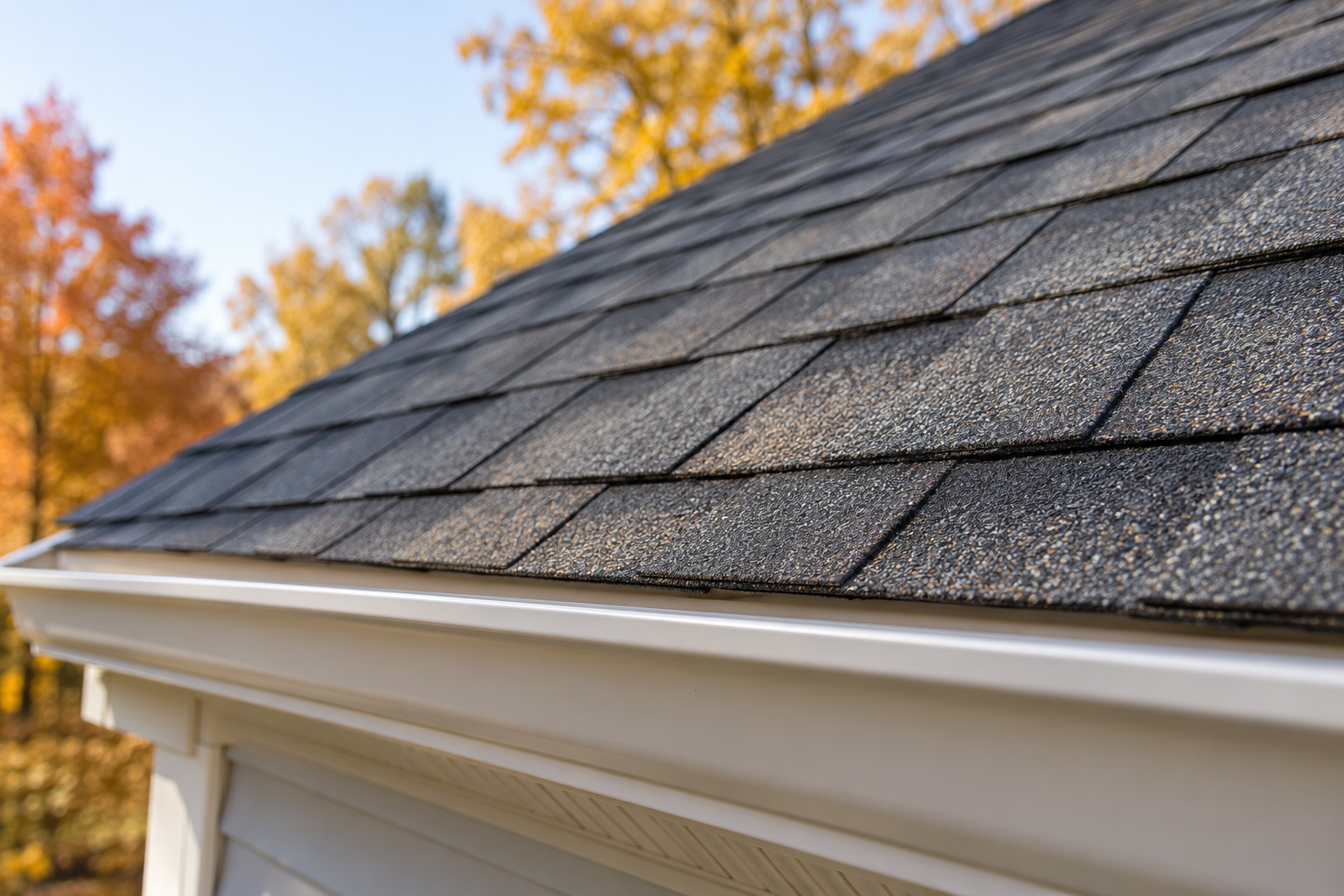
- Roof pitch, material, and available mounting area
- Existing ridge, soffit, or gable ventilation
- Insulation depth and attic obstructions
- Practical installation access
- Whether a roof-mount or gable-mount configuration fits the home
These details can affect the number of units, the mounting method, the installation scope, and the final quote.
Product Price and Installed Price Are Different
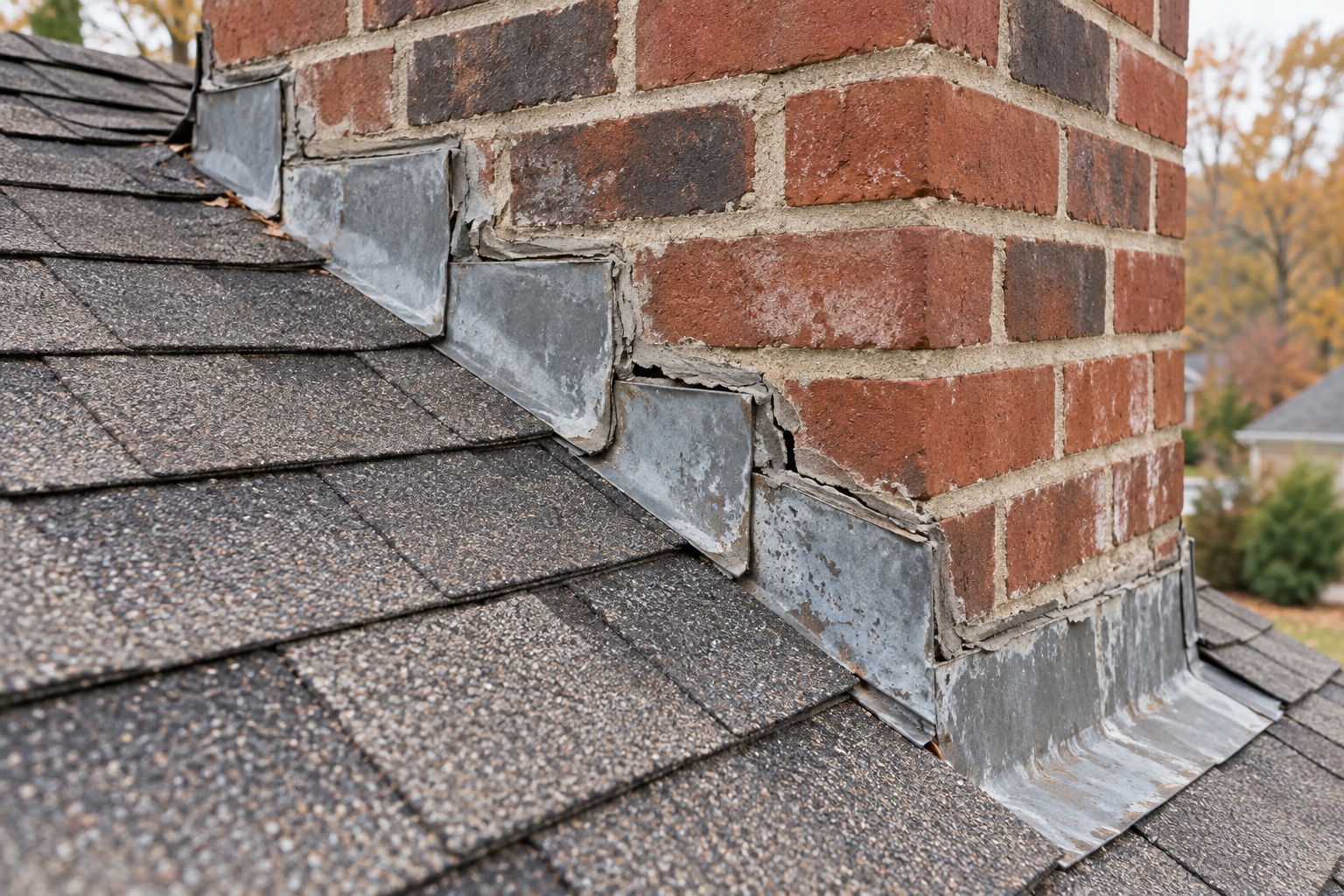
Comparing product specifications is not the same as comparing installed project costs. The final installed price may reflect the chosen configuration, number of units, roof access, roof pitch, mounting location, flashing or sealing work, attic access, and other site conditions.
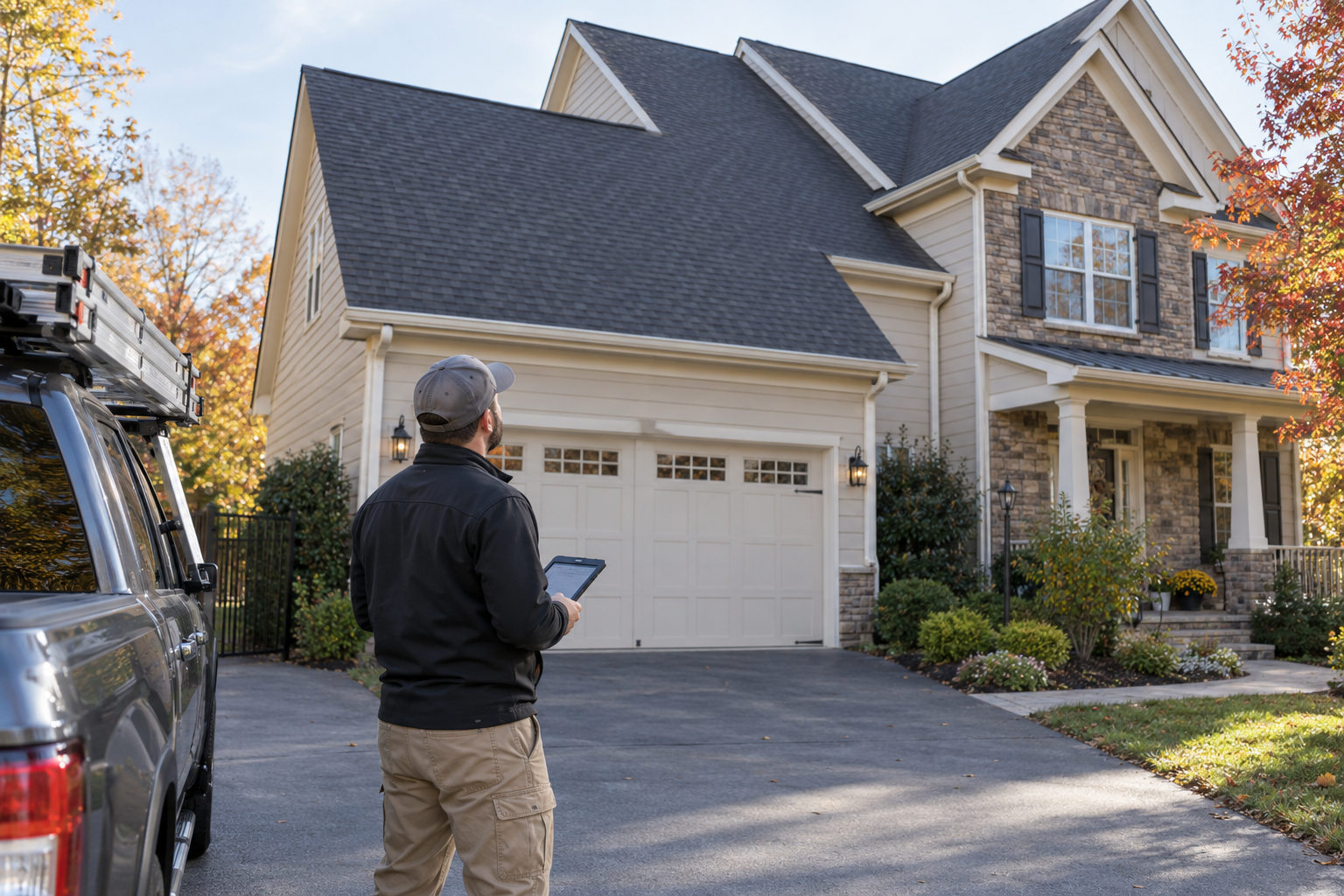
That is why Richmond Roof Rejuvenation does not treat a wattage label or online coverage figure as a final quote. The home needs to be evaluated before a recommendation is made.
Start With the Home, Not the Biggest Number
A larger wattage is not automatically better for every attic. The goal is to select a configuration that makes sense for the attic volume, airflow path, roof design, and installation conditions.
Richmond Roof Rejuvenation currently focuses on the 30W roof-mount and 30W gable-mount systems. A free roof and attic evaluation can help determine whether either configuration is appropriate and what the installation would require.
Visit richmondroofrejuvenation.com to schedule a free evaluation, estimate your ventilation needs, or learn more about solar attic ventilation in Virginia.