
Roof Restoration Blog | Richmond VA & Central Virginia
How Roof Pitch Affects Asphalt-Shingle Performance and Roof Life
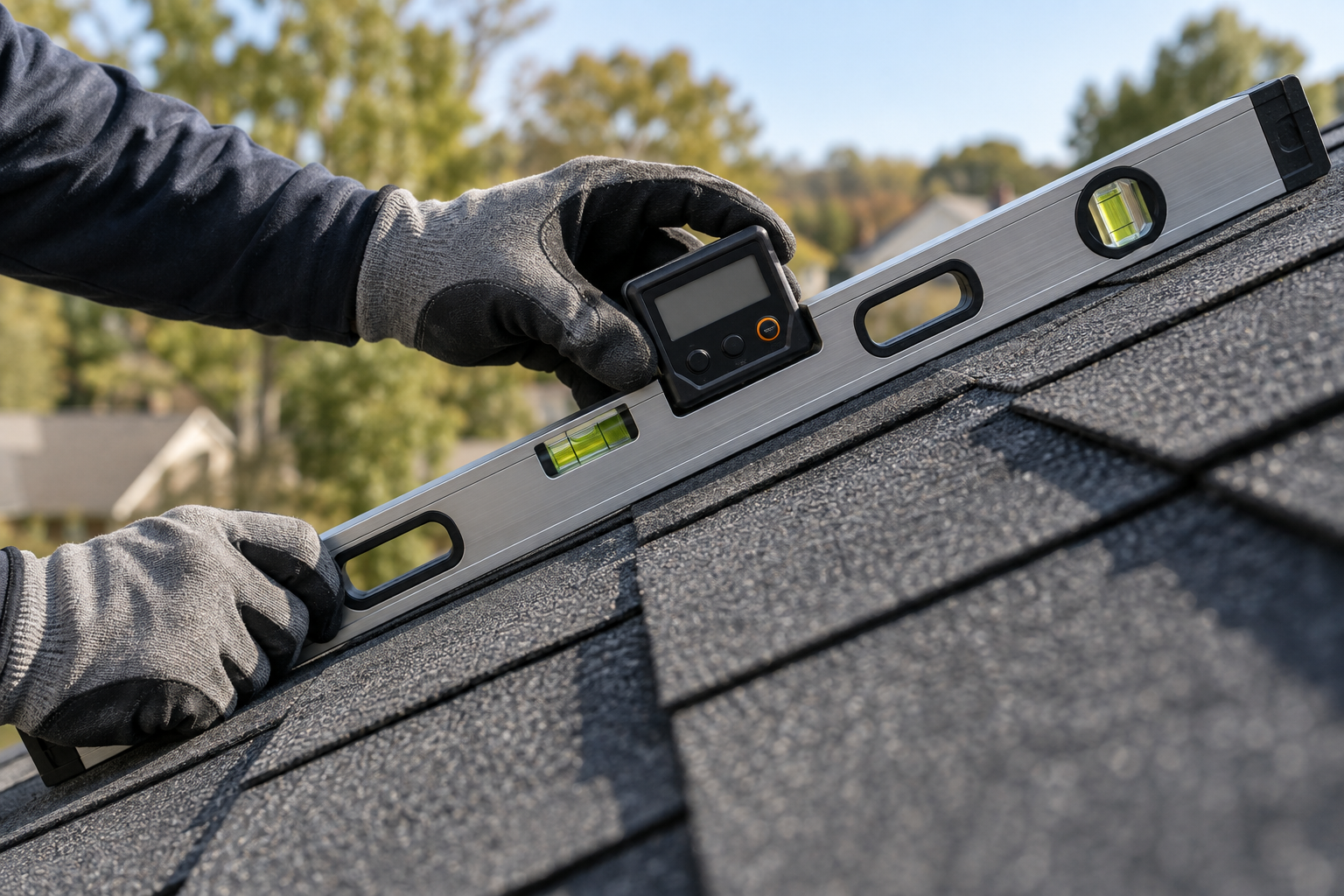
The angle of a roof does more than shape a home’s appearance. Roof pitch affects how quickly water drains, how asphalt shingles must be installed, and where extra attention may be needed over time. That makes pitch an important part of understanding roof performance—but it is not the only factor that determines how long a roof will last.
For homeowners in Midlothian, Richmond, and across Central Virginia, the practical goal is simple: understand the roof you already have, address vulnerable areas early, and use the right care to help protect its useful life.
What Roof Pitch Means
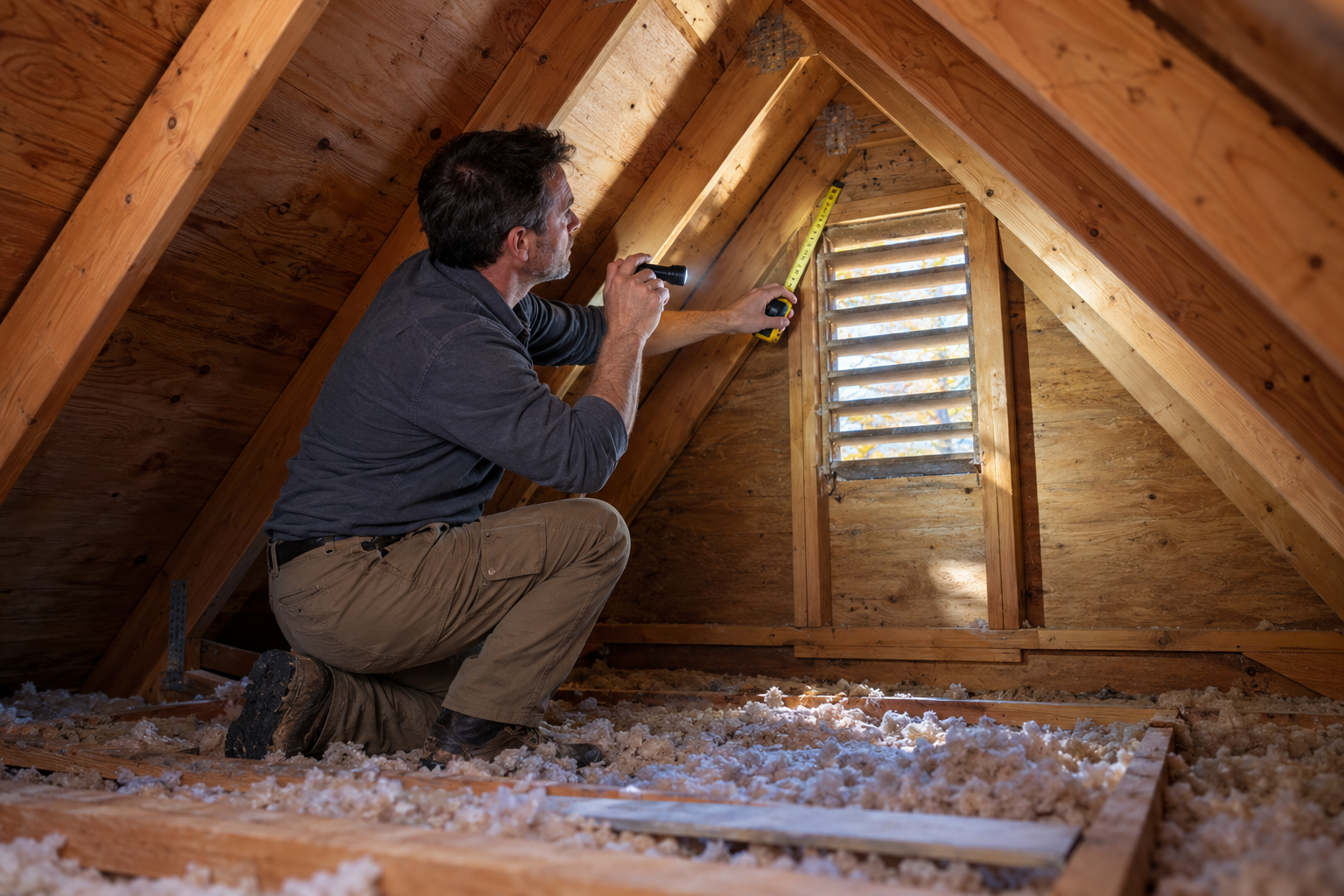
Roof pitch describes how much a roof rises for every 12 inches of horizontal distance. A 4:12 roof, for example, rises 4 inches for every 12 inches of run.
That measurement helps roofing professionals determine which materials and installation methods are appropriate. It also helps explain why two sections of the same roof can respond differently to rain, debris, and seasonal weather.
Why Lower Slopes Drain More Slowly
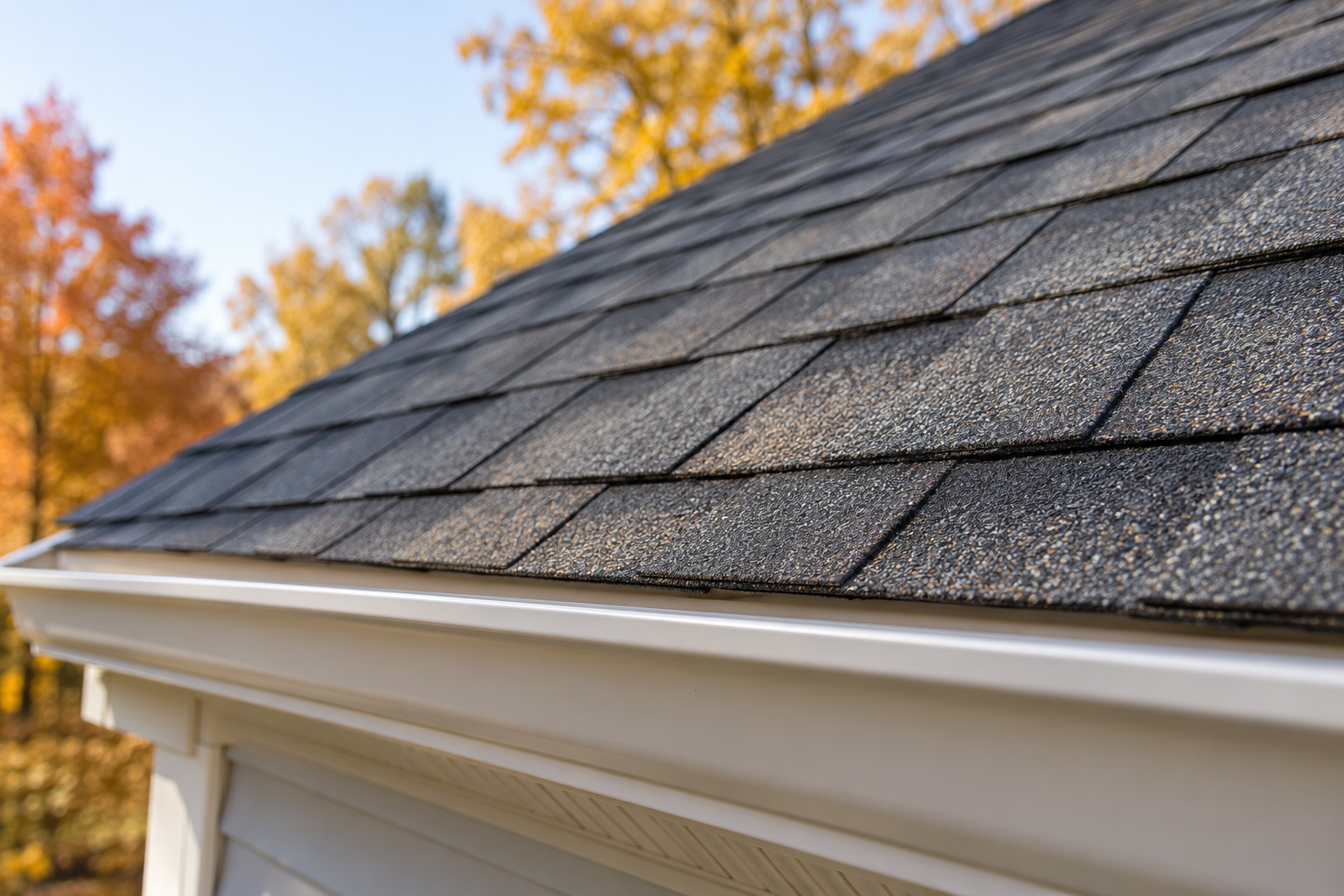
Asphalt shingles are designed to shed water with help from gravity and the roof’s slope. On a lower-slope section, rainwater moves away more slowly than it does on a steeper section. Wind-driven rain can also be more demanding on the roof assembly.
That does not automatically mean a lower-slope roof is failing. It means the roof system must be designed and installed for that pitch. Manufacturer requirements and local building codes may call for additional roof-deck protection or specific underlayment details on low-slope asphalt-shingle applications.
Why Installation Details Change With Slope
Pitch influences more than the shingles themselves. A complete roof system includes the roof deck, underlayment, flashing, ventilation, and carefully detailed transitions. On lower-slope areas, correct underlayment and water-shedding details become especially important.
Areas that deserve careful attention include:
- Valleys where two roof planes meet
- Changes in pitch between a main roof and a porch or addition
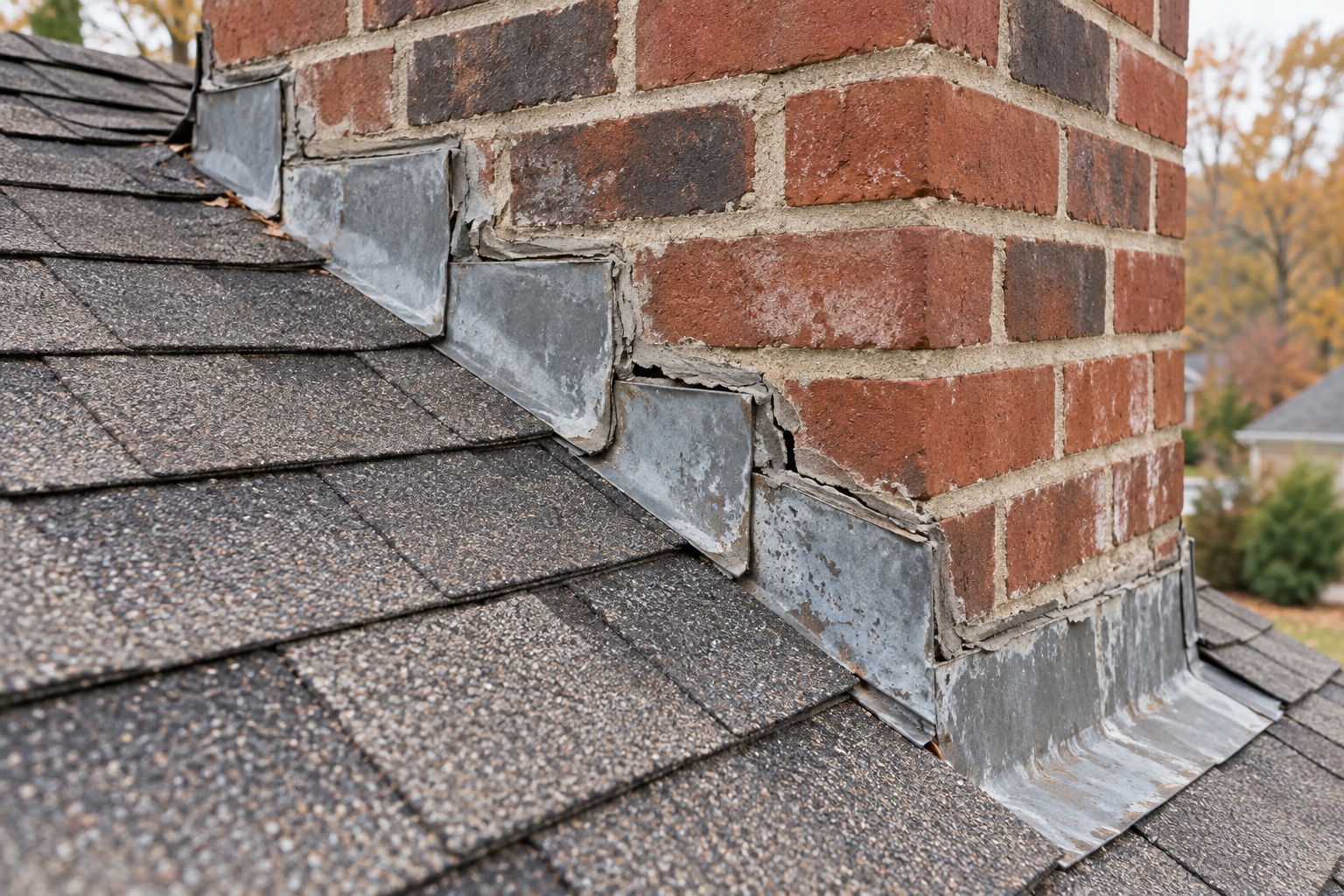
- Chimneys, skylights, plumbing vents, and other penetrations
- Flashing at walls and roof edges
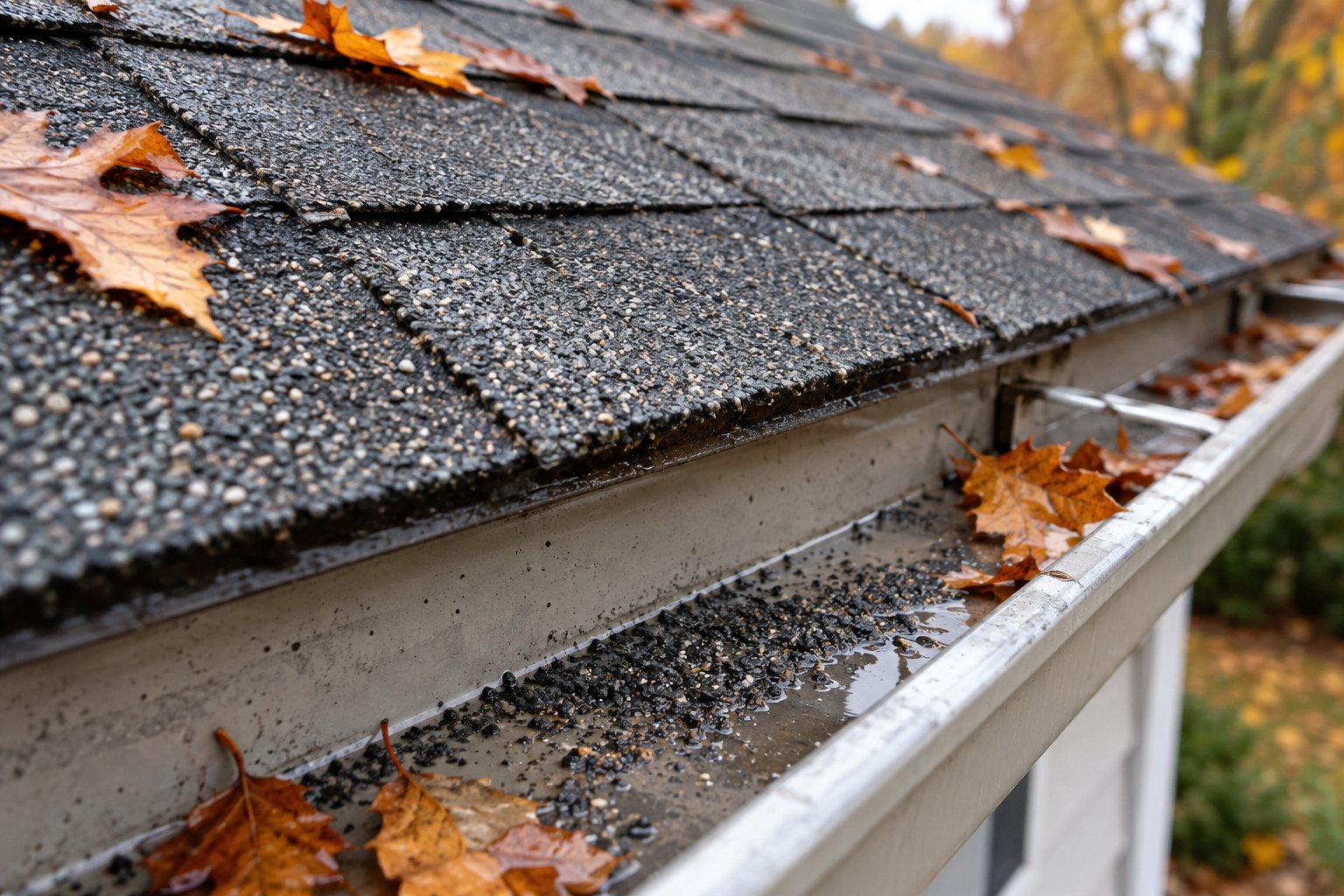
- Places where leaves or debris slow drainage
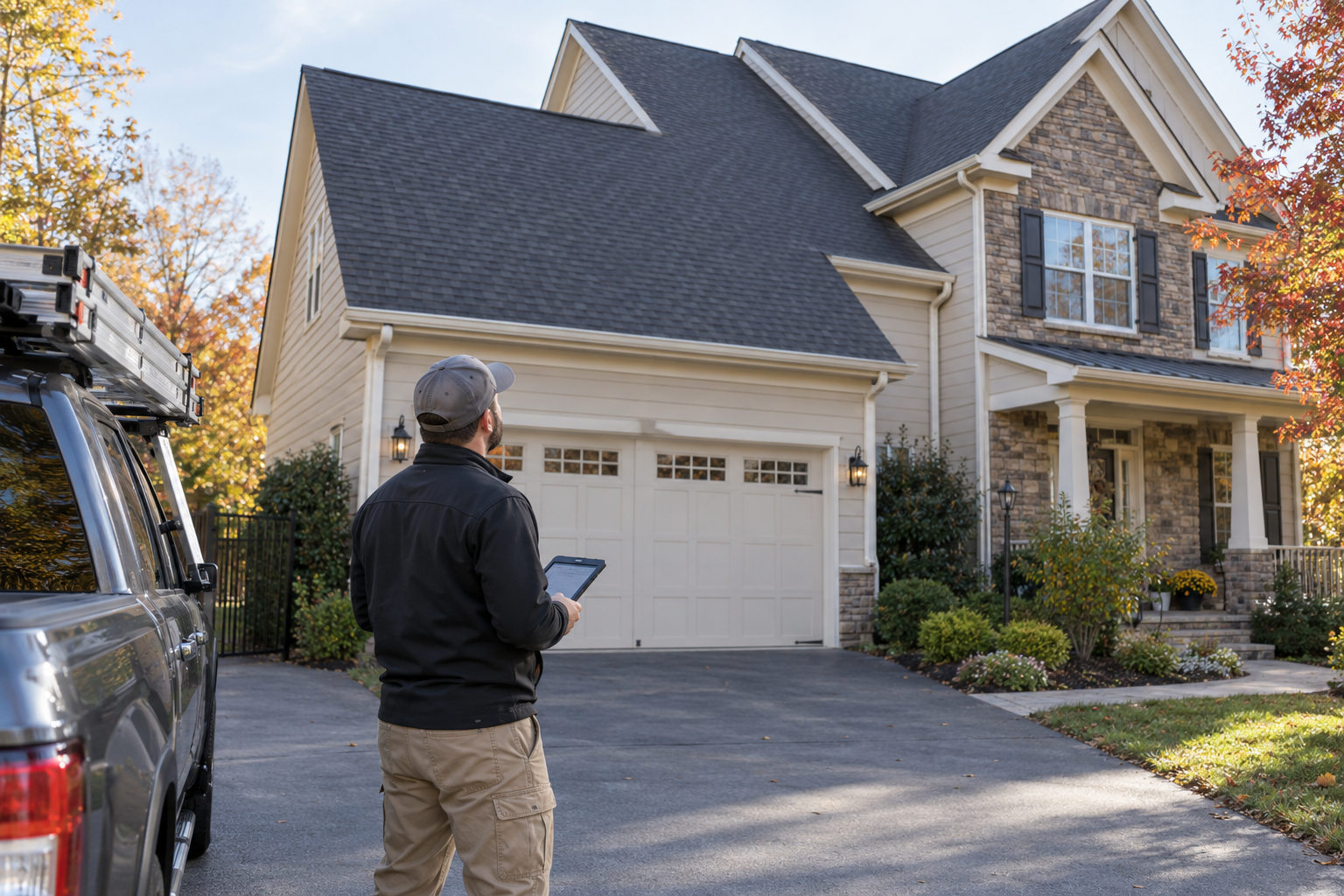
These details should follow the roofing manufacturer’s instructions and applicable local code. A visual guess from the ground is not enough to determine whether the assembly is correct.
Steeper Does Not Automatically Mean Longer-Lasting
A steeper roof can shed water more quickly, but pitch alone cannot predict roof lifespan. The National Roofing Contractors Association notes that actual roof life depends on several factors, including climate, design, material quality and suitability, installation, and maintenance.
For an asphalt-shingle roof, performance can also be influenced by ventilation, sun exposure, storm damage, foot traffic, and the condition of flashing and sealants. A steep roof with poor installation or neglected damage can still develop problems. A properly designed lower-slope section can perform well when the correct materials and details are used.
The most useful question is not, “Is my roof steep enough to last?” It is, “Is every part of my roof designed, installed, and maintained for the slope it has?”
What Richmond-Area Homeowners Should Watch
Central Virginia roofs face summer heat, humidity, thunderstorms, falling branches, and periods of heavy rain. Different roof planes may experience those conditions differently. A shaded, lower-slope porch roof may hold moisture or debris longer than a sunny, steeper main roof—even though both are attached to the same home.
Homeowners can help protect roof life by watching for:
- Debris collecting in valleys or on low-slope sections
- Water stains near roof transitions or penetrations
- Loose, lifted, cracked, or missing shingles
- Damaged or separated flashing
- Sagging areas or drainage that does not look normal
- Changes after severe wind or heavy rain
If something looks different, a professional evaluation can identify whether the next step is routine maintenance, a targeted repair, rejuvenation when appropriate, or replacement.
How Pitch Fits Into a Roof-Longevity Plan
Roof longevity is about making informed decisions for the roof you already own. Pitch helps determine how the roof manages water and which details matter most, but a useful plan considers the whole system.
A roof evaluation should look at the shingles, drainage paths, flashing, roof transitions, ventilation, visible wear, and the home’s maintenance history. That broader view helps homeowners avoid one-size-fits-all advice and focus spending where it can do the most good.
Richmond Roof Rejuvenation helps homeowners in Midlothian, Richmond, and Central Virginia understand the condition of an aging asphalt roof and choose a practical next step. To request an evaluation and learn how to protect the life of your current roof, visit richmondroofrejuvenation.com.