
Roof Restoration Blog | Richmond VA & Central Virginia
Roof Repair or Replacement? How Midlothian Homeowners Can Decide
Finding a water stain, loose shingle, or worn-looking section of roof can make the next step feel urgent—and expensive. The good news is that one visible problem does not automatically mean the entire roof must be replaced. Sometimes a focused repair is enough. In other cases, repeated or widespread problems make replacement the safer long-term choice.
There can also be a third path for certain aging asphalt-shingle roofs: rejuvenation. The right decision depends on the roof’s present condition, the extent and location of the problem, and whether the roofing system is still structurally serviceable.
For homeowners in Midlothian, Richmond, and Central Virginia, the most useful question is not simply, “How old is my roof?” It is, “What is happening across the entire roofing system?”
Start With the Extent of the Problem
The difference between repair and replacement often comes down to whether the issue is localized or widespread.
A repair may be appropriate when the problem is confined to a small area and the surrounding roof remains in sound condition. Examples can include:
- A few missing or damaged shingles
- A cracked pipe boot
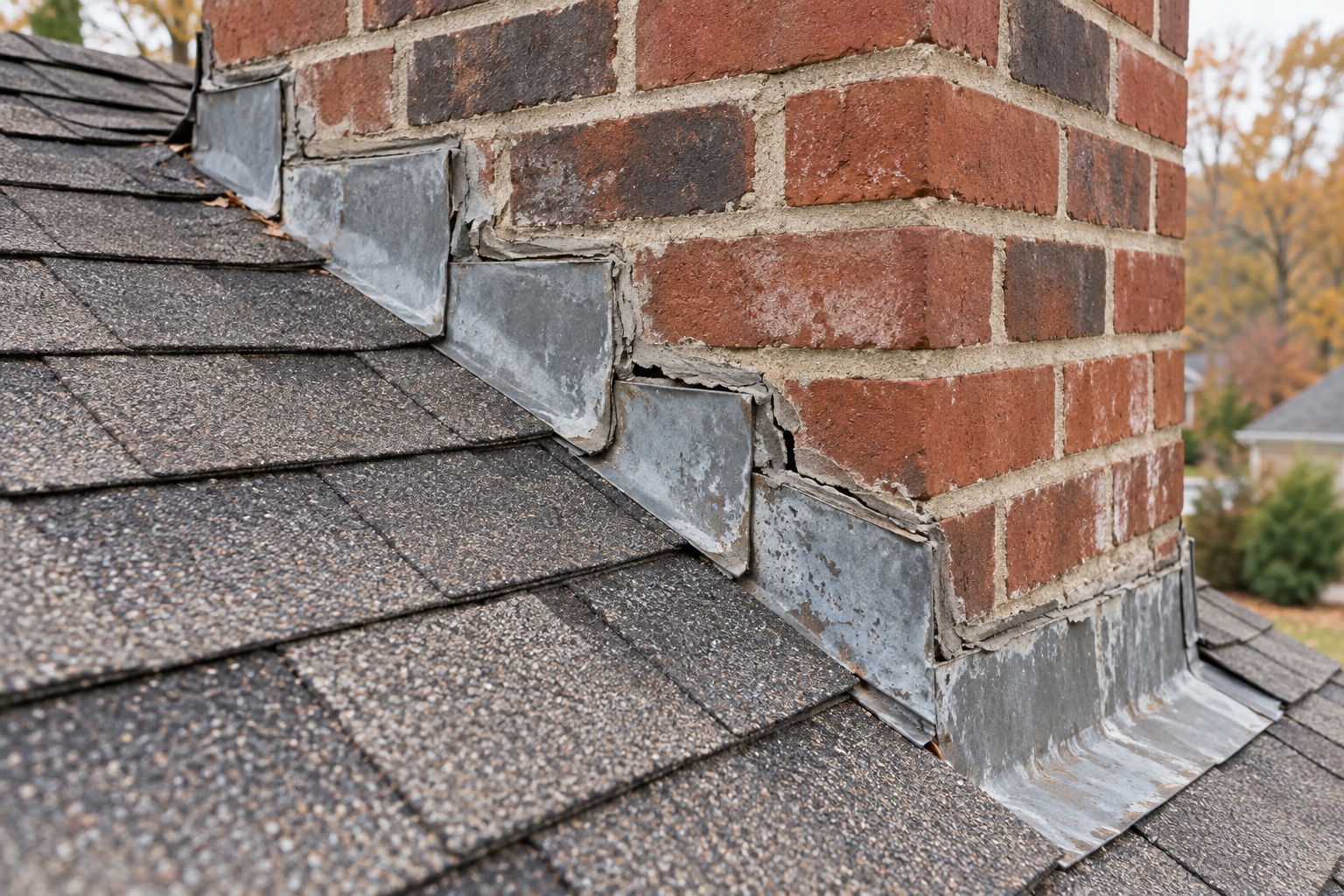
- Loose or deteriorated flashing around a vent, chimney, or skylight
- A small leak with a clearly identified source
- Limited storm damage on one roof section
These problems still deserve prompt attention. A small opening can allow water to reach underlayment, decking, insulation, ceilings, and walls. Addressing a focused defect early may prevent damage from spreading.
Replacement becomes more likely when the roof shows broad failure rather than one isolated defect. Warning signs can include:
- Recurring leaks in more than one location
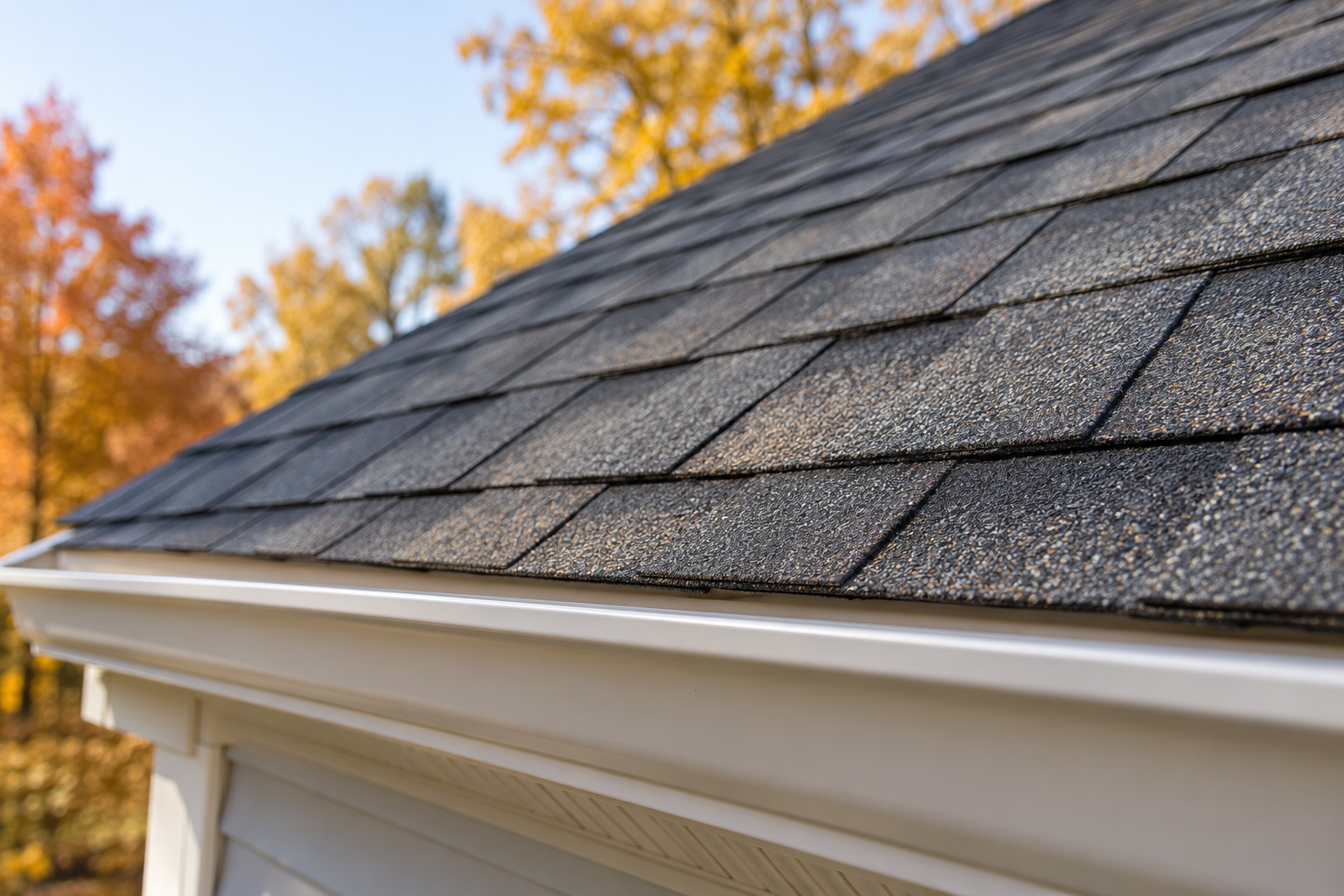
- Widespread cracking, curling, buckling, or missing shingles
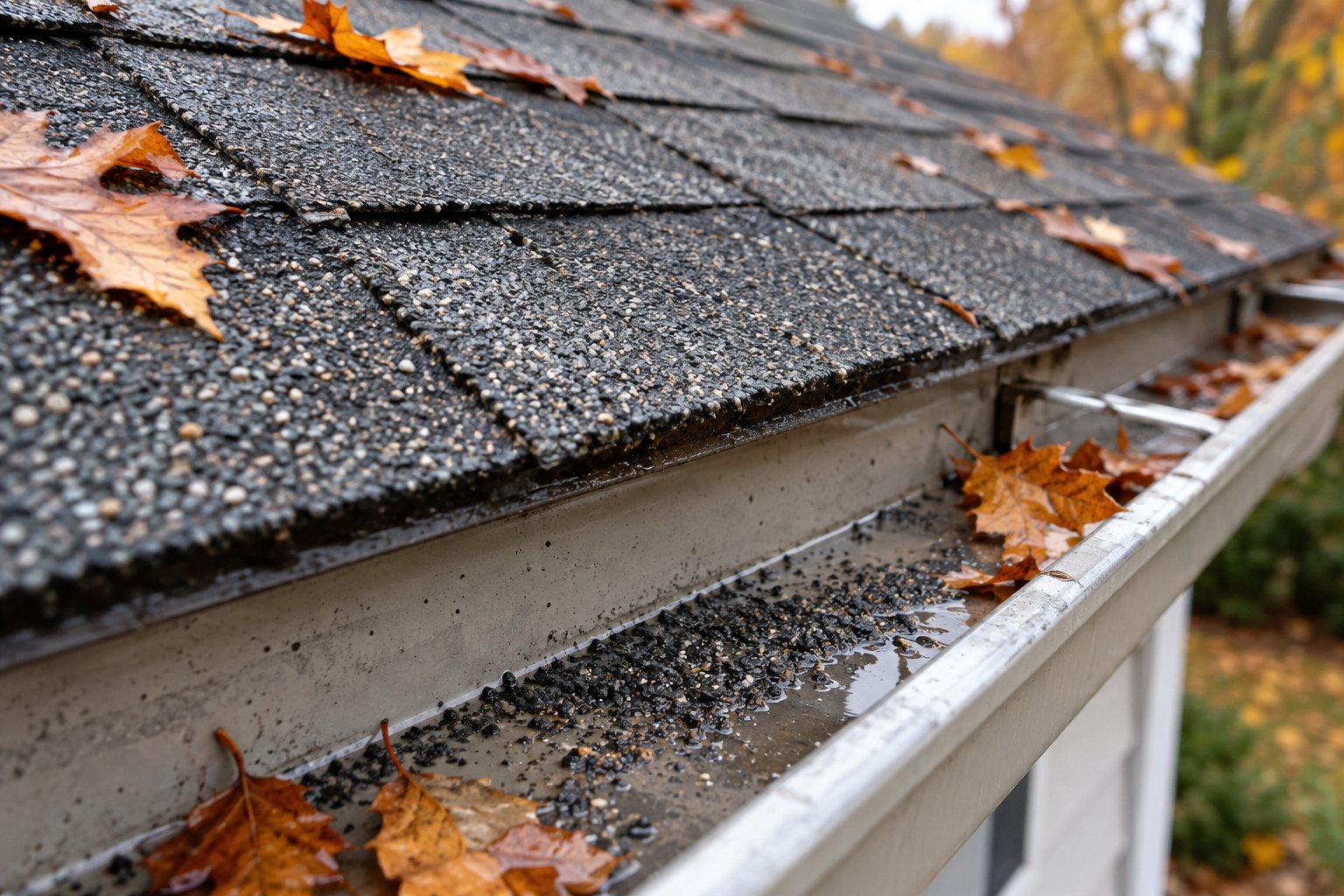
- Significant granule loss across large roof areas
- A sagging roofline or soft, deteriorated decking
- Repairs that repeatedly fail because the surrounding materials are no longer reliable
- Extensive storm damage affecting multiple roof planes
The condition of the roof deck matters. If moisture has caused widespread decay or structural problems, replacing only the visible shingles will not correct the underlying issue.
Why Roof Age Is Only One Part of the Decision
Roof age provides useful context, but it should not make the decision by itself. Two roofs installed in the same year can age differently because of:
- Installation quality
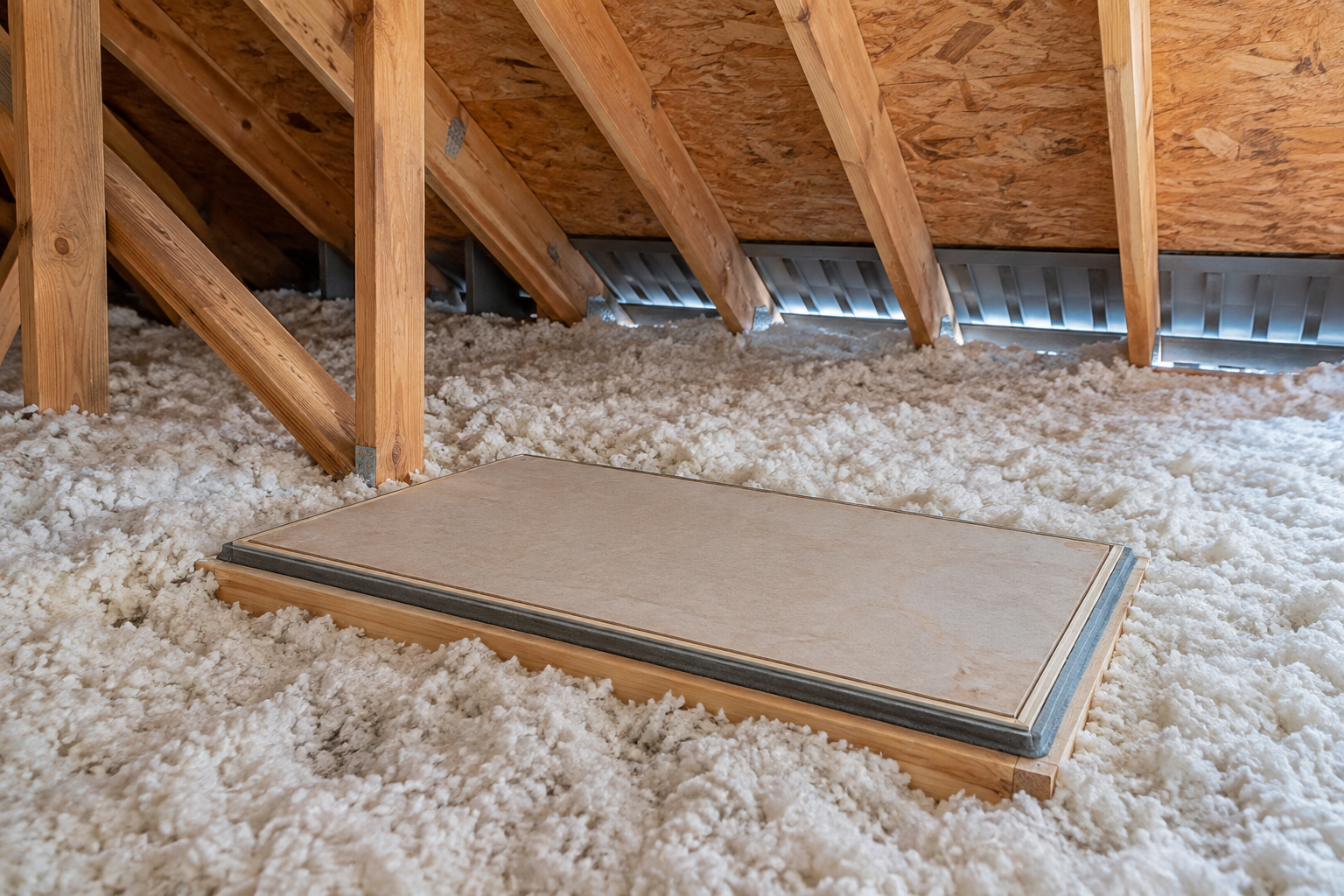
- Attic ventilation and moisture control
- Sun and heat exposure
- Tree cover and organic debris
- Storm history
- Maintenance and previous repairs
- Roof slope and drainage patterns
Central Virginia roofs experience hot summers, ultraviolet exposure, humidity, heavy rain, wind, and seasonal temperature changes. A shaded roof section may retain moisture and debris, while a south- or west-facing slope may receive more intense sunlight. That is why different areas of the same roof may not age at the same rate.
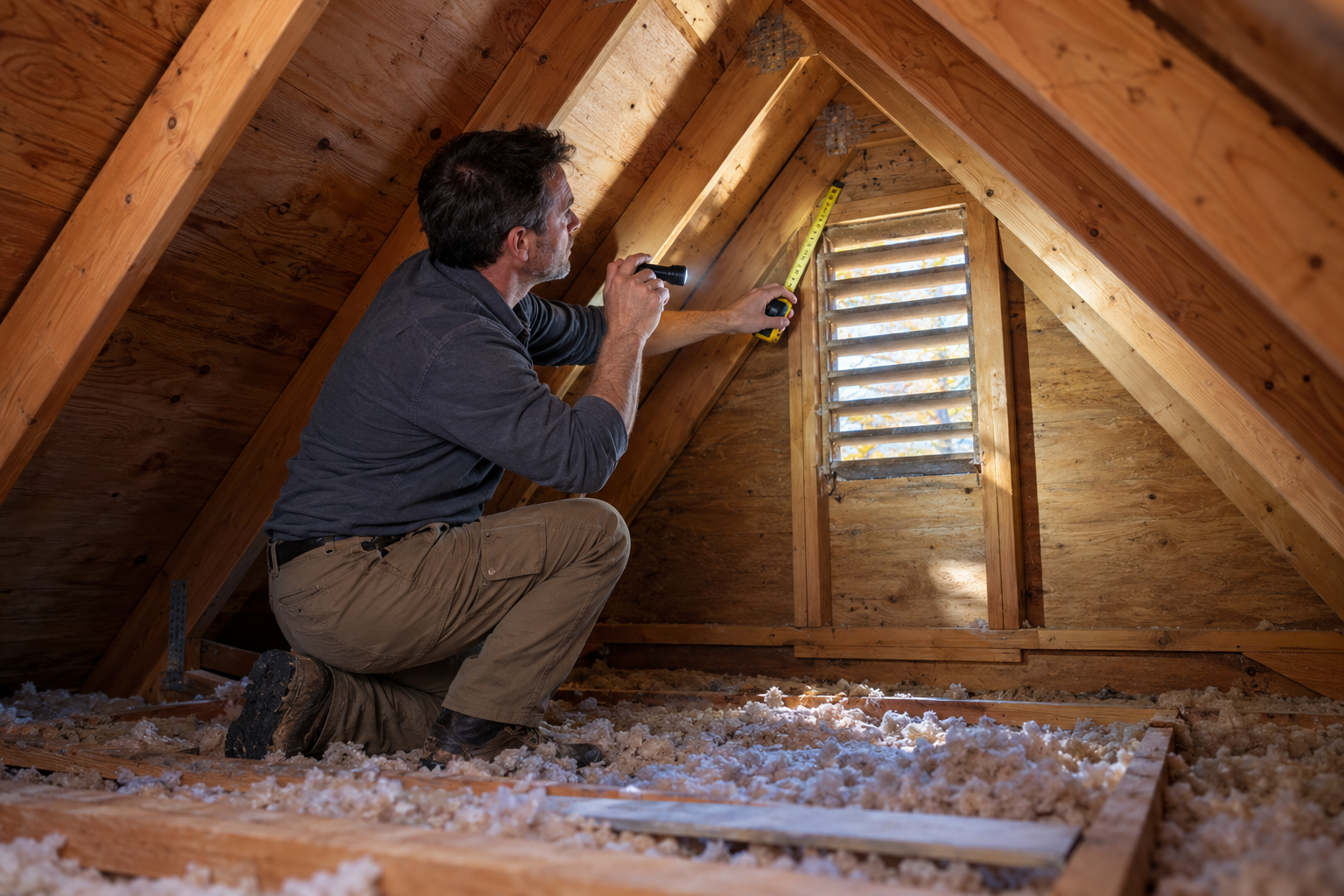
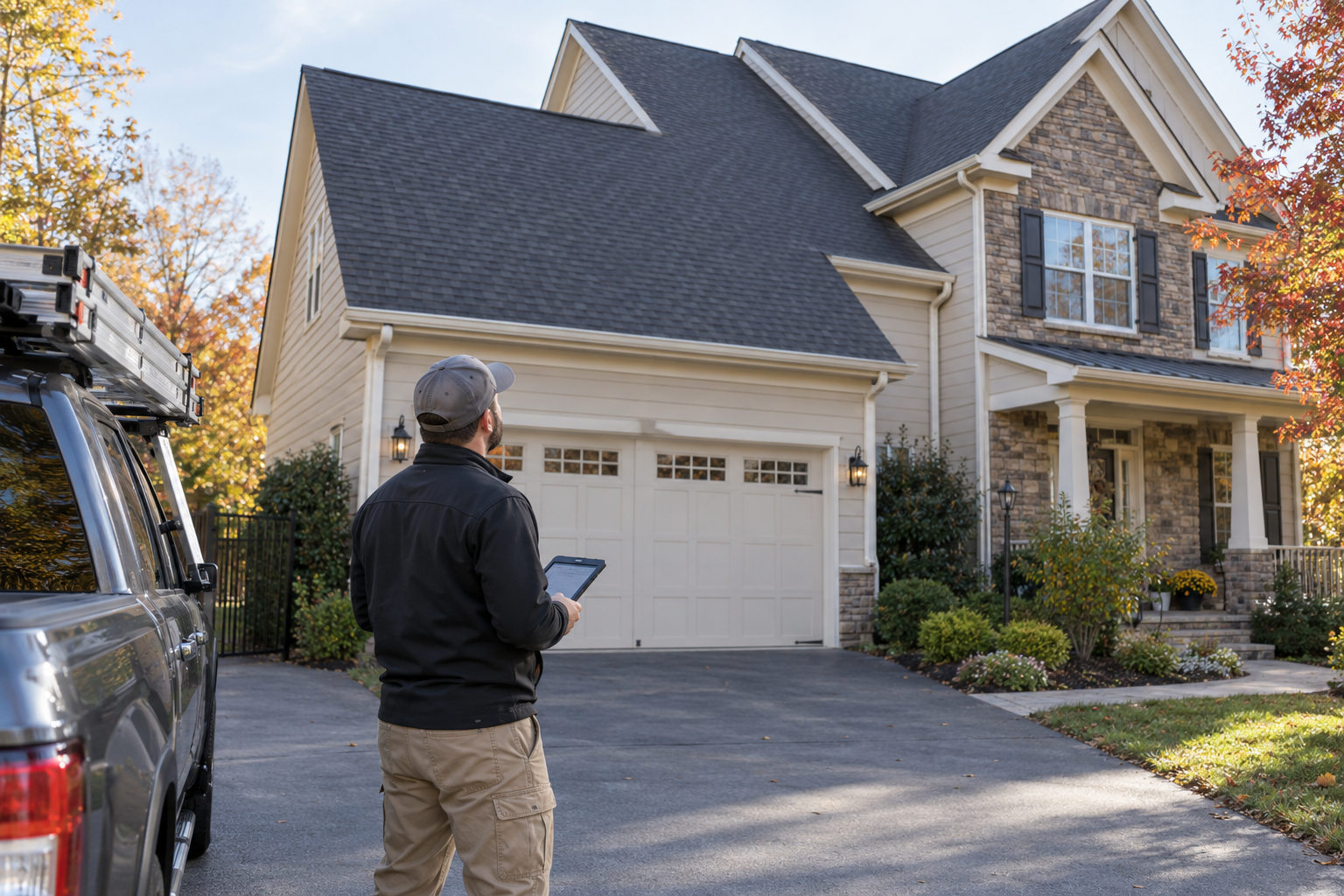
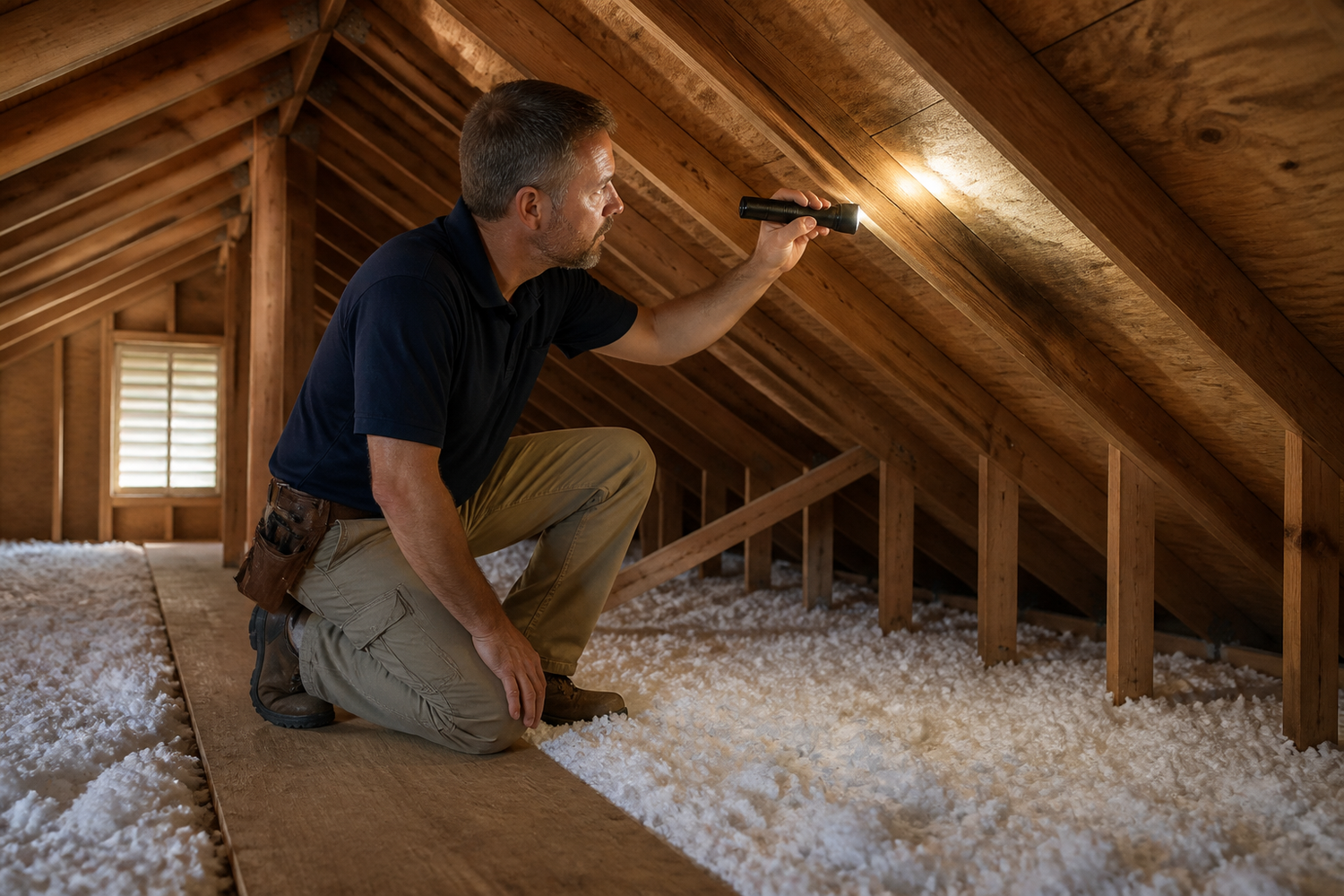
A professional assessment should examine more than the shingle surface. The inspector may also look at flashing, roof penetrations, valleys, edges, ventilation, attic moisture, and the underside of the roof deck.
When a Focused Repair May Be the Practical Choice
Repair is often the practical first choice when the source of the problem is clear, the damage is limited, and the surrounding materials can still perform properly.
For example, a leak beside a plumbing vent may come from a deteriorated pipe boot rather than failure of the entire roof. Likewise, a small number of shingles lifted by wind may be replaceable if the rest of the roof remains flexible and secure.
Before approving a repair, ask:
- Has the source of the problem been clearly identified?
- Is the damage limited to one area?
- Is the roof deck beneath that area still sound?
- Are surrounding shingles in good enough condition to support a durable repair?
- Is there evidence of leaks or damage elsewhere?
A repair should solve the cause—not just cover the symptom. Interior stains, for example, can be some distance from the actual point where water entered the roof.
When Replacement May Make More Sense
Replacement may be the more responsible choice when the roofing system can no longer be restored with isolated work. A new roof allows the contractor to address the system from the decking upward, including underlayment, flashing, ventilation components, and shingles as needed.
Replacement should be discussed when an inspection finds widespread deterioration, multiple active leaks, compromised decking, or severe damage across several roof areas. It may also make sense when the cost and frequency of repeated repairs are no longer producing dependable performance.
The goal is not to choose the least expensive work today or the largest project available. The goal is to choose the option that fits the roof’s actual condition and provides a reasonable path forward.
Where Roof Rejuvenation May Fit
Some asphalt-shingle roofs are aging but do not yet have the widespread failure that calls for replacement. If the roof is still serviceable, a Roof Max assessment can help determine whether rejuvenation may be suitable.
Rejuvenation is not a substitute for structural repairs, failed decking, or a roof that has reached the point of broad system failure. Necessary repairs should be identified first. The roof must be evaluated in person because shingle condition, active damage, and roof construction vary from home to home.
For the right roof, rejuvenation can be considered alongside repair and replacement instead of assuming that age alone requires a tear-off.
Questions to Ask Before You Decide
A clear inspection and written explanation make the decision easier. Consider asking the roofing professional:
- Is the problem localized or widespread?
- What caused the damage?
- Is the decking sound?
- Are there active leaks or moisture signs in the attic?
- Which repairs are necessary now?
- How is the rest of the roof performing?
- Is the roof a candidate for rejuvenation?
- What would indicate that replacement is the better option?
You should be able to understand the reasoning behind the recommendation. Photographs of the affected areas can also help you see whether the issue is limited to one component or reflects broader deterioration.
Get a Condition-Based Roof Assessment in Central Virginia
Repair, rejuvenation, and replacement each have a place. The right answer begins with a careful look at the entire roofing system—not a guess based only on age or a single visible symptom.
Roof Max serves homeowners in Midlothian, Richmond, and Central Virginia. If your asphalt-shingle roof is showing signs of age or damage, visit richmondroofrejuvenation.com to request an assessment and learn which option may fit its current condition.