
Roof Restoration Blog | Richmond VA & Central Virginia
Why Cracked Pipe Boots Should Be Replaced Before They Leak
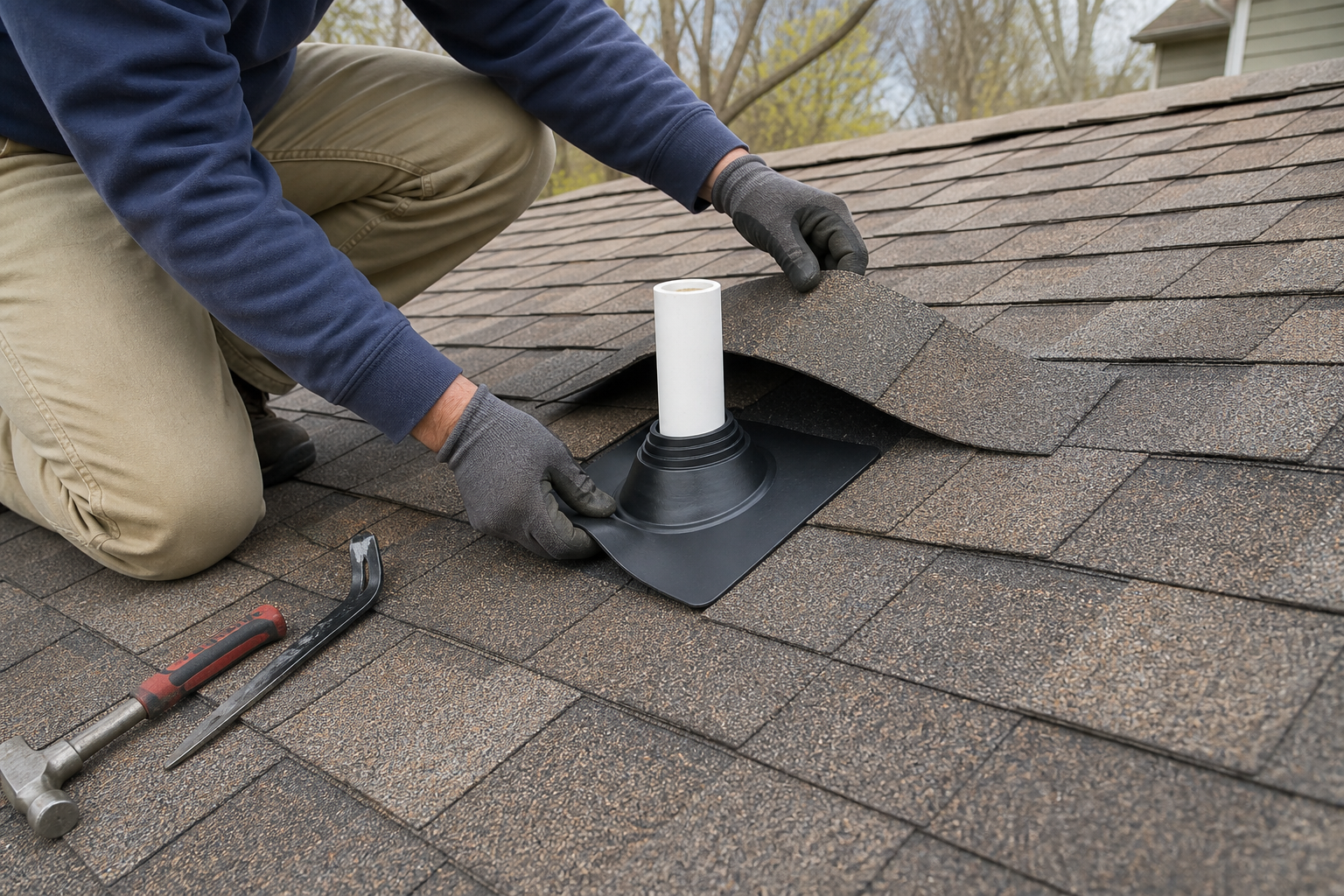
One of the smallest roof components can cause an outsized maintenance problem. A pipe boot seals the area where a plumbing vent passes through the roof. When the boot’s rubber collar cracks or pulls away from the pipe, rain can reach an opening that should remain protected.
Because the boot occupies only a small area, it is easy to overlook from the ground. The first warning may be a stain on a ceiling, damp insulation in the attic, or water marks near the vent penetration after a storm.
For homeowners in Midlothian, Richmond, and across Central Virginia, periodic attention to pipe boots is a practical way to catch a localized problem before moisture spreads farther through the roof system.
What Is a Roof Pipe Boot?
Most homes have plumbing vent pipes that extend through the roof. These pipes allow gases and pressure from the plumbing system to vent safely outside. Every place where a pipe passes through the shingles creates a roof penetration that must be flashed correctly.
A typical pipe-boot assembly includes:
- A base or flange integrated with the surrounding shingles
- A raised collar fitted around the vent pipe
- A flexible rubber or synthetic seal that closes the gap around the pipe
Together, these parts help direct water down the roof instead of allowing it to enter around the penetration. The upper portion of the flashing generally sits beneath the shingles above it, while the lower portion remains positioned to shed water over the shingles below.
Why Do Pipe Boots Crack?
The vent pipe may remain serviceable for many years while the flexible material around it ages more quickly. Pipe boots are exposed to sunlight, heat, rain, wind, and seasonal temperature changes every day.
Common causes of deterioration include:
- Ultraviolet exposure: Sunlight gradually breaks down many rubber and synthetic materials.
- Heat and temperature swings: Repeated expansion and contraction can make the collar dry, shrink, or split.
- Normal material aging: Flexible components can become brittle even when the nearby shingles still look acceptable.
- Poor fit or installation: A boot that is stretched, distorted, or incorrectly integrated with the shingles may fail sooner.
- Incompatible repair materials: Some roof cements or sealants can damage rubber or plastic components or trap water when used incorrectly.
Central Virginia weather exposes roofs to hot summer sun, humid conditions, storms, and winter freeze-thaw cycles. Those conditions make regular inspection of roof penetrations especially worthwhile.
Warning Signs Homeowners Should Know
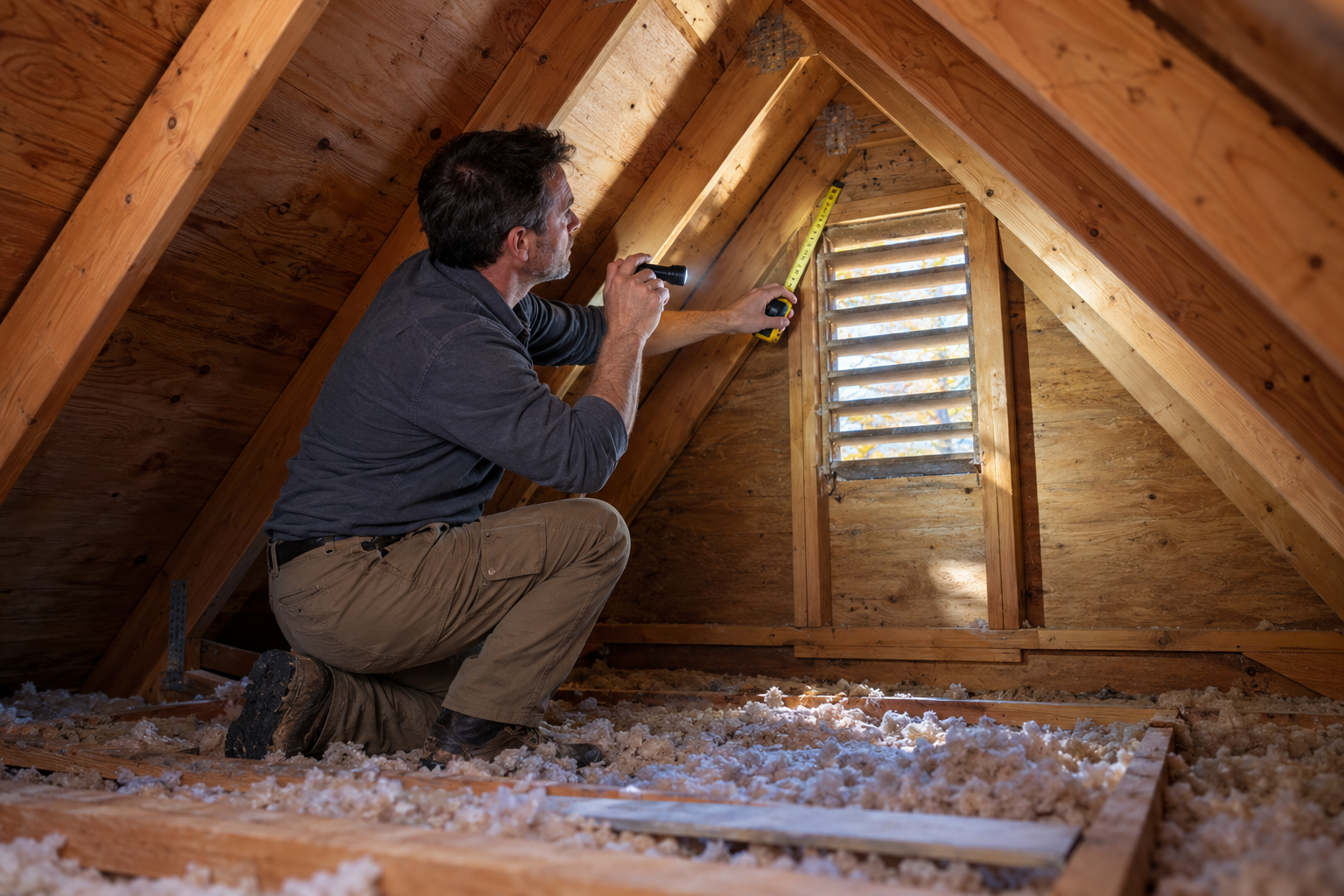
You do not need to climb onto the roof to remain alert. Some pipe-boot problems can be seen from the ground with binoculars or identified from inside the attic.
Look for signs such as:
- A visible split running through the rubber collar
- A gap between the collar and vent pipe
- Rubber that looks brittle, curled, distorted, or sunken
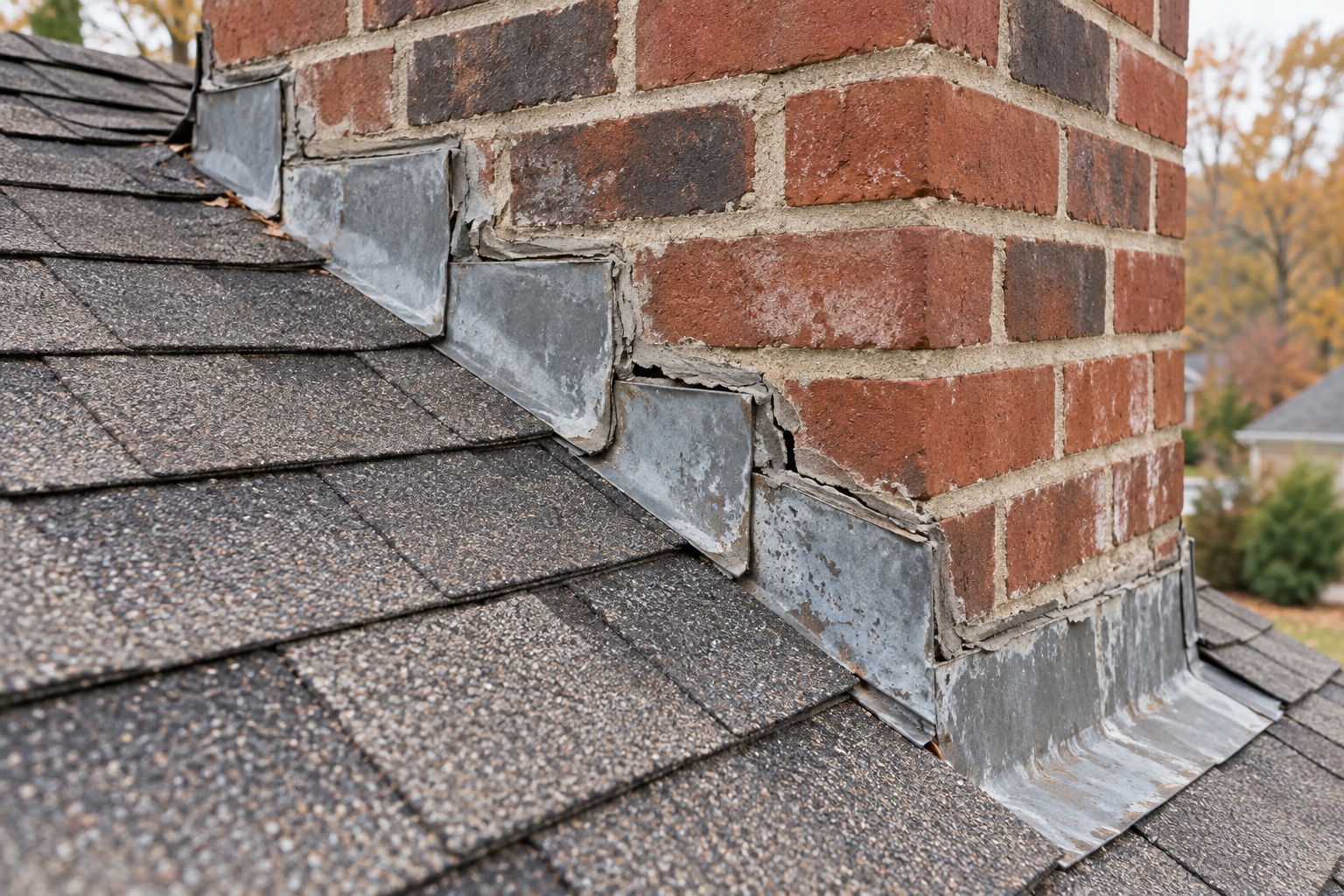
- Loose flashing or shingles around the pipe
- Cracked or peeling sealant from an earlier repair
- Damp insulation or stained roof decking below the vent
- A ceiling stain that becomes darker after rain
Interior moisture does not prove that the pipe boot is the source. Water can travel along framing before it appears, so the actual entry point may be some distance from the visible stain. A professional roof assessment is the safest way to trace the source.
Repair or Replace the Pipe Boot?
The correct repair depends on which part of the assembly has failed and how it was installed.
If the flexible collar itself is cracked, brittle, or separating from the pipe, full replacement of the damaged boot or gasket is often the more dependable approach. The new flashing must be integrated properly with the shingle courses so water continues to flow over—not beneath—the roof covering.
In limited situations, an appropriate repair component or compatible sealant may be used. However, spreading generic caulk or roof cement over a failed boot is not automatically a permanent fix. The wrong material can degrade rubber or plastic, interfere with drainage, or conceal a gap without correcting the underlying problem.
A qualified professional should determine whether the roof needs:
- A replacement rubber gasket or collar
- A complete new pipe-boot flashing assembly
- Replacement of nearby damaged shingles
- Corrected flashing placement
- Repair of moisture-damaged decking or interior materials
The scope should address the water entry point, not simply cover what is visible from above.
Why Prompt Attention Matters
A cracked pipe boot does not mean the entire roof has failed. It is often a localized maintenance issue. But leaving the opening exposed can allow repeated rainwater entry.
Over time, moisture around a roof penetration may affect:
- Roof decking
- Attic insulation
- Interior drywall and paint
- Fasteners and nearby metal components
- Wood framing around the penetration
Early repair is generally simpler than waiting until damaged materials must be removed. After heavy rain, homeowners can check accessible attic areas for new moisture while staying off the roof itself.
How Pipe-Boot Repairs Relate to Roof Maxx
Roof Maxx is a plant-based treatment designed to restore flexibility to eligible asphalt shingles. The treatment itself is not a coating or leak sealer, so it should not be used to cover an active pipe-boot failure.
The Roof Maxx process begins with an assessment. Minor maintenance issues—including worn plumbing boots or gaskets—may be addressed during a roof tune-up before an eligible asphalt shingle roof is treated. More serious damage, structural deterioration, or complex leaks may require a different repair plan.
This order matters:
- Inspect the roof and identify the actual problem.
- Repair or replace failed components such as a cracked pipe boot.
- Confirm that the asphalt shingles are otherwise serviceable and eligible.
- Apply Roof Maxx only after required preparation and repairs are complete.
Treating the shingles without correcting a failed roof penetration would leave the source of the leak unresolved.
A Safe Maintenance Checklist
Homeowners can help monitor pipe boots without attempting rooftop repairs:
- Inspect visible vent areas from the ground after severe weather.
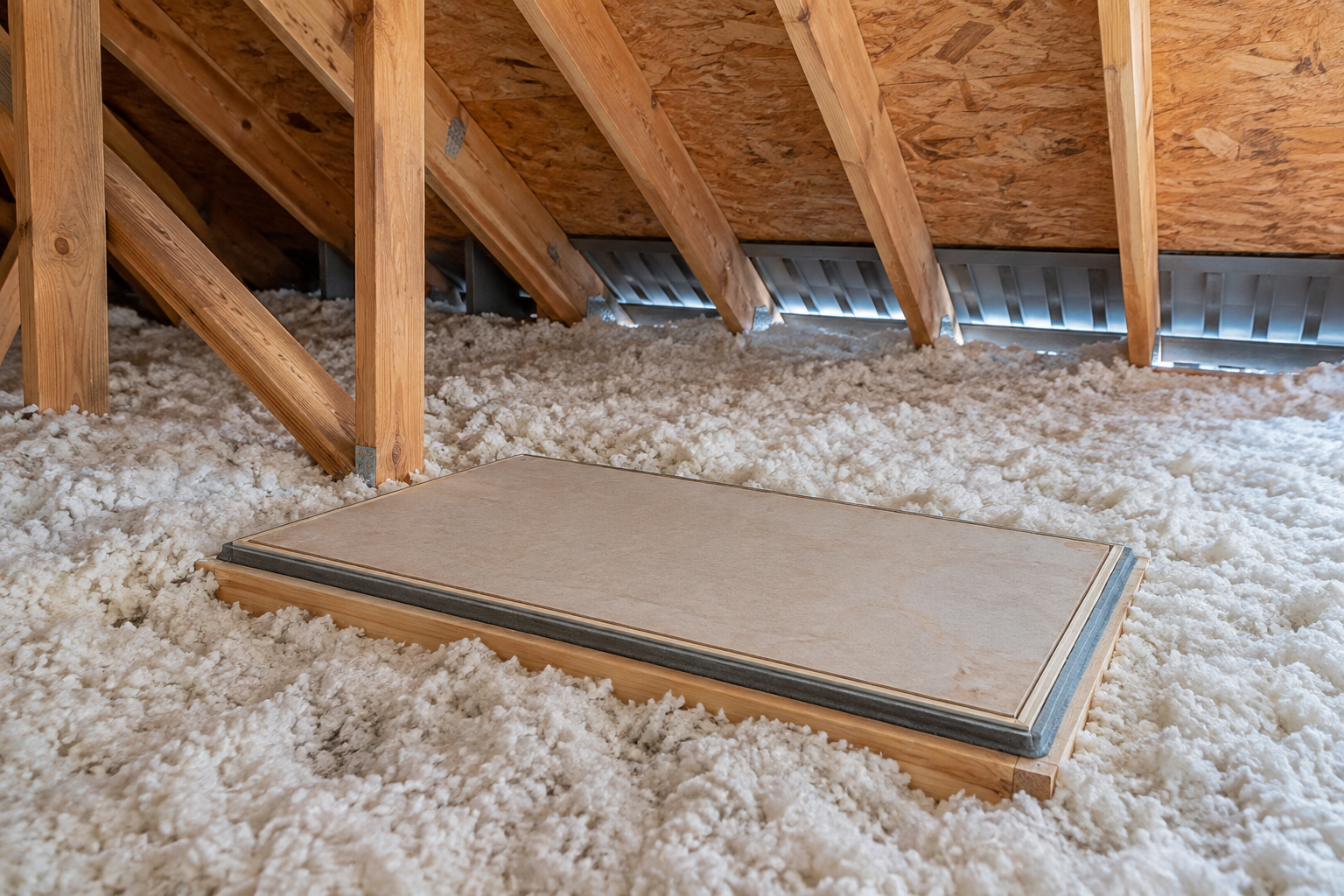
- Check attic spaces for damp insulation or stained decking after rain.
- Note the date and location of any interior ceiling stains.
- Avoid walking on steep, wet, or aging shingles.
- Do not apply an unverified sealant from a ladder or rooftop.
- Schedule a professional assessment when cracking, gaps, or moisture appear.
A pipe boot may be small, but it performs an essential job at one of the roof’s most vulnerable transition points. Replacing a failed boot promptly helps restore proper water-shedding details without assuming the entire roof must be replaced.
If you are concerned about a vent pipe, flashing, or the general condition of your asphalt roof, visit richmondroofrejuvenation.com to request an assessment in Midlothian, Richmond, or the surrounding Central Virginia area.