
Roof Restoration Blog | Richmond VA & Central Virginia
3-Tab vs. Architectural Shingles: What’s the Difference?
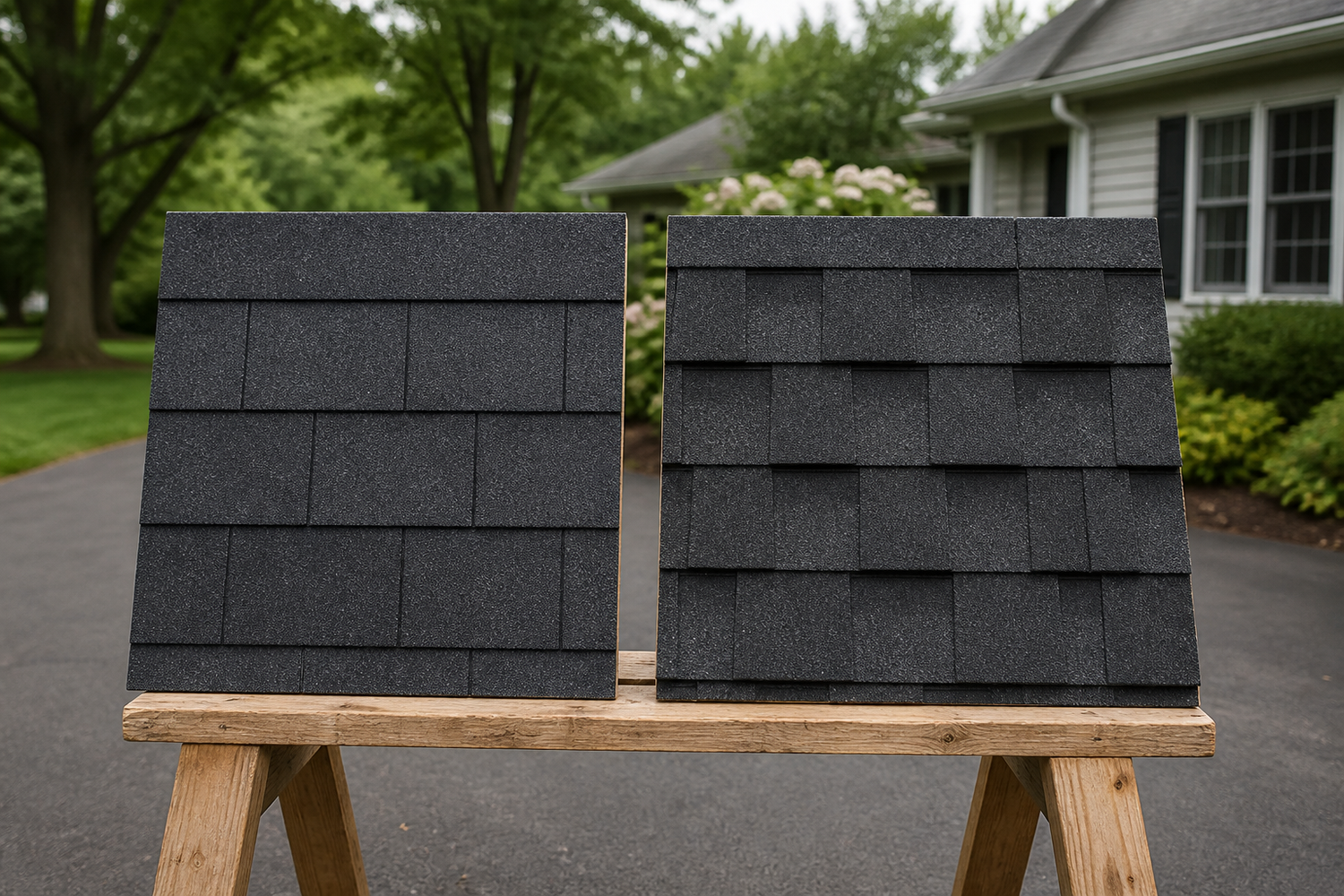
Three-tab and architectural shingles are the two asphalt-shingle profiles homeowners encounter most often. From a distance, both create an overlapping roof surface that sheds water. Up close, however, their construction, pattern, thickness, appearance, and product options can be noticeably different.
Knowing which type is on your house can help you describe the roof accurately, understand a contractor’s proposal, compare replacement products, and have a clearer conversation about maintenance. It also provides useful context when Roof Maxx evaluates whether an existing asphalt-shingle roof is a candidate for rejuvenation.
What 3-Tab and Architectural Shingles Have in Common
Both categories are asphalt roofing products. Their basic construction generally includes a fiberglass reinforcing mat, asphalt coating, and mineral granules on the exposed surface. They are installed in overlapping courses as part of a complete roof system that also includes the roof deck, underlayment, starter shingles, flashing, ventilation components, and hip-and-ridge materials.
Neither category should be judged by the shingle alone. Product specifications, fastening, roof slope, ventilation, flashing details, workmanship, storm exposure, and maintenance all influence how the finished roof performs.
What Is a 3-Tab Shingle?
A 3-tab shingle is also called a strip shingle. It is usually made as a single-layer asphalt-coated fiberglass strip. Two slots are cut into the exposed portion, creating three tabs of equal size. Once installed, those tabs produce a flat, regular pattern across the roof.
Homeowners often recognize 3-tab shingles by their:
- Straight, repeating lower edges
- Uniform rectangular tabs
- Flatter overall appearance
- Consistent shadow lines
- Relatively simple color and pattern presentation
Three-tab products are commonly positioned as economical asphalt-shingle options. That does not mean every 3-tab product has the same price, warranty, or performance rating. Manufacturers publish individual specifications, and product availability changes over time.
What Is an Architectural Shingle?
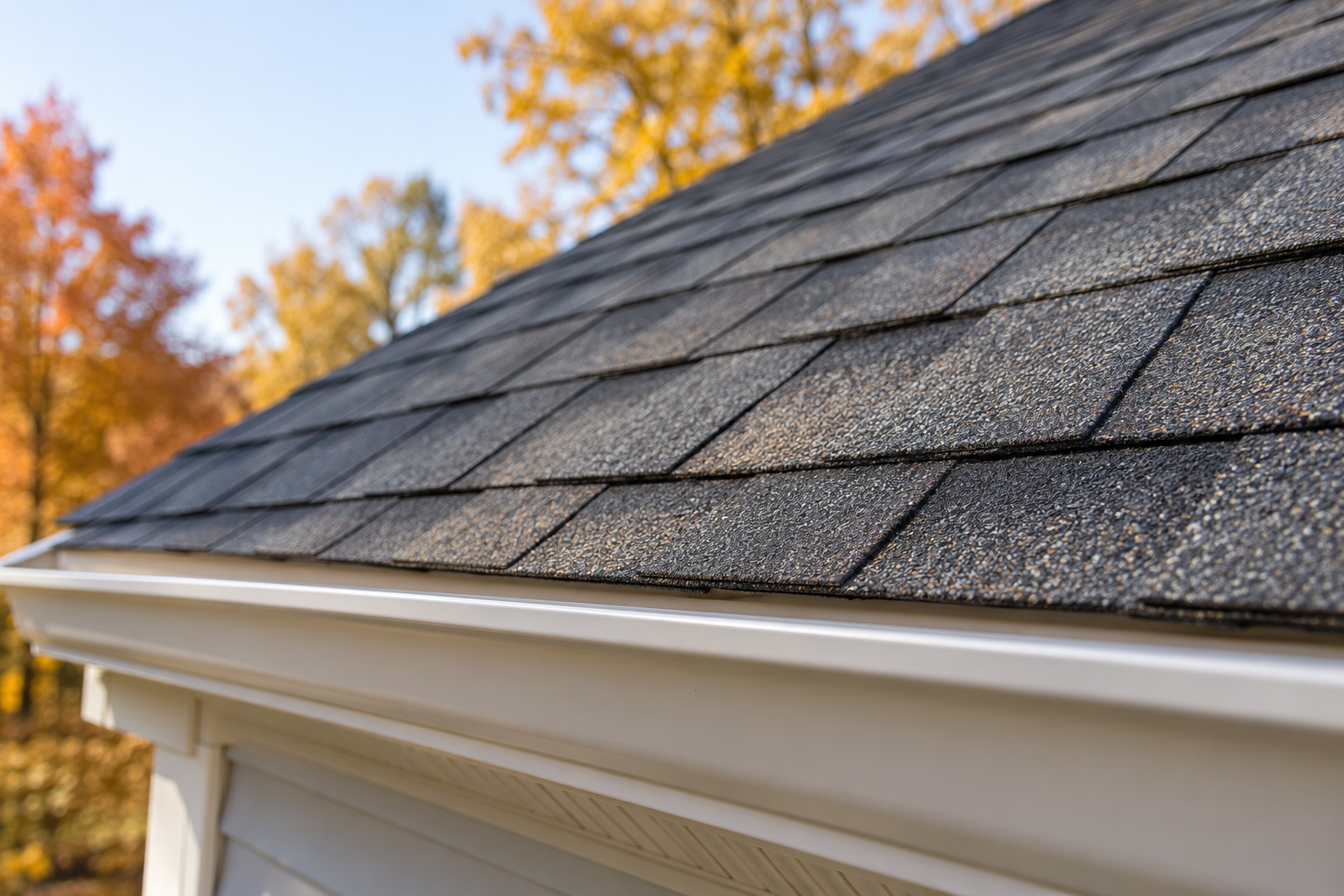
Architectural shingles are also known as laminated or dimensional shingles. They use multiple layers or laminated sections of asphalt-coated fiberglass that are bonded together. The exposed tabs vary in shape, width, placement, or shading, creating a thicker and more dimensional roof surface.
Architectural shingles are commonly recognized by their:
- Staggered or irregular tab pattern
- Deeper shadow lines
- Thicker-looking profile
- Greater variation across each roof course
- Wider range of dimensional colors and styles
Many current architectural products include performance features or warranty options that differ from traditional strip shingles. Those details remain product-specific. Homeowners should review the manufacturer’s current data sheet, installation instructions, and warranty rather than assuming every architectural shingle carries the same rating.
The Main Differences at a Glance
The easiest comparison is profile rather than color. Both categories can be sold in similar colors, but their construction changes how the roof surface looks.
Construction
- 3-tab: Generally a single-layer strip with two slots forming three equal tabs
- Architectural: Laminated or layered sections bonded into a dimensional profile
Appearance
- 3-tab: Flat, orderly, and repetitive
- Architectural: Varied, dimensional, and more heavily shadowed
Cost
- 3-tab: Often positioned as the lower-cost material option
- Architectural: Typically carries a higher material price because of its layered construction and style options
Labor, tear-off, disposal, underlayment, flashing, ventilation corrections, deck repairs, permits, and contractor scope can affect the total project cost more than the shingle price alone.
Product Specifications
Wind ratings, impact classifications, algae-resistance features, warranty terms, installation methods, and required accessory systems vary by product. Category names are useful starting points, but the current manufacturer documentation is the proper source for an exact comparison.
How to Identify Your Existing Roof Safely
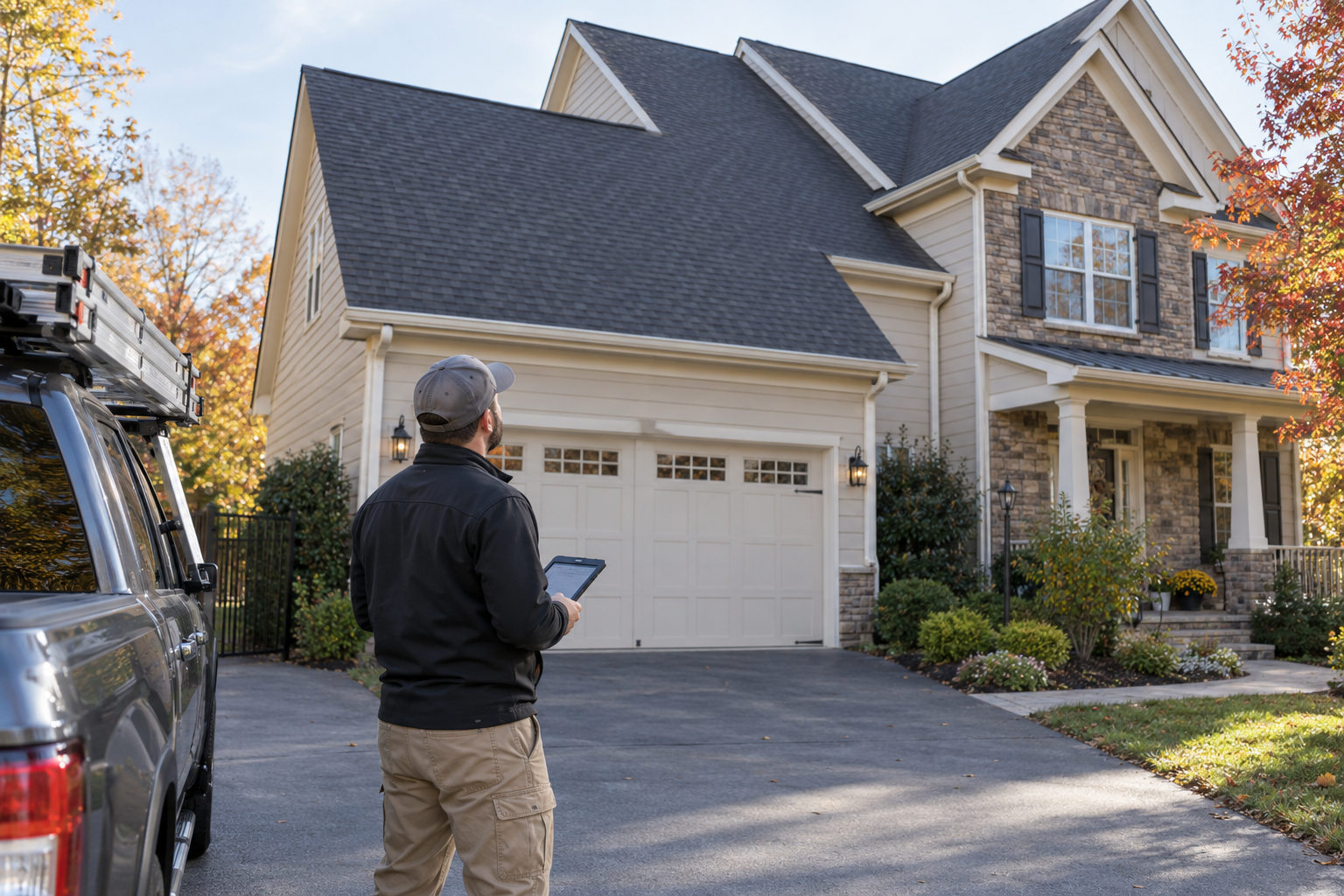
Look from the ground in good daylight. Do not climb onto the roof or lift shingles to determine their type.
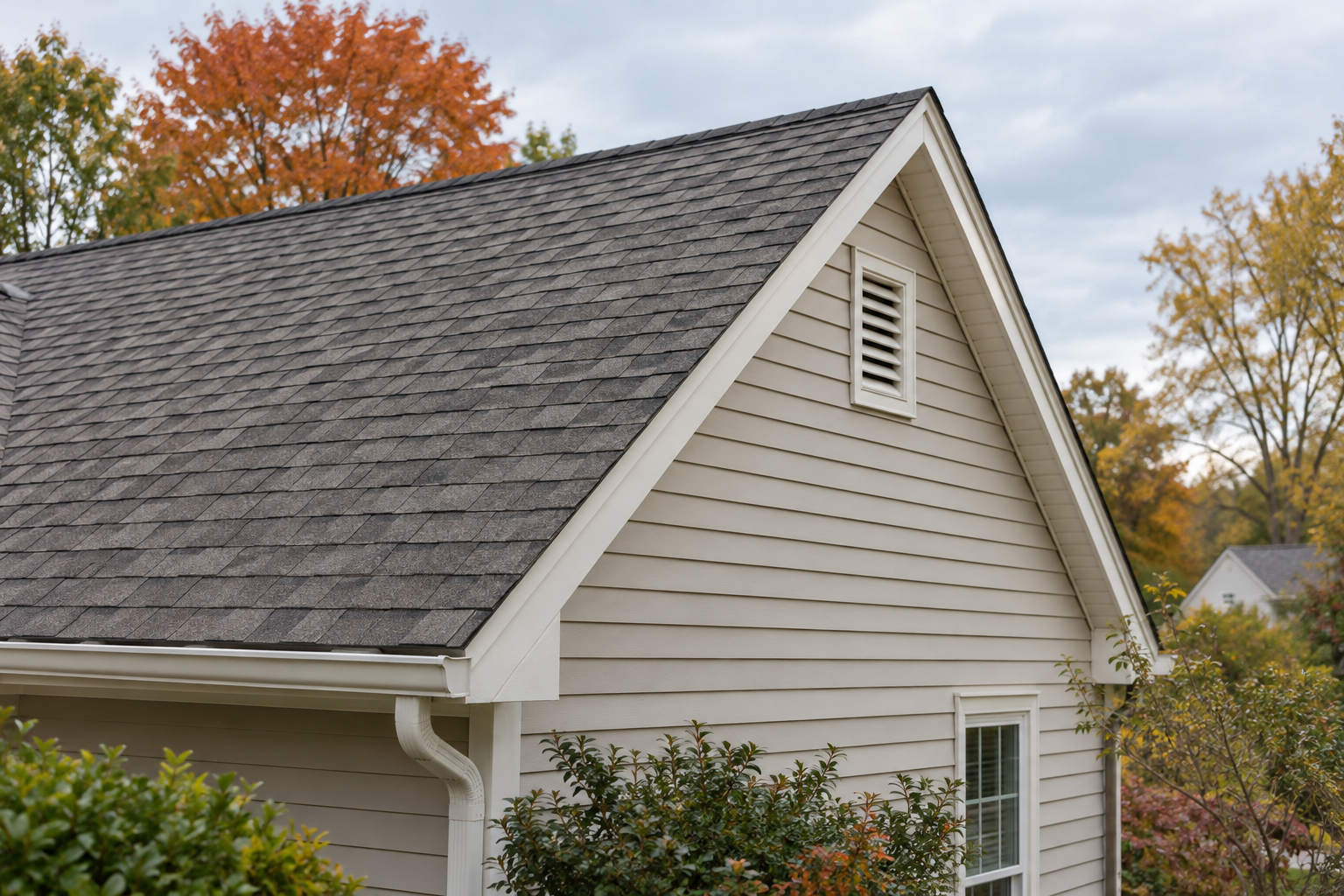
A 3-tab roof usually shows a grid-like pattern with straight vertical slots and tabs of nearly equal width. An architectural roof usually has staggered tabs, irregular shadow lines, and a layered appearance that resembles wood shakes more than a flat grid.
It can be difficult to identify the profile on a steep roof, a roof with heavy shading, or a weathered surface. A professional can confirm the shingle type during an assessment. If a spare bundle or manufacturer label remains from the original installation, that documentation may also identify the exact product.
Which Shingle Type Is Better?
There is no responsible answer based solely on the two category names. The better choice depends on the homeowner’s goals and the specifications of the products being compared.
Useful questions include:
- What is the installed price for the complete roof system?
- Which wind rating applies under the proposed installation method?
- Are any impact-resistance or algae-resistance classifications documented?
- What accessories must be installed for the stated warranty?
- Who registers the warranty, and is it transferable?
- How will the color and pattern look on this specific house?
- What deck, flashing, ventilation, or drainage work is included?
An architectural shingle may offer more dimensional appearance and additional product choices. A 3-tab product may fit a simpler design or tighter material budget. The contractor’s written scope and the manufacturer’s current documents should support the final decision.
Does Roof Maxx Work Differently on the Two Profiles?
Roof Maxx is designed for asphalt-shingle roofing. Its plant-based treatment penetrates the mineral-granule surface and enters the asphalt layer to replace oils lost during weathering and improve flexibility in qualifying shingles.
The roof’s present condition matters more than whether the pattern is labeled 3-tab or architectural. Before treatment is recommended, a Roof Maxx assessment looks for cracking, widespread granule loss, lifted or missing shingles, exposed reinforcement, failed flashing, leaks, and other maintenance or repair needs.
Roof Maxx does not rebuild damaged shingles, replace missing granules, seal active leaks, or correct faulty installation. Repairs must be addressed when appropriate, and roofs that are no longer serviceable should be replaced rather than treated.
Local Considerations for Midlothian and Richmond
Central Virginia roofs experience strong summer sun, humid conditions, seasonal temperature changes, heavy rain, and occasional wind or hail. Those conditions affect both 3-tab and architectural asphalt shingles, although roof orientation, shade, attic ventilation, installation, and product choice can cause different slopes to weather at different rates.
Whether your roof has a flat 3-tab pattern or a dimensional architectural profile, useful maintenance remains similar:
- Inspect the roof visually from the ground after significant storms
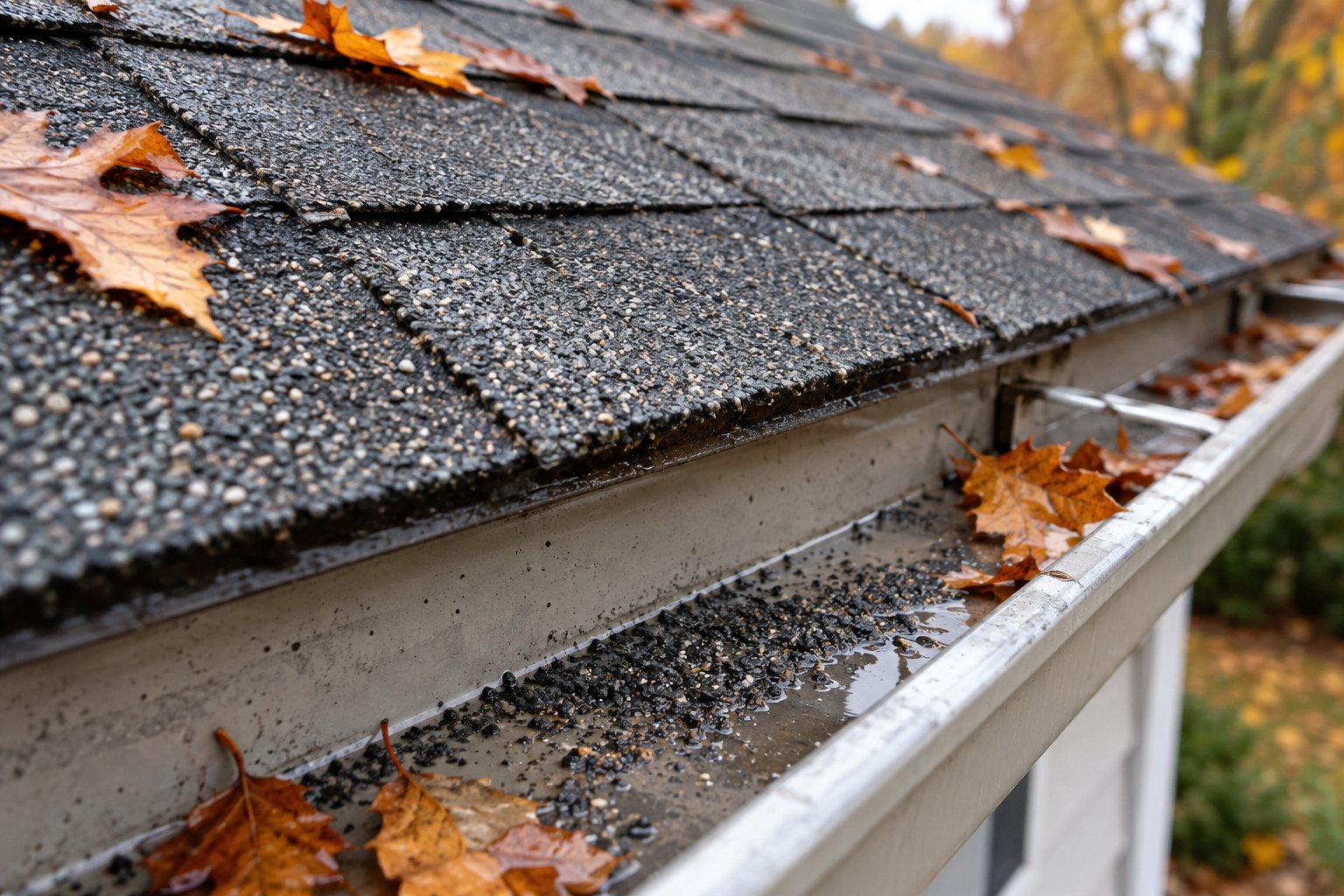
- Keep gutters and drainage paths clear
- Address lifted, missing, or damaged shingles promptly
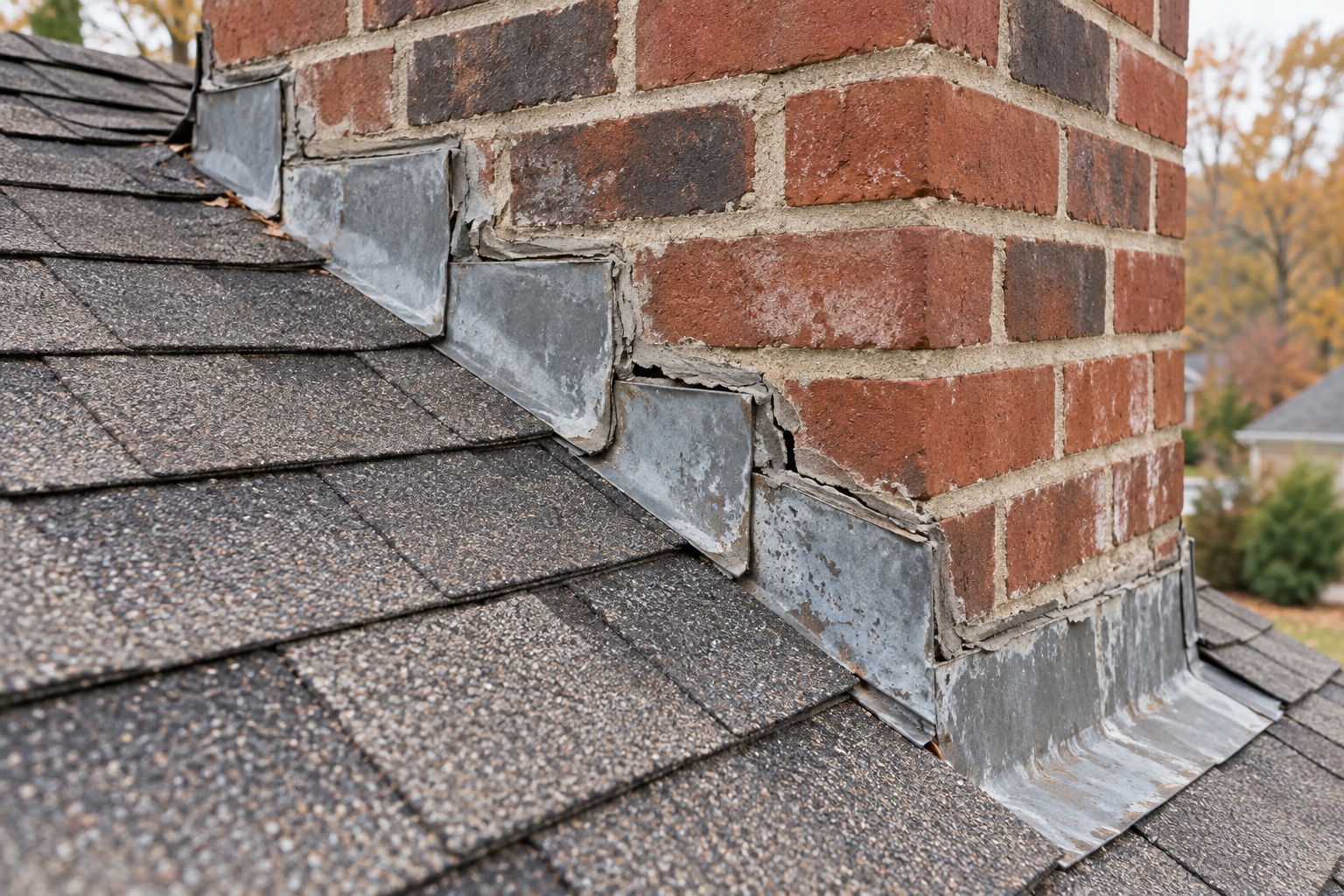
- Watch flashing and penetrations for maintenance needs
- Arrange a professional assessment when the roof begins to show aging
Request a Roof Maxx Assessment
If your asphalt roof is aging but still generally in good condition, a Roof Maxx assessment can determine whether the shingles may qualify for rejuvenation. The assessment also helps identify the shingle profile, visible damage, and repairs that should be completed first.
Visit richmondroofrejuvenation.com to request a Roof Maxx assessment in Midlothian, Richmond, or Central Virginia.