
Roof Restoration Blog | Richmond VA & Central Virginia
An Asphalt Shingle Up Close: What Each Layer Does
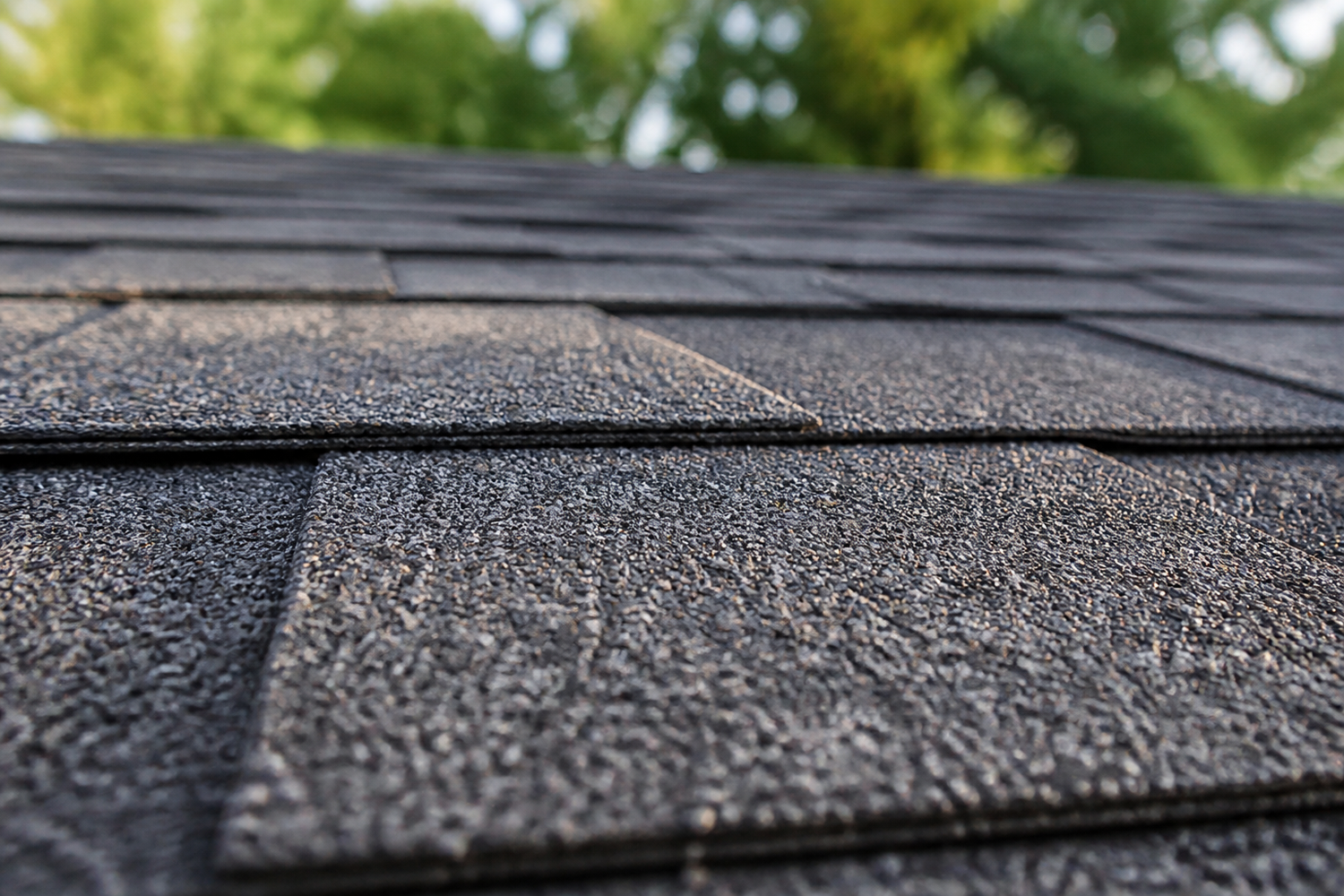
From the street, an asphalt roof can look like a single field of textured rectangles. Up close, every shingle is a carefully built material system. Mineral granules, asphalt coating, a reinforcing mat, and bonding features work together to shed water and tolerate everyday exposure to sun, wind, rain, and changing temperatures.
Understanding those layers helps homeowners make sense of common roof concerns such as granule loss, cracking, curling, and reduced flexibility. It also explains why Roof Maxx is described as a penetrating treatment rather than a coating placed over the roof.
The Surface: Mineral Granules
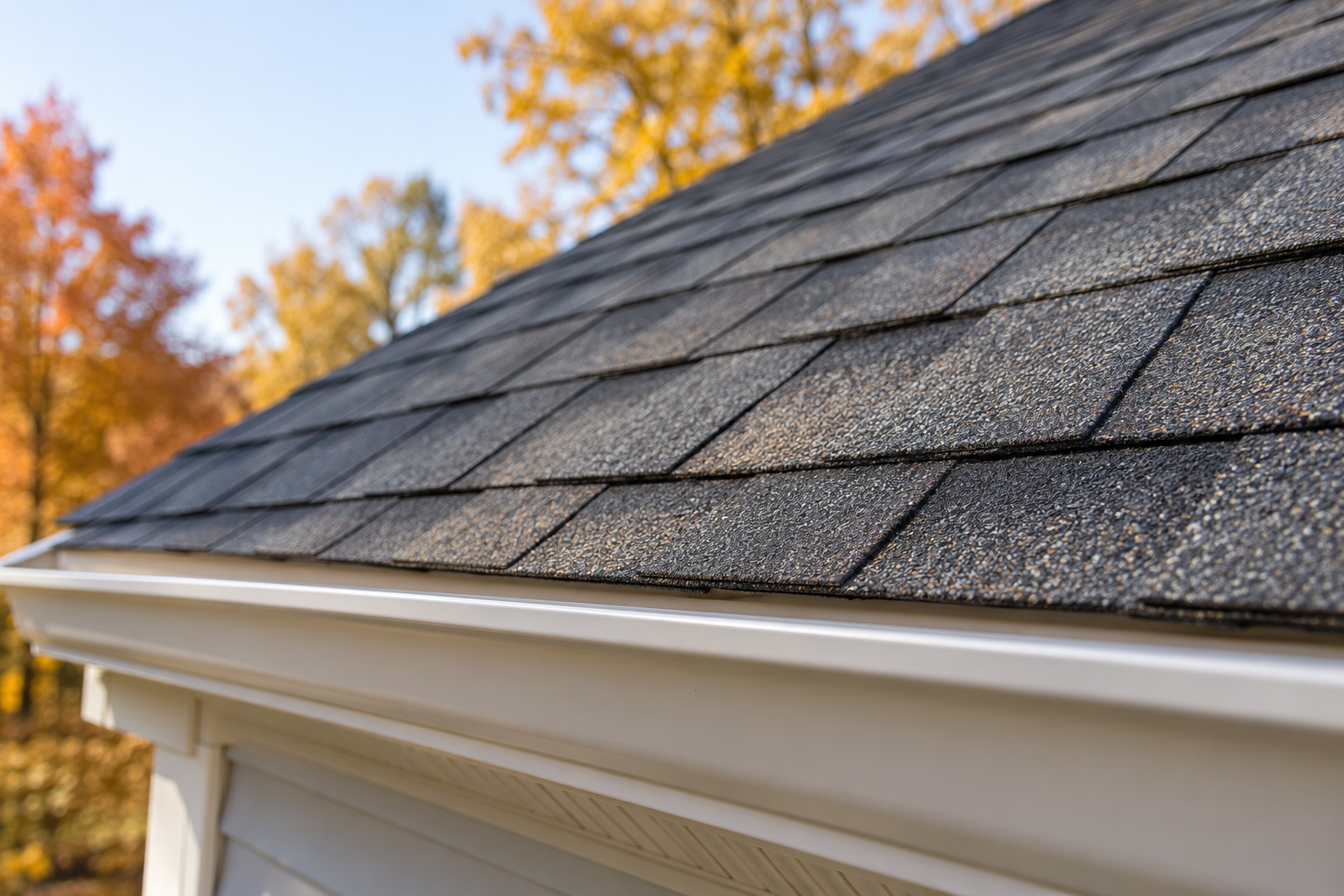
The rough, colored surface you see on an asphalt shingle is made of mineral granules embedded in the asphalt coating. Those granules help shield the asphalt from ultraviolet sunlight, contribute color, and provide a durable exposed surface.
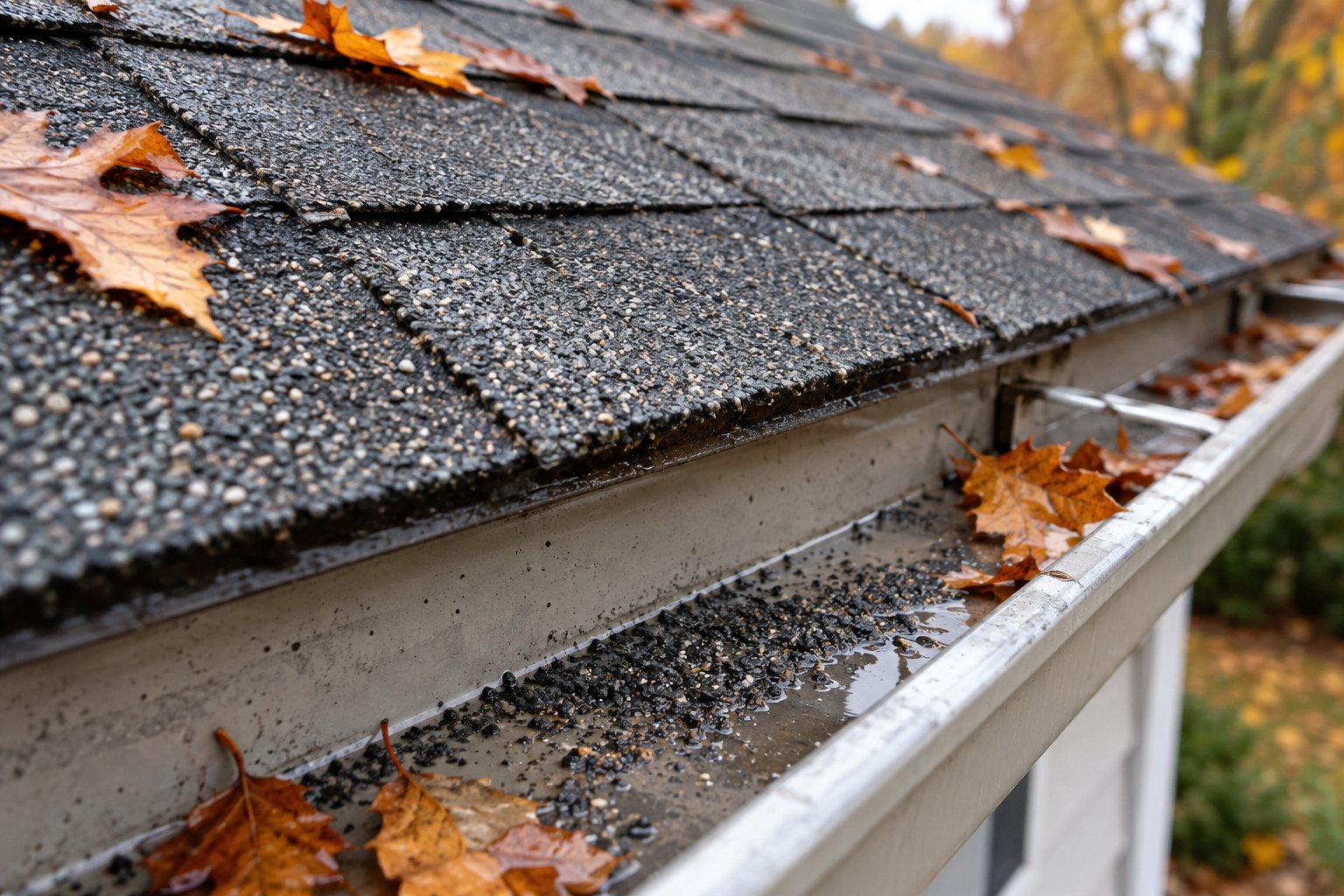
Granules are not decorative glitter, and a few loose particles do not automatically mean a roof is failing. New shingles can release excess granules left from manufacturing, and ordinary weathering may also move some granules into gutters. The more useful question is whether granule loss is widespread, concentrated in bare-looking patches, or accompanied by cracking, exposed asphalt, or other damage.
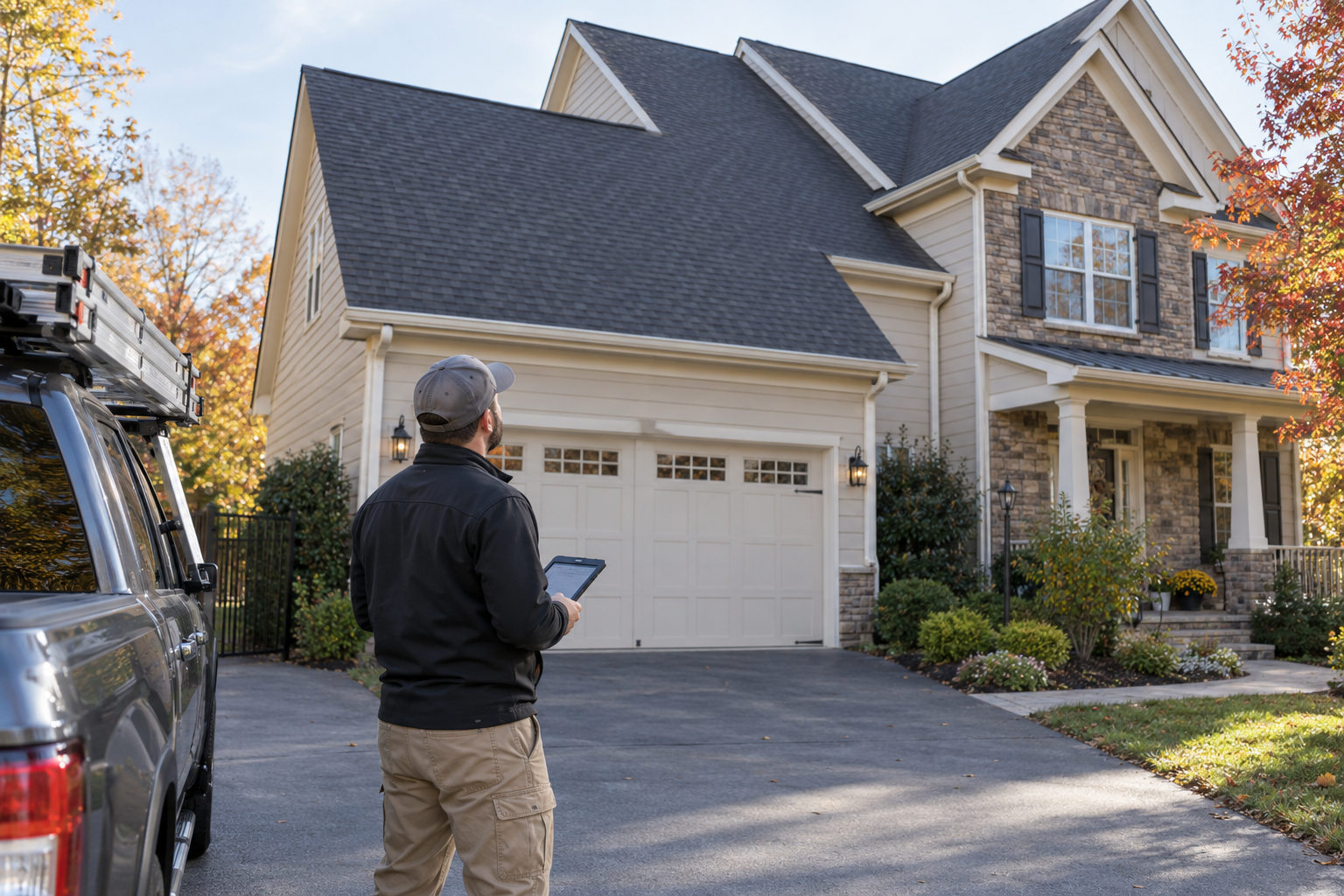
Because roof access is hazardous, homeowners should make observations from the ground. A roofing professional can safely determine whether visible surface changes are normal for the roof’s age or evidence of a condition that needs attention.
The Weather-Resistant Layer: Asphalt Coating
Beneath and around the granules is asphalt coating. Asphalt is the water-resistant material that allows the shingle to shed rain as part of an overlapping roof system. It also holds the protective surface granules in place.
Asphalt is not naturally rigid. When shingles are manufactured, oils within the asphalt help the material remain flexible enough to expand and contract as conditions change. Sunlight, heat, oxygen, and years of weather exposure gradually alter the asphalt and reduce those oils. As that happens, the shingle can become stiffer and more brittle.
That change is difficult to judge from color alone. Two roofs of similar age may weather differently because of roof orientation, shade, ventilation, installation details, storm exposure, and the specific shingle product. A hands-on professional assessment is more informative than relying only on appearance or the calendar age of the roof.
The Reinforcement: Fiberglass Mat
Most modern residential asphalt shingles use a fiberglass mat as their internal reinforcement. The mat gives the shingle strength and dimensional stability while providing a base for the asphalt coating.
The fiberglass mat is thin and normally hidden inside the shingle. It is not intended to be the exposed weather surface. If damage has worn through the asphalt and granules deeply enough to reveal internal material, the affected shingle needs professional evaluation rather than a cosmetic treatment.
The mat also helps explain why an asphalt shingle is a manufactured composite instead of a solid piece of asphalt. Each part has a different job, and the shingle performs best when the complete system remains intact.
The Bonding Features You Usually Do Not Notice
Shingles also include features that help them work together after installation. A factory-applied sealant strip bonds one course to the next after the roof warms, helping the tabs resist wind uplift. The underside may include a fine mineral surfacing or release material that prevents shingles from sticking together in the package before installation.
These features are different from the asphalt coating that forms the shingle body. They are also why a lifted or unsealed tab should be evaluated carefully. Roof Maxx is not a glue, leak sealer, or substitute for fastening and repair. Loose shingles, failed flashing, exposed nails, and damaged roof components must be corrected as appropriate.
What Aging Looks Like at the Material Level
Aging is not one single event. It is a gradual combination of changes at the surface and within the asphalt. A professional may look for:
- Excessive or uneven granule loss
- Cracks through the asphalt coating
- Curled, cupped, or lifted tabs
- Shingles that break or resist flexing during an appropriate professional test
- Exposed fiberglass or other deep material loss
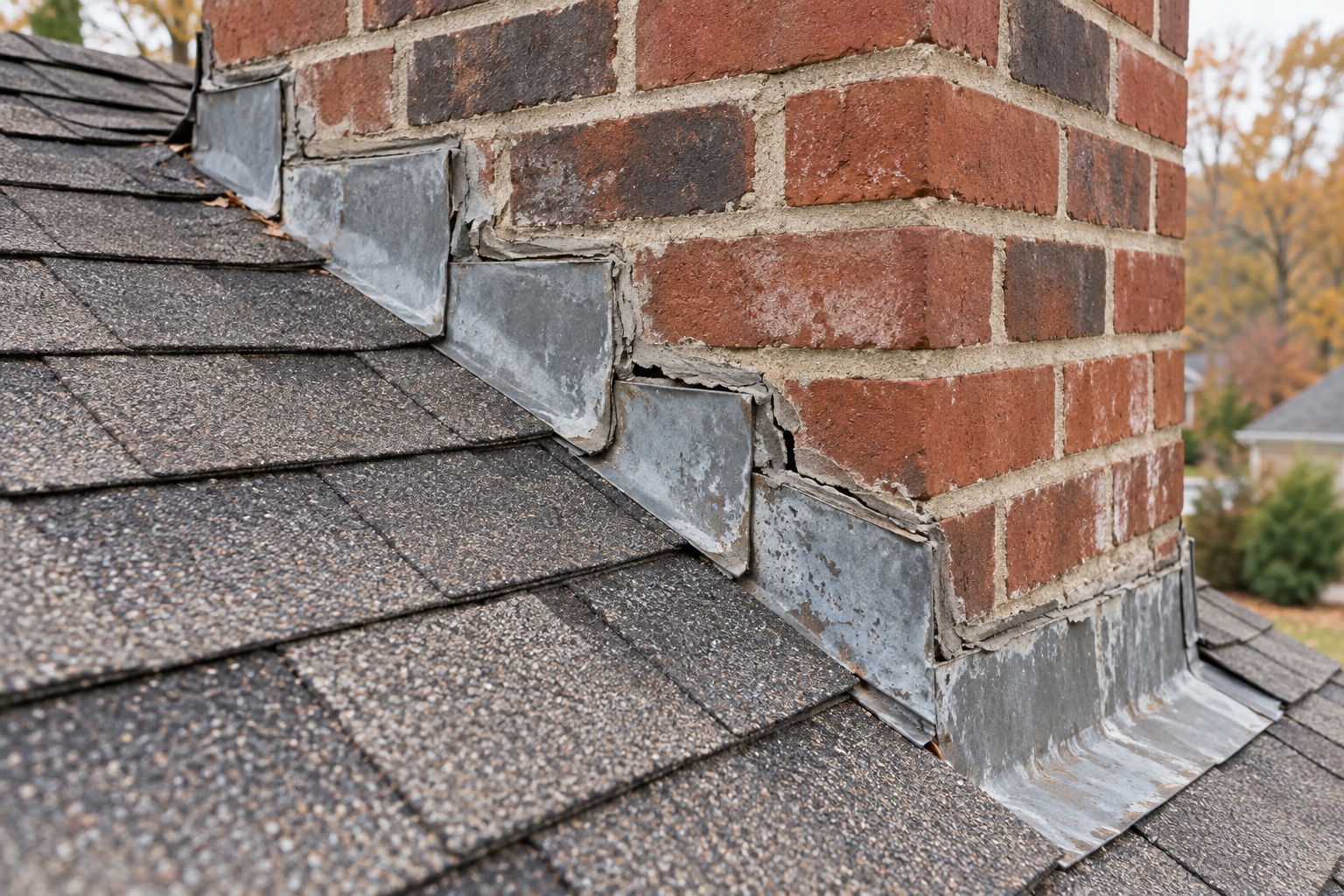
- Damage around flashings, penetrations, valleys, edges, and prior repairs
Some conditions are maintenance items. Others indicate that individual shingles or the roof system should be repaired or replaced. A rejuvenation treatment is only appropriate when the existing asphalt shingles are still in serviceable condition and the roof passes an assessment.
Where Roof Maxx Works in the Shingle
Roof Maxx is designed to move through the mineral-granule surface and into the asphalt layer. Its plant-based oil is intended to replace oils lost during weathering and improve flexibility in qualifying shingles. The treatment is absorbed rather than left on top as a film, so it does not function like paint, an acrylic coating, or a leak-sealing membrane.
That distinction matters. Restoring flexibility can help an aging shingle respond more like it did earlier in its service life, but the treatment cannot rebuild missing granules, restore exposed fiberglass, repair storm damage, correct installation defects, or replace failed flashing. Those issues require the appropriate roofing work.
Roof Maxx begins with an assessment so the homeowner understands the roof’s condition before treatment is recommended. If repairs are needed, they should be addressed first.
Why This Matters in Midlothian and Richmond
Central Virginia roofs experience humid summers, strong sunlight, seasonal temperature changes, heavy rain, and occasional high-wind or hail events. A south- or west-facing roof slope may also weather differently from a shaded slope on the same house.
For homeowners in Midlothian, Richmond, and nearby communities, the practical lesson is simple: do not judge an asphalt roof by color alone. Look for visible changes from the ground, keep gutters and roof drainage working, address storm damage promptly, and use a professional assessment when the roof begins to show its age.
Request a Roof Maxx Assessment
If your asphalt shingles are aging but the roof is still generally in good condition, a Roof Maxx assessment can help determine whether rejuvenation is appropriate. The assessment also identifies damage or maintenance items that need attention before treatment.
Visit richmondroofrejuvenation.com to learn more or request an assessment for a home in Midlothian, Richmond, or Central Virginia.