
Roof Restoration Blog | Richmond VA & Central Virginia
A Practical 5-Year Roof Care Plan for Central Virginia

Roof care is easier when it is treated as a continuing plan instead of a series of unrelated emergencies. A five-year framework gives homeowners a place to record the roof’s starting condition, schedule regular assessments, document storms and repairs, and make a better-informed decision when year five arrives.
The calendar is a planning tool, not a guarantee. Every roof ages differently because installation quality, materials, ventilation, surrounding trees, weather exposure, and previous repairs all affect its condition. A professional assessment should guide the actual work and timing.
For homeowners in Midlothian, Richmond, and surrounding Central Virginia communities, the following plan creates a practical rhythm without asking anyone to climb onto the roof.
What a 5-Year Roof Care Plan Should Accomplish
A useful plan should do more than remind you that the roof exists. It should help you answer four questions at any point in time:
- What condition was the roof in at the beginning of the plan?
- What has changed since the last assessment?
- Which repairs or maintenance items were completed?
- What is the appropriate next step now?
Roof Maxx recommends an annual professional assessment for asphalt-shingle roofs and additional attention after major weather. The National Roofing Contractors Association recommends a broader preventive-maintenance program with periodic inspections, routine maintenance, and timely repairs. It specifically recommends inspections at least twice per year, preferably in spring and fall, plus additional inspections after severe weather.
Homeowners can combine those recommendations into a manageable system: schedule a professional appointment at least annually, make safe seasonal observations from the ground, and request an extra assessment when a storm or visible change creates a reason for concern.
Year 1: Establish a Professional Baseline
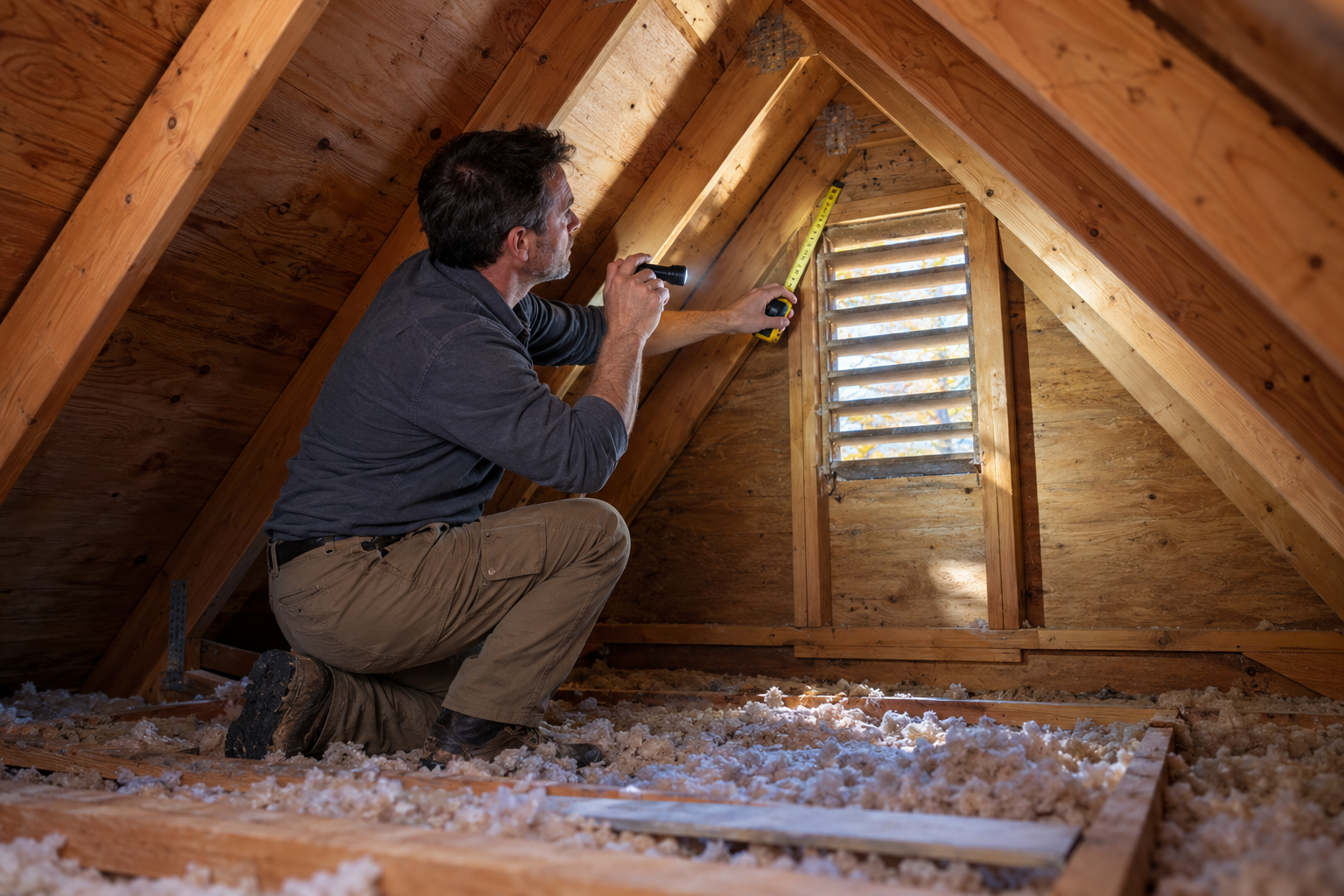
The first year is about understanding the roof you actually have. Begin with a professional assessment and gather any available records, including the approximate installation date, manufacturer information, previous inspection reports, repair invoices, leak history, and storm-related claims.
A baseline assessment may review visible roofing materials and related components such as:
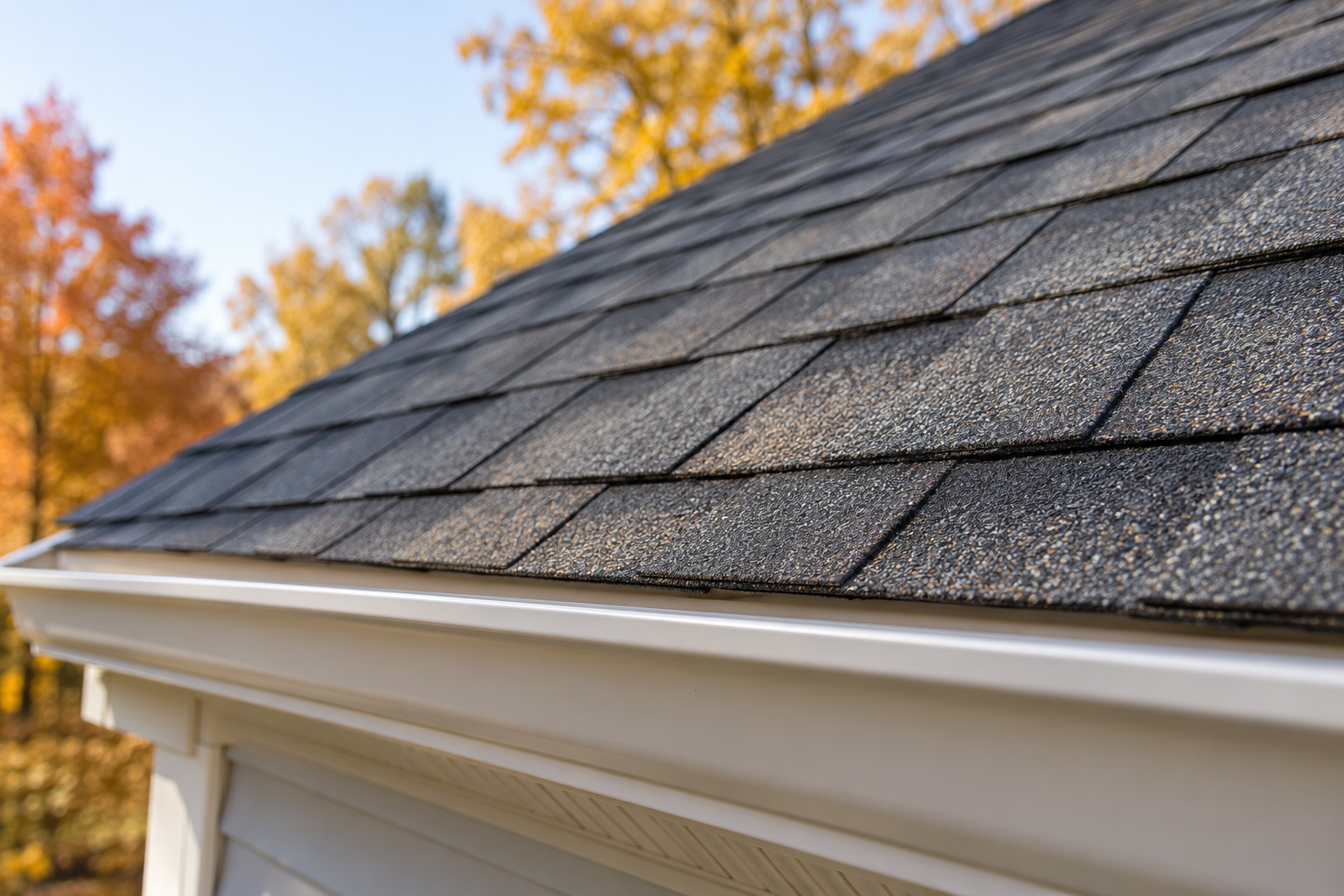
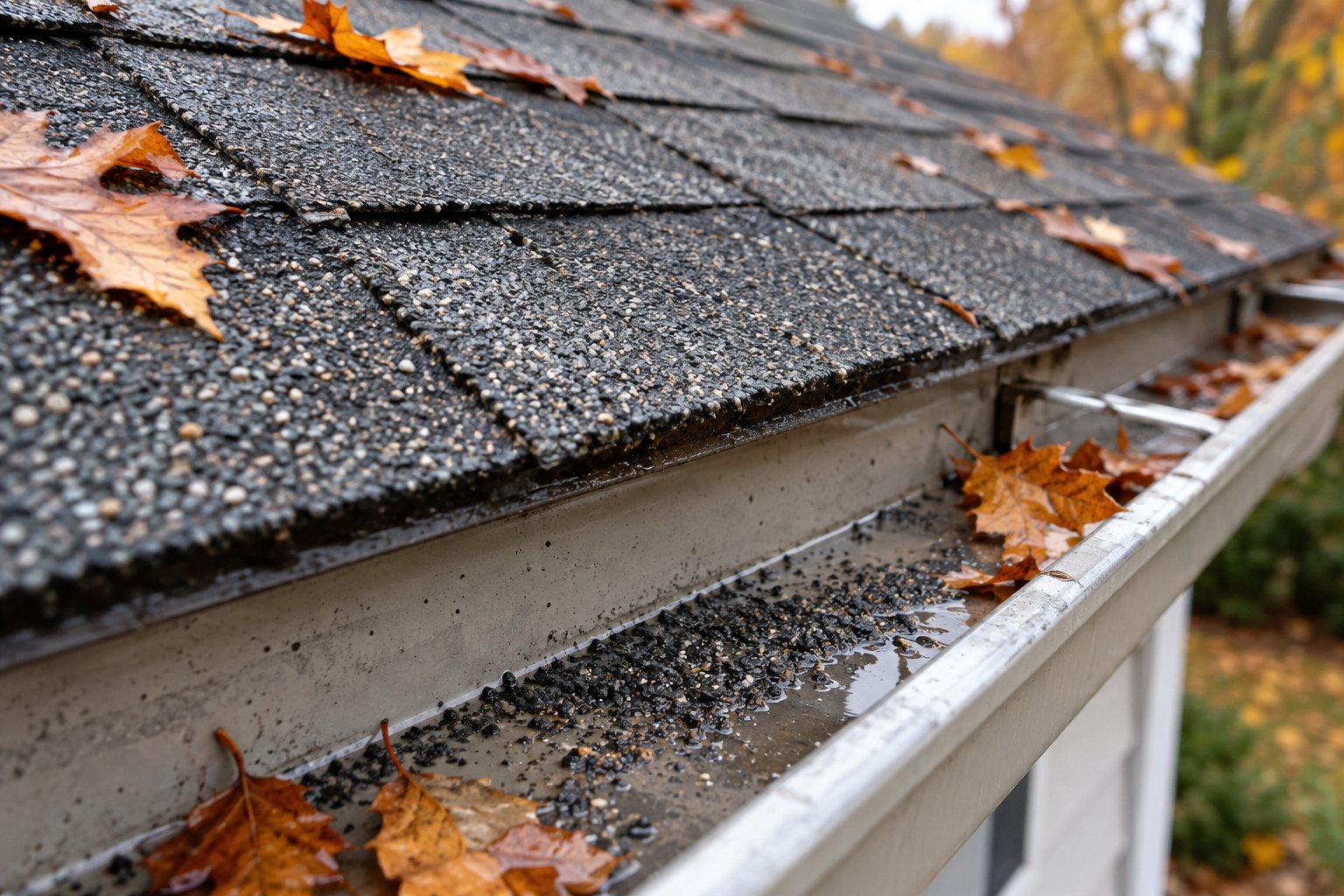
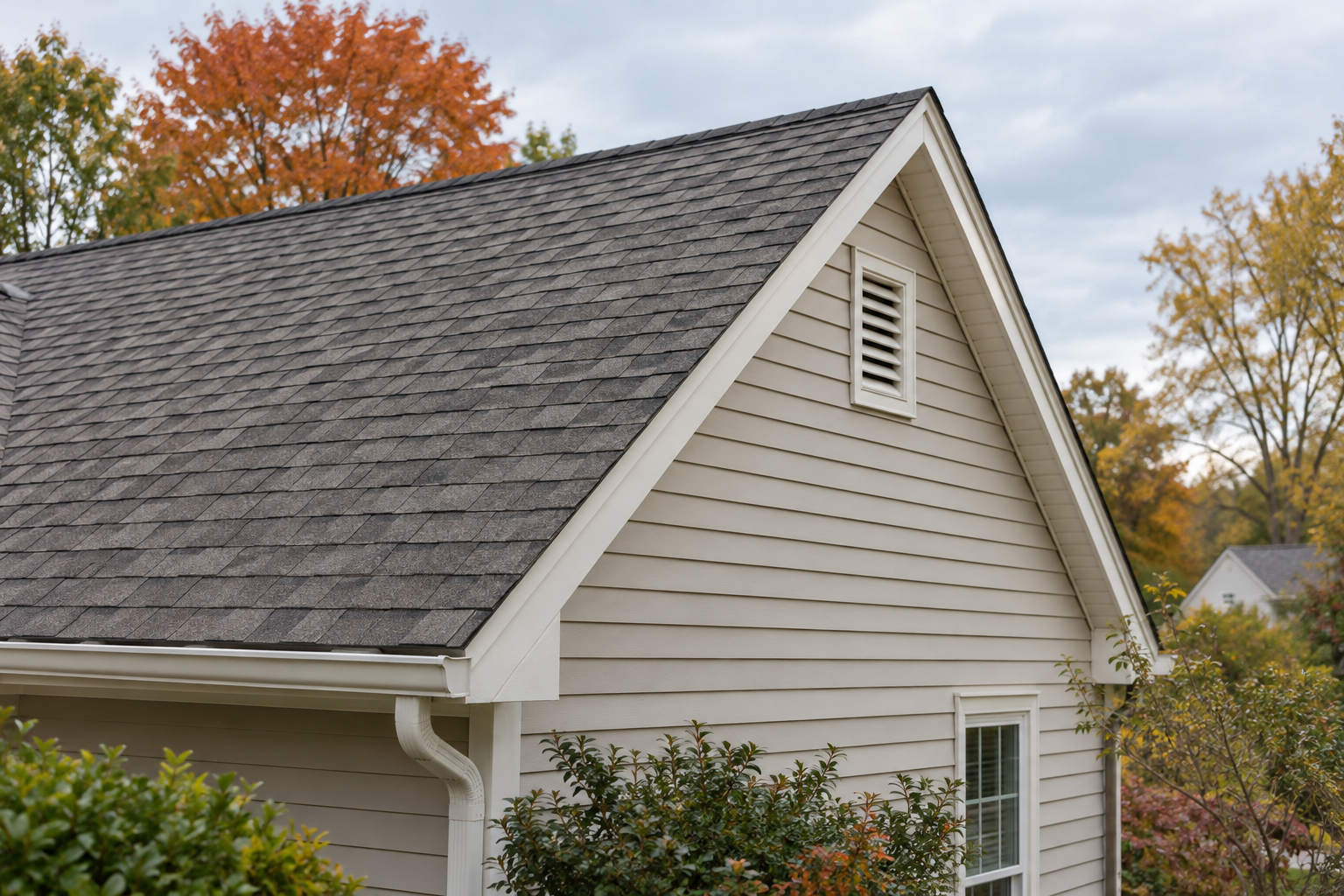
- Asphalt shingles and granule condition
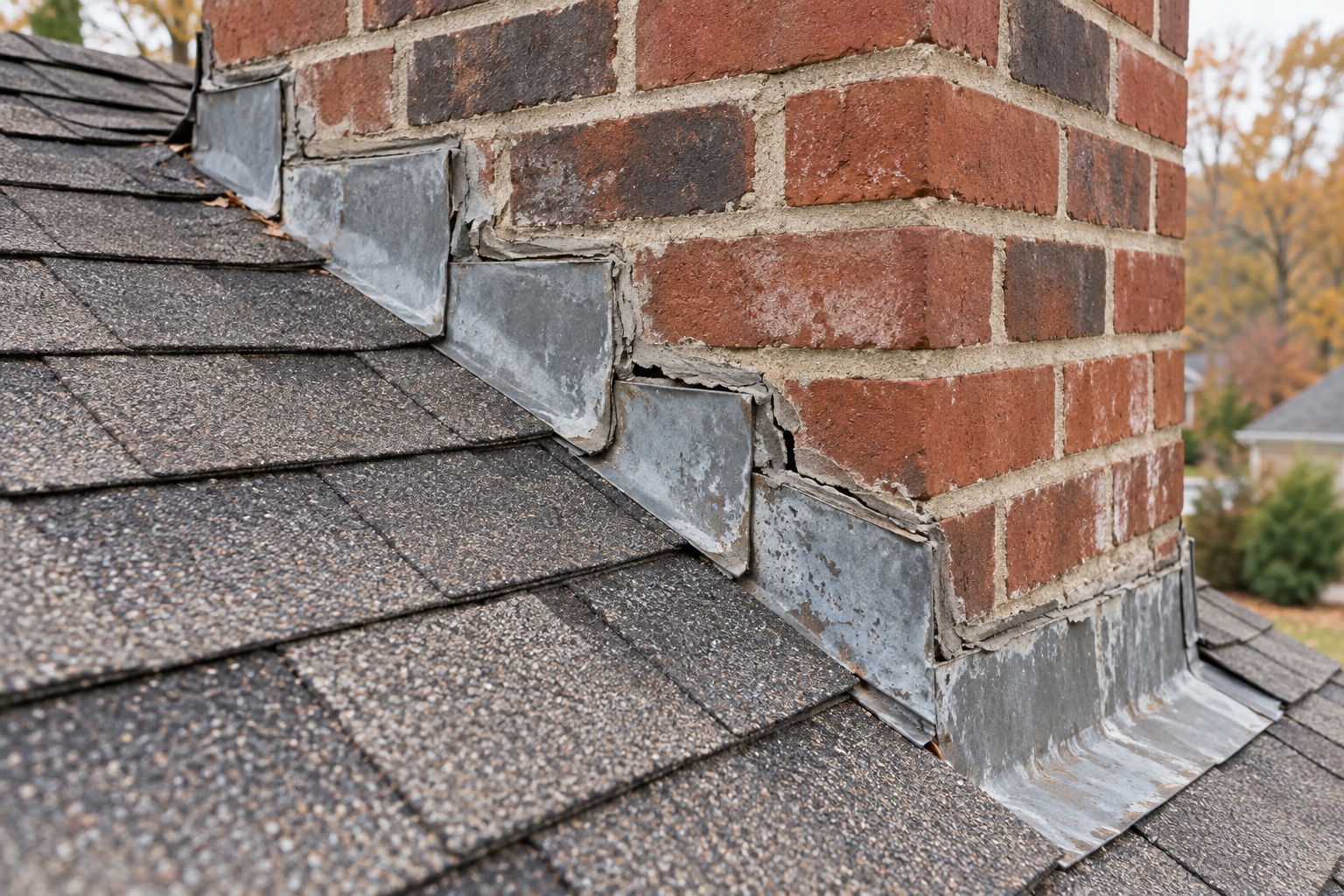
- Flashing at walls, chimneys, and roof transitions
- Plumbing vent boots and other penetrations
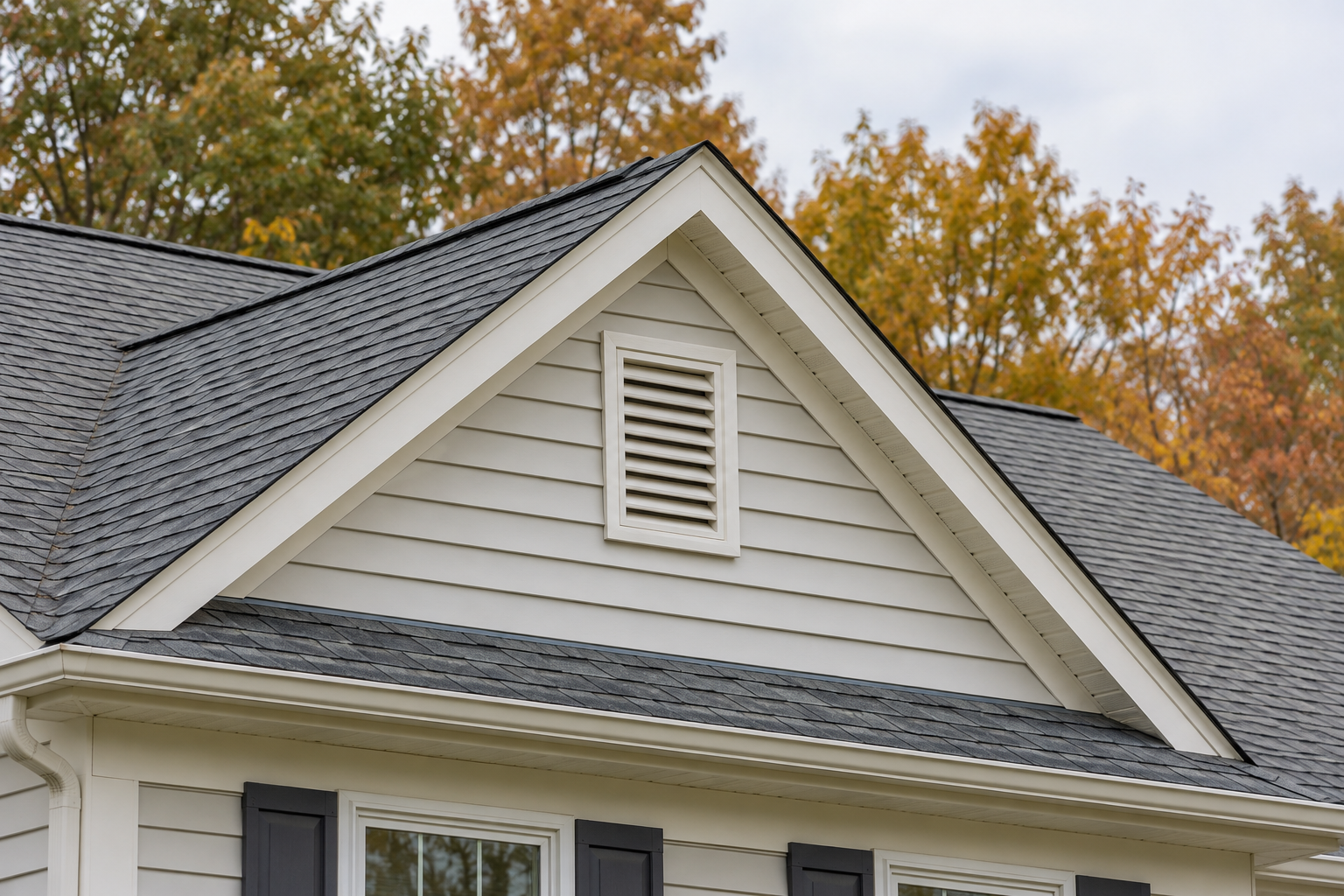
- Ridge caps and ridge vents
- Valleys, gutters, and drainage paths
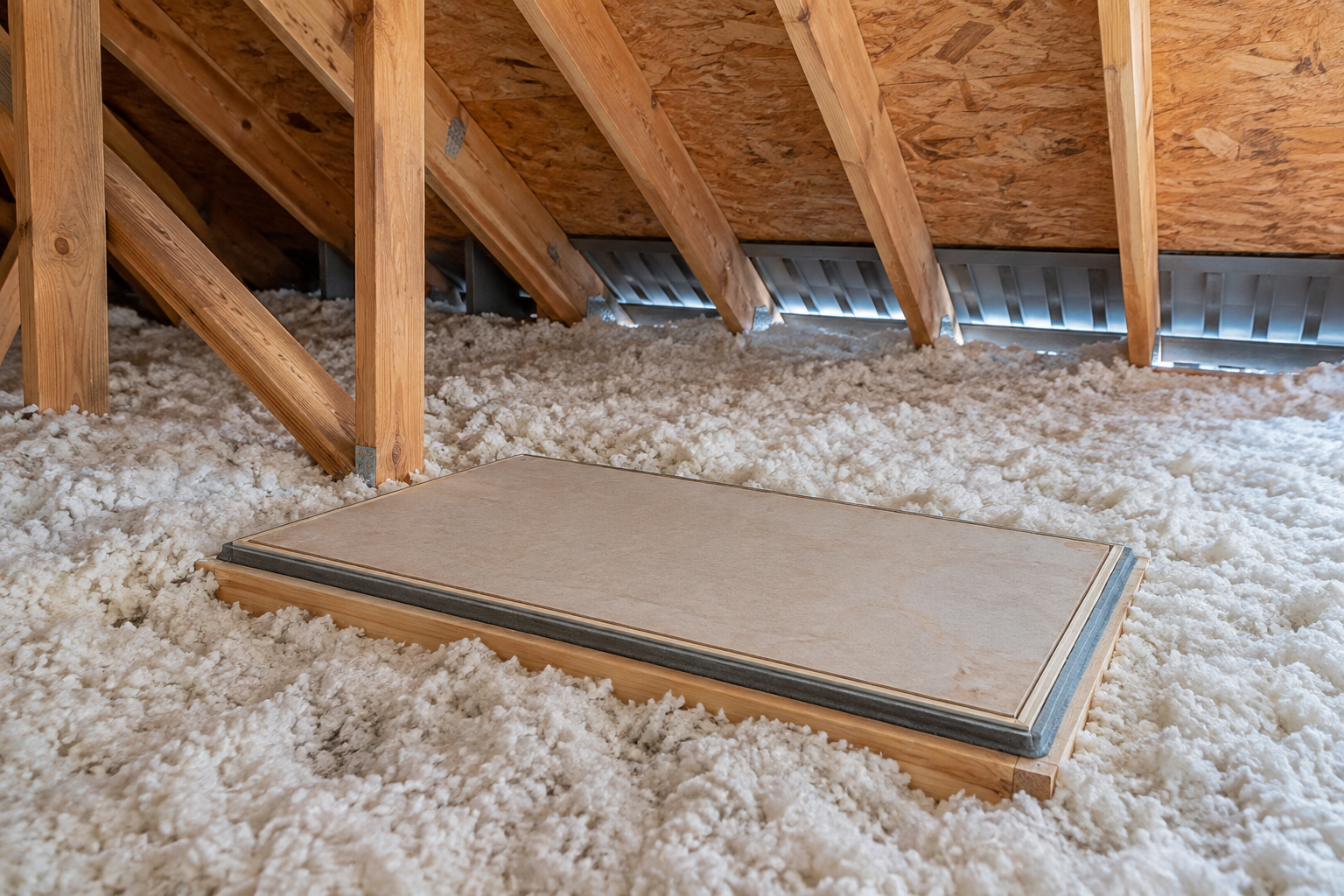
- Visible signs of moisture or ventilation concerns
Ask for dated photographs and a plain-language explanation of the findings. If repairs are recommended, record what was completed, by whom, and on what date. This first set of documents becomes the comparison point for every later year.
If the roof is being considered for Roof Maxx, the assessment also determines whether it is an appropriate candidate. Roof Maxx is designed for qualifying asphalt-shingle roofs; severe damage, active leaks, structural problems, or advanced deterioration may require repair or replacement instead.
Years 2 Through 4: Repeat a Simple Annual Cycle
The middle years should be consistent rather than complicated. Use the same annual cycle so that changes are easier to notice and records are easier to compare.
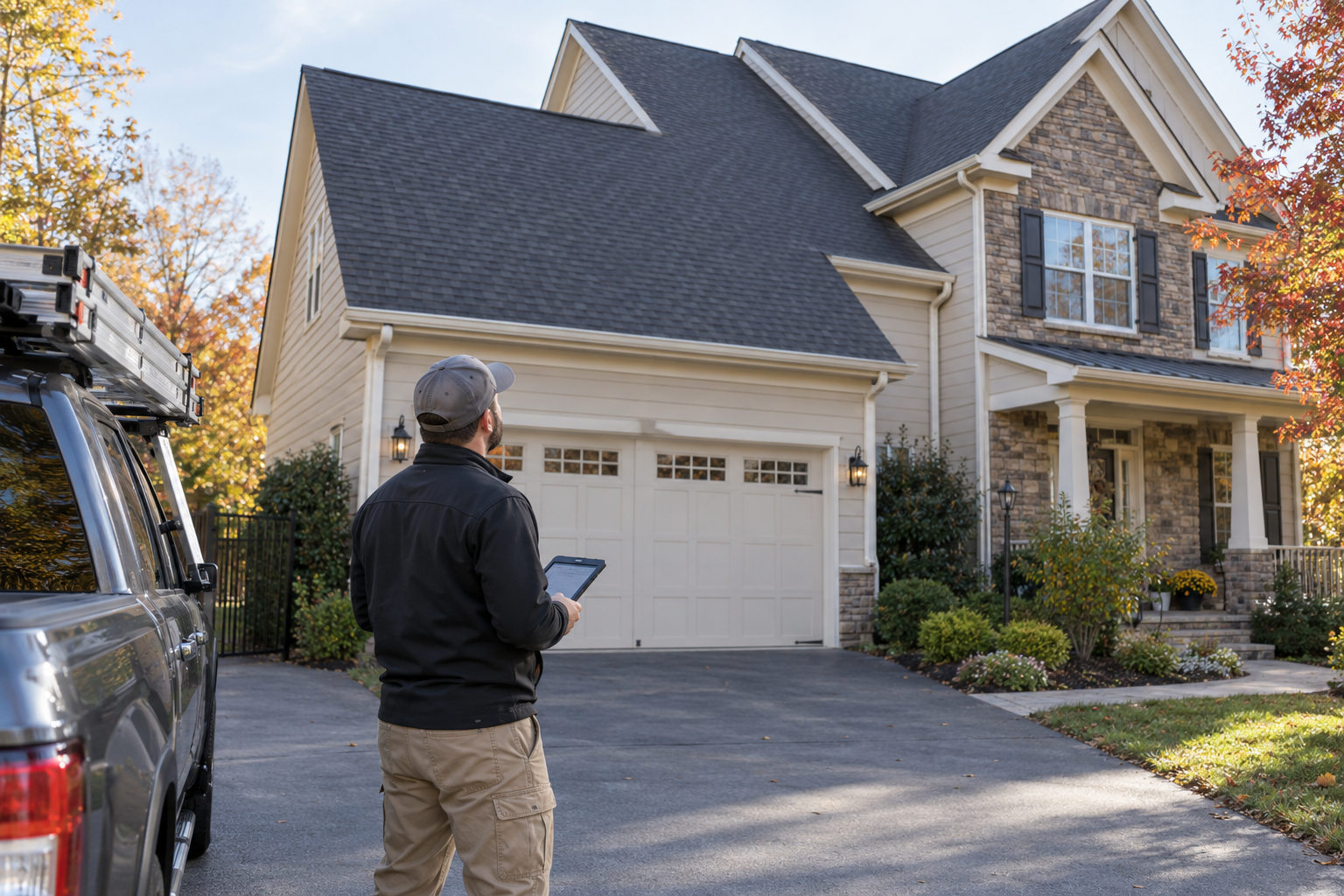
Schedule the annual assessment
Choose a repeatable time of year and keep it on the calendar. During the appointment, ask the professional to compare current conditions with the prior report and photographs. A small difference in one year may be more meaningful when it can be compared with several years of records.
Make safe seasonal observations
From the ground, watch for obvious changes such as a missing or lifted shingle, a branch resting on the roof, sagging gutters, debris blocking a drainage path, or a new ceiling stain.
Do not walk on the roof. Homeowners and inexperienced property managers should not access a roof without the experience and equipment needed to do so safely.
Follow up after major weather
Strong wind, hail, or falling debris can create a reason for an additional professional look. Even when the roof appears normal from the yard, a qualified professional can evaluate details that are difficult to see safely from below.
Complete necessary repairs promptly
An inspection only creates value when identified problems are addressed. Keep repair documentation with the assessment report so the next professional can see what changed and what materials or areas were involved.
Keep One Roof Record, Not Five Separate Piles
The best five-year plan is the one you can actually use. A simple digital folder or physical binder is enough. Give each year its own section and save:
- The inspection date and company name
- Dated photographs of the same roof areas when possible
- Written findings and recommendations
- Estimates and completed repair invoices
- Notes about major storms or falling debris
- Interior moisture observations and when they appeared
- Roof Maxx treatment and warranty documents, if applicable
Consistent photos are especially helpful. A professional may be able to compare the same slope, flashing detail, ridge, or vent from one year to the next instead of relying on memory.
Year 5: Reassess the Roof, Not Just the Calendar
Year five is a decision point, not an automatic instruction. Schedule a fresh professional assessment and review the full five-year record. The appropriate next step may be continued monitoring, maintenance, targeted repair, Roof Maxx treatment, Roof Maxx reapplication for an eligible previously treated roof, or replacement.
The roof’s present condition should control that decision. A date alone cannot confirm whether treatment is appropriate or whether a roof has reached the end of its serviceable life.
Ask the professional to explain:
- What has changed since the baseline assessment?
- Which areas are stable and which need attention?
- Are prior repairs still performing as intended?
- Is the asphalt-shingle roof currently eligible for Roof Maxx?
- If it was previously treated, is it eligible for another application?
- Would repair or replacement be the more responsible next step?
A clear answer should connect the recommendation to visible findings, roof history, and current condition.
How Roof Maxx Fits Into a 5-Year Plan
Roof Maxx treatment is intended to restore flexibility to qualifying asphalt shingles. According to the official Roof Maxx warranty, treated shingles are warranted to remain flexible and in a serviceable condition for five years from the treatment date.
That warranty is specific. It is not a warranty against granule loss, leaks, faulty installation, or damage from events such as wind, ice, snow, or hail. Routine observation, professional assessments, and necessary repairs still belong in the care plan after treatment.
Roof Maxx says some roofs may be eligible for reapplication at five-year intervals, up to two additional treatments. Eligibility is not automatic. A certified Roof Maxx dealer must assess the roof and determine whether another application is suitable based on its actual condition.
If a roof needs physical repairs, those issues should be addressed using appropriate roofing methods. Roof Maxx treatment does not replace missing shingles, repair flashing, correct structural problems, or stop an active leak.
A Sample Central Virginia Planning Rhythm
Use this as a flexible starting point and adjust it to the roof’s age, condition, exposure, and professional recommendations:
- Every spring: Observe the roof, gutters, and exterior drainage safely from the ground; review any winter-related concerns.
- Every fall: Look for debris accumulation and visible changes before colder weather; arrange professional attention when needed.
- Once each year: Schedule a professional roof assessment and update the photo record.
- After major weather: Note the date and conditions, observe from a safe location, and request an additional assessment when damage is suspected.
- After any repair or treatment: Save the invoice, report, photographs, product information, and warranty documents.
- At year five: Review the complete record with a professional and choose the next step based on current findings.
This rhythm is especially useful in Central Virginia because a roof experiences changing seasons as well as thunderstorms, wind, rain, heat, and falling tree debris. The goal is not to react to every weather forecast. It is to keep a reliable record and respond when the roof’s condition or a significant event warrants attention.
Start Your Roof Maxx Plan With an Assessment
A five-year roof care plan does not need to be complicated. Begin with a professional baseline, repeat a consistent assessment schedule, document changes, complete necessary repairs, and use the year-five review to make an informed decision.
Roof Maxx serves homeowners in Midlothian, Richmond, and surrounding Central Virginia communities. To request an asphalt-shingle roof assessment and learn whether Roof Maxx may fit your long-term care plan, visit richmondroofrejuvenation.com.