
Roof Restoration Blog | Richmond VA & Central Virginia
What Shapes a Solar Attic Fan Quote in Central Virginia?
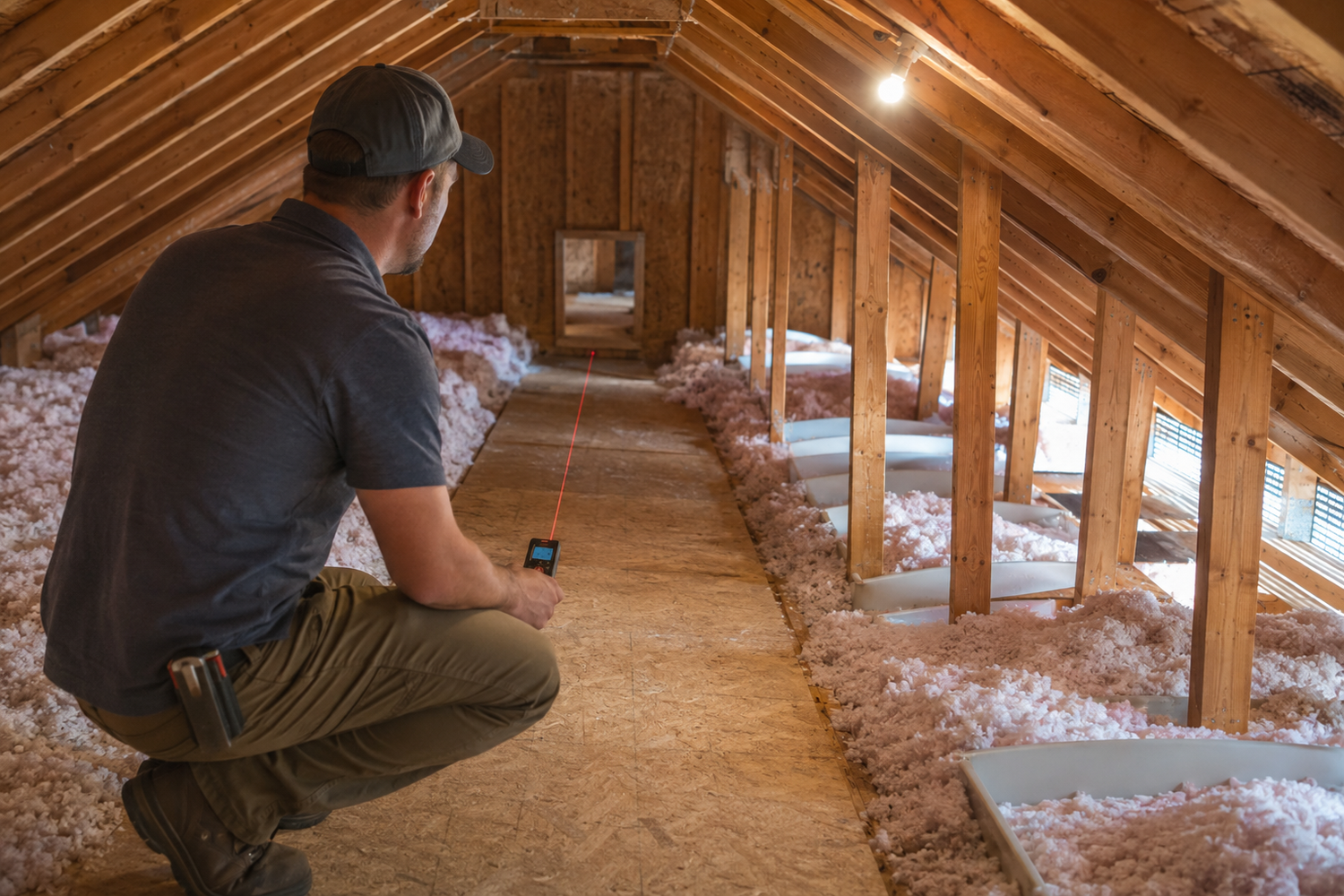
It is natural to ask, “How much does a solar attic fan cost?” The responsible answer begins with another question: What does this particular home need?
A product price alone does not describe the full project. The appropriate fan, the number of fans, the mounting method, the roof conditions, and the work required for a sound installation can all affect the installed quote. Two homes with similar floor plans may receive different recommendations because their attics and roofs are configured differently.
For homeowners in Midlothian, Richmond, and surrounding Central Virginia communities, understanding these variables makes it easier to compare estimates accurately and avoid choosing equipment based on price alone.
1. Attic Size Establishes the Starting Point
Fan sizing begins with the area that actually needs ventilation. That is not always identical to the home’s total advertised living area.
The Attic Depot sizing calculator uses the home’s living area and story configuration to estimate attic area. Its current assumptions use the full living area for a one-story home, 75% for a one-and-a-half-story home, and 60% for a two-story home. These percentages are calculator assumptions, not substitutes for measuring the actual attic.
A larger estimated attic may require greater airflow or more than one fan. A smaller attic may be adequately served by a lower-capacity option. An on-site evaluation can confirm the accessible attic area, separated attic sections, vaulted spaces, additions, and other features that a basic square-footage entry cannot capture.
2. The Number of Stories Changes the Estimate
The same living area can produce a different attic estimate depending on how the home is arranged. A 2,400-square-foot ranch normally has a different roof footprint from a 2,400-square-foot two-story home.
That difference matters because the roof footprint helps determine the approximate attic area. It can also affect installation access. A taller home may require different safety equipment, staging, or roof-access planning than a single-story property.
When requesting an estimate, be ready to provide:
- Approximate finished living area
- Whether the home is one, one-and-a-half, or two stories
- Whether additions have separate attic spaces
- Whether the attic can be reached safely from inside the home
These details help prepare the evaluation, but the final recommendation should still be based on the property itself.
3. Roof Color Can Affect the Calculator’s Fan Count
The Attic Depot calculator applies different coverage assumptions for light, medium, and dark roofs. It currently uses 1,300 square feet per fan for a light roof, 1,200 square feet for a medium roof, and 1,000 square feet for a dark roof.
That means the same estimated attic area may produce a different preliminary fan count after the roof color changes. The calculator rounds upward when the estimated attic area is not evenly covered by the selected assumption.
This is a useful planning tool, but it should not be treated as a final design. Roof orientation, solar exposure, existing ventilation, attic configuration, and the selected fan model can change what is appropriate for the home.
4. An Attached Garage May Add Ventilated Area
An attached garage can share or extend the roof and attic system. The calculator accounts for this by adding estimated area when the garage is attached: 200 square feet for a one-car garage, 400 for a two-car garage, and 600 for a three-car garage. A detached garage does not add area in the calculator.
Real homes are not always that simple. The garage attic may be separated by framing or fire-resistance assemblies, or it may connect to only part of the main attic. An evaluator should confirm whether the spaces communicate and whether they should be treated as one ventilation area.
This is one reason a quote based only on the home’s headline square footage can miss important details.
5. Roof Type, Pitch, and Access Affect Installation
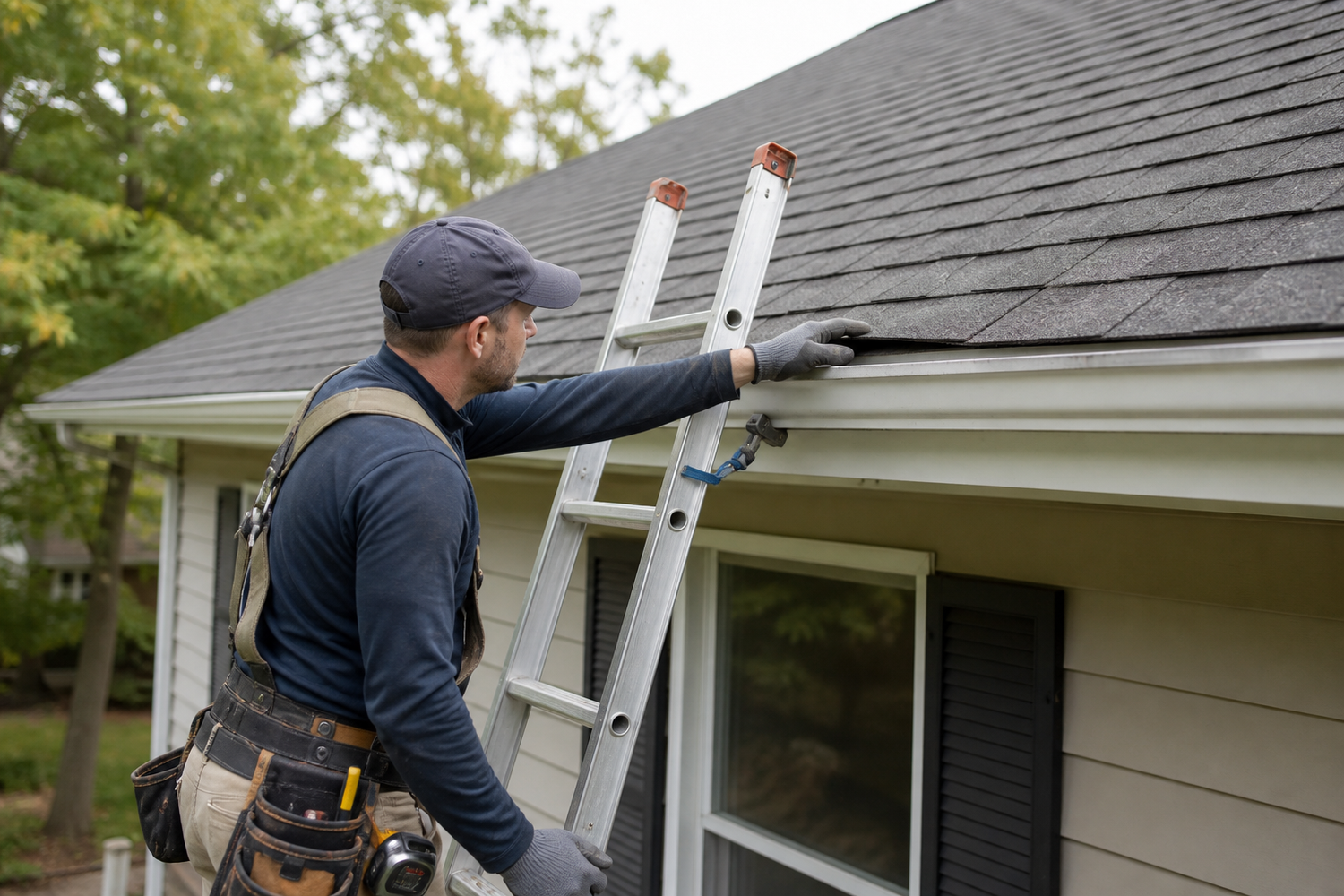
The roof surface and the route to the installation location influence the work required. A straightforward asphalt-shingle roof with clear access is different from a steep roof, a complex roof with several levels, or a surface made from metal or tile.
The Attic Depot calculator does not issue a numerical fan recommendation for metal or tile selections. Instead, it calls for additional evaluation. That is a sensible reminder that different materials may require specialized mounting, flashing, tools, and installation methods.
The evaluation should also consider:
- Roof pitch and walking surface
- Height above the ground
- Landscaping or structures that affect ladder placement
- Distance from ridges, valleys, walls, and existing penetrations
- Condition of the shingles and roof deck near the proposed location
- Whether roof repairs are needed before installation
A written quote should distinguish the equipment from installation labor and any separate roof work. That makes competing proposals easier to compare.
6. Fan Model and Mounting Location Matter
The Attic Depot lists several solar-powered options, including 25-watt, 30-watt, and 70-watt roof-mount fans, plus a 30-watt gable-mount model. Different models offer different capacities, panel configurations, sizes, and controls.
The largest or most powerful fan is not automatically the best choice. The goal is to match the equipment to the attic and the available intake ventilation. In some homes, one higher-capacity fan may fit better than two smaller roof-mounted fans. In another home, the roof shape or a suitable gable may point toward a different configuration.
Sun exposure also matters. A solar fan must receive adequate sunlight to perform as intended. Trees, neighboring structures, roof orientation, and the location of the solar panel should be considered before the mounting point is chosen.
Intake Ventilation Must Be Part of the Conversation
An exhaust fan removes attic air, but replacement air still needs a clear way to enter. That commonly happens through soffit or other intake vents.
ENERGY STAR cautions that if soffit vents are blocked and the attic is not well sealed from the living space, an attic fan can pull conditioned air from the home into the attic. That can work against the intended efficiency benefit and make the air conditioner work harder.
Before the quote is finalized, the evaluation should consider whether:
- Existing soffit or intake vents are clear
- Insulation is blocking the intake path
- Rafter baffles maintain an open air channel
- Noticeable ceiling or attic-floor air leaks need attention
- Bathroom or dryer exhaust ducts terminate improperly in the attic
Solar-powered equipment has no normal grid-electricity operating cost while it runs on sunlight, but that does not make correct ventilation design optional. The fan, intake path, insulation, and air sealing need to work as a system.
What a Clear Solar Attic Fan Quote Should Show
A useful written quote should help the homeowner understand what is included. Look for clear identification of:
- Recommended fan model and quantity
- Roof-mount or gable-mount configuration
- Equipment price
- Installation labor
- Flashing, sealant, and mounting components
- Any intake-ventilation improvements
- Any separate roof repairs or preparation
- Product-warranty registration requirements
- Installation warranty or workmanship terms
The Attic Depot describes its solar fans as carrying a limited lifetime product warranty against manufacturing defects when the warranty is properly registered. Its published warranty also states that replacement labor and installation are not covered by the manufacturer’s product warranty. Ask the installer to explain both product and workmanship coverage so the distinction is clear.
Use the Calculator as a Starting Estimate
A sizing calculator is helpful for early planning. It can show how home size, story count, garage area, and roof color may affect a preliminary fan count. It cannot see blocked soffits, divided attic spaces, roof damage, shade patterns, or difficult access.
The calculator result should therefore begin the conversation—not end it. A home-specific evaluation allows the recommendation and installed quote to reflect actual conditions.
Request a Richmond Roof Rejuvenation Evaluation
Richmond Roof Rejuvenation helps Central Virginia homeowners evaluate roof and attic conditions as part of a practical roof-longevity plan. We can review the factors that shape a solar attic fan recommendation and explain what is included before work begins.
To request a home-specific solar attic fan evaluation in Midlothian, Richmond, or a surrounding community, visit richmondroofrejuvenation.com.