
Roof Restoration Blog | Richmond VA & Central Virginia
Are 3-Tab Shingles Really Being Phased Out?
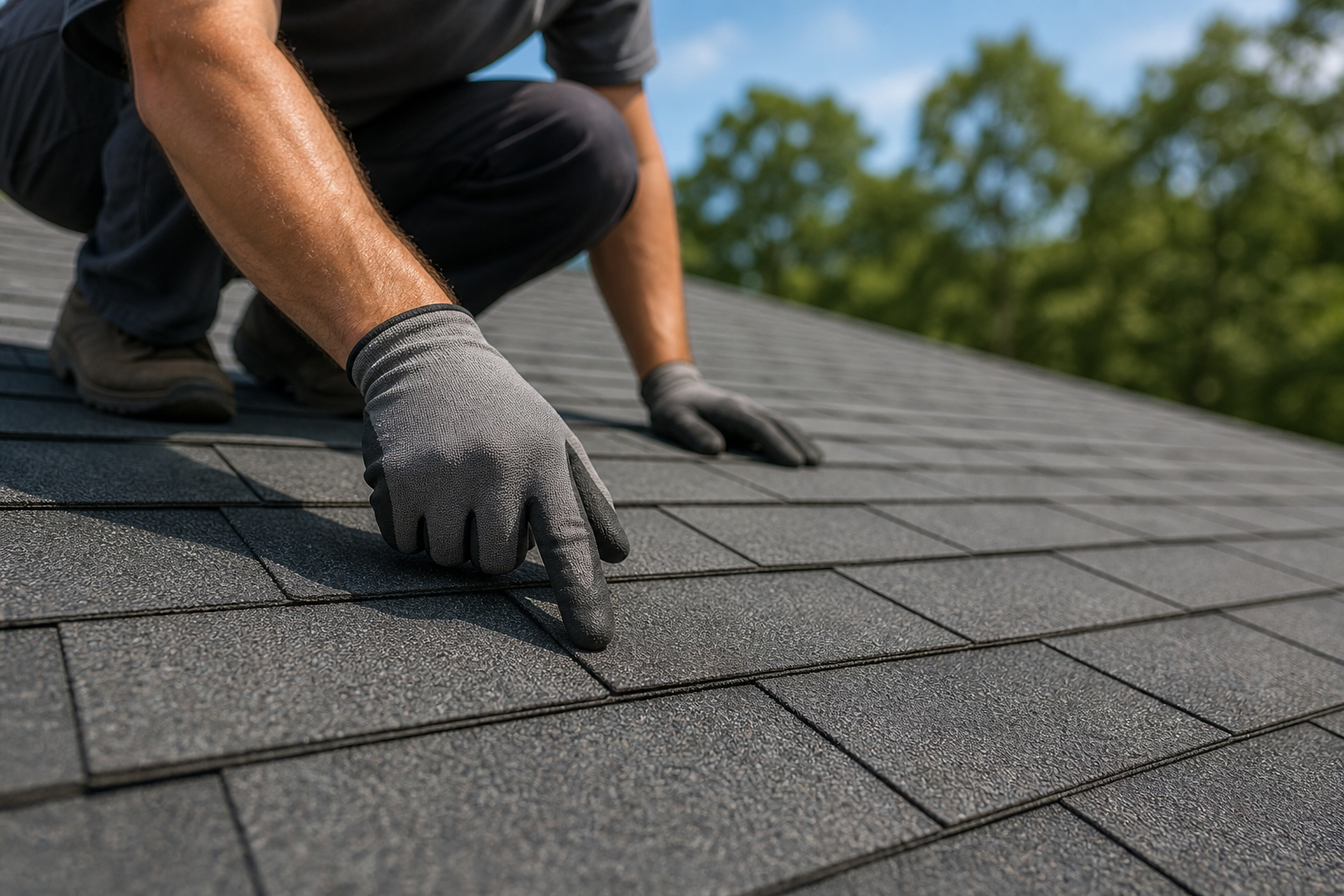
Three-tab asphalt shingles were once one of the most familiar sights on American homes. Their flat profile, repeating rectangular tabs, and generally lower upfront cost made them a standard roofing choice for decades.
Today, homeowners often hear that 3-tab shingles are “being phased out.” That statement reflects a real market shift, but it is too broad if taken literally. Three-tab shingles have not disappeared completely. Some manufacturers still list 3-tab or strip-shingle products, while architectural or dimensional shingles have become the more prevalent choice for many new installations and full roof replacements.
For homeowners in Midlothian, Richmond, and across Central Virginia, the practical question is not whether 3-tab shingles remain fashionable. It is whether the shingles already on the home are secure, serviceable, repairable, and appropriate for continued maintenance.
What Is a 3-Tab Shingle?
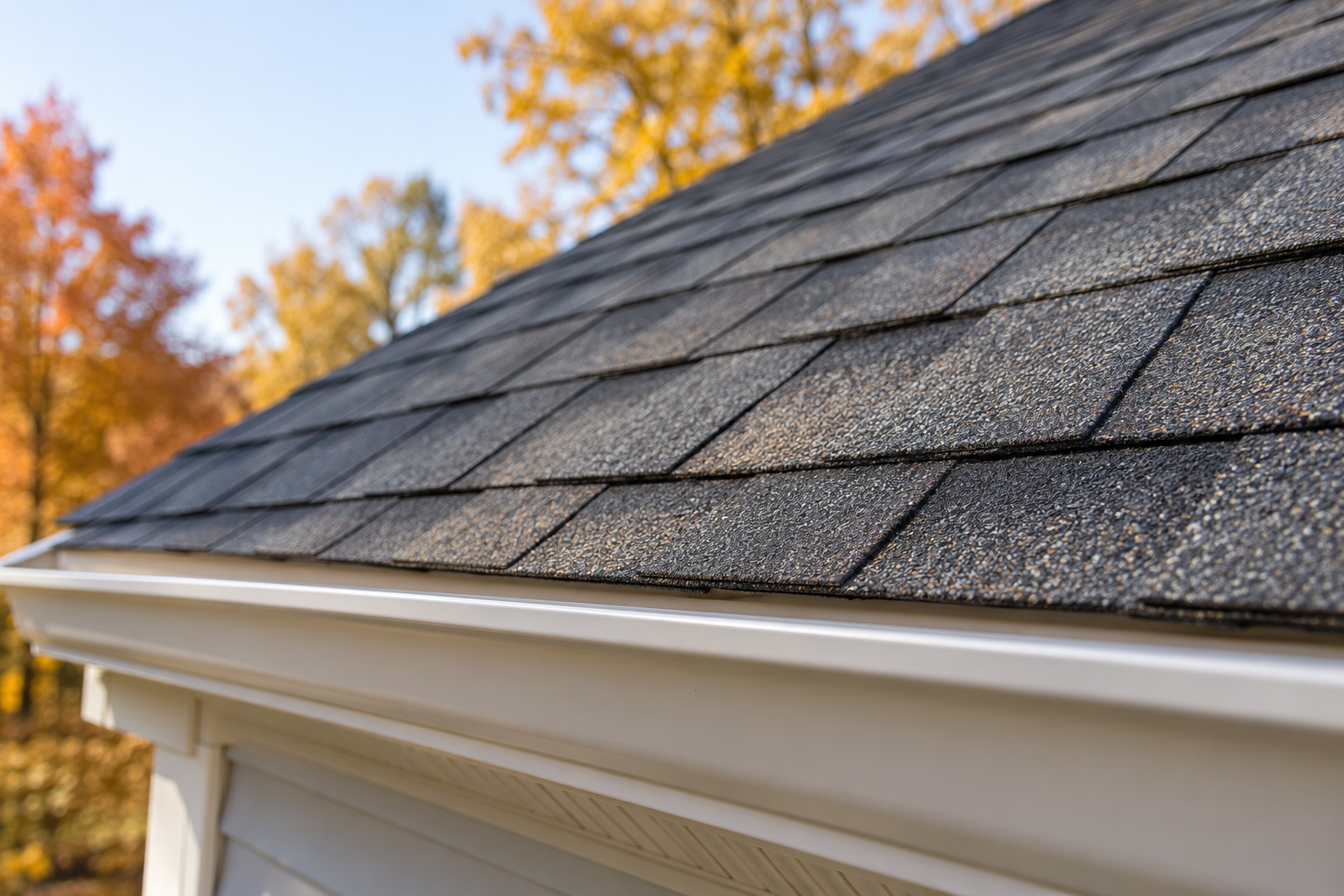
A traditional 3-tab shingle is a single-layer asphalt shingle with two vertical slots cut into its exposed lower edge. Those slots create three evenly sized tabs and produce the flat, uniform brick-like pattern associated with older asphalt roofs.
Three-tab shingles are also called strip shingles. Compared with dimensional shingles, they generally have:
- A flatter, more uniform appearance
- A single-layer construction
- Less material weight
- A repeating pattern with straight tab slots
- Fewer dimensional color and shadow effects
These characteristics do not automatically make a 3-tab roof defective. They simply describe a different product category and construction style.
Why Architectural Shingles Became the Mainstream Choice
Architectural shingles—also called dimensional or laminated shingles—use multiple laminated layers to create a thicker profile and a more varied appearance. Manufacturer guidance now describes dimensional shingles as the most prevalent asphalt-shingle category.
Several factors helped drive that change.
More Visual Depth
Architectural shingles are designed with varied shapes, shadow lines, and blended colors. Many homeowners prefer the way those features imitate wood shakes or slate while retaining asphalt-shingle construction.
More Product Choices
Manufacturers typically offer broader architectural-shingle collections, including different colors, impact ratings, algae-resistance options, and accessory systems. The exact features and warranties vary by product, so labels and installation requirements still matter.
Changing Contractor and Consumer Preferences
As architectural products became more widely available, they replaced 3-tab shingles as the usual starting point for many replacement discussions. Purpose-made starter strips and hip-and-ridge products also reduced some of the accessory uses that contractors once filled by cutting 3-tab shingles.
This is why homeowners hear that 3-tab shingles are being phased out: the market has largely moved toward dimensional products, even though some 3-tab lines remain available.
Are 3-Tab Shingles Still Available?
Yes, in some markets and from some manufacturers. Current manufacturer information still identifies certain 3-tab or strip-shingle products. Availability can depend on:
- The manufacturer
- The specific product line
- Regional distribution
- The desired color
- Local supplier inventory
That last point matters when repairing an older roof. A replacement shingle may technically be available while the original color, granule blend, dimensions, or weathered appearance is not. A repair professional should determine whether a compatible product can be installed correctly and whether the visual mismatch is acceptable.
Does an Existing 3-Tab Roof Need to Be Replaced?
Not simply because architectural shingles are more popular.
A serviceable 3-tab roof can continue doing its job as long as its materials and roof-system details remain in suitable condition. A product trend is not a replacement deadline.
Instead, evaluate the roof for signs such as:
- Brittle shingles that crack when handled
- Curling or lifting tabs
- Loose or missing shingles
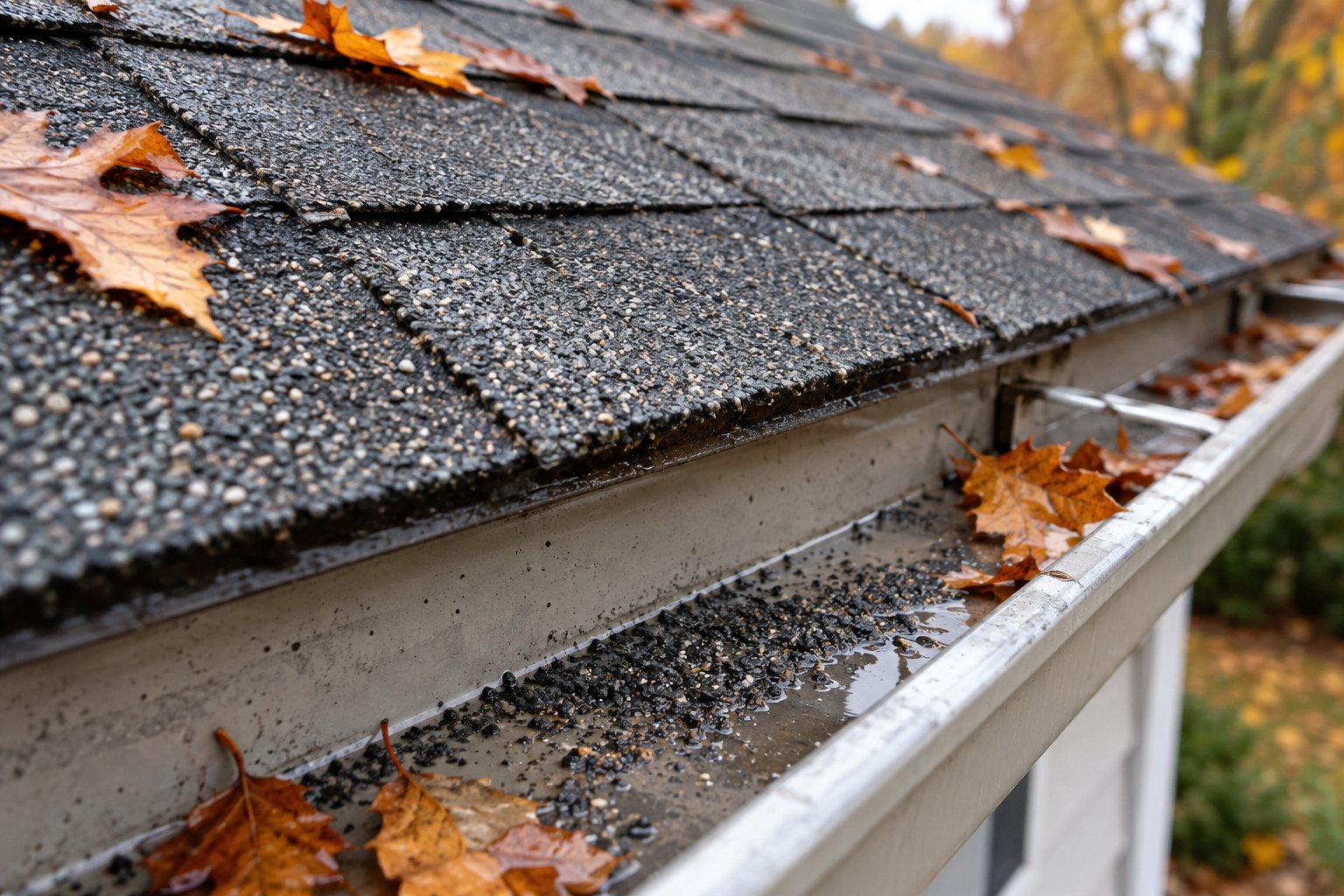
- Widespread granule loss
- Exposed fasteners or nail pops
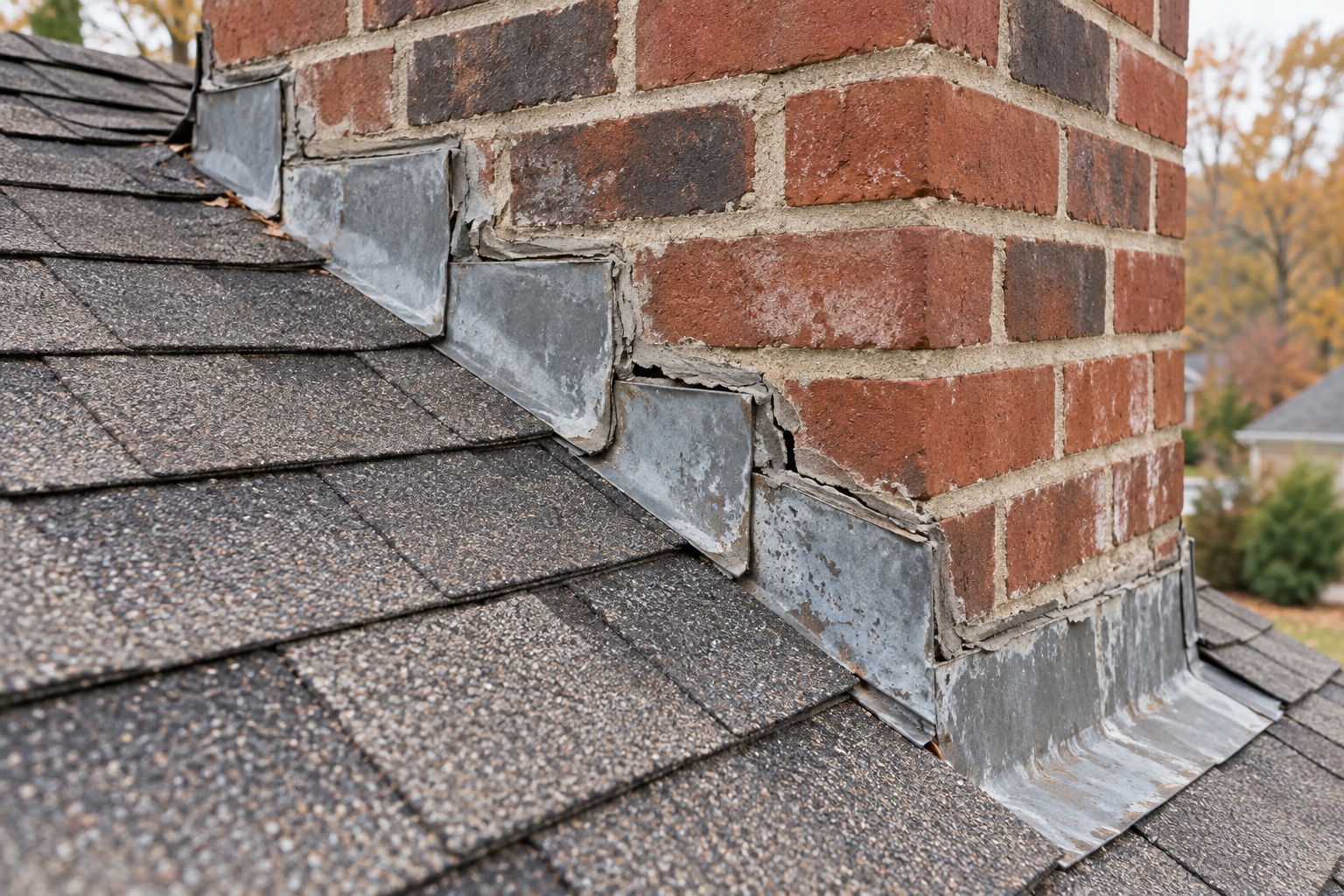
- Failing seals at penetrations and flashing
- Repeated leaks or moisture damage
- Repair areas that cannot be matched or integrated properly
Age is useful context, but condition should drive the recommendation. A professional assessment can separate normal aging from repairable issues and more advanced deterioration.
Can Roof Maxx Be Used on 3-Tab Shingles?
Roof Maxx is designed for asphalt shingle roofing systems, and the company states that it can be used on all types of asphalt shingle roofs. Its published technical information also discusses testing performed on aged 3-tab shingles.
The treatment uses a plant-based bio-oil emulsion designed to penetrate the asphalt layer and restore oils lost through weathering. The goal is to improve flexibility in shingles that are dry and aging but still suitable for treatment.
Roof Maxx is not a substitute for necessary structural repair or roof replacement. A roof with extensive damage, serious installation problems, advanced granule loss, rot, or repeated leaks may not qualify. The process should begin with an assessment and any appropriate tune-up work.
For an eligible 3-tab roof, rejuvenation may provide another maintenance option even as the replacement market continues moving toward architectural products.
Repair, Rejuvenate, or Replace?
The right next step depends on what the assessment finds.
Repair May Make Sense When
- Damage is limited to a small area
- Compatible replacement materials are available
- Flashing or penetrations need localized work
- The surrounding shingles remain flexible and secure
Rejuvenation May Be Worth Evaluating When
- The roof uses asphalt shingles
- The shingles are aging and becoming dry
- The roof remains structurally sound
- Granule coverage and shingle integrity remain within qualifying limits
- Necessary tune-up work can be completed before treatment
Replacement May Be Appropriate When
- Deterioration is widespread
- Shingles are extensively cracked, missing, or no longer serviceable
- The roof has serious deck, moisture, or installation problems
- Repairs cannot be integrated reliably
- The roof does not qualify for rejuvenation
The homeowner should receive a clear explanation of the observed condition and why the recommended option fits that condition.
What Central Virginia Homeowners Should Ask
If your Midlothian or Richmond-area home has a 3-tab roof, ask these questions before assuming replacement is required:
- Are the shingles still flexible and securely sealed?
- Is granule loss isolated or widespread?
- Are there active leaks, damaged flashing, or deck concerns?
- Can a localized repair be matched and installed properly?
- Does the roof qualify for Roof Maxx treatment?
- If replacement is recommended, what specific condition makes it necessary?
These questions keep the decision focused on the roof in front of you—not a generalized statement about what manufacturers or builders prefer today.
The Bottom Line
Three-tab shingles are no longer the dominant asphalt-shingle choice, and homeowners may encounter fewer product and color options than they once did. But 3-tab shingles have not been universally discontinued, and an existing 3-tab roof is not automatically obsolete.
The market trend matters most when planning repairs or a future replacement. For the roof you have today, its condition, repairability, and treatment eligibility matter more.
If you have an aging 3-tab asphalt roof in Midlothian, Richmond, or Central Virginia, Roof Max can help assess whether maintenance, rejuvenation, repair, or replacement is the appropriate next step. Learn more or request an assessment at richmondroofrejuvenation.com.