
Roof Restoration Blog | Richmond VA & Central Virginia
How to Explain Roof Maxx to a Hesitant Home Buyer

A home buyer who asks questions about the roof is not being difficult. The roof is one of the home’s most important systems, and buyers reasonably want to understand its condition, expected maintenance, and any treatment applied before the sale.
When a seller has used Roof Maxx, the best response is not a bigger sales pitch. It is a clear explanation supported by an assessment, treatment records, and accurate warranty information. That gives the buyer something more useful than reassurance alone: facts they can review with their agent, inspector, or roofing professional.
For buyers and sellers in Midlothian, Richmond, and surrounding Central Virginia communities, the conversation can stay simple. Start with three questions: Does the roof qualify? What does Roof Maxx actually do? What does the warranty cover?
Start With the Roof’s Condition
Roof Maxx is a treatment for eligible asphalt shingle roofs. It is not a way to hide rot, active leaks, widespread missing shingles, poor installation, or a roof that needs replacement.
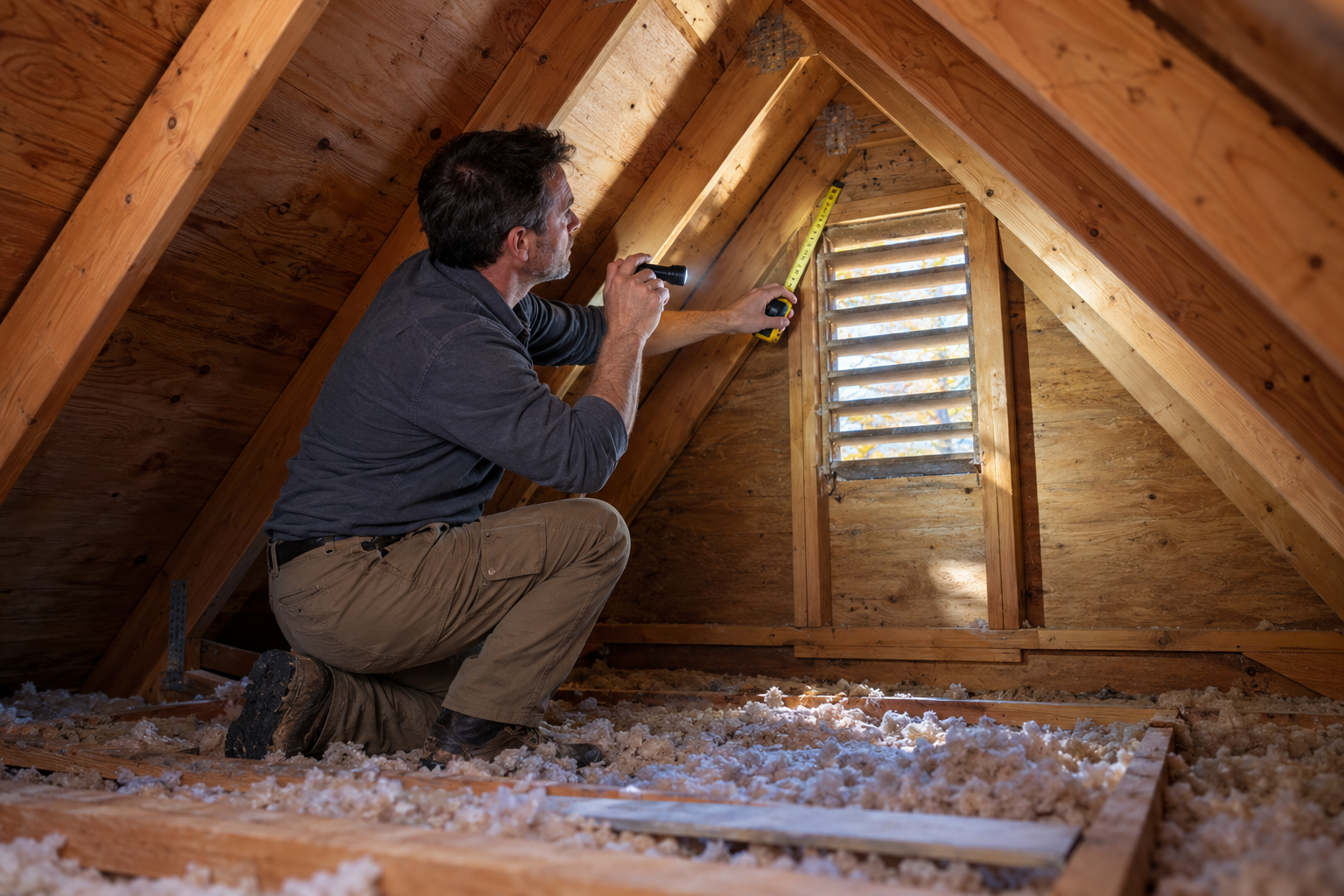
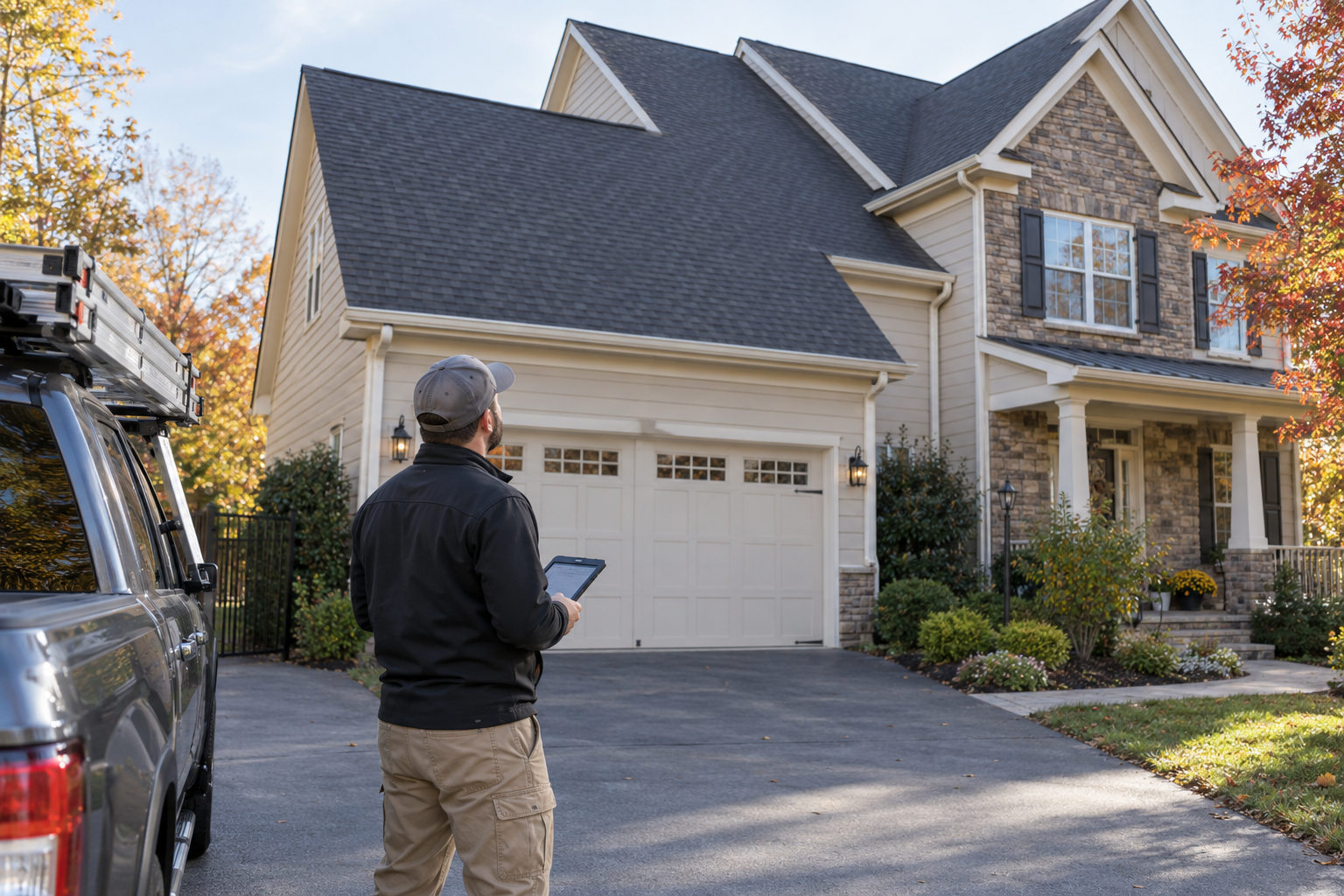
That distinction should come first. Before discussing the product, show the buyer that the roof was evaluated. A useful set of records may include:
- The date of the roof assessment
- The roof’s approximate age, when known
- Notes about shingle condition and eligibility
- A list of repairs or tune-up work completed before treatment
- The treatment date and service documentation
- The applicable Roof Maxx warranty information
If the roof has not yet been assessed, say so. An honest “we need to verify that” builds more trust than a confident answer that is not supported by the roof’s actual condition.
Explain Roof Maxx in Plain Language
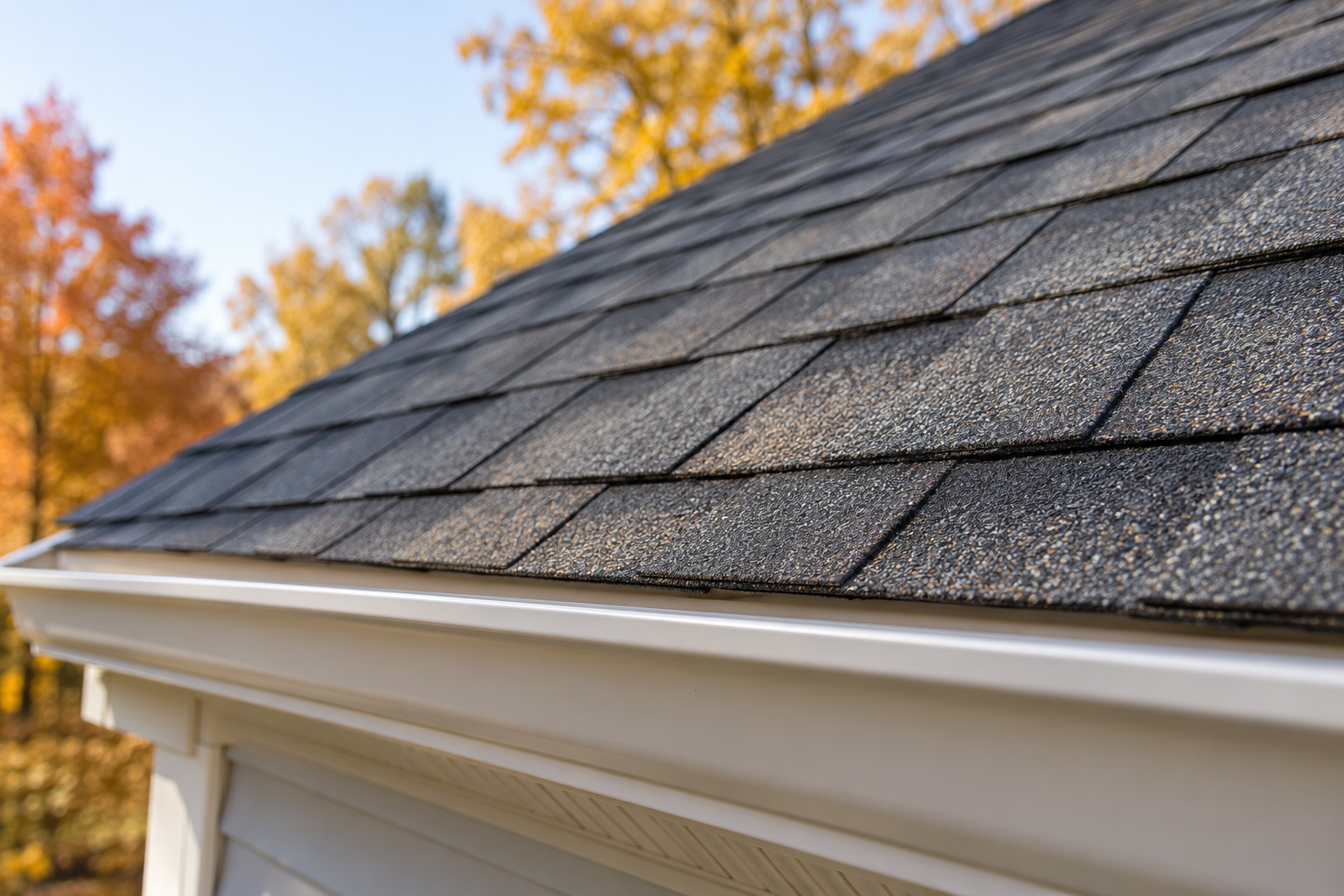
Asphalt shingles contain oils that help them remain flexible. Weathering and age gradually reduce those oils, and shingles can become dry and brittle. Roof Maxx is a plant-based treatment designed to penetrate eligible asphalt shingles and replenish lost oils, helping restore flexibility.
That is the core explanation. Roof Maxx is not a paint, surface coating, or replacement layer. It is applied to the existing shingles after the roof has been assessed and any qualifying preparation or repair work has been addressed.
A buyer-friendly way to describe it is:
“The roof was evaluated to confirm that the shingles were suitable for treatment. Roof Maxx was then applied to help restore flexibility lost through aging. Here are the assessment, service record, and warranty terms so you can review them.”
This wording explains what happened without promising that the roof is new, maintenance-free, or protected from every possible cause of damage.
Be Precise About the Five-Year Warranty
Roof Maxx offers a five-year transferable flexibility warranty. According to the current Roof Maxx warranty information, the treated asphalt shingles are guaranteed to remain flexible and in serviceable condition for five years from the treatment date. If the shingles fail the standardized flexibility test during that period, the warranty provides for prorated retreatment of the affected area.
The limits matter just as much as the coverage. The warranty is not a guarantee against leaks, granule loss, faulty installation, or damage from events such as wind, hail, ice, or snow. Those exclusions should be explained directly, and the buyer should receive the current written terms.
Avoid shortening the message to “the roof is guaranteed for five years.” That statement is too broad. A more accurate explanation is:
“The treatment includes a transferable five-year warranty focused on shingle flexibility. It is not a leak or storm-damage warranty. Here are the written terms.”
Specific language helps prevent misunderstandings later.
Answer the Questions Buyers Usually Ask
“Why wasn’t the roof replaced?”
Replacement is appropriate when a roof is no longer serviceable or cannot qualify for treatment. But age alone does not tell the whole story. If the asphalt shingles remain suitable, a roof assessment may identify rejuvenation as an option that helps the homeowner get more useful life from the existing roof.
The buyer should still review the assessment and ask their own inspector or roofing professional any questions they have.
“Is Roof Maxx just covering up a problem?”
Roof Maxx is not intended to conceal defects. The responsible process begins with evaluating the roof and addressing eligible repair or tune-up items. If the roof has serious problems or is not a suitable candidate, treatment should not be presented as a substitute for necessary replacement.
Documentation is the best answer to this concern. Show what was inspected, what was repaired, and when the treatment was applied.
“Will the warranty transfer to me?”
Roof Maxx describes its five-year flexibility warranty as transferable. The buyer should receive the treatment record and current warranty documents, confirm the remaining warranty period, and follow any transfer or claim instructions stated in those documents.
“Does this mean the roof cannot leak?”
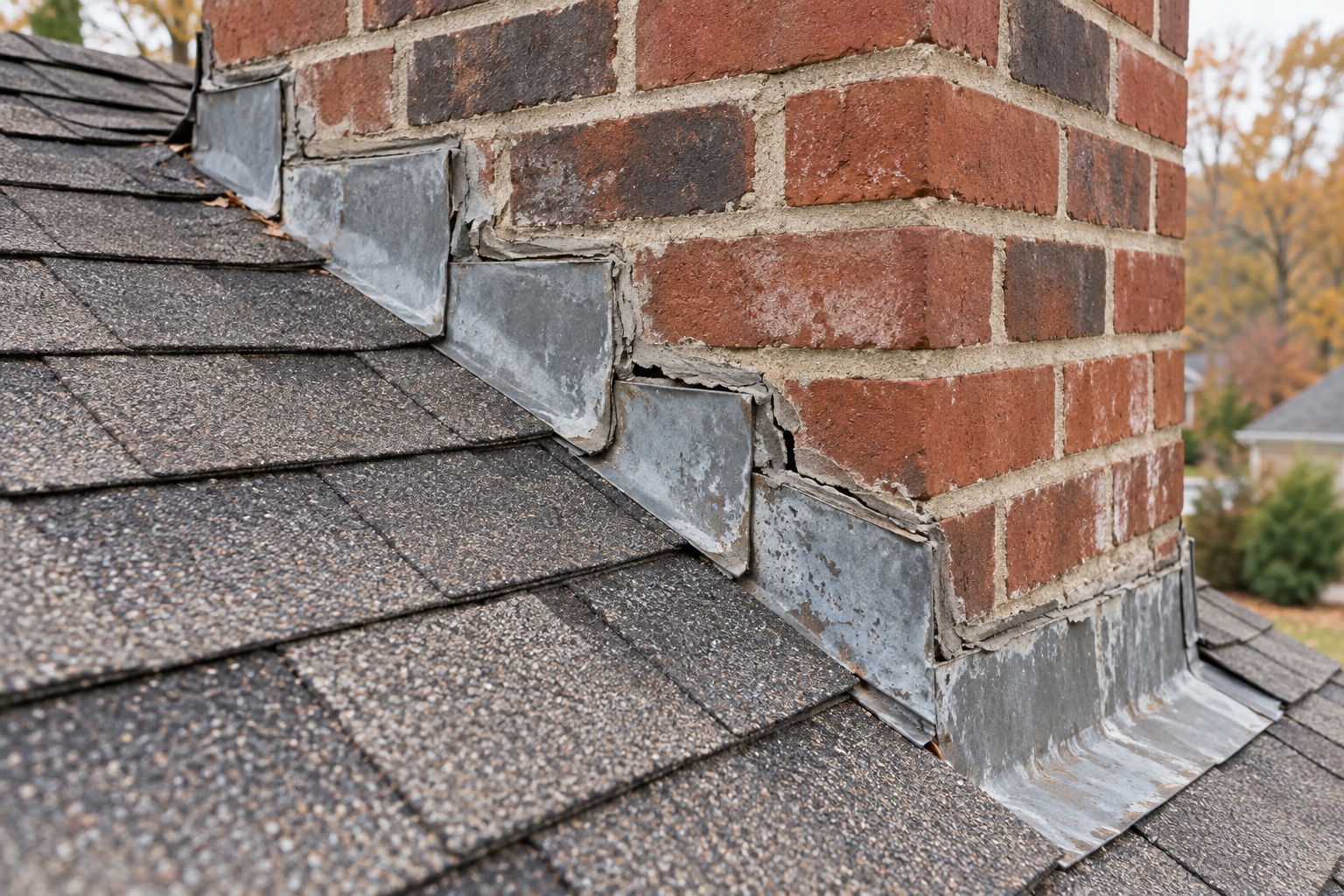
No. A flexibility warranty is not a leak warranty. Leaks can come from flashing, penetrations, installation defects, storm damage, or other conditions that are outside the treatment’s stated warranty coverage. Buyers should continue to rely on normal inspections, maintenance, and timely repairs.
“What should I ask to see?”
Ask for the roof assessment, the date and scope of any tune-up work, the Roof Maxx service record, the treatment date, and the complete written warranty. If information is missing, request it before relying on a verbal summary.
A Simple Three-Step Conversation for Sellers and Agents
When a buyer is hesitant, use this order:
- Assess: Explain that eligibility depends on the roof’s actual condition, not merely its age.
- Explain: Describe Roof Maxx as a plant-based treatment designed to restore flexibility to eligible asphalt shingles.
- Document: Provide the assessment, repair or tune-up details, treatment record, and written warranty with its limitations.
Then pause and let the buyer ask questions. The goal is informed consent, not pressure.
What Buyers Should Verify Before Closing
Before treating Roof Maxx as part of the home’s value or maintenance history, a buyer can verify:
- The roof is made of asphalt shingles and was found eligible for treatment
- The assessment date and treatment date are documented
- Any recommended qualifying repairs were completed
- The remaining five-year flexibility warranty period is clear
- The written warranty is transferable and the transfer steps are understood
- The buyer knows what the warranty excludes
- Independent inspection findings are consistent with the seller’s records
This checklist keeps the conversation focused on evidence rather than assumptions.
Clear Information Builds Buyer Confidence
Roof questions should never be brushed aside during a home sale. Buyers deserve an accurate explanation, and sellers benefit when the roof’s condition and maintenance history are easy to understand.
If you are preparing a Midlothian or Richmond-area home for sale—or evaluating a home with aging asphalt shingles—Roof Max can assess whether the roof may be a suitable candidate and explain the process in plain language.
Request an assessment or learn more at richmondroofrejuvenation.com.