
Roof Restoration Blog | Richmond VA & Central Virginia
Can Your Attic Really Exceed 150°F?
On a sunny summer day, the temperature inside an attic can be dramatically higher than the outdoor temperature. The Attic Depot reports that attic temperatures can exceed 150°F as a roof absorbs solar heat. Its consumer guidance also describes a typical summer range of approximately 140°F to 160°F.
That does not mean every Virginia attic will reach the same temperature. Roof color, sun exposure, outdoor weather, attic layout, insulation, and ventilation all influence the conditions inside. The important point is that an attic can become extremely hot even when the rooms below appear comfortable.
Understanding how that heat builds—and how ventilation is supposed to move it—can help homeowners make better decisions about the roof and attic as one connected system.
Why an Attic Can Become So Hot
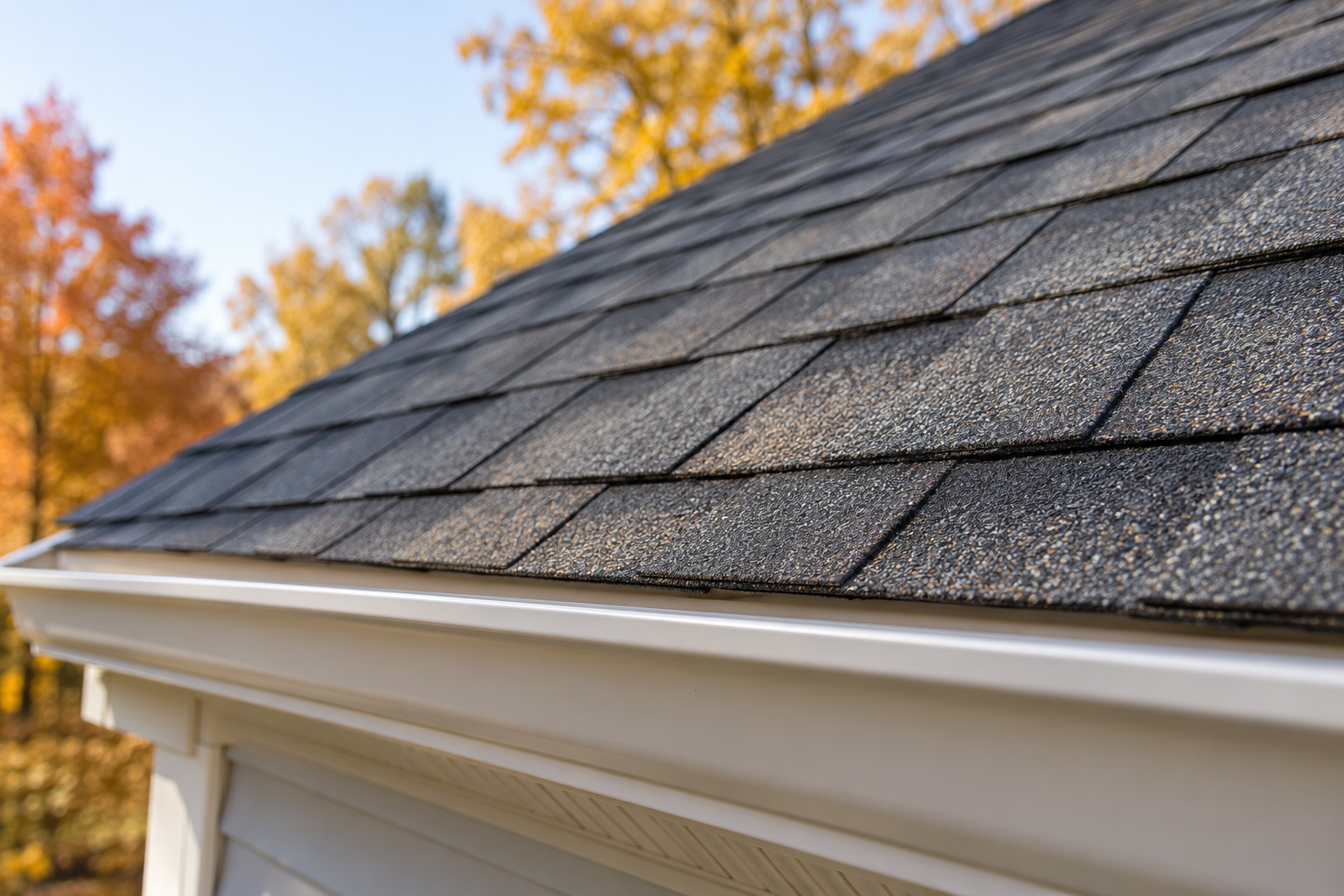
The roof receives direct sunlight for hours at a time. Asphalt shingles and the roof deck absorb part of that solar energy. Heat then moves from the roof surface into the attic below.
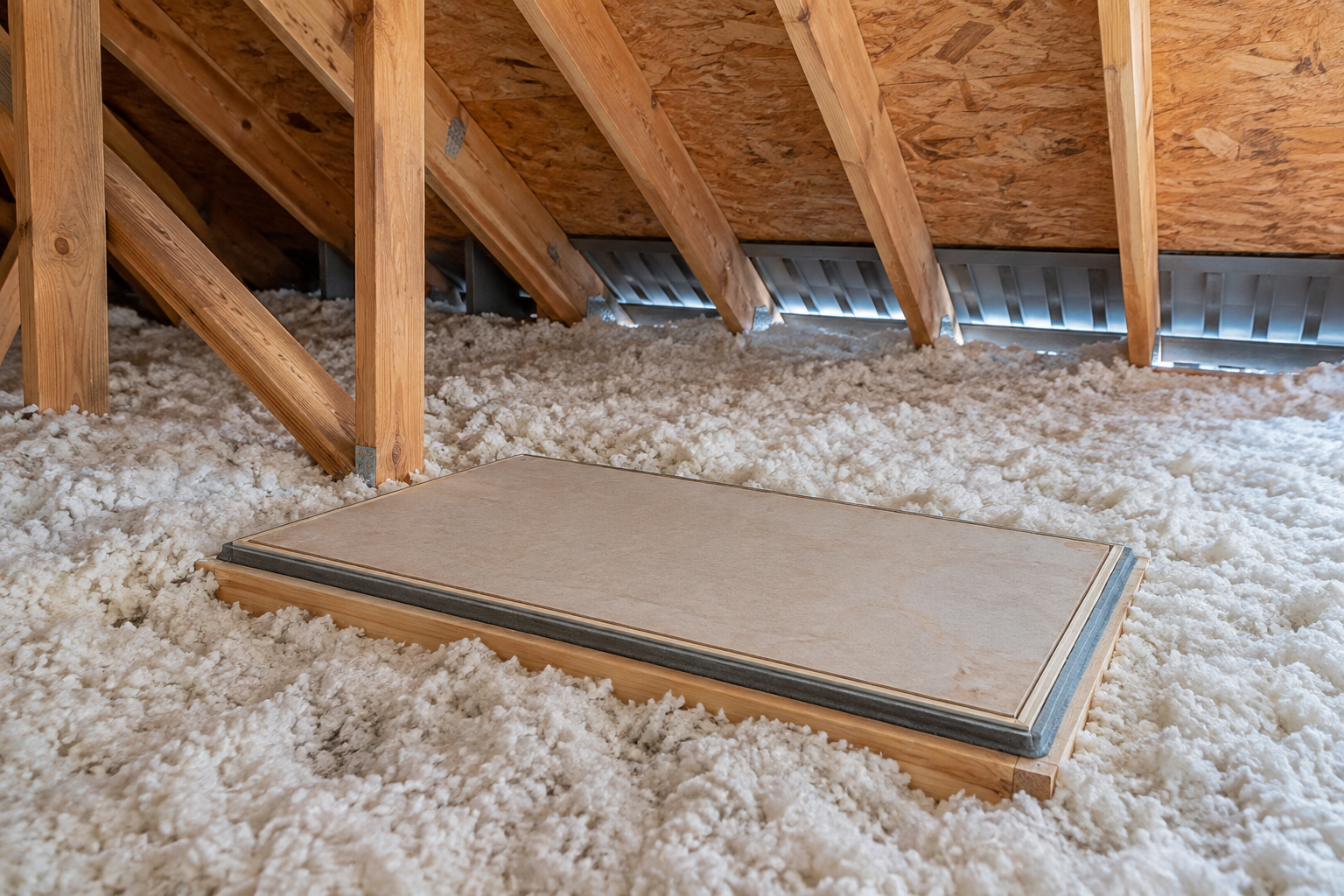
When attic air cannot move effectively, the heat can remain trapped. The hottest conditions commonly develop near the underside of the roof deck, where the sun’s energy is being transferred into the enclosed space.
Several property-specific factors can affect the result:
- Roof color and material
- The direction and amount of sun exposure
- Roof pitch and attic shape
- Available intake and exhaust ventilation
- Insulation levels and condition
- Ductwork located inside the attic
- Obstructions that interrupt the intended airflow path
This is why an exact temperature or ventilation recommendation should not be assumed from square footage alone.
What Trapped Attic Heat Can Affect
An overheated attic is separated from the living area, but it is not isolated from the rest of the home. Heat can radiate downward through the ceiling assembly. Ductwork running through the attic can also be exposed to the hot surrounding air.
The Attic Depot notes that trapped attic heat can make a cooling system run harder and longer. Proper ventilation may help reduce that demand by moving heated attic air out and allowing cooler outside air to replace it.
Excessive heat may also contribute to thermal stress on roofing materials, roof decking, insulation, and other attic components. Ventilation is not a repair for damaged materials, but it is one part of maintaining more moderate attic conditions.
How Proper Attic Ventilation Works
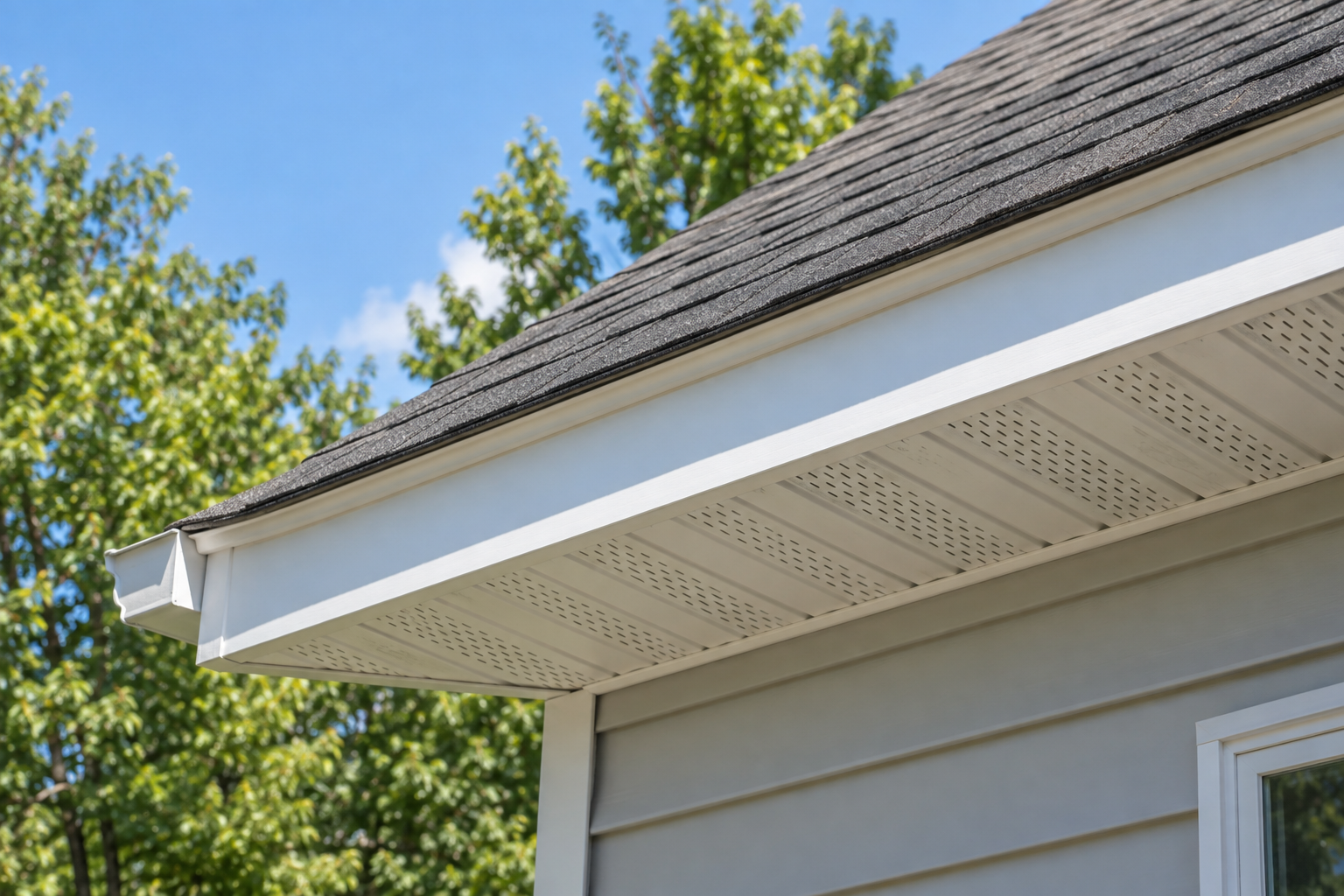
A properly designed attic ventilation system depends on air movement. Cooler outside air enters through lower intake vents—often located at the soffits—while warmer attic air exits through higher exhaust ventilation.
The basic path is simple:
- Outside air enters low in the attic.
- The incoming air moves through the attic space.
- Hot, stale air exits at or near the roof.
Solar attic ventilation can assist that exchange when sunlight is available. The solar panel powers the unit without drawing electricity from the home’s electrical grid. The goal is to move attic air, not to air-condition the attic.
The intake side matters. An exhaust unit cannot perform as intended if there is not enough unobstructed intake airflow to replace the air being removed. That is one reason a roof and attic evaluation should look beyond the device itself.
What Solar Attic Ventilation Does Not Promise
Solar attic ventilation can help remove trapped heat and moisture, but it should not be presented as a guaranteed temperature-control or energy-savings product.
Actual results can vary based on:
- Attic size and shape
- Roof pitch and design
- Roof color
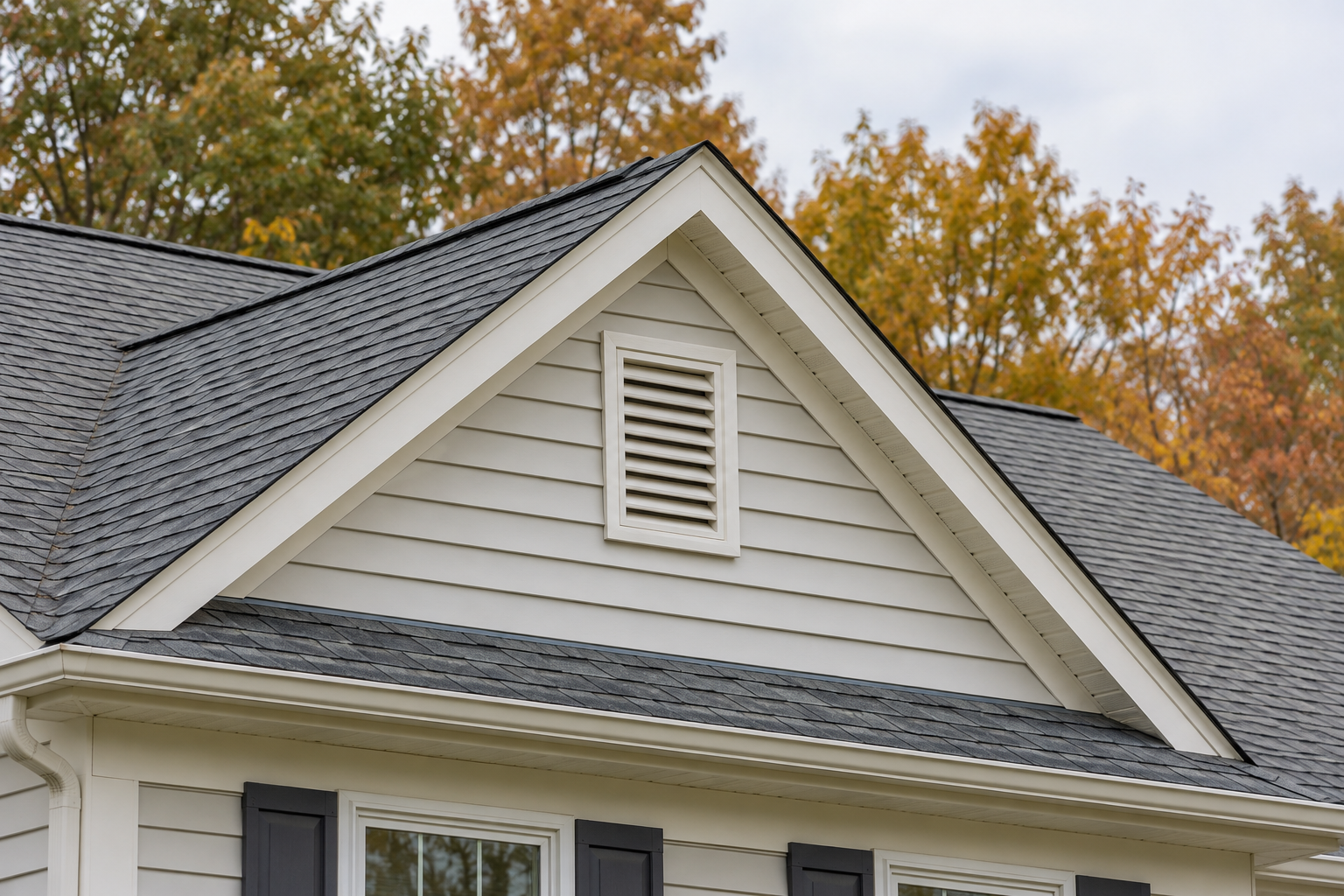
- Existing ridge, soffit, or gable ventilation
- Insulation levels
- Ductwork location and condition
- Equipment placement and sizing
- Installation conditions
- Local weather and sun exposure
A ventilation recommendation should be based on the actual property. Calculator results, general coverage figures, and projected savings are estimates—not guarantees.
Why Moisture Still Matters After Summer
The calendar may be moving into fall, but attic ventilation is not only a summer concern. Moisture can build inside an attic during cooler periods and may condense against roof decking, rafters, or insulation.
Year-round airflow helps manage both sides of the attic-comfort problem: excessive heat during warm weather and moisture accumulation during cooler weather. That makes fall a practical time to inspect the roof and attic before the next cooling season arrives and before winter moisture concerns become harder to ignore.
Signs It May Be Time for a Roof and Attic Evaluation
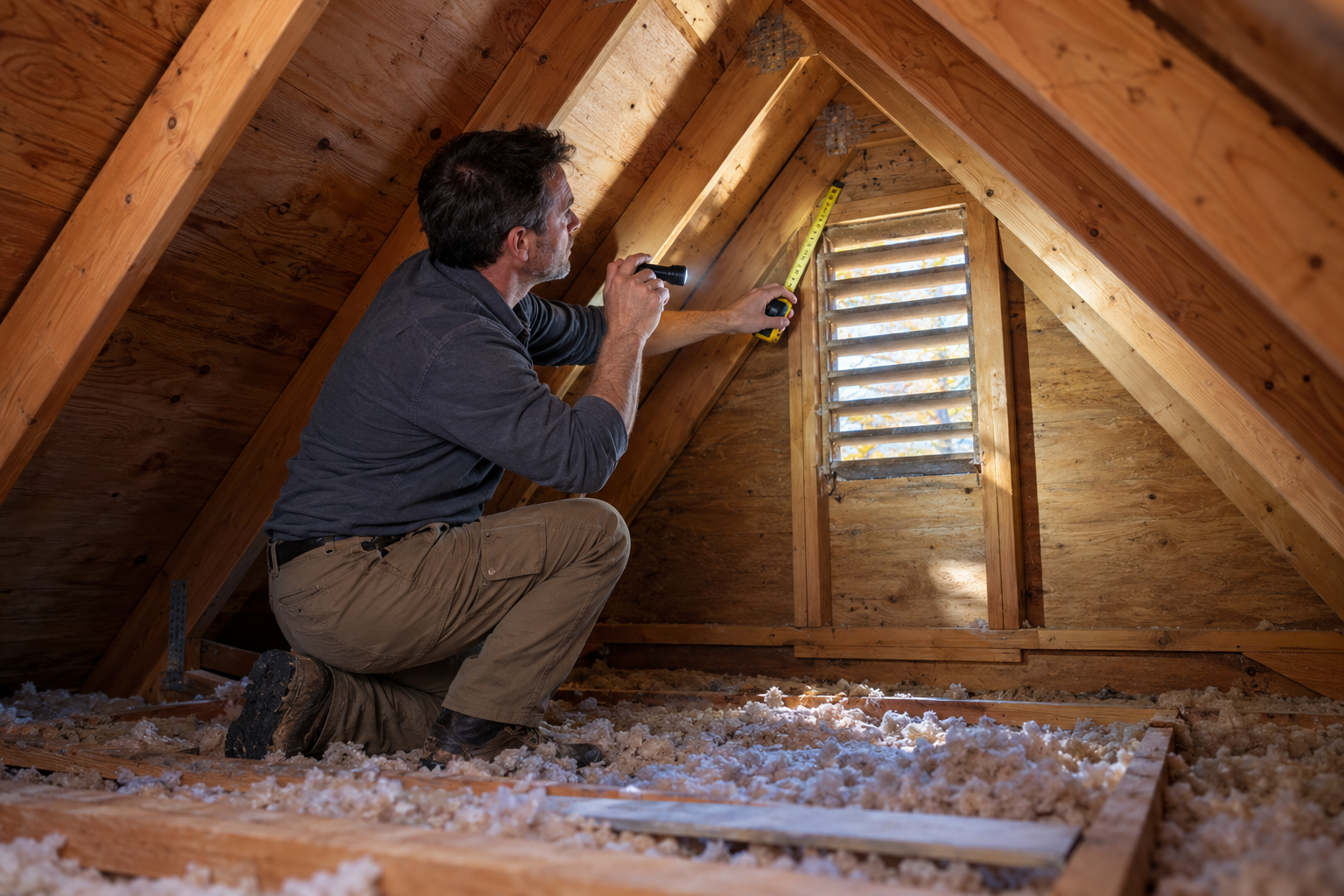
You do not need to wait for a leak or a failed cooling system before looking at attic conditions. Consider an evaluation if you notice:
- Upper rooms that are consistently difficult to cool
- A noticeably hot or stale attic
- Compressed, disturbed, or moisture-affected insulation
- Condensation, staining, or musty odors in the attic
- Blocked or painted-over soffit vents
- Uncertainty about the home’s intake and exhaust ventilation
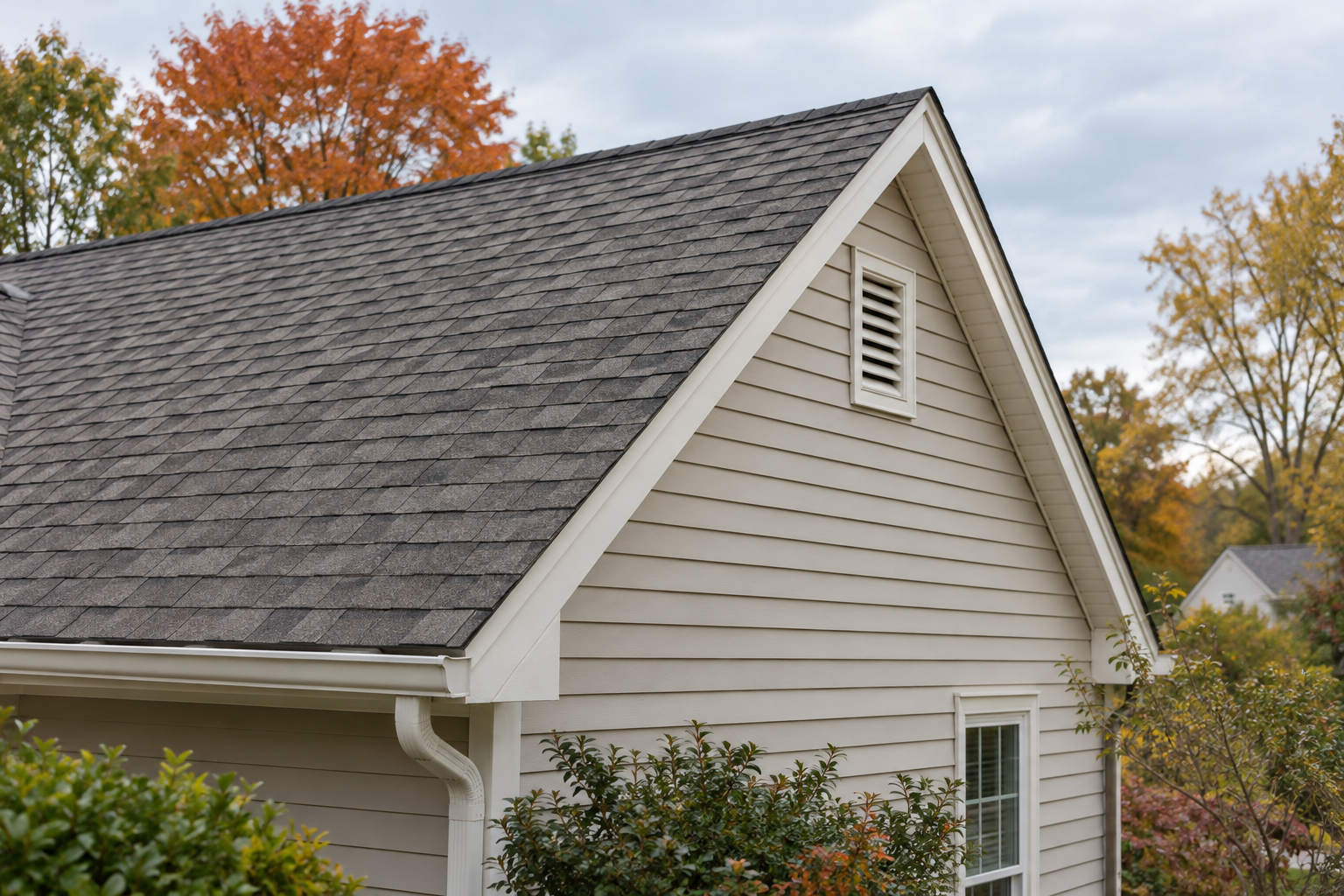
- An aging asphalt roof that has not been evaluated recently
These observations do not diagnose the cause on their own. They are reasons to have the complete roof-and-attic system reviewed by a qualified professional.
One Connected Roof-and-Attic System
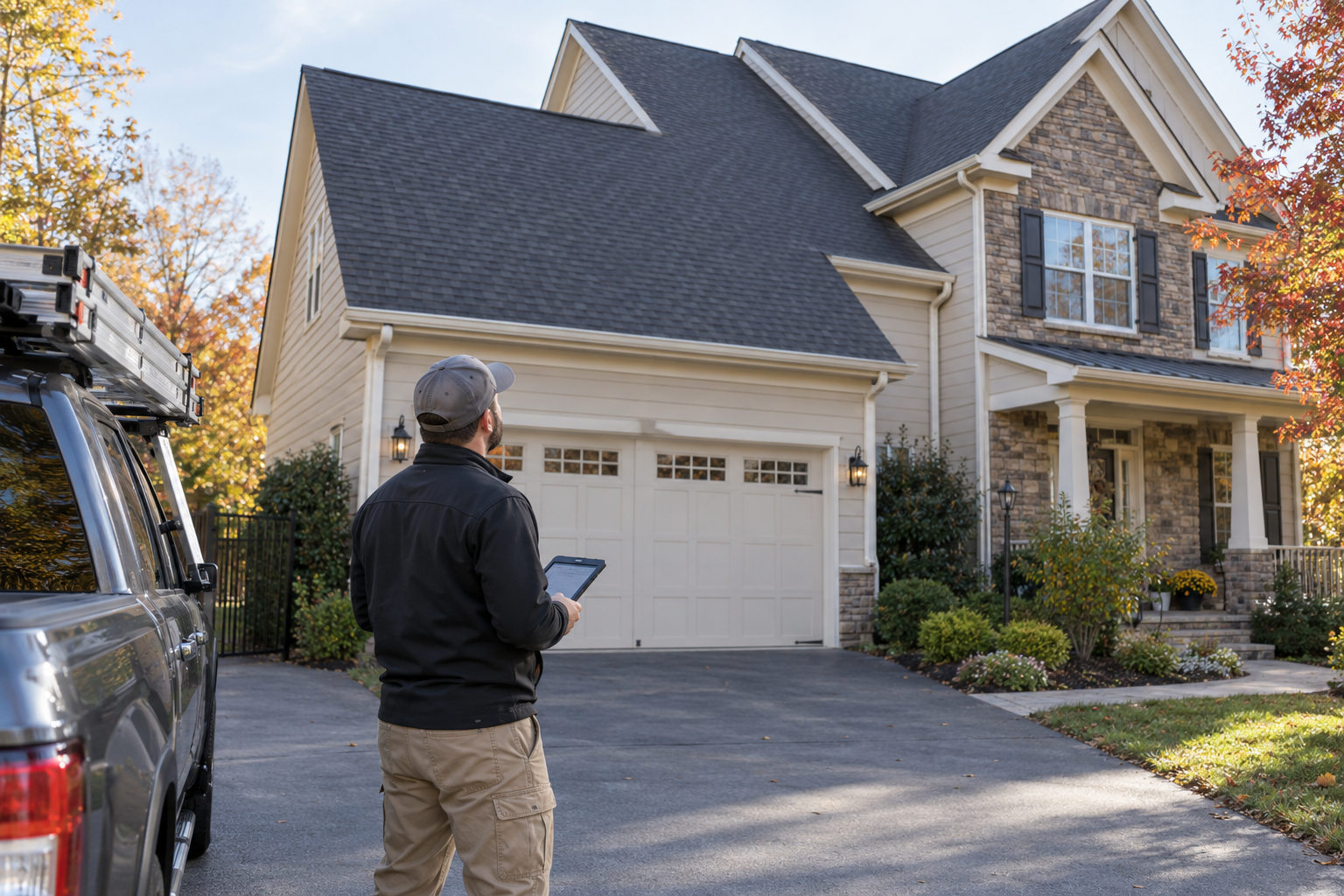
Richmond Roof Rejuvenation approaches roof health by looking at more than the shingles visible from the street. The condition of the roof, the attic, insulation, intake airflow, exhaust ventilation, and moisture patterns can all influence the next recommendation.
For some homes, the priority may be correcting an airflow restriction. For others, the roof or attic may need additional attention before a solar attic ventilation option is considered. A property-specific evaluation helps separate what is useful from what is unnecessary.
Schedule a Free Evaluation Anywhere in Virginia
If you are concerned about attic heat, airflow, moisture, or the condition of an aging asphalt roof, Richmond Roof Rejuvenation can help you understand what is happening above the ceiling.
Schedule a free roof and attic evaluation at richmondroofrejuvenation.com.