
Roof Restoration Blog | Richmond VA & Central Virginia
Selling a Home? Keep These Solar Attic Ventilation Records

When you prepare a home for sale, buyers may ask about equipment they can see but do not immediately recognize. A solar attic ventilation system is a good example. The equipment may be installed on the roof or at a gable, while the paperwork may be stored in a drawer, email account, or contractor folder.
Organizing the records before listing can make those conversations easier. The goal is not to make promises about the equipment. It is to give a buyer, home inspector, or real estate professional a clear starting point for understanding what was installed and when.
For Virginia homeowners, three categories of records are especially useful: product documents, the installation record, and the equipment model details.
1. Product Documents and Registration Confirmation
Start with the documents that came with the solar attic ventilation equipment. Depending on what you received at installation, this folder might include:
- The manufacturer’s product literature
- Operating or care instructions
- A specification sheet
- A purchase receipt
- Any applicable registration confirmation
Keep the original files together when possible. If your documents are digital, save them in one clearly named folder and back them up. If you have only paper copies, scan them so they are easier to share when a legitimate question arises.
These materials identify the equipment and may explain its intended configuration. They should not be treated as proof of the system’s current condition, performance, or eligibility for any particular coverage. Current terms, if relevant, must be confirmed from the applicable documents and provider.
2. The Installation Record
The installation record explains what work was actually completed at the home. This can be different from the general product literature because it connects the equipment to a specific property.
A useful installation file may include:
- The installation date
- The installer or contractor name
- The invoice or paid receipt
- A brief description of the work performed
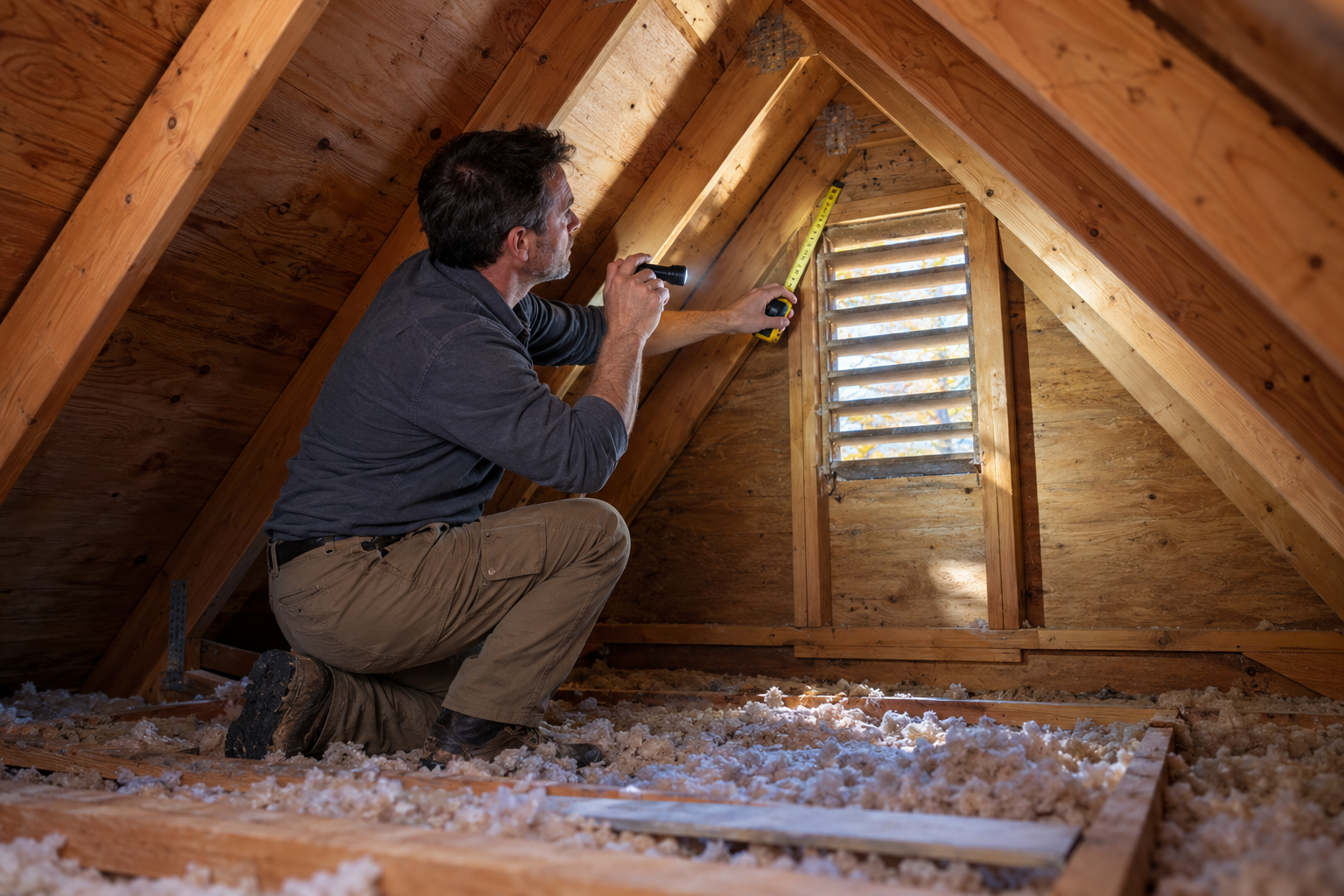
- Whether the unit is roof-mounted or gable-mounted
- Before-and-after photographs, if available
- Notes about related roof or attic work completed at the same time
If more than one project was performed, keep the records separate. For example, a roof repair, insulation project, and solar attic ventilation installation may have happened during the same season, but each should have its own documentation. Clear separation helps avoid confusion about which contractor completed which work.
3. Equipment Model and Serial Details
Model information helps someone distinguish one configuration from another. Current product information separates roof-mount and gable-mount solar attic ventilation options, with different panel and mounting arrangements.
Record the details exactly as they appear on the paperwork or equipment label, including:
- Manufacturer name
- Model name or model number
- Serial number, when available
- Mounting configuration
- Solar-panel configuration
- Any matching controller or accessory information
Do not guess at a model based only on appearance. If the paperwork is incomplete or the label is difficult to access safely, a qualified professional can help identify the installed equipment without requiring the homeowner to climb onto the roof or enter an unsafe area.
Why These Records Help During a Home Sale
Good records do not guarantee a smooth transaction, but they can reduce avoidable uncertainty. Instead of relying on memory, the seller can provide an organized history. The buyer and their representatives can then decide what additional evaluation they need.
Organized records may help answer practical questions such as:
- What type of solar attic ventilation equipment is installed?
- When was it installed?
- Who performed the work?
- Is there a receipt or installation photo?
- Which documents should be reviewed for product-specific information?
The records are informational. They do not replace a home inspection, roof evaluation, attic evaluation, electrical review, or any other professional assessment that may be appropriate for the property.
A Simple Pre-Listing Checklist
Before your home goes on the market, take a few minutes to create one roof-and-attic folder. Then:
- Gather the product literature and any applicable registration confirmation.
- Add the installation invoice, receipt, date, and contractor information.
- Write down the exact model and serial details shown on the documents.
- Include available installation photographs.
- Keep roof repairs, insulation work, and ventilation work clearly labeled.
- Note any information that is missing instead of filling the gap with an assumption.
- Schedule a professional evaluation if you want a current look at the roof and attic before listing.
This approach is simple, but it gives everyone a more organized place to begin.
Think of the Roof and Attic as One Connected System
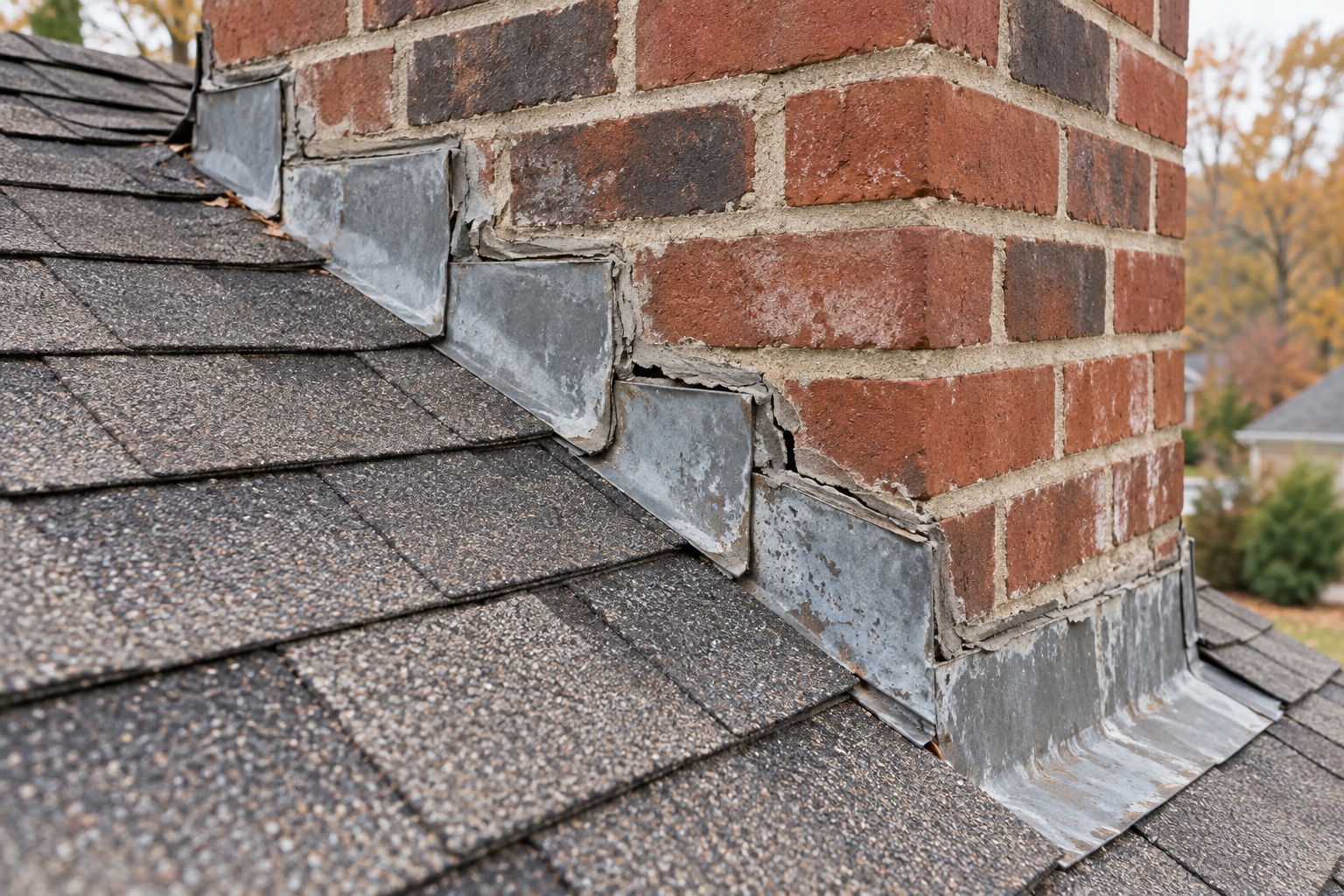
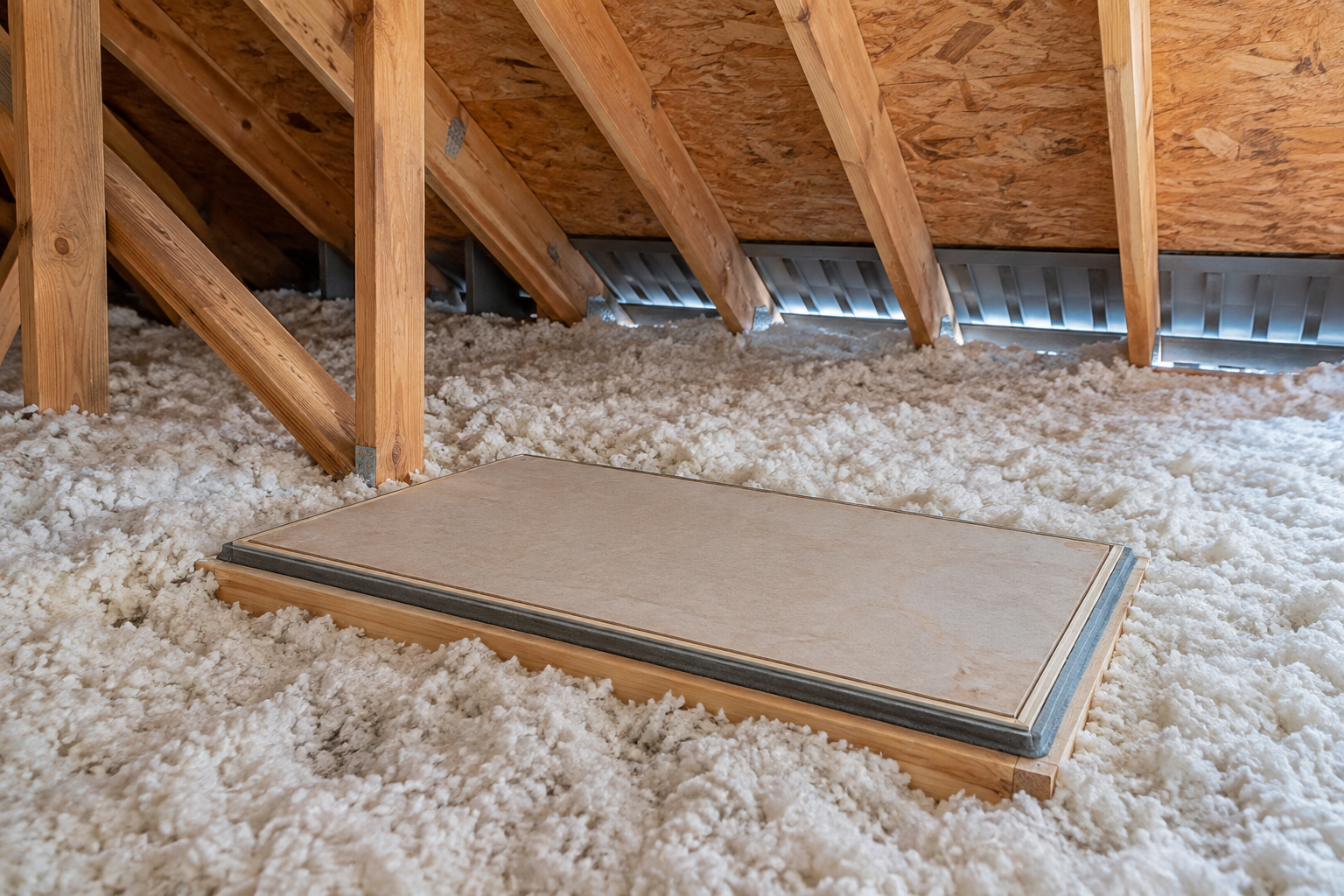
Solar attic ventilation should not be discussed in isolation from the roof and attic around it. Roof condition, intake ventilation, attic access, insulation, moisture, and the installed ventilation configuration can all affect what a professional needs to review.
Richmond Roof Rejuvenation approaches roof health with that bigger picture in mind. For homeowners across Virginia, the objective is to understand the existing system, protect the life of the roof where appropriate, and address ventilation with clear, property-specific recommendations.
Schedule a Roof and Attic Evaluation in Virginia
If you are preparing to sell—or simply want to organize the history of your roof and attic—Richmond Roof Rejuvenation can help you understand what is installed and what may need attention.
Schedule a free roof and attic evaluation at richmondroofrejuvenation.com.