
Roof Restoration Blog | Richmond VA & Central Virginia
How Roof Maxx Helps Aging Shingles Resist Cracking
Asphalt shingles do more than sit still on a roof. They expand in the heat, contract as temperatures fall, and flex under ordinary weather exposure. When shingles are still pliable, they are better able to handle that movement. As they age, however, the asphalt can lose oils that help keep the material flexible. The result is a roof surface that may become dry, brittle, and more vulnerable to cracking or breaking.
Roof Maxx is designed to address that loss of flexibility on qualifying asphalt-shingle roofs. Its plant-based treatment is applied to the shingle surface and penetrates the asphalt to replenish oils lost through aging. This does not make a roof indestructible, and it is not a substitute for needed repairs. It can, however, help suitable shingles regain pliability so they are better able to tolerate normal movement.
Why Flexibility Matters to Asphalt Shingles
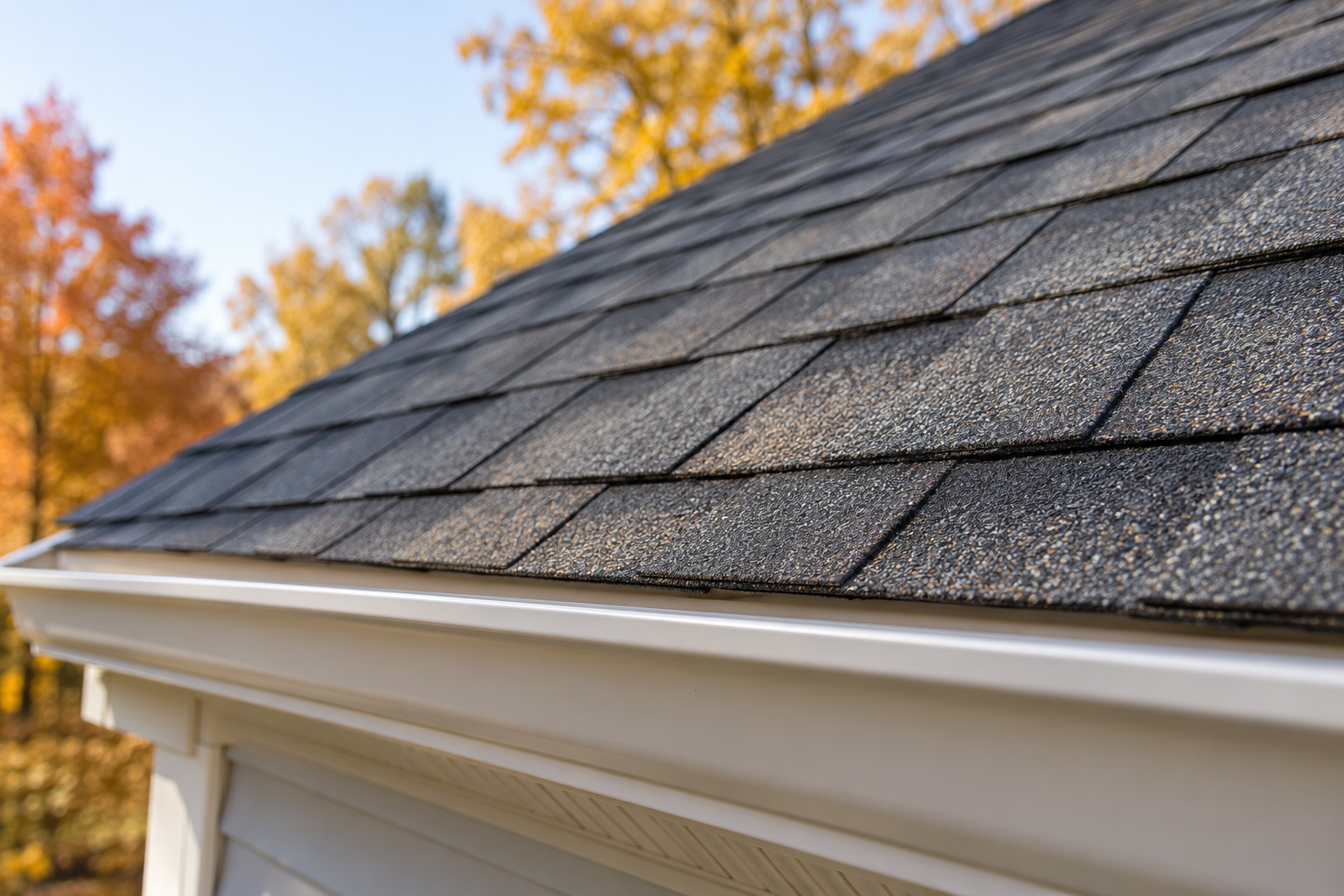
An asphalt shingle is a layered roofing product. A fiberglass mat provides reinforcement, while asphalt helps make the shingle water-shedding and gives it the ability to flex. Mineral granules protect the exposed surface from sunlight and give the roof its finished appearance.
Over time, heat, ultraviolet exposure, oxygen, and weathering affect the asphalt component. As volatile oils are lost and oxidation progresses, the material can become less flexible. Roofing professionals may describe severely weathered asphalt surfaces as brittle, cracked, or “alligatored” when the cracking forms an irregular pattern.
Flexibility matters because a roof is exposed to movement throughout the year. In Central Virginia, a roof surface can become very warm in summer sun and cool considerably overnight or during a change in weather. The roof deck and shingles respond to those changes. A pliable shingle can better accommodate ordinary movement; a brittle shingle has less ability to bend without damage.
How Roof Maxx Works
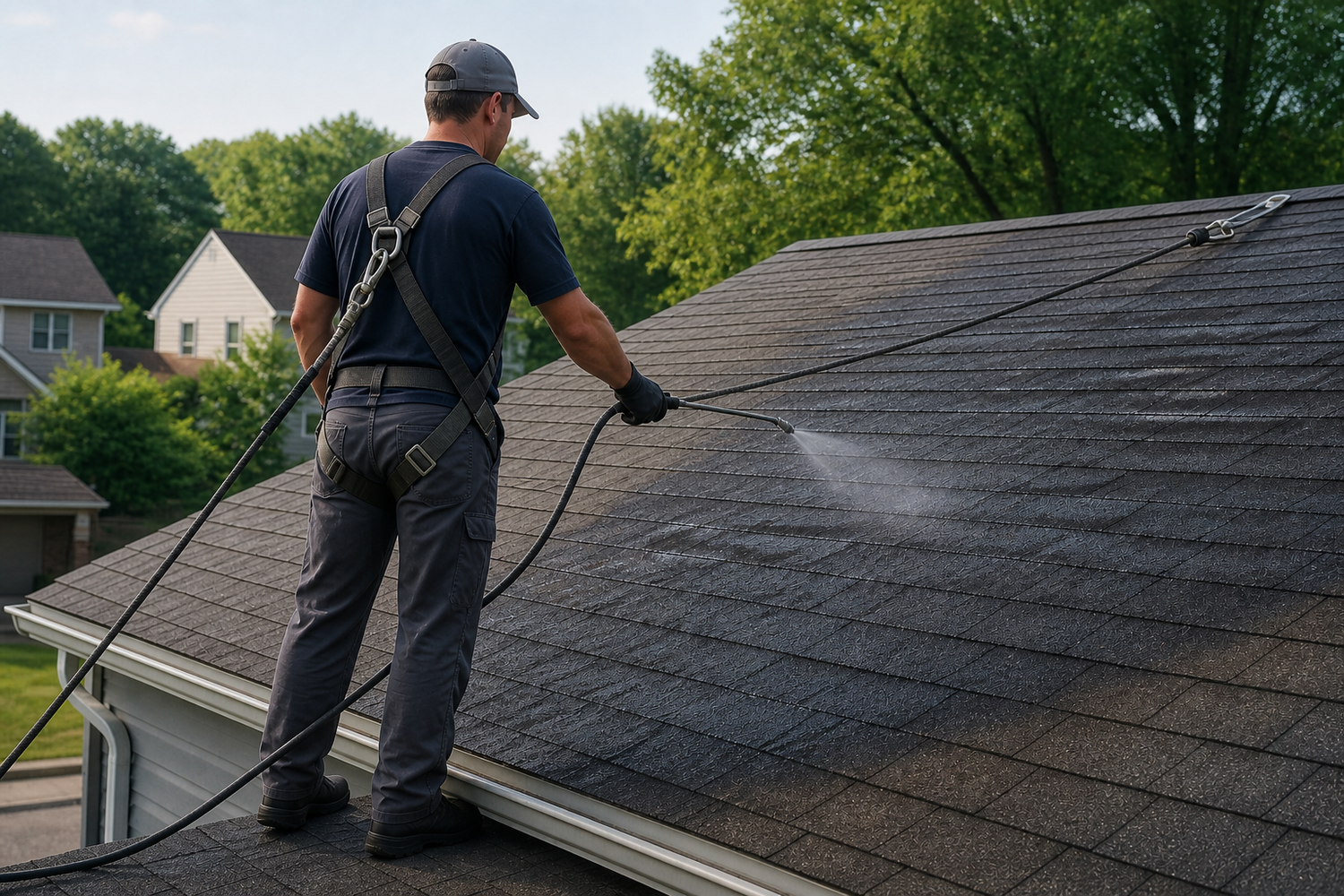
Roof Maxx uses a plant-based oil treatment delivered in microbeads. During an application, the treatment is sprayed evenly across a qualifying asphalt-shingle roof. The oil penetrates the asphalt rather than forming a painted coating or waterproof film on top of the shingles.
The goal is to replenish oils the asphalt has lost with age and restore measurable flexibility. Roof Maxx describes its service as a roof rejuvenation treatment, not a roof replacement or leak sealant. Before treatment, the roof must be evaluated to determine whether its shingles and overall condition are appropriate for the process.
A typical professional process includes:
- Assessing the condition of the shingles and roof system
- Identifying repairs or maintenance that should be completed first
- Protecting surrounding areas as needed
- Applying the treatment at the appropriate rate
- Allowing the plant-based oil to absorb into the shingles
Correct application matters. Roof Maxx states that the product should not be overapplied, and treatment should be performed only after the roof has been found suitable.
How Restored Flexibility Helps Resist Cracking
Cracking is closely related to brittleness. When aged asphalt has less ability to bend, ordinary handling or movement can be more likely to produce a crack or break. By restoring pliability, Roof Maxx helps qualifying shingles better tolerate the movement that occurs as a roof heats, cools, and weathers.
That is the practical meaning of “helps resist cracking.” It is a reduction in brittleness—not a promise that a treated roof can never crack. Roof Maxx backs its treatment with a five-year flexibility warranty for qualifying roofs, but that warranty is specifically about shingle flexibility and serviceable condition. It is not a leak warranty, storm-damage warranty, or guarantee against problems caused by faulty installation.
This distinction is important for homeowners. A flexibility treatment can support the condition of aging shingles, but it cannot correct every roofing problem.
What Roof Maxx Cannot Fix
Roof Maxx may be useful when shingles are aging yet still serviceable. It is not intended to rescue a roof that has already failed or replace proper repair work.
Treatment does not correct:
- Active leaks or damaged roof decking
- Missing shingles or extensive wind and hail damage
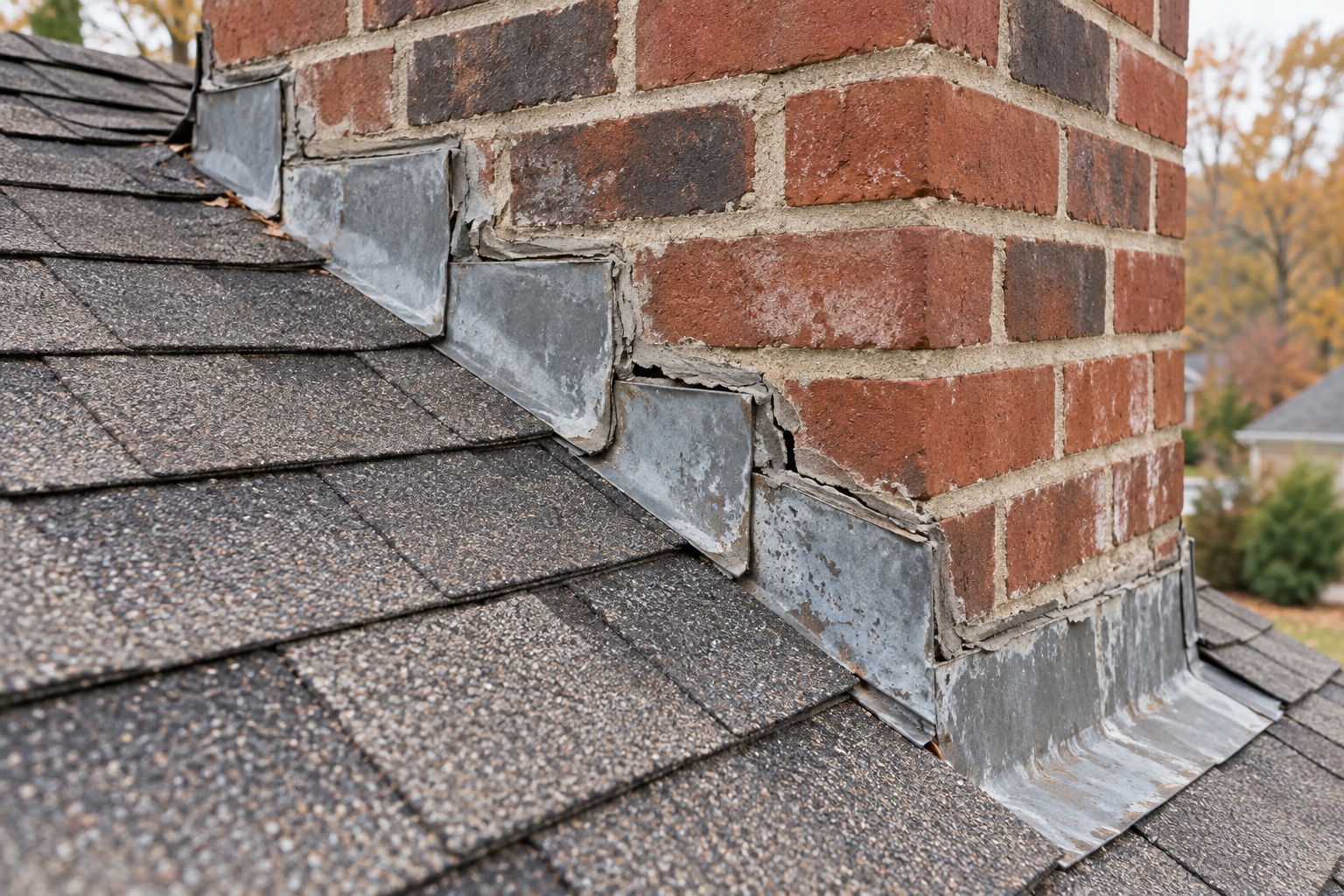
- Installation defects, flashing failures, or inadequate ventilation
- Severe granule loss or shingles beyond serviceable condition
- Structural movement or drainage problems
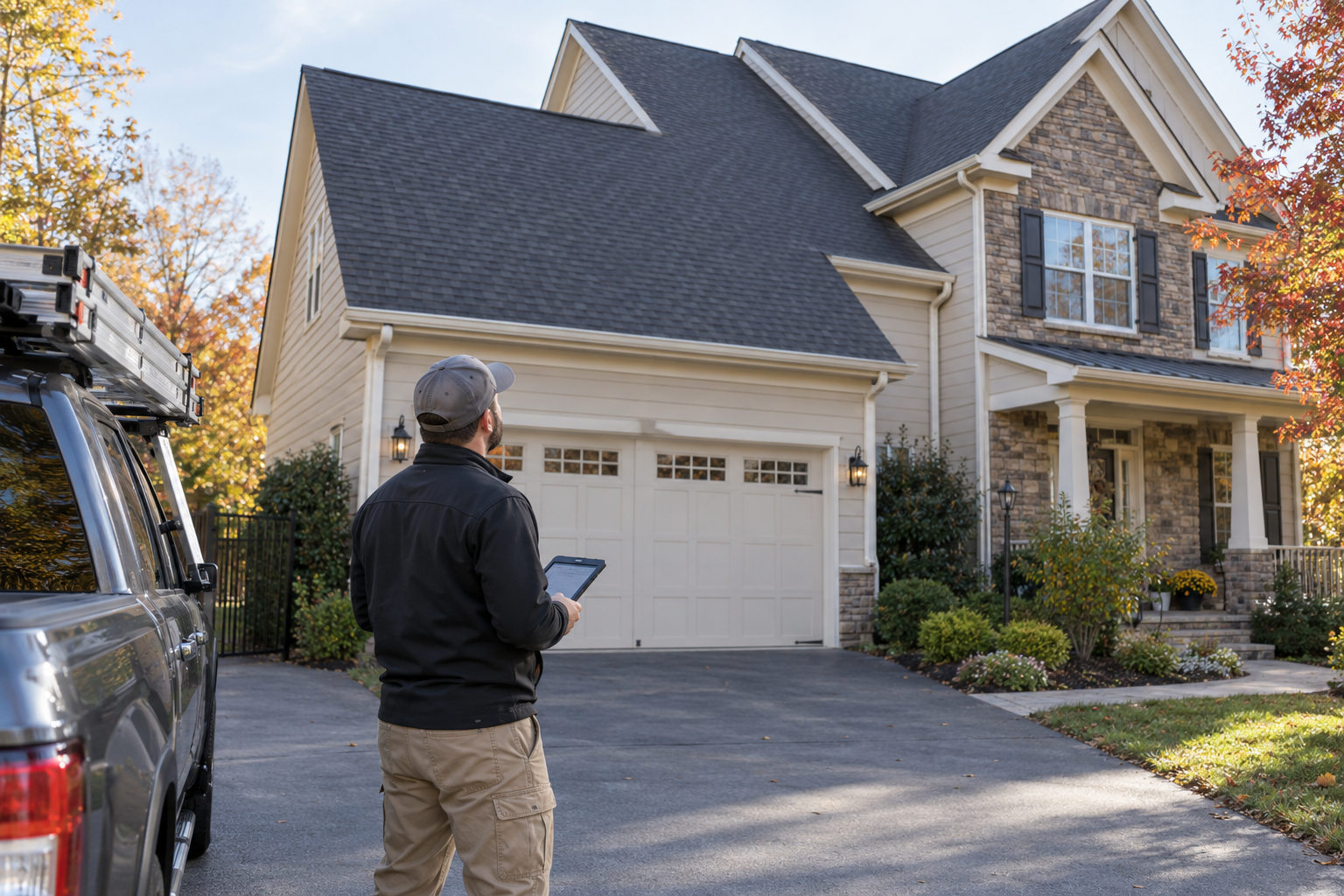
Some repairs may be possible before treatment, depending on the roof. Other roofs may need replacement instead. An on-site assessment is the right way to distinguish between a roof that may benefit from rejuvenation and one that needs a different solution.
Signs an Aging Roof Deserves a Closer Look
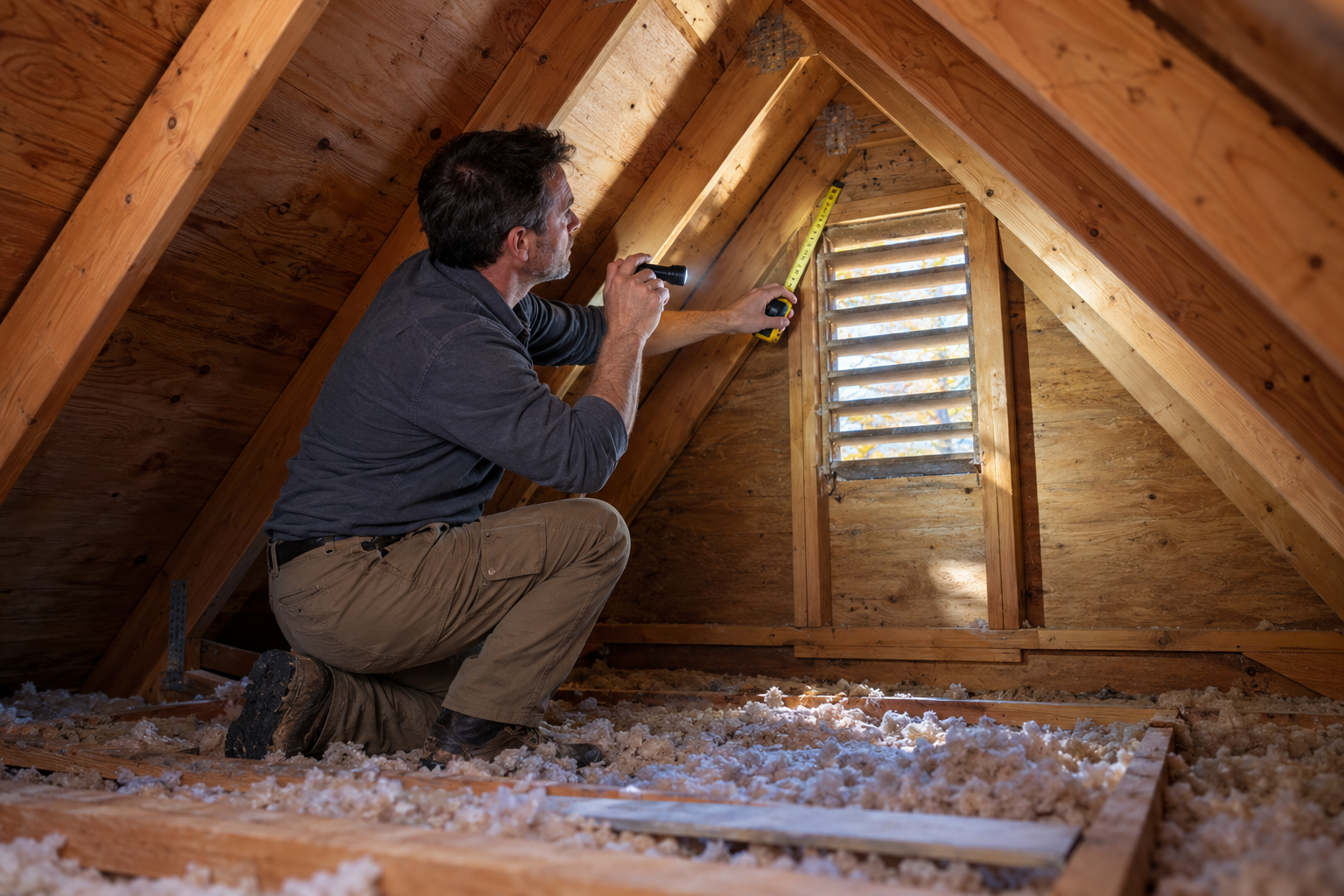
Homeowners do not need to climb onto the roof or bend shingles themselves. A ground-level look and professional inspection are safer and more useful. Reasons to request an assessment may include:
- The roof is getting older but is not currently leaking
- Shingle tabs appear stiff, curled, or dry
- Small surface cracks are visible from a safe location
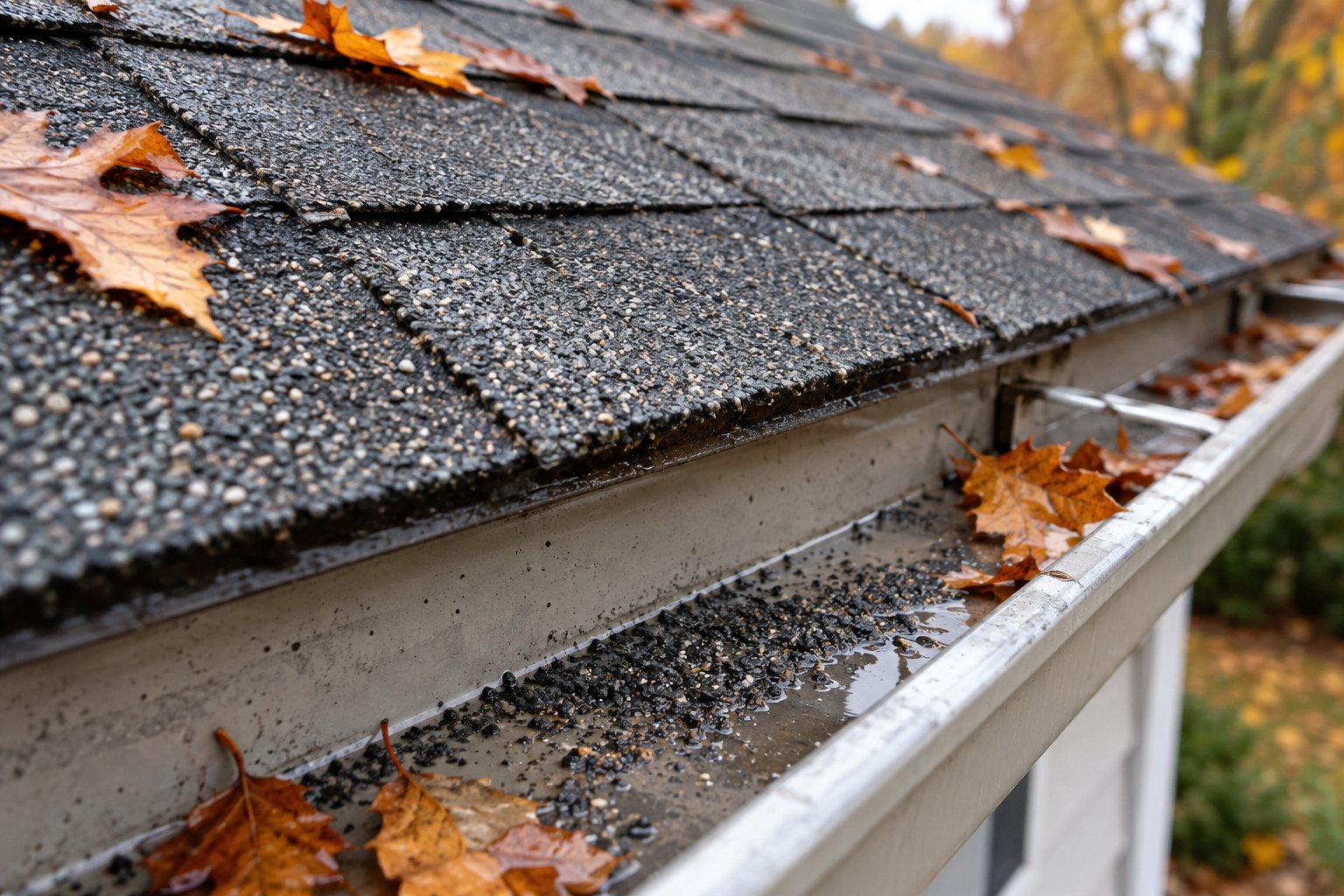
- Granules are collecting in gutters or at downspout outlets
- The roof has not been professionally evaluated recently
These signs do not automatically mean Roof Maxx is appropriate. They simply indicate that the roof’s condition should be checked. Cracking can have more than one cause, and a trained assessment helps identify whether loss of flexibility is part of the problem.
Why Timing Matters in Midlothian and Richmond
Roof rejuvenation is most useful before aging shingles deteriorate beyond a serviceable condition. Waiting until widespread cracking, leaks, or major material loss occurs can reduce the available options.
For homeowners in Midlothian, Richmond, and surrounding Central Virginia communities, seasonal heat, humidity, rain, and temperature swings all contribute to the environment in which a roof ages. Those conditions do not mean every roof will develop the same problems at the same time. Roof orientation, ventilation, installation quality, shade, storm exposure, and maintenance history also influence how shingles weather.
That is why Roof Maxx starts with the individual roof rather than its age alone. Two roofs installed in the same year can be in very different condition. The assessment should consider the shingle surface, flashing, penetrations, repairs, and overall serviceability of the roof.
Find Out Whether Your Roof May Qualify
If your asphalt-shingle roof is aging but still appears serviceable, restoring flexibility may help it better tolerate normal movement and resist brittle cracking. The next step is not to assume treatment is right for the roof—it is to have the roof evaluated.
Roof Maxx serves homeowners in Midlothian, Richmond, and Central Virginia. To learn how the treatment works or request an assessment for a qualifying asphalt-shingle roof, visit richmondroofrejuvenation.com.