
Roof Restoration Blog | Richmond VA & Central Virginia
Loose Shingles at Roof Edges: What Homeowners Should Check
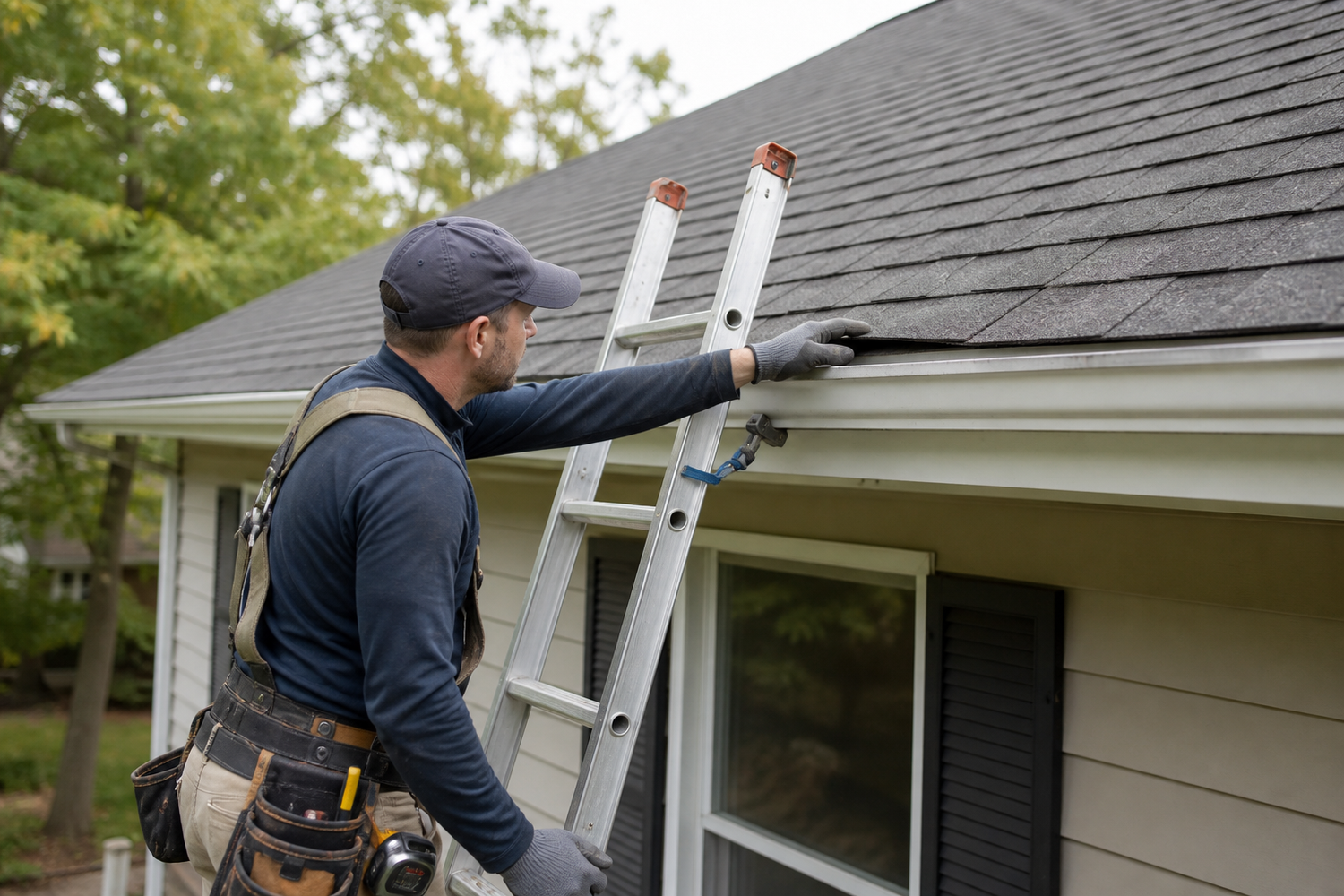
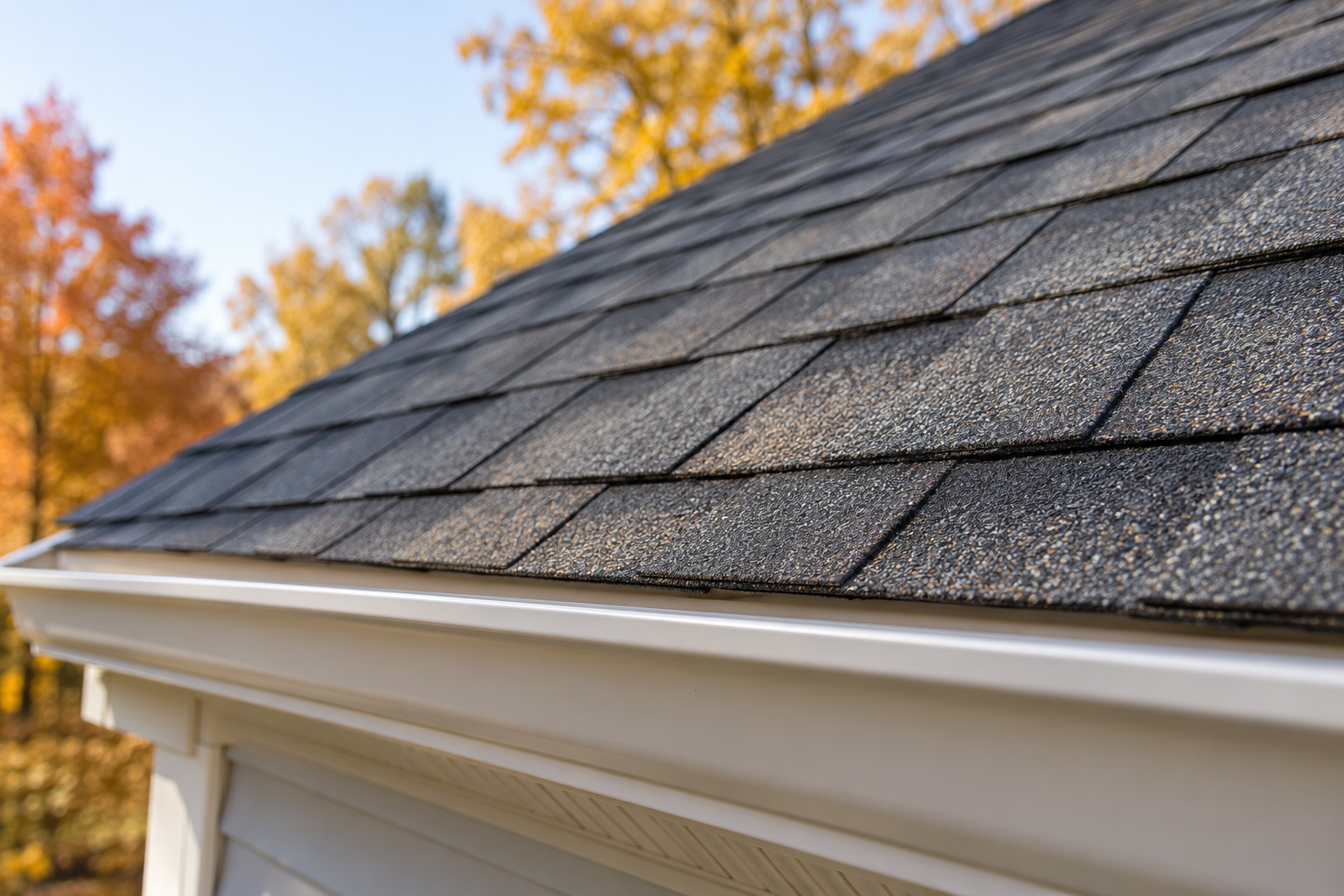
The edges of an asphalt-shingle roof deserve special attention after windy weather. A shingle tab that has lifted slightly along an eave or rake may look like a small cosmetic issue from the yard, but it can signal that the shingle is no longer sealed or secured as intended. Finding the problem early gives a roofing professional an opportunity to evaluate it before more shingles are affected or water reaches the layers below.
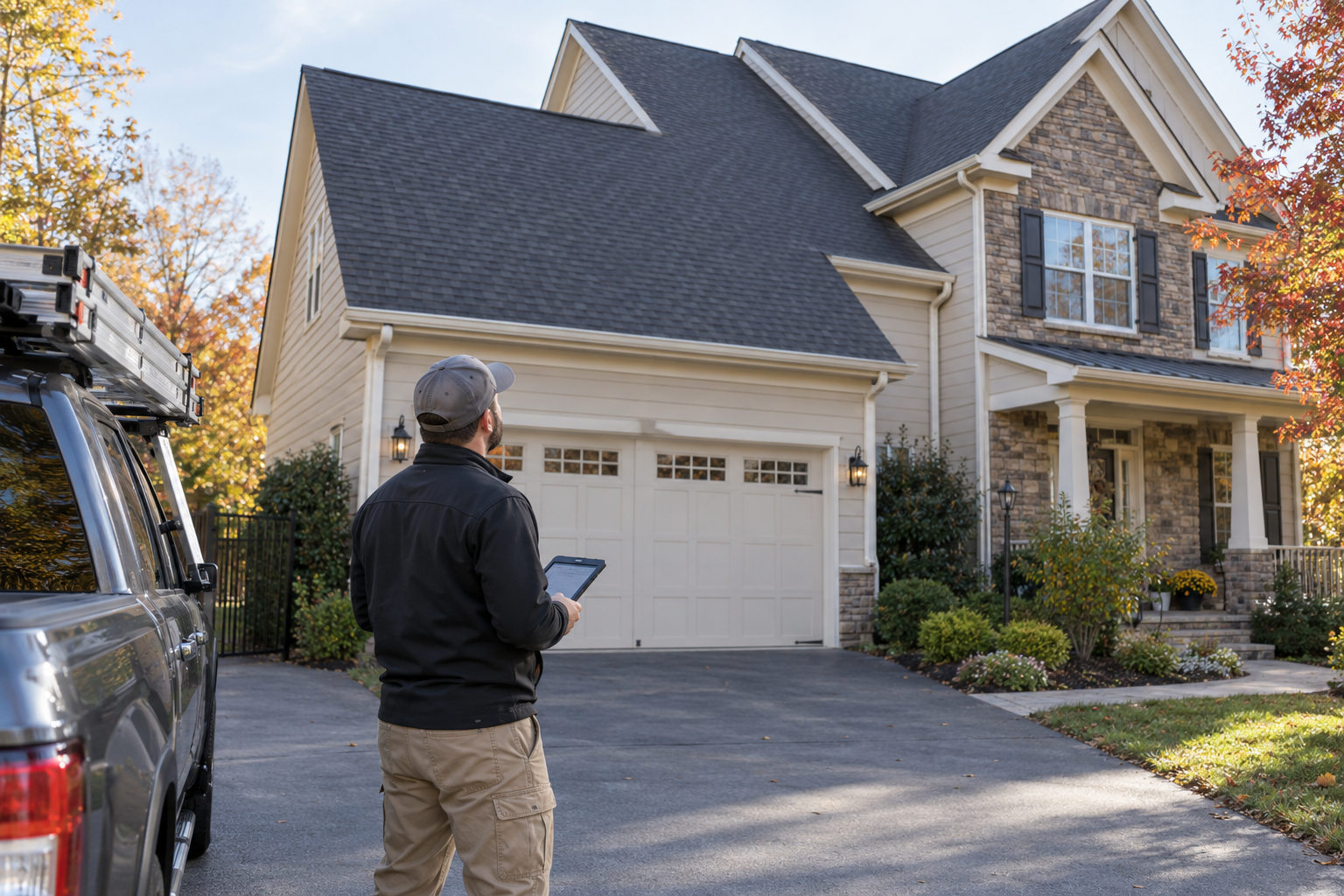
Homeowners in Midlothian, Richmond, and across Central Virginia can perform a useful first check without climbing onto the roof. The safest approach is to observe from the ground, note anything that looks uneven, and arrange a professional inspection when something appears out of place.
What Counts as a Roof Edge?
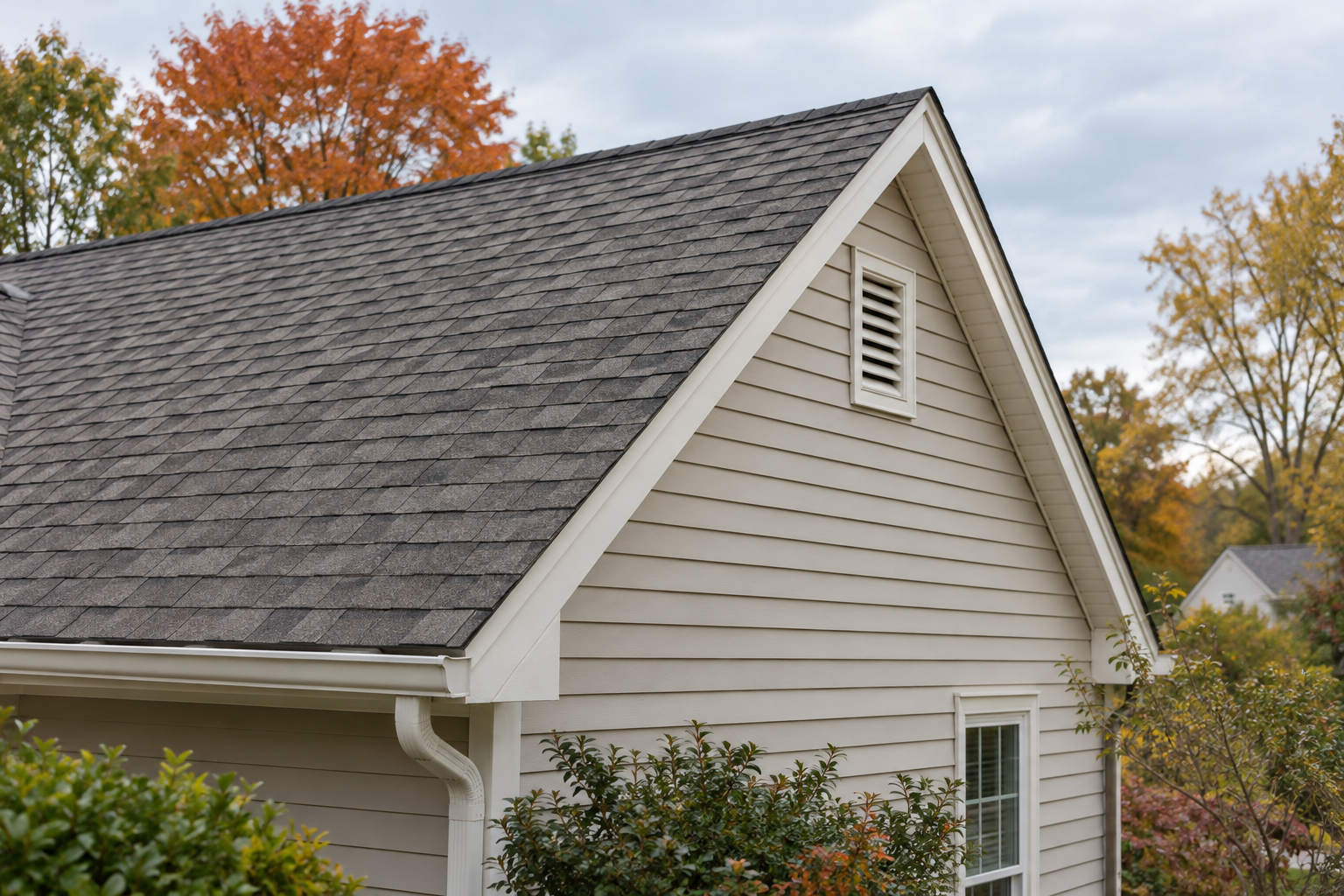
Roofing professionals use specific terms for different parts of the perimeter:
- Eave: The lower, horizontal edge where the roof meets the gutter or fascia
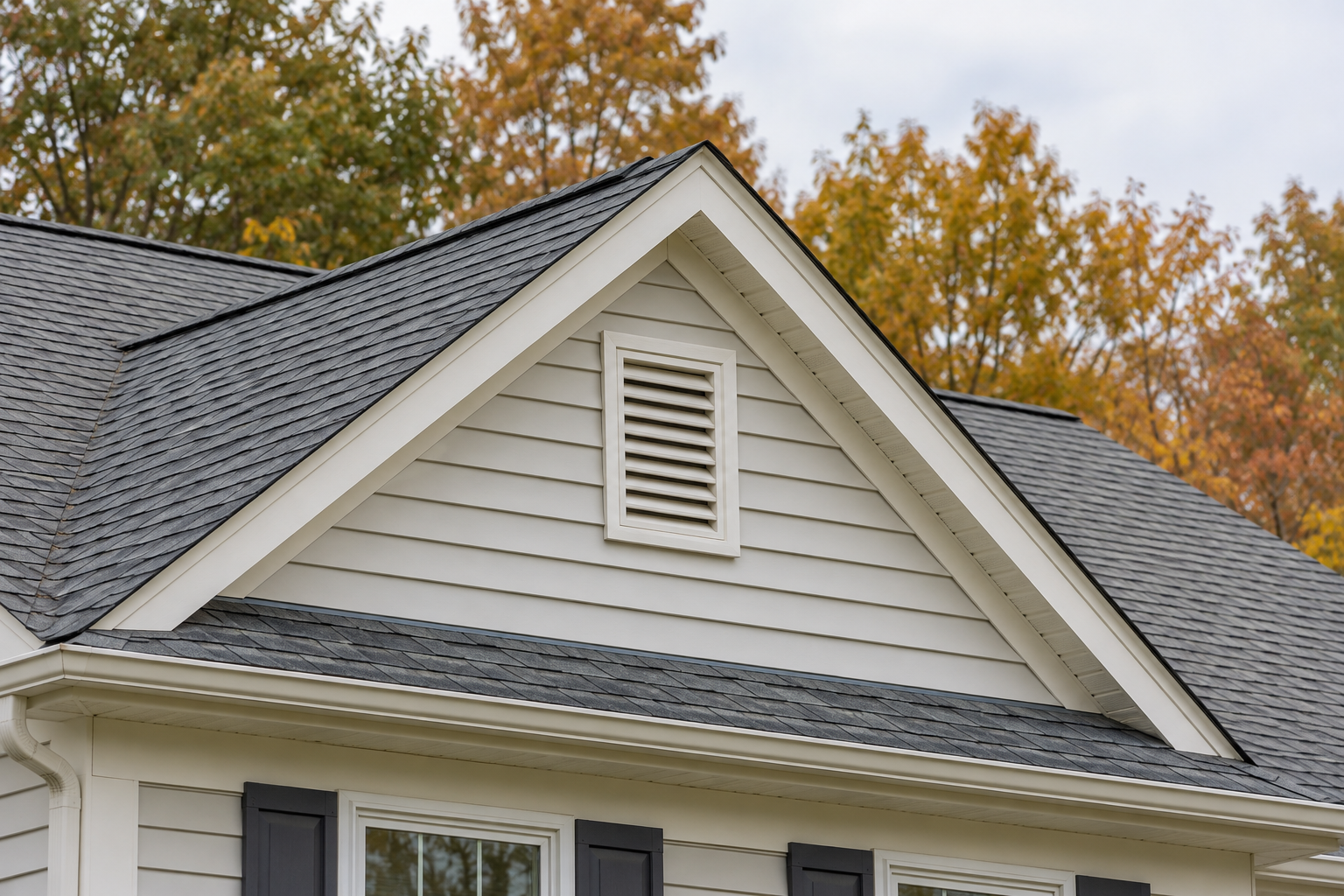
- Rake: The sloped edge that runs from the eave toward the ridge on a gable roof
- Corner: The area where perimeter zones meet and wind pressures can be especially demanding
- Drip edge: Metal flashing that helps direct water away from the roof deck and fascia
The first course of shingles at an eave or rake is installed over a starter strip. That starter strip includes a sealant line that helps the first full row of shingles adhere and resist wind uplift. Proper fastening, sealing, and edge-metal installation all contribute to the performance of the roof perimeter.
Why Loose Shingles Often Show Up Around the Perimeter
Wind does not apply the same pressure to every part of a roof. Research from the Insurance Institute for Business & Home Safety shows that roof perimeter and corner zones can experience significant uplift forces. For asphalt shingles, the bond between one shingle and the sealant strip below it is an important part of resisting those forces.
A shingle may become loose for several reasons, including:
- A sealant strip that never bonded properly
- Aging or contamination that weakened the seal
- Improper nail placement or too few fasteners
- Previous wind uplift that partially broke the bond
- A damaged starter strip or poorly secured edge detail
- Physical damage from branches, foot traffic, or earlier repair work
One raised tab does not reveal the cause by itself. A professional needs to inspect the shingle, fasteners, seal, surrounding tabs, and edge components before recommending a repair.
What Homeowners Can Look for From the Ground
You do not need to climb a ladder or touch the shingles to notice a possible problem. Stand at several safe locations around the yard and view the roof in good daylight. Binoculars or a camera with optical zoom can help, provided you remain on stable ground.
Look for:
- A shingle tab sitting higher than the tabs beside it
- A dark shadow or visible gap beneath a shingle edge
- Corners that appear curled, bent, or turned upward
- An uneven line along the eave or sloped rake
- A missing piece that exposes a different color or the material below
- A loose shingle caught in a gutter or found in the yard
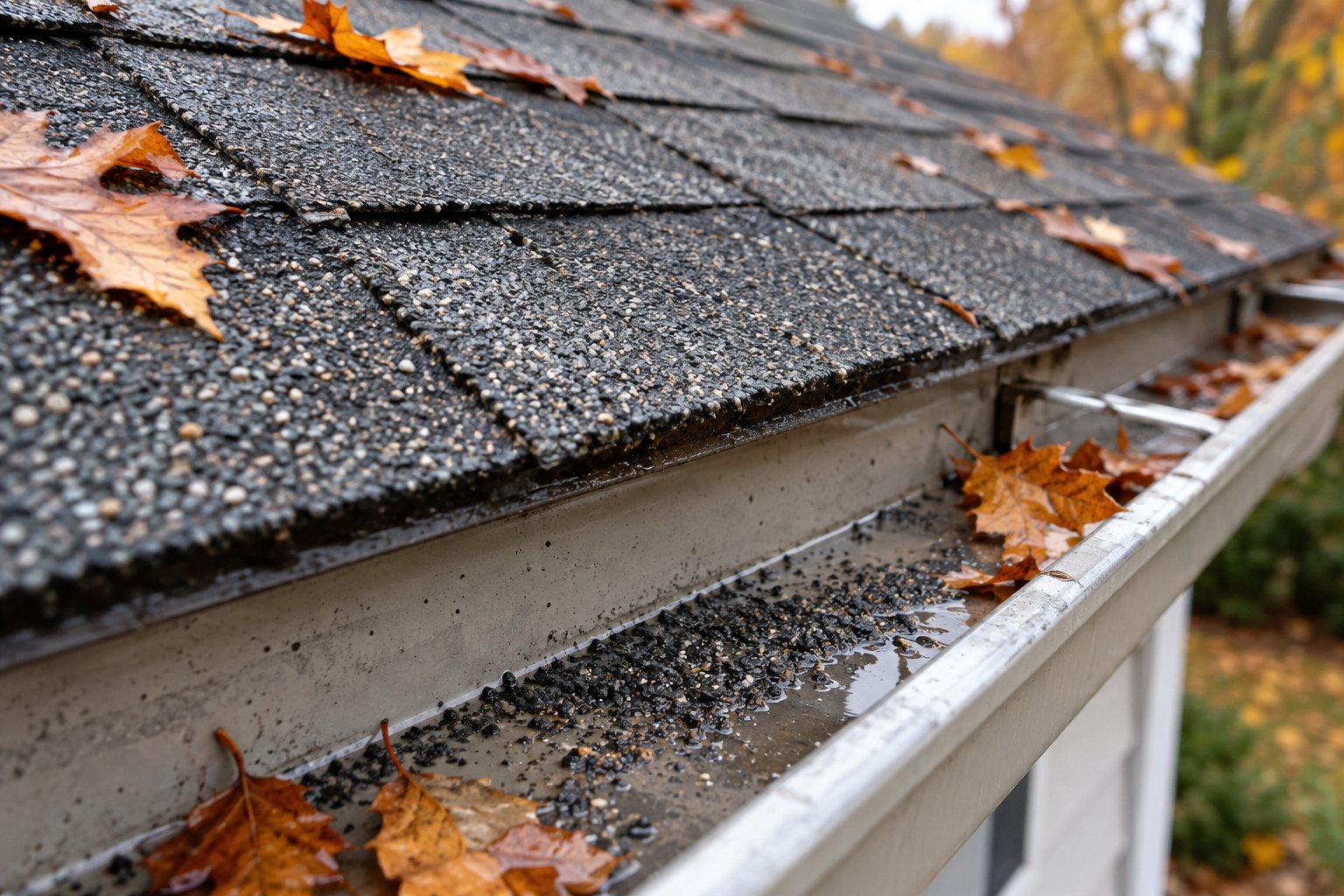
- Fresh debris or an unusual amount of granules near a downspout
Compare the suspicious area with the surrounding roof. Asphalt shingles have natural texture and dimensional profiles, particularly architectural shingles, so not every shadow indicates damage. A repeated raised edge, obvious gap, or displaced tab is more concerning than normal surface variation.
When to Check the Roof Edges
A quick ground-level review is useful after:
- Strong wind or a severe thunderstorm
- Branches strike or scrape the roof
- Contractors perform work near the roofline
- Gutters, fascia, or siding are repaired
- You notice roofing material in the yard
- A neighbor reports wind-related roof damage
Routine seasonal checks are also worthwhile. The National Roofing Contractors Association notes that regular inspections can reveal cracked, warped, or missing shingles and other visible maintenance issues before a leak becomes the first warning.
Do Not Test a Shingle by Lifting It
It may be tempting to climb a ladder and see whether a suspicious tab moves. That can make the problem worse. Pulling on an aged shingle may break its seal, crack the asphalt, disturb nearby fasteners, or damage the shingle underneath. Working from a ladder or walking on a sloped roof also creates a serious fall risk.
Most roof repair work should be handled by a trained roofing professional. A professional has the equipment and experience to access the area safely, determine why the tab is loose, and select a repair compatible with the shingle manufacturer’s requirements.
If water is entering the home, shingles are visibly missing, or the roof edge appears to be separating from the structure, arrange an inspection promptly. Interior water stains, damp insulation, peeling paint, or dripping after a storm also deserve immediate attention.
What a Professional Roof-Edge Inspection Includes
The inspection should cover more than the one visible tab. A roofing professional may evaluate:
- Whether the shingle is sealed to the course below
- Nail position, fastener count, and evidence of nail movement
- The condition of neighboring shingles and the starter course
- Drip edge, fascia, gutter, and underlayment details
- Signs of wind creasing, cracking, or material loss
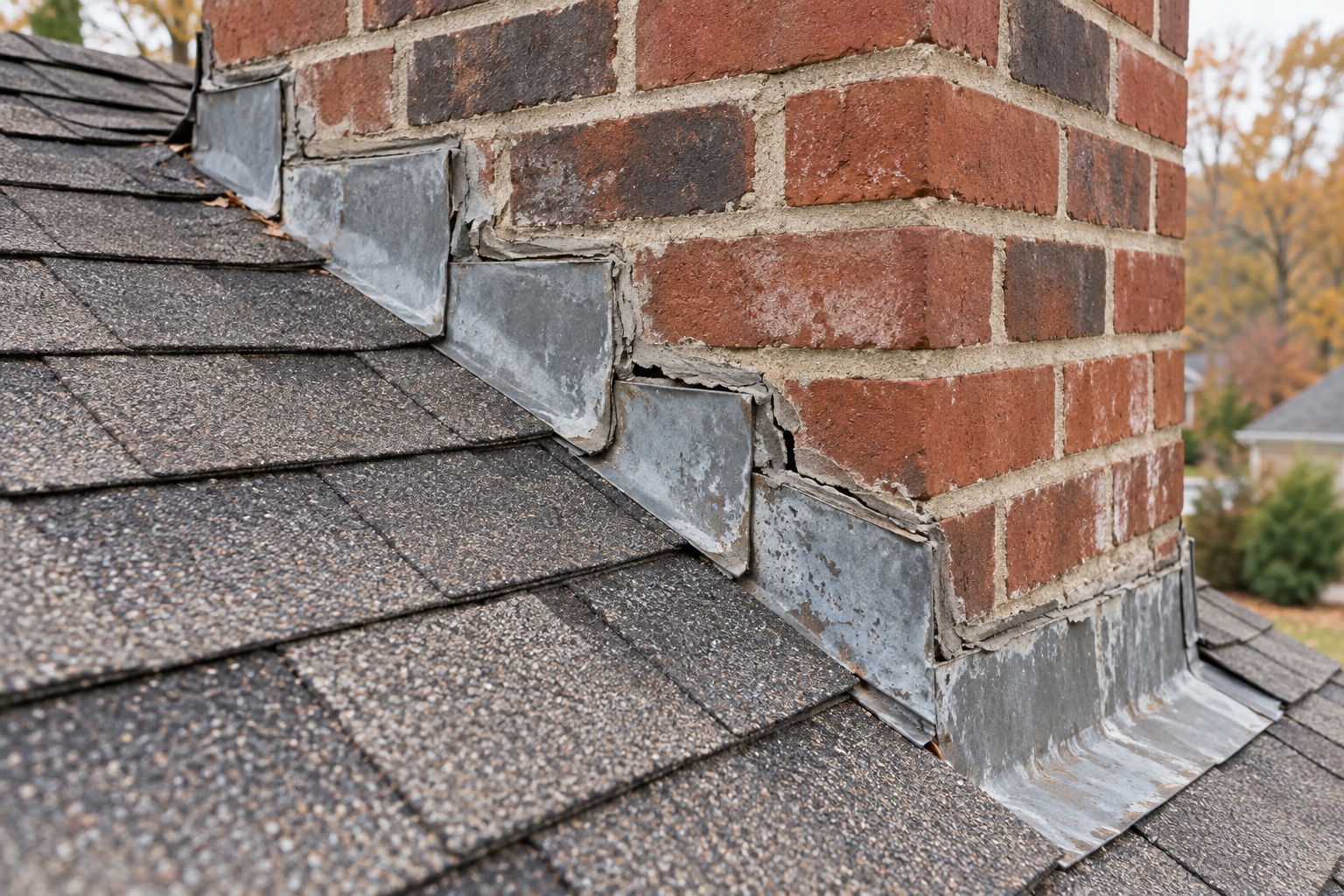
- Flashing and roof penetrations elsewhere on the slope
- Evidence of moisture entering beneath the roof covering
Depending on the condition, the solution may involve approved hand-sealing, replacing an individual damaged shingle, correcting a fastening issue, or repairing an edge component. The correct method depends on the product, roof design, weather conditions, and extent of damage.
How This Fits Into a Roof Maxx Assessment
Roof Maxx rejuvenation is intended for qualifying asphalt shingles that are still in serviceable condition. It is not an adhesive for loose tabs and does not replace needed repairs.
Before recommending treatment, a Roof Maxx dealer performs a Roof Health Check and identifies maintenance items that need attention. A roof tune-up may include replacing damaged shingles, correcting nail pops, and addressing other minor problems before the rejuvenation treatment is applied. If the roof has more extensive damage or is no longer serviceable, a different roofing solution may be appropriate.
This fix-first approach matters because treatment should support an otherwise serviceable roof—not cover up a problem that requires repair.
Central Virginia Weather and Roof-Edge Maintenance
Midlothian and Richmond-area homes experience summer thunderstorms, gusty weather, falling branches, heat, humidity, and seasonal temperature changes. The same storm can affect two nearby roofs differently because roof slope, orientation, age, tree exposure, installation details, and previous maintenance all influence performance.
That is why a visible loose tab should be evaluated on its own merits. The goal is not to assume the roof needs replacement or treatment. The goal is to understand what moved, why it moved, and what repair will restore the roof’s intended protection.
Arrange a Professional Roof Assessment
If a shingle along your eave or rake looks lifted, uneven, or out of place, keep your feet on the ground and let a roofing professional take a closer look. Early attention may keep a small repair from becoming a larger maintenance problem.
Roof Maxx serves homeowners in Midlothian, Richmond, and Central Virginia. To request a Roof Health Check and learn whether your asphalt-shingle roof may qualify for rejuvenation after necessary repairs, visit richmondroofrejuvenation.com.