
Roof Restoration Blog | Richmond VA & Central Virginia
How to Build a Practical Roof Maxx Maintenance Plan

Roof maintenance is easier to manage when it is treated as a plan instead of a reaction. The goal is not to assume that every aging roof needs the same service. It is to understand the roof’s current condition, address the right maintenance items, and choose the next step that fits what the roof actually needs.
For homeowners in Midlothian, Richmond, and Central Virginia, a Roof Maxx maintenance plan can provide a clear sequence: assess first, tune up appropriate items, and treat only when the asphalt-shingle roof qualifies.
Start With Condition, Not Age Alone
Roof age is useful background information, but it does not tell the whole story. Two roofs installed in the same year may age differently because of sun exposure, tree cover, ventilation, installation details, storm history, and prior maintenance.
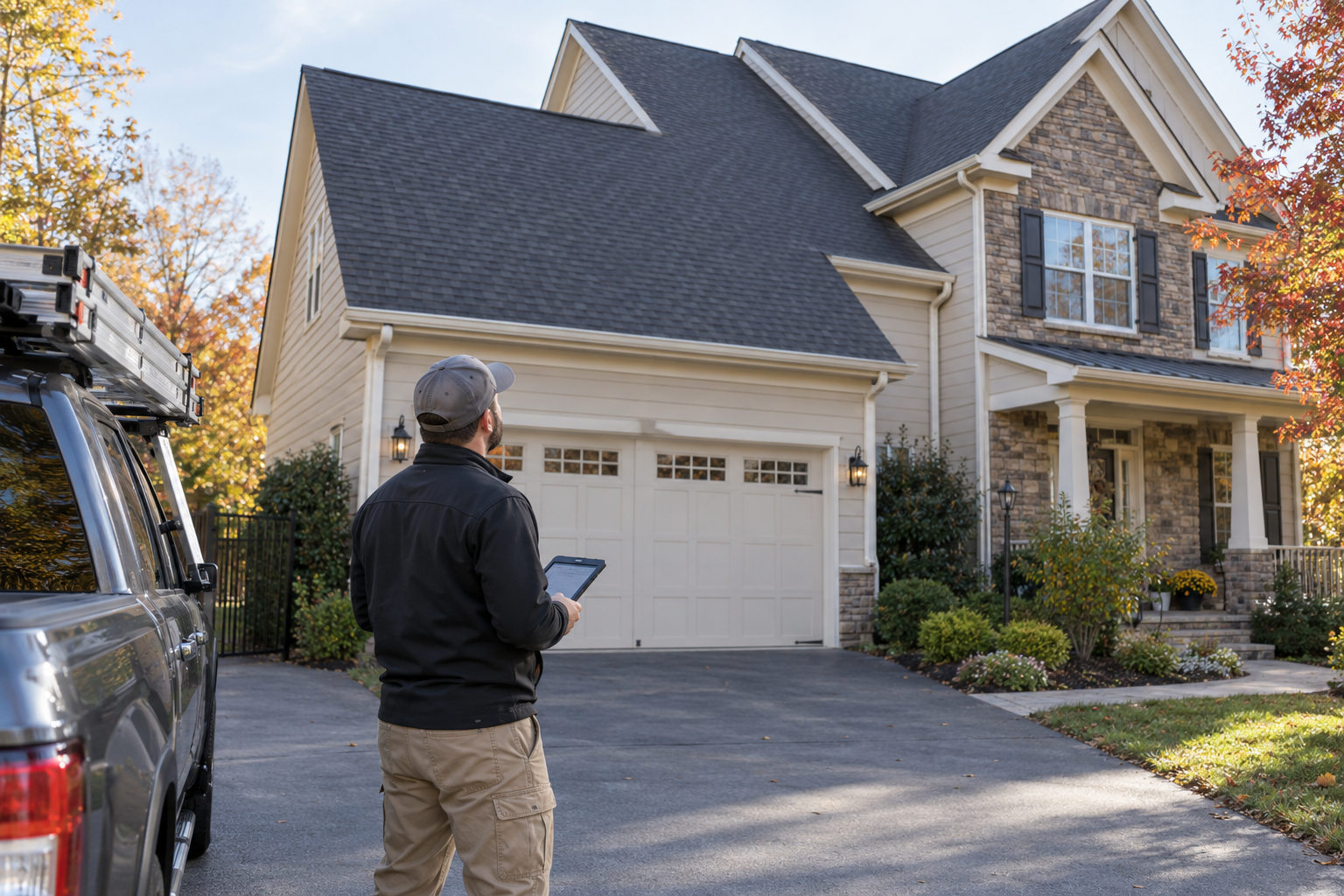
That is why a maintenance plan should begin with the roof in front of you. An on-site assessment can help determine:
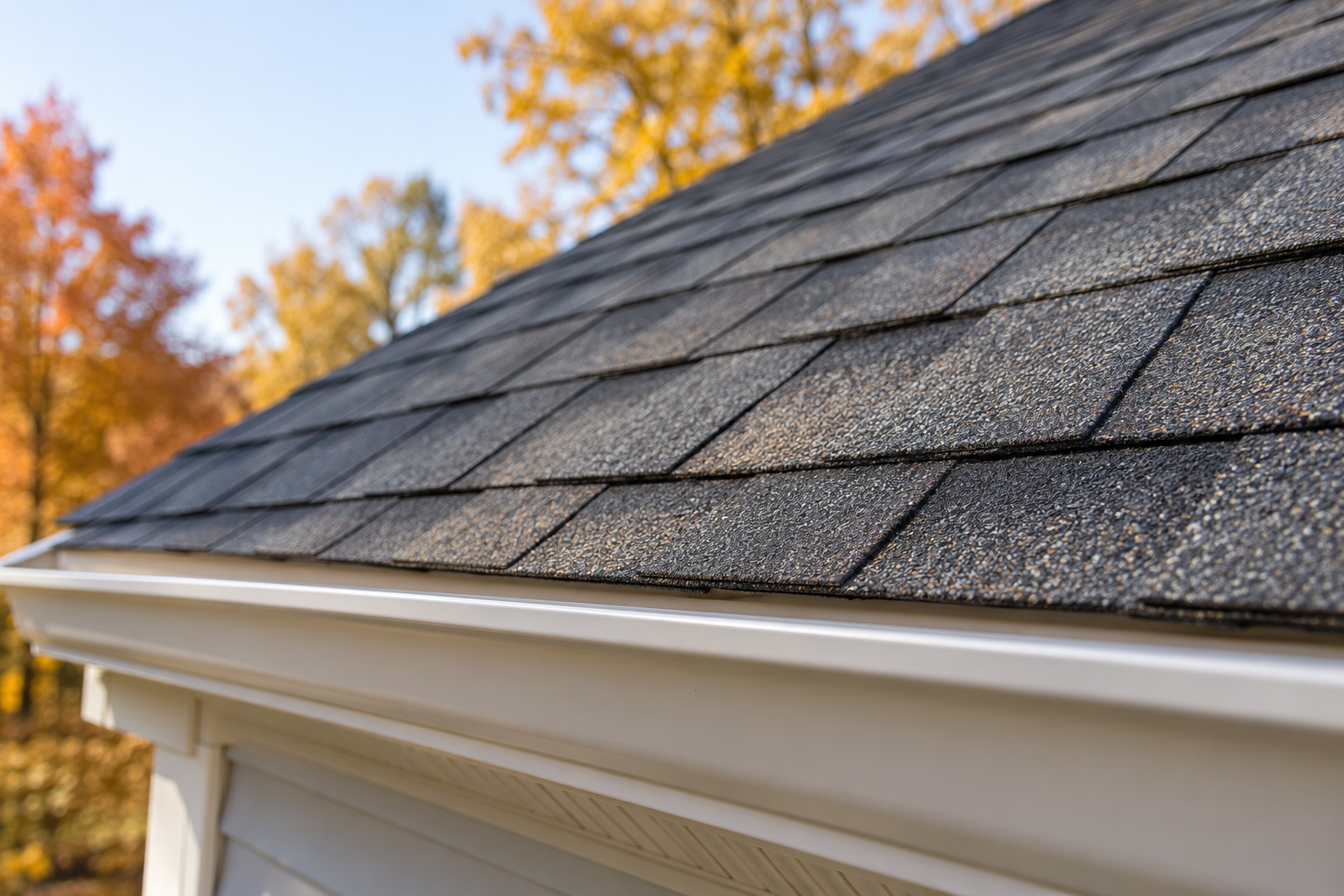
- The visible condition of the asphalt shingles
- Whether shingles are loose, missing, cracked, or otherwise damaged
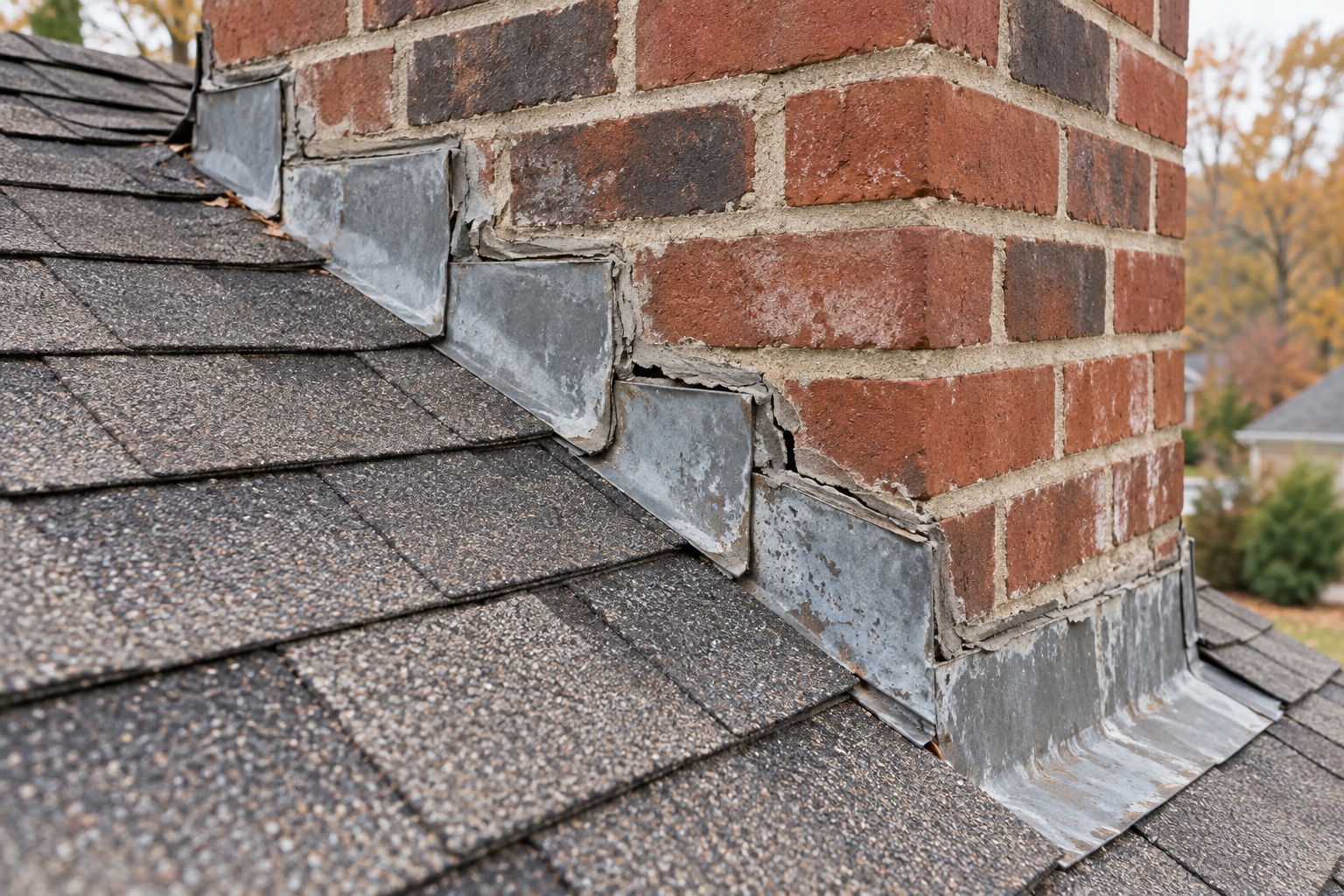
- Whether flashing, exposed nails, caulking, or drainage details need attention
- Whether there are signs of an unresolved leak or a larger repair need
- Whether the roof appears suitable for Roof Maxx treatment
The assessment is a decision point. It should clarify the path forward rather than force every roof into the same solution.
Step 1: Record What You Can Safely Observe
Before an appointment, homeowners can make a short list of concerns without climbing onto the roof. Useful notes may include:
- The approximate roof age, if known
- Dates of recent strong storms or falling branches
- Interior stains that appeared after rain
- Shingle pieces or excessive debris found near downspouts
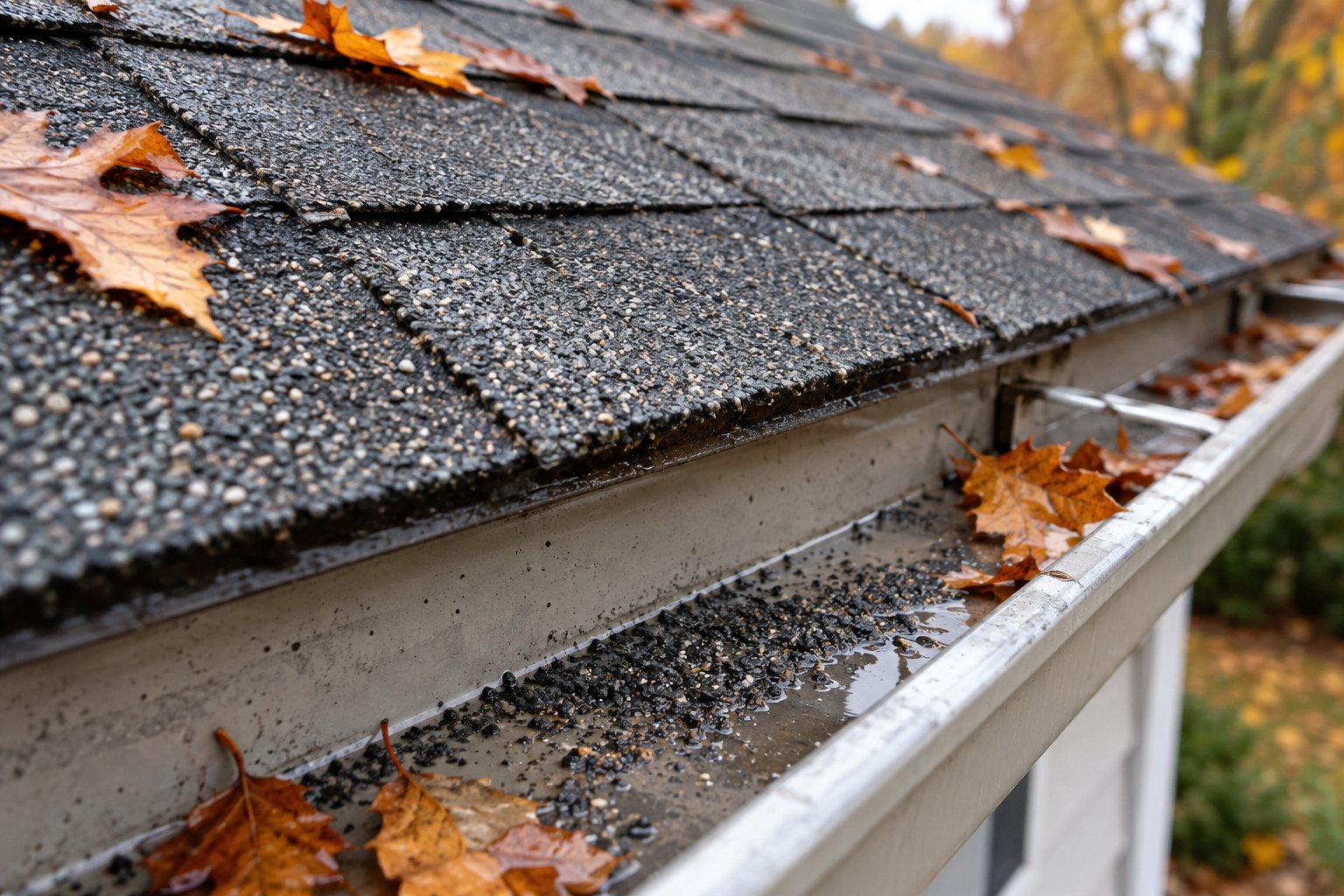
- Areas where gutters overflow or drain poorly
- Previous roof repairs and the areas involved
Take ground-level photos when they can be captured safely. Do not climb onto a sloped roof to investigate. Asphalt Roofing Manufacturers Association guidance recommends that repairs be handled by qualified roofing professionals who have the training, safety equipment, tools, and materials to avoid damaging adjacent shingles and flashing.
Step 2: Schedule a Roof Maxx Assessment
Every Roof Maxx treatment begins with an assessment. A technician reviews the asphalt-shingle roof’s condition and looks for issues that may affect whether the roof qualifies.
This stage is about answering practical questions:
- Are the shingles still intact enough to be considered for treatment?
- Are there minor maintenance items that should be handled first?
- Is there evidence of a leak, structural issue, or repair need outside the treatment scope?
- Would repair or replacement be a more appropriate recommendation?
A clear assessment helps homeowners plan spending and timing around actual conditions instead of assumptions.
Step 3: Address Appropriate Tune-Up Items
When a roof is otherwise suitable, a tune-up may address minor items before treatment. Roof Maxx describes examples such as securing loose or missing shingles, resealing vulnerable flashing details, and sealing exposed nails.
The exact scope depends on the roof. A tune-up is not a substitute for major repair work, and it should not be used to hide an active leak or structural problem. Any recommended work should be explained clearly so the homeowner understands what is being corrected and why.
Routine roof care may also include keeping gutters and downspouts working, trimming branches away from the roof, and removing debris. Those tasks help water move away from the roof as intended and make it easier to observe changing conditions.
Step 4: Decide Whether Roof Maxx Treatment Fits
Roof Maxx is a plant-based maintenance treatment for qualifying asphalt shingles. It is designed to replenish oils lost as shingles age and restore flexibility. It is not a surface coating, a leak sealant, or a replacement for necessary structural repairs.
If the roof qualifies, treatment follows the assessment and any appropriate tune-up work. If it does not qualify, the homeowner should receive guidance about a more suitable next step.
That distinction is important. A good maintenance plan is not simply a plan to apply a product; it is a plan to make the right decision for the roof.
Step 5: Put Follow-Up Checks on the Calendar
Maintenance planning continues after the appointment. Keep the assessment notes, roof-condition photos, and records of completed work in one place. Add reminders for simple ground-level observations during the year.
A practical schedule for a Central Virginia home might include:
- A visual check from the ground after strong storms
- A drainage check when seasonal leaves are falling
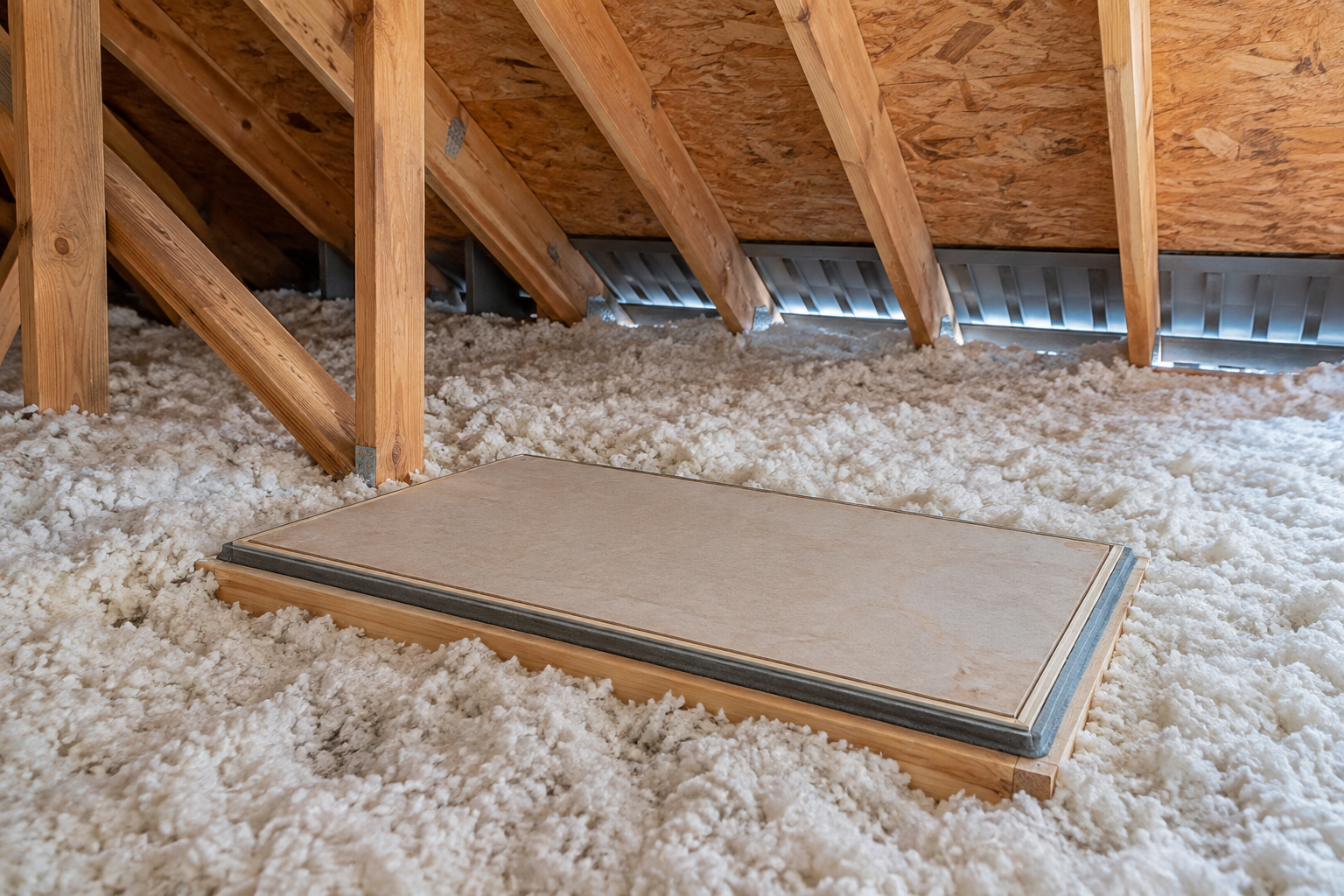
- A review of attic or ceiling areas if a new stain appears
- Professional follow-up when visible conditions change
The schedule should respond to the home, surrounding trees, weather events, and the recommendations from the assessment. It does not need to be complicated to be useful.
Questions to Ask During the Assessment
Homeowners should feel comfortable asking for plain-language answers. Consider asking:
- What did you observe about the shingles and visible roof details?
- Does the roof qualify for Roof Maxx treatment today?
- Which tune-up items are recommended before treatment?
- Are any concerns outside the Roof Maxx tune-up scope?
- What changes should I watch for after the visit?
- What documentation or photos will I receive?
These questions turn an appointment into a maintenance plan you can understand and follow.
What Roof Maxx Maintenance Planning Does Not Replace
Roof Maxx states that its treatment is not designed to seal roof leaks. A roof with unresolved water entry, significant shingle damage, structural concerns, or other major problems may need repair or replacement instead.
That is another reason to begin with an assessment. Treating the wrong roof or skipping needed repairs would not be a responsible maintenance strategy.
Plan the Next Step for Your Central Virginia Roof
The most useful roof plan is specific to the home. Begin with what you can safely observe, schedule an on-site assessment, address appropriate maintenance items, and move to Roof Maxx treatment only if the asphalt-shingle roof qualifies.
Roof Maxx serves homeowners in Midlothian, Richmond, and the surrounding Central Virginia area. To request an assessment and learn which next step fits your roof, visit richmondroofrejuvenation.com.