
Roof Restoration Blog | Richmond VA & Central Virginia
Solar Attic Ventilation: Operating Energy vs. Upfront Cost

“Powered by the sun” sounds simple, but it can lead to an important misunderstanding. Solar attic ventilation can operate without adding grid-electricity use for the unit. That does not mean the equipment and professional installation have no upfront cost.
For homeowners in Midlothian, Richmond, and across Central Virginia, the clearest way to evaluate a project is to separate two questions: What powers the ventilation after installation, and what is included in the initial project quote?
What “no added electricity cost” actually means
The Attic Depot explains that its solar attic ventilation equipment uses sunlight to power the fan and does not require grid electricity for operation. When sunlight is available, the solar panel powers the unit so it can move attic air without adding electrical consumption for the fan itself.
That operating-energy benefit is different from saying the entire project is free. A solar panel can supply the unit’s power after installation, but the physical equipment still has to be selected, placed, and professionally installed.
It is also important to keep the language precise. “No added grid-electricity use for the ventilation unit” is not the same as a promise that a household’s total electric bill will fall by a particular amount. Cooling demand, attic conditions, insulation, ductwork, thermostat settings, weather, utility rates, and household habits can all affect actual results.
What an upfront project quote may include
A useful quote should describe the complete scope, not just a product price. Depending on the home, an upfront solar attic ventilation project may account for:
- The number and type of ventilation units recommended
- Roof-mount or gable-mount placement
- Roof pitch, material, condition, and accessibility
- Existing soffit, ridge, or other intake and exhaust ventilation
- Attic size, layout, insulation, and obstructions
- Flashing, sealing, mounting, and professional installation
- Any site-specific work identified during the evaluation
Richmond Roof Rejuvenation currently offers 30-watt roof-mount and gable-mount options. The right choice is not based on wattage alone. The home’s layout, available mounting locations, intake airflow, and current ventilation all matter.
Product price and installed price are not the same
A product-only number answers a narrow question: What does the equipment cost? An installed quote answers a broader one: What will it take to create a suitable ventilation plan for this home?
That distinction protects homeowners from comparing incomplete numbers. A lower advertised equipment price may exclude site evaluation, mounting materials, roof work, labor, or adjustments needed for the home’s ventilation layout. A clear quote should make the included scope understandable before work begins.
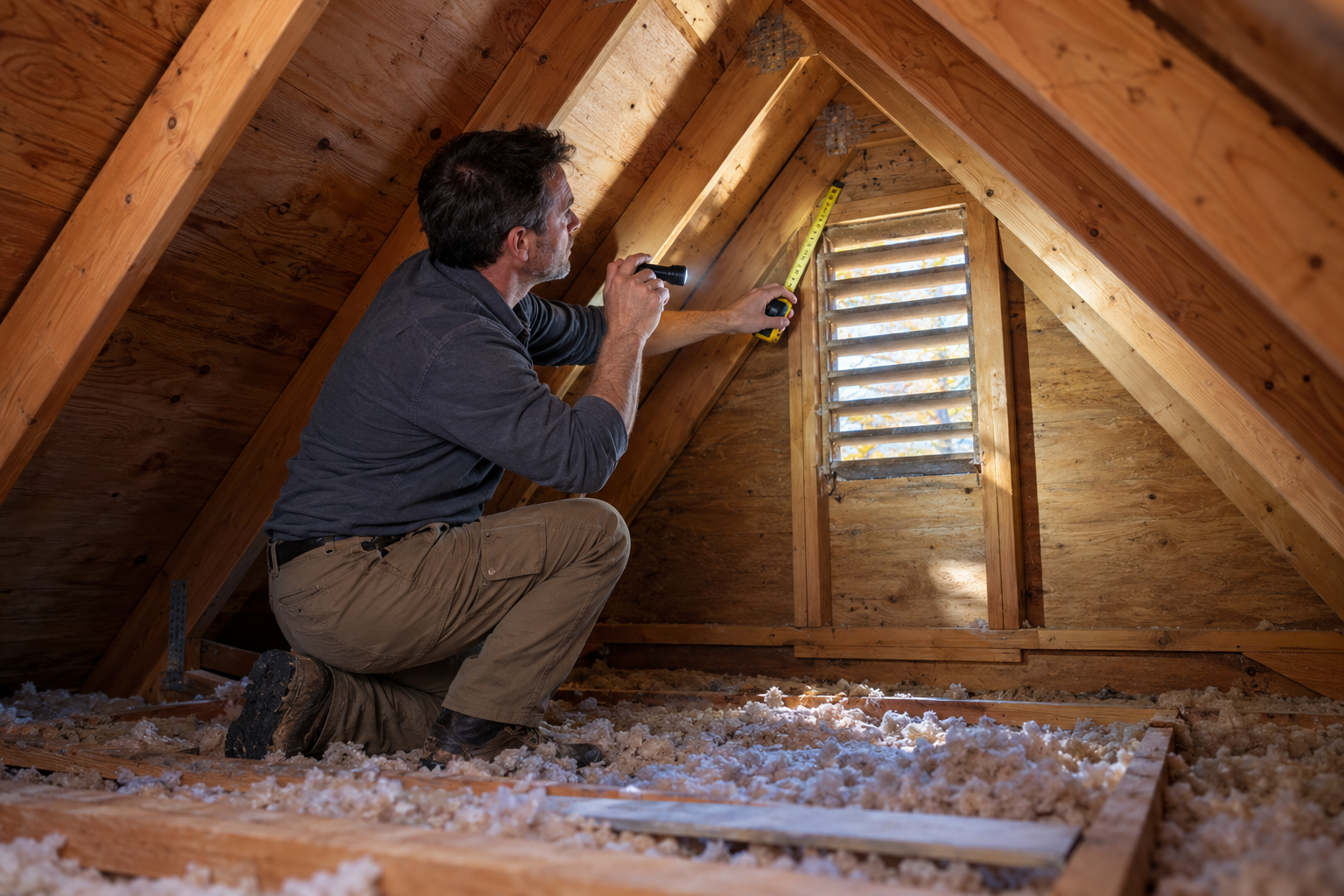
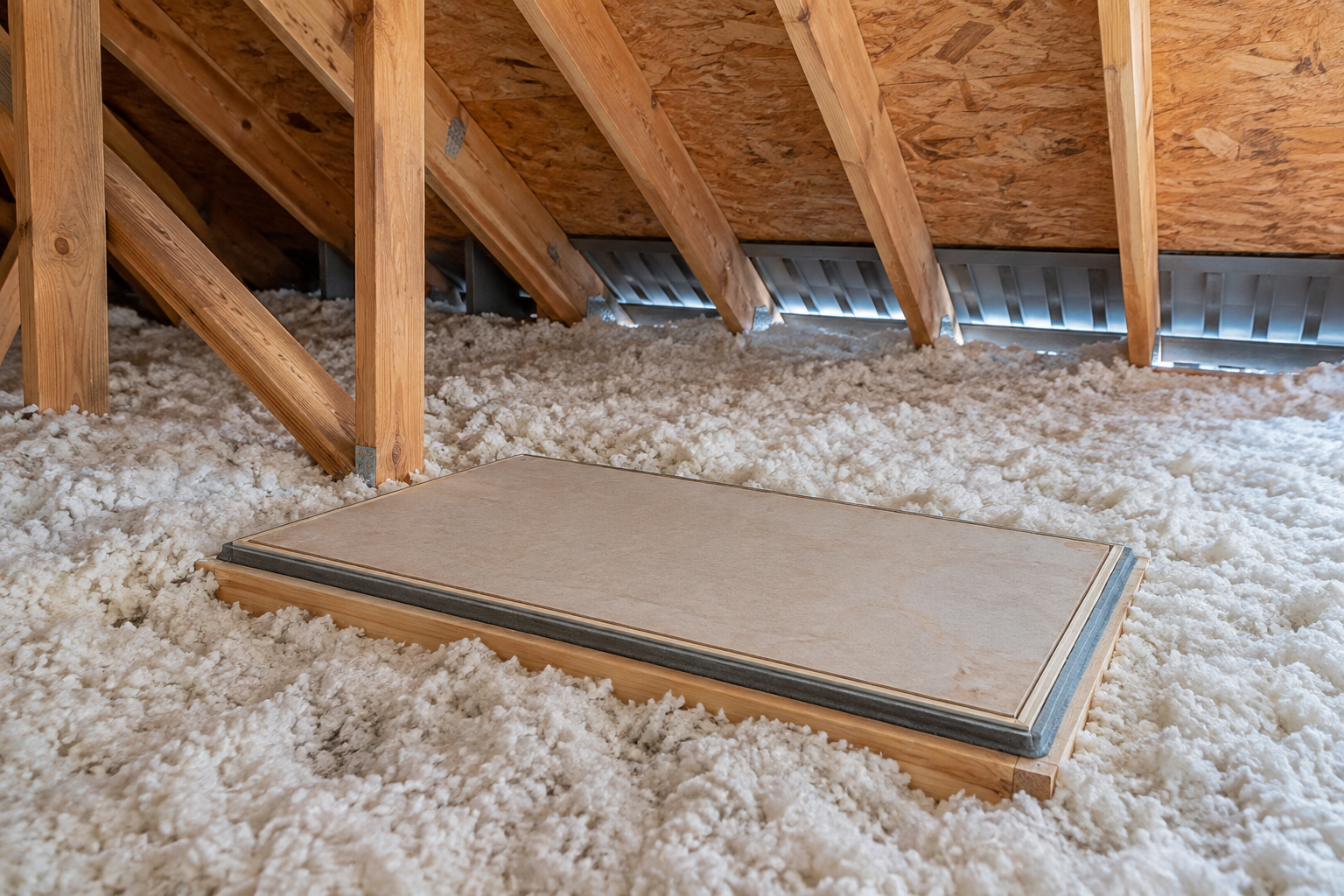
This is especially important for an existing roof. The goal is not to add equipment without looking at the rest of the system. Proper attic airflow depends on a path for outside air to enter as warmer, stale air exits. Existing vents, blocked soffits, roof design, and attic conditions can influence the recommendation.
How to compare solar attic ventilation quotes
When reviewing estimates, ask each provider to explain the same basic items:
- What equipment is proposed? Confirm the model, mounting type, and quantity.
- Why is that setup recommended? The answer should connect the equipment to the attic’s size, layout, roof color, roof type, intake airflow, and installation conditions.
- What is included in the installed price? Look for a clear description of labor, mounting, flashing, sealing, and any related work.
- What could change the final scope? Roof access, hidden conditions, ventilation limitations, or repair needs may affect the recommendation.
- How are savings presented? Treat calculator results as estimates, not guarantees, and ask which assumptions are being used.
A professional evaluation should make the reasoning visible. If two quotes differ, compare the proposed ventilation plan and included work—not only the bottom-line number.
Where a savings estimate fits
The Attic Depot’s current estimator uses assumptions about attic-related energy savings and future utility-cost increases to project possible savings over time. The manufacturer clearly labels those results as estimates and notes that actual savings may vary.
An estimator can be useful for exploring a scenario, but it is not a promise and it does not replace an evaluation. The most helpful next step is to pair the estimate with real information about the home: attic size, number of stories, garage configuration, roof color, roof type, intake ventilation, and installation access.
Think about total roof health, not one device
Solar attic ventilation is one part of Richmond Roof Rejuvenation’s broader roof-longevity approach. The purpose is to help homeowners understand and protect the roof they already have from both the outside and the inside.
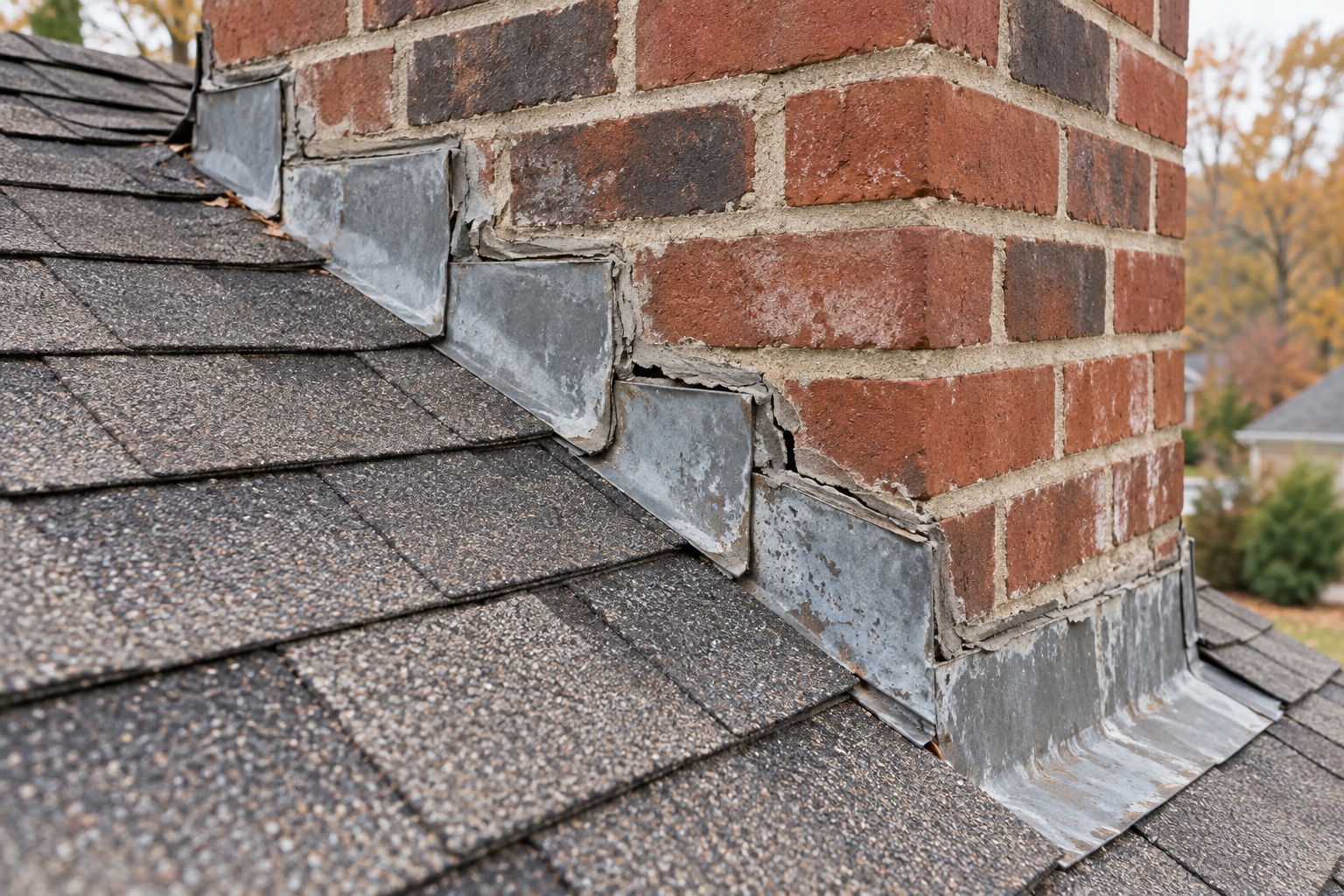
Ventilation may help manage attic heat and moisture stress, while the exterior roof still needs appropriate maintenance and condition-based decisions. Some roofs need repairs or replacement. Others may have responsible options for maintenance, rejuvenation, or ventilation improvements. A complete evaluation helps separate those situations.
Get a home-specific scope in Central Virginia
The honest message is simple: solar power can avoid added grid-electricity use for the ventilation unit, but equipment and professional installation still have an upfront cost. The amount should come from a clear, home-specific scope—not a one-size-fits-all promise.
Richmond Roof Rejuvenation can evaluate your roof and attic, explain the proposed ventilation plan, and provide a project quote based on the actual home. Visit richmondroofrejuvenation.com to schedule a free roof and attic evaluation.