
Roof Restoration Blog | Richmond VA & Central Virginia
Roof Maxx Application Safety: What Homeowners Should Expect
A professional roof treatment should follow a clear process from the first inspection through final cleanup. For Roof Maxx, application safety is not limited to what is in the treatment. It also includes roof condition, weather, surface preparation, spray technique, technician movement, and protection of nearby surfaces.
For homeowners in Midlothian, Richmond, and across Central Virginia, understanding that process makes it easier to know what responsible roof maintenance should look like. The goal is to protect the asphalt roof you already own while avoiding unnecessary risks or shortcuts.
Safety Begins With the Roof Assessment
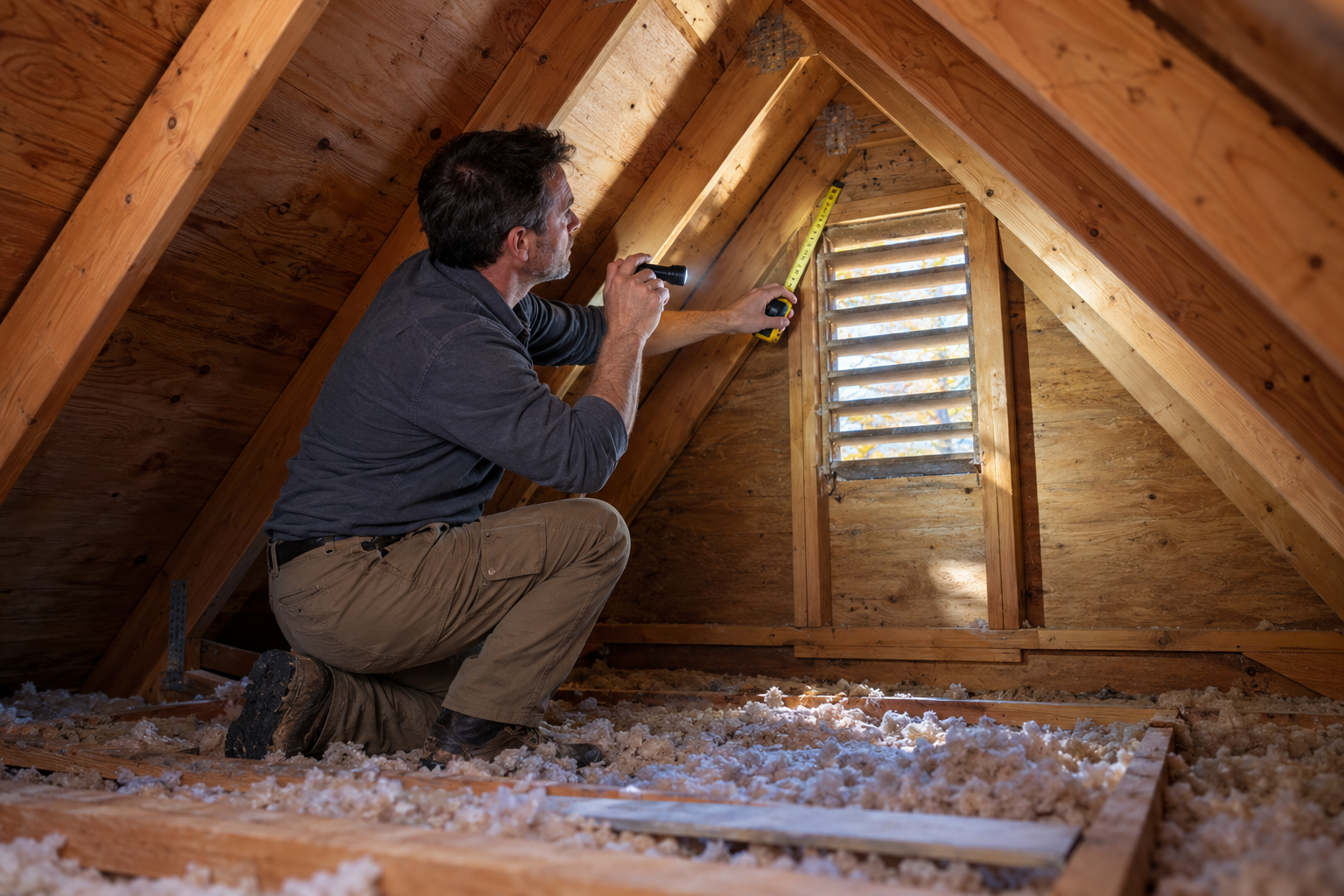
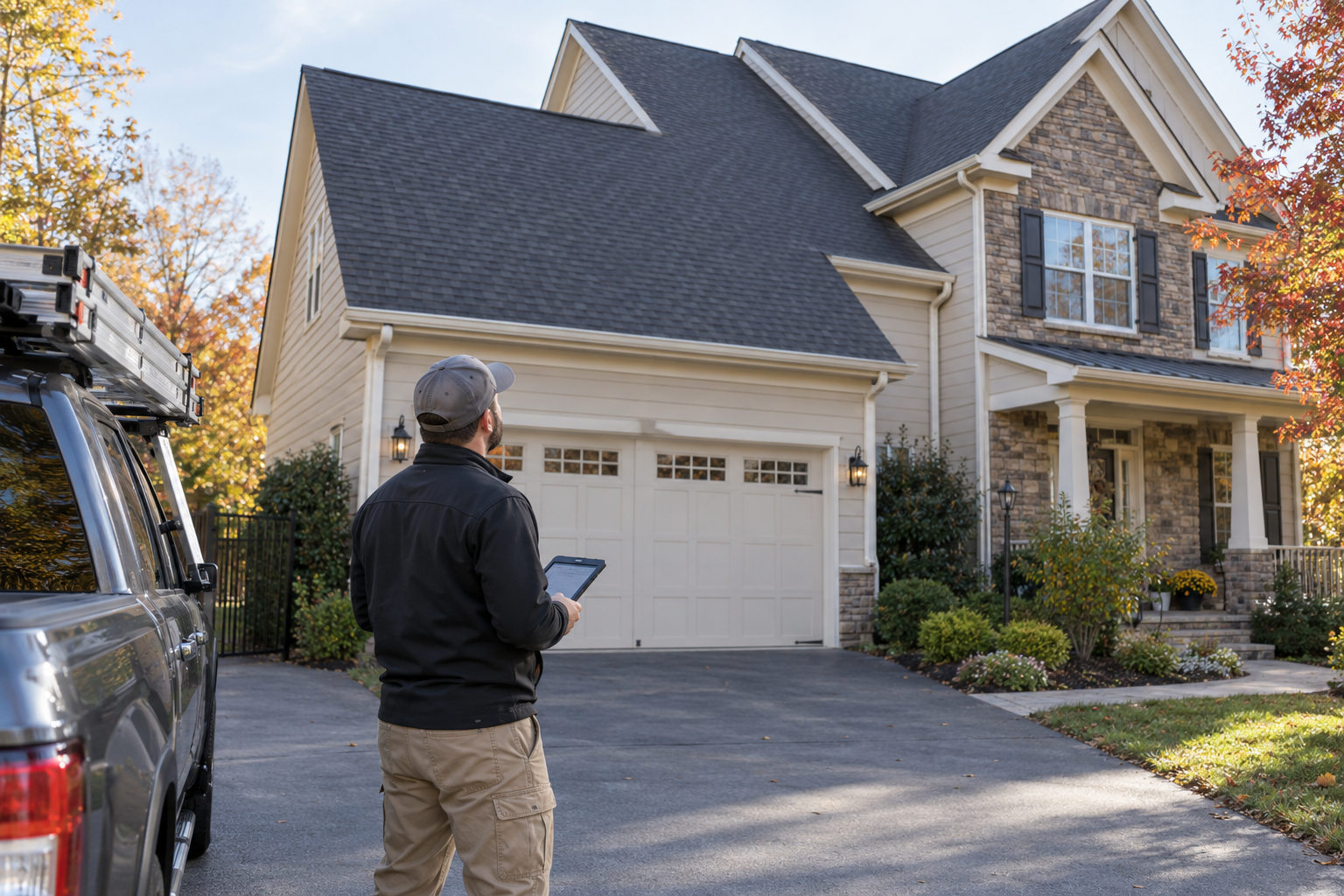
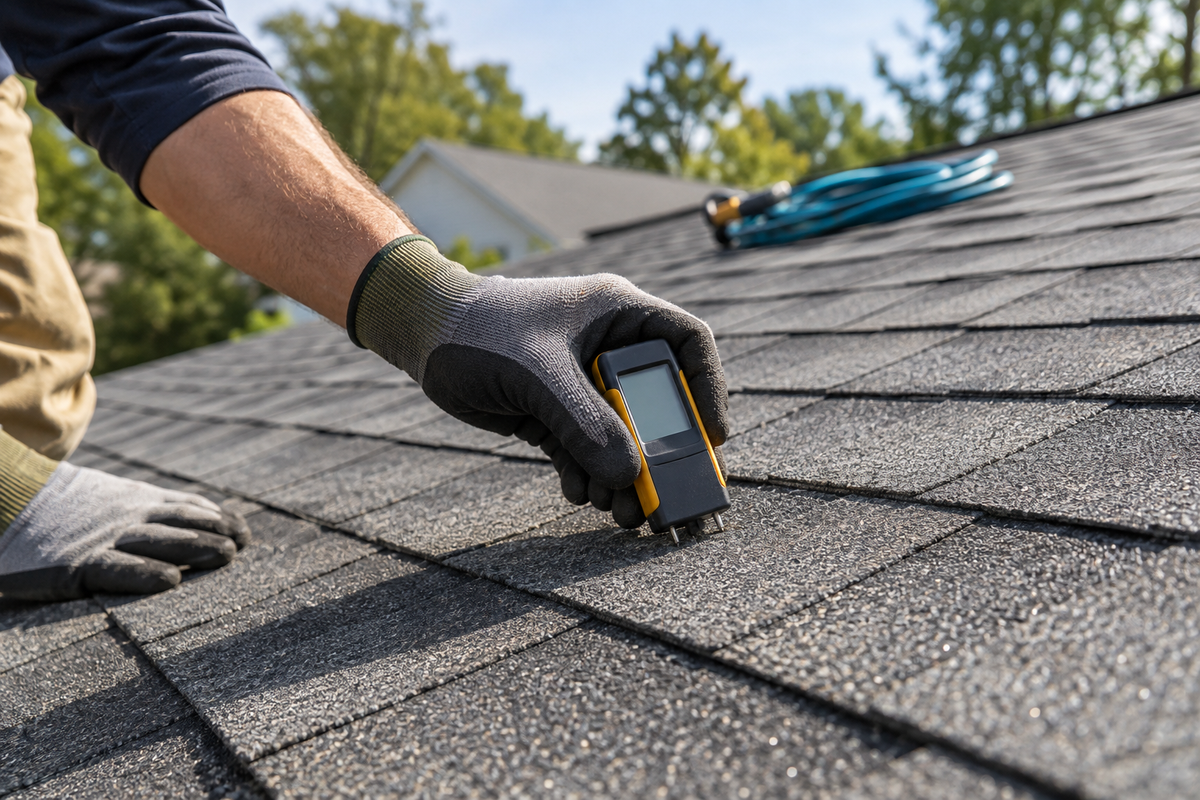
Roof Maxx is intended for asphalt-shingle roofs that are appropriate candidates for rejuvenation. An assessment should come before any application so the technician can review the roof’s condition and identify work that may need attention first.
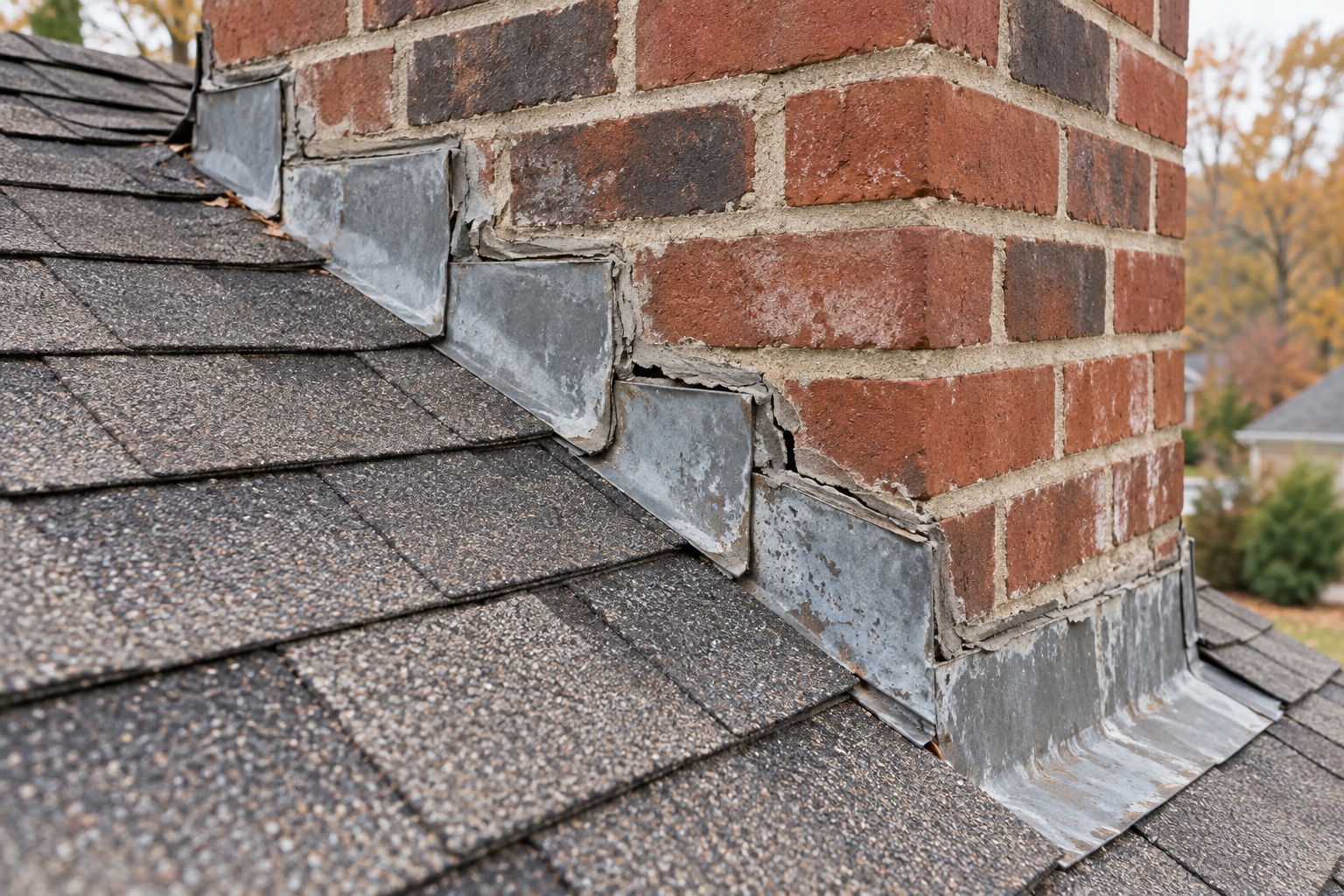
An assessment can help identify loose debris, damaged shingles, exposed fasteners, flashing concerns, or other conditions that may affect the plan. Roof Maxx is a rejuvenation treatment, not a substitute for needed structural repairs and not a sealant for an actively failing roof.
This condition-based approach supports roof longevity because it starts with the right question: Is maintaining and rejuvenating this roof responsible, or is repair or replacement the better next step?
Weather and Roof Conditions Matter
Roof Maxx’s official application guidance says the roof surface should be dry and free from moisture and frost. The guidance also notes that applying below 36°F can reduce product efficacy and that Roof Maxx should not be applied when rain is expected within one hour.
Those requirements are part of the professional decision about when to proceed. A technician should consider current roof conditions and the near-term weather window rather than forcing an application into unsuitable circumstances.
Homeowners should expect the crew to confirm that the roof is ready before treatment begins. If conditions are not right, rescheduling is a sign that the process is being followed—not that a step is being skipped.
Freshly Treated Surfaces Require Careful Movement
The official Roof Maxx guidelines warn that wet treated surfaces can be slippery. The recommended application sequence starts at the furthest point so the technician can work toward the exit without walking back across completed sections.
That movement plan matters on the roof and around ladders. Hoses, footwear, ladder rungs, access points, and the direction of work all need deliberate attention. Homeowners, pets, and other people should remain clear of the work area while the professional application is underway.
The treatment is absorbed into the shingles after application, but the crew should manage the roof as a wet working surface until the process is complete.
Controlled Application Protects the Roof and Surroundings
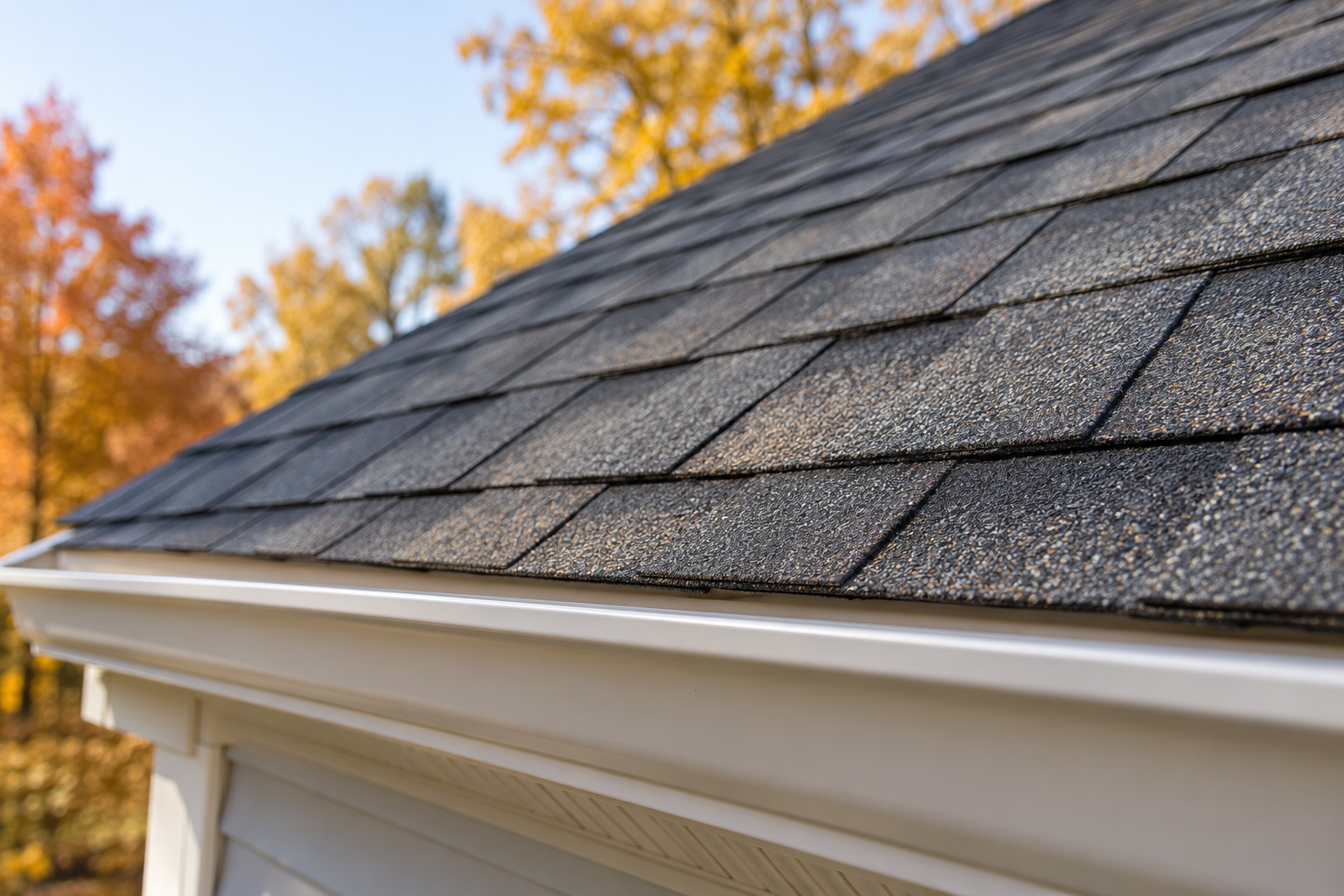
Roof Maxx’s published instructions call for an even spray from the upper portion of the roof toward the eave while avoiding runoff and pooling. The product is applied as a penetrant for the asphalt layer rather than as a heavy surface coating.
The official process also specifies the correct prepared mixture and a single coat. These are professional application controls—not homeowner mixing instructions. Roof Maxx treatments are completed by approved contractors so the equipment, coverage, and application sequence can be managed consistently.
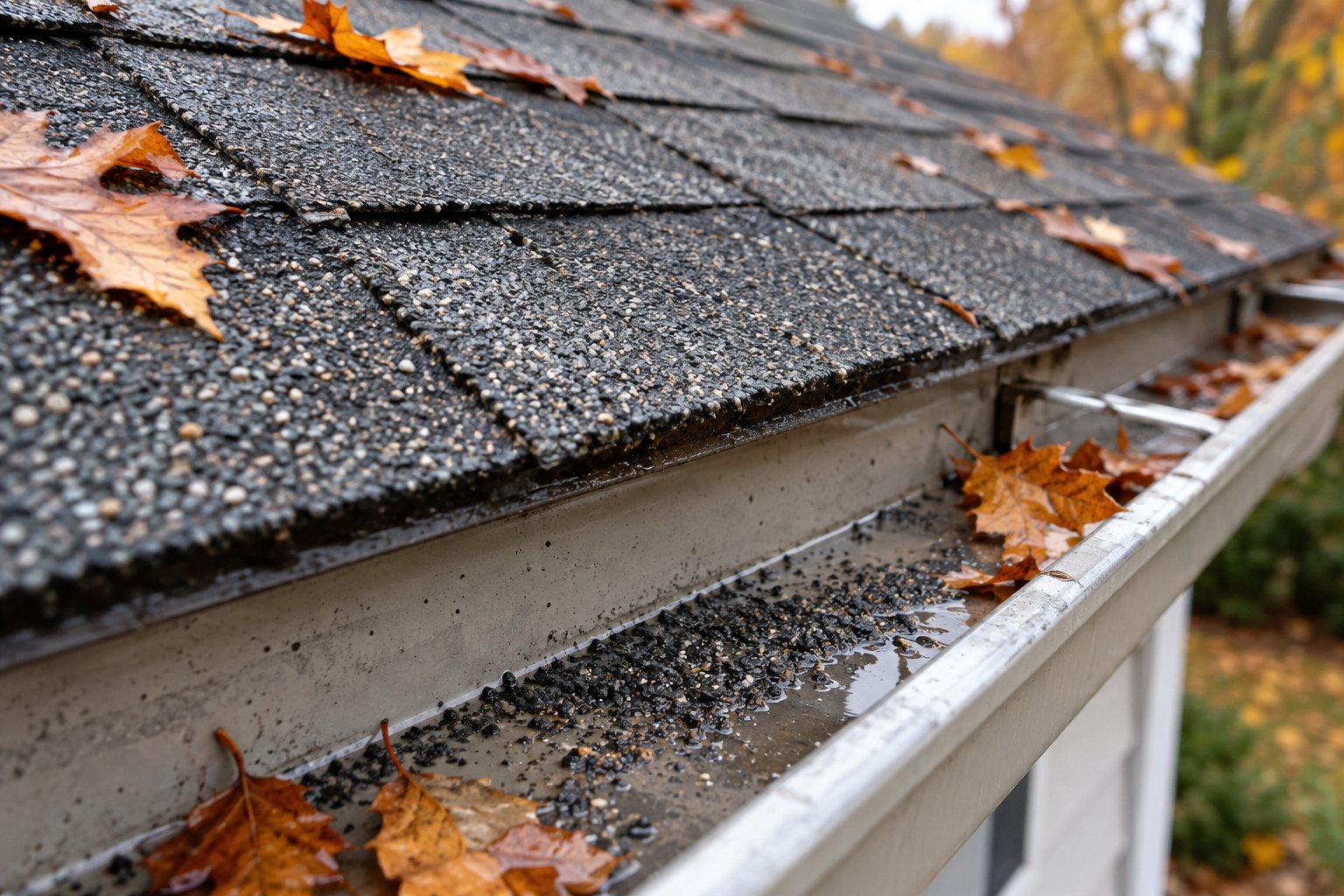
Nearby surfaces also deserve attention. Roof Maxx recommends testing a small area when staining may be a concern because homes contain many different exterior materials. If overspray reaches a walking surface, the official guidance says to rinse it with water to reduce slip risk. Tools and spray equipment are then cleaned with fresh water.
What Is in the Roof Maxx Treatment?
Roof Maxx describes its treatment as a water-based, non-toxic, plant-derived bio-oil emulsion formulated for asphalt shingles. Its published materials state that it contains no solvents or volatile organic compounds and is recognized as a USDA BioPreferred product.
Those product characteristics are important, but they do not replace safe work practices. Even a water-based treatment creates a wet surface during application. Professional planning, controlled spraying, and restricted access remain necessary parts of the job.
Why Roof Maxx Is Professionally Applied
Roof Maxx does not sell its treatment as a homeowner DIY product. Its official FAQ states that treatments must be completed by approved contractors to support safety and efficiency.
That professional role includes more than operating a spray wand. The contractor must evaluate the roof, choose an appropriate weather window, prepare the surface, manage access, apply the treatment evenly, avoid excessive runoff, and complete cleanup.
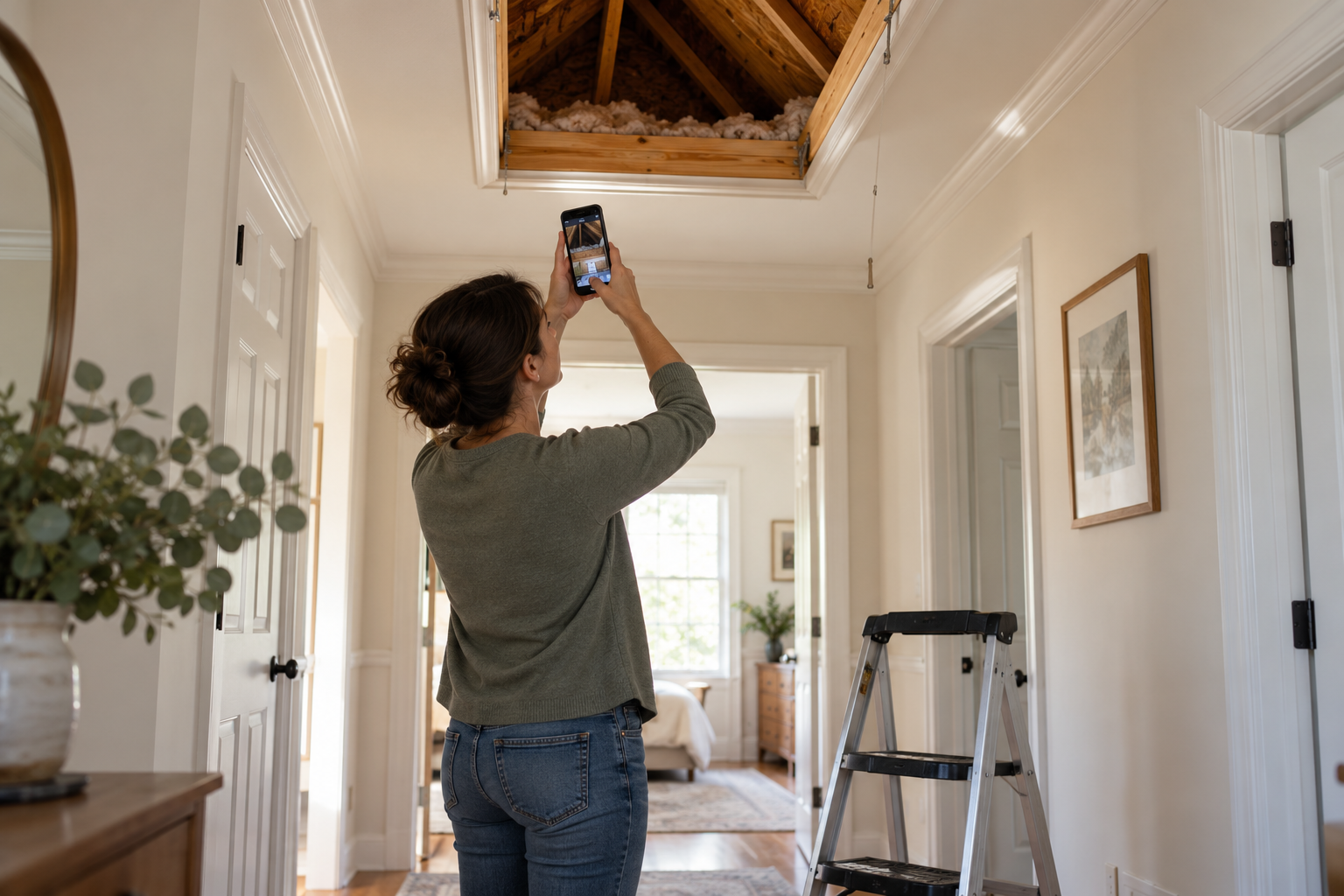
The homeowner should also receive a straightforward explanation of what will happen before, during, and after treatment. Clear communication helps everyone know which areas to avoid and when the work is complete.
A Simple Homeowner Safety Checklist
Before the appointment, it is reasonable to ask:
- Was the roof assessed and found to be an appropriate candidate?
- Are the roof and weather conditions suitable for application?
- How will the crew manage hoses, ladders, access points, and wet areas?
- What steps will protect landscaping, vehicles, patios, and walkways?
- How will overspray or unexpected runoff be handled?
- When will the treated area be ready for normal access?
These questions are not about directing the application yourself. They help confirm that the contractor has a clear professional plan.
Safe Application Supports Responsible Roof Longevity
Roof Maxx is part of a condition-based approach to caring for an existing asphalt roof. When the roof is an appropriate candidate, treatment may help restore shingle flexibility and support more useful service life. When the roof needs repairs or replacement, an honest assessment should make that clear.
Application standards protect the people doing the work, the property around the roof, and the roof itself. That is why safe work starts before the first spray.
To schedule a free roof assessment in Midlothian, Richmond, or the surrounding Central Virginia area, visit richmondroofrejuvenation.com.