
Roof Restoration Blog | Richmond VA & Central Virginia
What Does Solar Attic Ventilation Cost in Richmond, VA?

When homeowners ask what solar attic ventilation costs, they often expect one product price. But the useful answer begins one step earlier: How much ventilation does this home need, and what will it take to install it correctly?
Two homes with similar living areas can have different roof shapes, attic layouts, intake ventilation, access conditions, and mounting needs. Those differences can affect the number and configuration of ventilation units as well as the work required for installation.
For homeowners in Midlothian, Richmond, and Central Virginia, Richmond Roof Rejuvenation starts with the roof and attic rather than a one-size-fits-all number. That approach helps connect the quote to the actual home.
Why There Is Not One Standard Price
An advertised equipment price is only one part of an installed solar attic ventilation project. A complete quote may reflect:
- The number of ventilation units the home may need.
- Whether a roof-mount or gable-mount configuration is appropriate.
- The roof material, pitch, design, and access conditions.
- The attic’s shape, usable volume, and existing airflow paths.
- The condition and availability of intake ventilation.
- The labor and materials required for the installation.
That does not mean pricing needs to be confusing. It means the estimate should follow the ventilation plan. A contractor should first understand the home, then recommend the equipment and installation scope that fit it.
The Preliminary Estimate Starts with Home Details
The Attic Depot’s current sizing calculator asks for several details before producing an estimated ventilation-unit count:
- Living square footage.
- Number of stories.
- Whether the garage is attached and its size.
- Roof color.
- Roof type.
Those inputs help create an initial attic-area and coverage estimate. They are useful for planning, but they are not a substitute for seeing the home’s construction and existing ventilation.
The Attic Depot also states that final recommendations may vary based on attic layout, roof pitch, existing ventilation, insulation levels, roof design, and installation conditions. In other words, the calculator is a starting point—not the final installed quote.
Why Ventilation Needs Affect Cost
The estimated number of ventilation units matters because it influences both equipment and installation. A smaller, straightforward attic may have different needs from a larger attic with multiple roof sections or limited airflow between spaces.
More equipment is not automatically better. Attic ventilation works as a system. Fresh air needs a suitable path to enter low in the roof system while hot, stale air exits higher up. Adding exhaust without considering intake and the existing ventilation layout can lead to a recommendation that looks simple on paper but does not match the home.
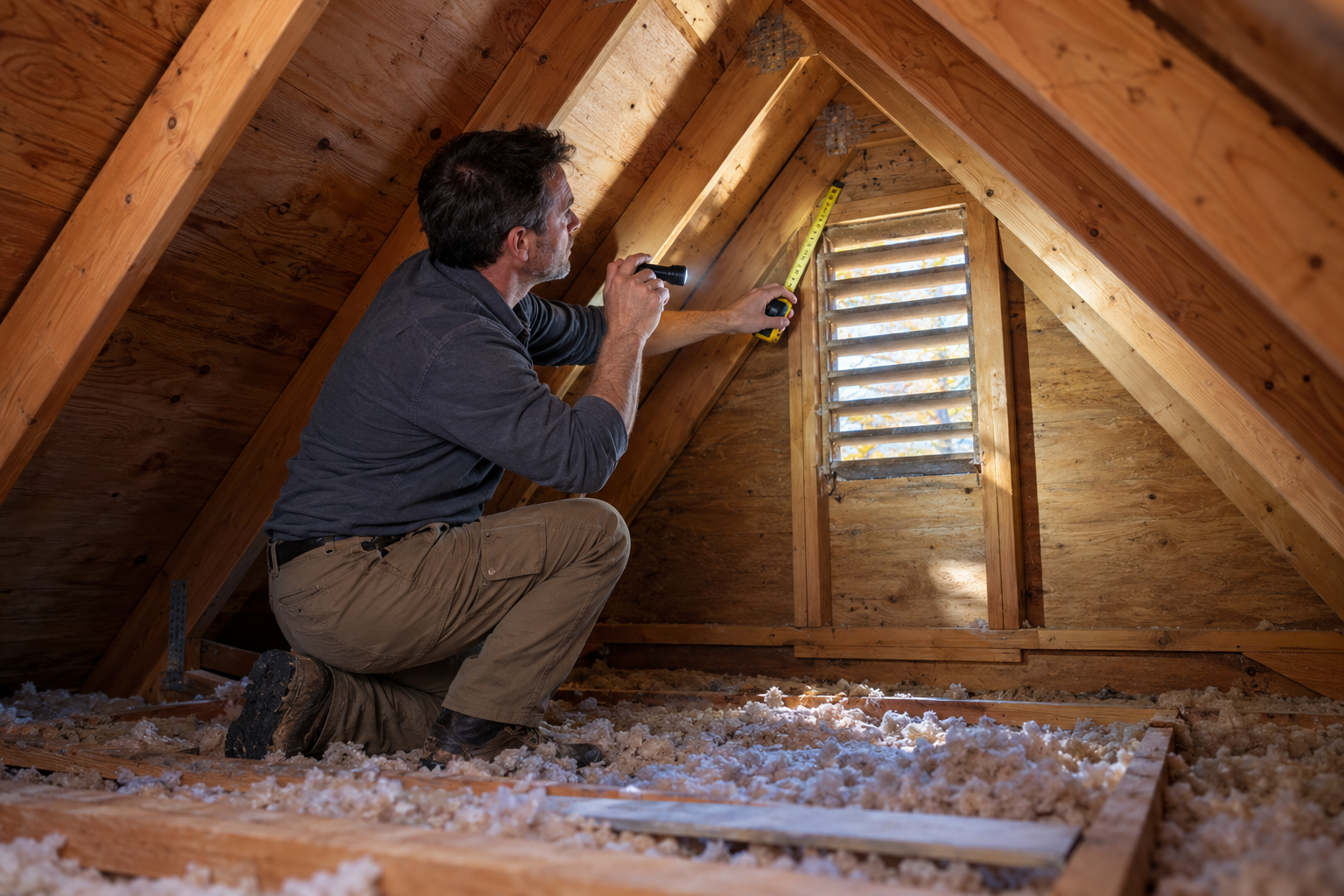
A roof and attic evaluation can help answer practical questions such as:
- Is the attic one connected space or divided into separate sections?
- Is there adequate intake airflow at the soffits or another designed location?
- Are existing ridge, gable, or roof vents present and unobstructed?
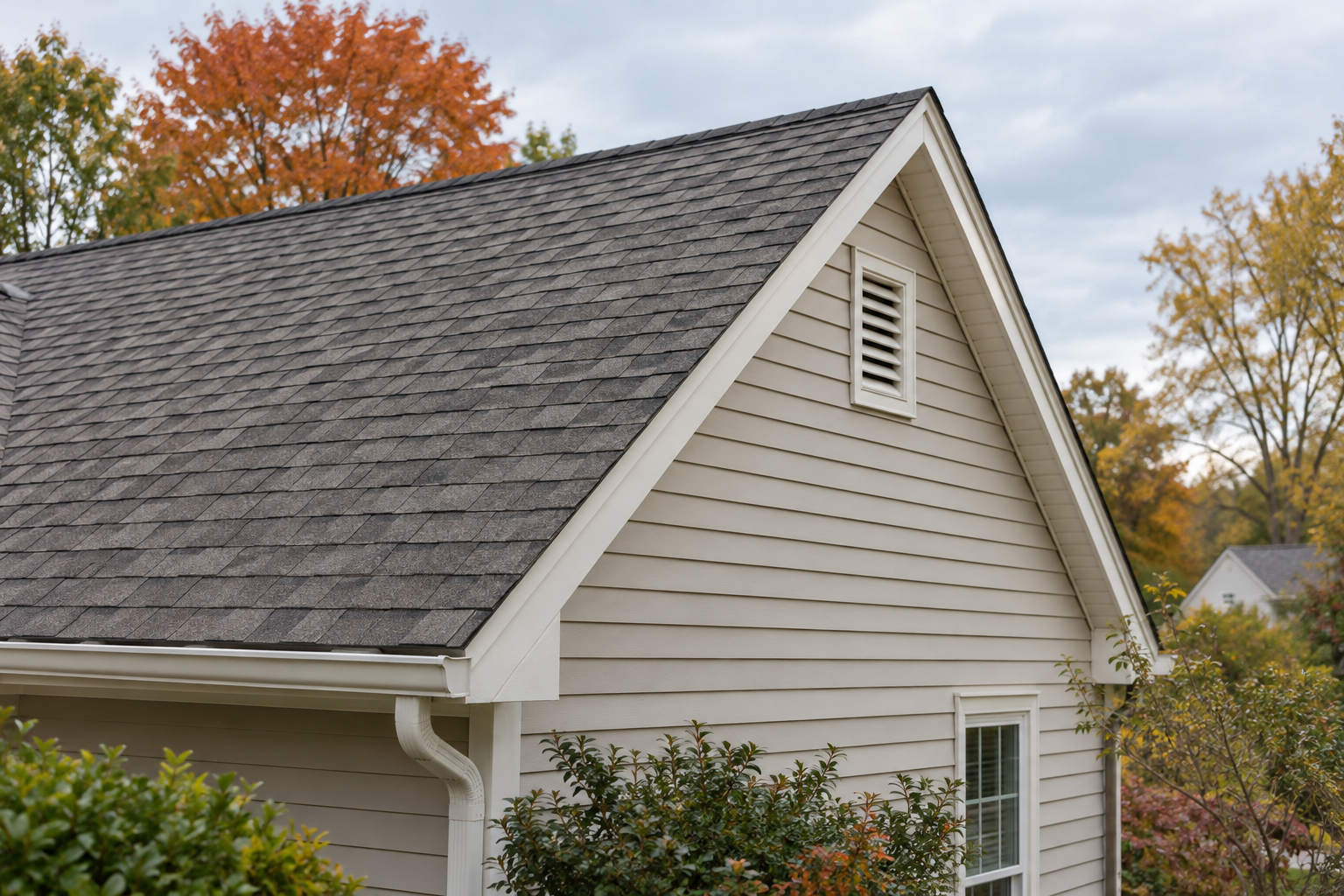
- Does the roof design favor a roof-mounted unit or a gable-mounted configuration?
- Are insulation, framing, ductwork, or access conditions likely to affect installation?
The answers help turn a rough quantity estimate into a home-specific plan.
Roof-Mount and Gable-Mount Options
Richmond Roof Rejuvenation currently offers two 30W solar attic ventilation configurations.
The 30W roof-mount option uses an adjustable solar panel and a low-profile roof-mounted housing. The Attic Depot lists maximum airflow up to 1,550 CFM and coverage up to 1,500 square feet for this model. Coverage is a product specification, not a promise that one unit will be suitable for every 1,500-square-foot home.
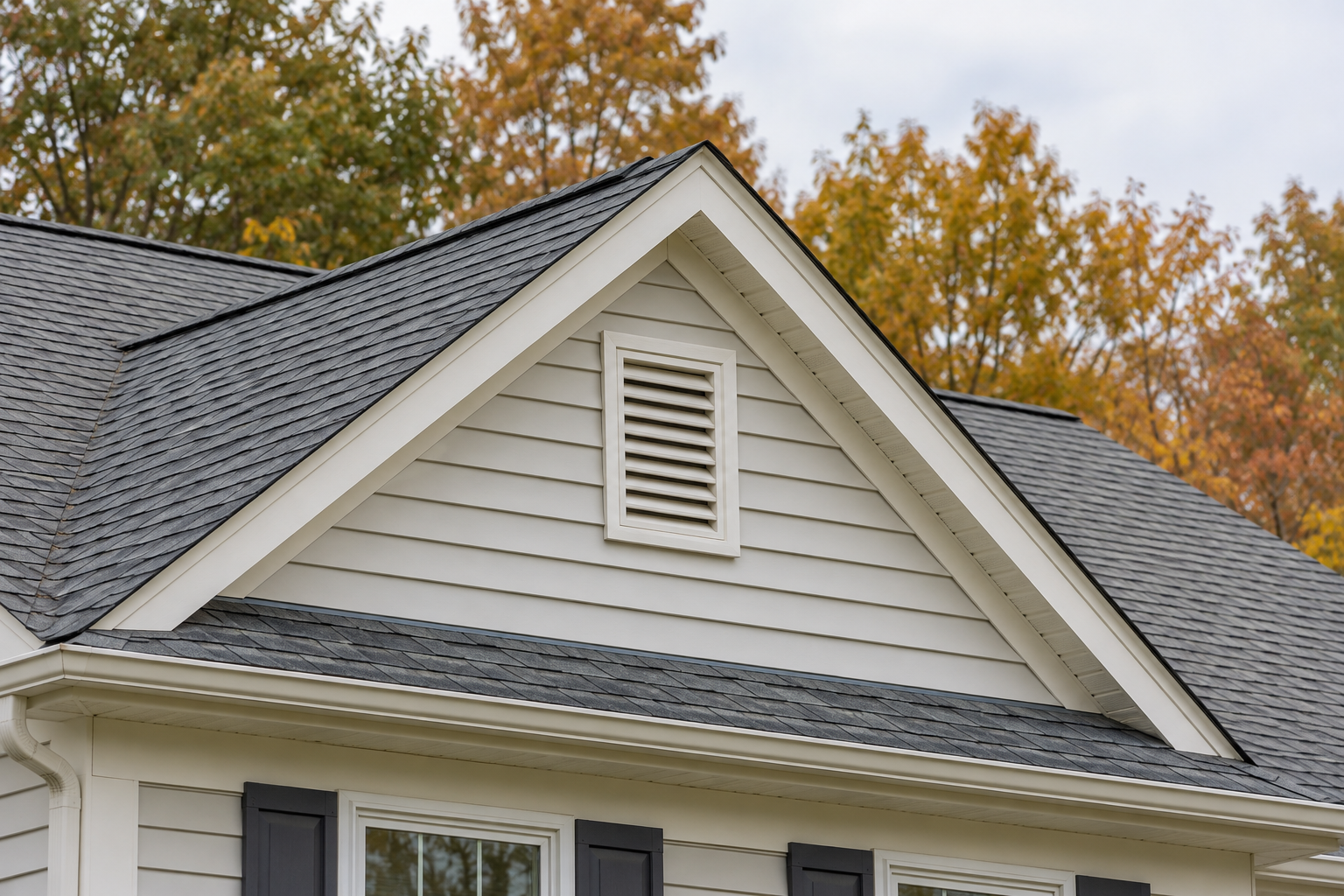
The 30W gable-mount option uses remote solar-panel placement and places the ventilation unit at a suitable gable location. The Attic Depot also lists maximum airflow up to 1,550 CFM and coverage up to 1,500 square feet for this configuration.
The right choice depends on more than appearance. Roof type, roof design, attic layout, available gable space, solar exposure, and installation conditions all matter. A professional evaluation helps identify which configuration fits the house rather than forcing the house to fit a product.
Product Price and Installed Price Are Different
Shopping by equipment price alone can leave out important parts of the project. An installed quote should account for the selected configuration, quantity, mounting location, roof or gable work, weatherproofing details, access, and other materials needed for that home.
This distinction is especially important when comparing quotes. One proposal may list a piece of equipment, while another may describe a complete installation. Homeowners should ask what the quoted amount includes and whether the recommendation was based on an evaluation of the attic and roof.
Useful questions include:
- How was the estimated ventilation need calculated?
- Which mounting configuration is being recommended, and why?
- What existing intake and exhaust ventilation was considered?
- Does the quote include all installation materials and labor?
- Are any roof, framing, electrical, or access conditions outside the quoted scope?
A clear proposal should make the equipment and installation scope understandable before work begins.
How Solar Attic Ventilation Supports Roof Longevity
Price is important, but the purpose of the project matters too. The Attic Depot explains that a properly ventilated attic exchanges hot, stale air for outside air and can help manage attic heat and moisture. It also notes that trapped heat and moisture can affect roof decking, rafters, insulation, and HVAC demand.
Solar attic ventilation is not a guaranteed cure for every comfort, moisture, or roof problem. Results depend on home design, attic condition, insulation, existing intake airflow, HVAC use, weather, and other factors. The system should be evaluated as one part of the home’s broader roof-health plan.
Richmond Roof Rejuvenation’s goal is to help homeowners protect the roof they already have from both sides: roof-health services address exterior conditions, while solar attic ventilation can help manage heat and moisture stress inside the attic. When the roof is an appropriate candidate, informed maintenance decisions may help homeowners avoid premature replacement and get more useful life from the existing system.
What to Expect from a Roof and Attic Evaluation
A home-specific evaluation provides the information needed to prepare a meaningful quote. The visit may include a review of:
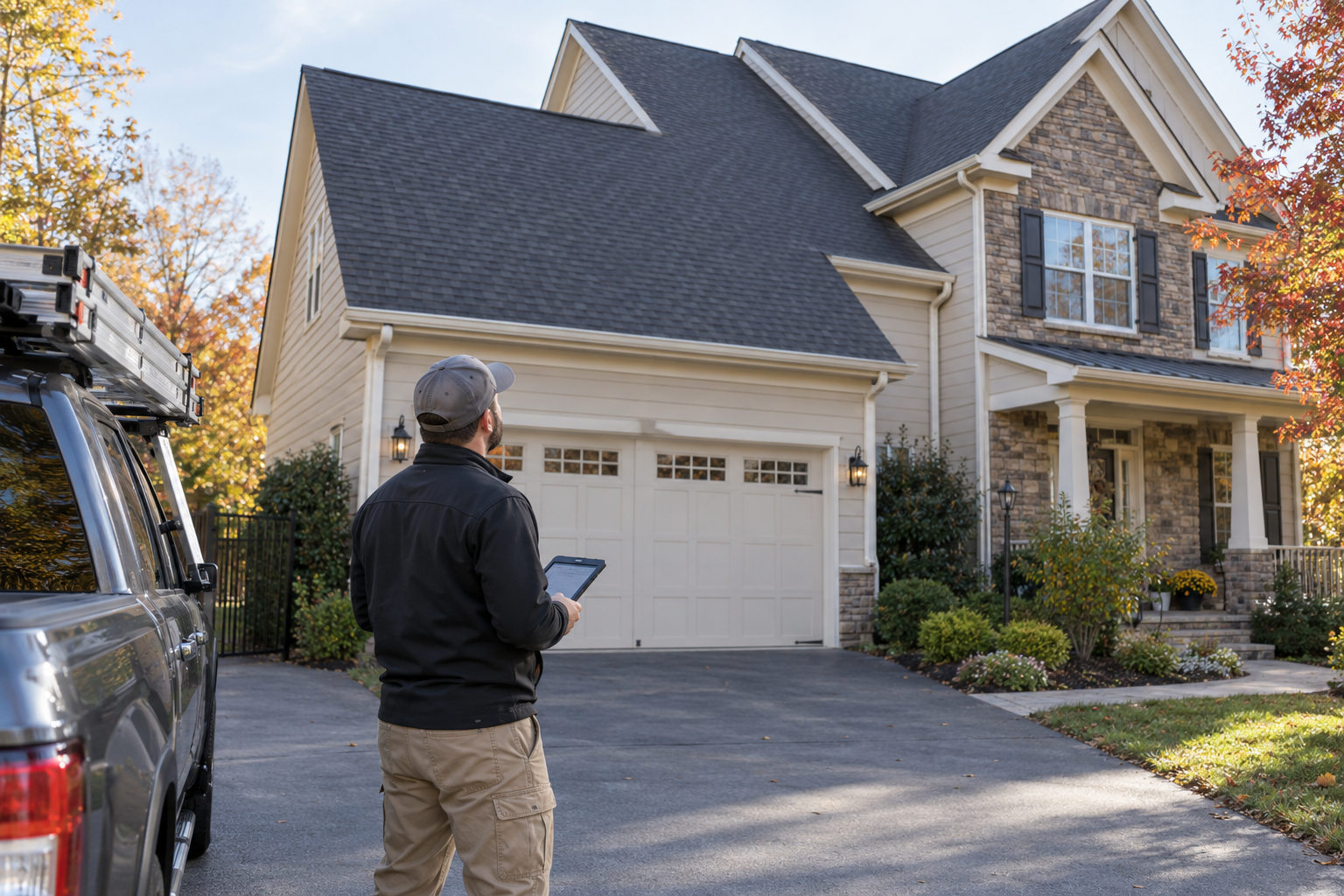
- Roof type, pitch, shape, and general condition.
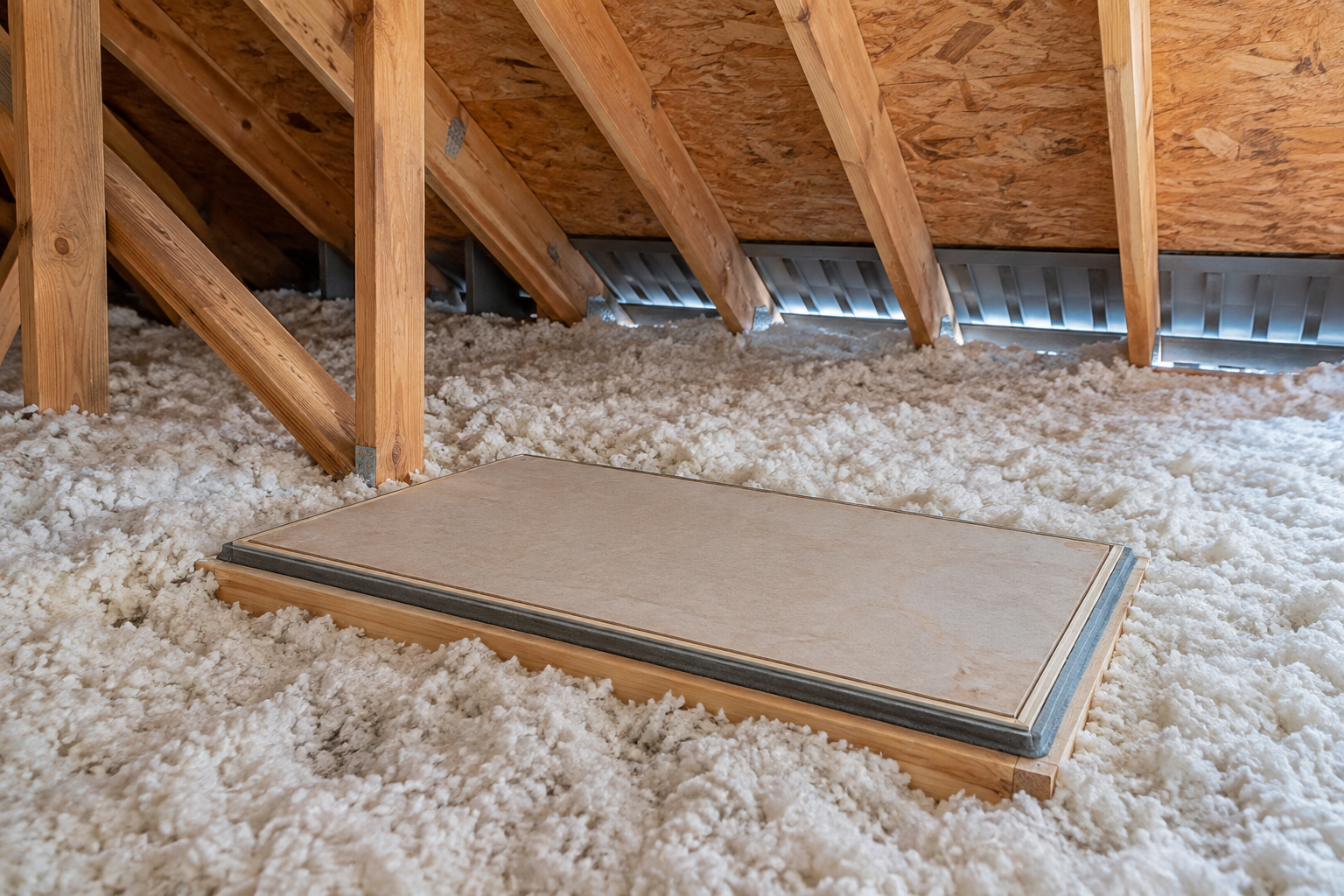
- Attic access, layout, framing, and insulation.
- Existing intake and exhaust ventilation.
- Signs of trapped heat, moisture, or restricted airflow.
- Potential roof-mount or gable-mount locations.
- The estimated quantity and configuration of ventilation units.
- Installation access and project-specific conditions.
The recommendation should explain what is proposed, why it fits the home, and what is included in the quote. If the roof or attic has conditions that need to be addressed first, those should be identified before equipment is installed.
Get a Home-Specific Solar Attic Ventilation Quote
If you are comparing solar attic ventilation options in Midlothian, Richmond, or elsewhere in Central Virginia, begin with the home—not a generic price.
Richmond Roof Rejuvenation can evaluate the roof, attic, existing airflow, and installation conditions before recommending a configuration and preparing a quote. Schedule a free roof and attic evaluation at richmondroofrejuvenation.com.