
Roof Restoration Blog | Richmond VA & Central Virginia
Why Asphalt Roofs Age Faster in Hot Climates
An asphalt roof does not usually wear out because of one hot afternoon. Aging develops over thousands of hours of sunlight, heat, cooling, rain, wind, and seasonal change. In a hot climate, the accumulated thermal exposure can make that process move faster.
Research listed by the National Roofing Contractors Association found that a high thermal history in a hot climate can strongly accelerate asphalt aging. Roof Maxx’s current educational guidance also explains how ultraviolet exposure and heat contribute to the loss of the oils that help asphalt shingles remain flexible.
For homeowners in Midlothian, Richmond, and Central Virginia, the practical lesson is simple: know the roof’s condition before ordinary aging becomes widespread failure. Timely evaluation can help identify whether the roof needs routine maintenance, focused repairs, rejuvenation, or replacement.
Asphalt Shingles Need Flexibility
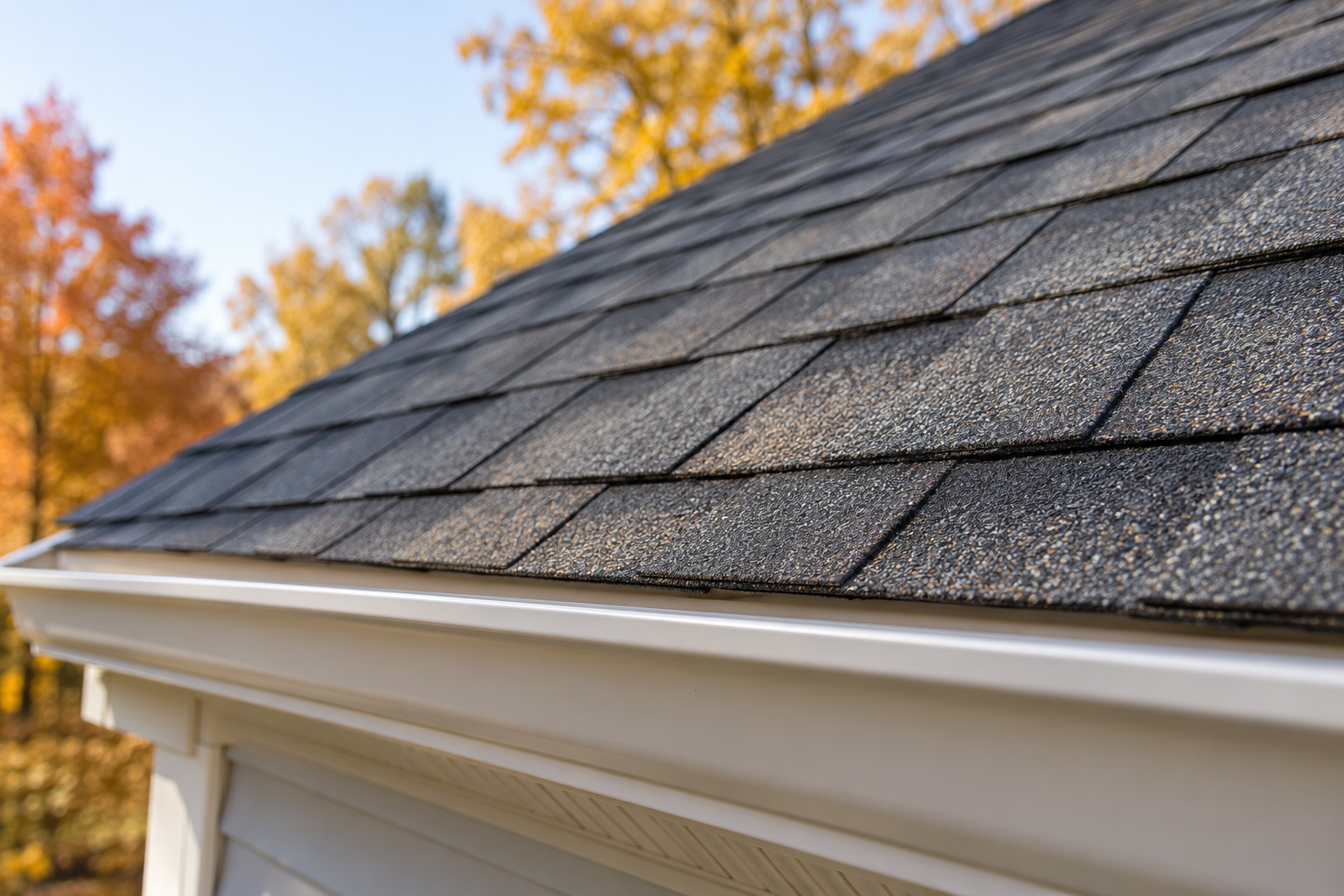
An asphalt shingle is more than a hard waterproof tile. Its asphalt core contains materials that allow the shingle to flex as the roof heats, cools, and moves. Mineral granules cover the surface and help protect the asphalt from sunlight and weather.
Over time, some of the lighter oils in the asphalt can be lost through weathering. Roof Maxx describes this process as a combination of volatilization and oxidation. In plain language, heat can help drive lighter components out of the shingle, while the remaining material gradually reacts with oxygen and becomes harder.
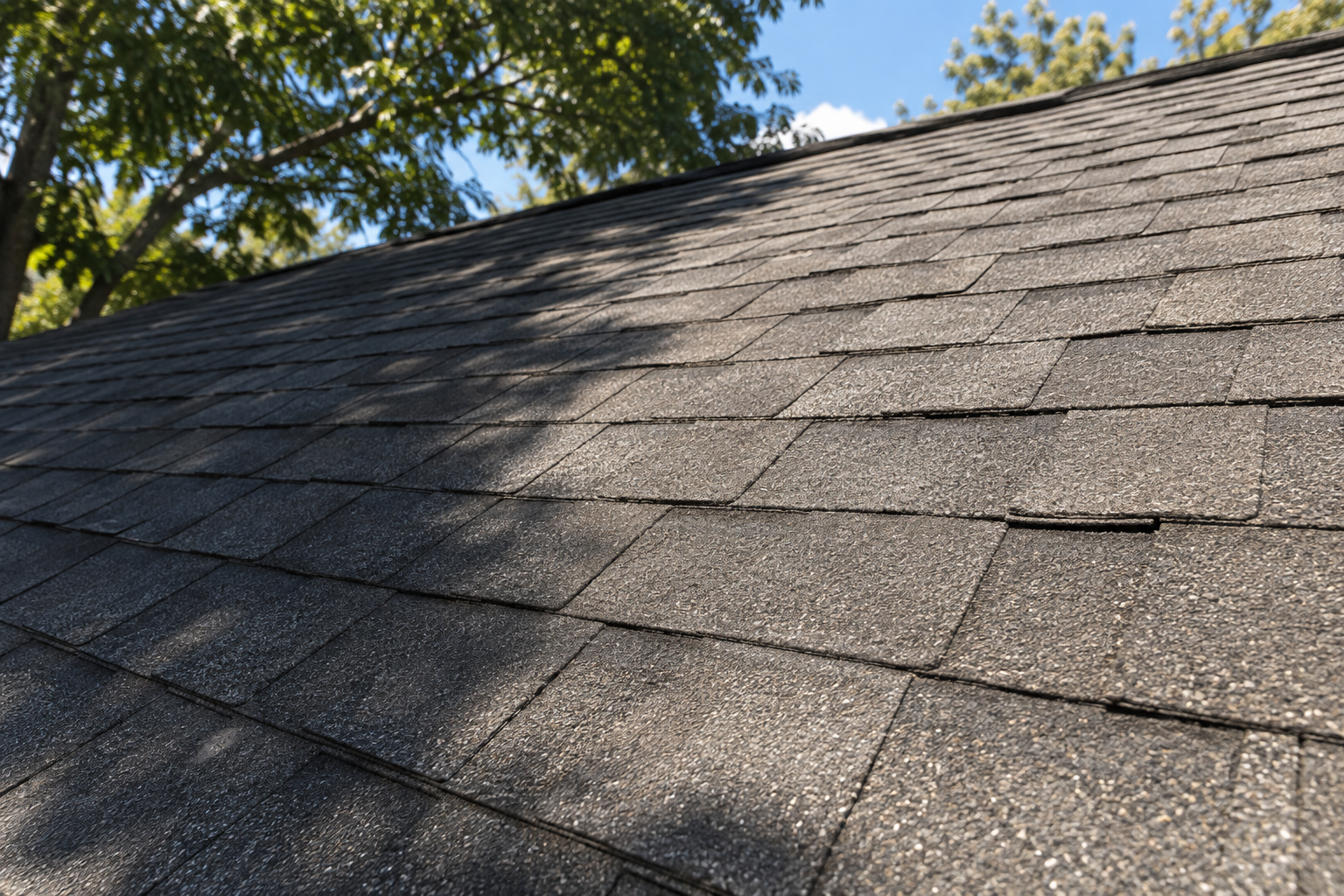
As the shingle becomes drier and stiffer, it may have more difficulty responding to normal roof movement. That can contribute to visible signs such as:
- Increased granule loss.
- Rough or scaly-looking surfaces.
- Uneven fading or bare areas.
- Lifted, curled, or cupped edges.
- Cracks or splits.
These signs can have more than one cause, so they should not be diagnosed from a photograph alone. A hands-on assessment provides the context needed to understand whether the wear is minor, repairable, suitable for rejuvenation, or too advanced.
UV Exposure and Heat Work Together
Sunlight exposes shingles to ultraviolet radiation. The granule layer provides protection, but it is not a perfect shield, and every roof loses some granules as it ages.
Roof Maxx’s current guidance explains that UV exposure can break down the oils that help asphalt remain flexible. Heat can make the loss and oxidation process occur faster. Once the asphalt becomes drier, granules may release more easily, exposing more of the underlying material to sunlight.
This does not mean that a roof will suddenly fail during a heat wave. The more useful way to think about the process is cumulative exposure: sun and heat add stress over time, and the roof’s materials, color, orientation, ventilation, design, and maintenance history all influence the result.
Daily Temperature Changes Add Stress
A roof surface can heat in direct sun and cool again after sunset, cloud cover, rain, or seasonal temperature changes. Asphalt shingles and the materials beneath them expand and contract as temperatures change.
Flexible shingles are better able to accommodate ordinary movement. As shingles age and stiffen, repeated movement may contribute to lifted edges, curling, cracking, or loss of adhesion. The amount of stress is not identical on every roof.
Important differences include:
- Roof orientation: Slopes receiving longer periods of direct sun may weather differently from shaded slopes.
- Shingle color and reflectance: Darker surfaces generally absorb more solar energy than lighter, more reflective surfaces.
- Roof pitch and design: Geometry changes the angle and duration of solar exposure.
- Shade: Trees and nearby structures can create large differences between roof sections.
- Material condition: A newer flexible shingle responds differently from one that is already dry and brittle.
That is why one side of a roof can sometimes appear older than another, even though both sections were installed at the same time.
Hot Climate Does Not Mean One Simple Cause
Local climate matters, but it is only one part of roof life. NRCA explains that actual roof lifespan depends on several factors, including climate and environmental conditions, design, material quality and suitability, installation, and maintenance.
Central Virginia roofs experience strong summer sun, warm and humid weather, thunderstorms, heavy rain, and seasonal temperature swings. Those conditions can interact rather than act alone. Heat affects the asphalt, while wind, moisture, debris, foot traffic, drainage problems, and installation details may create additional wear.
Avoid assuming that every faded or older roof has heat damage. The goal of an evaluation is to separate normal appearance changes from conditions that affect performance.
Signs Homeowners Can Watch from the Ground
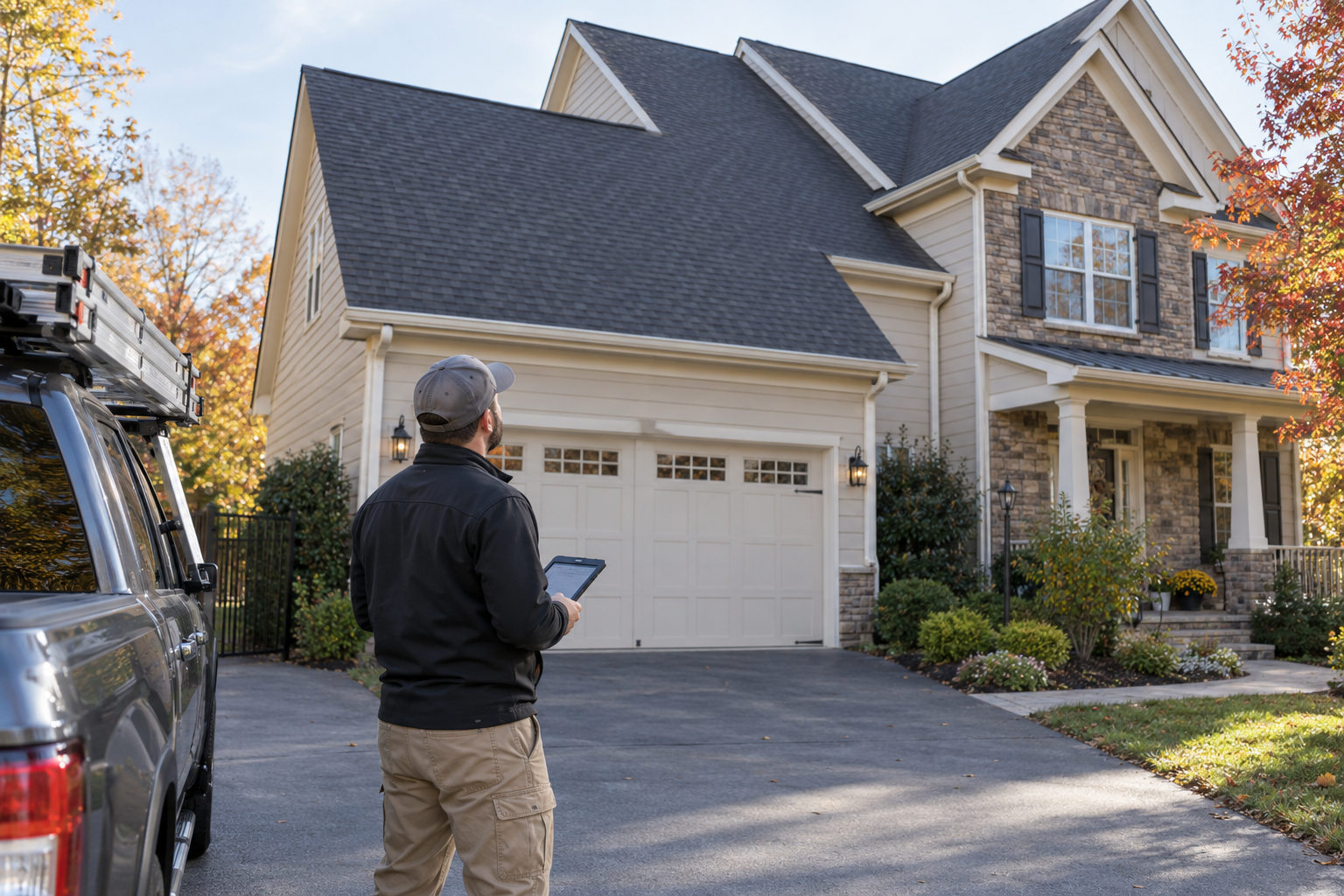
You do not need to climb onto the roof to notice early warning signs. In fact, homeowners should stay off steep or unfamiliar roof surfaces and use a professional for close inspection.
From the ground, a window, or another safe location, look for:
- Uneven fading between roof slopes.
- Dark or bare-looking patches where granules appear thin.
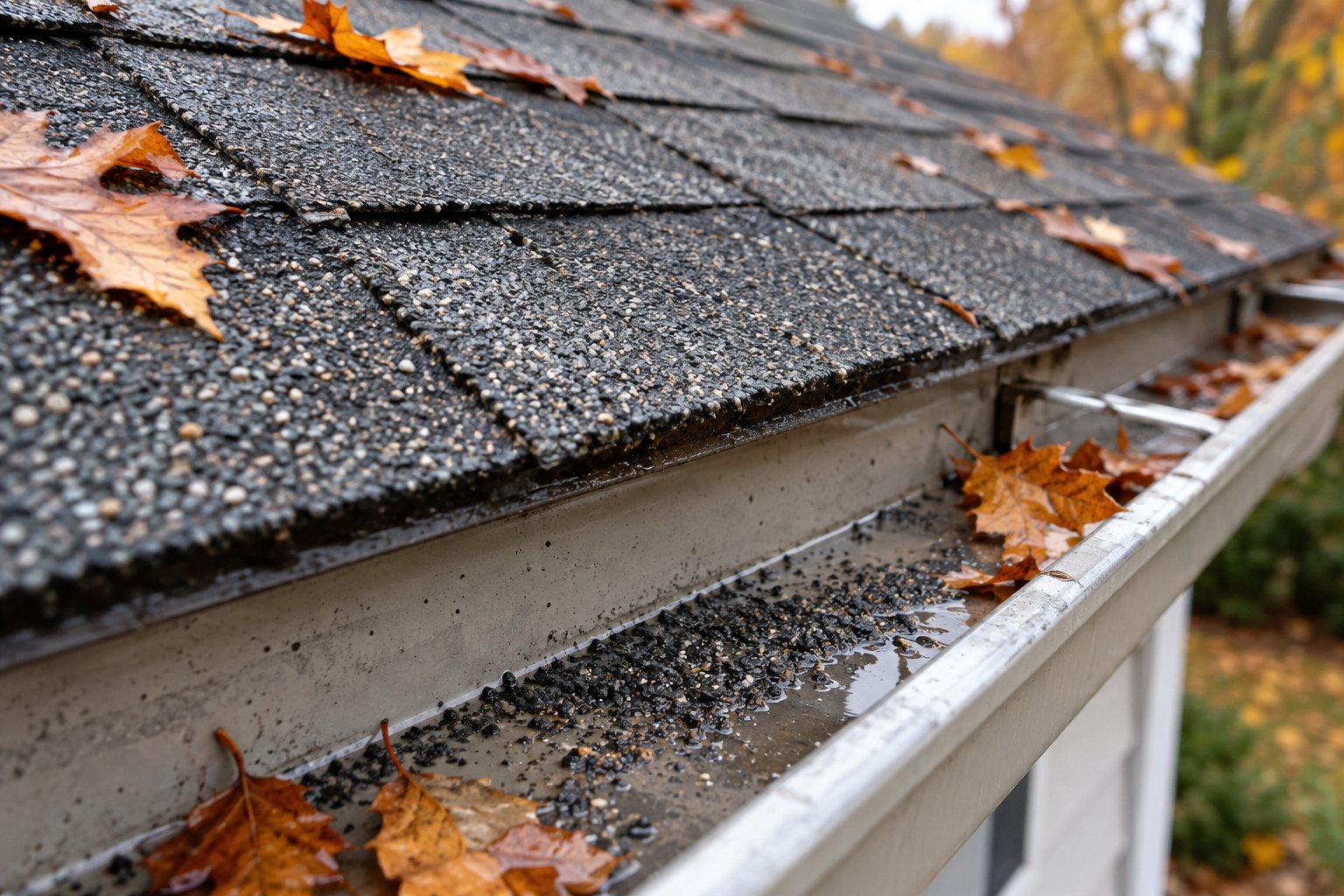
- Excess granules collecting near downspouts.
- Shingle edges that appear lifted, curled, or cupped.
- Cracked, displaced, or missing shingles.
- Debris that may be trapping moisture or blocking drainage.
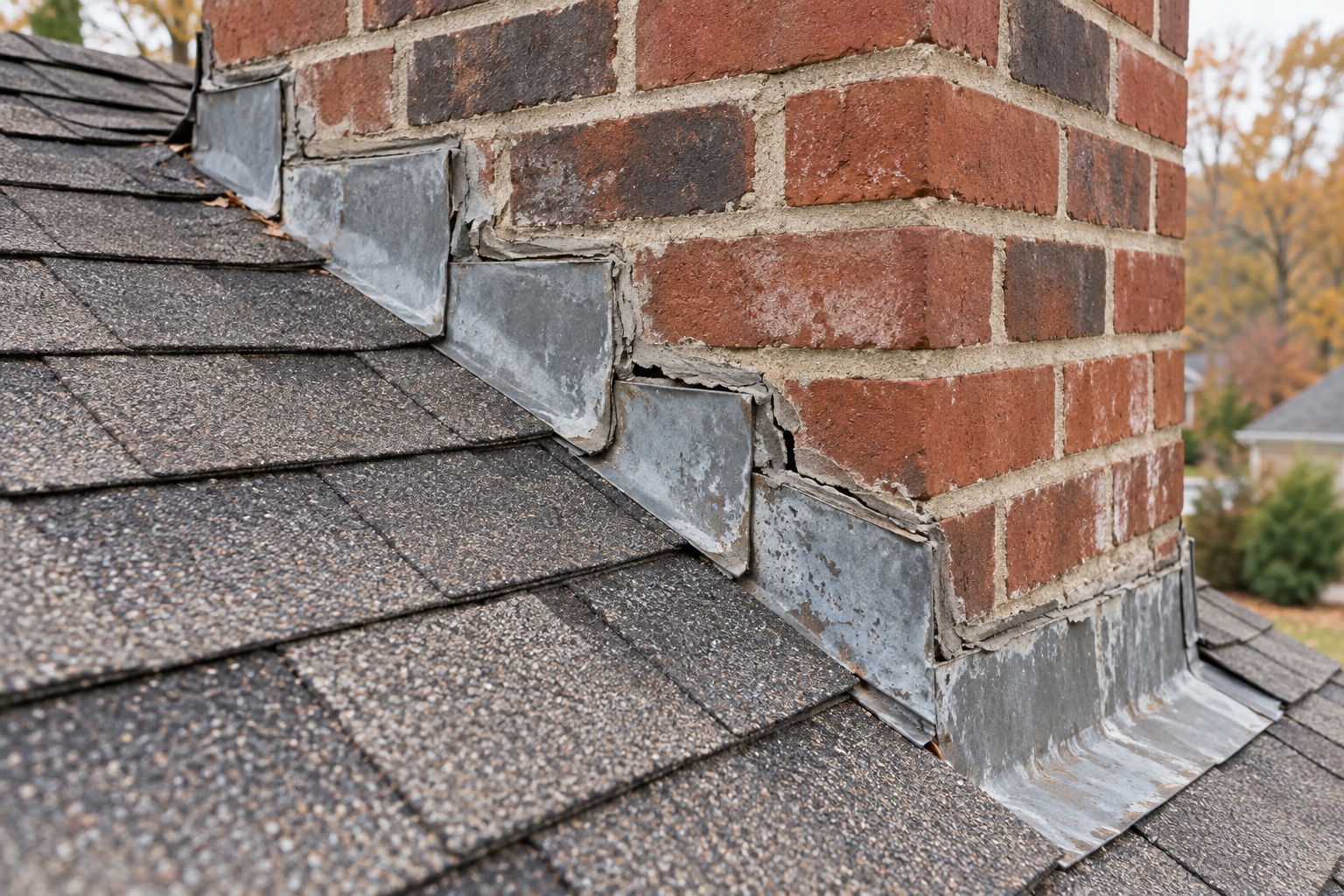
- Staining or damage near flashing, vents, chimneys, and valleys.
One visible symptom does not automatically mean the whole roof needs replacement. A small area of damage may call for a focused repair, while widespread brittleness, cracking, or structural problems may point to a larger need.
Maintenance Can Protect Useful Roof Life
Roof longevity starts with understanding what is happening before damage spreads. Practical maintenance steps include:
- Scheduling periodic professional roof assessments.
- Addressing damaged shingles, loose flashing, and exposed fasteners promptly.
- Keeping gutters and downspouts clear so water can drain properly.
- Removing roof debris using safe, manufacturer-appropriate methods.
- Monitoring granule loss and changes in shingle shape.
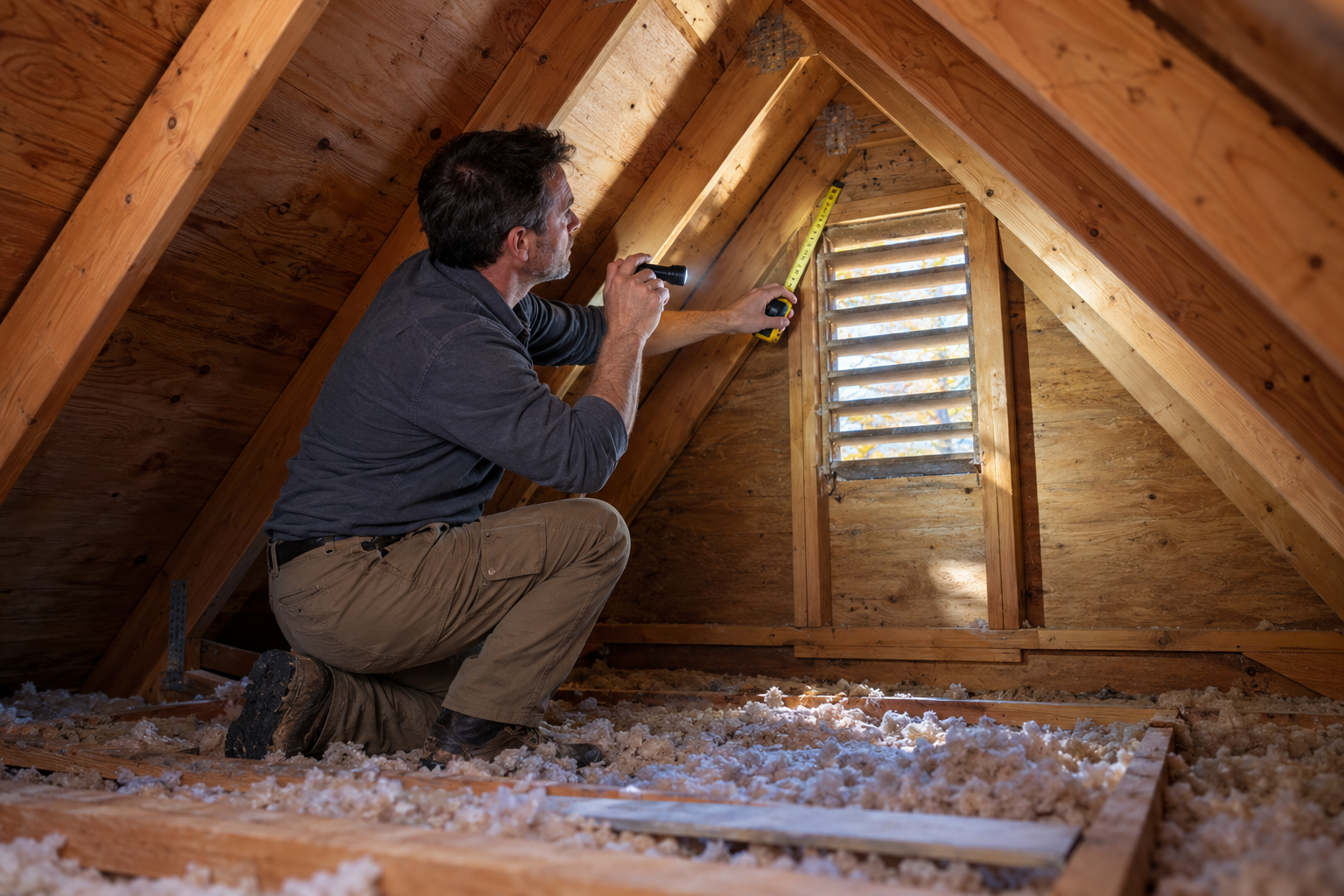
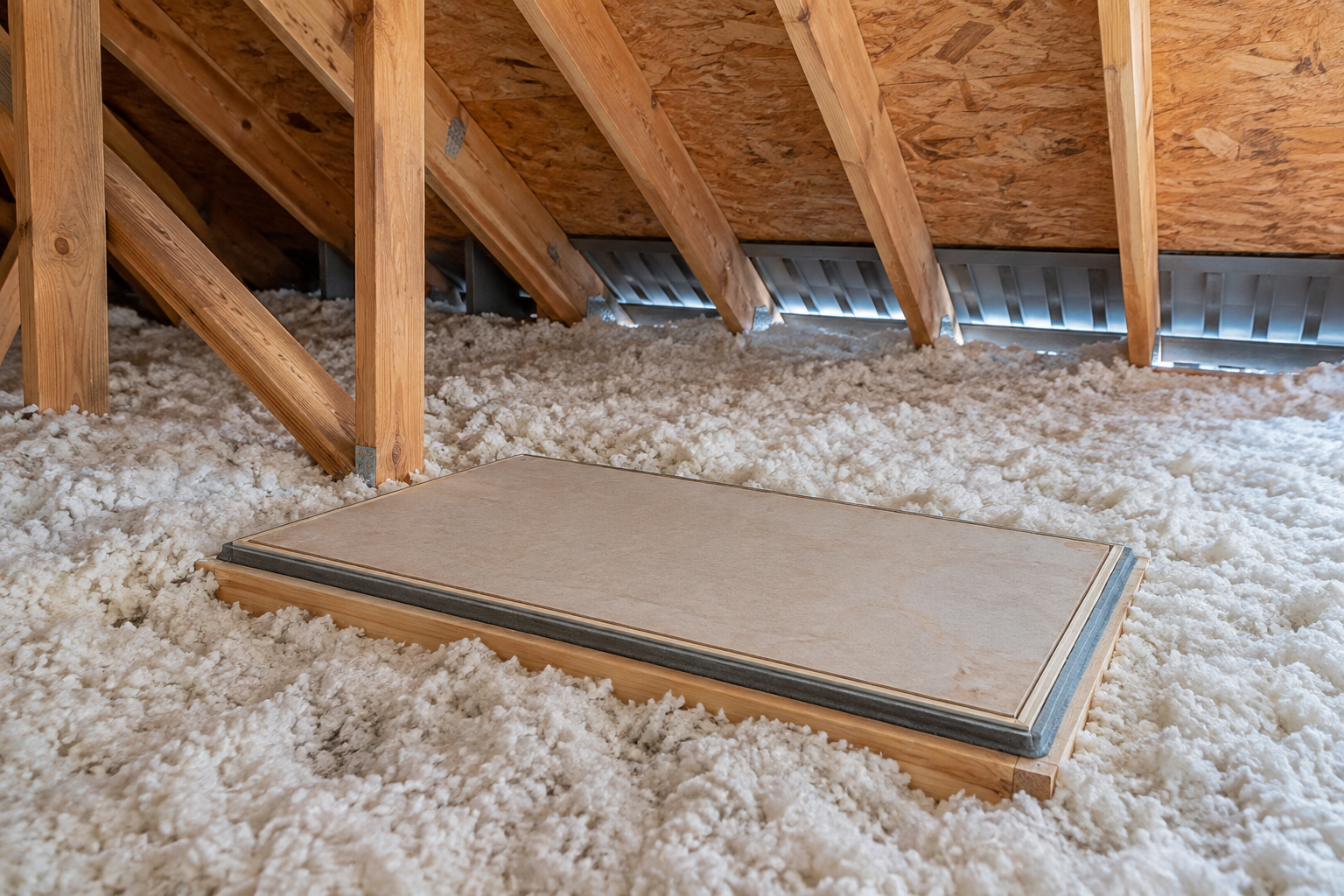
- Checking attic and roof ventilation as part of the broader roof system.
Maintenance cannot make every roof last indefinitely. It can, however, help homeowners find small concerns earlier and make better decisions about the roof they already own.
Where Roof Maxx May Fit
Roof Maxx is intended for asphalt or composite shingles that are aging but remain structurally sound. The treatment is designed to restore flexibility to qualifying shingles by replenishing lost oils.
That qualification matters. Roof Maxx is not a patch for active leaks, rotted decking, widespread shingle failure, structural damage, or a roof that has reached the end of its serviceable condition. Those concerns may require repair or replacement.
A Roof Maxx assessment examines the roof before treatment is recommended. The goal is to identify whether rejuvenation is an appropriate roof-longevity step—not to force every roof into the same solution.
For a qualifying roof, timely rejuvenation may help the homeowner get more useful life from existing shingles and avoid replacing them prematurely. For a roof that does not qualify, an honest recommendation should explain the next responsible step.
Why Earlier Evaluation Creates More Options
Waiting until shingles are missing, severely curled, or widely cracked can reduce the number of practical maintenance choices. An earlier assessment can document current wear, identify repairable details, and show whether the shingles still have enough structural integrity for rejuvenation.
This is especially useful when homeowners do not know the exact age of the roof. Permits and previous-owner records may provide clues, but present condition remains important. Two roofs of the same age can weather differently because of sun exposure, material, installation, ventilation, shade, and maintenance history.
The best time to understand those differences is before an emergency or interior leak forces a rushed decision.
Schedule a Roof-Longevity Assessment
If your asphalt roof has spent years under Central Virginia sun, do not assume that age alone determines the answer. A professional assessment can help explain the visible wear and determine whether maintenance, repair, Roof Maxx rejuvenation, or replacement fits the roof’s actual condition.
Roof Maxx of Midlothian helps homeowners protect the roof they already have and make informed decisions about its remaining useful life. Schedule a free roof assessment at richmondroofrejuvenation.com.