
Roof Restoration Blog | Richmond VA & Central Virginia
What “Science and Proven Results” Mean for Roof Rejuvenation
Homeowners hear plenty of roofing claims. Some promise longer life, better protection, or improved performance. The useful question is not whether a claim sounds impressive. It is whether the claim is tied to something measurable.
Roof rejuvenation is no exception. Roof Max describes its plant-based treatment as a way to replenish oils that asphalt shingles lose as they age. To understand what that means, it helps to look at the material characteristics being tested, the methods used, and the limits of what any laboratory result can tell you about one particular roof.
What Should Homeowners Look for in Roofing Evidence?
Good evidence starts with a clear question. Instead of asking whether a product “works” in a general sense, testing should identify the specific performance characteristic being measured.
For asphalt shingles, those questions may include:
- Does the material remain flexible after treatment?
- Does treatment change how water vapor moves through the shingle?
- How does the material respond to controlled impact?
- Does treatment affect tested fire behavior?
- Are the methods and comparison groups clearly described?
This approach matters because one test does not prove everything. Flexibility testing answers a different question from fire testing, and laboratory testing is different from deciding whether an existing roof is eligible for treatment.
Flexibility Is a Measurable Material Property
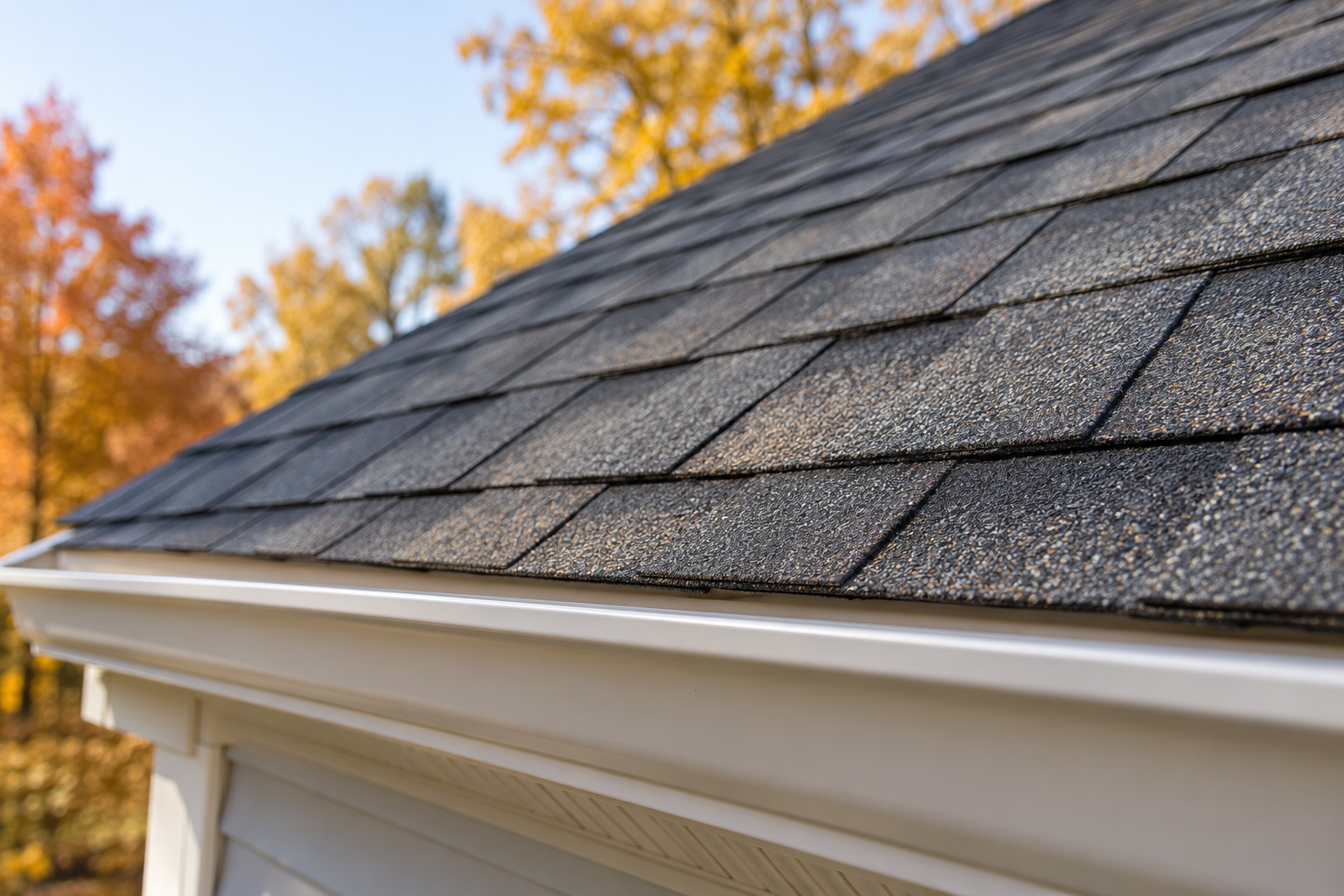
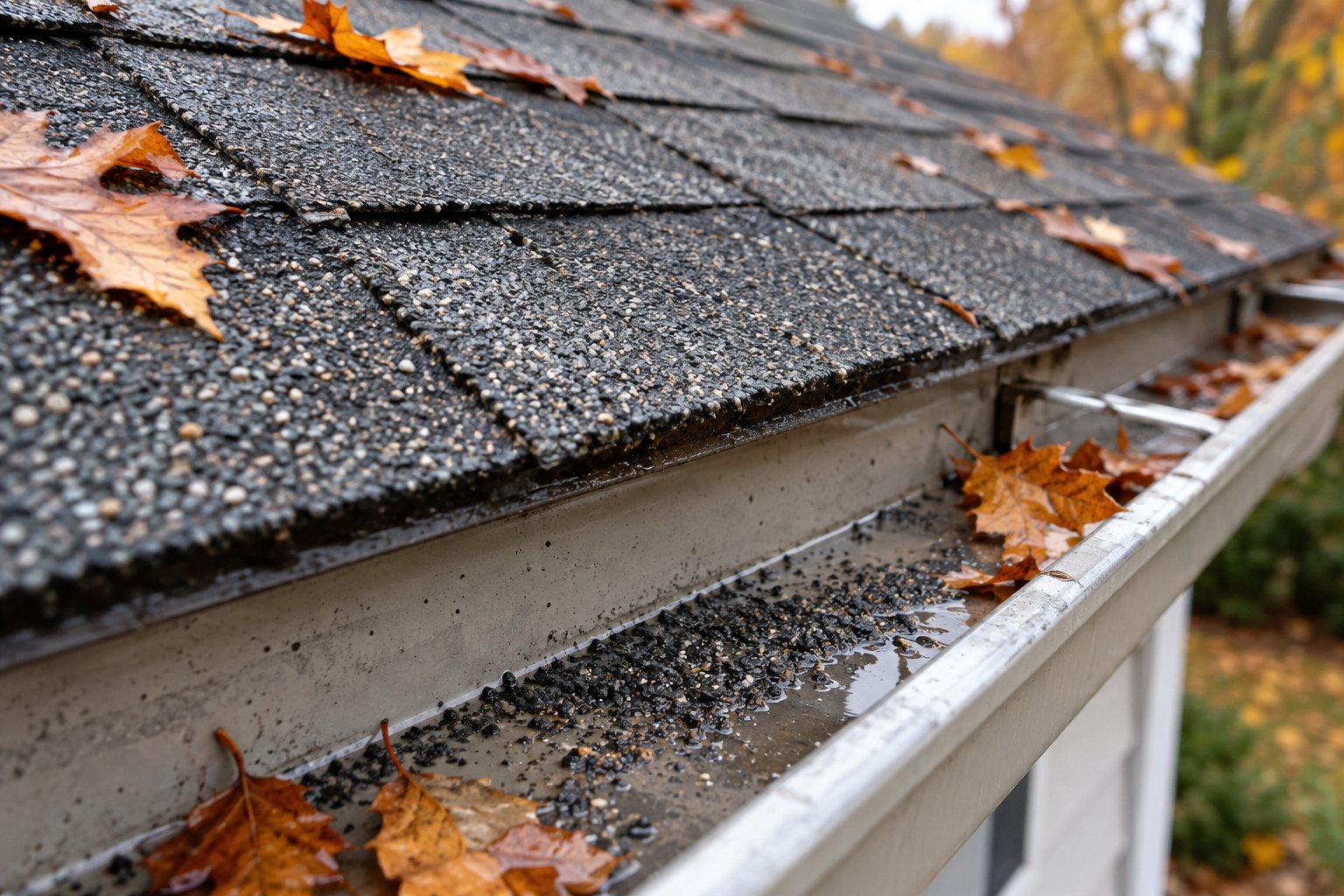
Asphalt shingles naturally lose oils over time. As that happens, the material can become less flexible and more vulnerable to cracking during normal movement, weather exposure, or handling.
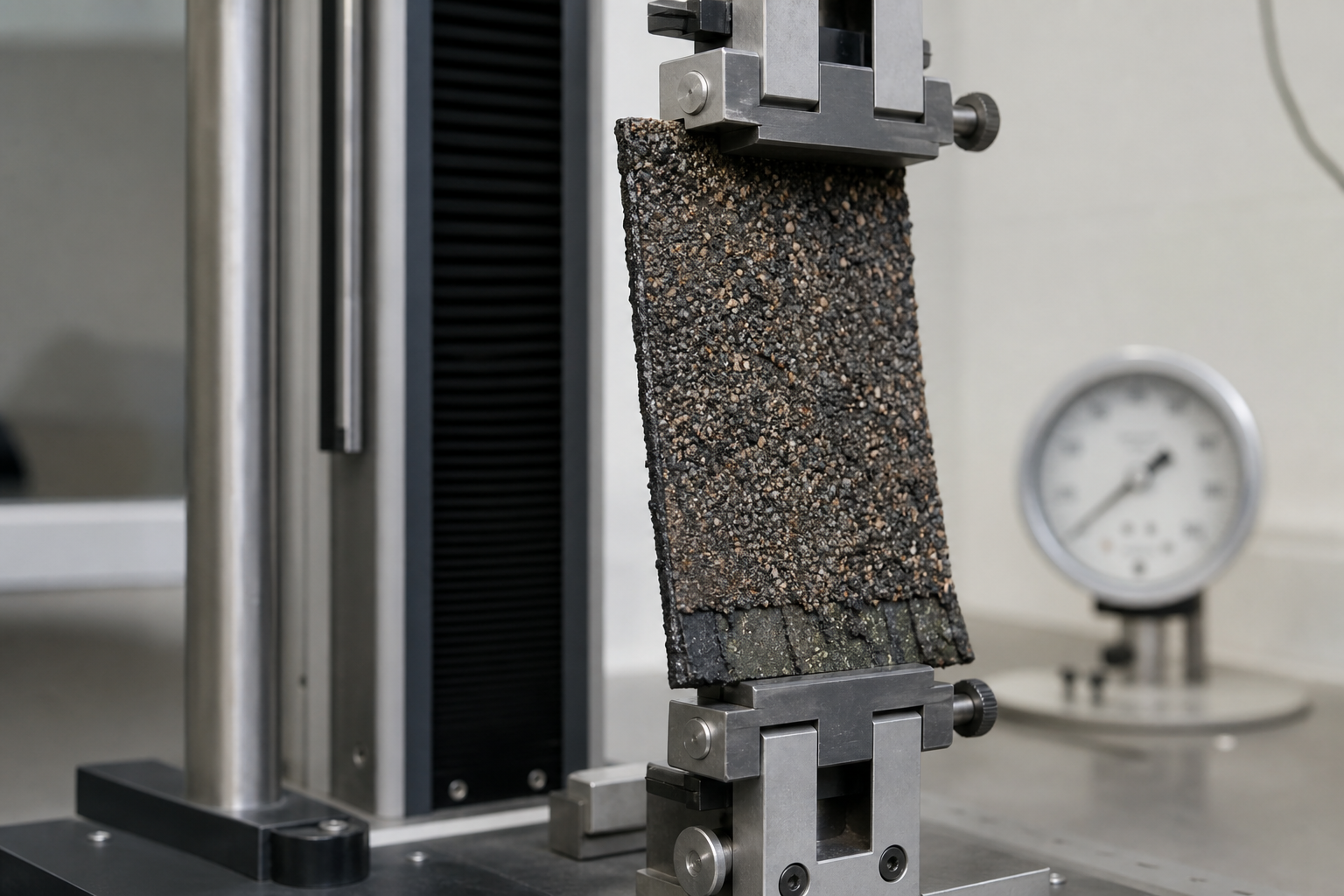
Roof Max’s published materials say its treatment is intended to penetrate the asphalt layer and restore some of those lost oils. Flexibility testing can then compare how treated and untreated shingle samples respond under controlled conditions.
That distinction is important. The goal is not to make an old roof look new in a laboratory. The goal is to measure whether the treated shingle can bend and move more readily without breaking.
Roof Max also provides a five-year flexibility warranty for qualifying treated roofs. The company’s warranty states that treated shingles are guaranteed to remain flexible and serviceable for five years, subject to its terms, exclusions, and eligibility requirements. That warranty is a practical commitment, but it is not a promise against every possible roofing problem.
Water-Vapor Permeance Can Be Tested Under a Standard Method
One publicly available Roof Max report describes testing performed on 17-year-old three-tab shingles. Half of the shingles were treated, while the other half served as an untreated control. After drying, samples were sent to an independent accredited laboratory for testing under ASTM E96, a standard method used to measure water-vapor transmission through materials.
The report describes a potential reduction of up to 70% in water-vapor permeance for the treated samples compared with the control samples.
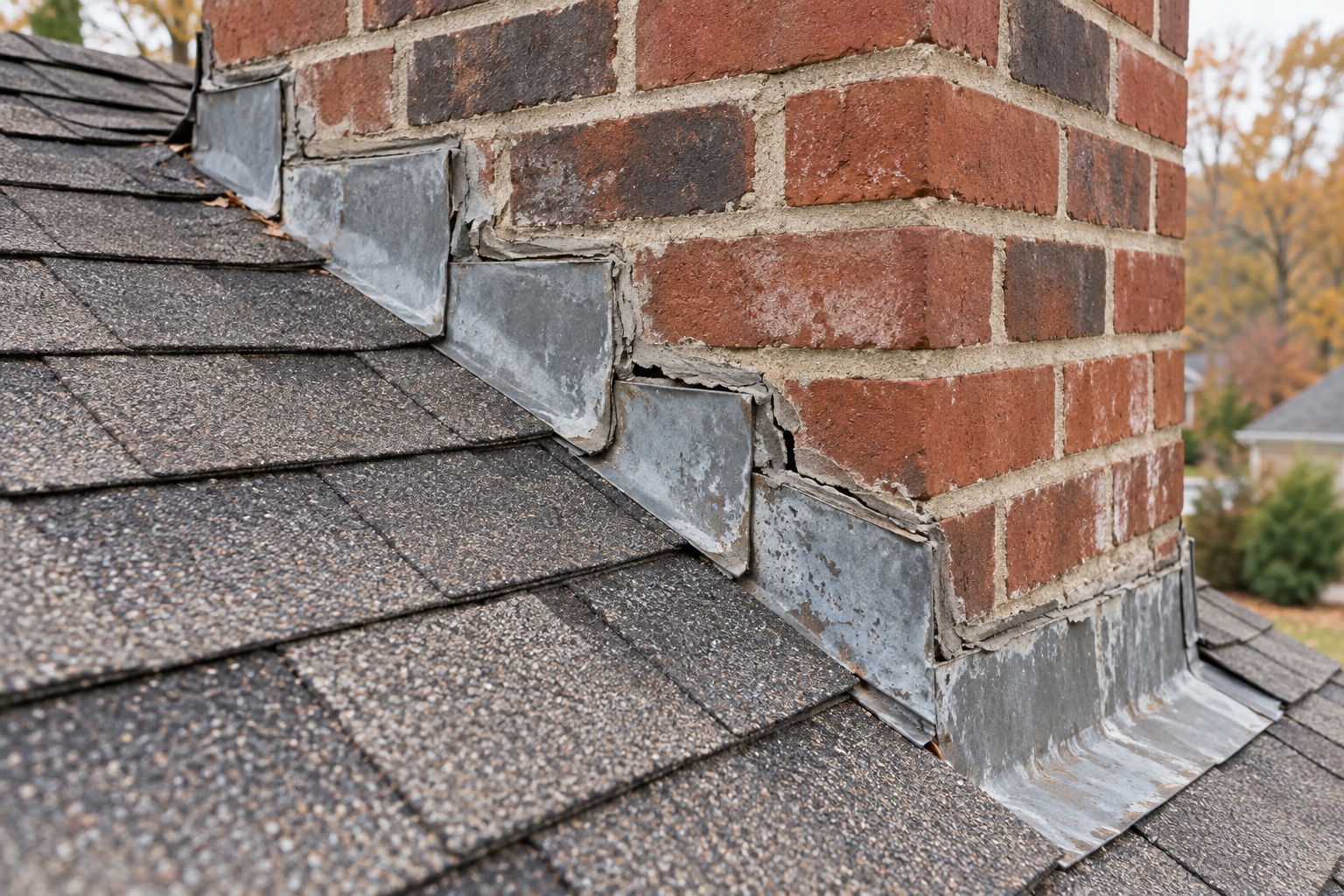
That result should be read carefully. It describes the samples, preparation, and conditions in that particular report. It does not mean every treated roof will produce an identical percentage, and it does not turn a roof treatment into a leak sealant. Water entering through missing shingles, failed flashing, punctures, or structural defects still requires proper repair.
Impact and Fire Testing Address Different Questions
Roof Max also publishes summaries of impact and fire testing.
Its hail-impact summary reports a smaller average depression in treated shingles than in untreated shingles under the described test conditions. That type of testing examines how a material responds to a controlled impact. It does not make a roof storm-proof, and it does not replace an inspection after severe weather.
The company’s fire-testing materials discuss testing under ASTM E108, a method used to evaluate fire characteristics of roof coverings. Fire testing is about whether treatment changes tested fire performance; it is not a general claim that a roof cannot burn.
These distinctions are exactly why the test method, samples, conditions, and stated conclusion matter. A responsible reading focuses on what was actually measured.
A Biobased Label Is Not the Same as a Performance Guarantee
Roof Max is identified as a USDA Certified Biobased Product. The USDA BioPreferred Program explains that certified biobased content is verified through third-party testing.
That label provides information about the product’s biobased content. It should not be confused with a roofing-performance guarantee or a USDA endorsement of every performance claim. Product composition, laboratory performance, roof eligibility, and warranty coverage are related topics, but they are not interchangeable.
What Laboratory Results Cannot Decide
Controlled testing is useful because it isolates specific variables. A roof in Midlothian or Richmond, however, has its own installation history, ventilation, storm exposure, maintenance record, and existing damage.
Laboratory results cannot determine whether a roof has:
- Active leaks or failed flashing
- Soft or damaged roof decking
- Missing, cracked, or severely deteriorated shingles
- Installation defects
- Conditions outside the treatment’s eligibility requirements
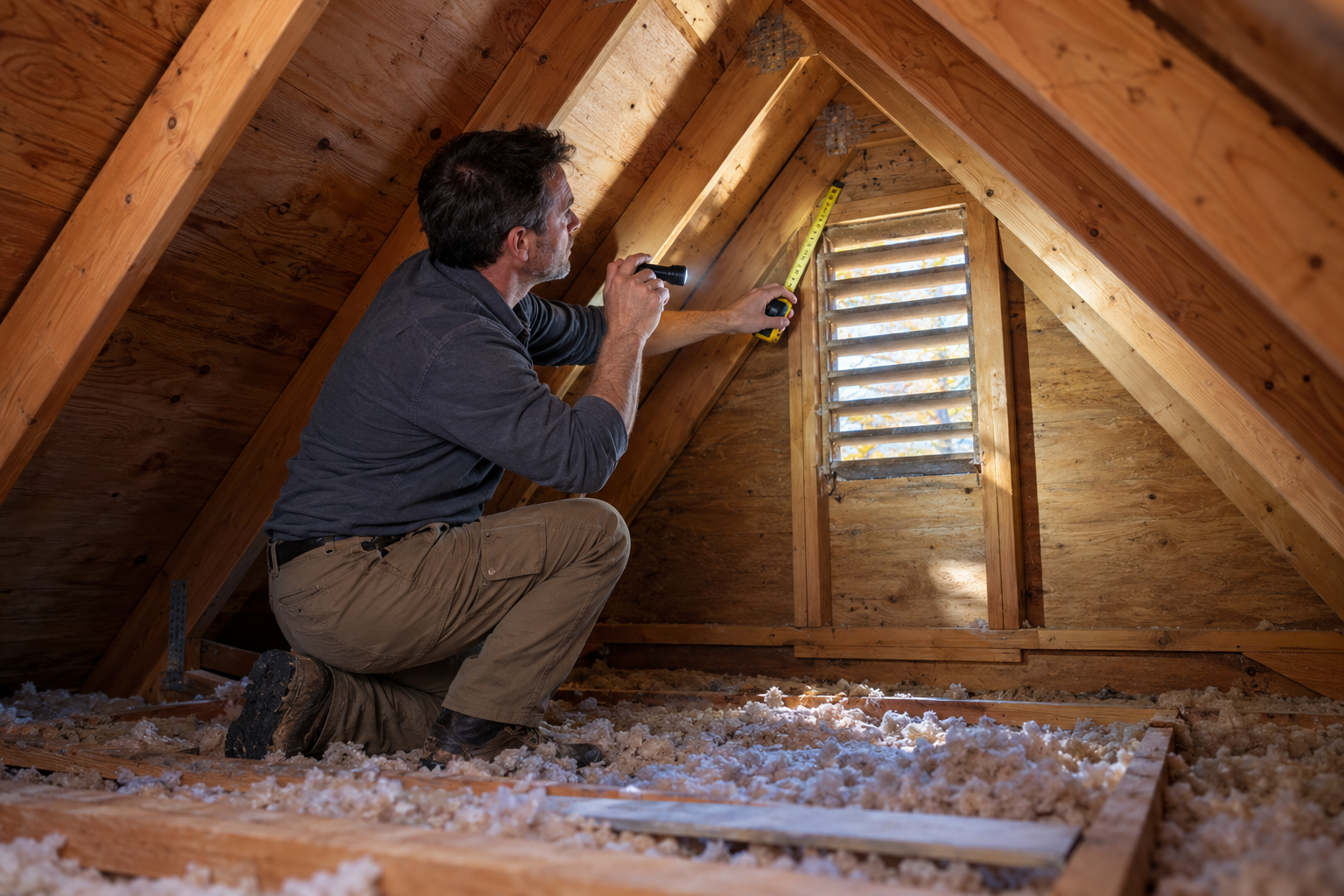
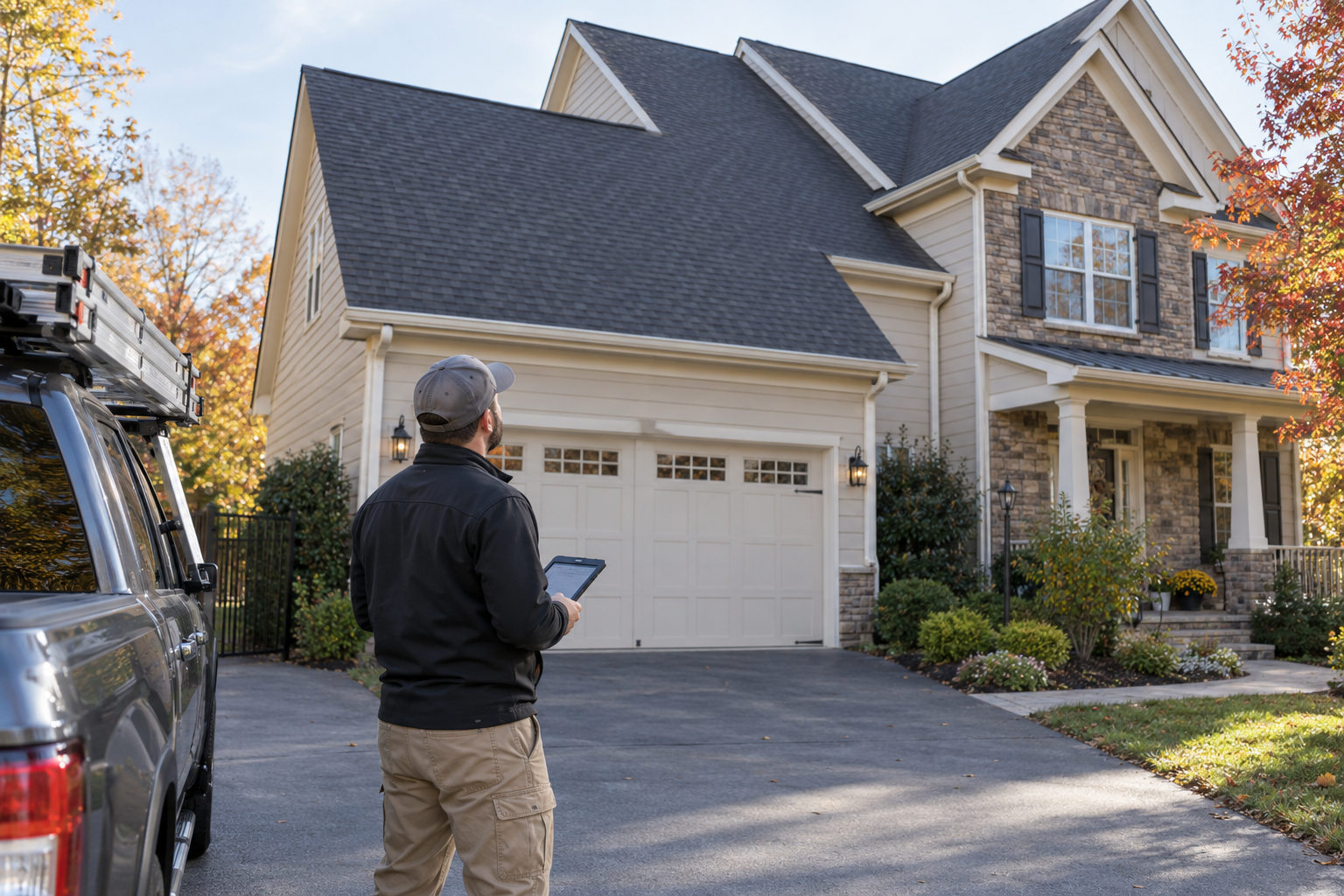
That is why an on-roof assessment remains essential. A professional should first determine whether the roof is structurally sound, whether repairs are needed, and whether the shingle condition is appropriate for rejuvenation.
Why This Matters in Central Virginia
Central Virginia roofs experience summer heat, humidity, heavy rain, wind, and seasonal temperature changes. Those conditions make it especially important to separate a measurable treatment benefit from a broad marketing promise.
For a qualifying asphalt roof, Roof Max may provide a maintenance option designed around restored shingle flexibility. For a roof with leaks, structural problems, or advanced deterioration, repair or replacement may be the appropriate path.
The best next step is not to assume. It is to have the roof evaluated and ask direct questions:
- What condition is being assessed?
- What does the treatment address?
- What does it not repair?
- Which warranty terms apply?
- What published testing supports the specific claim?
Request a Roof Assessment
If you own a home in Midlothian, Richmond, or a nearby Central Virginia community, Roof Max can assess whether your asphalt roof may qualify for rejuvenation.
Visit richmondroofrejuvenation.com to request an assessment and get a condition-specific recommendation for your roof.