
Roof Restoration Blog | Richmond VA & Central Virginia
Bubbling Paint Indoors Could Be a Moisture Warning
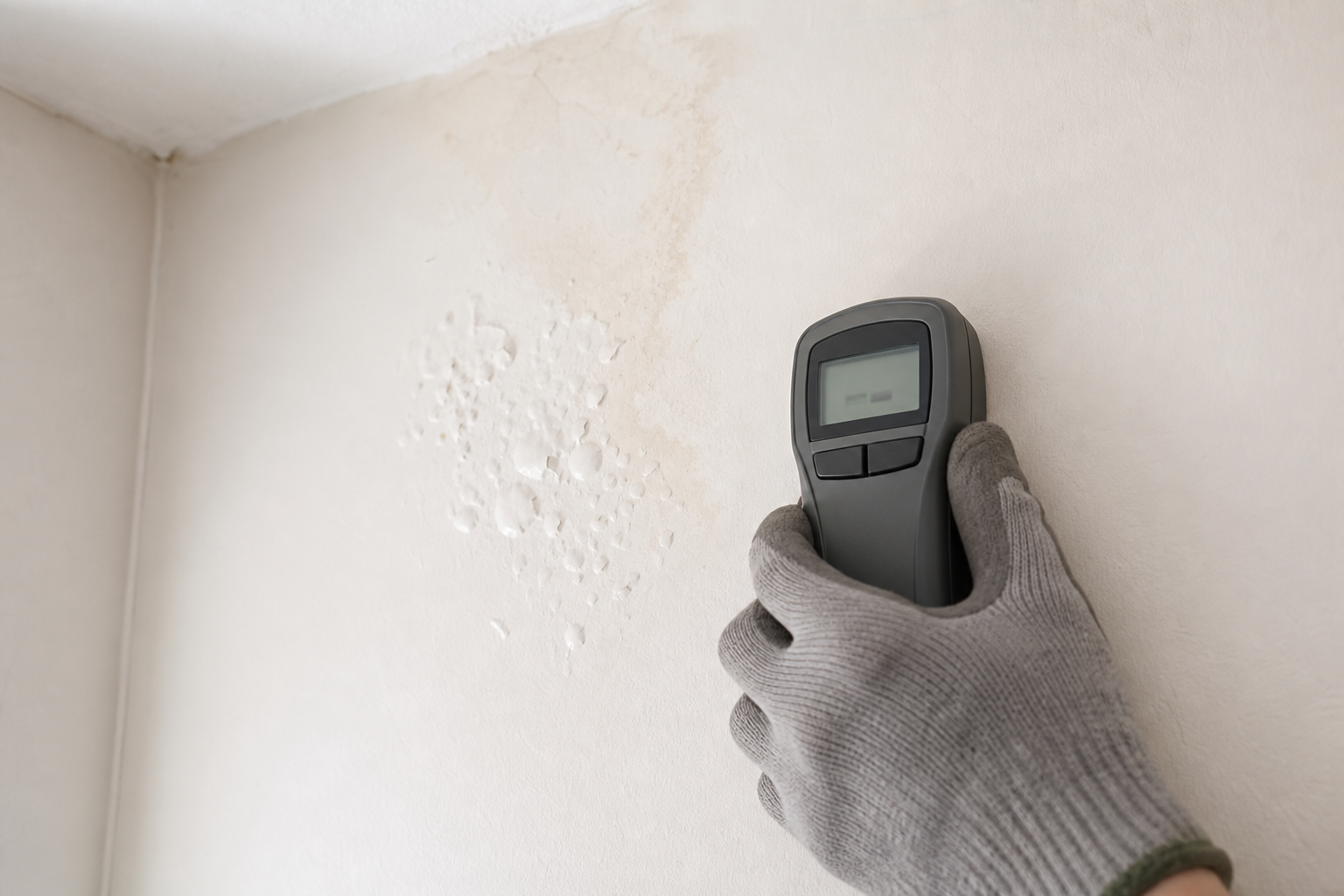
A bubble beneath interior paint may look like a small cosmetic problem. You might be tempted to scrape it smooth, add primer, and repaint the area.
Before reaching for a brush, look for the reason the paint lost its grip. Bubbling, buckling, or peeling paint can be a visible sign that moisture has reached the wall or ceiling assembly. If the moisture source remains, a new coat of paint may fail again while hidden materials continue to stay damp.
Moisture does not automatically mean the roof is leaking. Plumbing, condensation, indoor humidity, exterior-wall problems, and several other conditions can create similar symptoms. The important first step is to investigate rather than guess.
Why Paint Bubbles
Paint adheres best to a clean, stable, and dry surface. When water or water vapor reaches the material behind the finish, it can weaken the bond between the paint and the wall or ceiling. The finish may begin to blister, lift, crack, buckle, or peel.
Moisture is not the only possible cause. Heat, poor surface preparation, incompatible paint layers, contamination, or painting over a damp surface can also affect adhesion. However, bubbling accompanied by staining, softness, dampness, or a musty odor deserves prompt attention.
The U.S. Environmental Protection Agency advises homeowners to correct the underlying cause of damaged paint rather than repairing only the surface. EPA guidance specifically identifies indoor condensation and outside moisture, including roof leaks, as possible causes of paint damage.
Possible Sources of Indoor Moisture
Water can travel through building materials, along framing, or across the top of a ceiling before becoming visible. The damaged paint may therefore appear some distance from the actual entry point.
Common possibilities include:
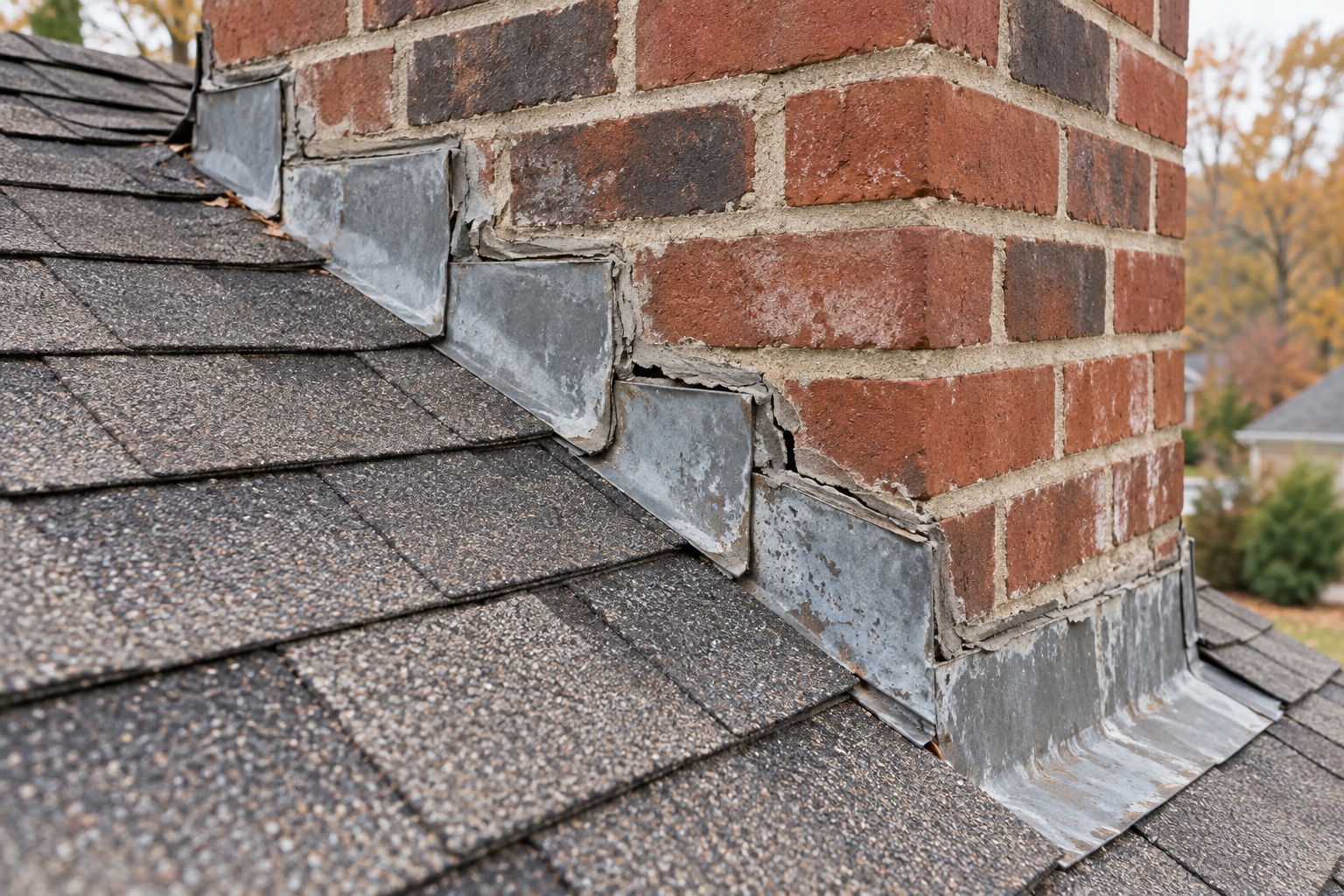
- A roof-covering or flashing problem
- Damaged seals around roof penetrations
- A plumbing supply or drain leak
- Condensation on cold pipes, ducts, or building surfaces
- Excessive indoor humidity
- Water entering around a window, door, siding joint, or exterior-wall penetration
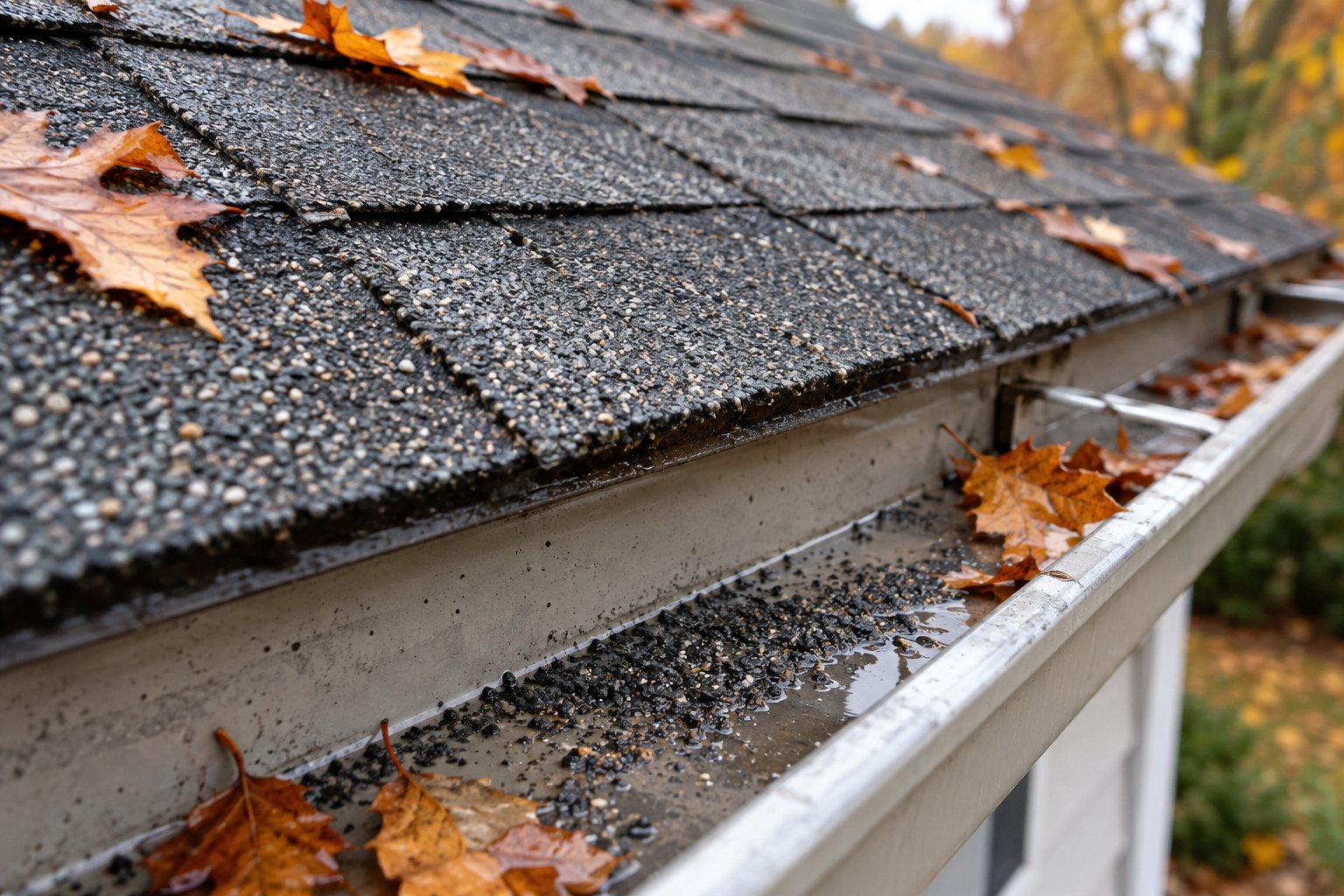
- An overflowing gutter or drainage problem
- Moisture trapped before the wall or ceiling was finished
This is why a single paint bubble cannot diagnose the source by itself. Location, timing, weather, nearby fixtures, and conditions above or behind the surface all provide useful clues.
When the Roof Should Be Investigated
A roof or flashing problem becomes more plausible when the paint damage:
- Appears on a ceiling or high on an exterior wall
- Develops below a roof valley, chimney, skylight, vent, or wall intersection
- Grows or darkens after rain
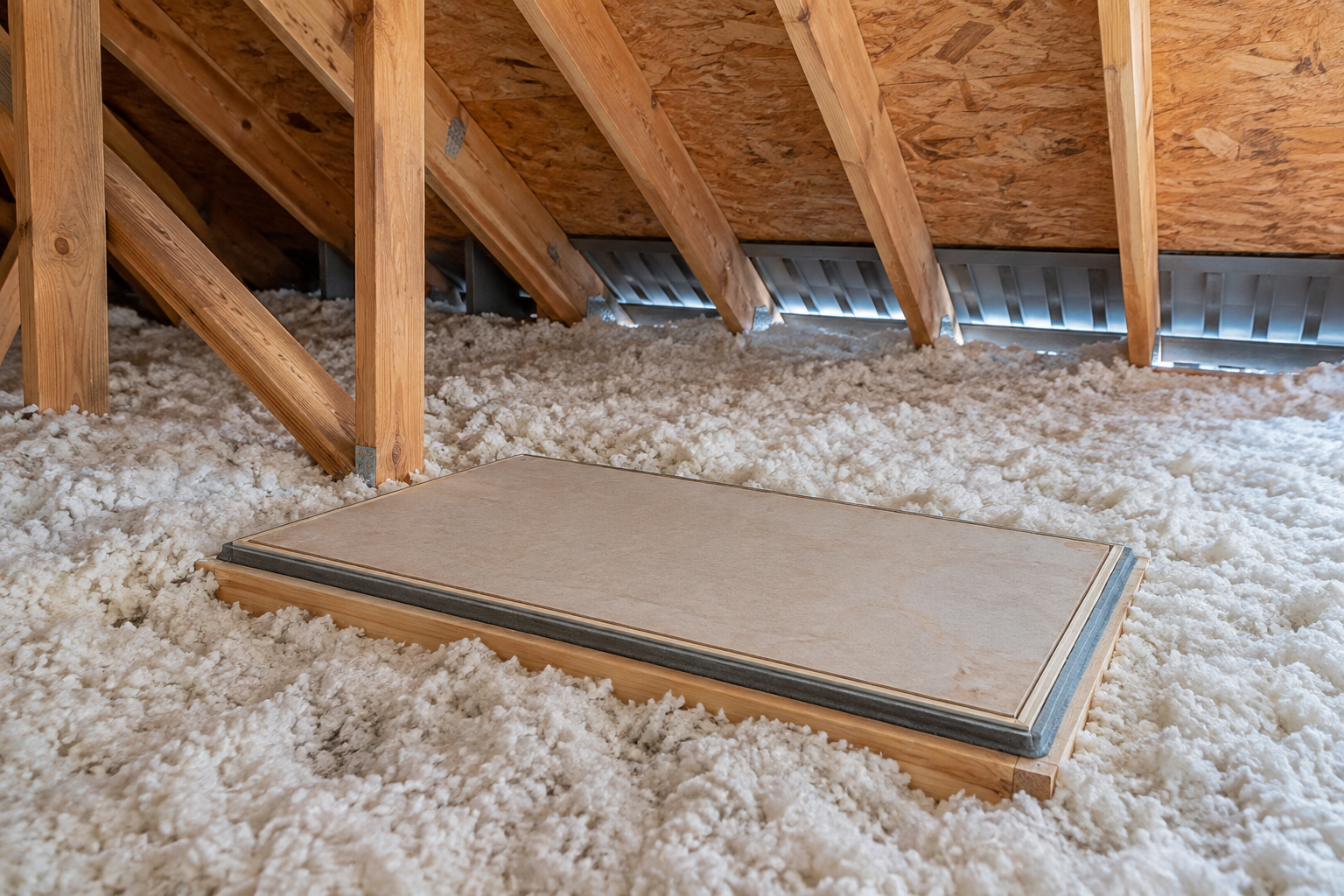
- Is accompanied by attic staining or damp insulation
- Appears after wind-driven rain or a strong storm
- Returns after the interior surface has been repaired
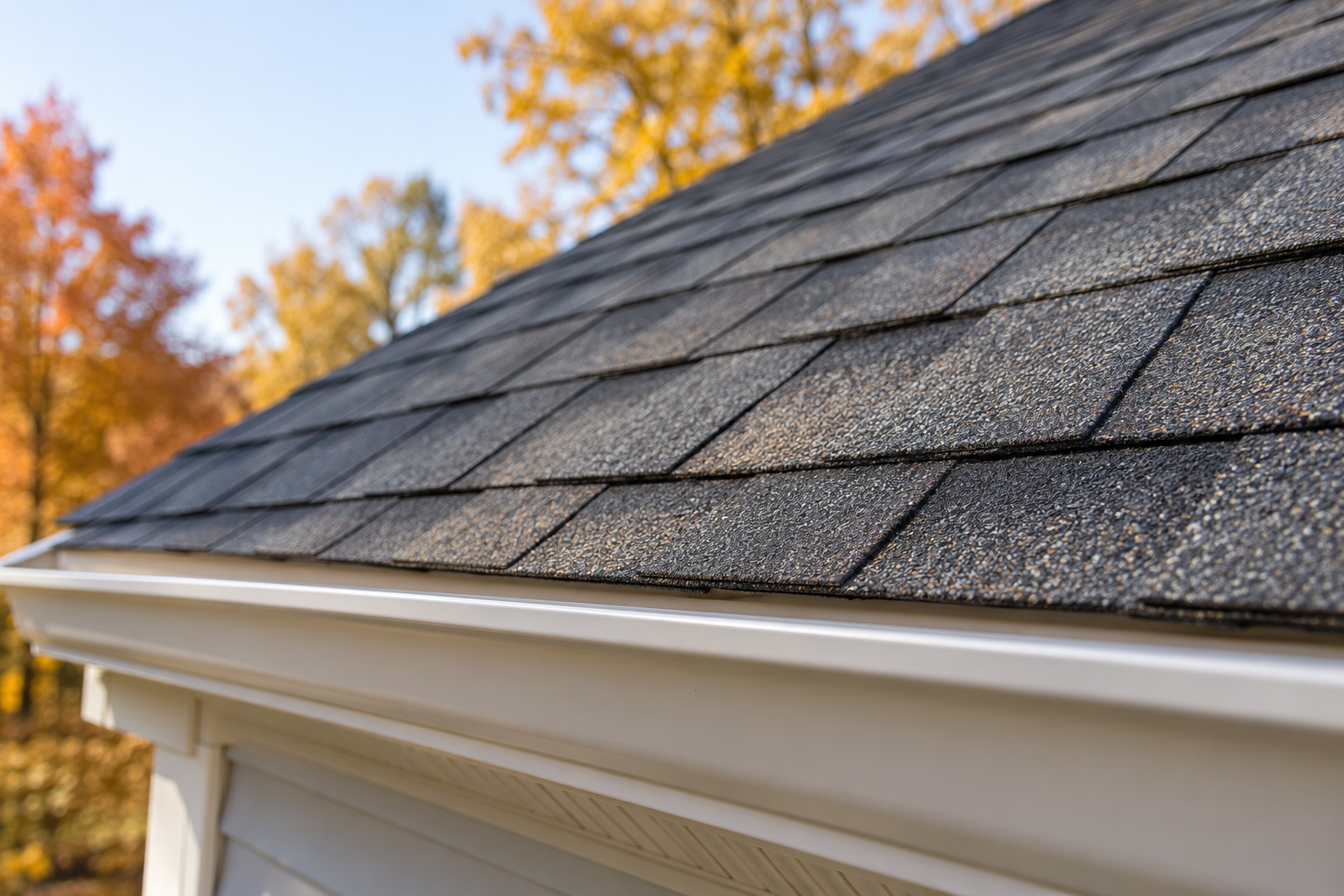
None of those clues proves that the shingles are the source. Water can enter at flashing, vents, fasteners, siding transitions, or other parts of the building envelope. A qualified inspection should consider the complete path that water may have taken.
Homeowners should not climb onto the roof to search for the problem. Wet or damaged roofing can be slippery and unsafe. Observations from the ground and accessible indoor areas can be documented for a professional.
What Homeowners Can Check Safely
Start by recording what you can see without disturbing the damaged surface.
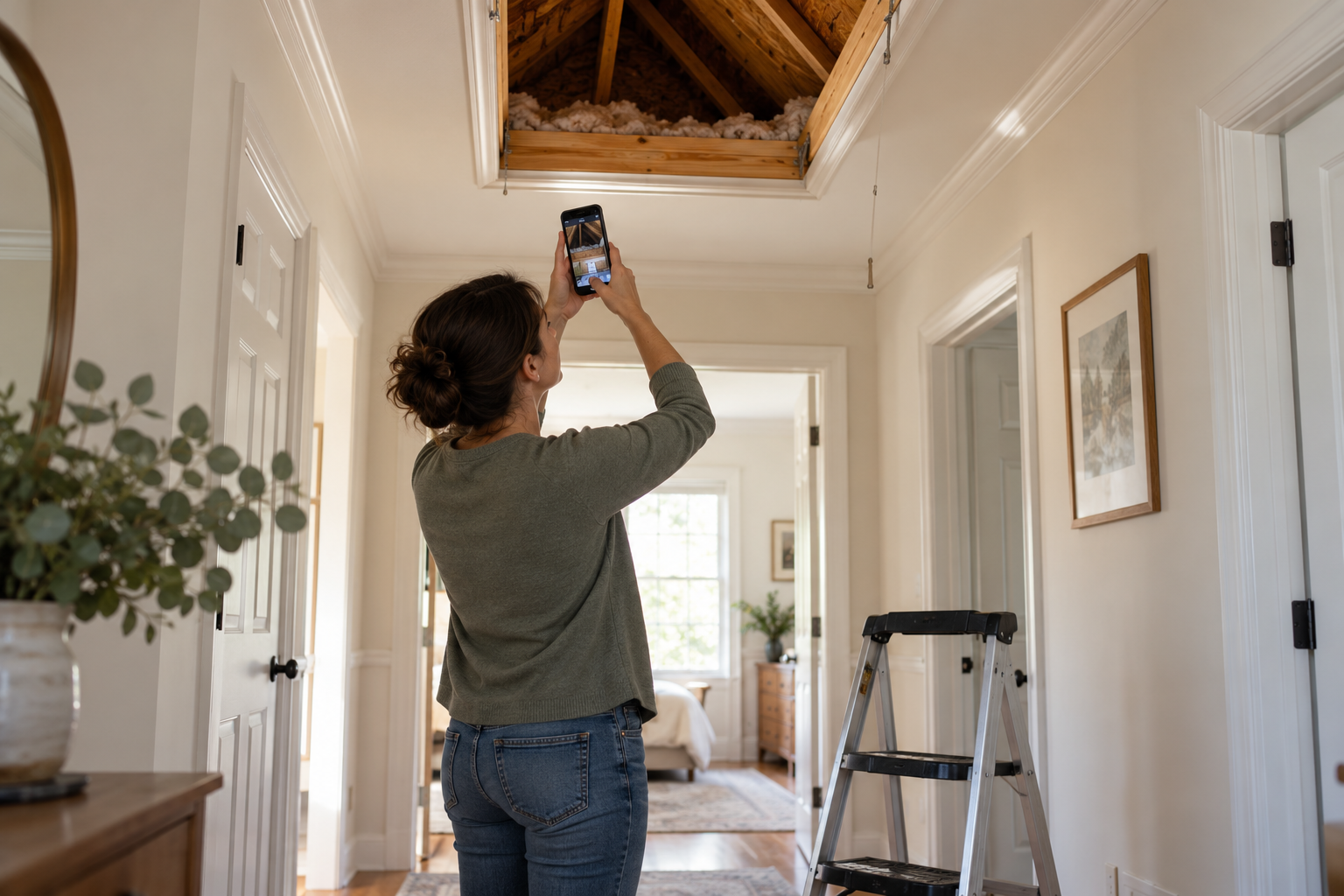
- Take clear photographs. Include a close view and a wider image showing where the spot is located in the room.
- Note the timing. Write down when the bubbling first appeared and whether it changes after rain, shower use, HVAC operation, or a period of high humidity.
- Look for nearby clues. Check for water stains, discoloration, soft drywall, cracked tape, damp trim, condensation, or a musty odor.
- Consider what is above or behind the area. A bathroom, supply pipe, drain, air-conditioning component, attic, roof penetration, or exterior wall may help narrow the possibilities.
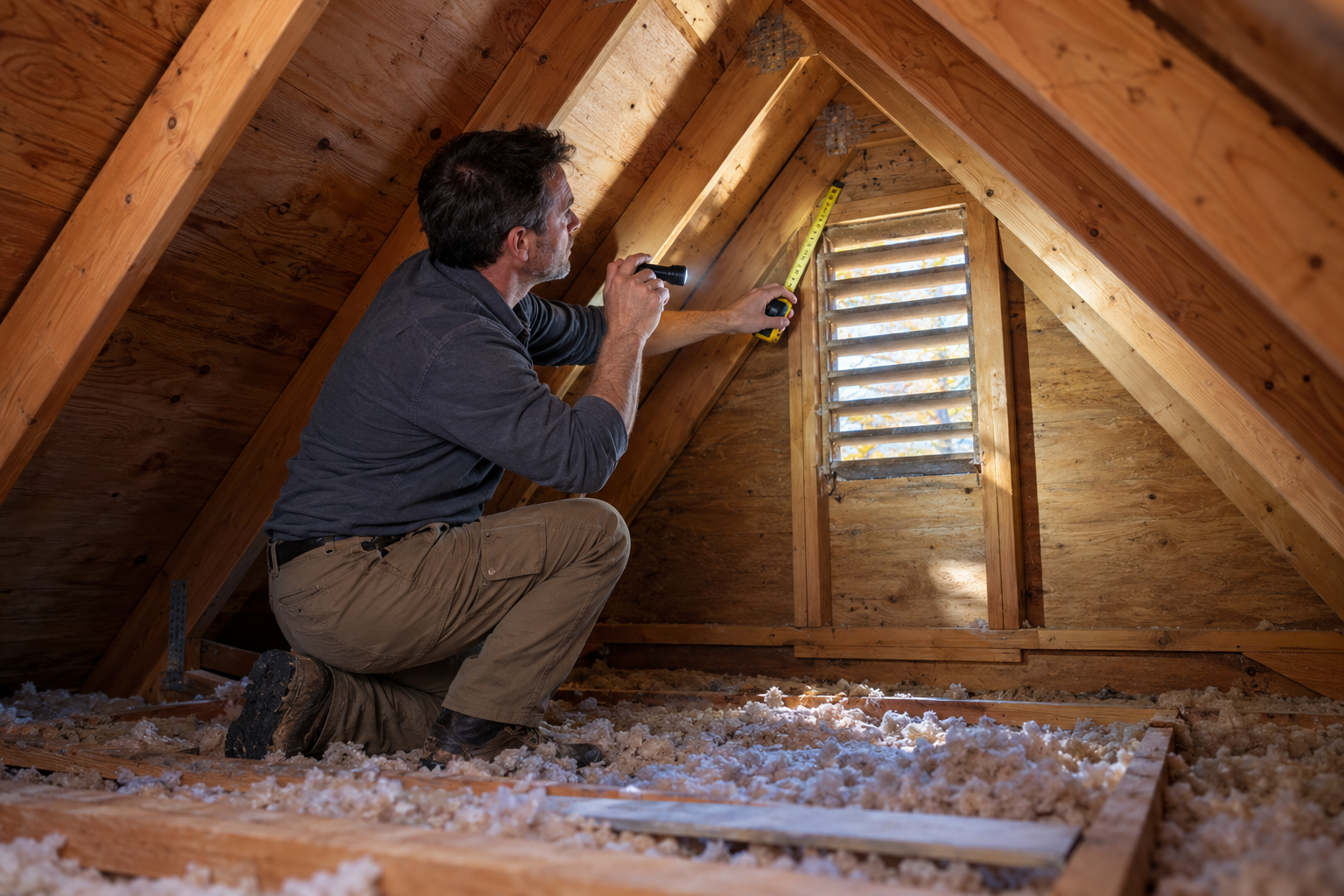
- Check accessible attic areas cautiously. From a safe walkway or attic entrance, look for staining or damp insulation without stepping between structural supports. Do not enter an unsafe, wet, or poorly supported attic.
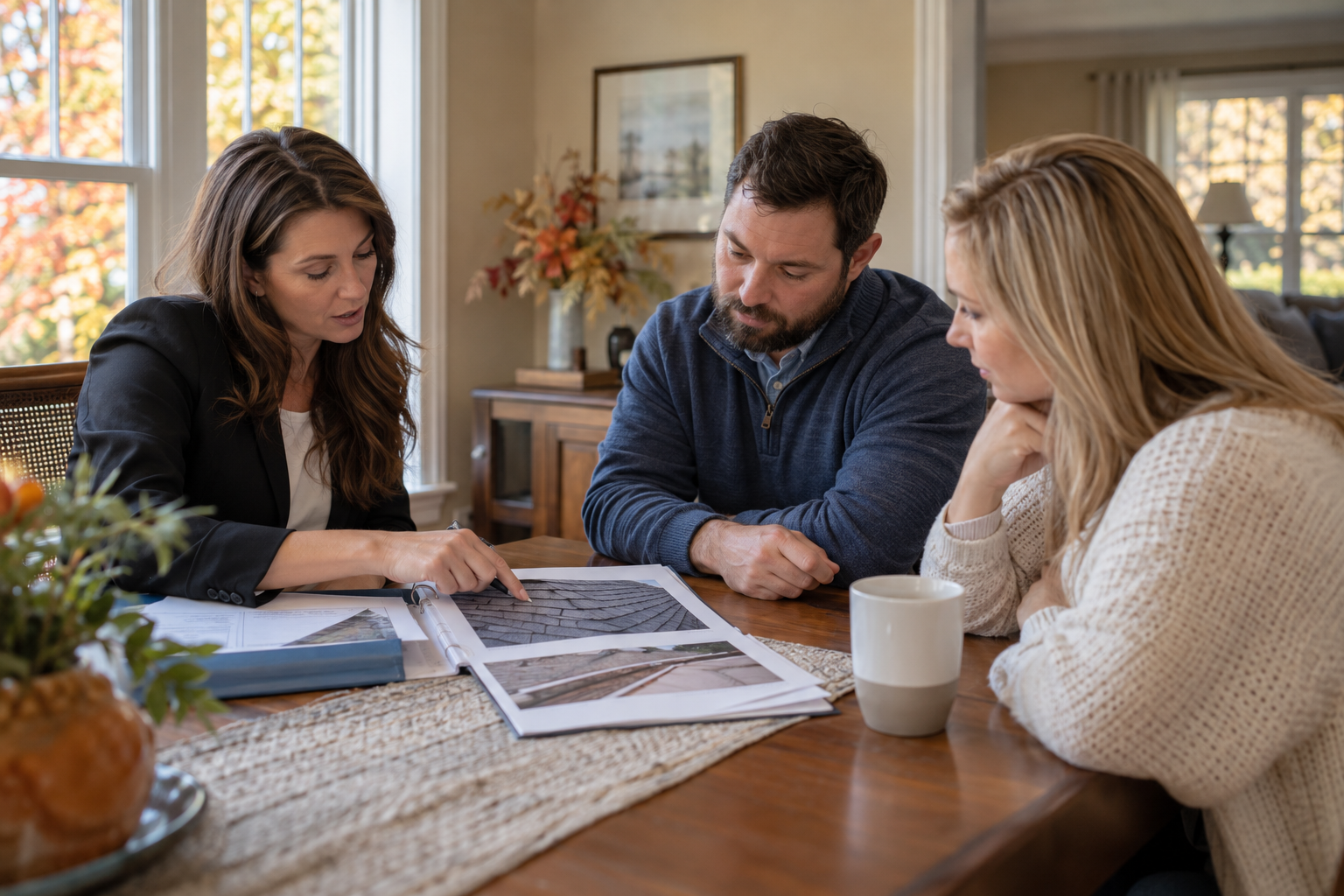
- Call the appropriate professional. A roofer, plumber, HVAC technician, building-envelope specialist, or restoration professional may be needed depending on the likely source.
Avoid puncturing or sanding the paint simply to see what is behind it. In homes built before 1978, damaged paint may contain lead. EPA guidance recommends treating older paint as lead-containing unless testing shows otherwise and using lead-safe practices when it is disturbed.
Why Repainting Alone Is Not Enough
Fresh paint can temporarily hide discoloration, but it cannot stop incoming water or remove moisture trapped inside a wall or ceiling.
Before refinishing, the responsible sequence is:
- Identify the moisture source
- Complete the necessary roof, flashing, plumbing, HVAC, or exterior repair
- Remove or replace material that cannot be safely dried or restored
- Allow the assembly to dry thoroughly
- Prepare and repaint the surface correctly
EPA moisture guidance emphasizes acting quickly when materials become wet. Damp materials that remain wet can support mold growth and may suffer additional deterioration. Painting over a surface before the material behind it is dry can trap the problem rather than solve it.
Where Roof Max Fits
Roof Max is designed to restore flexibility to qualifying asphalt shingles. It is not a leak sealant, emergency patch, flashing repair, mold treatment, or substitute for necessary roofing work.
If bubbling paint is connected to an active roof leak, the source of that leak must be diagnosed and repaired. The roof’s overall condition can then be evaluated separately to determine whether any other maintenance option is appropriate.
Not every aging asphalt roof qualifies for rejuvenation. Missing shingles, failed flashing, active leaks, structural concerns, faulty installation, or extensive deterioration may require repair or replacement instead.
Central Virginia Homes and Moisture
Midlothian, Richmond, and surrounding Central Virginia communities experience humid summers, strong thunderstorms, wind-driven rain, and seasonal temperature changes. Indoor air conditioning can also create cold surfaces where humid air may condense.
Those conditions mean a moisture symptom should be investigated with an open mind. The source could be above the ceiling, inside a plumbing line, around the building exterior, or within the indoor environment.
The appearance of the paint is the warning sign, not the final diagnosis.
Find the Source Before Fixing the Finish
Bubbling interior paint deserves more than a cosmetic repair. Document the damage, pay attention to when it changes, and have the underlying moisture source identified before repainting.
If the evidence points toward a possible roof-related problem, visit richmondroofrejuvenation.com to learn more about Roof Max and request a roof assessment for your Midlothian or Richmond-area home.