
Roof Restoration Blog | Richmond VA & Central Virginia
Algae vs. Mold: What Those Dark Roof Stains May Really Mean
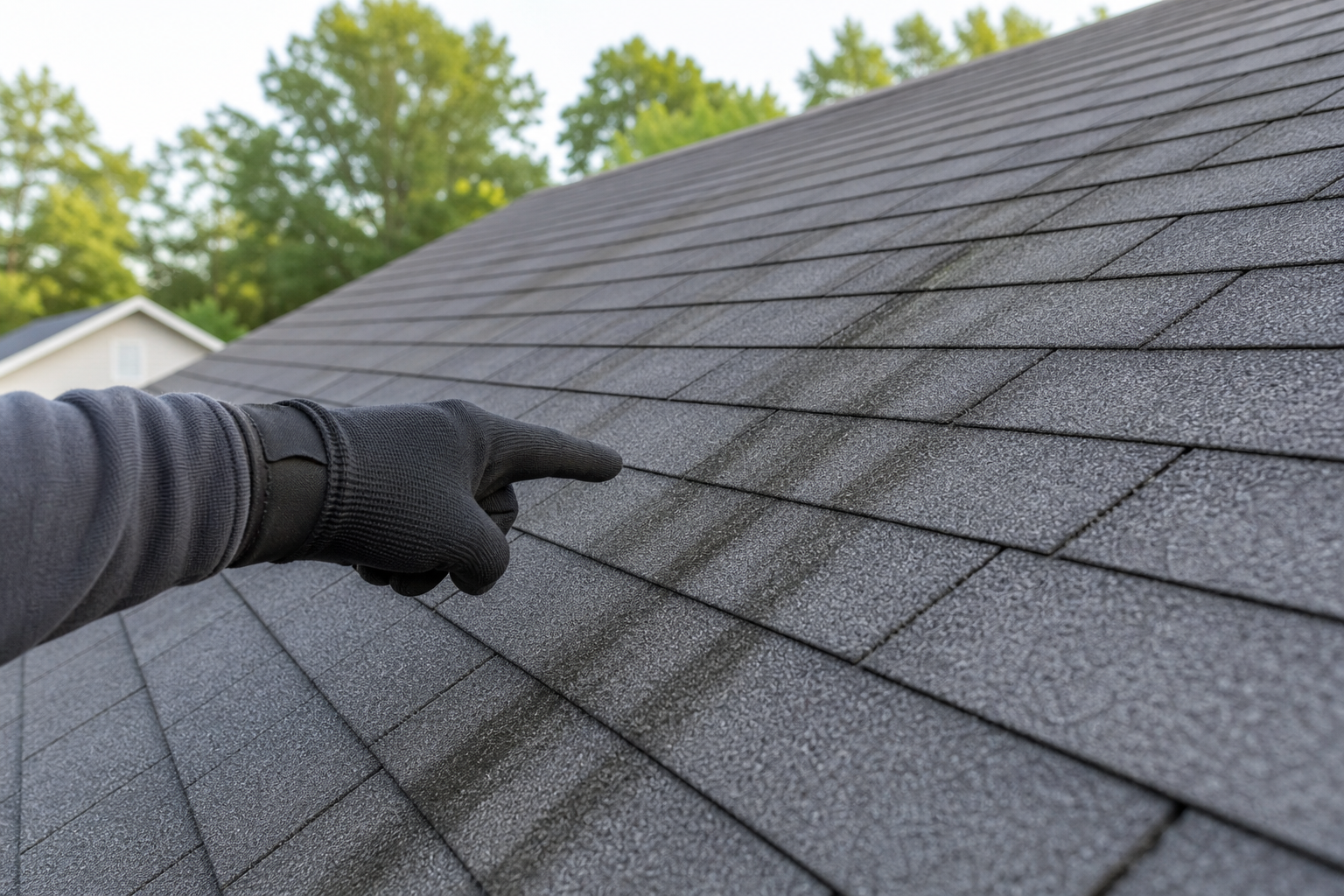
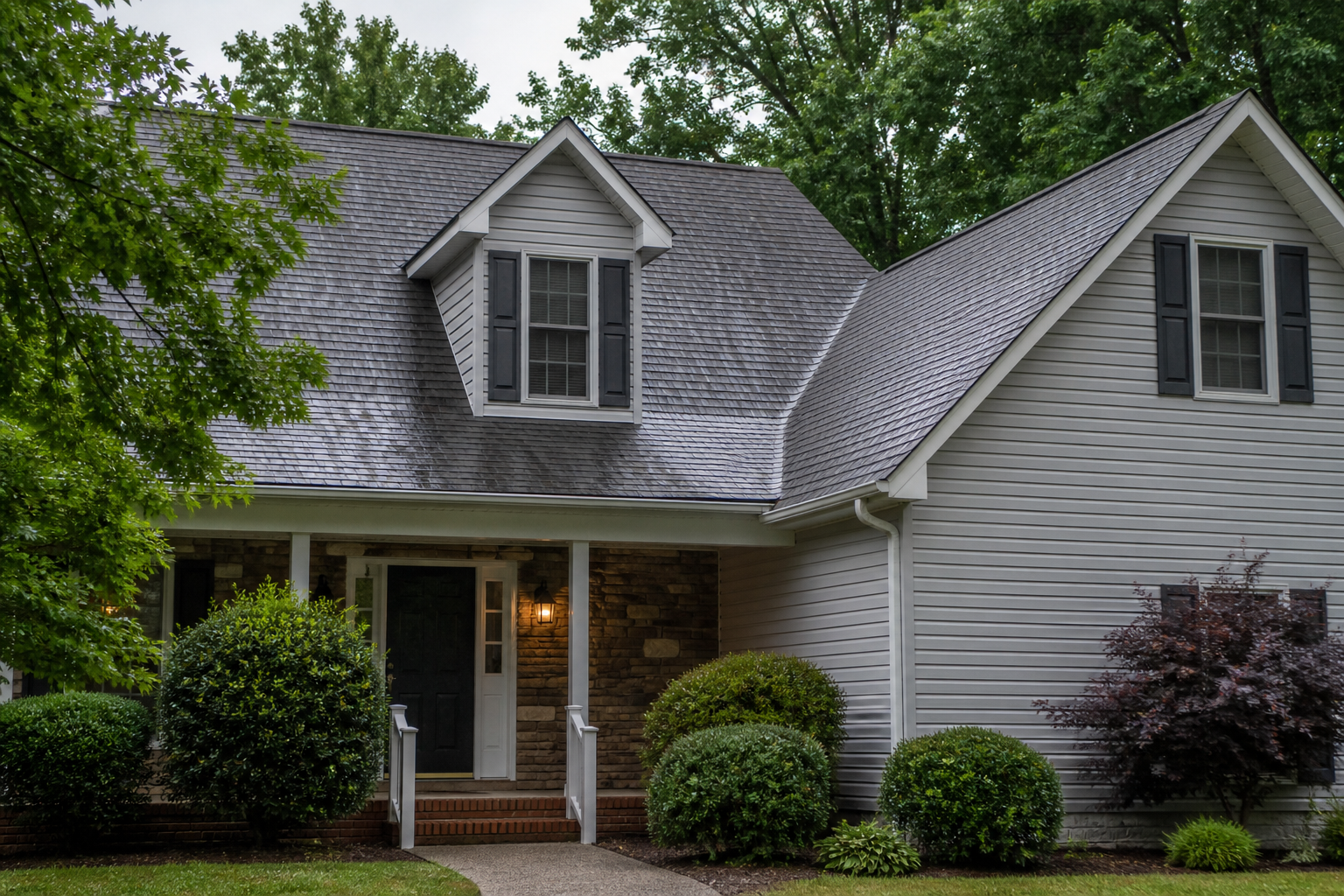
Dark streaks across an asphalt roof can be unsettling. From the ground, it is easy to assume that any black or gray discoloration must be mold. In many cases, however, the streaking visible on the outside of an asphalt-shingle roof is algae rather than mold.
That distinction matters because algae and mold develop in different places and point to different conditions. One is commonly an exterior surface issue. The other is more closely associated with excess moisture on organic building materials.
For homeowners in Midlothian, Richmond, and surrounding Central Virginia communities, knowing the difference can help you ask better questions before choosing a cleaning method, repair, or roof treatment.
The Quick Difference Between Roof Algae and Mold
Although a visual inspection from the ground cannot confirm every roof condition, the location and appearance of the discoloration provide useful clues.
- Algae commonly appears as black or dark streaks on the exterior surface of asphalt shingles. It tends to develop where moisture remains on the roof longer.
- Mold grows when moisture is available on organic materials. In a roofing system, it may be more relevant on damp wood decking, framing, insulation facing, or other attic materials affected by leaks, condensation, or poor moisture control.
A stained roof surface does not automatically prove there is mold in the attic. Likewise, a clean-looking exterior does not rule out an indoor moisture problem.
Why Black Roof Streaks Are Often Algae
The Asphalt Roofing Manufacturers Association notes that the black discoloration and streaking seen on many roofs is often mistaken for mold or mildew but is actually algae. A common type is Gloeocapsa magma, sometimes called blue-green algae.
Algae spores can travel by wind or animals. Once they reach a roof, growth is more likely in areas that remain damp. Humid weather, shade, overhanging branches, roof debris, and slow drainage can all contribute to longer drying times.
The streaking often becomes more noticeable as rainwater carries the dark discoloration down the roof plane. It may begin as small spots before forming longer vertical marks.
According to ARMA, there is no scientific evidence that algae itself damages ordinary asphalt shingles, although it affects the roof’s appearance. That does not mean every dark mark should be ignored. Staining can make it harder for a homeowner to recognize other problems, and the conditions that keep a roof damp may deserve attention.
Where Mold Is More Likely to Be Found
Mold is a different type of organism. The U.S. Environmental Protection Agency explains that molds can grow on organic materials when moisture and oxygen are present.
In and around a roofing system, that makes moisture control the central issue. Mold may develop on wood roof decking, rafters, paper-faced products, or other organic materials if they remain damp because of:
- an active or recurring roof leak;
- condensation in the attic;
- inadequate ventilation;
- bathroom or kitchen exhaust venting into the attic;
- wet insulation or stored materials; or
- another unresolved source of moisture.
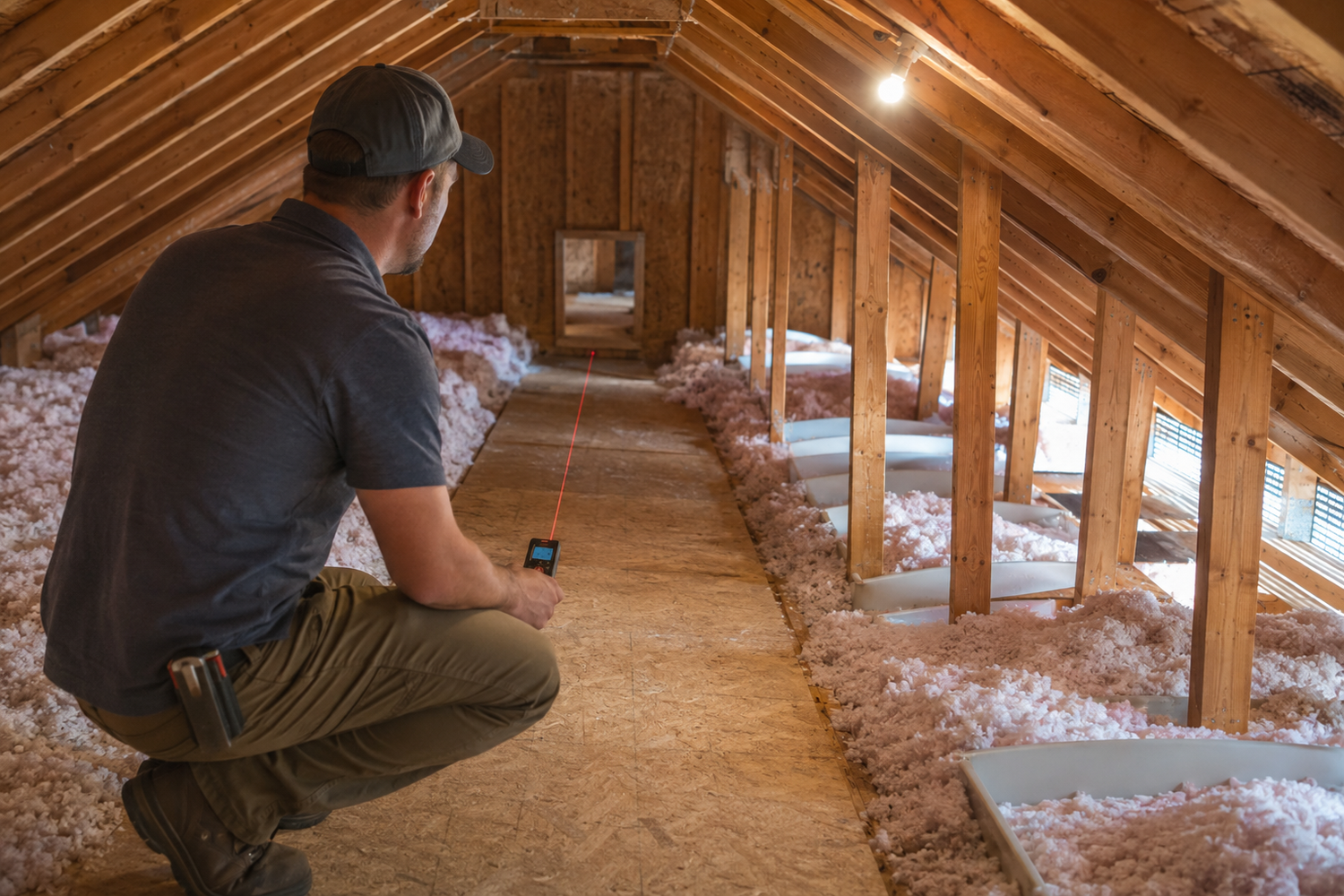
Visible spotting, a musty odor, damp insulation, or water staining inside the attic may justify a closer evaluation. The goal is not simply to remove surface growth. The moisture source must also be found and corrected, or the problem may return.
Why the Location of the Stain Matters
An exterior roof plane and the underside of the roof deck are different environments.
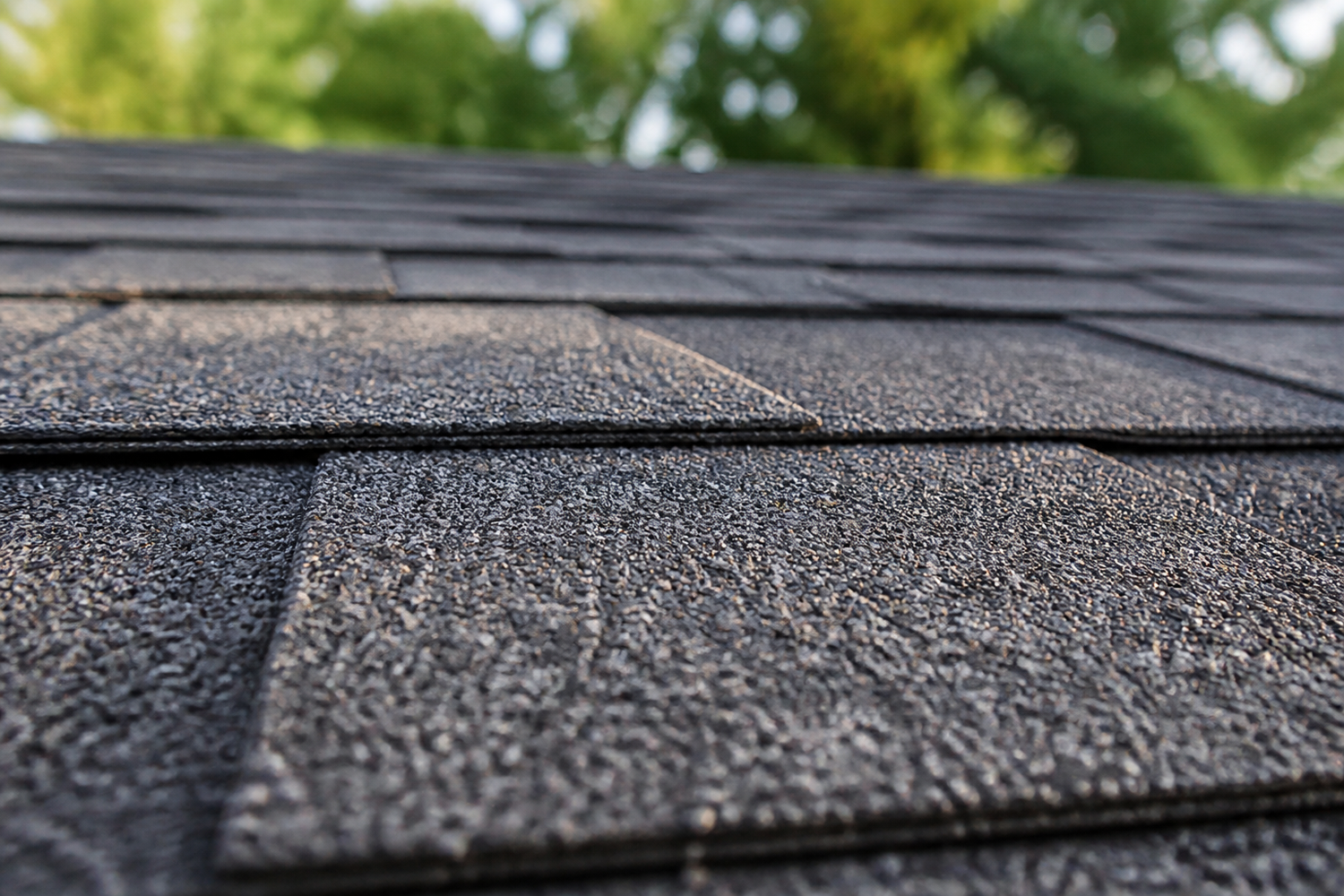
Dark streaks running down the exposed shingle surface are consistent with the pattern commonly associated with roof algae. Irregular spotting or growth on damp wood inside an attic may suggest a moisture-related mold concern. Other materials, including dirt, soot, moss, lichen, rust, and manufacturing or weathering variations, can also create discoloration.
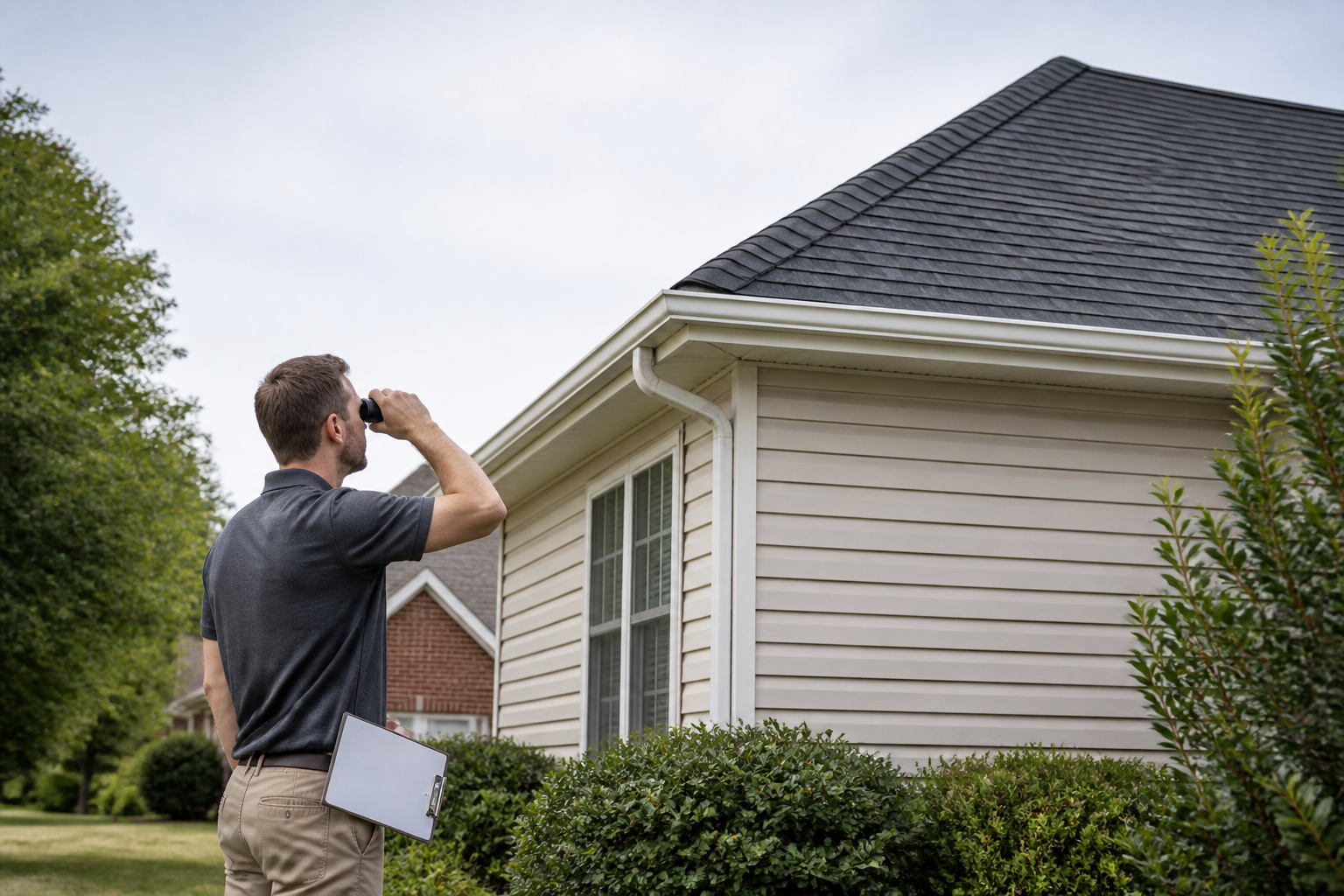
That is why photographs and ground-level observations should be treated as clues rather than a final diagnosis. A qualified inspection can consider the pattern, location, roof age, shingle condition, attic conditions, drainage, ventilation, and any evidence of leakage.
Avoid Aggressive Roof Cleaning
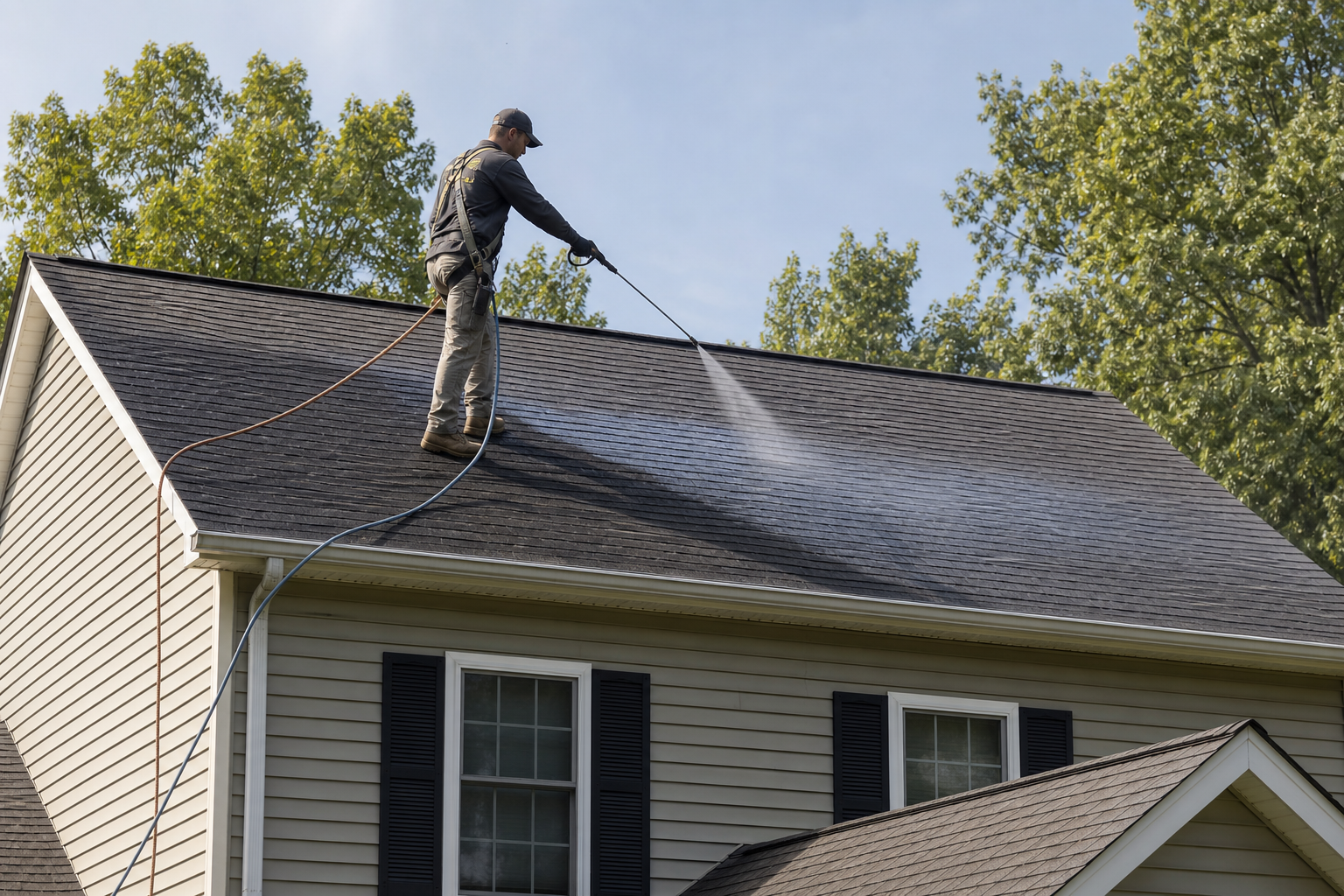
The wrong cleaning method can create more damage than the staining itself. ARMA specifically warns against using a pressure washer on asphalt shingles because the force can remove protective granules and contribute to premature roof-system failure.
Homeowners should also avoid walking on a roof without proper training and safety equipment. Roof slope, moisture, algae, and loose granules can make the surface especially slippery.
If cleaning is appropriate, follow the shingle manufacturer’s instructions and use a qualified professional who understands asphalt-roofing materials. Before cleaning, it is also sensible to determine whether the discoloration is algae, whether repairs are needed, and whether drainage or shade conditions are contributing to the problem.
Practical Steps That May Reduce Future Growth
Routine maintenance can help a roof dry more efficiently and make the surface less inviting to algae and other biological growth.
- Keep gutters and downspouts clear so water drains properly.
- Remove accumulated leaves and debris using non-abrasive methods.
- Trim overhanging branches when appropriate to reduce shade and debris.
- Direct upper-roof drainage into the lower gutter rather than onto lower shingles.
- Address roof leaks and attic moisture promptly.
- Confirm that exhaust fans terminate outdoors rather than in the attic.
- Have ventilation and insulation conditions evaluated if condensation is suspected.
These steps do not replace an inspection, but they can help address the conditions that allow moisture to linger.
What This Means for an Aging Asphalt Roof
Surface appearance is only one part of roof condition. A roof may have algae staining while its shingles remain serviceable, or it may have age-related brittleness, granule loss, damaged flashing, or leaks that require separate attention.
Roof Max is designed to restore flexibility to qualifying asphalt shingles. It is not a mold-remediation service, algae cleaner, leak sealant, or substitute for necessary repairs. Eligibility depends on the roof’s materials and condition, which is why an assessment comes first.
If your roof has dark streaks and is also showing signs of age, Roof Max of Midlothian can help you better understand the roof’s condition and whether rejuvenation may be an appropriate option. Visit richmondroofrejuvenation.com to learn more or request an assessment.