
Roof Restoration Blog | Richmond VA & Central Virginia
Remove Sticks and Debris After Storms to Help Protect Your Roof
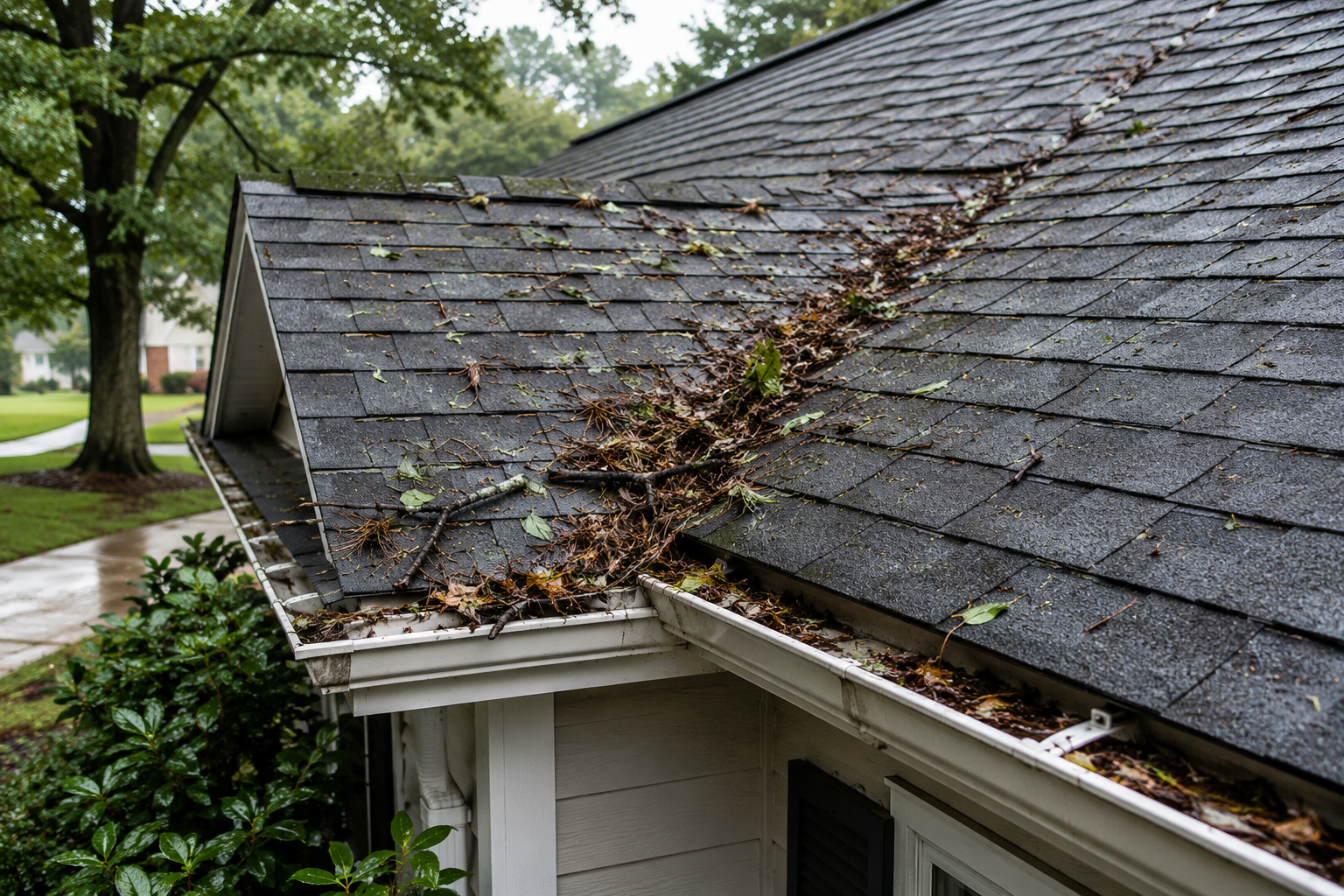
After a storm rolls through Richmond, Midlothian, Henrico, Chesterfield, Glen Allen, Mechanicsville, or nearby Central Virginia communities, it is easy to focus on the obvious damage first. Fallen limbs in the yard, scattered leaves, and clogged gutters usually get attention quickly.
But your roof deserves a closer look too.
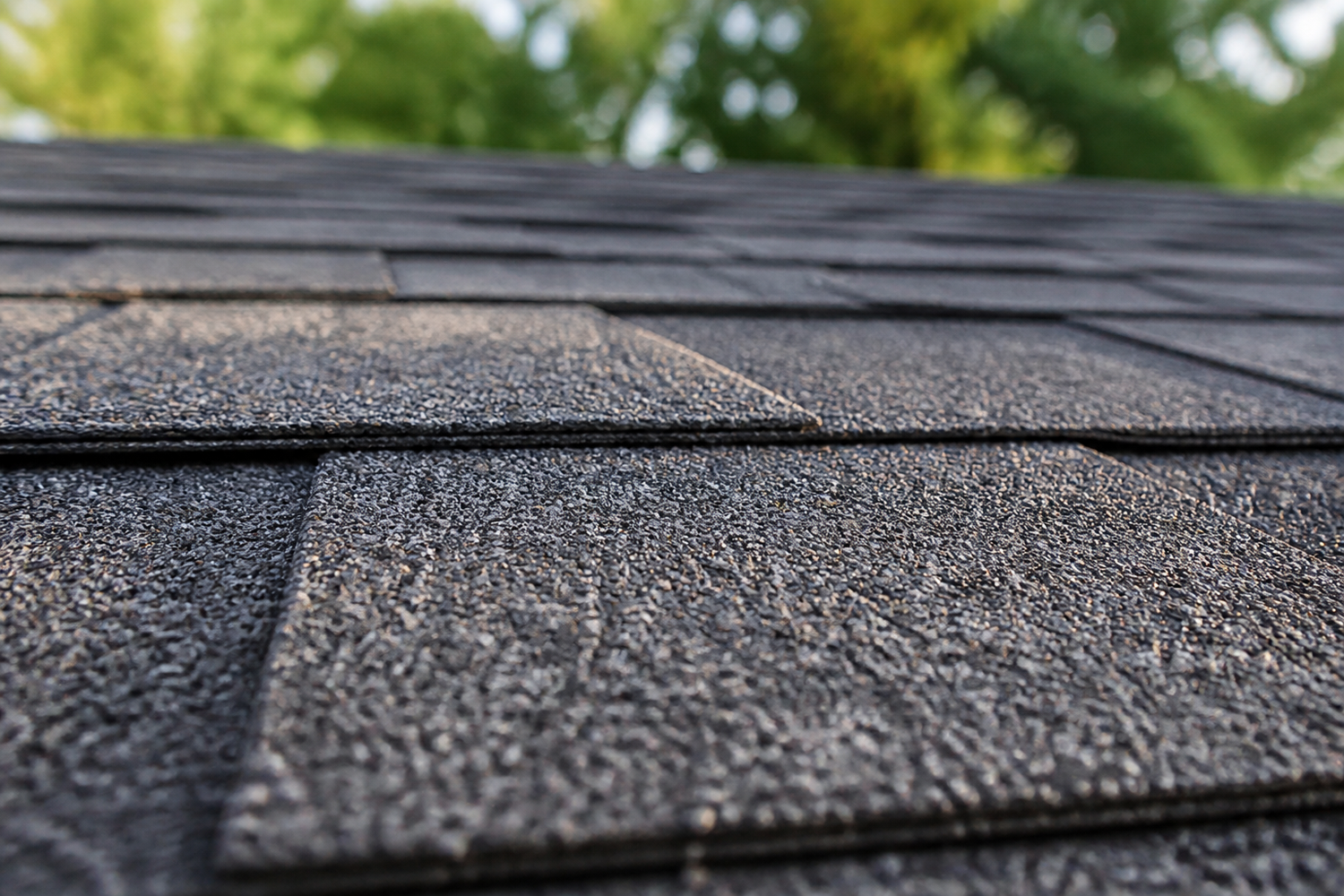
Even small sticks, branches, leaves, and storm debris can create problems when they sit on asphalt shingles for too long. A quick cleanup after severe weather can help protect your shingles, improve drainage, and give you a chance to spot early signs of roof trouble before they become bigger concerns.
Why Storm Debris Matters
Your roof is designed to shed water. When sticks, leaves, pine needles, and small branches collect in roof valleys, along gutters, or behind chimneys and dormers, they can interrupt that drainage.
That matters in the Richmond area because local roofs deal with a mix of heat, humidity, storms, shade, and seasonal debris. The Roof Max Richmond Metro Area page notes that roof wear patterns can vary based on tree shade, debris buildup, slope exposure, storms, and visible wear.
When debris traps moisture against the shingles, it may contribute to faster wear. It can also hide cracked, curled, loose, or missing shingles that should be inspected.
Check Roof Valleys First
Roof valleys are the areas where two roof slopes meet. During rain, water naturally flows through these sections. That also means leaves, twigs, and branches often collect there after a storm.
If debris sits in the valleys, water may not move off the roof as easily. Over time, that can create unnecessary stress on the shingles in one of the roof’s most important drainage areas.
Homeowners should visually check roof valleys from the ground when possible. If something looks heavy, tangled, or unsafe to remove, it is better to call a professional instead of climbing onto the roof.
Do Not Ignore Gutters and Downspouts
Storm debris does not always stay on the roof. Much of it ends up in the gutters.
Clogged gutters can cause water to back up, overflow, or spill where it should not. That can affect roof edges, fascia, siding, landscaping, and the area around the foundation.
After storms, homeowners should check whether gutters are flowing properly. If water is spilling over the side during rain, or if downspouts are not draining, debris may be blocking the system.
Look for Signs of Damage
While checking for sticks and debris, also look for signs that your roof may need attention. You do not need to walk on the roof to notice many warning signs.
Watch for:
- Branches resting on shingles
- Missing or lifted shingles
- Shingle pieces in the yard
- Excessive granules near downspouts
- New water stains inside the home
- Bent, loose, or damaged gutters
- Debris gathered in valleys or behind roof features
Roof Max’s local service pages explain that inspections look for dryness, brittleness, granule loss, curling, cracking, repair issues, and whether shingles still have enough integrity for restoration to be considered.
Safety Comes First
Cleaning up storm debris is important, but safety matters more.
Avoid walking on a wet, steep, or storm-damaged roof. Wet shingles can be slippery, and hidden damage may make the surface unsafe. If debris is easy to reach from the ground with the right tools, that may be manageable. If the debris is high, heavy, tangled, or close to roof edges, it is better to schedule professional help.
A simple roof check should never turn into a dangerous situation.
Why This Matters for Aging Asphalt Shingles
Asphalt shingles naturally age over time. The Roof Max website explains that shingles can lose flexibility as UV exposure, heat, humidity, storms, and weathering take a toll. When shingles become dry or brittle, they may become more vulnerable to curling, cracking, and granule loss.
Storm debris can add extra stress to shingles that are already aging. That is why small maintenance habits, like clearing sticks and checking gutters, can play an important role in overall roof care.
This does not mean every roof needs replacement after a storm. In many cases, homeowners simply need a clear inspection and practical guidance on whether the roof is still in good condition, needs repairs, or may qualify for restoration.
When to Schedule a Roof Inspection
If you notice storm debris, missing shingles, heavy granule loss, clogged gutters, or anything that looks different after a storm, a professional inspection can help you understand what is happening.
Roof Max serves Richmond and nearby Central Virginia communities, including Henrico, Chesterfield, Midlothian, Glen Allen, Mechanicsville, and surrounding areas. The site describes Roof Maxx as a restoration option for qualifying asphalt shingle roofs that are aging but still structurally sound, while roofs with active leaks, missing shingles, major damage, or decking problems may need repair or replacement first.
A Small Step That Can Help Protect Your Roof
Removing sticks and debris after storms may seem like a small task, but it can make a difference. It helps water move properly, reduces unnecessary moisture buildup, protects gutters, and gives homeowners a chance to catch roof concerns early.
For homeowners in Richmond, Midlothian, Henrico, Chesterfield, Glen Allen, Mechanicsville, and surrounding Central Virginia areas, post-storm roof maintenance is one of the simplest ways to stay ahead of avoidable roof problems.
If your roof is showing signs of age, storm wear, or shingle damage, Roof Max can help you understand your next best step.