
Roof Restoration Blog | Richmond VA & Central Virginia
How to Prepare an Older Roof Before a Home Appraisal in Richmond, VA
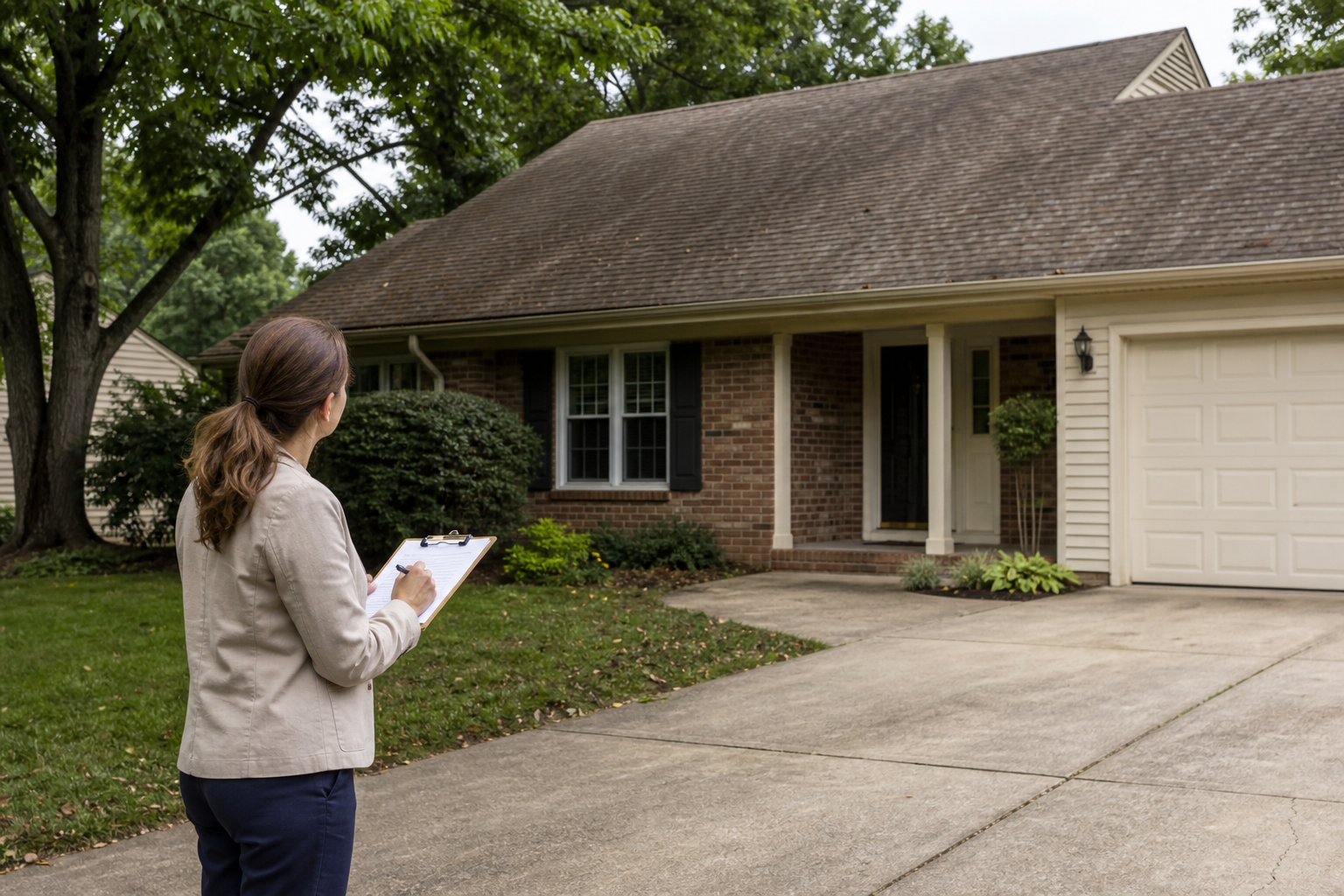
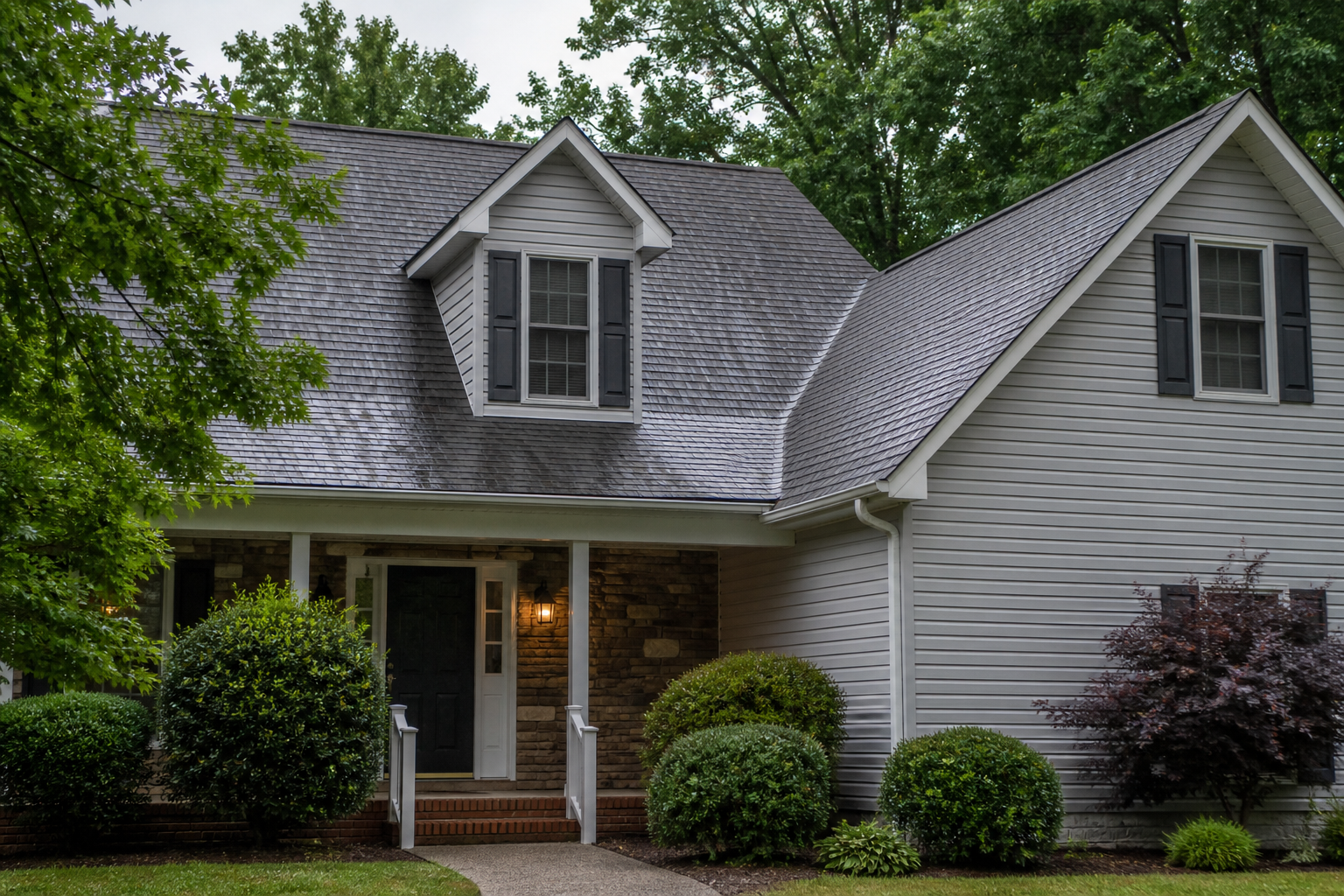
When homeowners prepare to sell, the roof often becomes one of the biggest sources of uncertainty. A seller may know the roof is older but still performing well. A buyer may see the same roof and worry about future replacement costs. Then the appraisal adds another layer of concern: Could the roof’s age lower the home’s value?
The reassuring answer is that age alone does not automatically determine an appraisal result. Appraisers evaluate a property as a whole, and lenders consider the actual condition, safety, soundness, and marketability of its improvements.
An older but serviceable roof is not the same as a roof with active leaks, visibly worn shingles, or unresolved damage.
For sellers in Midlothian, Richmond, Chesterfield, and surrounding Central Virginia communities, the best strategy is to replace uncertainty with reliable information. An early roof assessment can identify problems that require attention, help determine whether the shingles remain serviceable, and provide clearer information before the home reaches the appraisal stage.
Roof Age and Roof Condition Are Not the Same Thing
The roof’s installation date provides useful context, but it does not tell the full story.
Two asphalt-shingle roofs of the same age can be in very different condition because of factors such as:
- Ventilation
- Sun exposure
- Storm history
- Previous maintenance
- Installation quality
- Roofing materials
An appraiser is not simply checking the calendar and automatically subtracting value after a roof reaches a certain age. The appraiser reports the property’s observable condition and considers how that condition may relate to value and marketability.
A roof nearing the end of its functional life may affect the overall condition analysis, even when other parts of the home have been updated.
That distinction matters for sellers. Saying, “The roof is 15 years old,” only provides one fact. More useful questions include:
- Are there active or recurring leaks?
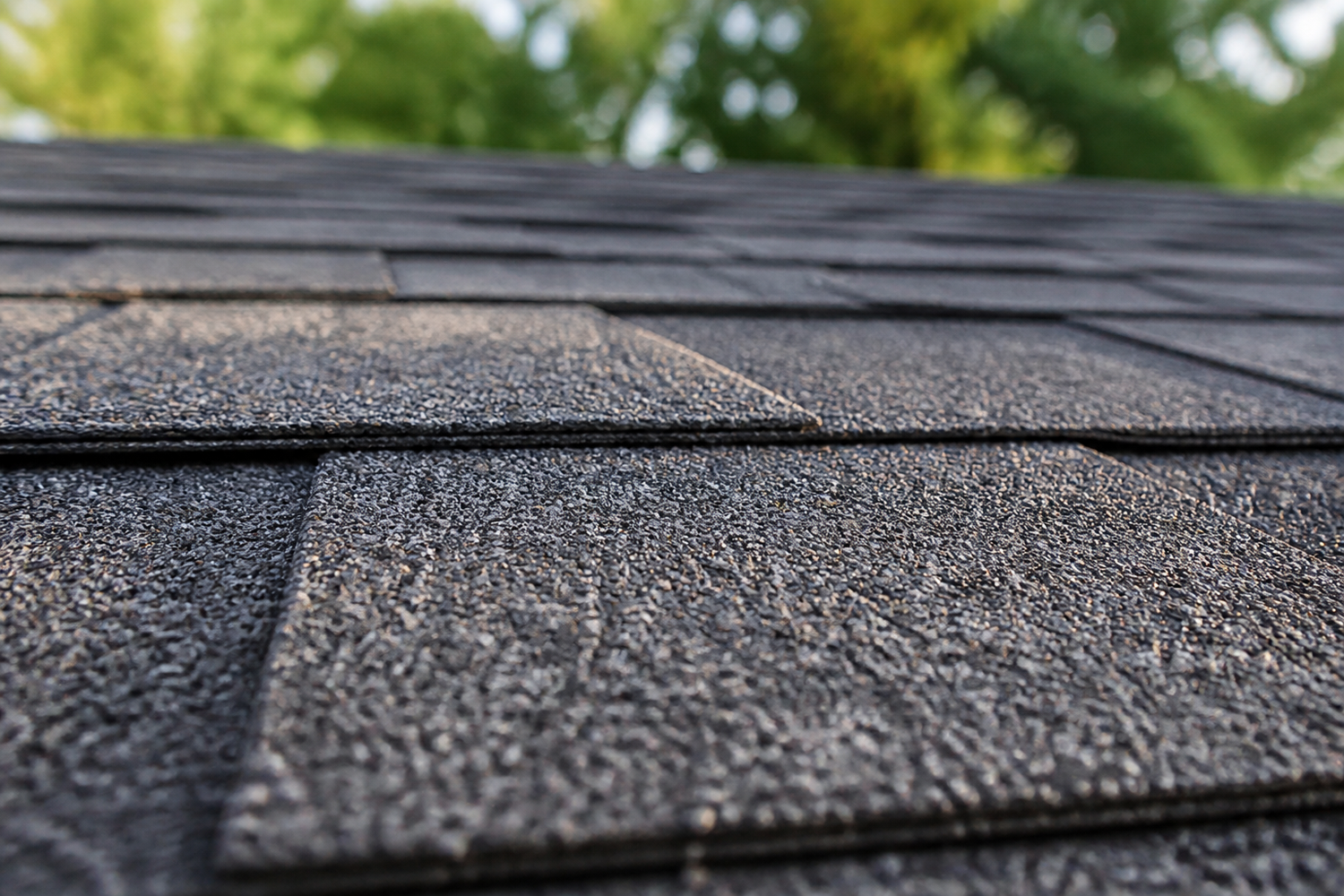
- Are shingles missing, cracked, curling, worn, or visibly deteriorated?
- Is there evidence of moisture intrusion or damaged decking?
- Is the roof incomplete or currently under repair?
- What repairs and maintenance have been completed?
- Does a qualified professional consider the roof serviceable?
The clearer these answers are, the easier it becomes for the seller, buyer, real estate agent, appraiser, and lender to understand the roof’s current condition.
Which Roof Problems Can Create Appraisal Concerns?
Not every maintenance item has the same effect.
Minor wear that does not affect the home’s safety, soundness, or structural integrity may be treated differently from an active leak or visibly failing roofing material.
Roof conditions that could create additional questions include:
- Active or recurring roof leaks
- Missing, damaged, or heavily worn shingles
- Moisture intrusion
- Damaged roof decking
- An incomplete roof replacement
- Roofing work that is still underway
- Visible deterioration affecting the roof’s performance
These conditions do not mean that every older roof will cause a low appraisal or require complete replacement. They do demonstrate why visible defects and unfinished work should be addressed before the appraisal whenever possible.
A roofing concern could affect the transaction in several ways:
- The appraiser may comment on its effect on value or marketability.
- The appraisal may become subject to a repair, inspection, or completion requirement.
- The lender may request additional documentation from a qualified professional.
- The buyer may raise the issue during negotiations.
- The transaction may be delayed while the condition is evaluated or corrected.
The exact outcome depends on the property, its observed condition, the appraisal, the loan program, and the lender.
No contractor or roof treatment can promise a particular appraisal result. The practical goal is to identify real problems early and provide accurate information.
A Seller’s Roof Checklist Before the Appraisal
1. Schedule a Roof Assessment Early
Do not wait until the buyer’s inspection or the appraiser’s visit to learn what is happening overhead.
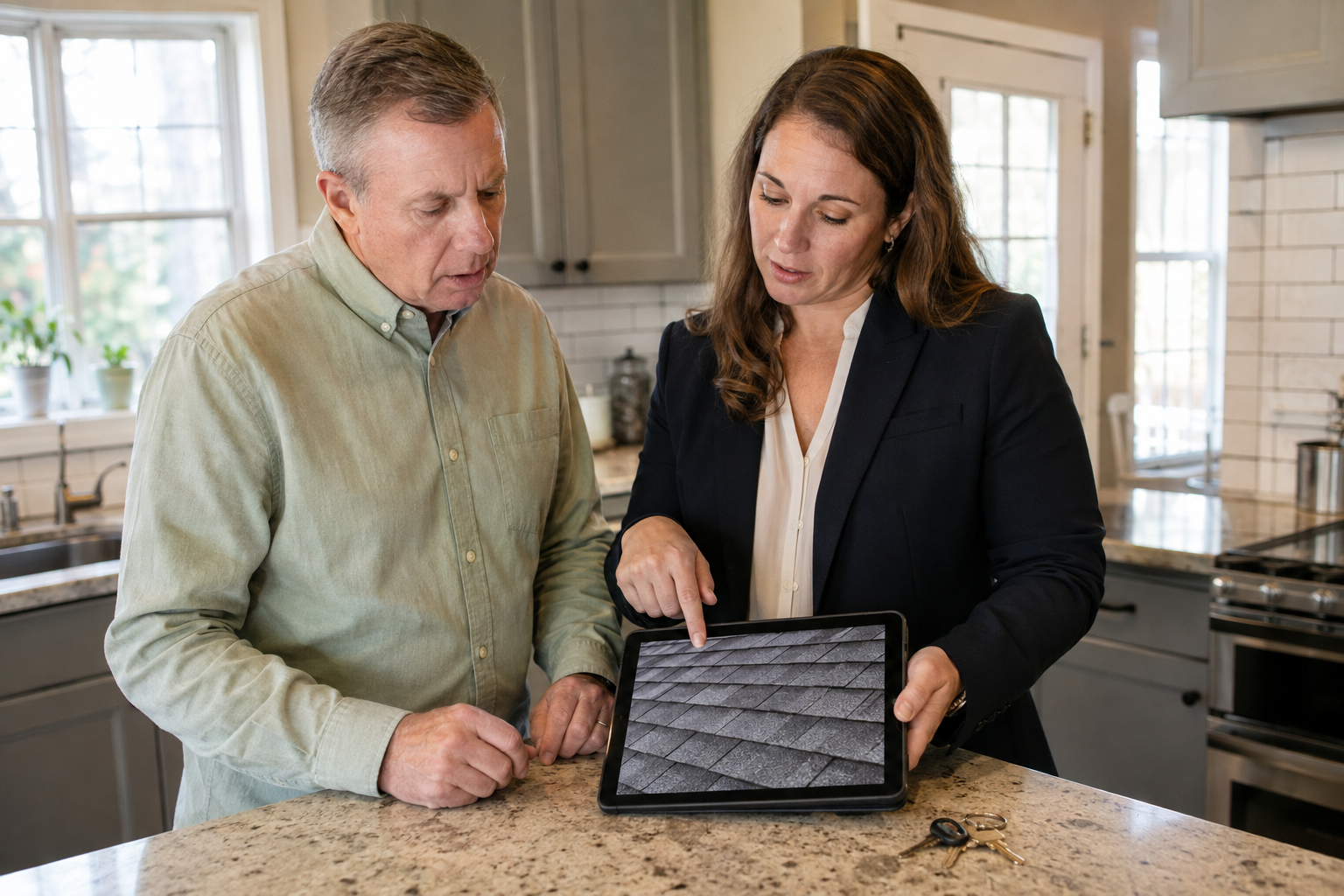
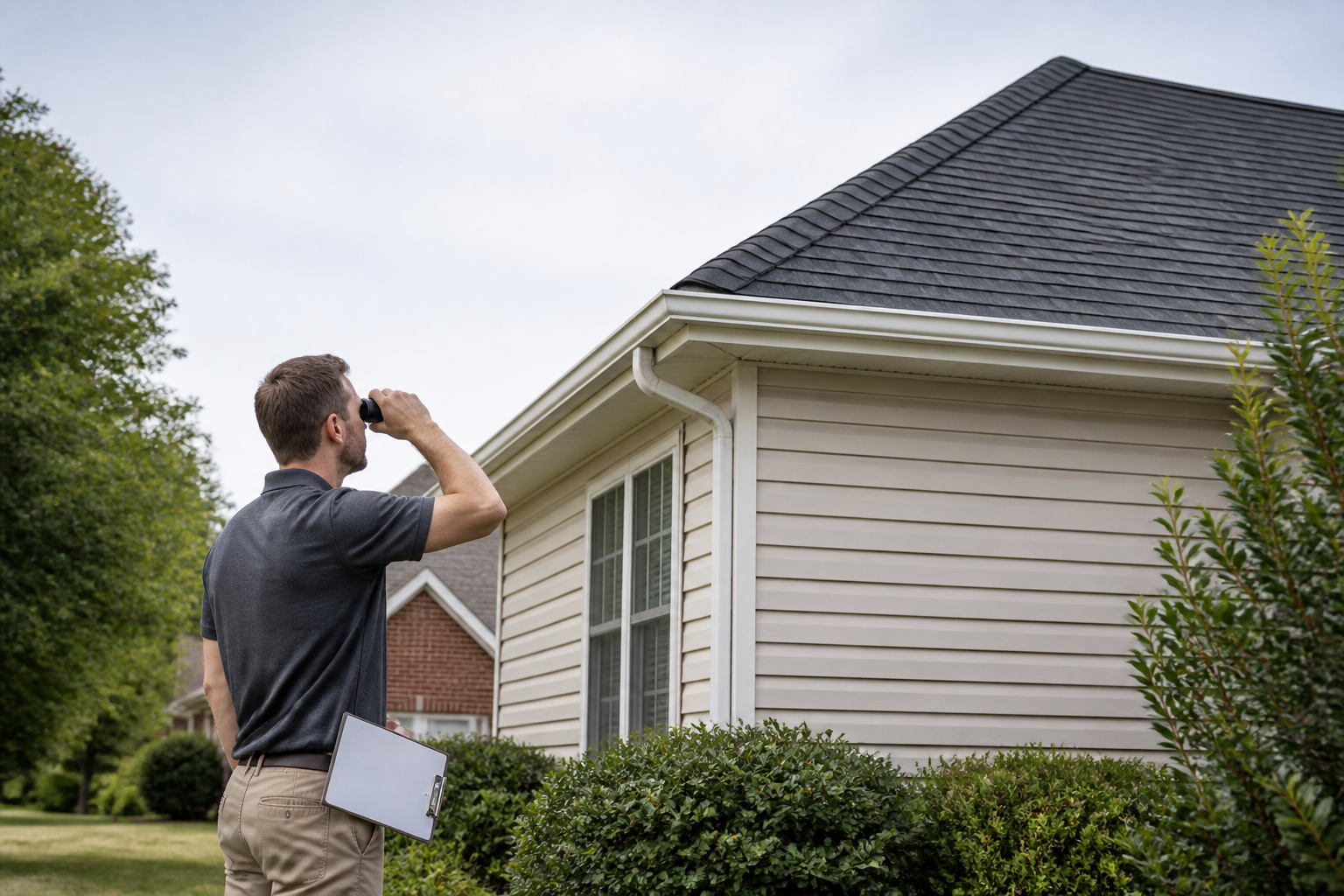
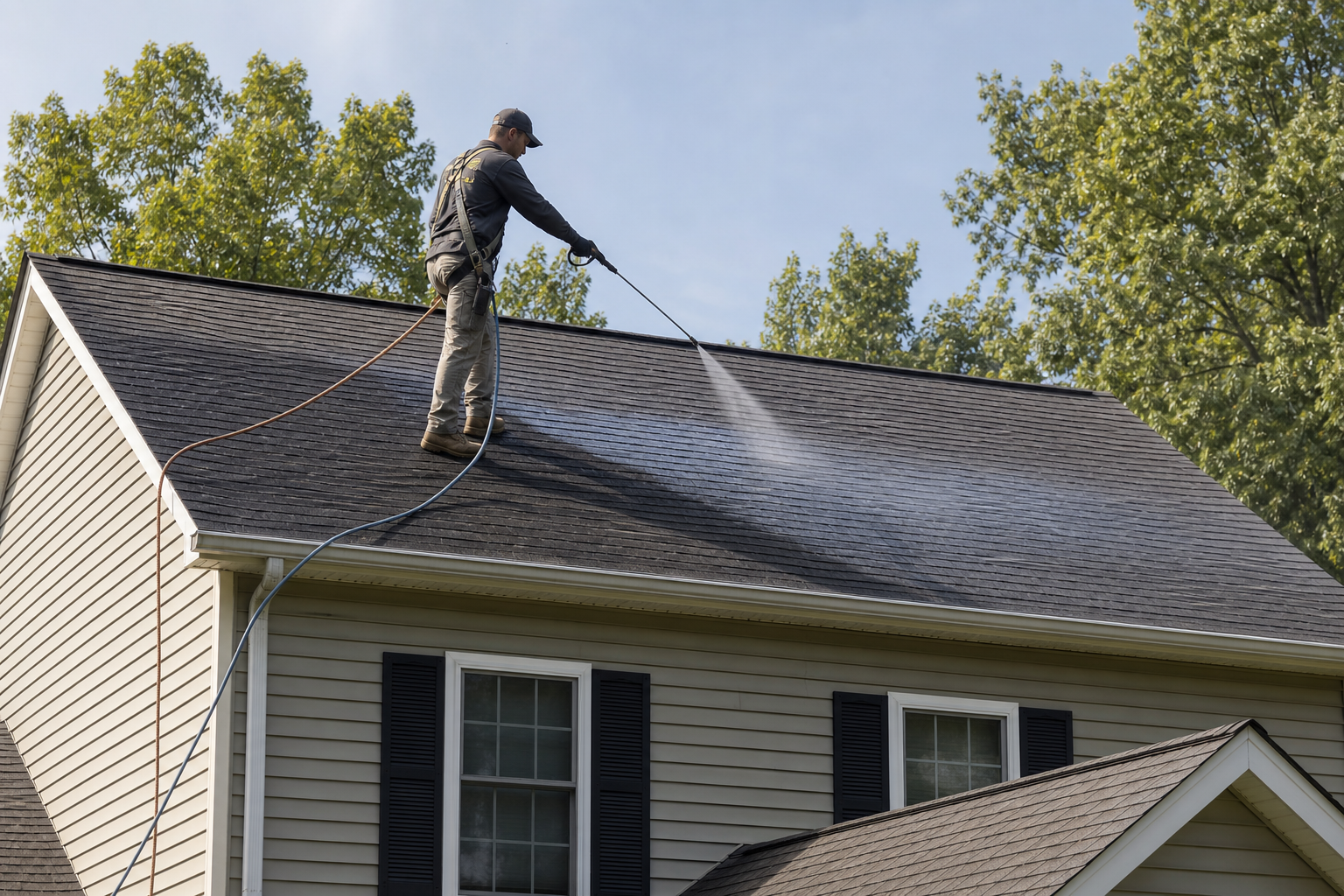
A professional roof assessment examines the roofing system for visible and less-obvious signs of leaks, damage, age-related wear, and other vulnerabilities.
Scheduling the assessment early gives the seller time to evaluate the findings without the pressure of an approaching closing date.
If a repair is necessary, it can be completed and documented. If the roof remains serviceable, the seller can keep the assessment information available for the real estate team.
2. Gather the Roof’s History
Create a simple file containing any available roofing records, including:
- Installation date
- Contractor information
- Manufacturer or material information
- Repair invoices
- Inspection or assessment reports
- Maintenance records
- Warranty documents
- Photographs of completed work
Documentation does not force an appraiser or lender to reach a particular conclusion. However, it can replace guesswork with verifiable information.
If repairs become an appraisal condition, the lender may request evidence such as professional reports, paid invoices, or photographs showing that the work was completed.
3. Address Necessary Repairs
Roof restoration is not a substitute for repairing structural damage, active leaks, missing shingles, or failed roofing components.
If the assessment identifies a necessary repair, ask a qualified professional what should be corrected and retain the final documentation.
This is especially important when roofing work is unfinished. Beginning a project immediately before an appraisal can create additional questions if the roof is incomplete when the appraiser arrives.
Allow enough time for the work to be finished, cleaned up, and properly documented.
4. Make the Roof’s Condition Easier to Evaluate
Appraisers report what they can observe. Basic preparation can make the evaluation easier without hiding or misrepresenting the roof’s condition.
Before the appraisal:
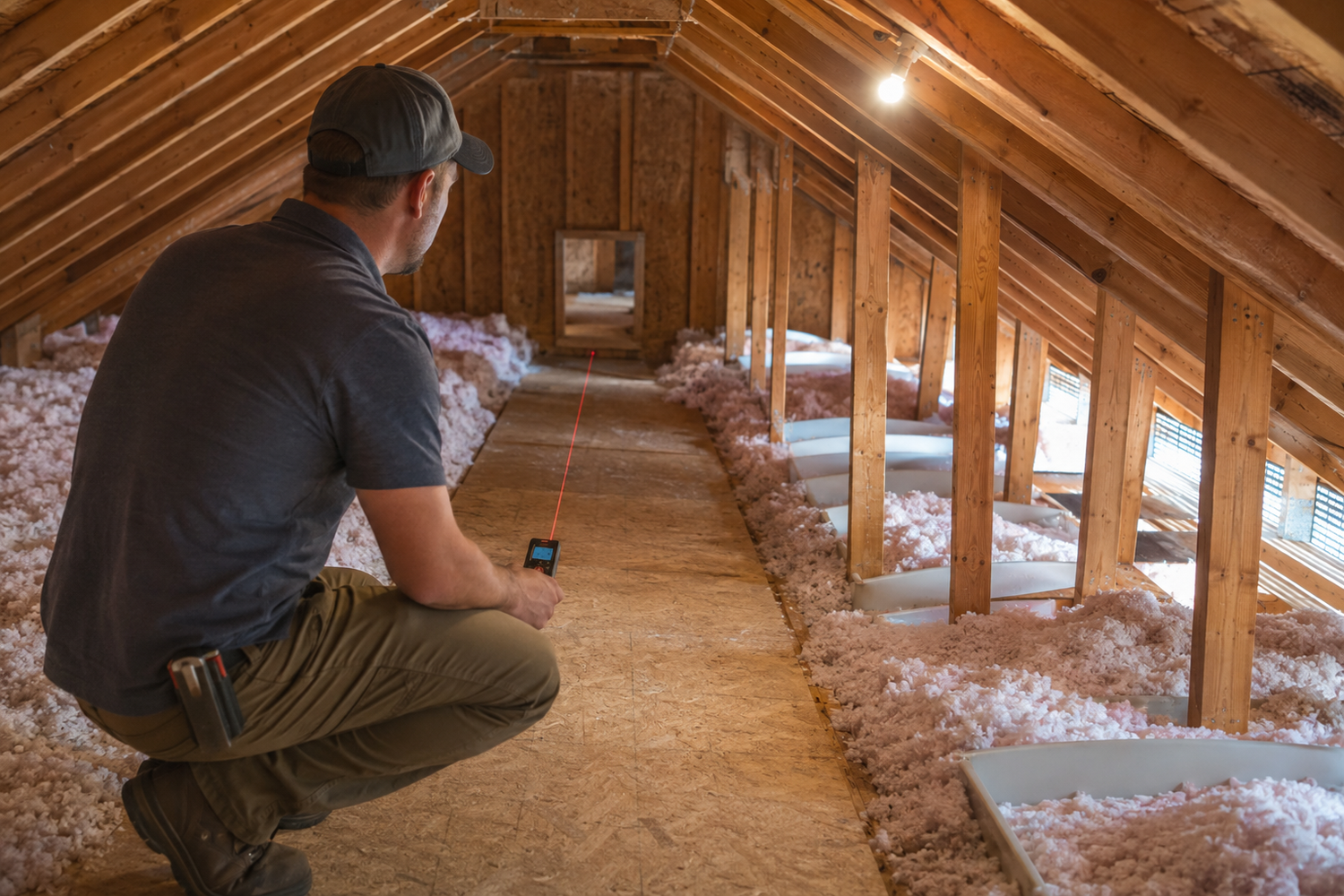
- Provide safe access to the attic or other relevant interior areas.
- Have debris removed from gutters when it can be done safely.
- Correct the source of any moisture before repairing visible interior water damage.
- Organize invoices, reports, permits, and warranty information.
- Provide relevant documentation through the appropriate real estate or lending contact.
Never attempt to cover up a leak or defect. Transparent documentation is more useful than cosmetic concealment.
5. Determine Whether Restoration Is Appropriate
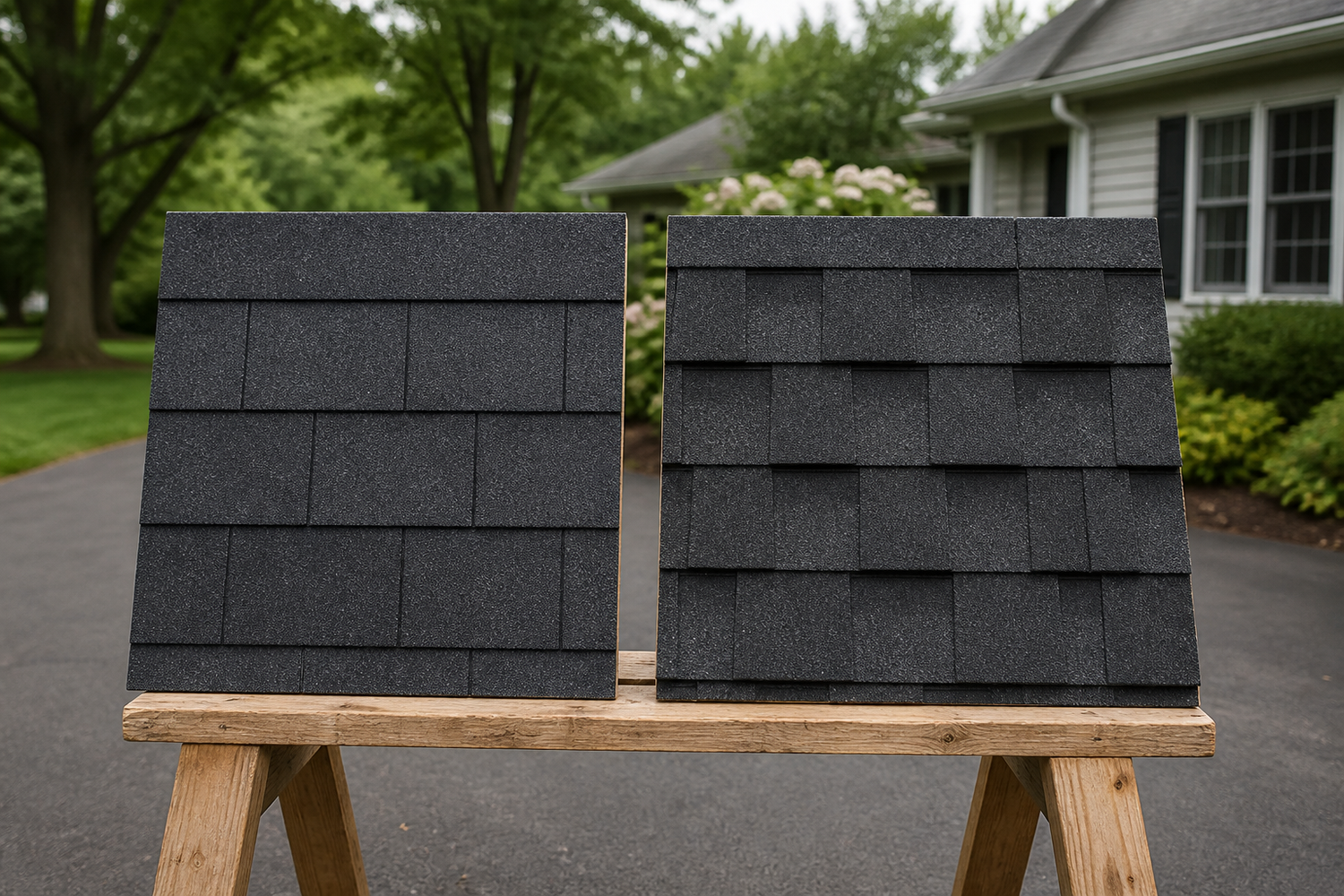
When asphalt shingles are aging but the roof remains structurally sound and serviceable, restoration may be an option worth evaluating.
Roof Maxx is designed to help restore flexibility to qualifying aging asphalt shingles. However, it is not intended to repair structural damage, active leaks, or missing shingles. Not every roof will qualify.
A professional assessment should come before any recommendation.
Depending on the findings, the appropriate path may include:
- Completing necessary repairs
- Restoring qualifying asphalt shingles
- Replacing the roof
- Continuing to monitor a serviceable roof
The decision should follow the roof’s actual condition—not its age alone.
Can Roof Maxx Prevent a Low Appraisal?
No company can guarantee that a service will prevent a low appraisal or increase a property’s appraised value.
Appraisals consider many factors, including:
- Comparable property sales
- Location and site characteristics
- Overall property condition
- Construction quality
- Market data
- Observed deficiencies
Loan requirements can also vary depending on the lender and financing program.
A Roof Maxx assessment can help clarify whether a qualifying asphalt-shingle roof remains serviceable, whether repairs are necessary, and whether restoration may be appropriate.
This information can help a seller make a more informed decision before listing the home or reaching the appraisal stage.
If treatment is recommended and completed, retain the following:
- Roof assessment
- Paid invoice
- Treatment documentation
- Repair records
- Warranty information
These records describe what was evaluated and performed. They should not be presented as a promise of value or a guaranteed appraisal outcome.
What Sellers Should Tell Their Real Estate Agent
Share the roof’s known age, condition, repair history, and assessment results with the listing agent.
Your agent can help determine how and when relevant documentation should be provided during the transaction.
Avoid exaggerated statements such as:
- “The roof will never need replacement.”
- “The treatment guarantees the appraisal.”
- “The roof cannot affect the sale.”
- “The home’s value will automatically increase.”
Accurate language protects your credibility and helps everyone make decisions using reliable information.
A useful summary might say:
The asphalt-shingle roof was professionally assessed before listing. Necessary repairs were addressed, and supporting records are available. The assessment and any restoration documentation describe the roof’s condition at the time of service and do not guarantee future performance or appraised value.
Prepare Early and Reduce Roof-Related Surprises
An older roof does not automatically mean a low appraisal.
The roof’s actual condition, visible deficiencies, remaining utility, supporting documentation, and the lender’s requirements all matter.
The earlier a seller understands the roof’s condition, the more options there are to resolve a problem or document a serviceable roofing system.
If you are preparing to sell a home in Midlothian, Richmond, Chesterfield, Henrico, or another Central Virginia community, schedule a professional roof assessment before the transaction becomes time-sensitive.
Roof Maxx of Midlothian can evaluate qualifying asphalt shingles, identify signs of aging, and explain whether repair, restoration, replacement, or continued monitoring deserves consideration.
Schedule a roof assessment: https://richmondroofrejuvenation.com/
Roof Maxx is intended for qualifying asphalt-shingle roofs. It does not repair structural damage or active leaks and does not guarantee an appraisal result, property value, loan approval, or future roof performance.