
Roof Restoration Blog | Richmond VA & Central Virginia
The Hidden Reason Asphalt Shingles Become Dry and Brittle
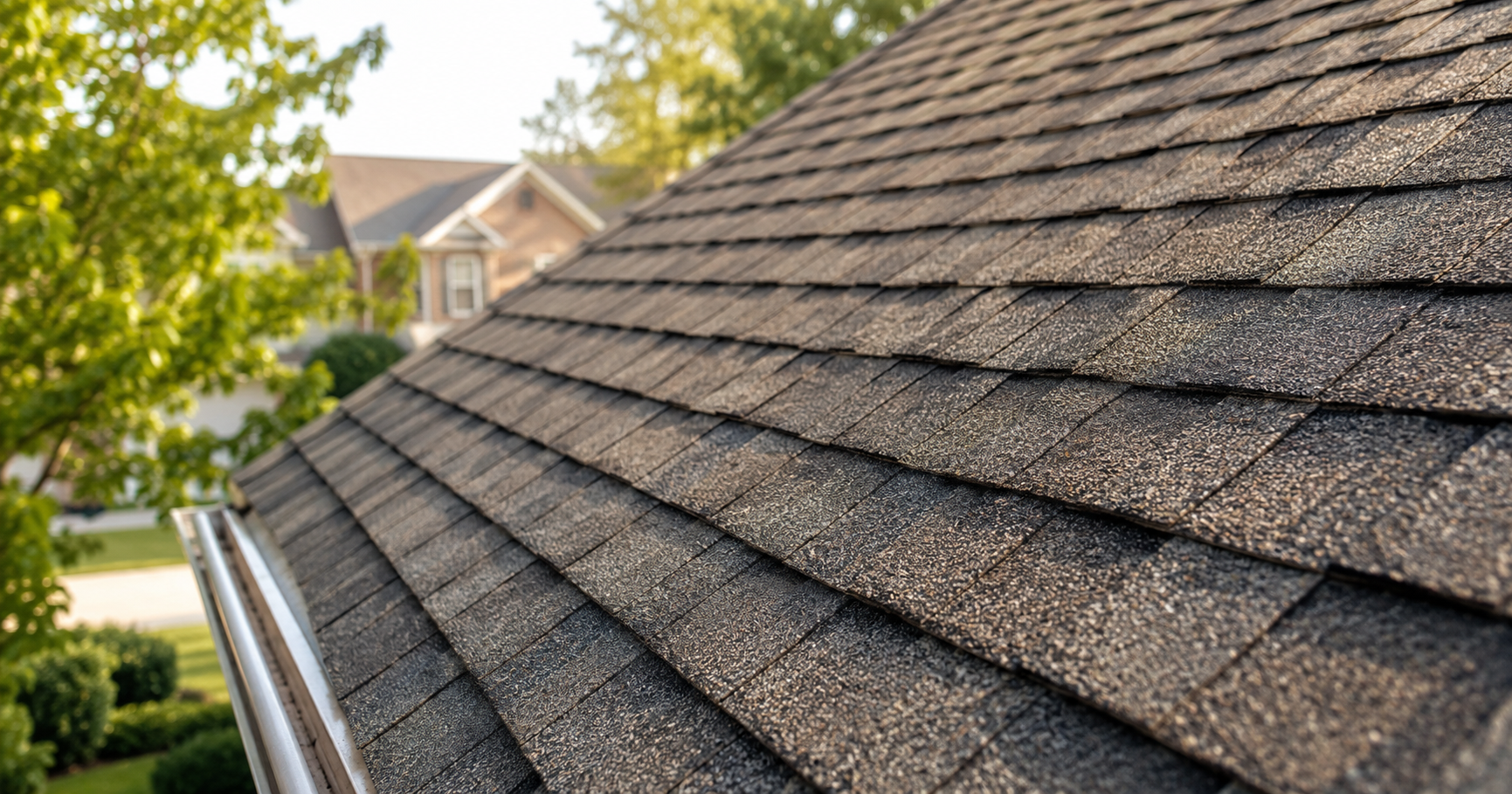
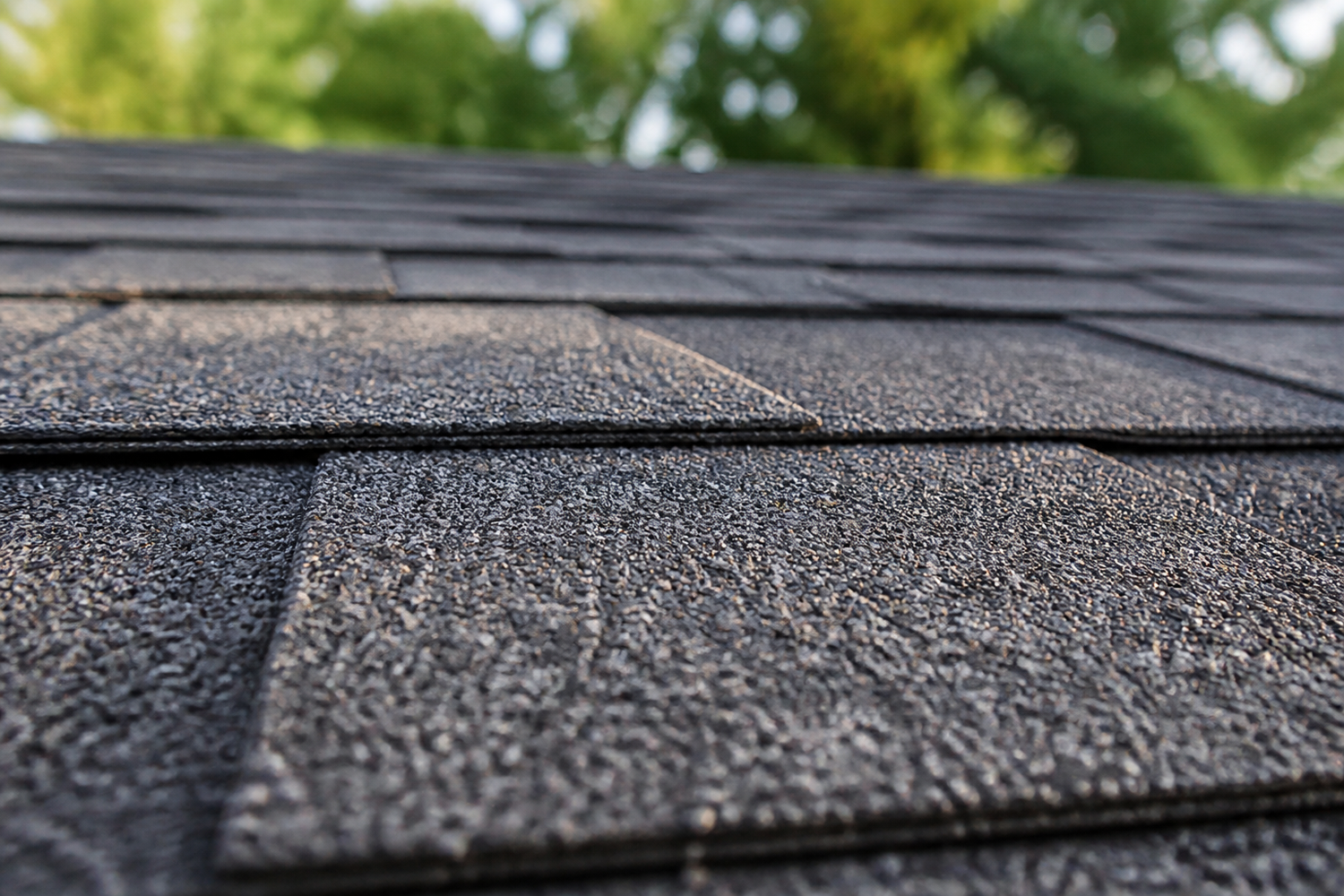
When homeowners notice an aging roof, they often focus on visible signs such as fading, curled edges, loose granules, or small cracks.
However, one of the most important changes is happening inside the shingles.
Asphalt shingles contain oils that help them remain flexible as temperatures and weather conditions change. Over time, exposure to sunlight, heat, rain, wind, humidity, and normal weathering causes those oils to dry out.
As the oil content decreases, shingles can become stiffer, more brittle, and increasingly vulnerable to cracking and granule loss.
For homeowners in Richmond, Midlothian, Henrico, Chesterfield, Glen Allen, Mechanicsville, and surrounding Central Virginia communities, understanding this aging process can help explain why a roof may look mostly intact while still needing attention.
Why Asphalt Shingles Need Oils
Asphalt shingles are designed to handle years of changing weather. The oils within the asphalt help the shingles remain flexible enough to expand and contract as temperatures rise and fall.
That flexibility is important because a roof does not remain at one temperature throughout the year. Shingles heat up during sunny Virginia summers, cool down overnight, and experience additional stress from storms, wind, rain, and seasonal temperature changes.
When shingles are newer, their oil content helps them handle that movement. As those oils gradually dry out, the shingles become less flexible.
What Causes Shingles to Dry Out?
Shingle aging is usually a gradual process. It does not happen because of one storm or one especially hot day.
Instead, it develops through years of exposure to:
- Sunlight and ultraviolet radiation
- High roof-surface temperatures
- Rain, wind, and seasonal storms
- Humidity and moisture
- Repeated heating and cooling
- Normal weathering and age
Local conditions can also affect how quickly shingles age. One side of a roof may receive direct sunlight throughout the day, while another remains shaded by trees.
Roof pitch, ventilation, storm history, tree coverage, and maintenance can all influence the condition of an asphalt shingle roof.
What Happens When Shingles Lose Flexibility?
A flexible shingle can move slightly as temperatures and weather conditions change. A dry and brittle shingle may be more likely to crack, curl, split, or lose granules.
Homeowners may begin noticing:
- Granules collecting in gutters or near downspouts
- Shingles that look dry, faded, or worn
- Curling or lifting edges
- Small cracks or broken corners
- Bare areas where granules are missing
- Uneven aging between sunny and shaded roof sections
A small amount of granule loss does not automatically mean the roof has failed. However, heavy or increasing granule loss should be evaluated, especially when it appears alongside cracking, curling, leaks, or missing shingles.
Why Granules Matter
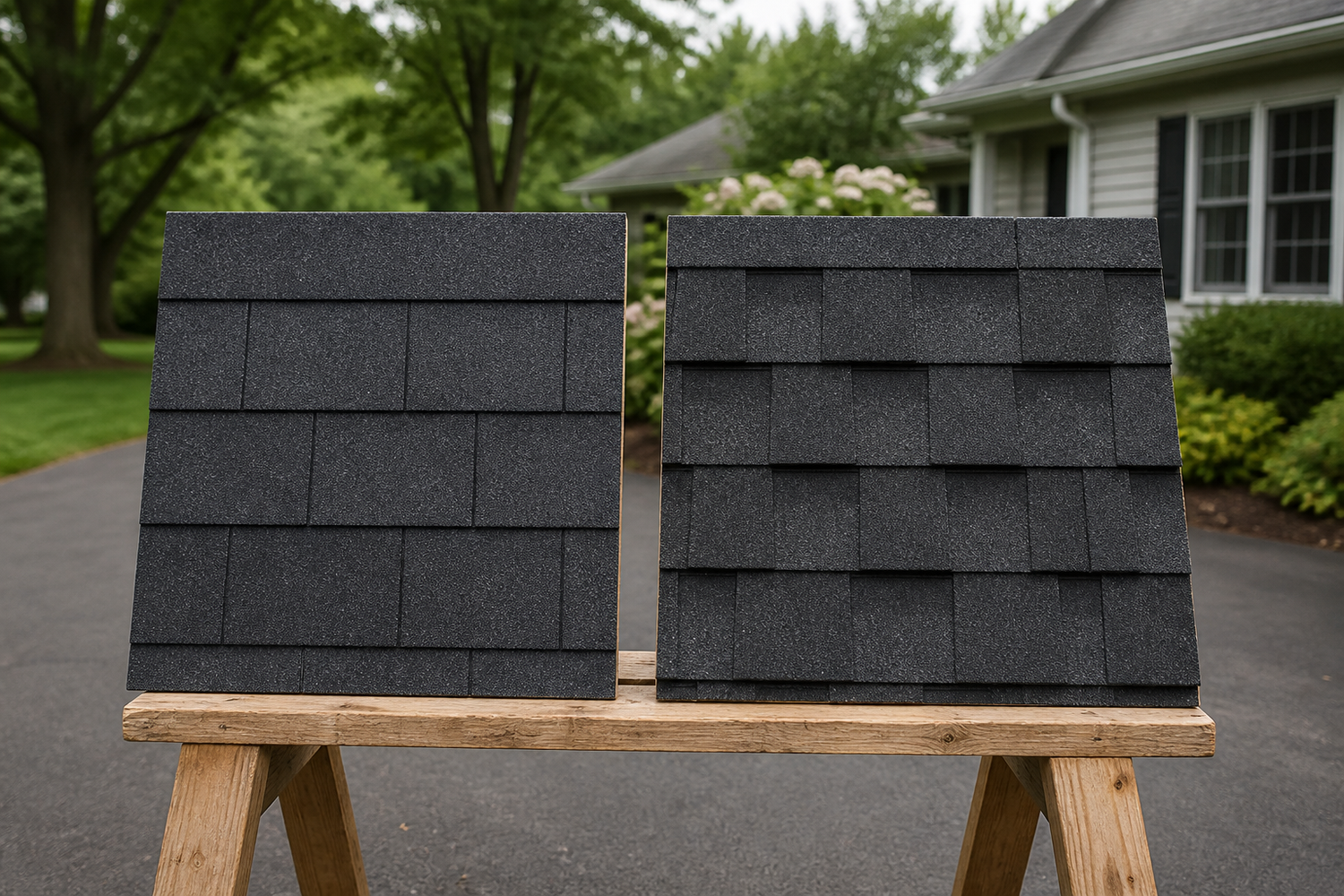
The small mineral granules covering asphalt shingles are not only decorative. They help protect the asphalt layer from sunlight and weather exposure.
As shingles become dry and less flexible, granules may begin loosening more easily. Homeowners often notice them inside gutters, near downspouts, or on the ground after heavy rain.
An inspection can help determine whether the roof is experiencing normal aging, needs targeted repairs, may qualify for restoration, or is approaching replacement.
Dry Shingles Do Not Always Mean You Need a New Roof
Many homeowners assume that visible aging means roof replacement is the only option. That is not always the case.
A roof may be aging and losing flexibility while still having shingles that are securely attached and a structure that remains sound.
In those situations, restoration may be worth considering before moving directly to replacement.
Roof Maxx treatment is designed for qualifying asphalt shingle roofs that are dry and losing flexibility but remain in serviceable condition. It is not intended to repair active leaks, replace missing shingles, or correct damaged decking and structural problems.
Every roof needs to be evaluated individually.
How Roof Maxx Addresses Oil Loss
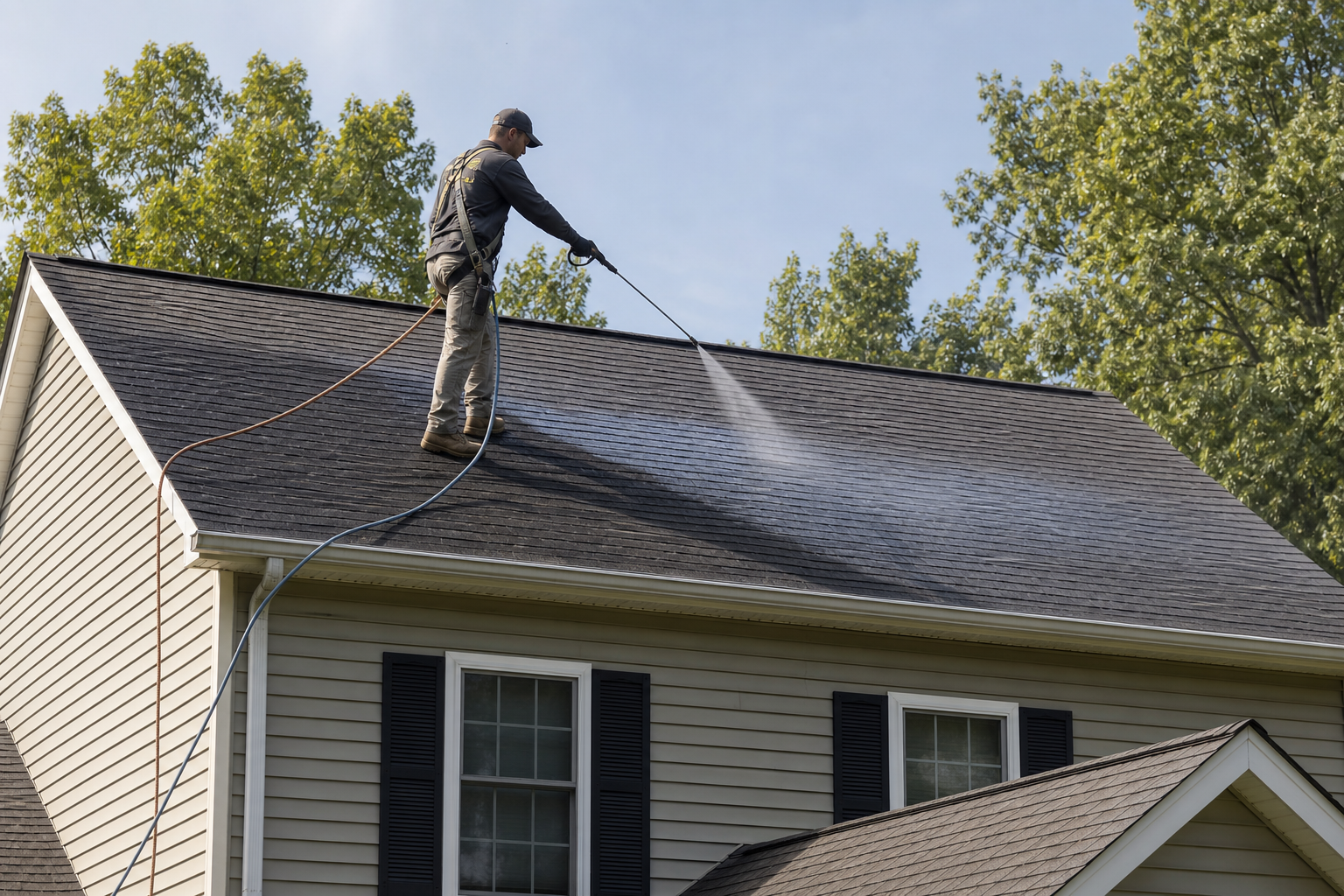
Roof Maxx uses a plant-based treatment designed to penetrate aging asphalt shingles and replenish oils that have been depleted through age and weather exposure.
Instead of forming a coating over the roof, the treatment is designed to absorb into the asphalt layer beneath the granules and help restore flexibility.
It does not make old shingles brand new or repair structural damage. It is a maintenance and restoration option for roofs that still meet the necessary condition requirements.
Why Timing Matters
Roof restoration is most useful before shingles become too damaged.
Once a roof has widespread cracking, major leaks, missing shingles, soft decking, or extensive structural problems, restoring flexibility will not correct those issues.
That is why homeowners should not wait until the roof is visibly failing before requesting an evaluation.
The best time to inspect an aging roof is when the first signs of dryness, brittleness, fading, curling, or granule loss begin to appear.
Depending on the condition of the roof, the recommended next step may be:
- Continue monitoring the roof
- Complete minor repairs
- Perform routine maintenance
- Consider Roof Maxx treatment
- Begin planning for replacement
A roof inspection should provide clear information about the condition of the shingles and the options available.
Why Richmond-Area Roofs Age Differently
Central Virginia roofs are exposed to hot summers, humidity, storms, shade from mature trees, falling debris, and seasonal temperature changes.
A home in a heavily wooded Midlothian neighborhood may experience different roof conditions than a home with full sun exposure in Richmond or Chesterfield.
Even two sides of the same roof can age at different rates.
Roof Max serves homeowners throughout Richmond, Midlothian, Henrico, Chesterfield, Glen Allen, Mechanicsville, and surrounding Central Virginia communities. Each roof evaluation focuses on the condition of the shingles and whether repair, restoration, monitoring, or replacement planning is the appropriate next step.
What Homeowners Can Do
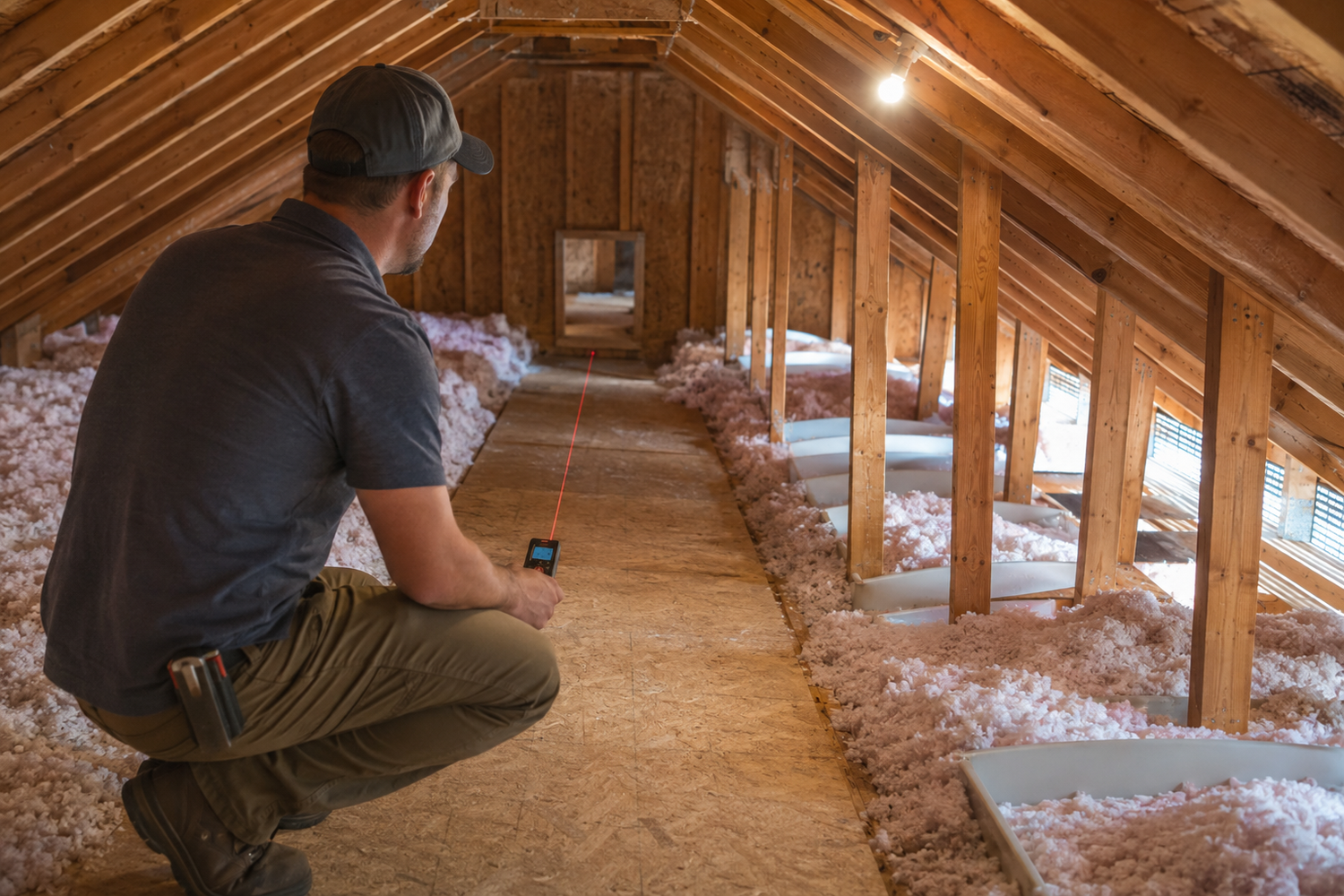
You do not need to climb onto your roof to begin watching for signs of aging.
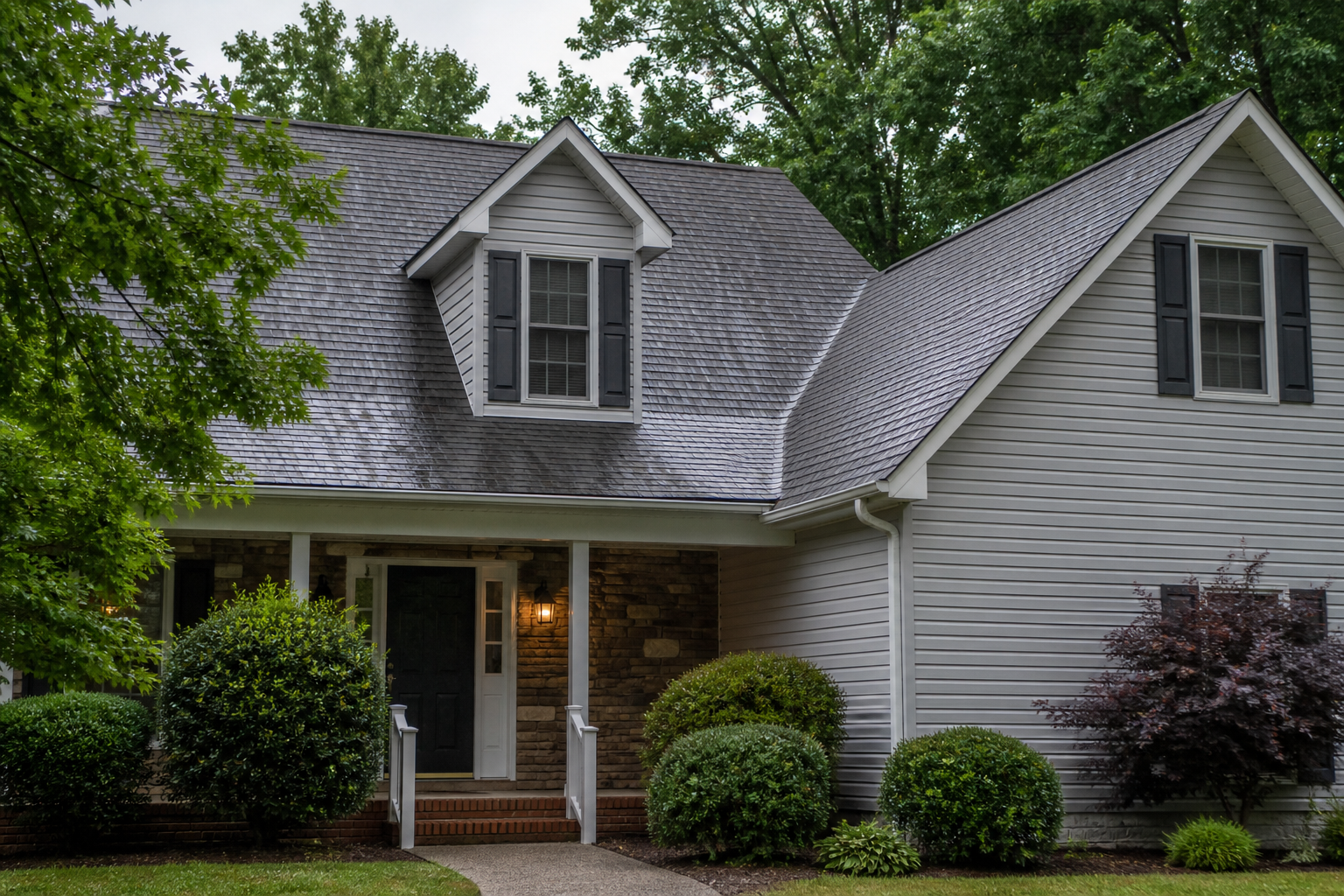
From the ground, look for changes in color, uneven wear, curling edges, missing shingles, dark areas, or debris collecting in roof valleys.
Check gutters and downspouts for unusually heavy granule buildup, and look inside the home for new water stains after heavy rain.
Avoid walking on an aging roof. Brittle shingles can be damaged by foot traffic, and steep or damp roofing surfaces can be dangerous.
When something looks different, schedule an inspection instead of guessing.
Understand Your Roof Before Making a Major Decision
The visible signs of roof aging often begin with changes happening inside the shingles.
As oils dry out, asphalt shingles lose flexibility and may become more vulnerable to cracking, curling, granule loss, and weather-related stress.
That does not mean every aging roof must immediately be replaced. It means the roof should be evaluated while several practical options may still be available.
Is your asphalt shingle roof beginning to look dry, brittle, faded, or worn?
Schedule a local roof evaluation with Roof Max to understand its condition and determine the right next step for your home.
Visit richmondroofrejuvenation.com to get started.