
Roof Restoration Blog | Richmond VA & Central Virginia
Why Asphalt Shingles Become Brittle—and How Roof Max Helps
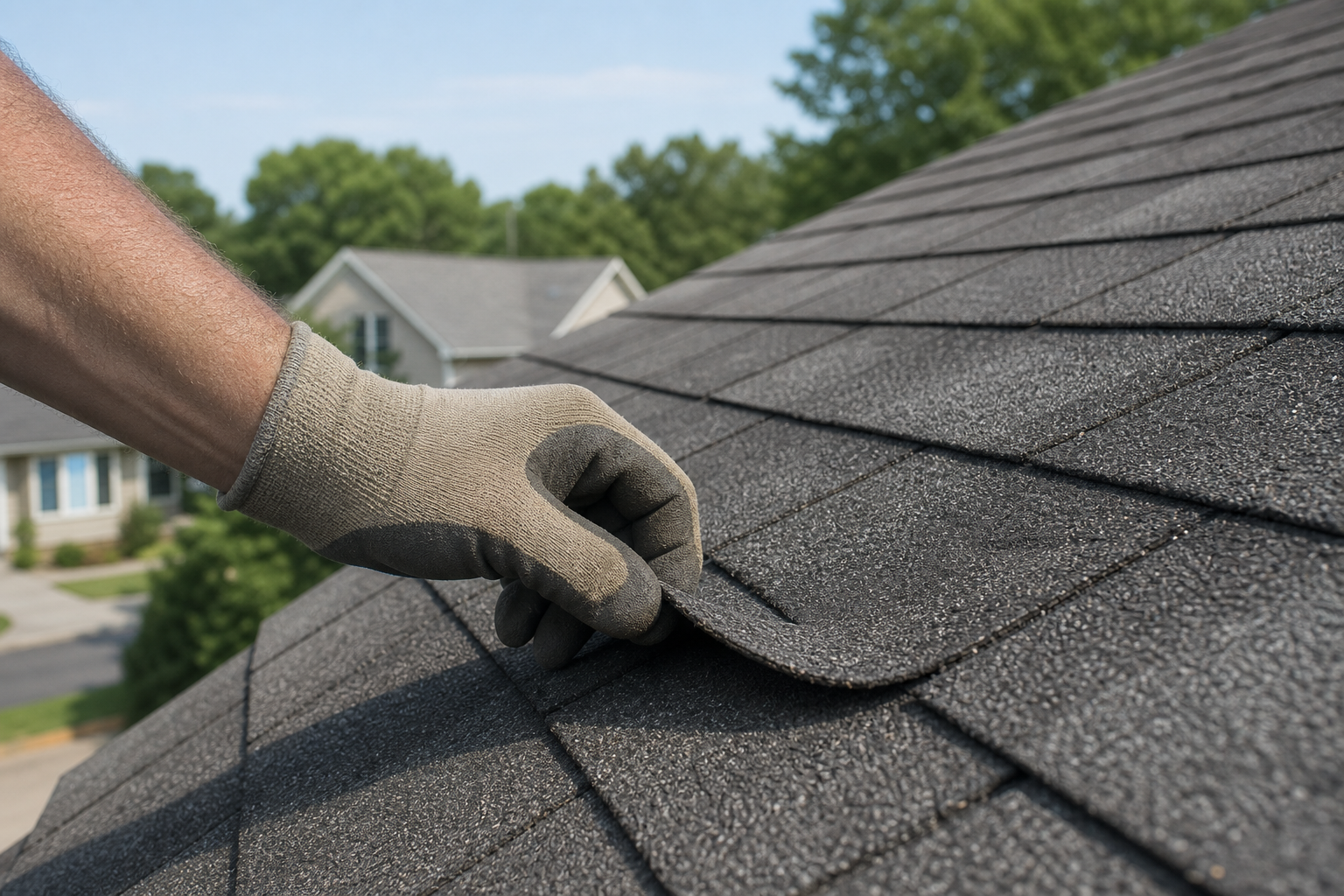
Asphalt shingles do more than sit still on a roof. They warm up in the sun, cool down at night, and respond to changing temperatures throughout the year. To handle that movement, shingles need a certain amount of flexibility.
As a roof ages, the oils inside its asphalt layer gradually diminish. The shingles can become drier, stiffer, and more brittle. That change may not be obvious from the ground, but it can affect how well the roof responds to everyday weather.
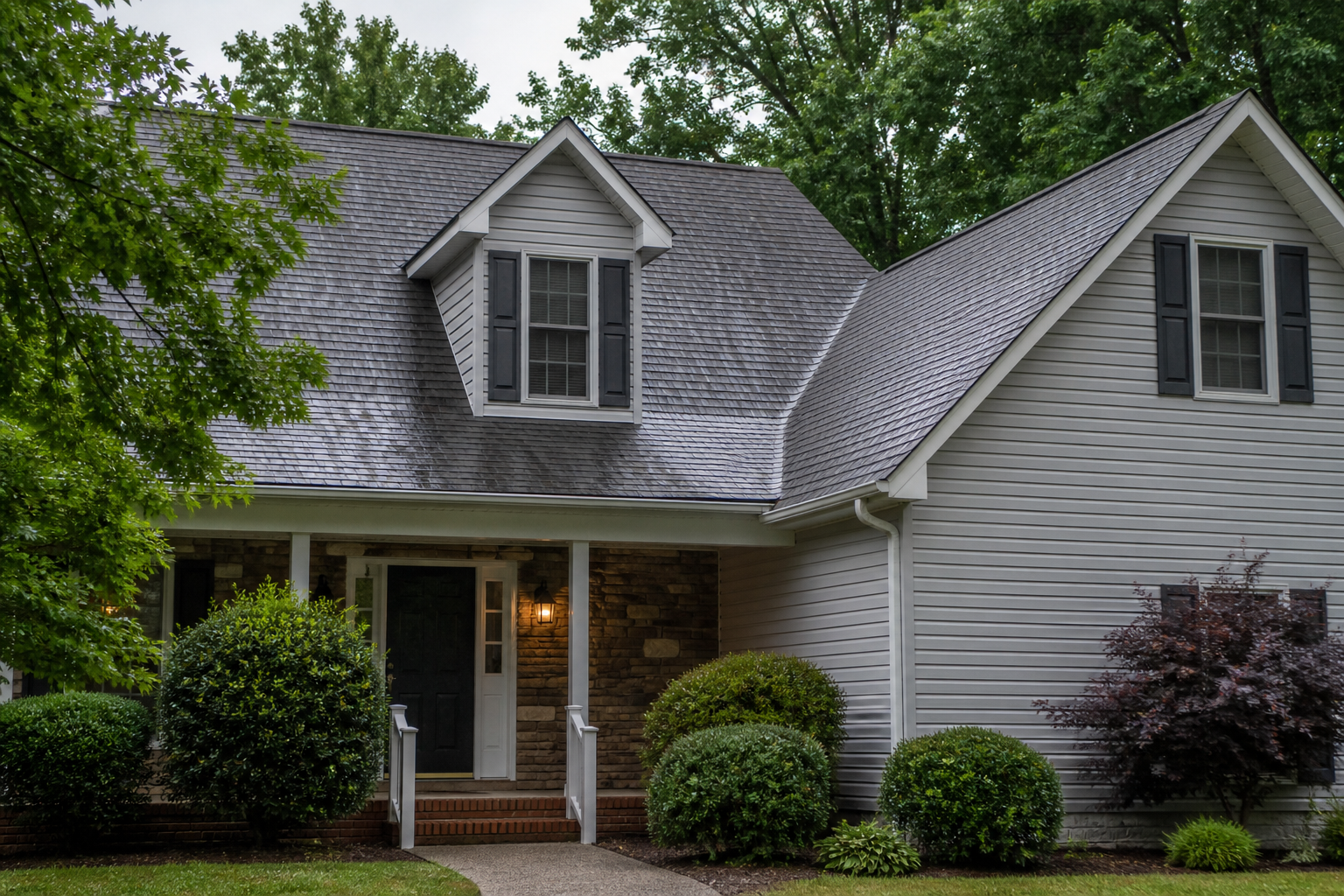
For homeowners in Midlothian, Richmond, and nearby Central Virginia communities, understanding shingle brittleness can make roof-maintenance decisions easier—and help identify when a professional assessment makes sense.
What Does “Shingle Brittleness” Mean?
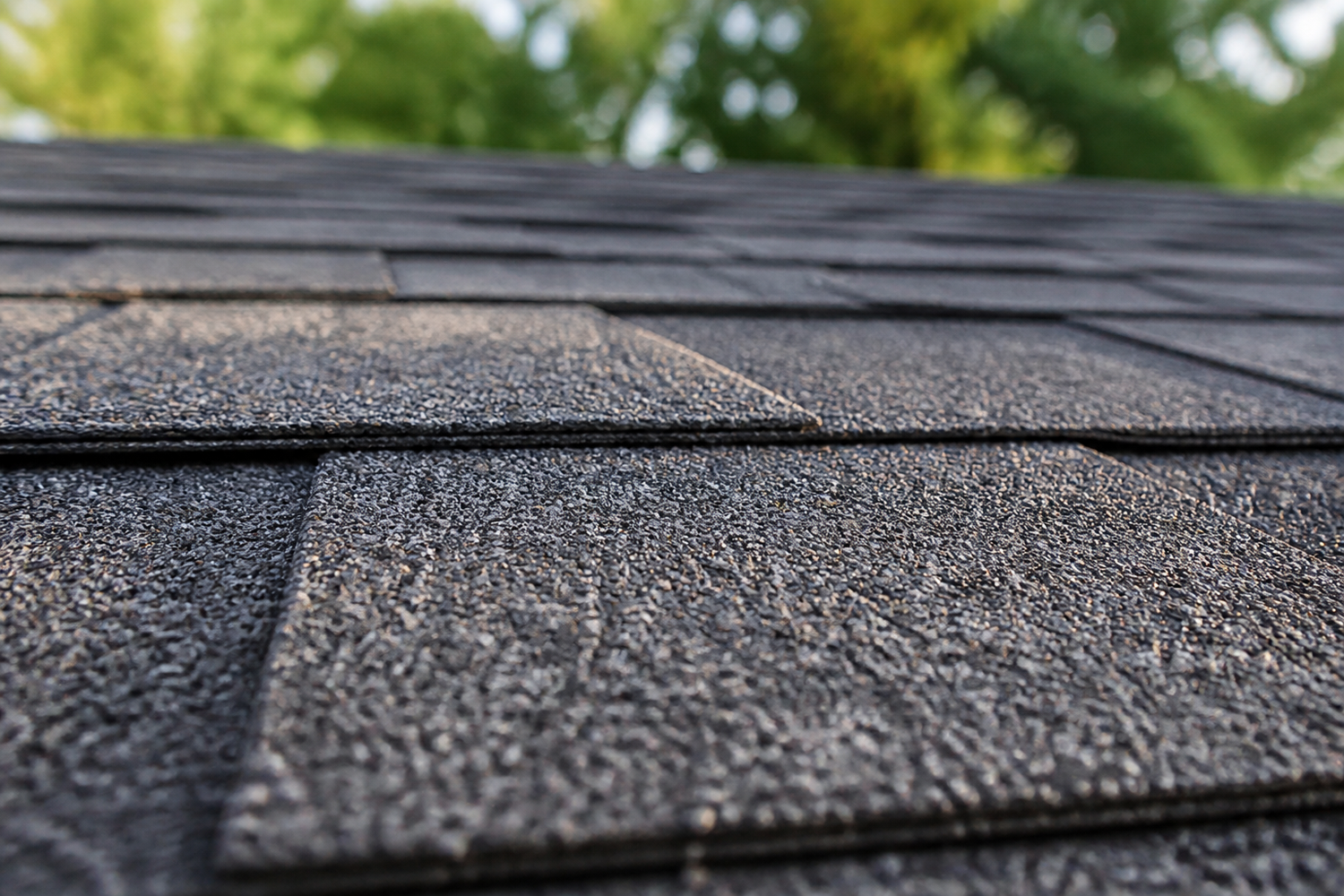
An asphalt shingle contains an asphalt core covered by protective mineral granules. The oils within the asphalt help the material remain pliable enough to expand and contract as conditions change.
Over time, exposure to sunlight, heat, rain, wind, and normal weathering reduces that oil content. As the asphalt dries, the shingle may lose flexibility. A brittle shingle is less able to bend and recover, which can make it more vulnerable to cracking or breaking when it is stressed.
This process is part of normal roof aging. It does not automatically mean a roof has failed, but it does mean the roof deserves closer attention.
Why Flexibility Matters to an Asphalt Roof
Roof shingles experience small movements every day. Warm temperatures cause roofing materials to expand, while cooler temperatures cause them to contract. Flexible shingles can accommodate that movement better than stiff, brittle ones.
When flexibility declines, several concerns can become more likely:
- Cracks may form along stressed areas or shingle edges.
- Corners and tabs may become easier to break.
- Shingles may be less able to absorb impacts from debris or severe weather.
- Normal expansion and contraction can place more stress on aging material.
Flexibility is only one part of roof condition. Flashings, installation quality, ventilation, previous repairs, storm damage, and the roof deck also matter. That is why a complete roof assessment is more useful than judging the shingles from a single symptom.
Signs a Professional May Check
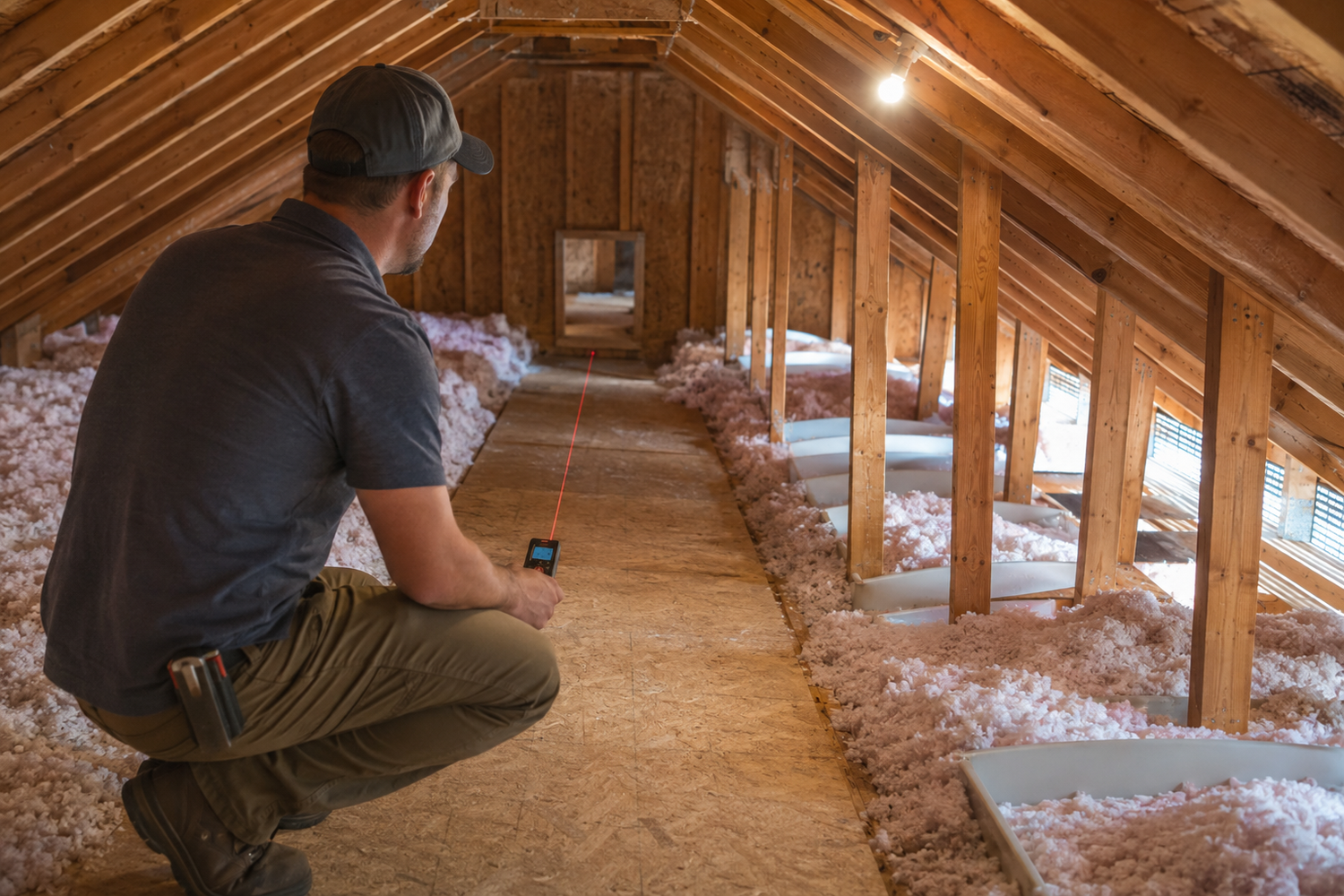
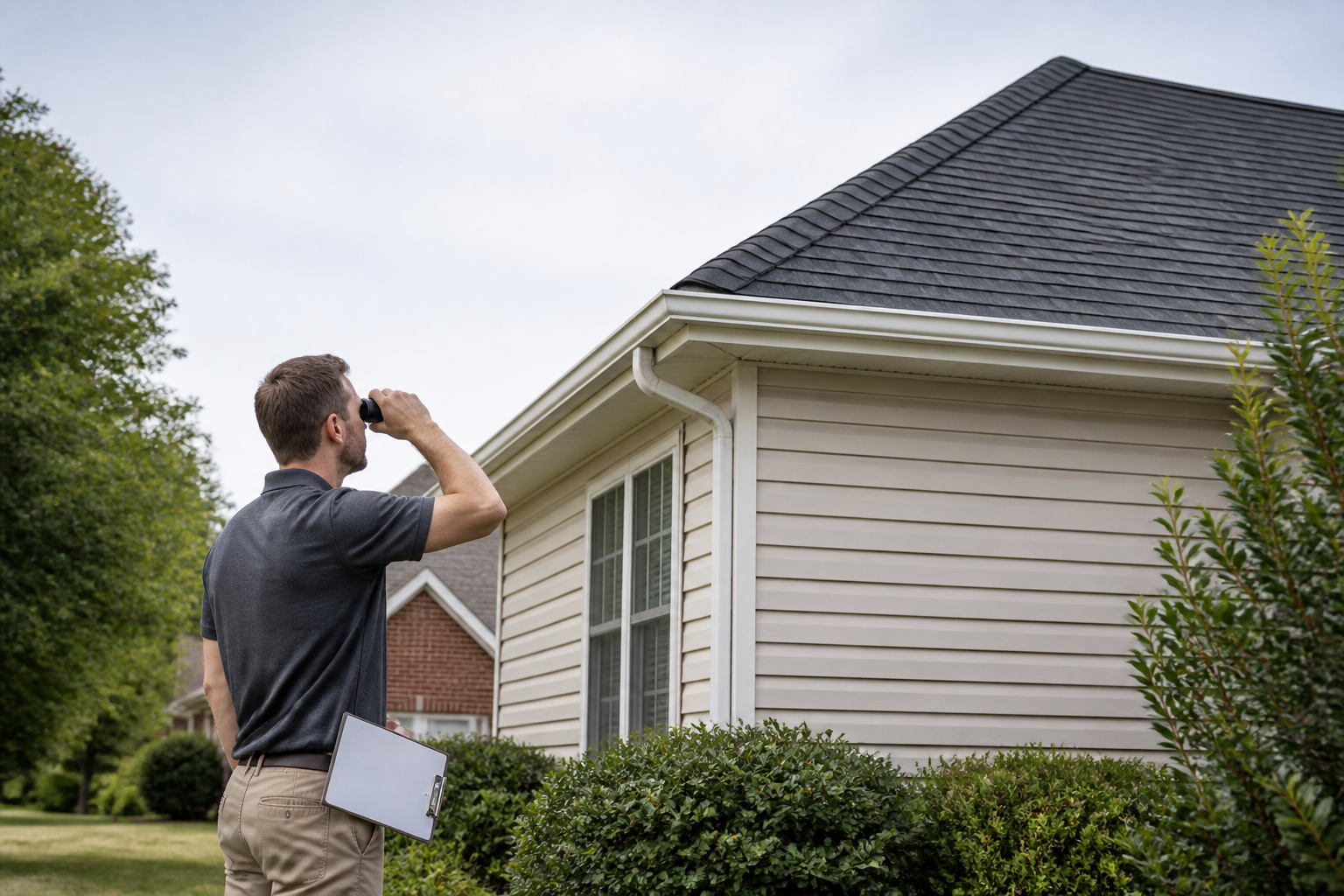
Homeowners should not climb onto a roof to bend or test shingles. Walking on an aging roof can damage the material and creates a serious fall risk. A trained professional can inspect the roof safely and look at the condition as a whole.
During an assessment, a roof professional may check for:
- Cracked, curled, lifted, or broken shingles
- Areas of heavy granule loss
- Missing tabs or visible storm damage
- The condition of flashing around walls, chimneys, and roof penetrations
- The remaining flexibility of representative shingles
- Whether repairs are needed before any maintenance treatment
The goal is not simply to label a roof “old.” It is to determine whether the shingles are still in serviceable condition and whether a maintenance option is appropriate.
How Roof Max Addresses Lost Flexibility
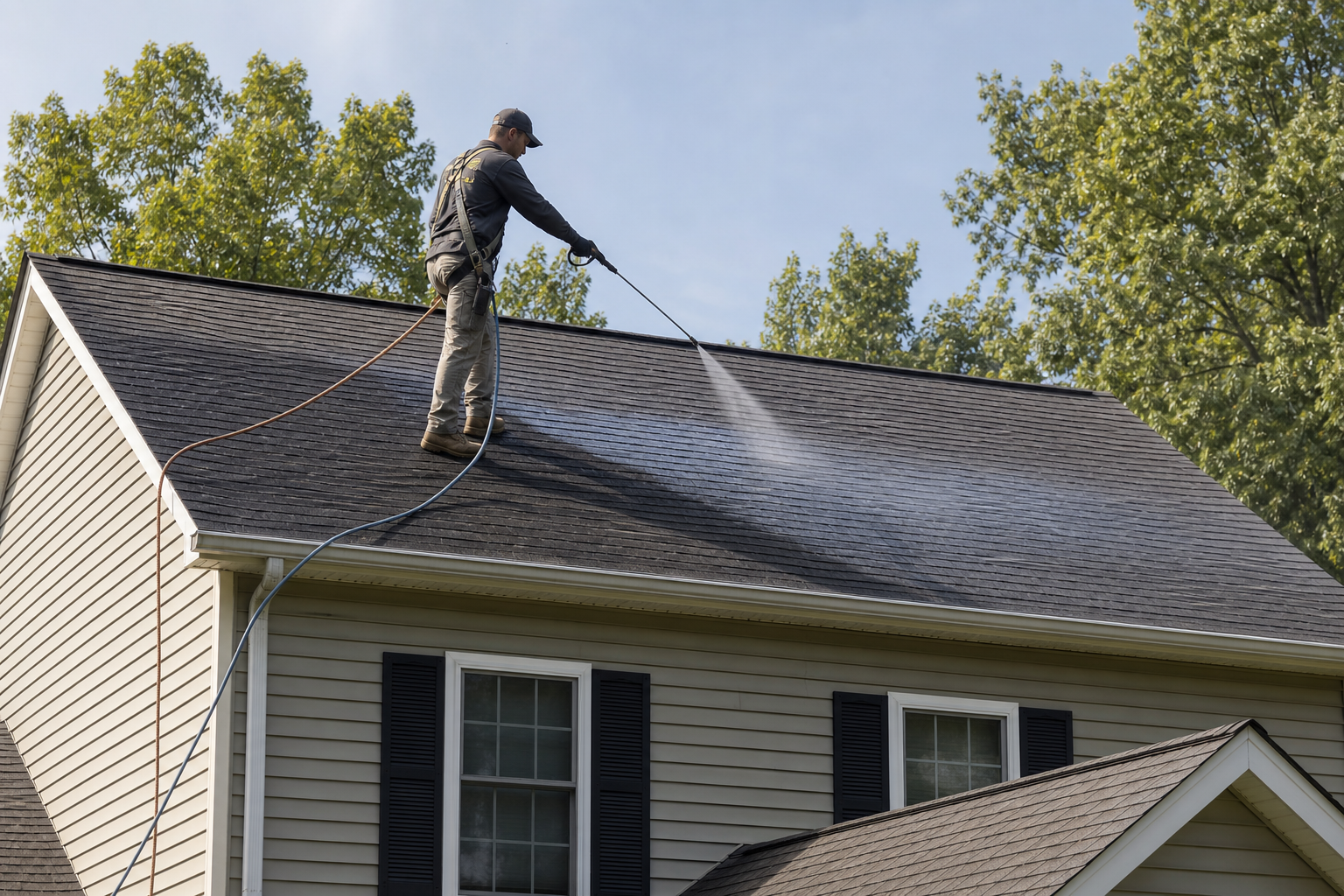
Roof Max is a plant-based roof rejuvenation treatment made for qualifying asphalt shingles. Instead of sitting on top of the roof like a coating, the treatment is designed to penetrate through the granule layer and into the asphalt beneath it.
The treatment replenishes oils that aging shingles have lost, helping restore flexibility to the asphalt. For a qualifying roof, that improved pliability can help the shingles respond more effectively to everyday temperature changes and weather-related stress.
Roof Max is not a paint, surface coating, or leak sealant. It does not correct faulty installation, damaged flashing, structural problems, or shingles that are already too deteriorated to remain serviceable. Those issues may require repairs or replacement.
Does Every Brittle Roof Qualify?
No. A roof must be evaluated before treatment. Roof Max is intended for asphalt shingles that are aging but still suitable for rejuvenation. A roof with extensive cracking, widespread missing shingles, active structural problems, or other advanced damage may not be a candidate.
An assessment helps answer three practical questions:
- Are the shingles still in serviceable condition?
- Are repairs needed before treatment?
- Is rejuvenation a sensible maintenance option for this specific roof?
That qualification step protects the homeowner from treating a roof that needs a different solution.
A Smarter First Step for an Aging Roof
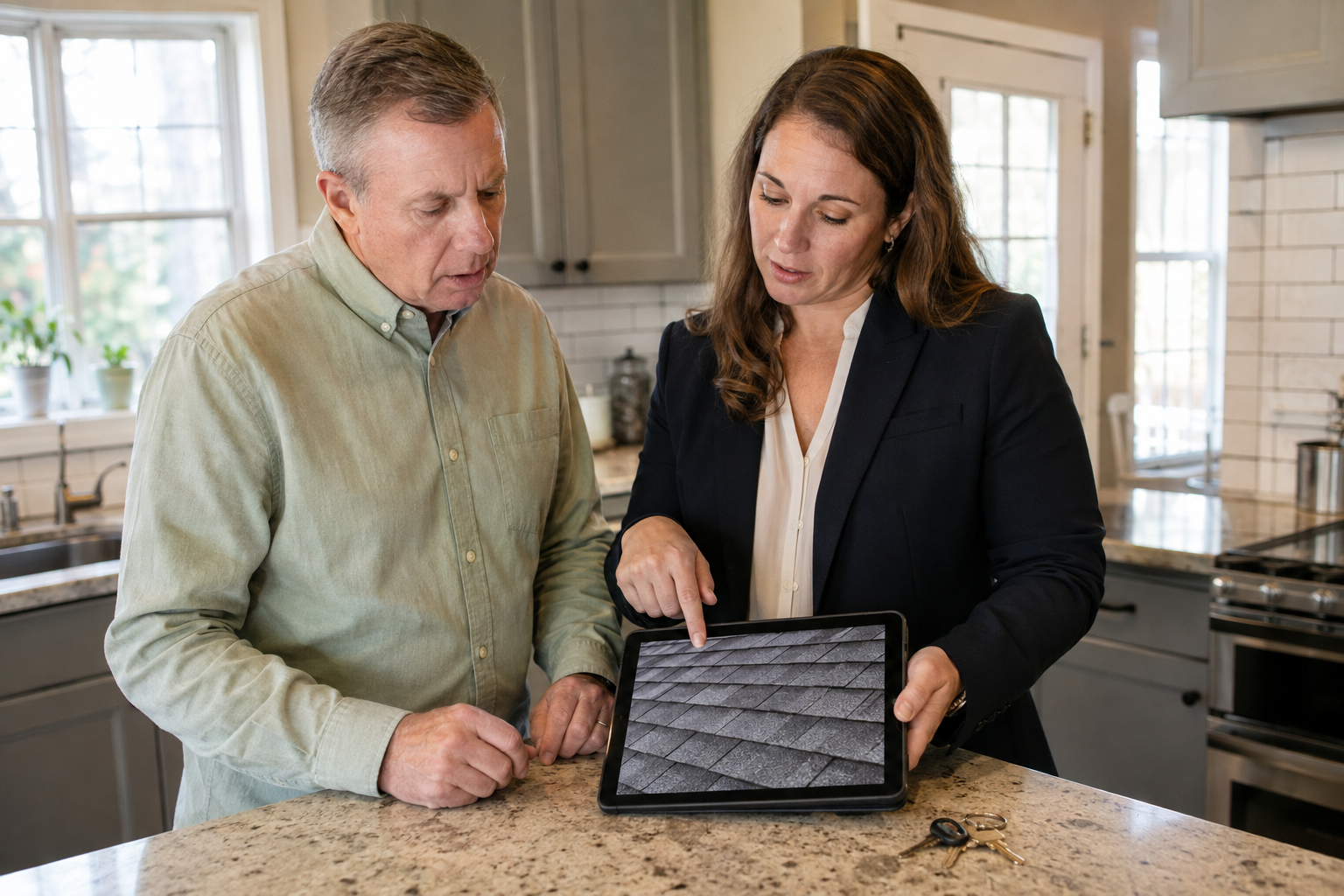
If your roof looks weathered, you do not have to guess whether brittleness has become a concern. A professional assessment can document the roof’s current condition, identify visible problem areas, and explain the available options.
For qualifying asphalt roofs, Roof Max offers a maintenance approach focused on the material property that aging shingles often lose: flexibility. For roofs that do not qualify, the assessment can still give homeowners useful information for planning repairs or replacement.
To learn more about Roof Max or request an assessment in Midlothian, Richmond, or Central Virginia, visit richmondroofrejuvenation.com.