
Roof Restoration Blog | Richmond VA & Central Virginia
Is Your Gutter Pitch Correct? Why a Small Slope Makes a Big Difference
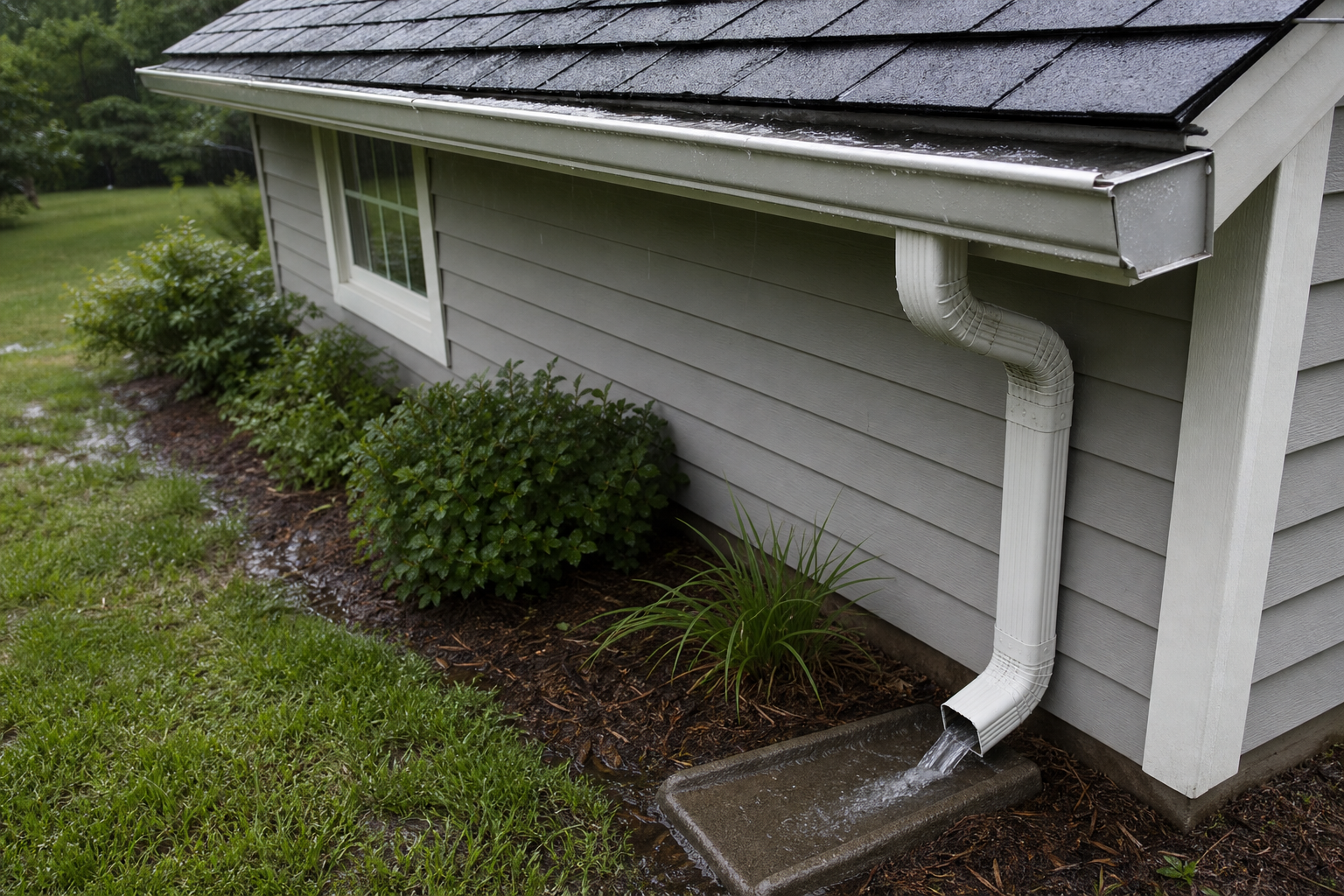
Gutters may look level from the ground, but a properly installed gutter needs a small, consistent slope toward its downspout. That pitch gives rainwater a controlled downhill path instead of allowing it to sit in low spots along the eave.
When the slope is wrong, even a clean gutter can drain poorly. Water may pool, spill over the edge, strain the hangers, or concentrate near areas where you do not want it. For homeowners in Midlothian, Richmond, and surrounding Central Virginia communities, checking gutter performance is a simple but important part of routine roof maintenance.
What Is Gutter Pitch?
Gutter pitch is the gradual drop in elevation from the high end of a gutter run to the downspout. The change is usually subtle enough that the gutter still appears nearly level, but it provides the downhill path water needs to move.
Federal building-science guidance calls for gutters to slope at least 1/16 inch per foot of run. That is a general reference point, not a universal do-it-yourself measurement. The appropriate pitch can depend on the gutter profile, run length, roof area, downspout locations, and manufacturer instructions.
Long rooflines may also need more than one downspout or separate gutter runs. A qualified installer can determine the correct layout for the home rather than forcing all the water toward one outlet.
Why Correct Pitch Matters
A gutter system has one basic job: collect roof runoff and deliver it to the downspouts. Correct pitch helps that happen efficiently.
When water continues moving toward the outlet, the system is better able to:
- Reduce standing water inside the gutter
- Limit added weight on hangers and fascia
- Carry roof runoff toward the intended downspout
- Reduce overflow along the roof edge
- Support drainage away from the foundation when the downspout is properly extended
Pitch is only one part of good drainage. Gutters must also be clear of leaves and debris, securely fastened, correctly sized, and connected to open downspouts. The discharge point should move water away from the home to an appropriate location.
Signs the Gutter Pitch May Be Wrong
You do not need to climb a ladder to notice many drainage problems. In fact, wet roofs and ladders create serious safety risks. Observe the system from the ground during a gentle rain or shortly after the weather clears.
Watch for these clues:
- Water remains in one section after the rest of the gutter has drained.
- A visible sag creates a low spot between hangers.
- Water spills over the edge even when the gutter appears clean.
- Streaks or watermarks appear on the outside face of the gutter.
- Water moves away from the downspout instead of toward it.
- Soil erosion or persistent wet areas appear beneath the roof edge.
- A hanger has loosened or pulled away from the fascia.
These symptoms do not always mean the pitch is incorrect. A clogged downspout, undersized gutter, damaged seam, roof-valley runoff, or loose hardware can create similar problems. A complete inspection helps identify the actual cause.
How Gutters Lose Their Proper Slope
Even a gutter that was installed correctly can shift over time. Wet leaves and standing water add weight. Ice, fallen branches, ladder pressure, loose fasteners, and movement in the fascia can also affect alignment.
A single loose hanger may create a dip that traps water. On a longer run, several small changes can interrupt the original downhill path. Simply cleaning the gutter will not correct a sag or fastening problem, although cleaning should still be part of the inspection.
How a Professional Checks and Corrects Pitch
A professional can inspect the entire gutter run, locate the high and low points, and confirm that water is moving toward the intended outlet. The correction may involve:
- Clearing debris from the gutter and downspout
- Refastening or replacing loose hangers
- Repositioning sections to restore a consistent slope
- Repairing damaged seams or end caps
- Adding or relocating a downspout on a long run
- Checking the fascia for deterioration before fastening the gutter
- Confirming that the downspout extension carries water away from the home
The goal is a smooth, continuous drainage path—not a gutter that is simply tilted as steeply as possible. Excessive slope can look uneven and may indicate that the system was not laid out correctly for the roofline.
A Practical Central Virginia Maintenance Check
Central Virginia homes regularly experience summer rain, wind, falling leaves, and seasonal temperature changes. Those conditions make it worthwhile to observe gutters more than once a year and after significant storms.
A practical ground-level routine includes:
- Look for visible sags or separated joints.
- Watch where overflow occurs during rain.
- Confirm that water reaches each downspout.
- Check that downspouts discharge away from the foundation.
- Arrange professional cleaning or adjustment when something looks wrong.
Do not test gutter pitch from a wet ladder or walk on the roof. A qualified professional has the equipment and experience to evaluate the system safely.
Good Drainage Supports the Whole Roof System
Gutter pitch does not change the condition of asphalt shingles, but drainage and shingle maintenance work together to help manage water around the home. A roof assessment can identify visible concerns with shingles, flashings, roof penetrations, and other components while giving the homeowner a clearer maintenance plan.
Roof Max is a roof rejuvenation treatment designed for qualifying asphalt shingles. If your roof is aging and you want to understand its condition, request an assessment and learn whether rejuvenation may be appropriate.
For roof-maintenance information or to learn more about Roof Max in Midlothian, Richmond, and Central Virginia, visit richmondroofrejuvenation.com.