
Roof Restoration Blog | Richmond VA & Central Virginia
Why Shingle Flexibility Matters More Than Most Homeowners Realize
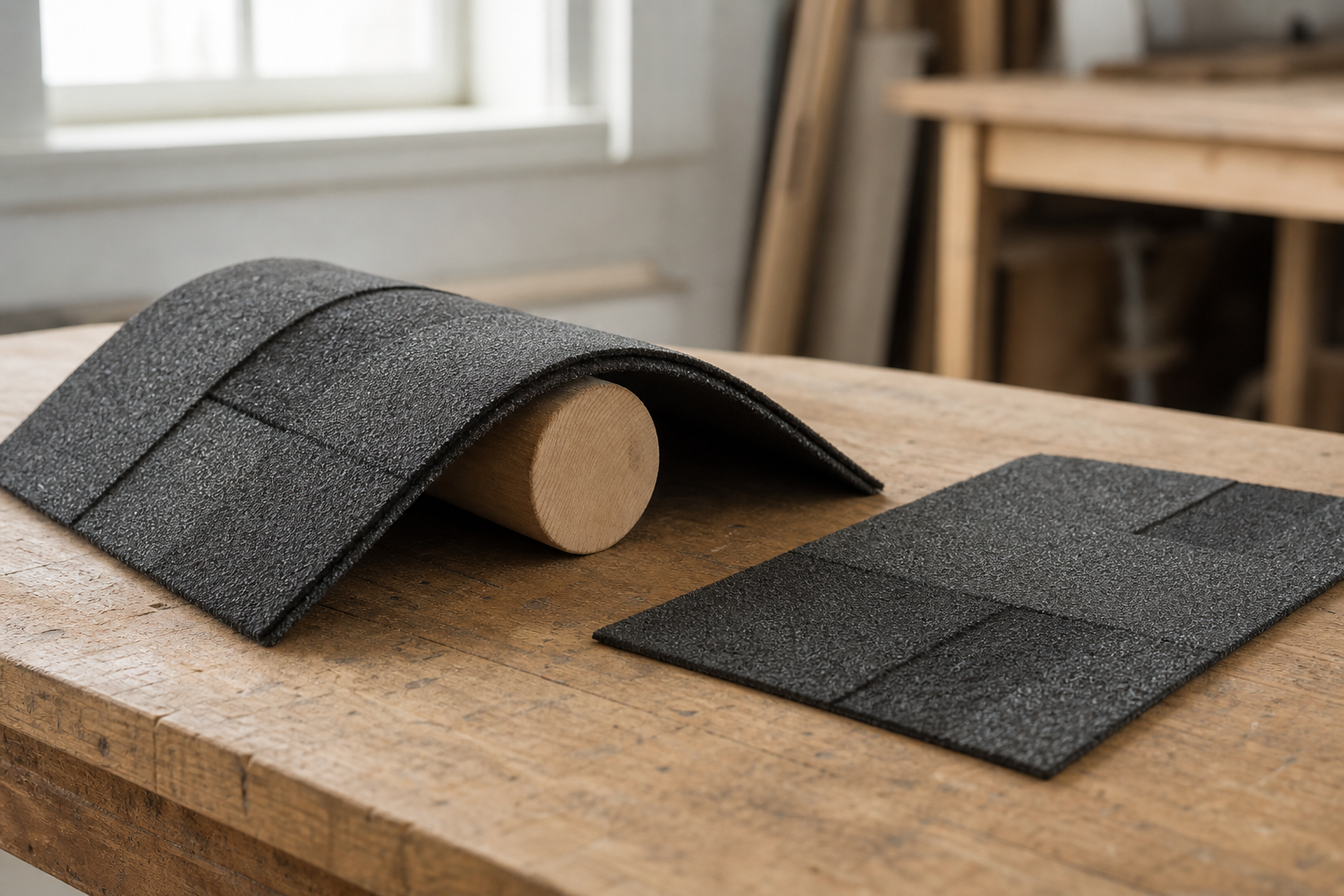
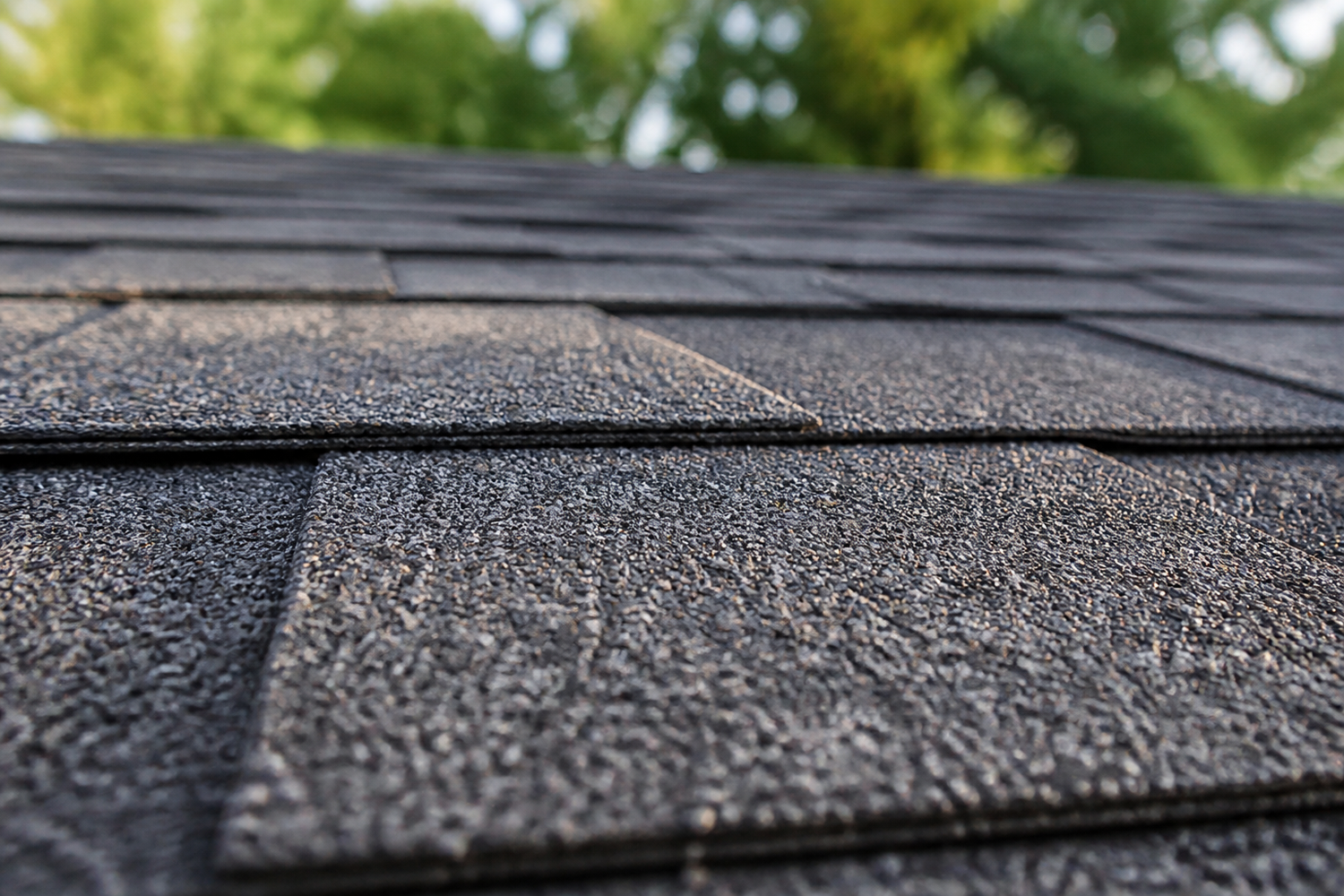
When homeowners think about roof condition, they often look for obvious problems such as missing shingles, dark streaks, loose flashing, or an active leak. One important quality is much harder to see from the ground: the flexibility of the asphalt shingles.
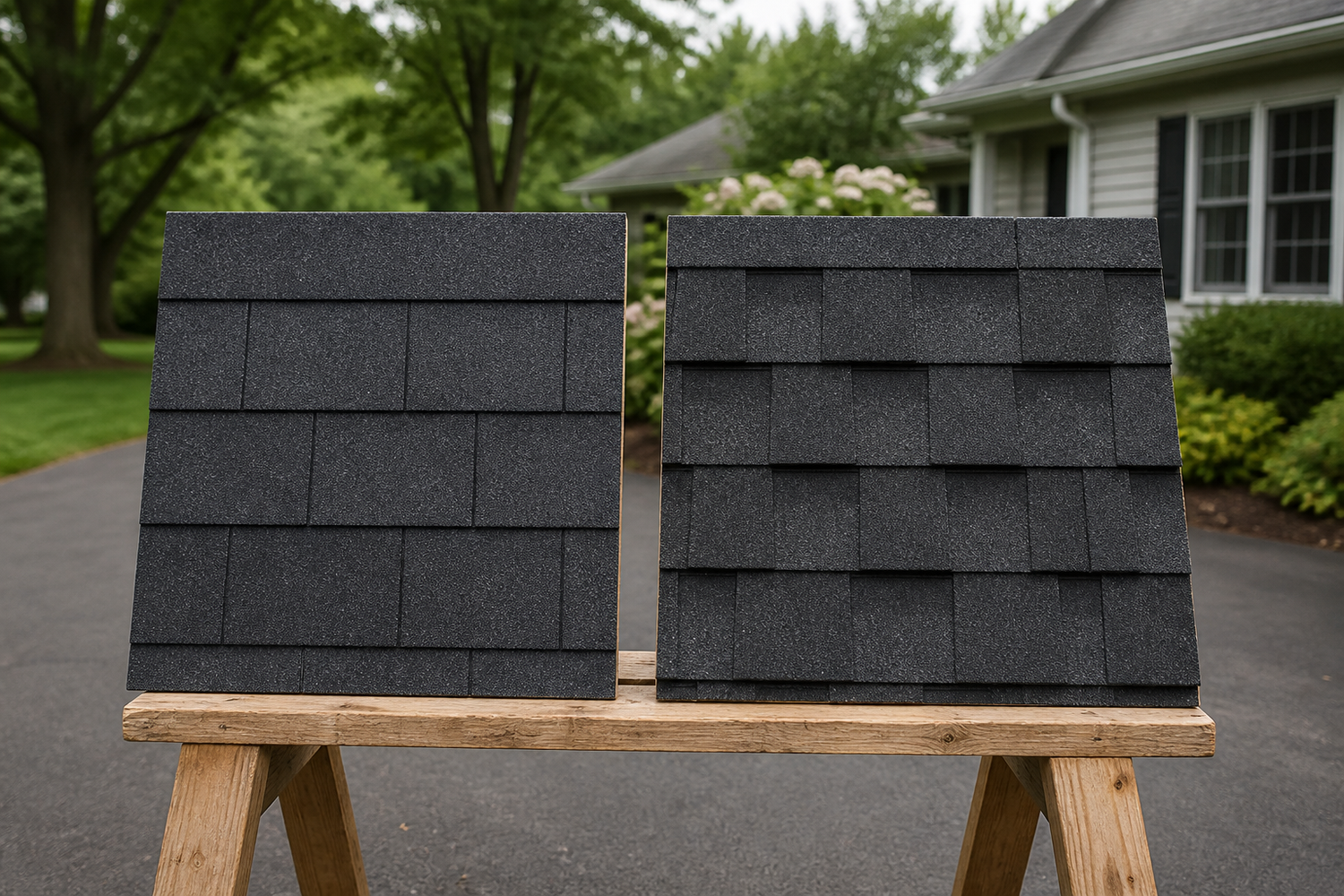
Asphalt shingles are not intended to behave like rigid pieces of material. They need enough pliability to respond to everyday temperature changes and normal weather-related movement. As that flexibility declines with age, the shingles can become less capable of handling stress without cracking or breaking.
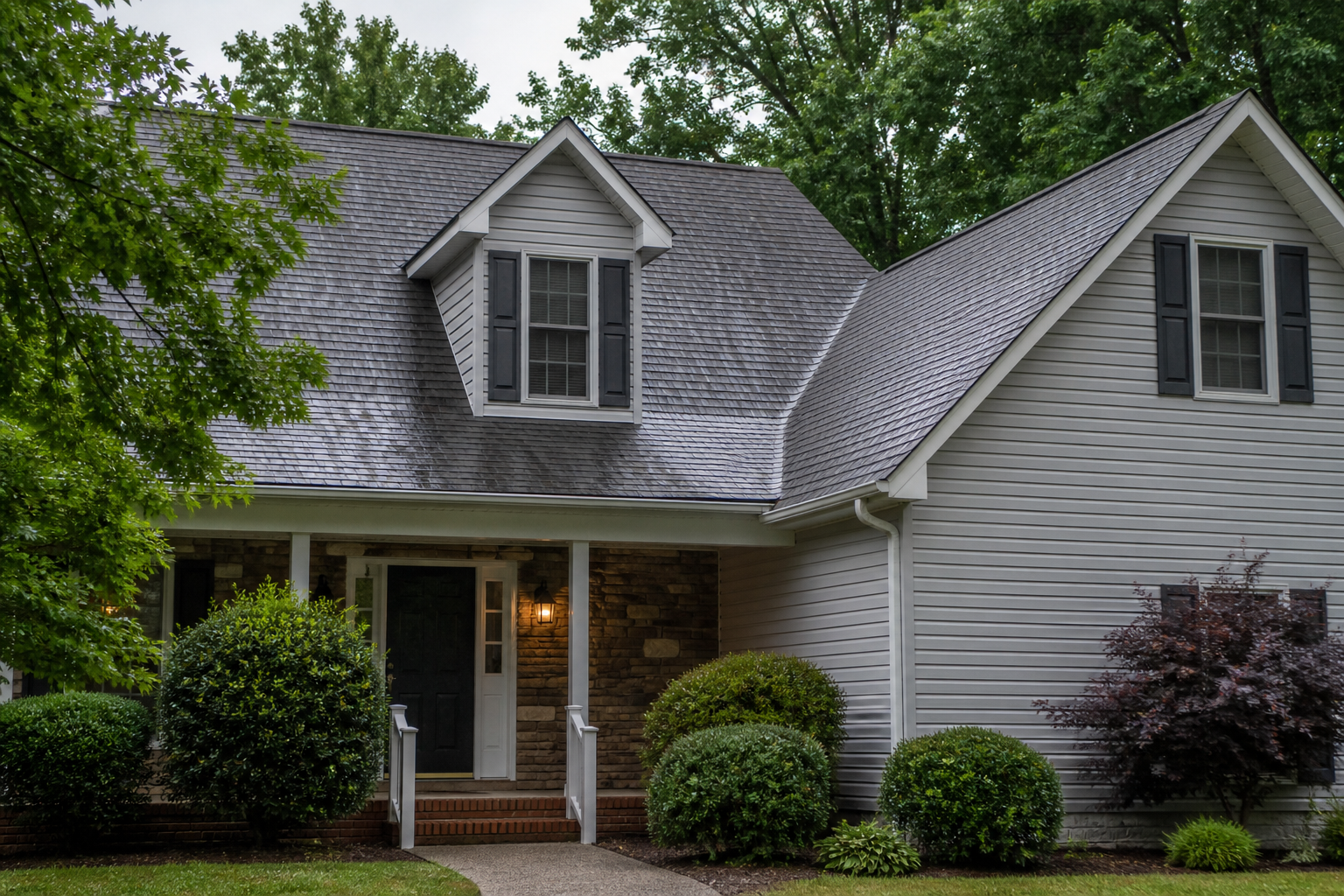
For homeowners in Midlothian, Richmond, and surrounding Central Virginia communities, understanding flexibility can make it easier to evaluate an aging roof before visible damage becomes the only factor guiding the decision.
Asphalt Shingles Are Flexible by Design
An asphalt shingle contains an asphalt core reinforced with a supporting mat and covered by protective mineral granules. Oils within the asphalt help the material remain pliable.
That pliability matters because roofing materials move slightly throughout the day and across the seasons. Sunlight warms the roof. Cooler evening temperatures allow it to contract. Storms, wind, and falling debris can introduce additional stress.
The movement may be too small to see, but the material still needs to accommodate it. A shingle with appropriate flexibility can bend and recover more effectively than one that has become dry and brittle.
What Happens as Shingles Age?
Sunlight, heat, rain, wind, and normal weathering gradually change the asphalt inside a shingle. Over time, the oils that help the material remain pliable can diminish. The asphalt becomes stiffer, and the shingle may no longer respond to movement as well as it once did.
This is a gradual aging process rather than a single event. A roof may still look reasonably uniform while the shingles are becoming less flexible beneath the granule surface.
As flexibility declines, aging shingles may become more vulnerable to:
- Cracking along edges or stressed areas
- Breaking when subjected to movement or impact
- Curling, cupping, or lifted corners
- Additional stress during hot-to-cool temperature changes
- Damage when walked on or handled during repairs
- Continued loss of protective surface granules
These symptoms can have more than one cause, so flexibility should be considered as part of a complete roof assessment rather than diagnosed from one visual clue.
Flexibility Helps Shingles Handle Temperature Movement
Asphalt shingles warm and expand during periods of heat and contract as they cool. This repeated movement is often called thermal cycling.
Thermal cycling is normal and cannot be eliminated. What matters is whether the shingles still have enough pliability to move without experiencing excessive material stress. A flexible shingle is better prepared to respond to normal expansion and contraction. A stiff, brittle shingle is more likely to develop cracks when movement continues.
Central Virginia roofs experience hot summer sun, cooler nights, seasonal temperature changes, and passing storms. Those conditions make flexibility a practical roof-performance concern—not simply a laboratory measurement.
Flexibility Is Not the Same as Overall Roof Condition
Flexibility is important, but it is only one part of a functioning roof system. A professional assessment should also consider:
- The amount and distribution of granule loss
- Cracked, missing, or lifted shingles
- Flashing around chimneys, walls, vents, and skylights
- Previous repairs and installation quality
- Roof-deck condition and visible structural concerns
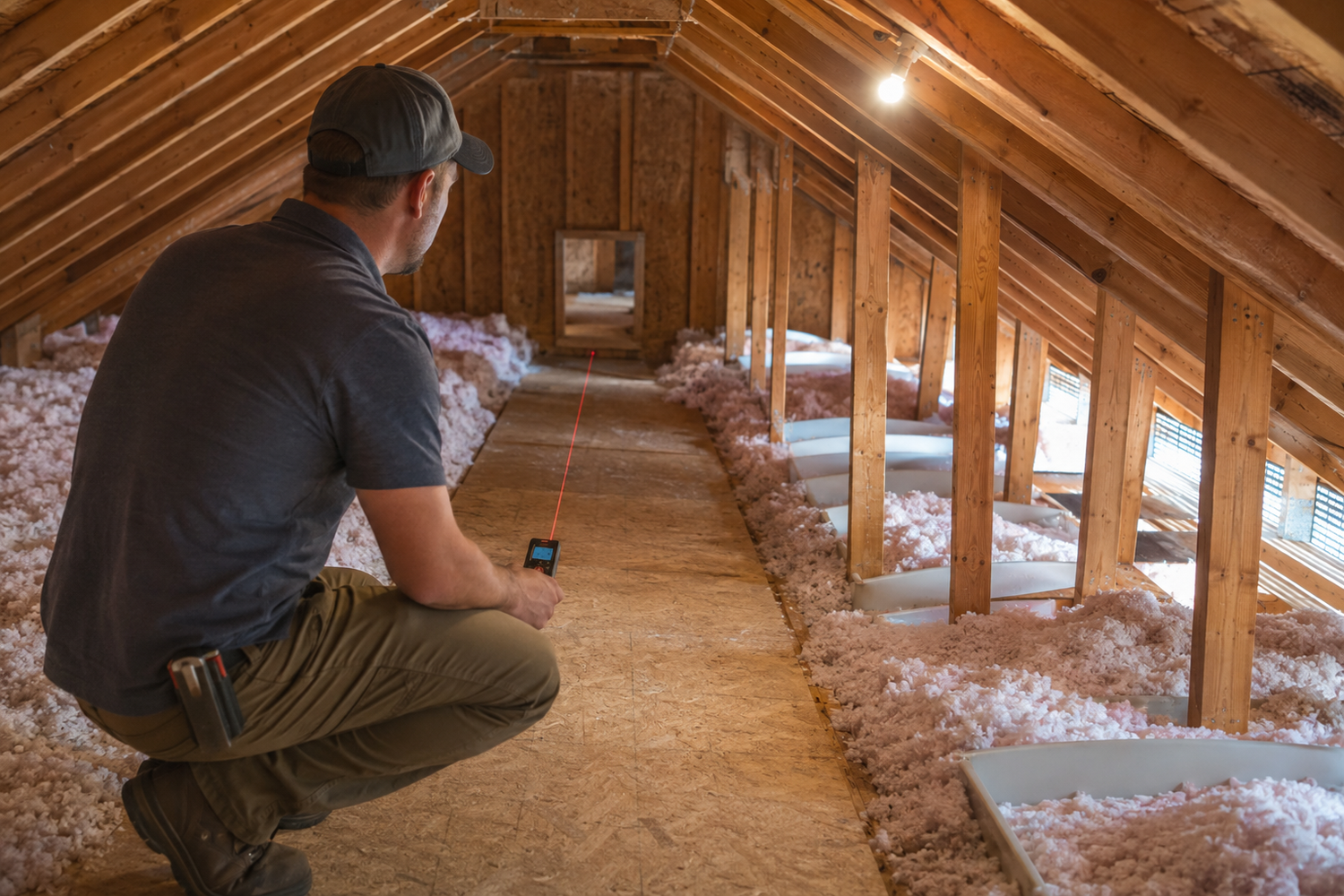
- Attic ventilation and moisture evidence
- The condition of gutters and drainage components
A flexible shingle cannot correct damaged flashing, poor installation, rotted decking, or an active structural problem. Likewise, restoring flexibility is not the same as sealing a leak.
Homeowners Should Not Test Shingles Themselves
It may be tempting to climb onto the roof and try bending a shingle, but that is not a safe or reliable do-it-yourself inspection. Walking on an aging roof can damage brittle material, and any roof or ladder work creates a serious fall risk.
A trained professional can evaluate representative areas using an established assessment process. The purpose is to determine whether the shingles remain serviceable, whether repairs are needed, and whether the roof is a candidate for maintenance rather than replacement.
From the ground, homeowners can watch for visible concerns such as curled edges, cracked tabs, missing pieces, or unusually heavy granule accumulation near downspouts. Those observations are reasons to arrange an assessment—not a substitute for one.
How Roof Max Supports Shingle Flexibility
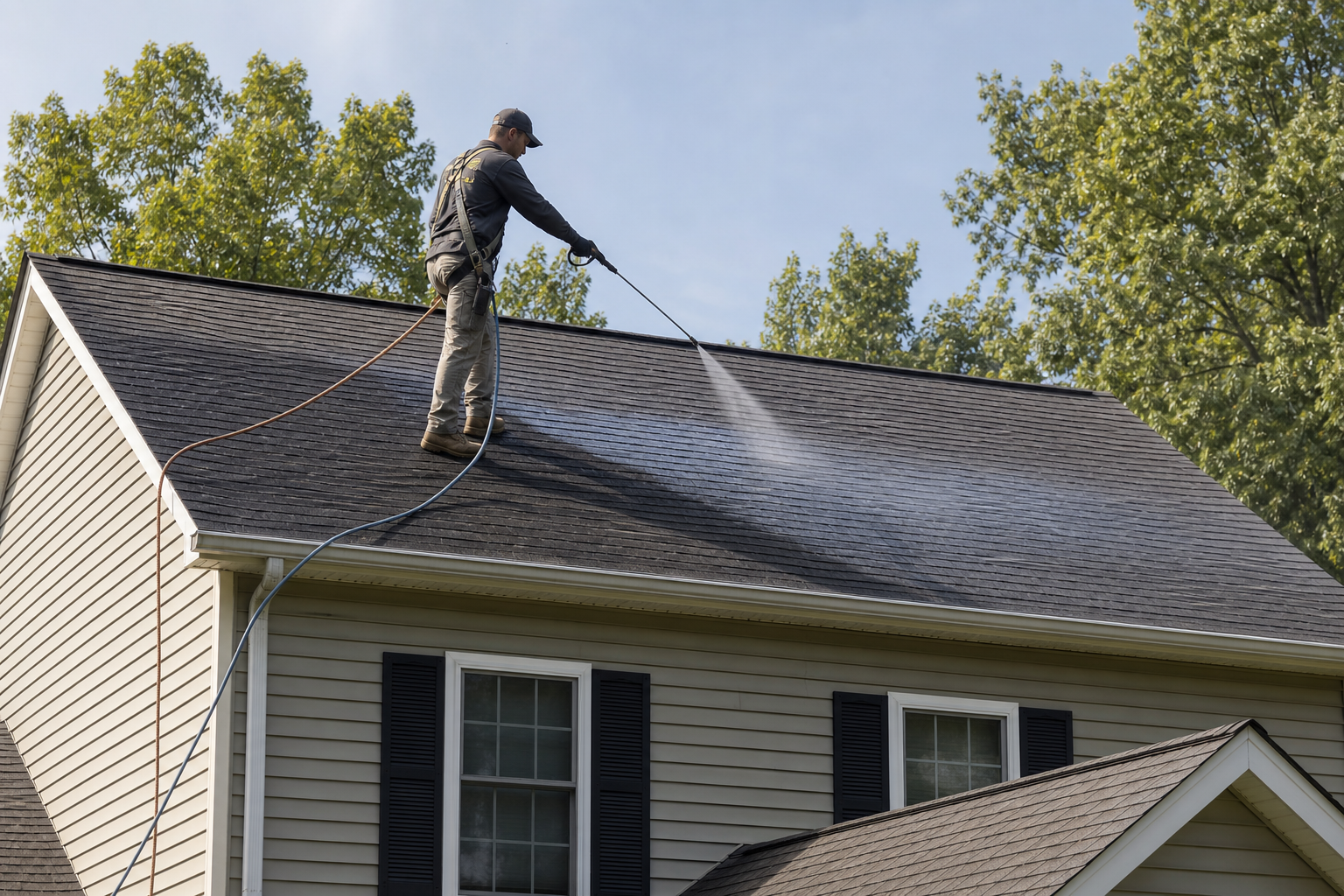
Roof Max is a plant-based rejuvenation treatment made for qualifying asphalt shingles. Unlike a surface coating, the treatment is designed to penetrate through the granule layer and into the asphalt beneath it.
The plant-based oil replenishes oils that have been lost through aging and weather exposure, helping restore flexibility to the asphalt. This allows qualifying shingles to respond more effectively to normal movement and weather-related stress.
Roof Max does not rebuild missing shingles, repair faulty flashing, correct poor installation, or seal active leaks. A roof that has deteriorated too far may need repairs or replacement instead. That is why qualification is an essential part of the process.
Why the Roof Max Warranty Focuses on Flexibility
Roof Max provides a five-year flexibility warranty for treated shingles that qualify. The warranty reflects the specific purpose of the treatment: maintaining flexibility and serviceable condition after application.
It is not a warranty against leaks, faulty installation, granule-coating loss, or damage caused by wind, hail, ice, or other weather events. Those distinctions help homeowners understand exactly what the treatment is designed to address—and what requires a different roofing solution.
The Best First Step Is an Honest Assessment
If your roof is aging, you do not need to decide between rejuvenation and replacement based only on its age or appearance from the street. A professional assessment can identify the current condition of the shingles, document visible concerns, and determine whether flexibility restoration is appropriate.
For qualifying asphalt roofs, Roof Max offers a maintenance option focused on restoring a material property that shingles naturally lose over time. For roofs that do not qualify, the assessment can still provide useful direction for repairs or replacement planning.
To learn whether your roof may qualify for Roof Max in Midlothian, Richmond, or Central Virginia, visit richmondroofrejuvenation.com.