
Roof Restoration Blog | Richmond VA & Central Virginia
Is Roof Max a Temporary Fix? Understanding the Five-Year Treatment

When homeowners hear that a Roof Max treatment comes with a five-year flexibility warranty, a reasonable question follows: is it only a temporary fix?
The short answer is that Roof Max is not a quick patch for a leak or damaged roofing. It is a planned maintenance treatment for qualifying asphalt shingles that are aging but still suitable for rejuvenation. The treatment is designed to restore flexibility that shingles lose as their asphalt core dries out.
That distinction matters. Roof Max has a defined purpose, a defined warranty period, and clear limits. It can be a useful maintenance option for the right roof, but it is not meant to hide damage or postpone a replacement that is already necessary.
What Roof Max Is Designed to Do
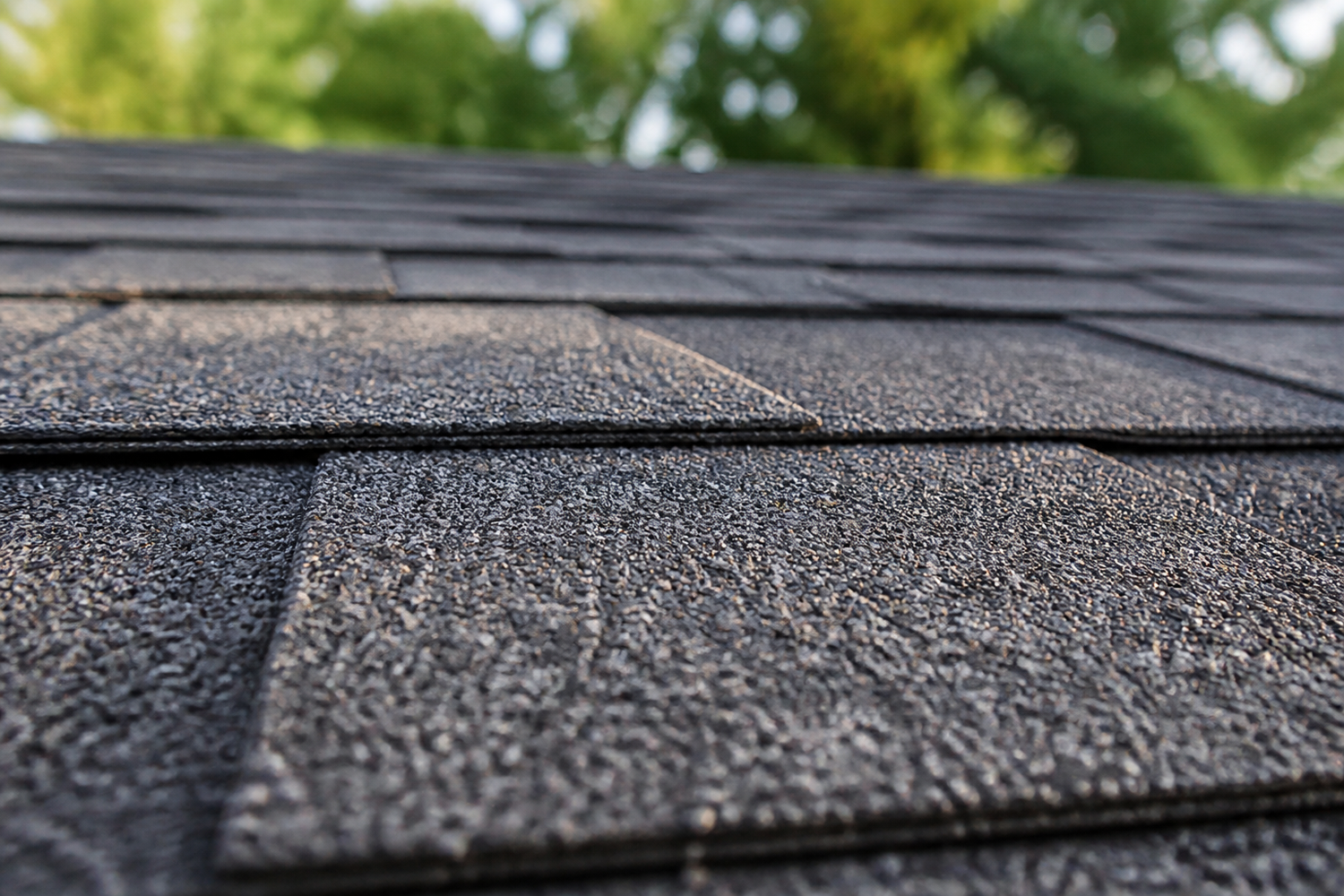
Asphalt shingles begin with oils that help the material remain flexible. Years of sunlight, heat, rain, wind, and temperature changes gradually alter the asphalt. As shingles lose flexibility, they may become more vulnerable to cracking, breaking, and granule loss.
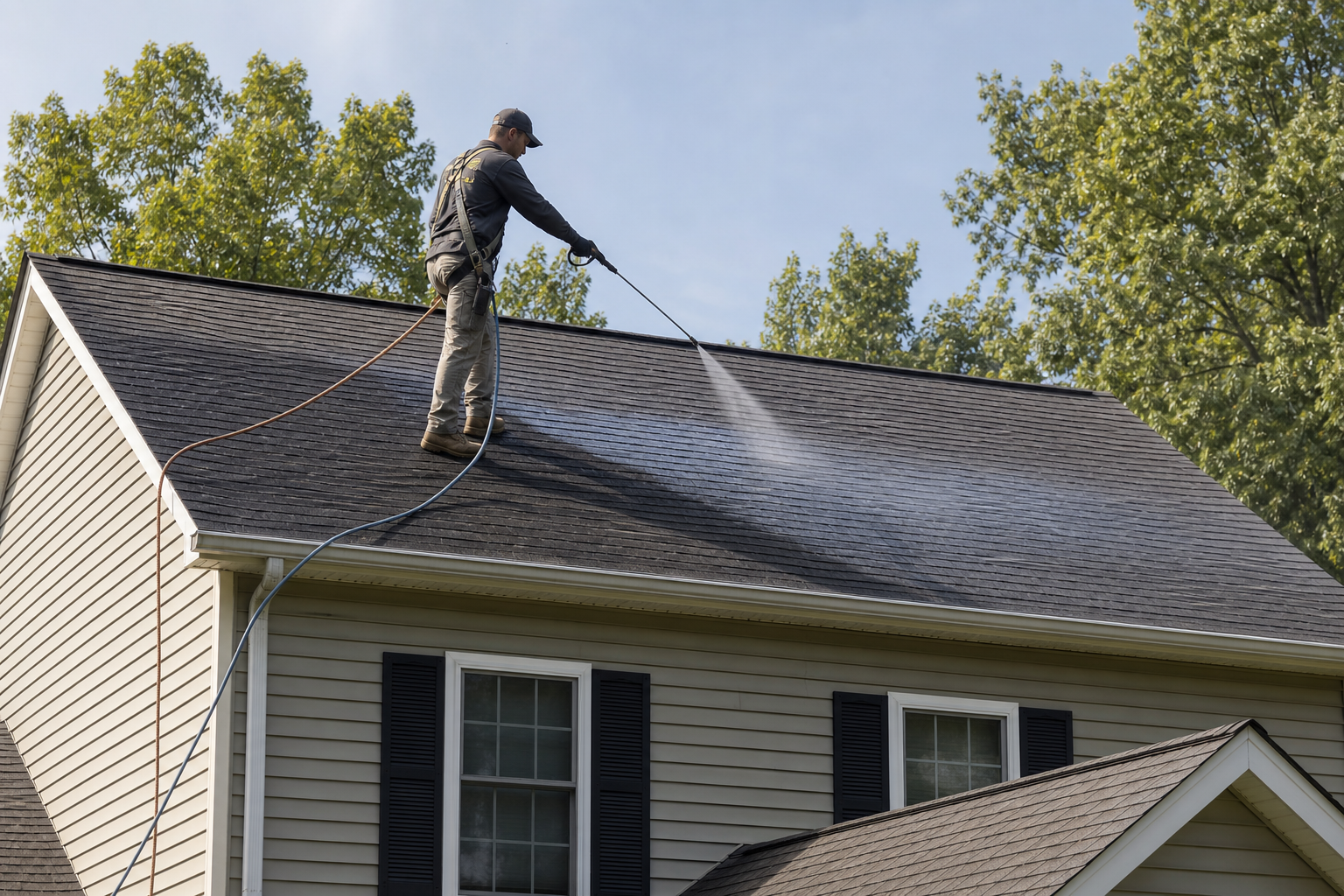
Roof Max uses a plant-based treatment designed to penetrate the asphalt portion of qualifying shingles and restore flexibility. The product is absorbed rather than applied as a surface patch or roof coating.
The treatment addresses a specific age-related material condition: loss of flexibility in otherwise serviceable asphalt shingles. It does not rebuild the roof deck, replace missing shingles, correct faulty flashing, or seal an active leak.
Why a Five-Year Treatment Is Not the Same as a Quick Fix
Many responsible home-maintenance services work on a schedule. Exterior paint, sealants, caulking, HVAC service, gutter care, and roof inspections all have useful maintenance intervals. A defined interval does not automatically make a service a temporary patch.
Roof Max provides a five-year flexibility warranty for treated shingles. According to the official warranty, the treated asphalt shingles are guaranteed to remain flexible and in a serviceable condition for five years from the treatment date. If they lose the required operating flexibility under the standardized flexibility test, the warranty describes prorated retreatment of affected areas during the 60-month period.
The warranty is focused on flexibility because that is the condition the treatment is designed to address. It is not a general warranty against every possible roofing problem.
What the Warranty Does Not Cover
The official Roof Max warranty states that it is not a warranty against:
- Loss of the protective granule coating
- Leaks
- Faulty installation of the existing roof
- Damage caused by events such as wind, hail, ice, or snow
Those exclusions help explain why Roof Max should not be presented as a cure-all. A roof is a complete system that includes shingles, underlayment, flashing, fasteners, vents, roof decking, gutters, and installation details. Restoring shingle flexibility cannot correct an unrelated failure elsewhere in that system.
If a roof has active leakage, missing shingles, failed flashing, soft decking, structural movement, or extensive deterioration, those conditions need their own diagnosis and solution.
Treatment, Repair, and Replacement Are Different Decisions
Homeowners often hear several roofing terms used interchangeably, but they describe different kinds of work.
Roof treatment addresses the condition of qualifying asphalt shingles by restoring flexibility.
Roof repair corrects a specific defect, such as damaged flashing, a failed pipe boot, isolated shingle loss, or another source of water entry.
Roof replacement removes the existing roof covering and installs a new roofing system when the current roof is no longer serviceable or repairable.
One option is not automatically better than the others. The correct choice depends on the roof’s material, installation, condition, repair history, and remaining serviceability. In some cases, repairs may be needed before rejuvenation. In other cases, replacement is the responsible recommendation.
Can Roof Max Be Reapplied?
Official Roof Max maintenance guidance states that a qualifying roof may be treated again at five-year intervals, with up to three treatments in total. That is the basis for the company’s statement that repeated treatments may extend a qualifying roof’s useful life by up to 15 years.
Reapplication is not automatic. The roof should be reassessed before each treatment because its condition can change. Storm damage, leaks, installation problems, granule loss, or other deterioration may affect whether another treatment is appropriate.
The most accurate way to think about Roof Max is therefore not as a one-time emergency fix, but as a condition-based maintenance option with scheduled reassessment.
Why the Assessment Comes First
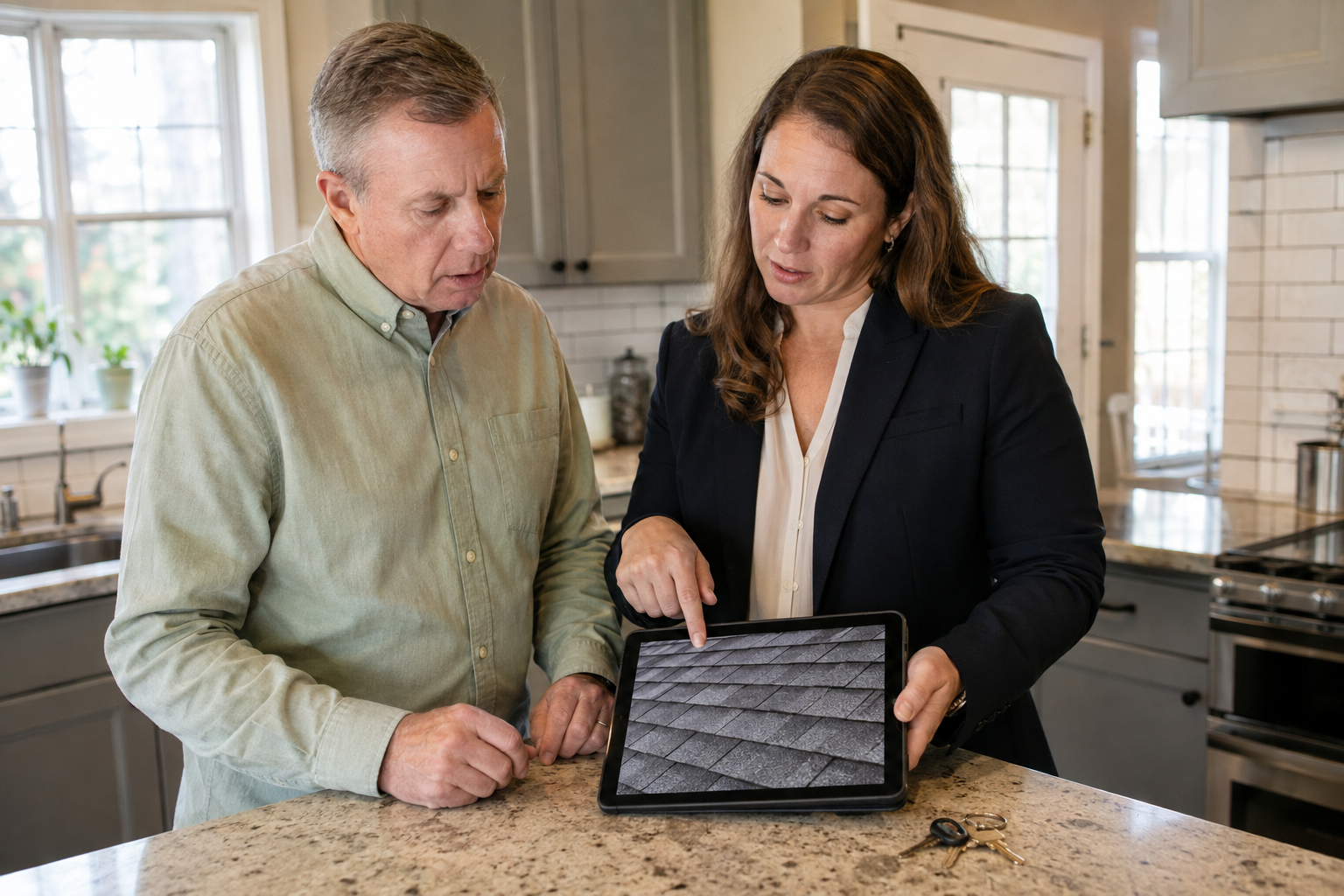
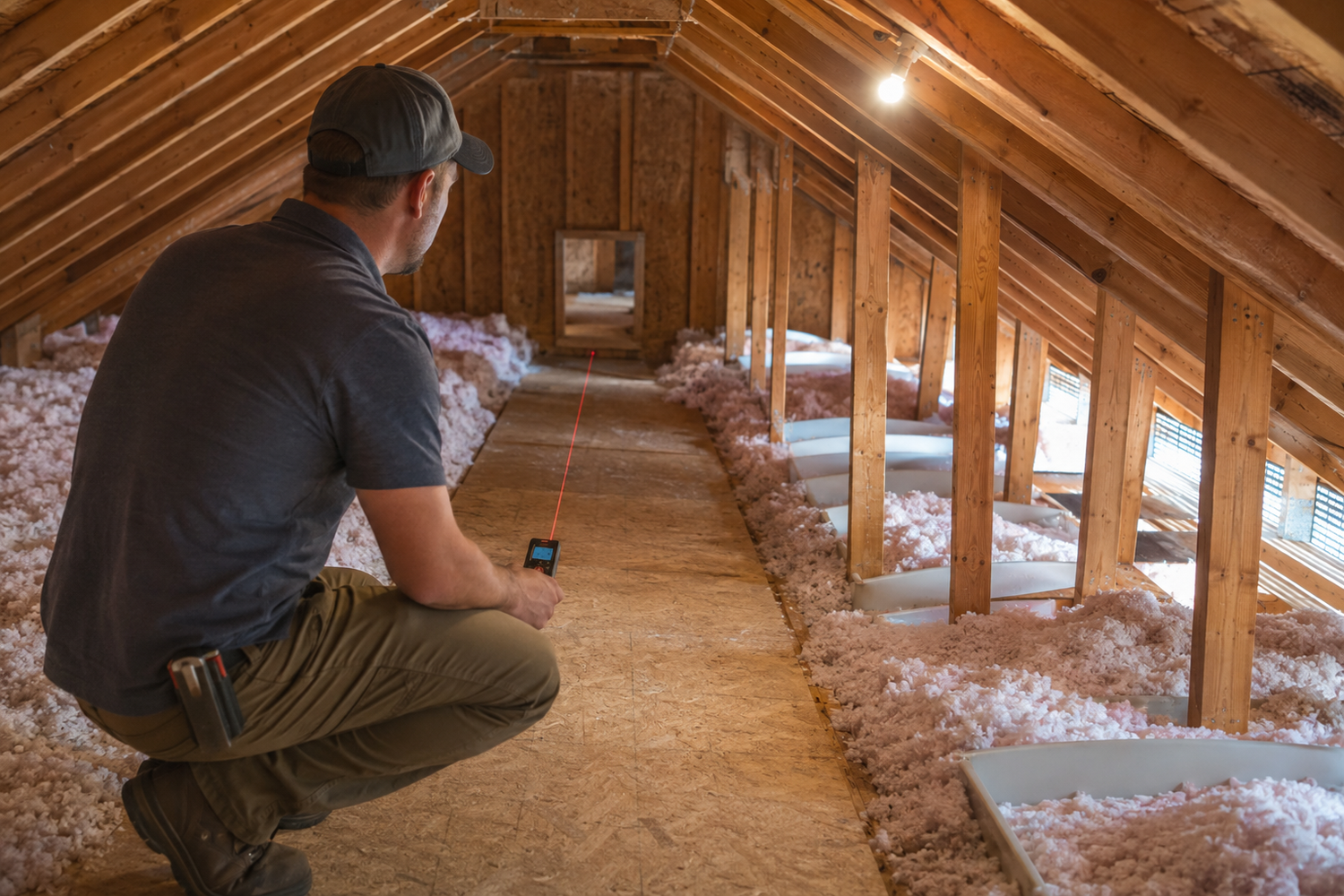
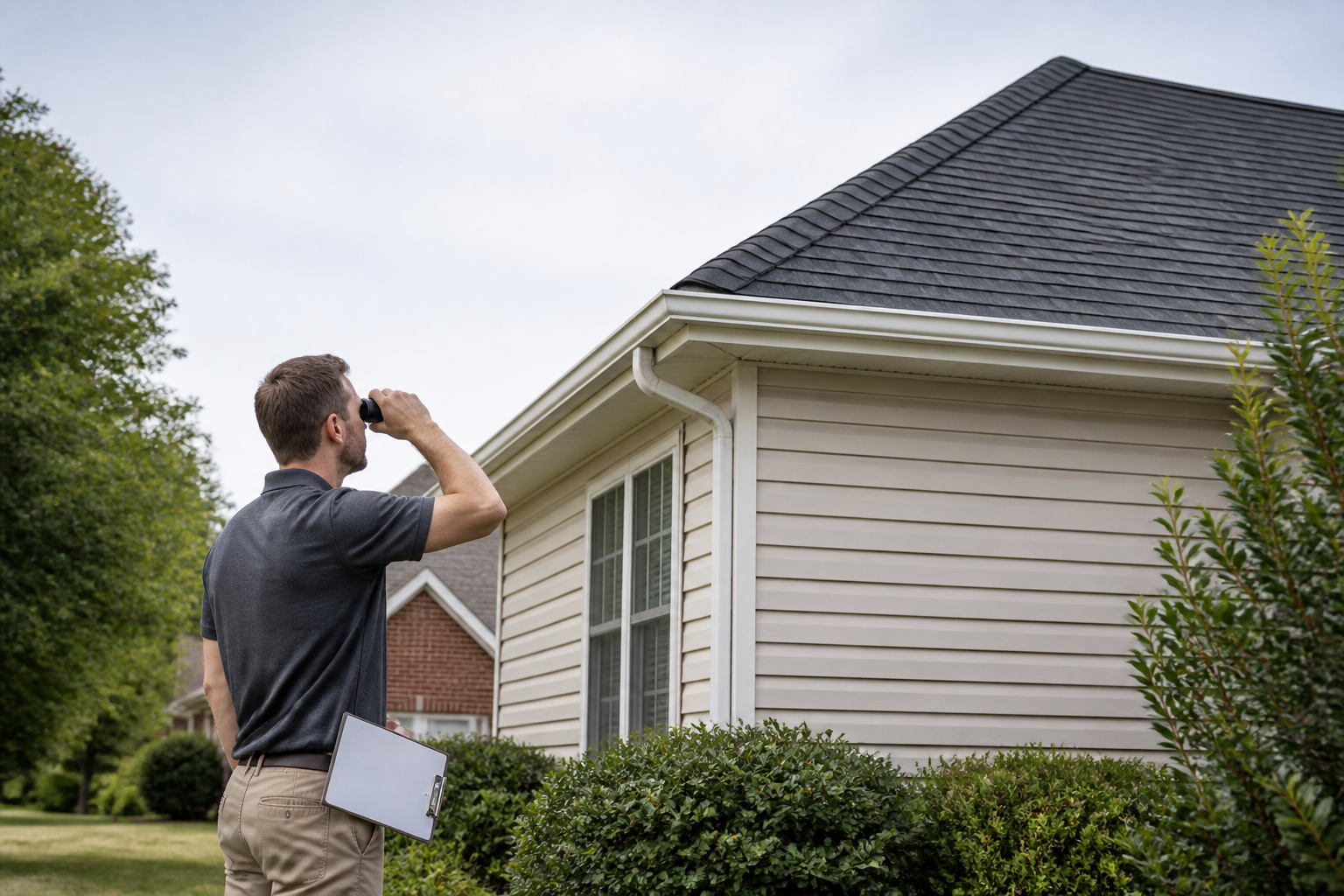
An assessment protects the homeowner from using the wrong solution. Before recommending treatment, the roof should be checked for its overall condition and for problems that rejuvenation is not designed to solve.
A professional may consider factors such as:
- Whether the roof has traditional asphalt shingles
- Whether the shingles remain attached and generally serviceable
- The extent of cracking, curling, brittleness, or granule loss
- Evidence of active leakage or damaged flashing
- Roof-deck or structural concerns
- Previous repairs and installation quality
- Recent wind, hail, or branch damage
If the roof does not qualify, the responsible answer may be repair or replacement. Roof Max should never be used to disguise a condition that requires different work.
What This Means for Central Virginia Homeowners
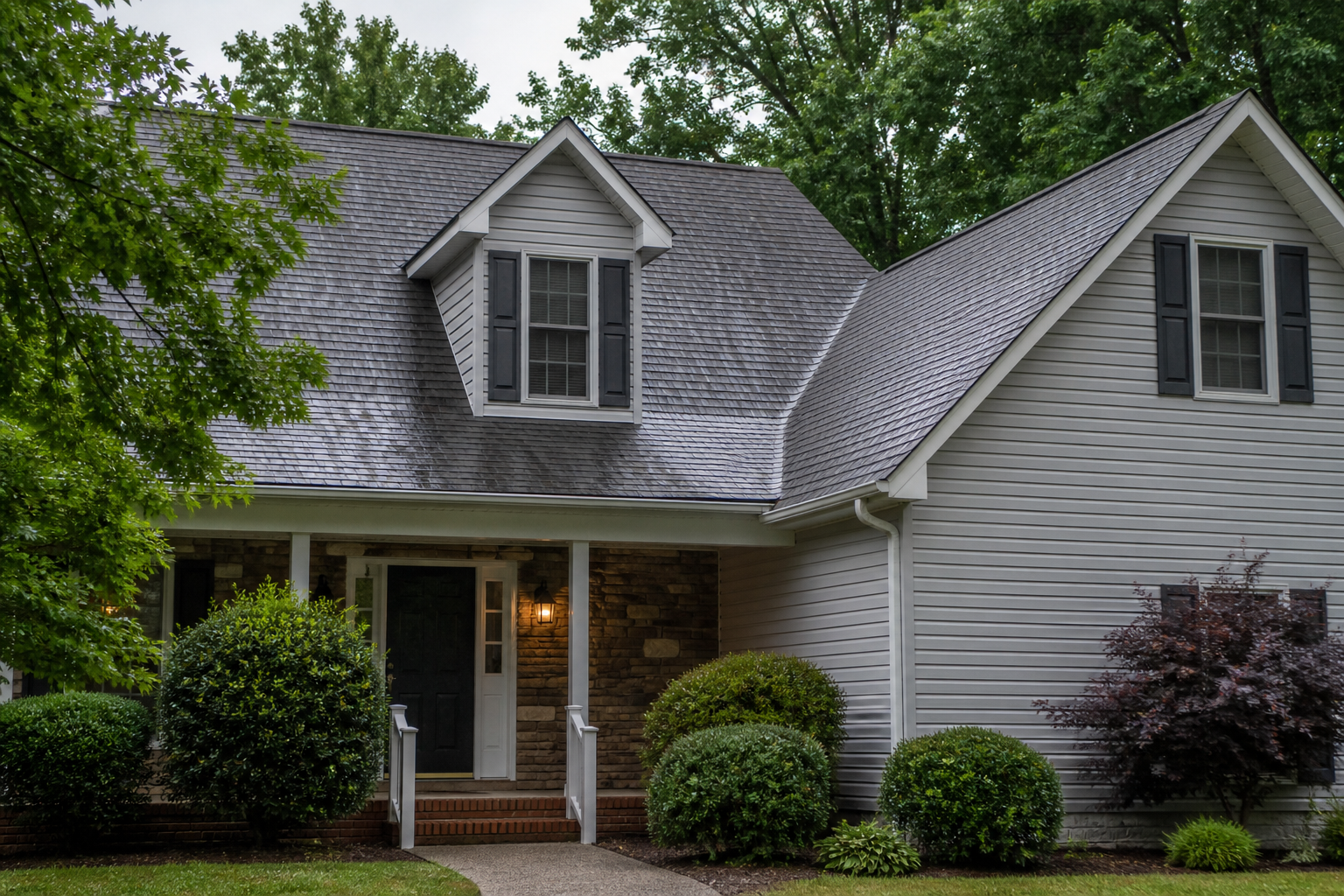
Roofs in Midlothian, Richmond, and surrounding Central Virginia communities experience strong summer sun, humidity, thunderstorms, wind, rain, and seasonal temperature changes. Those conditions make routine inspections and condition-based maintenance especially useful.
The question is not simply how old the roof is. Two roofs installed in the same year can age differently because of shade, ventilation, slope, exposure, installation, and storm history. A roof assessment provides more useful information than age alone.
For a qualifying asphalt-shingle roof, Roof Max may offer a planned maintenance step with a five-year flexibility warranty. For a roof with significant damage or system failures, repair or replacement may be the better path.
A Defined Maintenance Option, Not a Promise for Every Roof
Roof Max is not a temporary patch, and it is not a permanent solution for every roofing problem. It is a specialized treatment intended to restore flexibility to qualifying asphalt shingles for a defined period, backed by a warranty with specific coverage and exclusions.
That honest middle ground is important. Homeowners deserve to know what a treatment can do, what it cannot do, and why an assessment must come first.
If your asphalt roof is showing signs of age, visit richmondroofrejuvenation.com to learn more about Roof Max and request an assessment for your Midlothian or Richmond-area home.