
Roof Restoration Blog | Richmond VA & Central Virginia
Can Roof Rejuvenation Delay Roof Replacement?

When an asphalt roof begins to look older, many homeowners assume replacement is the only responsible next step. Sometimes it is. But age alone does not tell the whole story.
A roof that is still structurally sound and serviceable may not need to be torn off simply because the shingles have begun to dry out. For qualifying roofs, Roof Max may restore shingle flexibility and provide more serviceable time before replacement becomes necessary.
The key word is qualifying. Roof rejuvenation is not a way to ignore leaks, rot, structural damage, or a failing roof. The decision should begin with the roof's actual condition—not a guess based only on age.
What “Delaying Replacement” Should Really Mean
Responsible delay means avoiding a replacement that is premature while continuing to protect the home. It does not mean postponing work that the roof genuinely needs.
A practical decision process looks like this:
- Assess the roof's condition.
- Identify any active damage or repair needs.
- Determine whether the shingles are still serviceable and eligible for treatment.
- Rejuvenate only when it is appropriate.
- Plan and complete replacement when the roof reaches the end of its serviceable life.
This approach helps homeowners make a condition-based decision instead of choosing between “replace everything now” and “do nothing.”
Why Asphalt Shingles Become Less Flexible
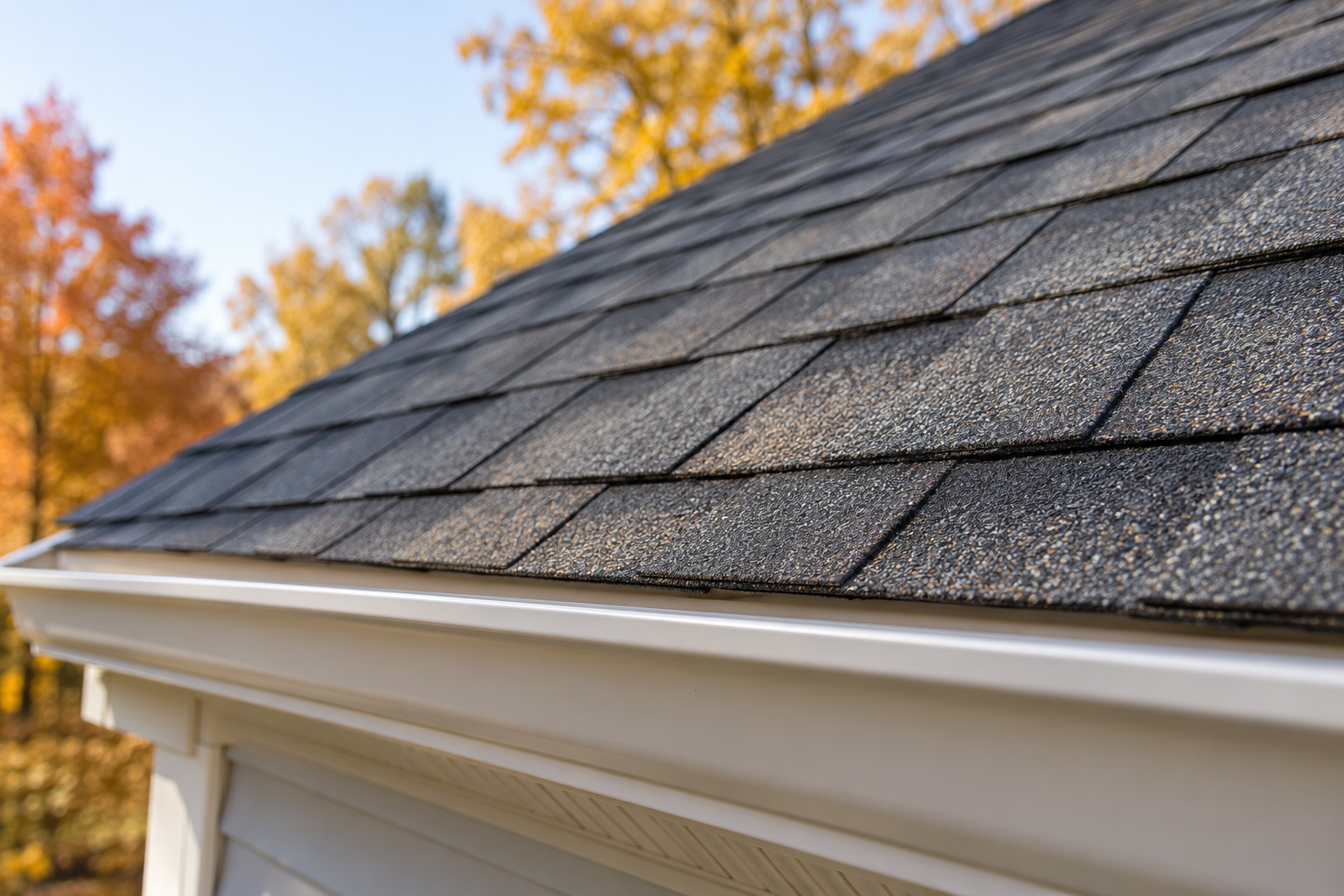
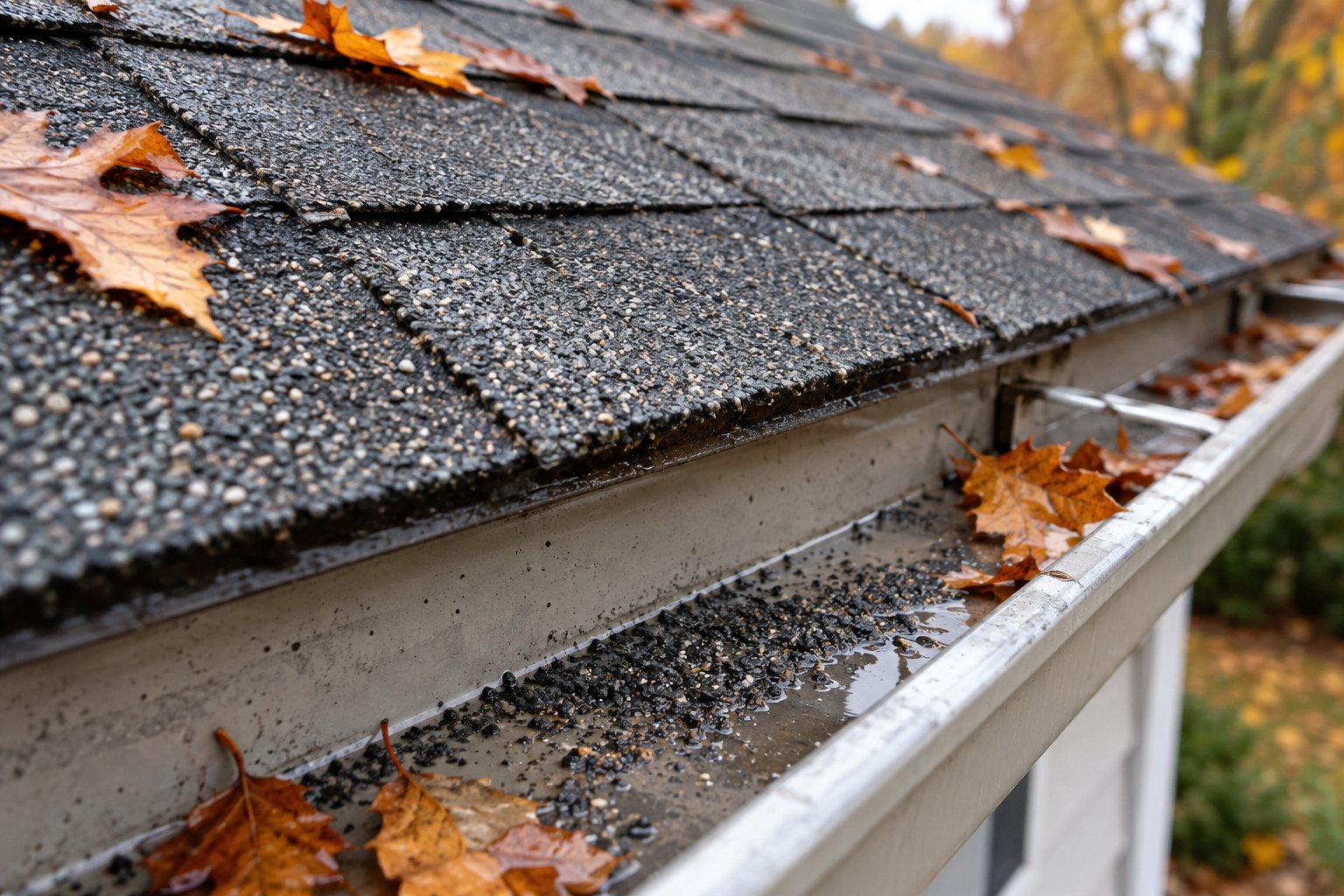
Asphalt shingles rely on oils within the asphalt layer to remain flexible. Over years of exposure to sunlight, heat, rain, wind, and temperature changes, shingles can lose some of those oils and become drier and more brittle.
That loss of flexibility matters because shingles need to expand and contract with changing weather. Dry, brittle shingles may be more vulnerable to cracking, lifted edges, and other age-related problems.
Roof Max is a plant-derived oil treatment designed to penetrate the asphalt layer and restore lost flexibility. It is not a coating that sits on top of the roof, and it does not replace damaged roofing materials.
The Assessment Comes Before the Treatment
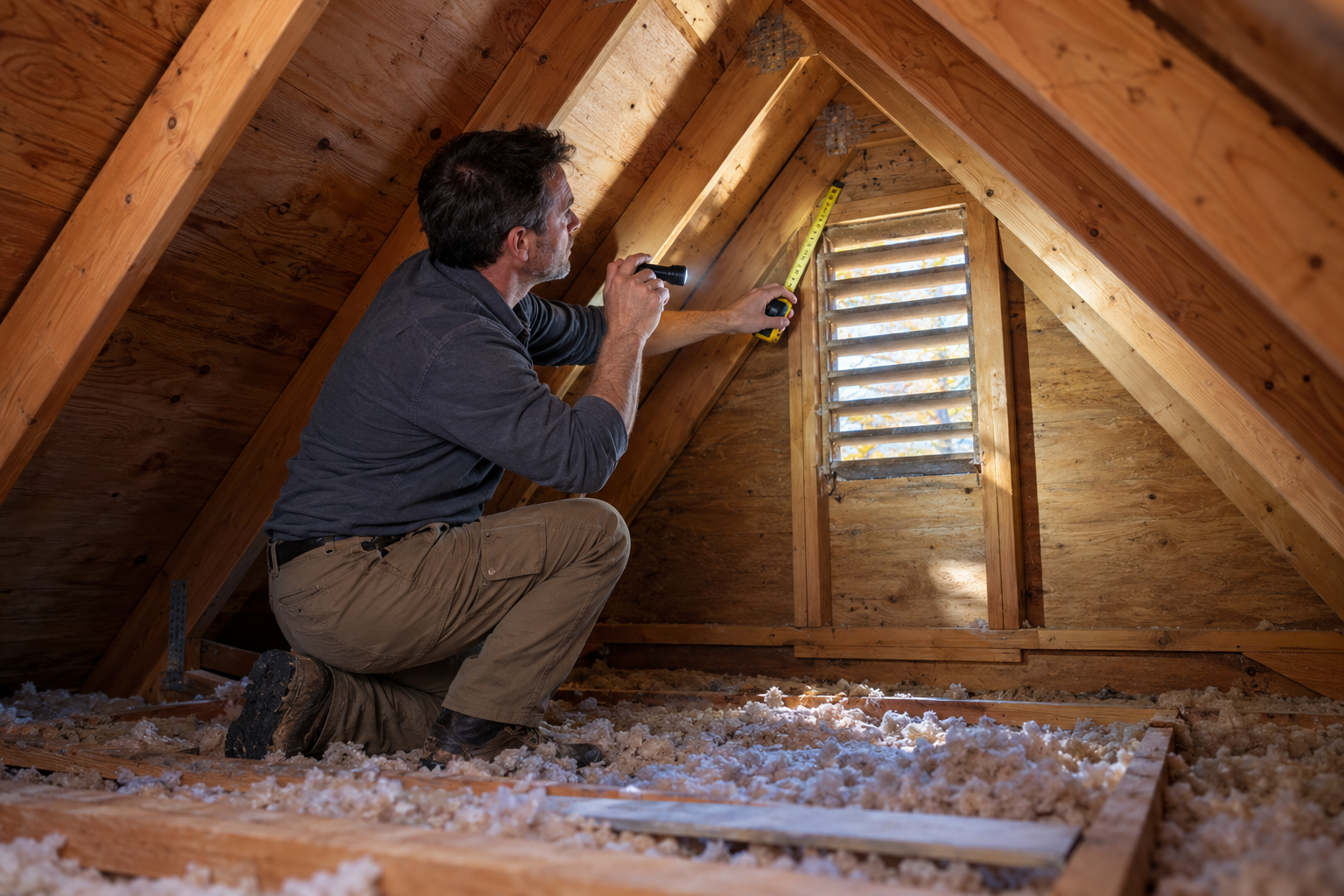
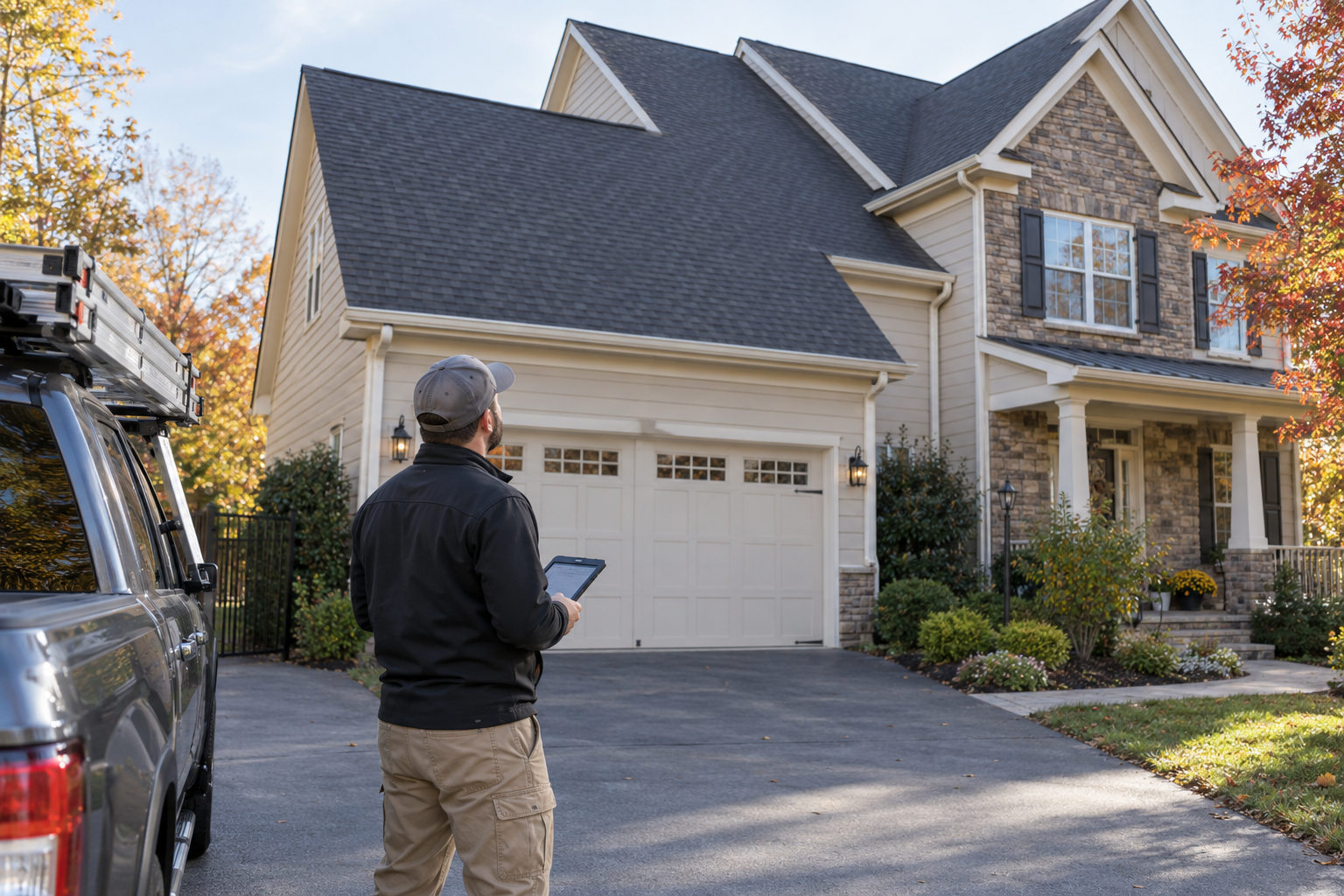
No responsible roof-rejuvenation recommendation should begin with an automatic yes. The roof must first be evaluated to determine whether treatment is suitable.
A serviceable asphalt roof may be a candidate when:
- The shingles are intact enough to remain in service.
- The roof does not have widespread missing or broken shingles.
- The roof deck and structure do not show signs of major failure.
- Active leaks and serious moisture damage are not present.
- Any limited maintenance or minor repair needs can be addressed appropriately.
The roof's age can provide context, but condition is the deciding factor. Two roofs installed in the same year may age differently because of shade, ventilation, slope, storm exposure, workmanship, and maintenance history.
When Replacement Should Not Be Delayed
Roof Max cannot turn a failed roof into a serviceable one. Replacement or substantial repair may be the right choice when an inspection finds conditions such as:
- Active or recurring leaks
- Rotten or deteriorated roof decking
- A sagging roofline or structural concerns
- Widespread missing, cracked, or severely damaged shingles
- Major storm, wind, or hail damage
- Installation defects that compromise the roof system
- Damage too extensive for limited repairs
If any of these conditions are present, the priority is protecting the home. Rejuvenation should never be used to cover up a problem or create a false sense of security.
What Roof Max Can—and Cannot—Do
For an eligible roof, Roof Max is intended to restore flexibility to aging asphalt shingles. The official Roof Max warranty states that treated shingles will remain flexible and in a serviceable condition for five years from treatment, subject to its terms.
That flexibility warranty is specific. It is not a warranty against leaks, granule loss, faulty installation, or weather events such as hail and high winds. Homeowners should review the current written warranty before treatment and understand exactly what is covered.
In plain language, Roof Max may help a qualifying roof continue performing, but it does not repair every part of a roof system and does not eliminate the eventual need for replacement.
How More Serviceable Time Can Help Homeowners
When treatment is appropriate, additional serviceable time can make roof planning more manageable. Rather than being forced into a premature decision, a homeowner may have an opportunity to:
- Build a realistic replacement budget
- Compare future roofing options without rushing
- Coordinate roof plans with solar, siding, or other exterior projects
- Keep up with routine inspections and maintenance
- Watch known concern areas and respond promptly if conditions change
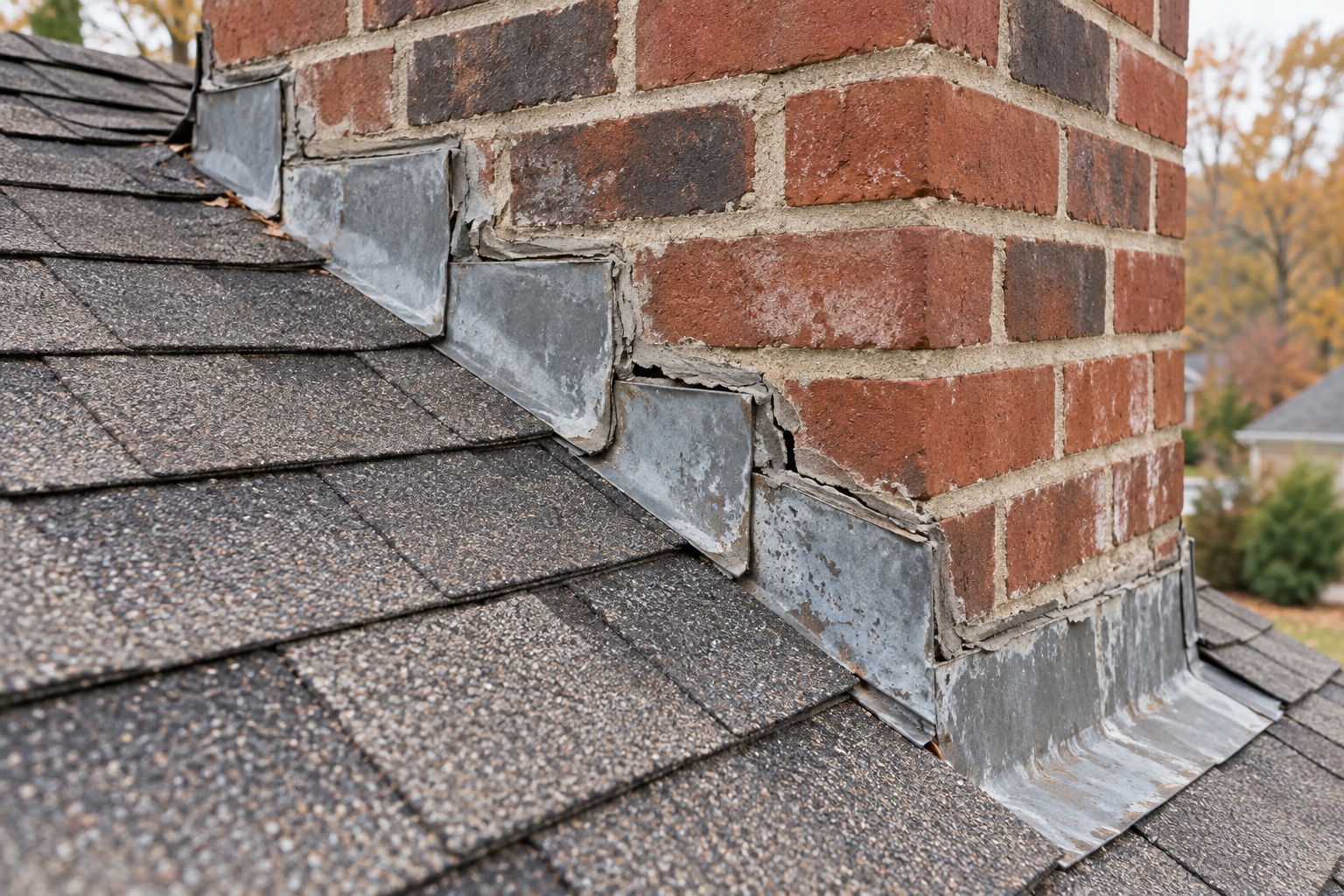
More time is useful only when it is paired with responsible monitoring. Homeowners should continue checking for interior water stains, storm damage, damaged flashing, clogged gutters, and other warning signs. A new symptom deserves attention even if the roof has been treated.
Central Virginia Weather Still Matters
Homes in Midlothian, Richmond, and surrounding Central Virginia communities experience hot sun, humid summers, heavy rain, wind, and seasonal temperature changes. These conditions can affect shingles, flashing, gutters, ventilation, and the roof deck in different ways.
That is another reason a local condition assessment matters. The goal is not to apply the same timeline to every roof. It is to understand what your roof is doing now and choose the next step that fits its condition.
Start With the Roof You Actually Have
If your asphalt roof is aging, you do not have to begin with an assumption. Begin with an assessment.
Roof Max of Midlothian can evaluate whether your roof appears suitable for rejuvenation or whether repair or replacement should come first. The honest outcome may be treatment, a repair recommendation, continued monitoring, or replacement. What matters is making the decision with clear information.
To request an assessment for a home in Midlothian, Richmond, or Central Virginia, visit richmondroofrejuvenation.com.