
Roof Restoration Blog | Richmond VA & Central Virginia
How Gutters Protect Your Roof and Home
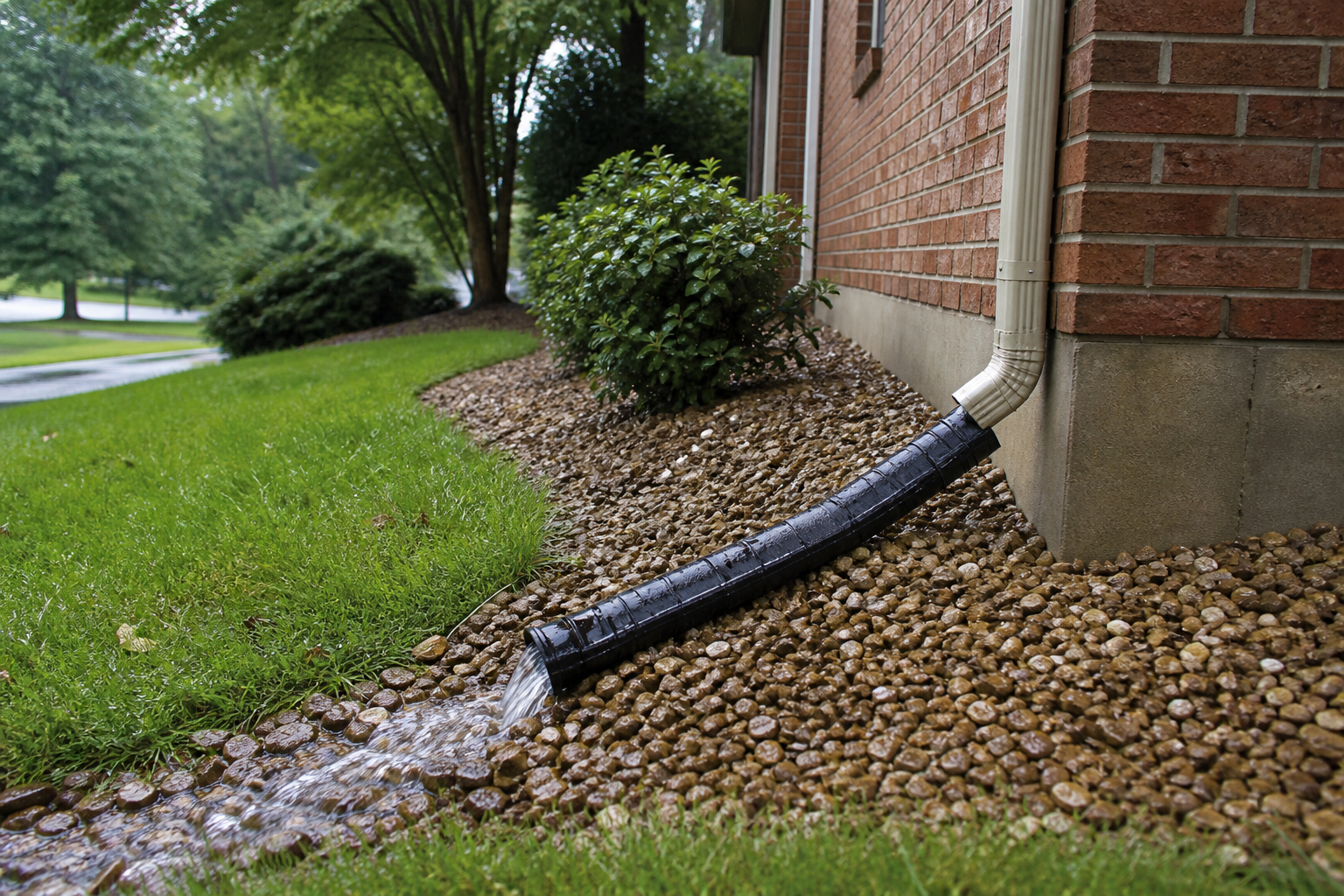
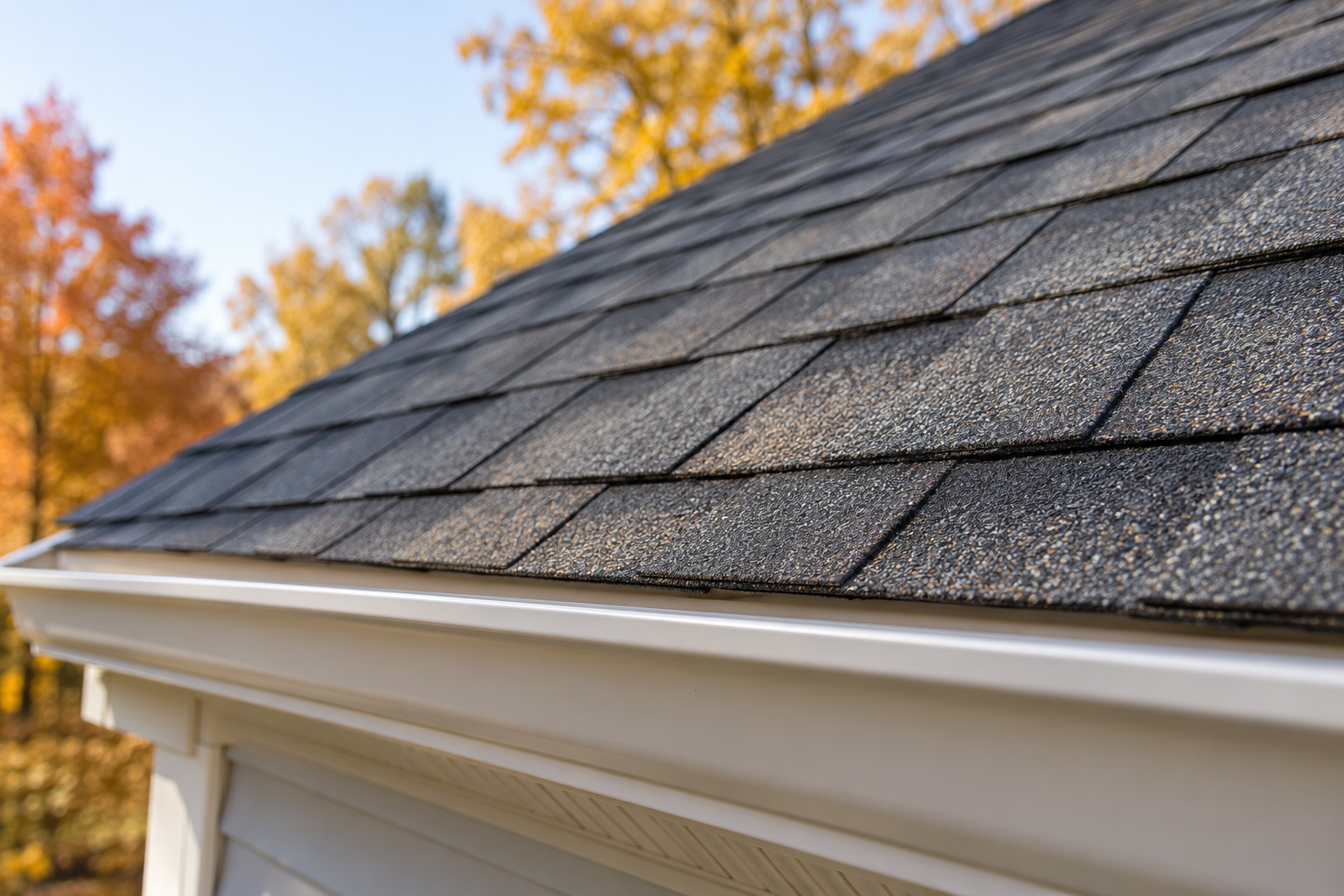
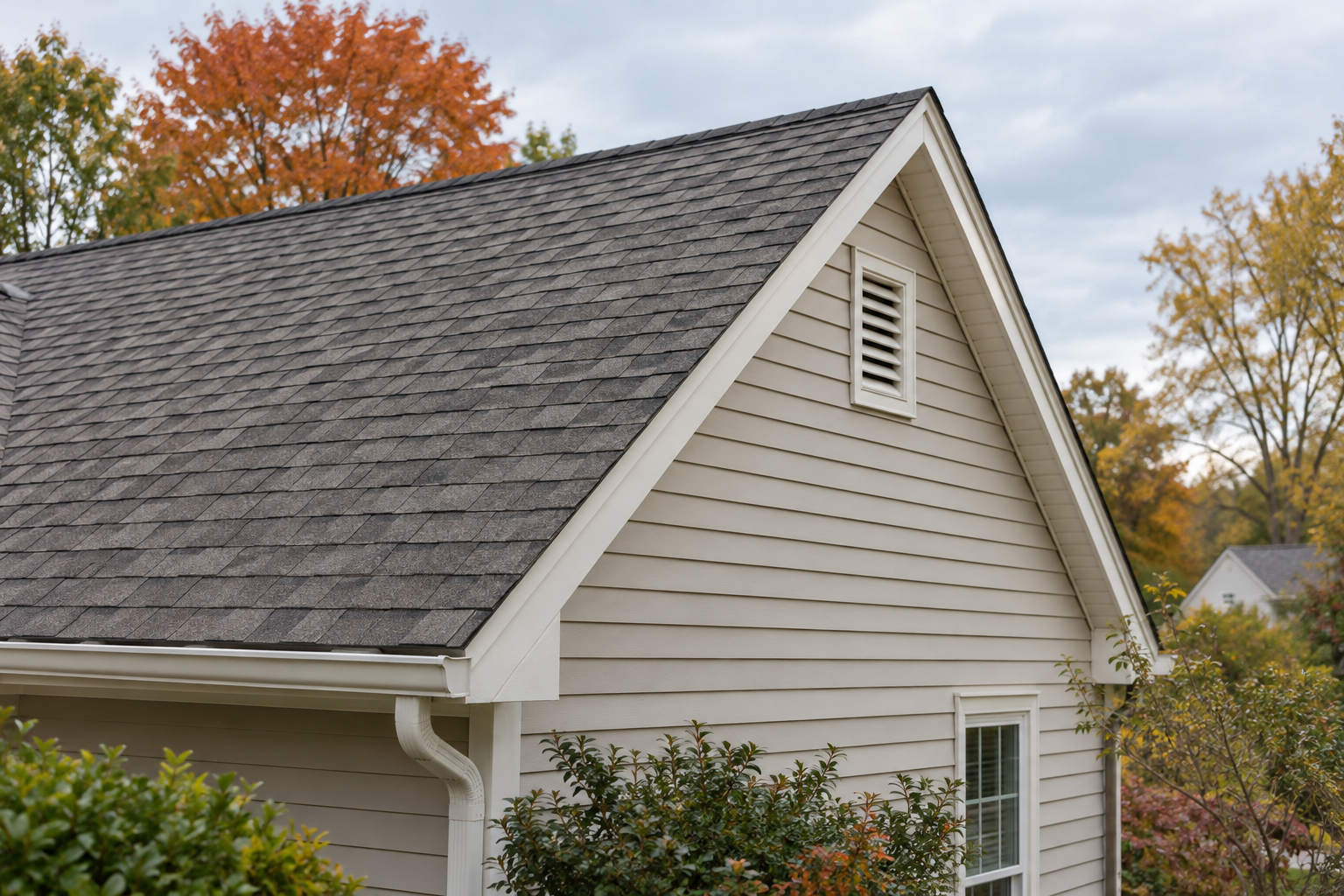
Gutters may look like a simple accessory attached to the edge of a roof, but they are an important part of the home's water-management system. Their job is to collect rainwater running off the roof, carry it to downspouts, and direct it away from vulnerable parts of the property.
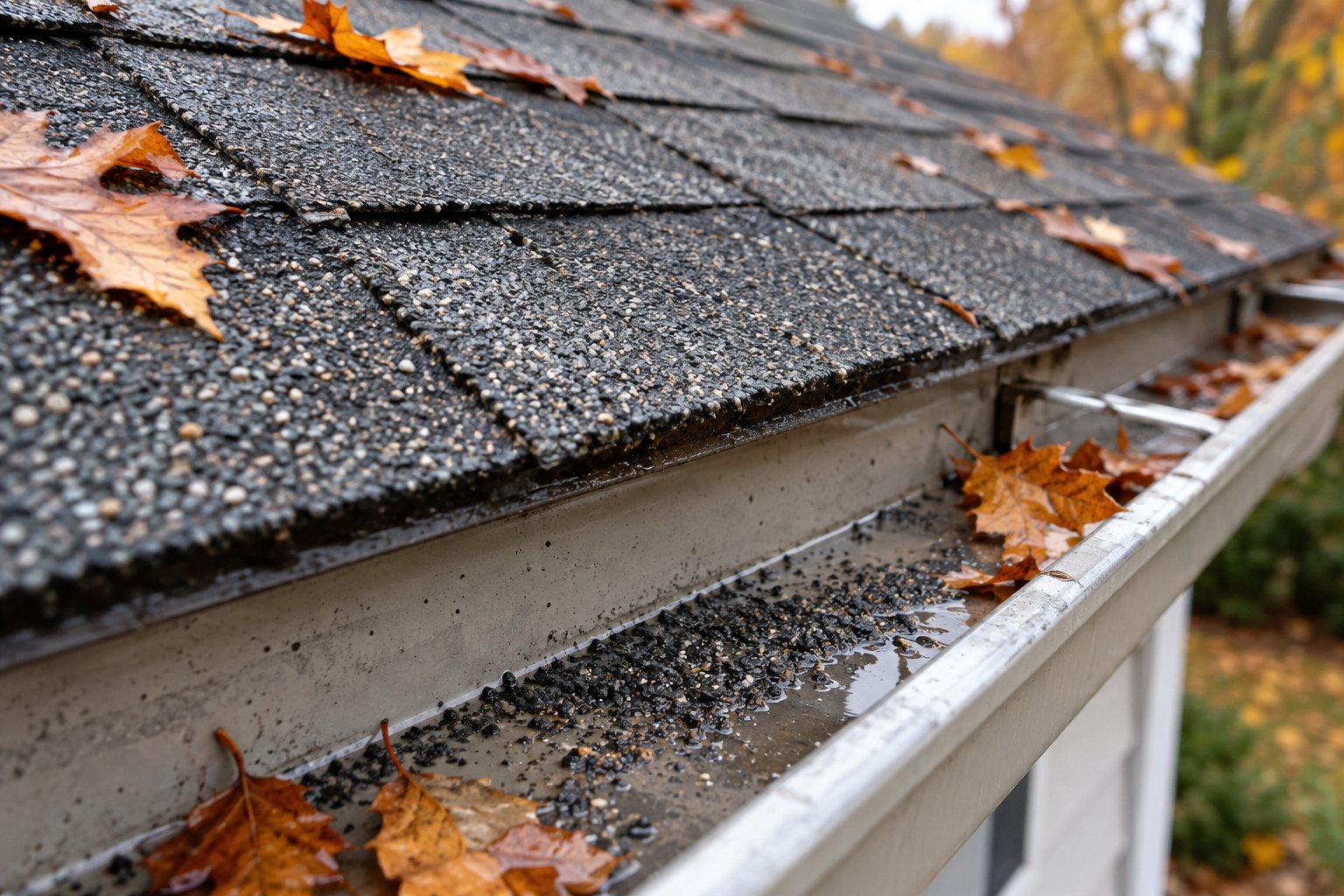
When that system is clear, securely attached, and draining properly, it helps control where roof runoff goes. When it is clogged, sagging, leaking, or disconnected, water can spill over the edge and repeatedly wet the fascia, siding, landscaping, and soil around the foundation.
For homes in Midlothian, Richmond, and Central Virginia, where summer storms can deliver heavy rain in a short period, functional gutters deserve a place in every roof-maintenance plan.
Gutters Control Roof Runoff
Every roof sheds water. Asphalt shingles and roof flashing are designed to guide rain toward the eaves. Gutters receive that runoff at the roof edge and move it toward the downspouts.
A complete drainage path includes:
- Gutters that are appropriately sized and securely fastened
- A slight slope that moves water toward the outlets
- Open outlets without leaf or debris blockages
- Downspouts that are connected and able to handle the flow
- Extensions or drainage systems that carry water away from the home
If one part of that path stops working, the water has to go somewhere else. It may spill over the front of the gutter, run behind it, collect near the roof edge, or discharge directly beside the foundation.
How Gutters Help Protect the Roof Edge
The lowest edge of the roof includes several connected components: the final courses of shingles, drip-edge flashing, fascia, soffit, and gutter attachment points. A properly installed gutter works with these components to receive runoff and move it away.
When gutters overflow repeatedly, water can wet the fascia and trim below the roofline. If moisture reaches vulnerable wood or openings, it can contribute to peeling finishes, staining, deterioration, and conditions that deserve professional attention.
Gutters do not waterproof the roof, and they cannot correct damaged shingles or faulty flashing. Their protection comes from managing the water after it reaches the roof edge.
Downspouts Complete the Job
Collecting runoff is only half of the process. Downspouts must carry that water down and away from the building.
A downspout that ends immediately beside the house can concentrate a large volume of roof runoff in one location. The U.S. Department of Energy's Building America Solution Center recommends directing discharge away from the foundation through an extension, sloped grade, catchment system, or another suitable drainage method.
The exact solution depends on the property, local requirements, soil, grade, and drainage design. The important point is that water should not flow back toward the house or remain pooled against the foundation.
Warning Signs That the System Needs Attention
You do not need to climb onto the roof to notice many gutter problems. From a safe position on the ground, look for:
- Water spilling over the gutter during rain
- Sagging or visibly separated gutter sections
- Water running behind the gutter
- Stains on the fascia or siding below the roof edge
- Plants, leaves, or debris visible above the gutter line
- Loose or disconnected downspouts
- Downspout extensions that have been removed or crushed
- Erosion or standing water near discharge points
- Water collecting beside the foundation
After a heavy storm, a ground-level observation can show whether water is moving through the system as intended. Avoid climbing ladders or walking on wet roofing. Cleaning, repairs, and inspections at height should be handled by someone with the proper training and equipment.
How Often Should Gutters Be Checked?
The right schedule depends on the home. Properties surrounded by mature trees may need more frequent attention than homes in open areas. The National Roofing Contractors Association recommends seasonal roof-system inspections and keeping gutters and downspouts free of debris.
A practical routine is to check:
- During spring and fall maintenance
- After severe wind or heavy rain
- When leaves, pine needles, or seed pods are falling heavily
- Whenever water stains or overflow appear
- After nearby tree work or exterior construction
Gutter guards may reduce the amount of large debris entering the system, but they do not make the system maintenance-free. Openings, valleys, outlets, and downspouts still need to be checked.
Gutters Work With Other Roof Components
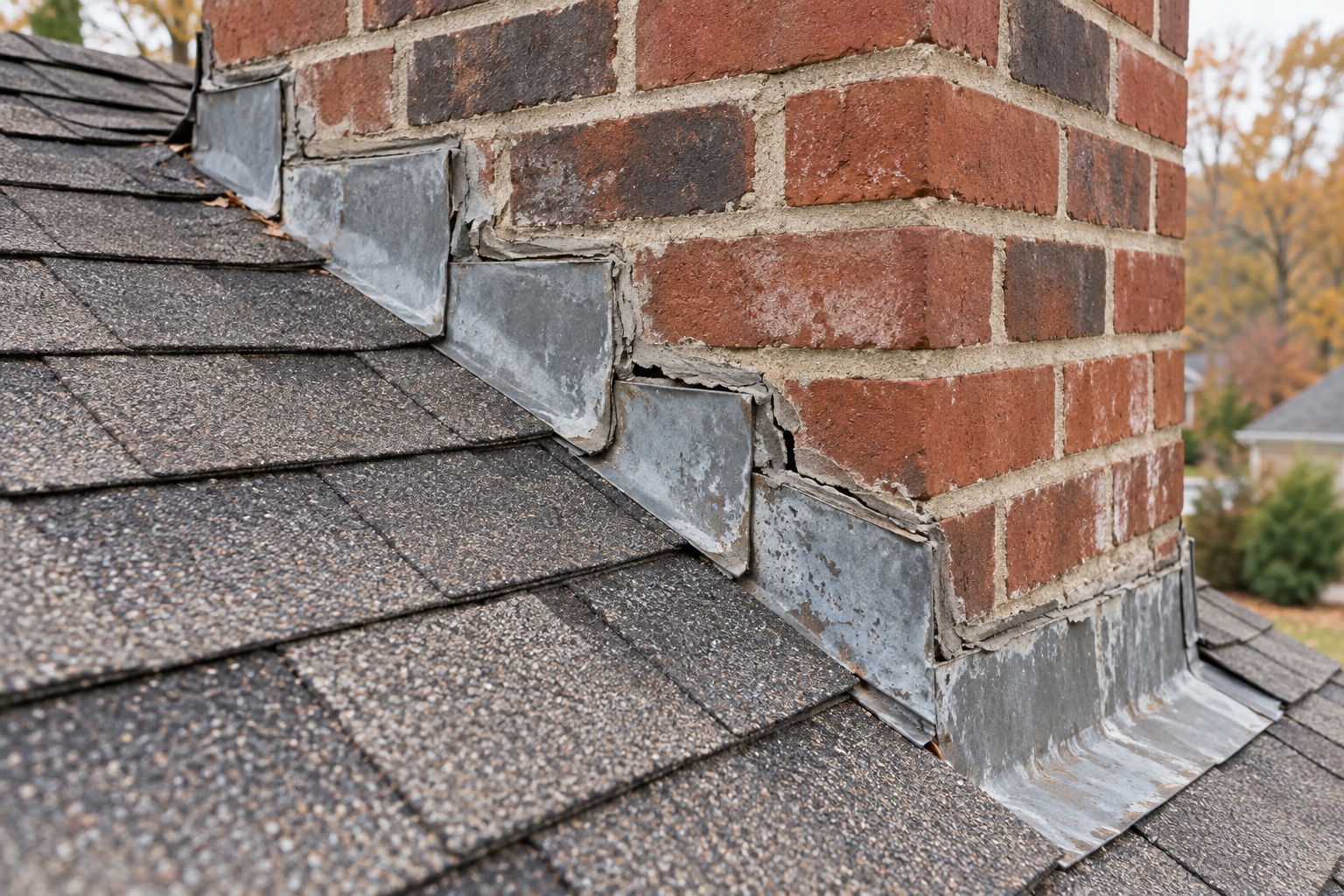
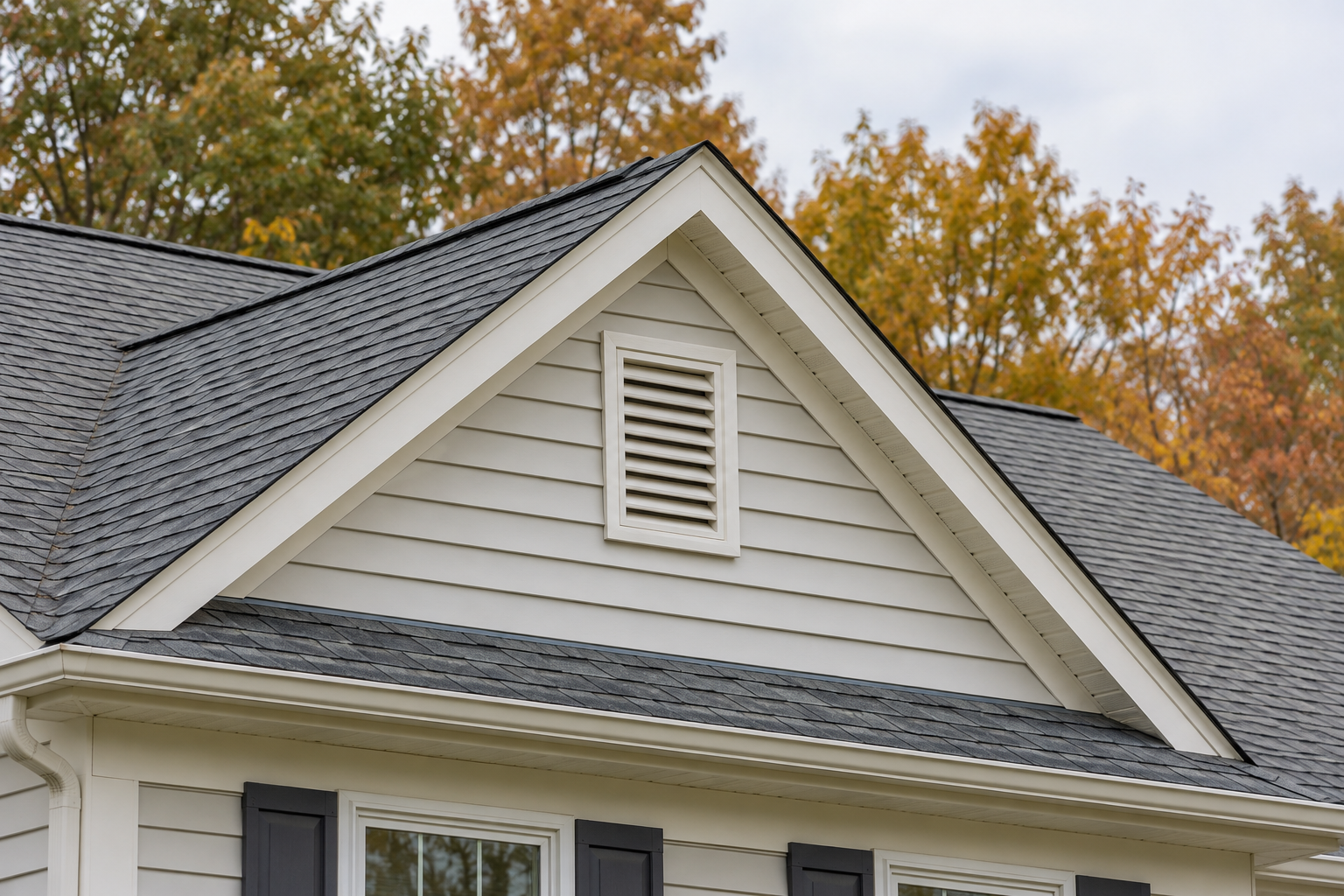
Gutters are only one part of a broader drainage system. Drip edge, flashing, roof valleys, shingle condition, fascia, soffits, attic ventilation, grading, and foundation drainage all affect how the home handles moisture.
That is why gutter overflow should not automatically be treated as an isolated problem. Water stains near the eaves may point to a simple blockage, but they may also justify a closer look at the roof edge, flashing, fascia, or underlying materials.
Similarly, a clean gutter cannot compensate for failed shingles, damaged flashing, or structural deterioration. Each component has its own job.
What Gutters Have to Do With an Aging Asphalt Roof
Keeping water moving correctly helps reduce avoidable moisture exposure around the roof edge, but gutters do not reverse the aging of asphalt shingles. Over time, shingles can lose flexibility as the oils within the asphalt layer diminish.
Roof Max is designed for qualifying, serviceable asphalt roofs that may benefit from restored shingle flexibility. It does not clean gutters, fix active leaks, repair rotten fascia, or replace damaged roofing materials.
If gutter overflow has exposed a concern at the roof edge, the right sequence is:
- Correct the drainage problem.
- Evaluate any visible damage.
- Repair affected components when necessary.
- Assess whether the remaining asphalt roof is still serviceable.
- Consider Roof Max only if the roof qualifies.
A Small System With a Large Responsibility
Gutters and downspouts quietly manage a significant amount of water. Keeping them clear, connected, and directed away from the home helps protect the roof edge and supports the overall durability of the property.
If you have noticed gutter overflow, staining near the eaves, or concerns about an aging asphalt roof, Roof Max of Midlothian can evaluate the roof's condition and explain whether rejuvenation may be appropriate.
To request a roof assessment in Midlothian, Richmond, or Central Virginia, visit richmondroofrejuvenation.com.