
Roof Restoration Blog | Richmond VA & Central Virginia
Mold on Fascia Boards: What Homeowners Should Do
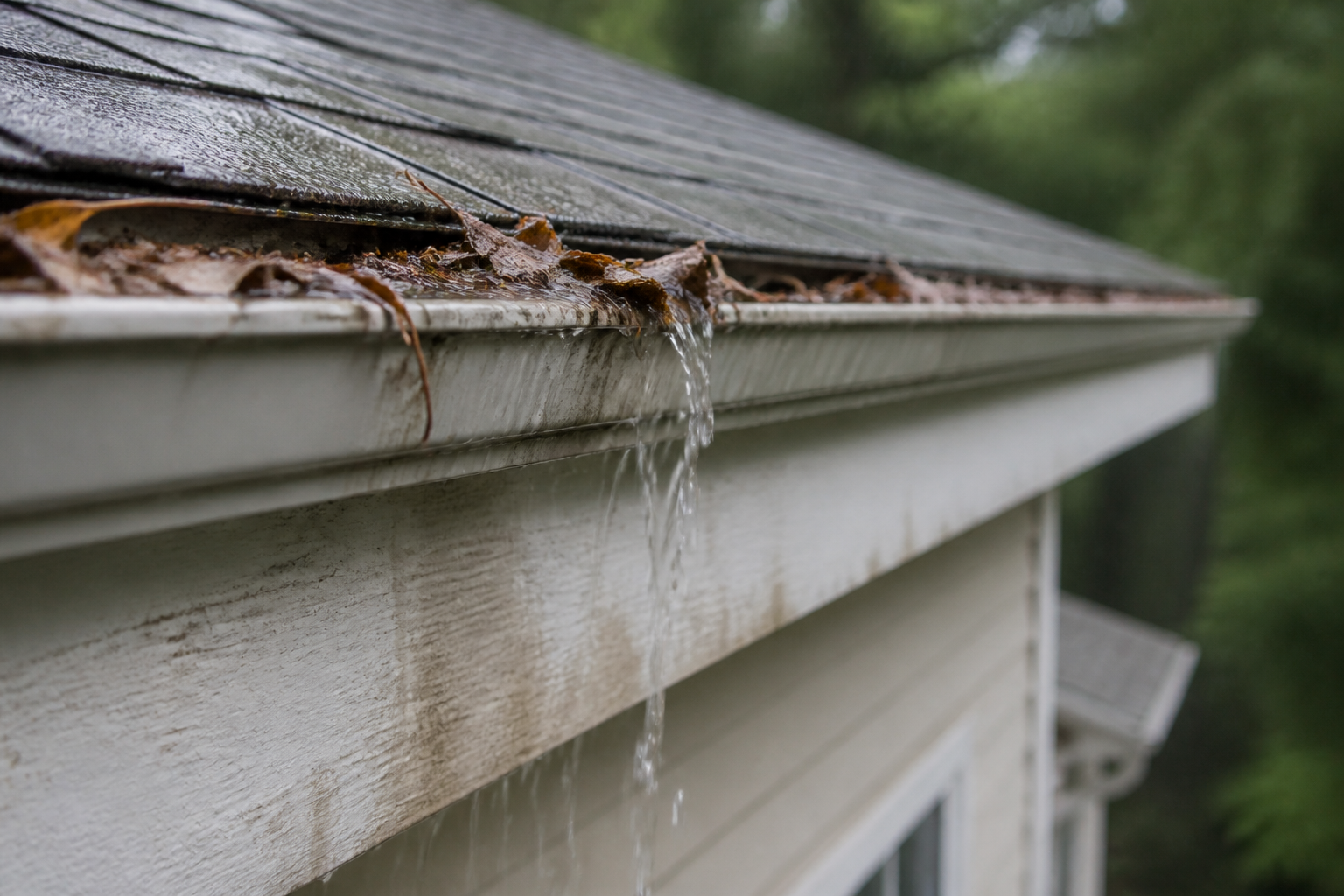
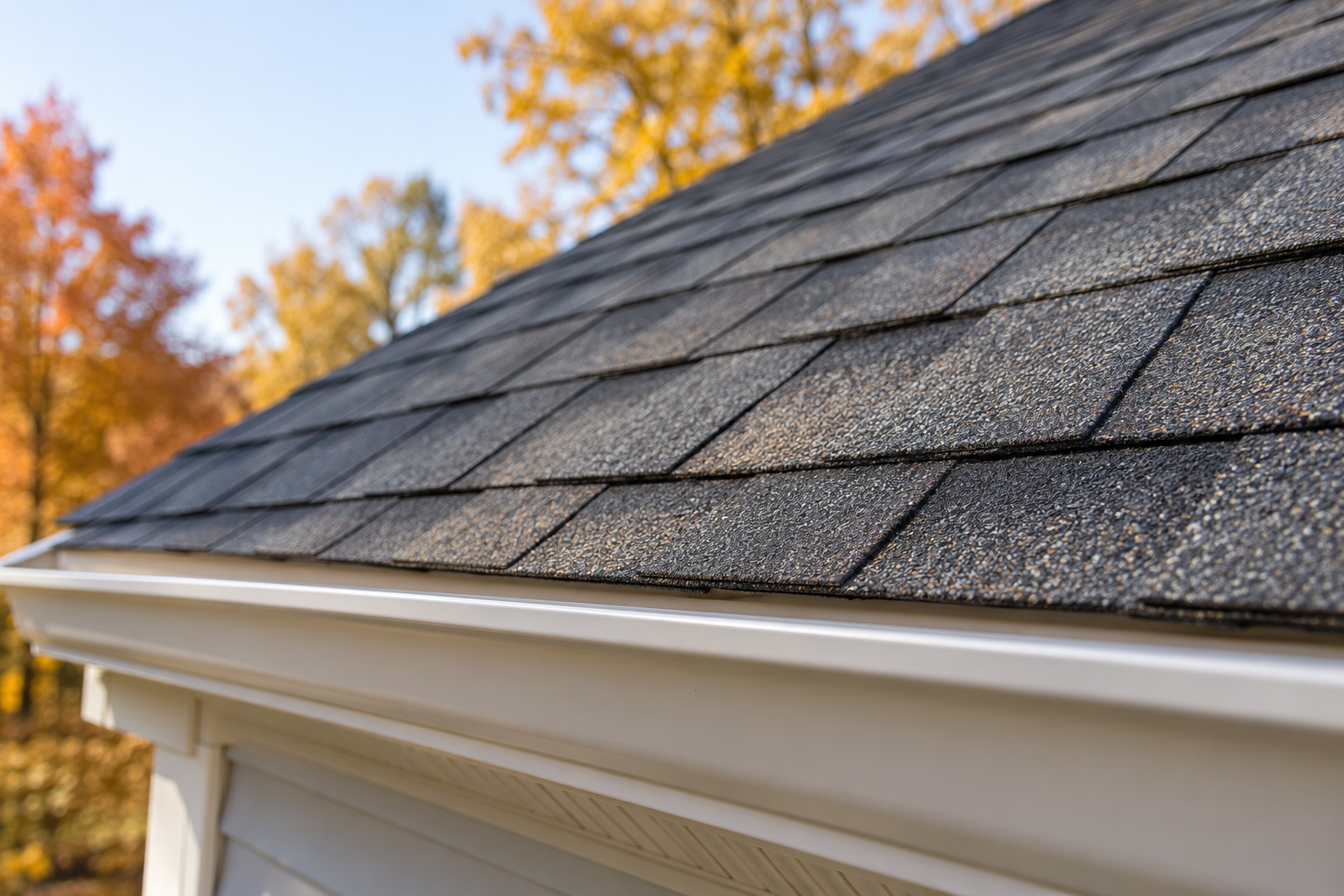
The fascia is the finished board that runs along the lower edge of a roof, often directly behind the gutter. When dark spotting or fuzzy surface growth appears there, homeowners may be tempted to scrub it away and consider the job finished.
Cleaning can improve the appearance of the fascia, but mold or mildew usually indicates that the surface is staying damp. Unless the moisture source is corrected, the staining may return and the underlying wood or finish may continue to deteriorate.
For Midlothian and Richmond-area homes, humid summers, frequent rain, tree debris, and overflowing gutters can all contribute to wet roof-edge materials. The right response combines safe cleaning with a careful check of the gutter, fascia, and nearby roof components.
Why Mold Develops on Fascia Boards
Mold needs moisture and organic material to grow. Painted wood fascia can collect dust, pollen, and other residue, while shade or restricted airflow slows drying. When water repeatedly reaches the same area, surface growth becomes more likely.
Common moisture sources include:
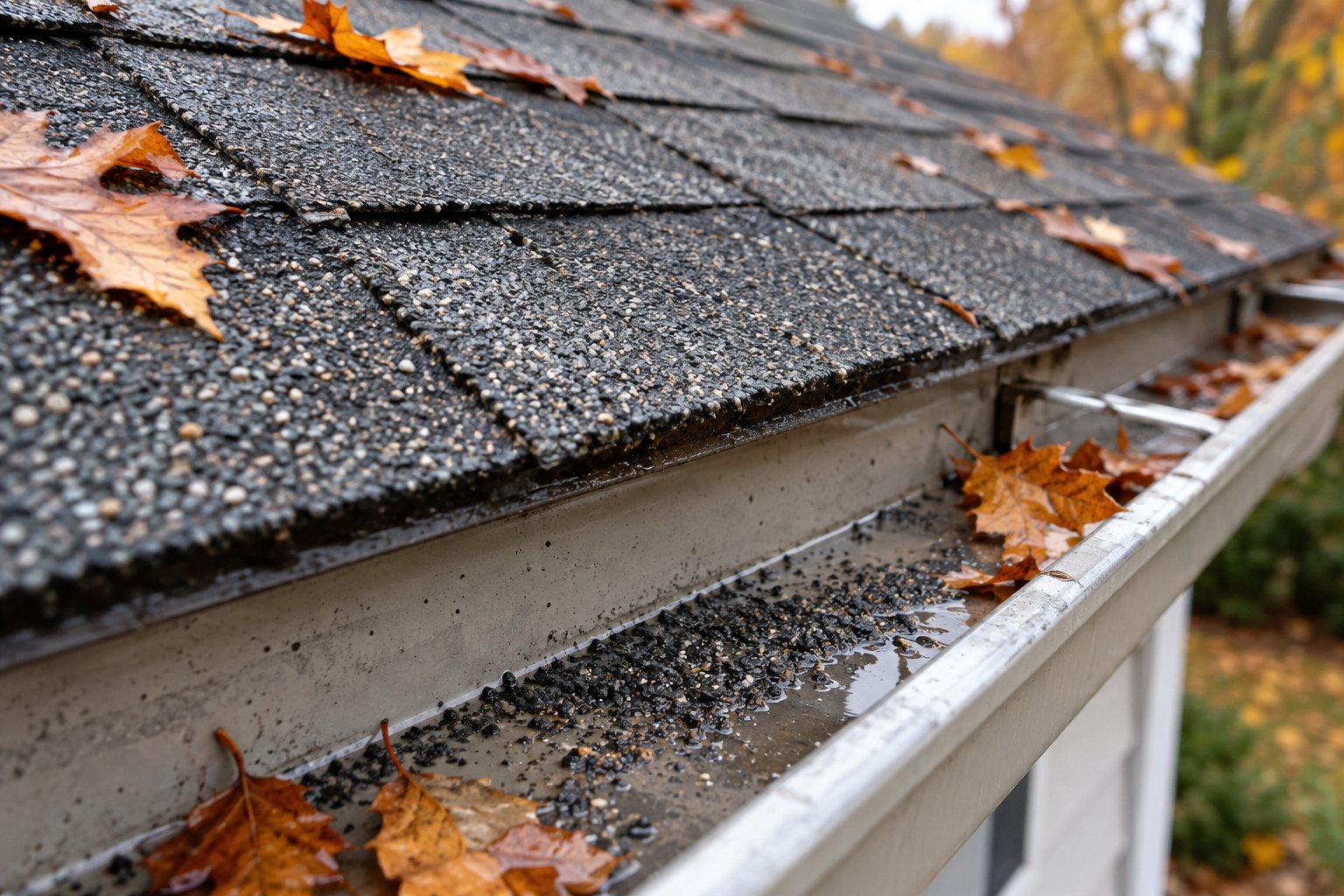
- Gutters clogged with leaves, pine needles, or roof granules
- Water overflowing the front or back of a gutter
- Loose gutter joints or leaking end caps
- Missing, damaged, or incorrectly positioned drip edge
- Roof-edge leaks or damaged flashing
- Peeling paint or open joints that allow wood to absorb water
- Branches and dense vegetation that keep the area shaded and damp
- Sprinklers repeatedly wetting the eaves
The discoloration itself does not reveal the exact cause. Start by observing where water travels during rain and whether the stain is concentrated below a gutter joint, valley, or overflowing section.
Inspect the Area Before Cleaning
Examine the roof edge from the ground whenever possible. Binoculars or a zoomed phone photo can help you look for obvious problems without climbing.
Watch for:
- Sagging or separated gutter sections
- Leaves and debris visible above the gutter line
- Water marks below seams or downspout connections
- Peeling, blistered, or missing paint
- Cracks, swelling, or separated joints in the fascia
- Soft-looking or crumbling wood
- Stains that extend into the soffit or siding
Do not press on or probe elevated fascia from an unsecured ladder. Roof-edge work involves fall hazards, and water, soap, and mold can make surfaces slippery. If the area cannot be reached safely from the ground, hire a qualified exterior or roofing professional.
Correct the Moisture Source First
Removing visible growth without stopping the water is only a temporary cosmetic fix. Before repainting or making the fascia look finished, address the condition that keeps it wet.
Depending on the cause, that may mean:
- Cleaning the gutter and confirming that downspouts drain freely
- Repairing a leaking gutter seam or loose end cap
- Correcting gutter slope or attachment problems
- Repairing roof-edge flashing or drip-edge issues
- Replacing cracked sealant at appropriate exterior joints
- Trimming vegetation that traps moisture against the home
- Repairing or replacing deteriorated wood
Water can travel behind a gutter or along the underside of roofing materials before it becomes visible. Repeated staining after cleaning is a good reason to have the roof edge professionally evaluated.
How to Clean a Small, Accessible Area
The Virginia Department of Health advises that small mold areas—generally less than 10 square feet—can often be cleaned from hard surfaces with detergent and water or a properly prepared mild bleach solution. Fascia boards are painted exterior materials, so first confirm that the cleaning method is compatible with the existing paint and board material.
For a small area that is safely reachable from the ground:
- Protect yourself. Wear gloves and eye protection. People with asthma, chronic respiratory disease, immune suppression, or significant mold allergies should not participate in mold cleanup.
- Use a mild cleaning solution. Start with water and household detergent or an exterior cleaner labeled for the surface. Test a small, inconspicuous spot first.
- Scrub gently. Use a soft-bristle brush or sponge. Aggressive pressure can damage paint and expose the material beneath it.
- Rinse according to the product instructions. Prevent dirty runoff from contacting plants or finished surfaces when practical.
- Dry the fascia completely. Drying matters as much as cleaning because persistent moisture encourages regrowth.
- Monitor the area. Check it after the next several rains to confirm that water is no longer reaching the board.
Never mix bleach with ammonia, acids, or other cleaners. The Centers for Disease Control and Prevention warns that mixing cleaning products can release dangerous vapors. Follow the product label and provide adequate ventilation where applicable.
Why Pressure Washing Is Risky
A pressure washer can remove stains quickly, but it may also strip paint, roughen wood fibers, force water behind the fascia, loosen gutter seals, or direct water beneath roofing materials.
For most fascia cleaning, a soft brush and controlled application of a surface-compatible cleaner provide more control. If stronger cleaning is required, use an experienced exterior-cleaning professional who understands roof-edge construction and can avoid damaging the gutter, soffit, drip edge, and shingles.
When Cleaning Is Not Enough
Mold can sometimes be limited to the painted surface. In other cases, the staining accompanies moisture damage that requires repair.
Contact a professional when:
- The affected area is widespread
- The fascia is too high to reach safely
- The wood feels soft, swollen, cracked, or crumbly
- Paint repeatedly blisters or peels
- Water appears behind the gutter or inside the soffit
- Stains return soon after cleaning
- The problem may involve roof flashing or a leak
- Someone in the household has health conditions that increase mold-related risk
Deteriorated wood may need partial or complete replacement. New coating should be applied only after the moisture problem is corrected and the surface is clean, sound, and properly dried.
Do Not Paint Over Active Mold
Fresh paint can temporarily hide discoloration, but it does not eliminate active growth or stop moisture. Paint applied over a contaminated or damp surface may peel, blister, or fail prematurely.
Before repainting:
- Remove the visible growth
- Allow the board to dry completely
- Repair damaged areas
- Correct leaks or drainage problems
- Prepare, prime, and coat the surface according to the paint manufacturer’s instructions
If the fascia material is no longer sound, replacement is usually more appropriate than repeated patching and painting.
Fascia Maintenance in Central Virginia
Midlothian and the greater Richmond area combine humidity, summer storms, mature trees, and heavy seasonal debris. A simple roof-edge maintenance routine can help homeowners notice problems earlier.
From the ground, periodically check:
- Whether gutters and downspouts are carrying water correctly
- Whether fascia paint remains intact
- Whether dark streaks are developing below gutter seams
- Whether tree branches are touching or shading the roof edge
- Whether granules or debris are accumulating in gutter outlets
After strong wind or heavy rain, look for new overflow marks or loose gutter sections. Early attention is generally easier than waiting until surface staining becomes damaged wood.
Start with the Whole Roof Edge
Mold on a fascia board is not only something to wipe away. It is a reason to find out why that section of the home stays wet. Clean a small, safely accessible area with an appropriate method, dry it completely, and correct the water source. Leave elevated work, widespread growth, recurrent staining, and deteriorated wood to qualified professionals.
If staining near the roof edge has raised questions about the condition of your asphalt shingles, Roof Max can help determine whether a roof assessment is appropriate. Visit richmondroofrejuvenation.com to learn more about roof rejuvenation in Midlothian, Richmond, and surrounding Central Virginia communities.