
Roof Restoration Blog | Richmond VA & Central Virginia
Do Asphalt Shingles Really Contain 30% Oil?
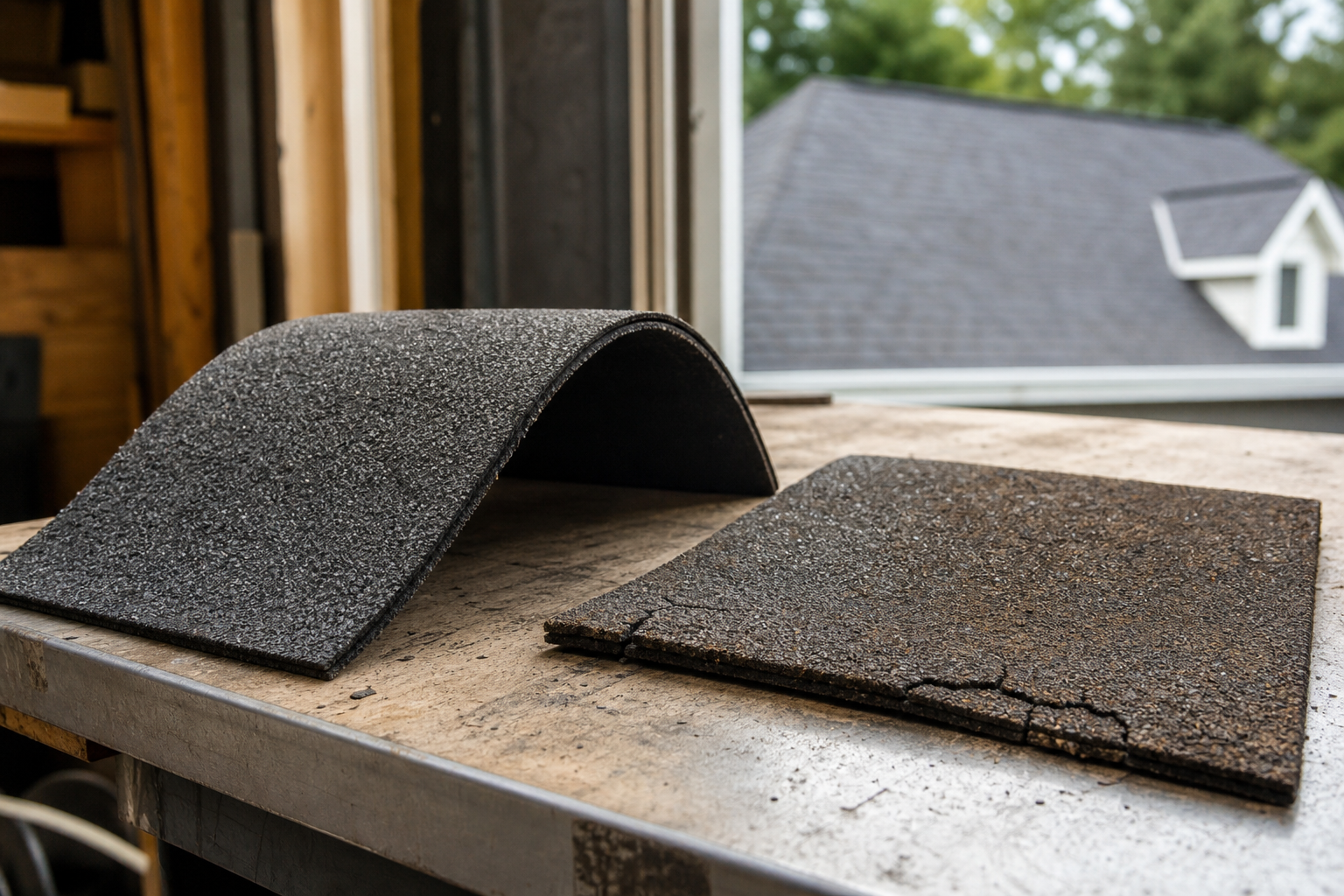
You may have heard that a new asphalt shingle is “30% oil.” It is a memorable way to explain why shingles can become drier and more brittle as they age, but it is not a precise description of a typical modern fiberglass shingle.
Asphalt shingles are manufactured from several layers and materials. Their exact formulas vary by manufacturer and product. Published industry and government references commonly place the asphalt binder in a modern fiberglass shingle at roughly 19–22% of the shingle’s weight, while some older or different shingle types contain more. Asphalt binder is also not the same thing as pure liquid oil.
Understanding that distinction helps homeowners make better decisions about roof maintenance, inspection, and rejuvenation.
The Short Answer: Not Exactly
Modern fiberglass asphalt shingles are composite products. In other words, they are made from multiple materials that work together rather than from one material alone.
A National Asphalt Pavement Association technical guide lists asphalt binder at approximately 19–22% by weight for fiberglass shingles. A National Institute of Standards and Technology report gives a similar example at about 20%. Other references describe higher asphalt percentages for older organic shingles or broader mixes of roofing products. That variation may be one reason the 30% figure is repeated so often.
The practical takeaway is simple: the percentage depends on the shingle, and “30% oil” should not be treated as a universal specification.
What Is Inside a Fiberglass Asphalt Shingle?
Although formulations differ, a typical fiberglass asphalt shingle includes several important components:
- Fiberglass mat: The reinforcing base that gives the shingle structure and dimensional stability.
- Asphalt coating or binder: The water-resistant material that coats the mat and helps hold the other components together.
- Mineral filler or stabilizer: Material blended into the asphalt coating to help create the required body and performance characteristics.
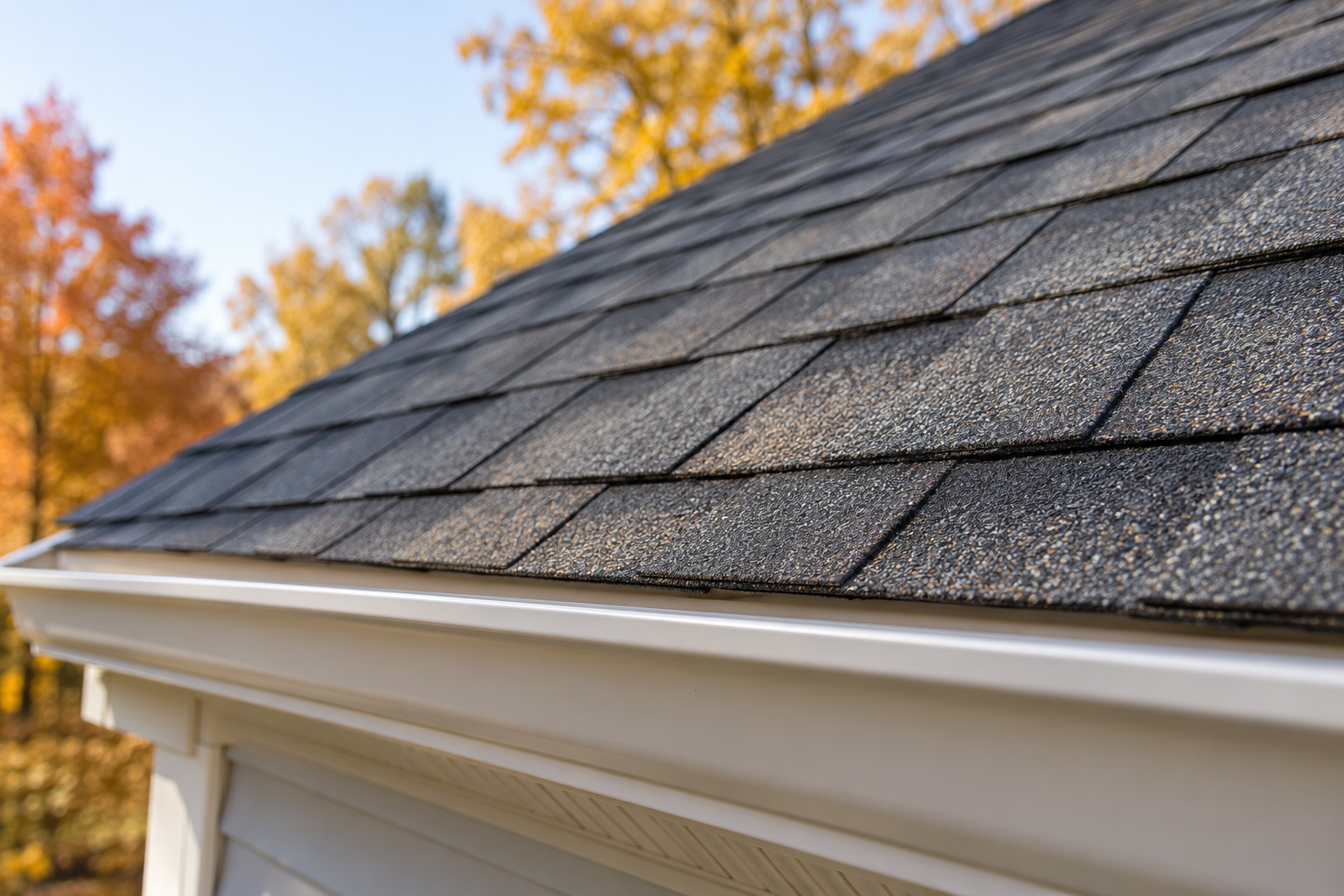
- Surface granules: Mineral granules that add color and help protect the asphalt from ultraviolet exposure and physical wear.
- Back surfacing: Fine material applied to the underside to help prevent shingles from sticking together during storage and handling.
Each component has a job. Focusing only on the asphalt percentage misses how the complete shingle system performs.
Why Do People Call the Asphalt Component “Oil”?
Roofing asphalt is petroleum-derived, so people sometimes use “oil” as a convenient shorthand. However, a finished shingle does not contain a reservoir of liquid oil waiting to drain away.
The asphalt coating is a manufactured binder with a complex mix of compounds. Lighter components and additives help influence flexibility and workability, while the overall binder provides water resistance and holds the shingle structure together. Calling the whole asphalt portion “oil” makes the aging process sound simpler than it really is.
For homeowners, the more useful question is not “How much oil is in my roof?” It is “How flexible and serviceable are my shingles now?”
How Asphalt Shingles Change with Age
Once installed, shingles face constant exposure to sunlight, oxygen, heat, rain, wind, and seasonal temperature changes. Over time, the asphalt binder oxidizes and its physical properties change.
This aging process can make the material:
- Stiffer and less able to bend
- More vulnerable to cracking under stress
- Less tolerant of thermal expansion and contraction
- More likely to show curling, edge wear, or surface deterioration
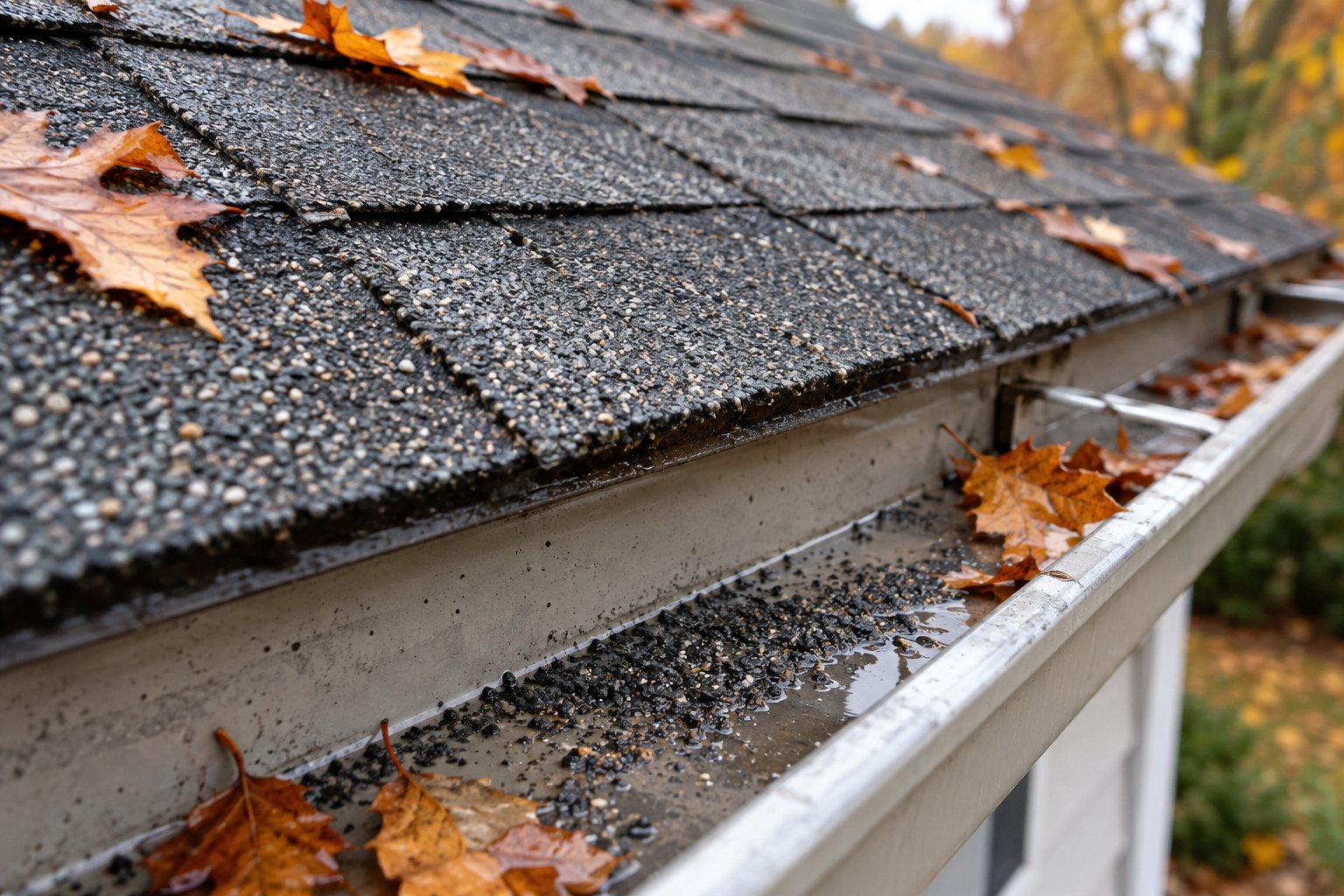
Granules also loosen throughout a roof’s life. Some granule loss is normal, especially early after installation, but accelerated loss or exposed asphalt can indicate a roof that deserves closer attention.
No single visible symptom proves the cause or determines the correct solution. Hail damage, installation problems, ventilation issues, foot traffic, manufacturing defects, and ordinary aging can produce overlapping signs. That is why an evaluation should consider the roof as a whole.
What Should Midlothian Homeowners Watch For?
Central Virginia roofs experience hot summer sun, humidity, thunderstorms, wind, and repeated seasonal temperature changes. Those conditions do not affect every roof in the same way, but they can contribute to normal weathering.
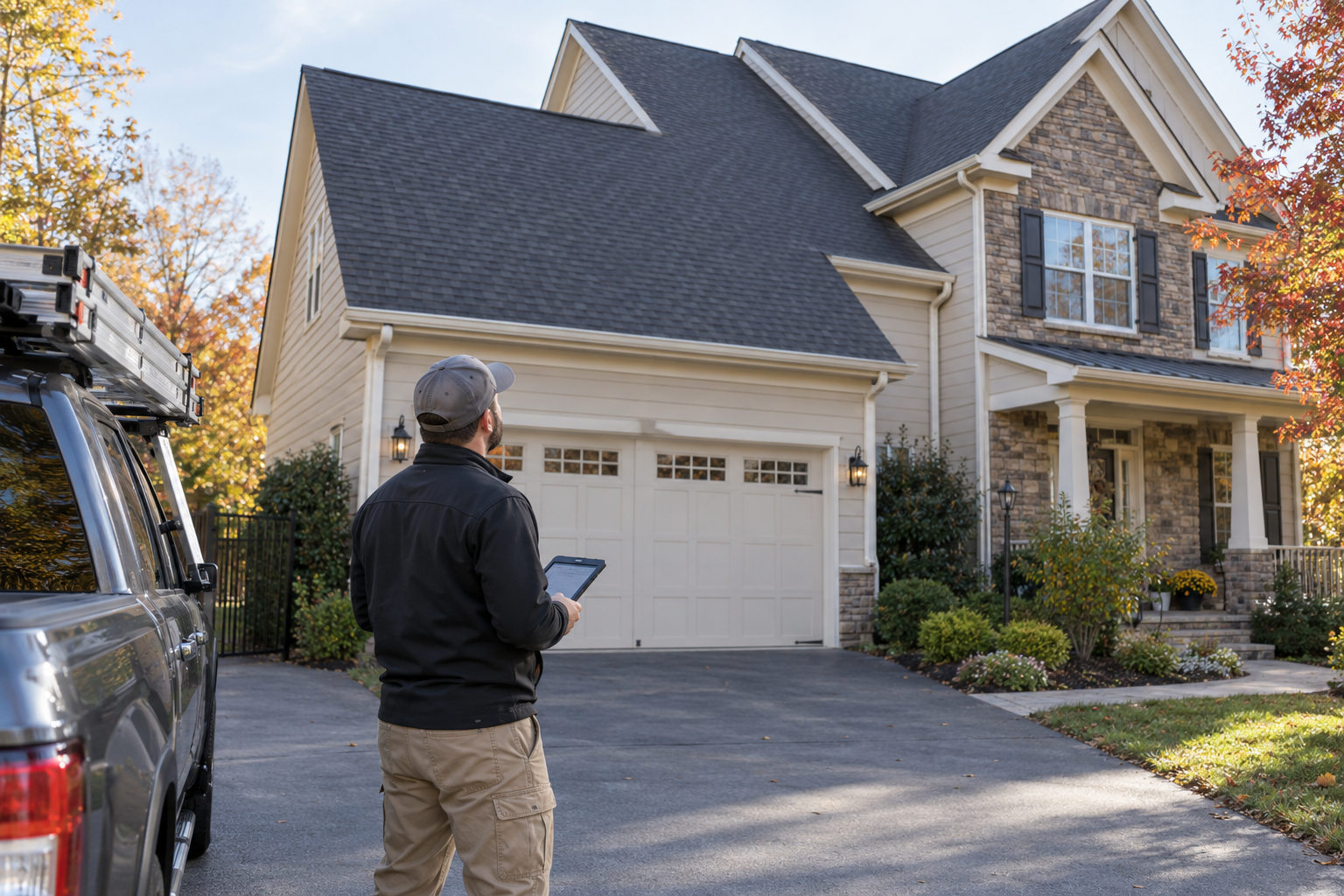
From the ground, homeowners can watch for:
- Shingle edges that appear curled or lifted
- Cracked, missing, or visibly damaged shingles
- Heavy granule accumulation near downspouts
- Dark areas where the granule surface looks thin
- Interior stains, dampness, or other signs of a possible leak
Avoid walking on the roof to investigate. Foot traffic can damage brittle shingles, and roof work involves fall hazards. A qualified professional can inspect the surface more safely and determine whether a concern is cosmetic, maintenance-related, or evidence of a larger problem.
Where Roof Rejuvenation May Fit
Roof Max uses a plant-based treatment intended to penetrate eligible asphalt shingles and help restore flexibility lost through aging. It is designed as a maintenance option for qualifying roofs—not as a substitute for structural repairs or a solution for every roofing problem.
A roof with active leaks, rotten decking, widespread missing shingles, major storm damage, or other serious defects may need repairs or replacement instead. Eligibility depends on the roof’s current condition, which is why an assessment comes first.
For the right roof, rejuvenation may offer homeowners a way to address age-related stiffness before replacement becomes the only practical option. The decision should be based on the actual condition of the shingles, not on a generalized claim about their original oil percentage.
Start with the Condition of Your Roof
The idea that every new shingle contains 30% oil is catchy, but it leaves out important details. Modern fiberglass shingles usually contain a smaller percentage of asphalt binder, and their complete composition varies by product. What matters most today is how your particular roof has aged and whether its shingles remain flexible and serviceable.
If you own a home in Midlothian, Richmond, or a nearby Central Virginia community, Roof Max can assess your asphalt shingles and explain whether rejuvenation may be appropriate. Visit richmondroofrejuvenation.com to learn more or request an evaluation.