
Roof Restoration Blog | Richmond VA & Central Virginia
Roof Maxx vs. a New Roof: What Sellers Should Compare

An aging roof can quickly become one of the biggest financial questions in a real estate transaction. Sellers may worry that they need to fund a complete replacement before listing. Buyers may see the roof’s age and assume a major expense is immediately ahead. Agents may wonder whether the roof will complicate an inspection or negotiation.
Sometimes replacement is necessary. In other cases, a serviceable asphalt-shingle roof may qualify for restoration instead. Because the cost difference can be significant, the most useful first step is not choosing the cheapest option—it is determining which options are actually appropriate for the roof.
For sellers and real estate professionals in Midlothian, Richmond, and Central Virginia, a condition-based comparison can prevent both unnecessary work and unrealistic expectations.
What a Full Roof Replacement Includes
A complete roof replacement is a construction project. Depending on the roof and the proposed scope, the price may include:
- Removing and disposing of the existing shingles
- Inspecting or repairing the roof deck
- Installing underlayment and other water-management components
- Replacing shingles, flashing, vents, and accessories as specified
- Labor, equipment, permits, and job-site protection
- Manufacturer and contractor warranty coverage
Replacement is the correct investment when the roofing system has reached the end of its serviceable life or when defects cannot be addressed through maintenance and limited repairs. It also gives the contractor access to materials beneath the shingles that cannot be fully evaluated from the exterior.
Those benefits come with a larger scope, higher material and labor costs, debris removal, and more disruption to the property. That is why it makes sense to confirm that replacement is necessary before adding it to a listing budget.
What Roof Maxx Is—and What It Is Not
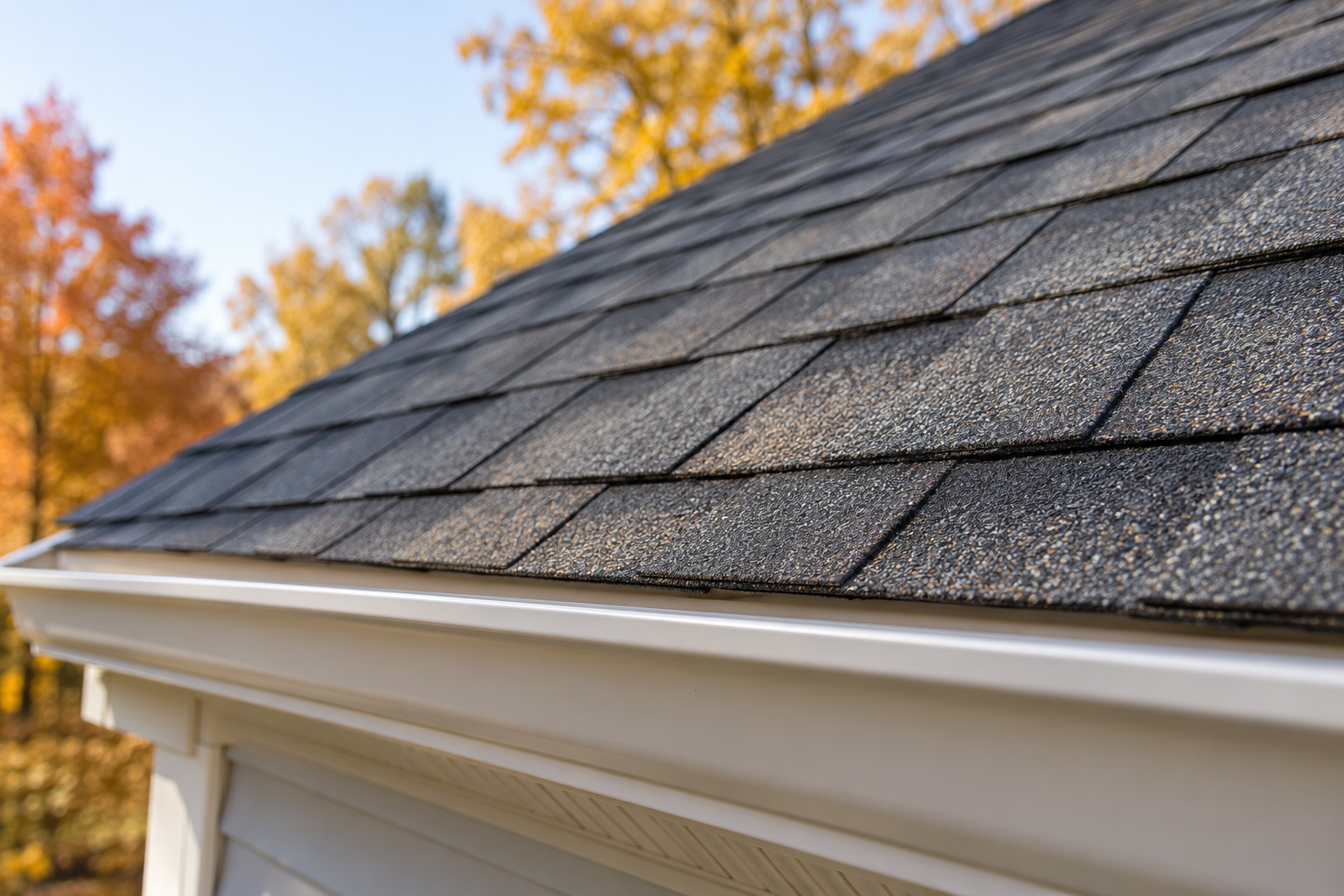
Roof Maxx is a maintenance treatment for eligible asphalt shingles. The plant-based treatment is designed to penetrate the shingles and restore some of the flexibility lost as the asphalt ages.
Roof Maxx states that one qualifying treatment can extend the useful life of the shingles by up to five years and is covered by a five-year transferable flexibility warranty. The company also reports that treatment may cost up to 80% less than a full roof replacement.
Those figures are not a universal quote or a promise that every roof can avoid replacement. Actual pricing depends on roof size, slope, access, repairs, local conditions, and the property’s specific needs. Savings also depend on the replacement proposal being used for comparison.
Roof Maxx does not replace rotten decking, correct faulty installation, repair structural problems, or make an unsuitable roof suitable. The warranty addresses treated-shingle flexibility; it is not a warranty against leaks, storm damage, granule loss, or existing installation defects.
Why the Condition Assessment Comes First
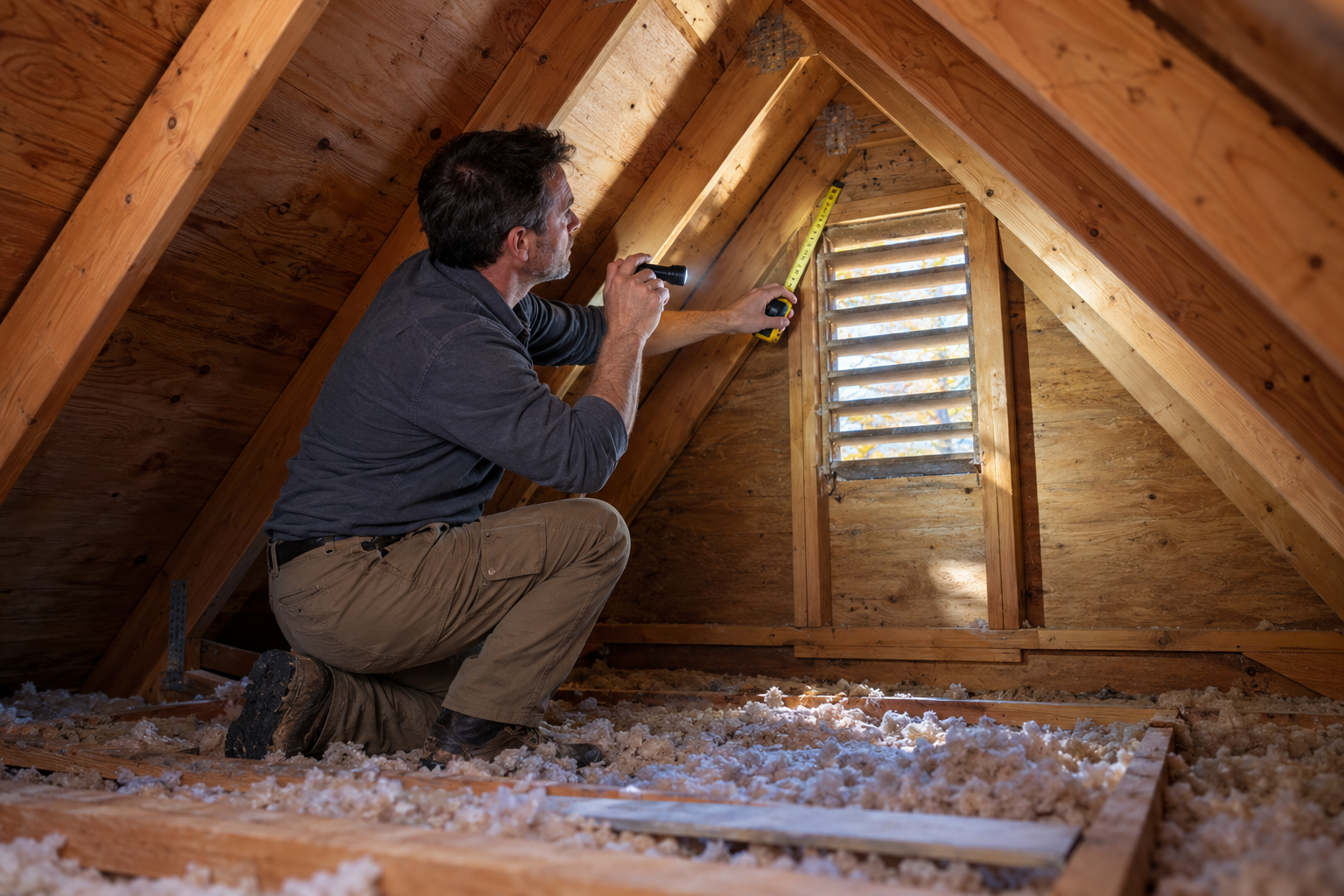
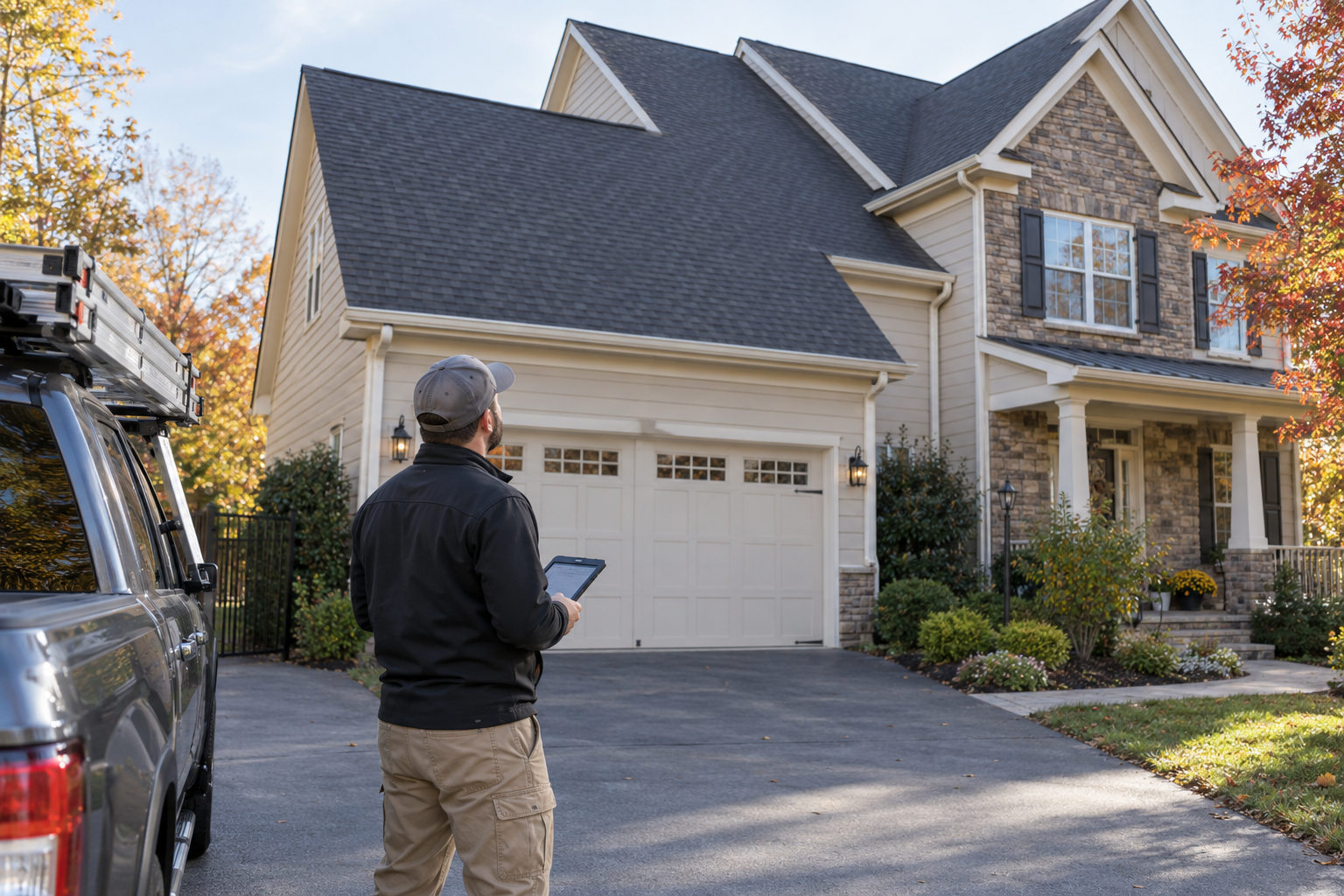
A price comparison is useful only after the roof has been evaluated. A trained professional should determine whether the existing shingles remain serviceable and whether repairs are required before treatment.
The evaluation should consider:
- The type and general age of the shingles
- Remaining granule coverage
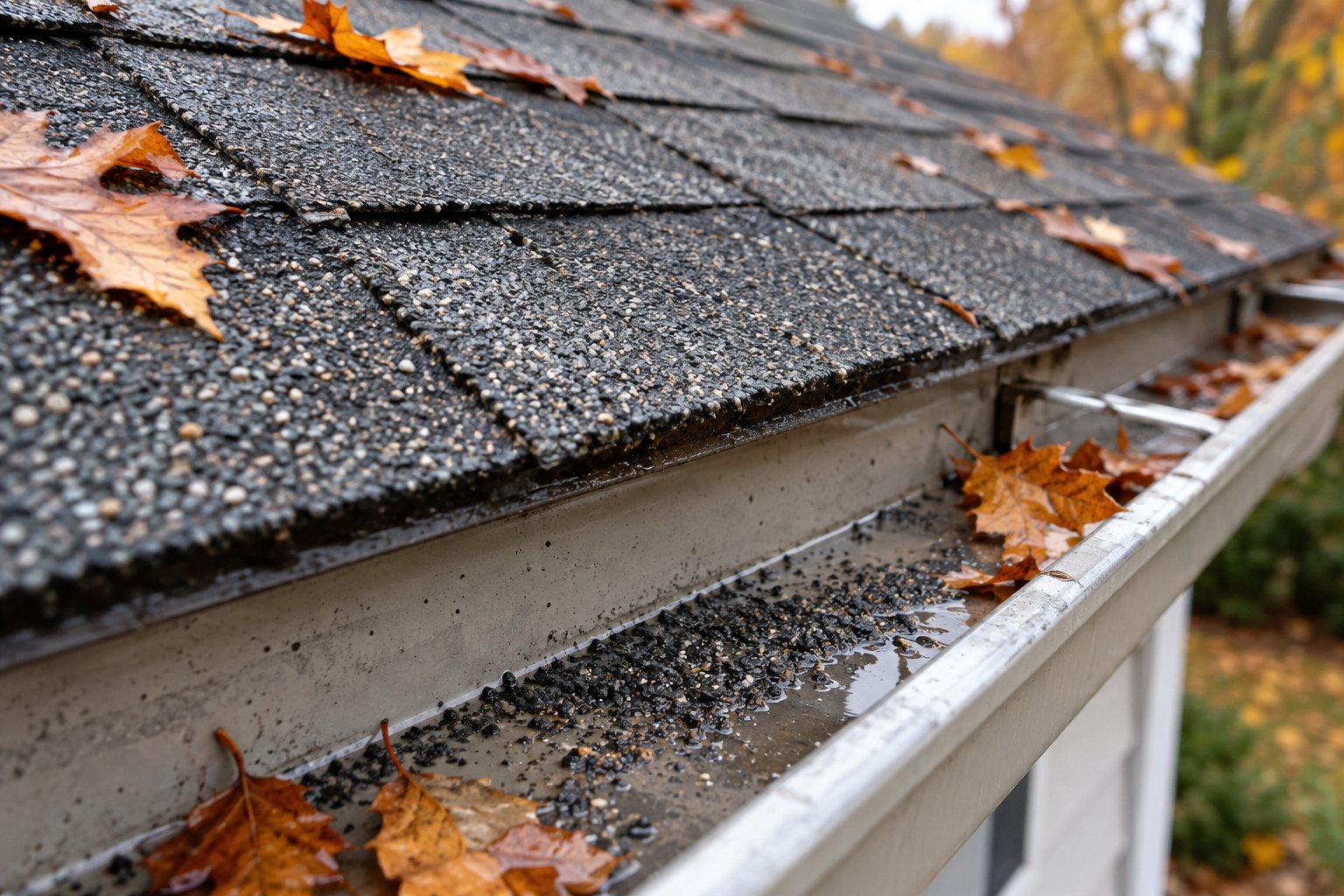
- Cracking, curling, brittleness, or missing shingles
- Evidence of active or recurring leaks
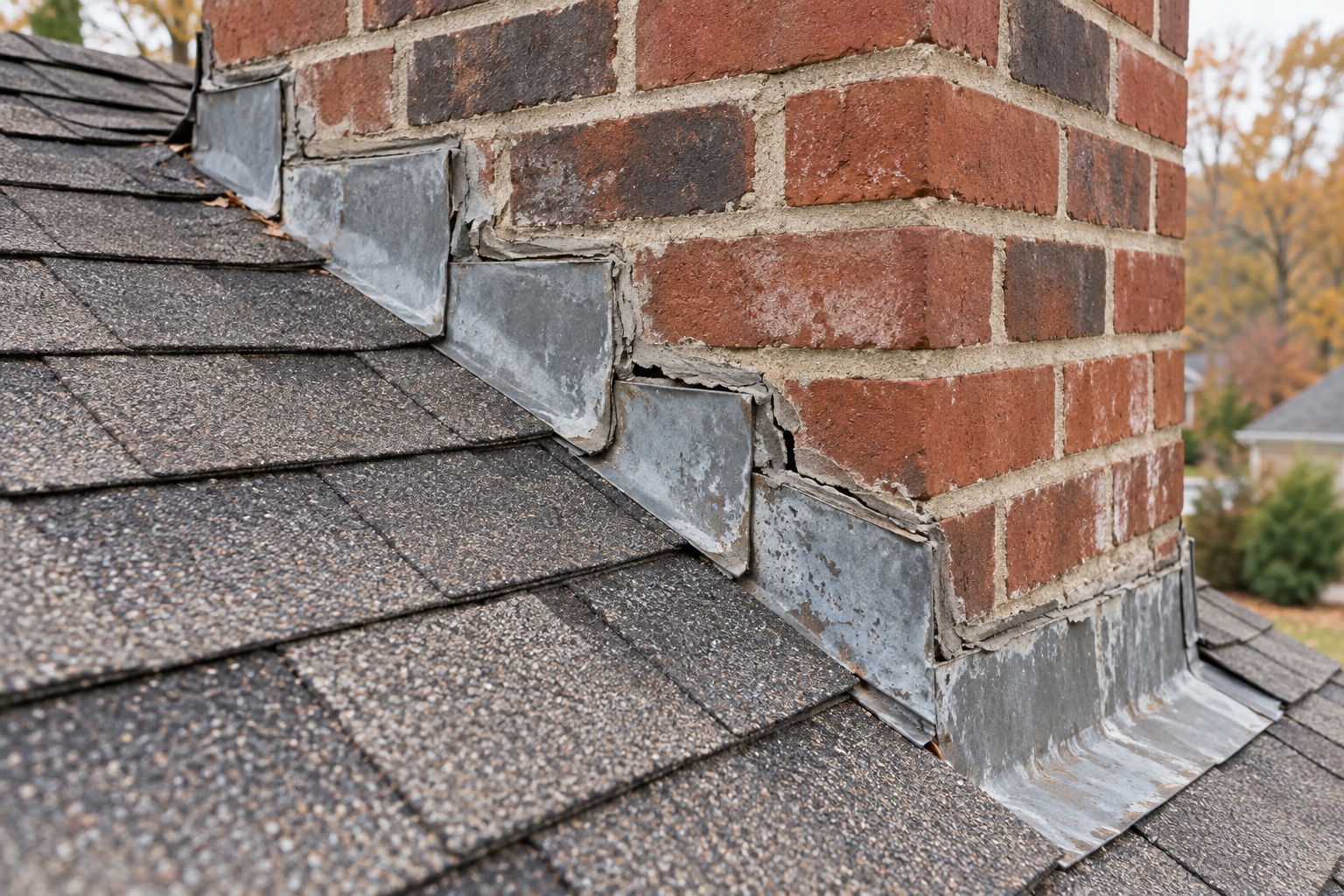
- Flashing and pipe-boot condition
- Soft decking, rot, or structural concerns
- Installation defects or widespread wind and storm damage
- Whether previous repairs have addressed the underlying causes
Minor maintenance needs do not automatically disqualify a roof. A tune-up may be part of the restoration process. However, severe deterioration, widespread damage, major leaks, or underlying deck problems can make replacement the responsible option.
Comparing the Numbers Honestly
Agents and sellers should request written information for every appropriate option. Avoid comparing one headline number with another without reviewing the scope.
For a full replacement proposal, ask:
- Does the price include tear-off and disposal?
- How much decking repair is included, and how is additional work priced?
- Which shingle, underlayment, flashing, and ventilation products are specified?
- What contractor and manufacturer warranties apply?
- Are permits, cleanup, and landscaping protection included?
For a Roof Maxx proposal, ask:
- Did the roof pass a documented condition assessment?
- Which repairs or tune-up items are included before treatment?
- What areas, materials, or conditions are excluded?
- What does the five-year flexibility warranty cover?
- Is the warranty transferable to a buyer, and what documentation will be provided?
- When should the roof be reassessed?
This line-by-line review gives sellers a more realistic picture of the immediate cost, the work being performed, and the responsibility that remains after the project.
How This Can Help a Real Estate Transaction
When an aging roof is still eligible for restoration, a lower-cost maintenance option may give a seller more flexibility. Depending on the property and transaction, the seller may be able to address shingle aging without taking on the expense and disruption of an unnecessary replacement.
For buyers, documentation matters as much as the treatment itself. A clear assessment, repair record, paid invoice, product information, and transferable warranty can help explain what was completed and what was not.
Agents should describe the work accurately. A treated roof is not a new roof, and it should not be marketed as one. Roof Maxx also does not guarantee a particular appraisal, insurance decision, inspection outcome, sales price, or closing timeline. Those decisions are made independently by the professionals and parties involved in the transaction.
The value is in creating a documented, condition-appropriate option—not in making promises about the deal.
When Replacement Is Still the Better Choice
Cost savings should never override roof condition. Replacement may be the better or only practical option when there is:
- Widespread shingle failure or extensive granule loss
- Significant storm or impact damage
- Rotten or damaged roof decking
- Chronic leaks tied to installation or system defects
- Large areas of missing, broken, or unsealed shingles
- A roof material that is not eligible for treatment
- A planned remodel that changes the roof structure or covering
A reputable evaluation should be willing to say when restoration is not appropriate. Spending less on the wrong solution is not a savings.
A Practical Plan for Midlothian-Area Sellers
If the roof may become a listing concern, begin before photography, showings, or buyer negotiations whenever possible.
- Schedule a roof-condition assessment. Identify maintenance needs, repair issues, and whether restoration is an option.
- Request written proposals. Compare only the solutions that fit the actual condition of the roof.
- Review scope and warranty details. Make sure the documents explain both coverage and exclusions.
- Complete approved work and retain the records. Keep inspection notes, repair invoices, treatment documentation, and warranty information together.
- Coordinate the listing language. Describe the roof accurately and provide documents through the appropriate transaction process.
Starting early gives the seller and agent time to make a deliberate decision instead of reacting under an inspection deadline.
Compare Before You Replace
The right choice is not automatically Roof Maxx, and it is not automatically a new roof. It is the option supported by the roof’s condition, the scope of work, and clear written pricing.
For a qualifying asphalt-shingle roof, restoration may offer meaningful savings compared with replacement. For a roof with extensive damage or underlying defects, replacement may protect the property more responsibly.
Roof Max can assess aging asphalt roofs for homeowners, sellers, and real estate professionals in Midlothian, Richmond, and surrounding Central Virginia communities. Visit richmondroofrejuvenation.com to request an evaluation and learn which options fit the property.