
Roof Restoration Blog | Richmond VA & Central Virginia
How Roof Maxx Helps Protect the Roof You Already Own

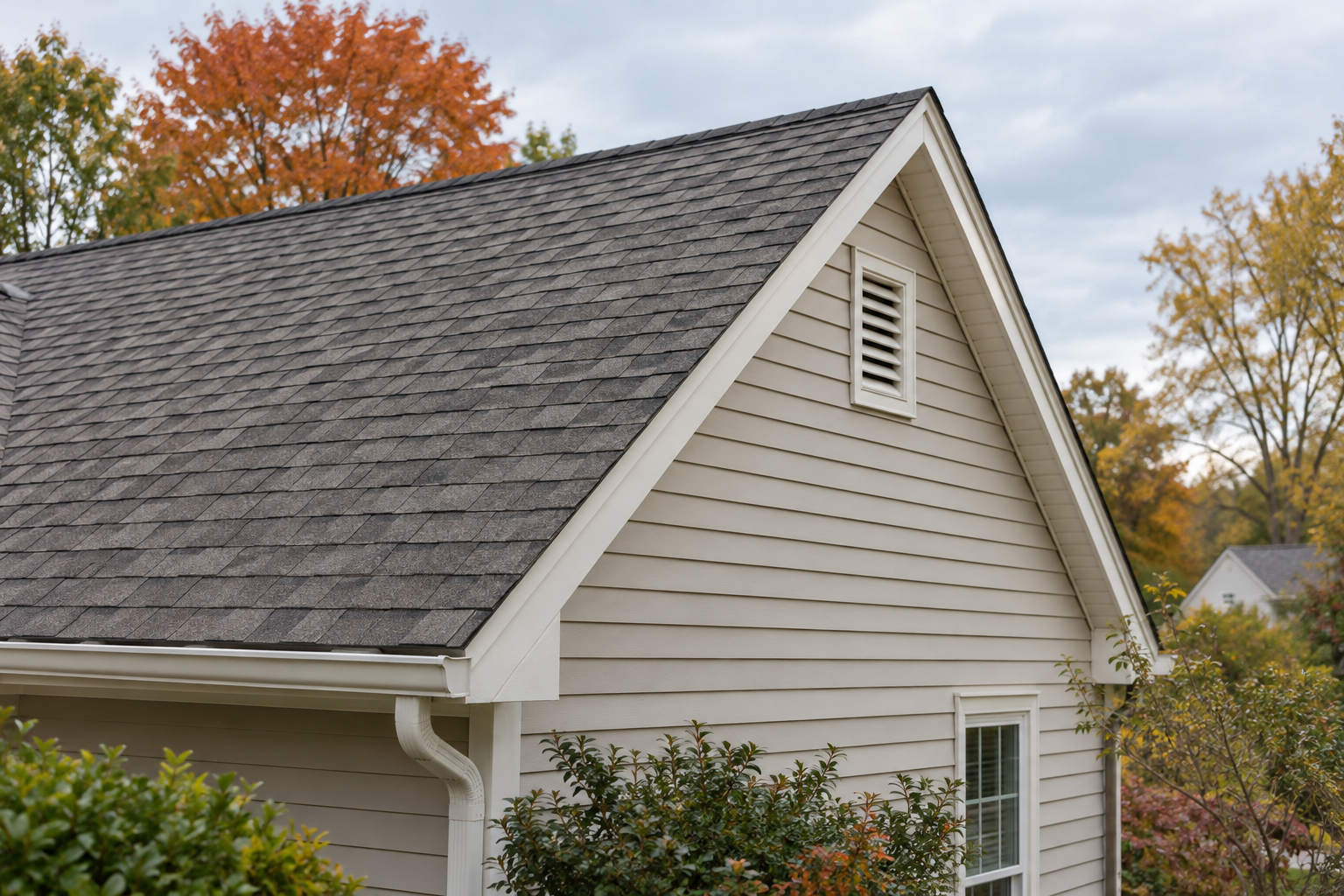
Your roof is one of the hardest-working parts of your home. It faces sunlight, heat, rain, wind, humidity, and seasonal temperature changes every day. Protecting that part of your investment does not always mean replacing it at the first sign of age. Sometimes, the smarter first step is to determine whether the existing roof is still serviceable and whether maintenance can help it perform longer.
Roof Max is a plant-based rejuvenation treatment designed for qualifying asphalt shingles. It is intended to restore flexibility lost through normal aging, giving eligible homeowners another maintenance option before replacement becomes necessary.
That does not mean every roof can or should be treated. Responsible roof care begins with an honest assessment of the roof’s current condition.
What Does “Protecting Your Investment” Really Mean?
In roofing, protecting an investment should not be confused with guaranteeing a higher sale price, eliminating every future repair, or making a roof last forever. A practical definition is simpler: take reasonable steps to maintain a serviceable roof, address problems early, and plan major expenses instead of being surprised by them.
The National Roofing Contractors Association encourages asphalt-shingle roof inspections and proactive maintenance. Regular attention can help homeowners identify conditions that deserve repair or monitoring before they become larger concerns.
For a roof that is aging but still structurally sound, rejuvenation may become one part of that maintenance plan.
How Asphalt Shingles Change as They Age
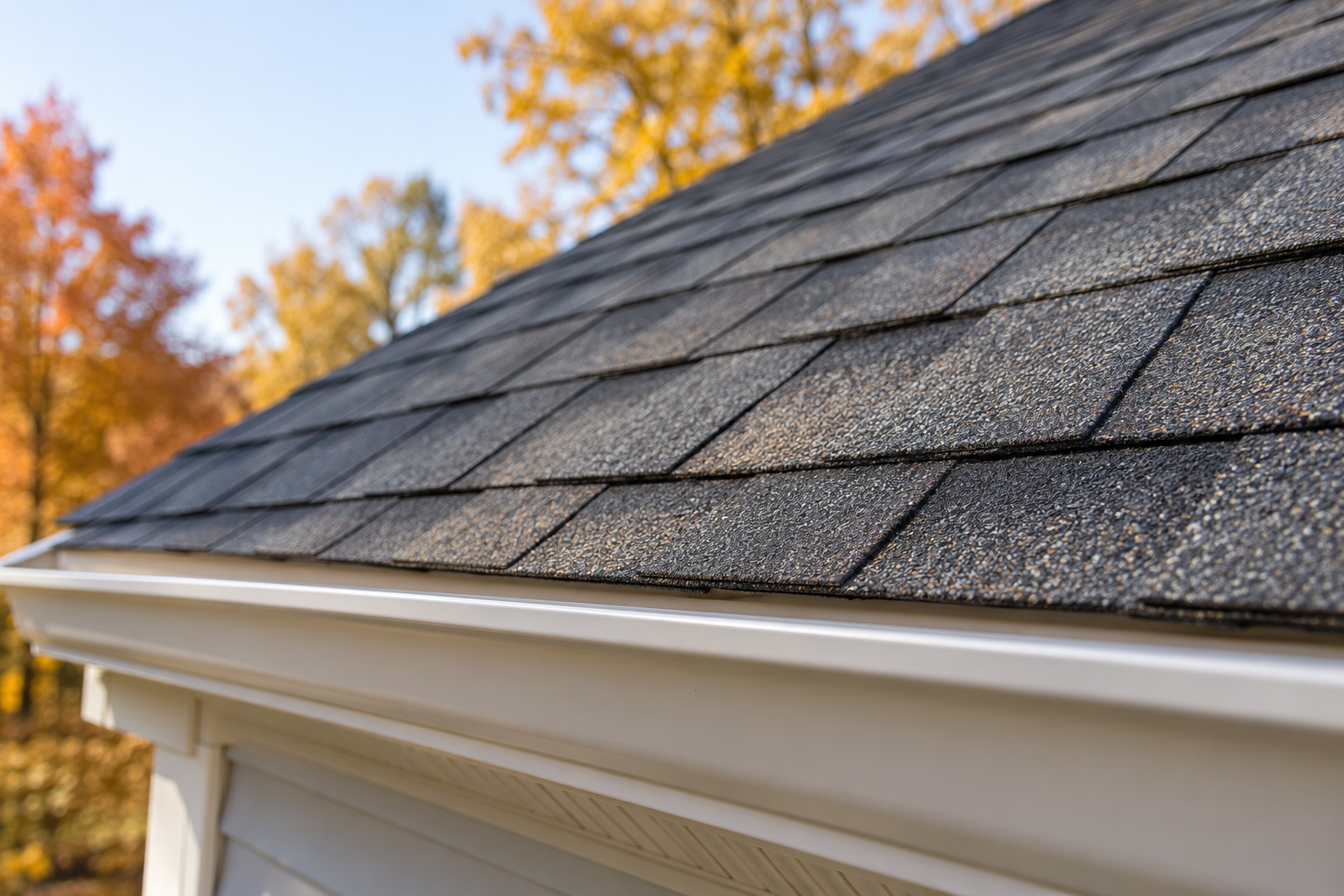
Asphalt shingles are manufactured to remain flexible enough to tolerate normal expansion, contraction, and weather exposure. Over time, sunlight, oxygen, and heat change the physical properties of the asphalt binder. Shingles can gradually become stiffer and more brittle.
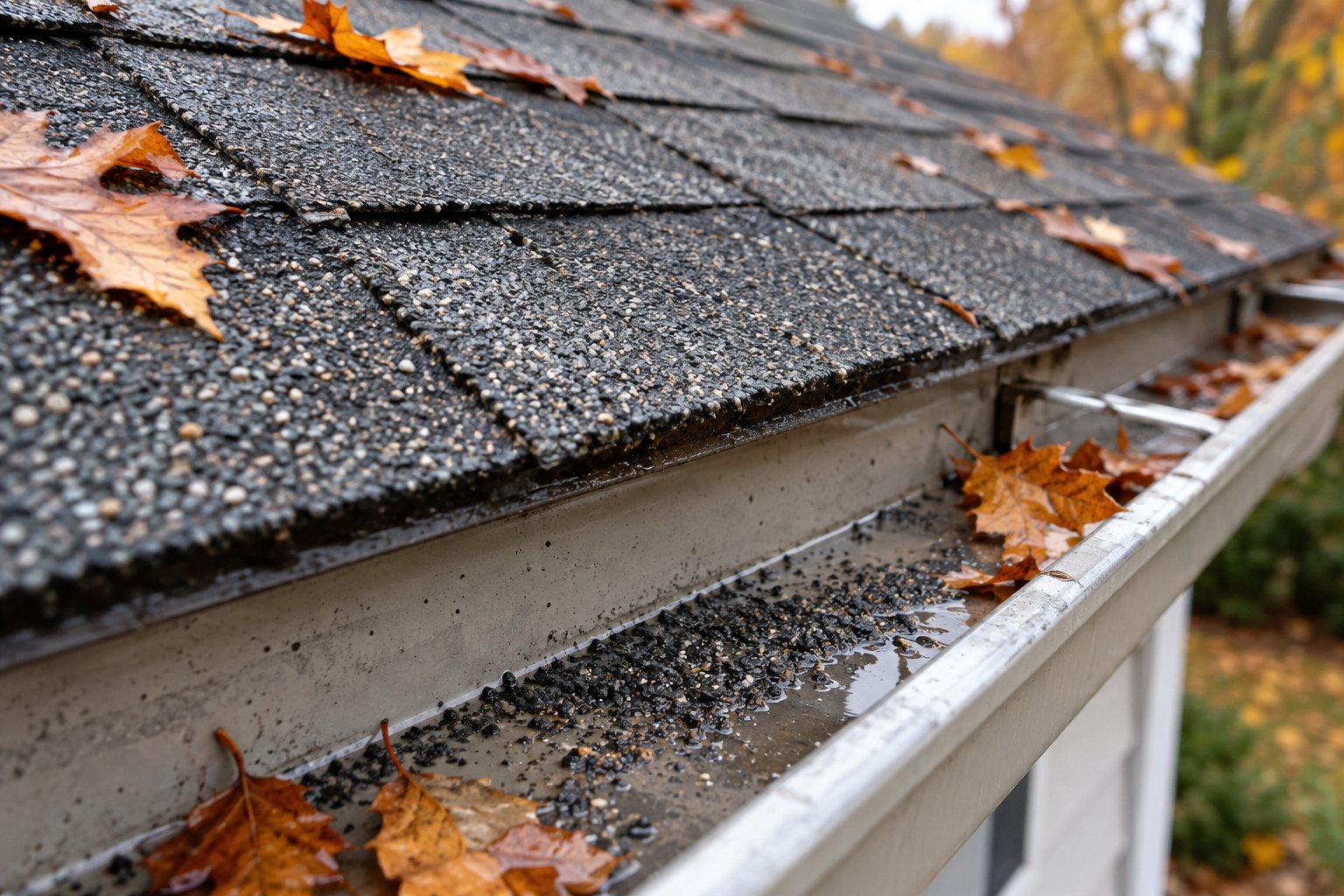
Reduced flexibility may make aging shingles less tolerant of movement and impact. Homeowners might notice curled edges, cracking, or increasing granule accumulation near downspouts. However, these symptoms can have several causes, and no single sign determines whether treatment, repair, or replacement is appropriate.
An on-roof condition assessment is therefore more useful than relying only on the roof’s age.
How Roof Max Is Intended to Help
Roof Max describes its treatment as a plant-based oil emulsion that penetrates the asphalt layer of eligible shingles. Unlike a surface coating, it is intended to be absorbed into the shingle and help restore flexibility.
For a roof that qualifies, restored flexibility may support the roof in three practical ways:
- Maintain useful flexibility: Shingles that can still bend appropriately are better able to accommodate ordinary temperature-driven movement.
- Avoid premature replacement: If an aging roof remains serviceable, treatment may allow the homeowner to continue using it rather than replacing it solely because it has become stiff.
- Create planning time: Additional serviceable time can give a homeowner an opportunity to budget and prepare for eventual replacement instead of making an immediate decision.
These are maintenance benefits, not promises that a treated roof will be immune to damage or never require repair.
The Five-Year Flexibility Warranty
Qualifying Roof Max treatments are accompanied by the company’s five-year flexibility warranty. According to the current warranty, treated asphalt shingles are warranted to remain flexible and in serviceable condition for five years from treatment. If the shingles do not maintain the required flexibility under the standardized test, the affected area may qualify for prorated retreatment under the warranty terms.
The scope matters. This is a flexibility warranty, not comprehensive insurance for every roofing problem. The published warranty does not cover conditions such as:
- Leaks
- Faulty installation
- Loss of the granule coating
- Wind, hail, snow, ice, or other weather events
- Defective materials or unrelated roof damage
Homeowners should review the complete warranty and ask questions before treatment. Clear expectations are an important part of protecting any investment.
What Roof Max Cannot Fix
Roof rejuvenation is not a substitute for necessary repairs. Roof Max should not be presented as a solution for structural or installation failures.
A roof may need repair or replacement instead when it has:
- Active leaks or ongoing moisture intrusion
- Rotten, soft, or deteriorated roof decking
- Widespread missing, torn, or broken shingles
- Major hail, wind, or tree-impact damage
- Significant installation defects
- Shingles that are already too deteriorated to remain serviceable
Minor tune-up work may sometimes be appropriate before treatment, but serious defects require the correct roofing solution. If a roof does not qualify, treating it would not be a responsible way to protect the property.
Why the Assessment Comes First
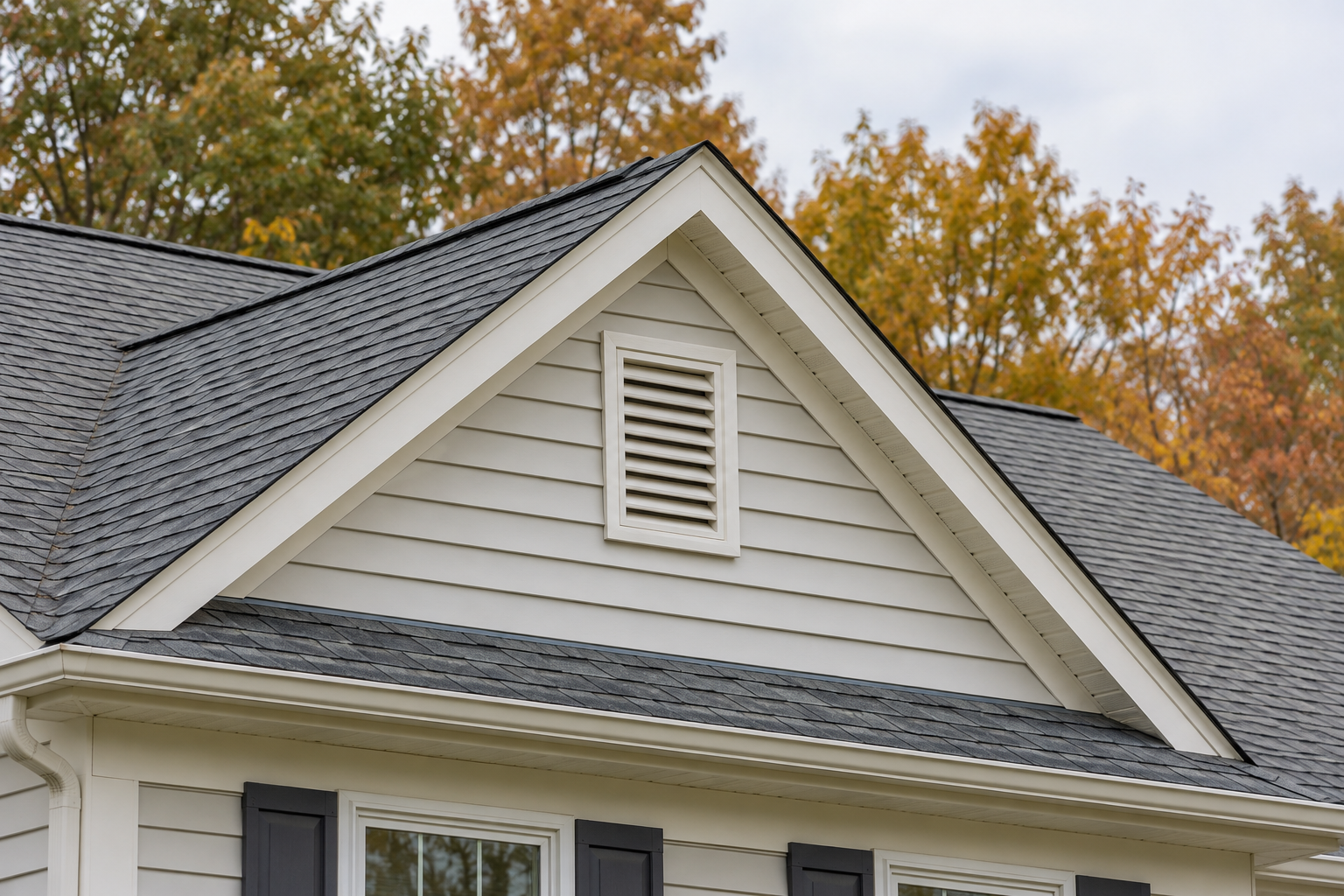
Two roofs installed in the same year may age very differently. Roof pitch, sun exposure, ventilation, tree cover, storm history, installation quality, and maintenance can all affect condition.
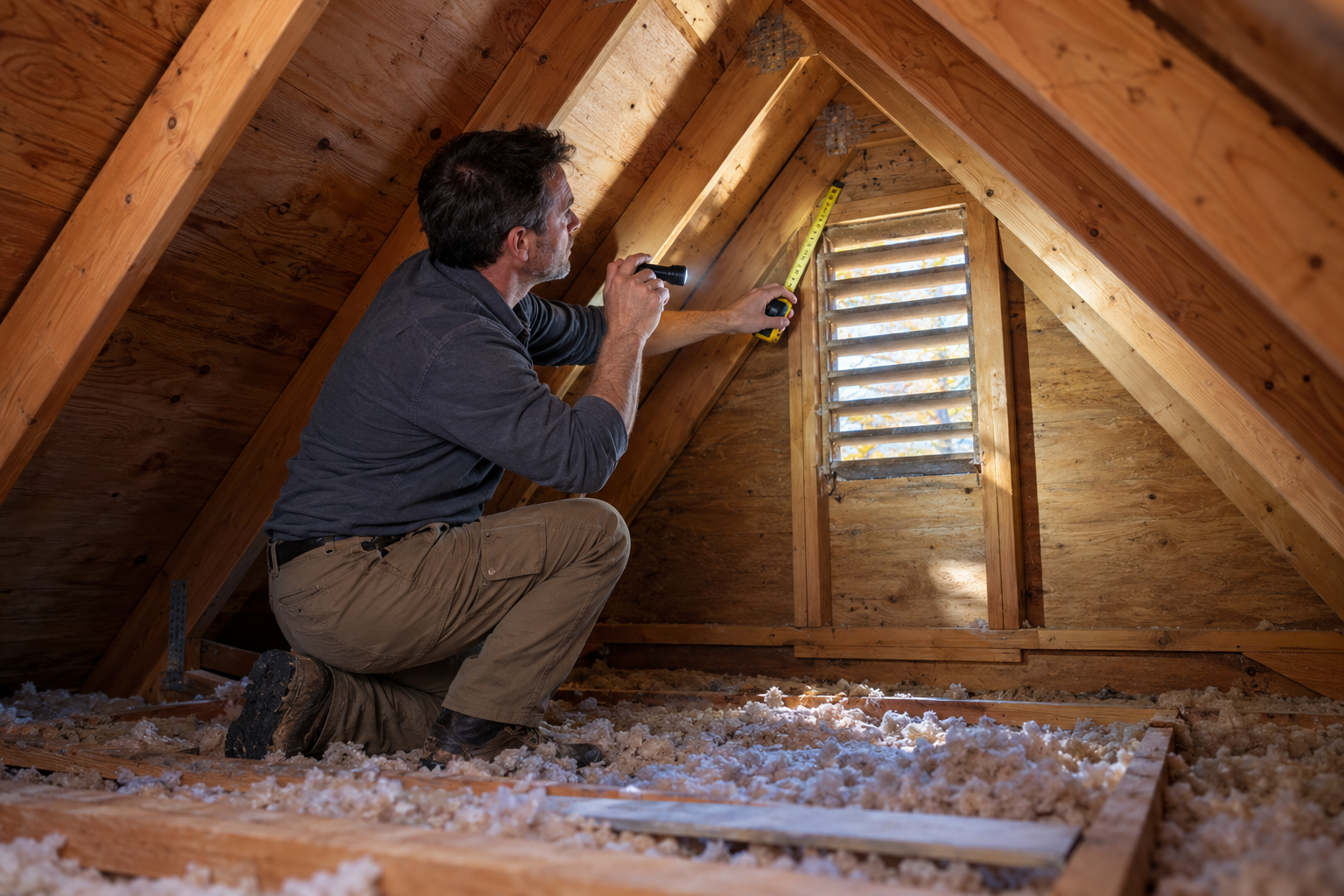
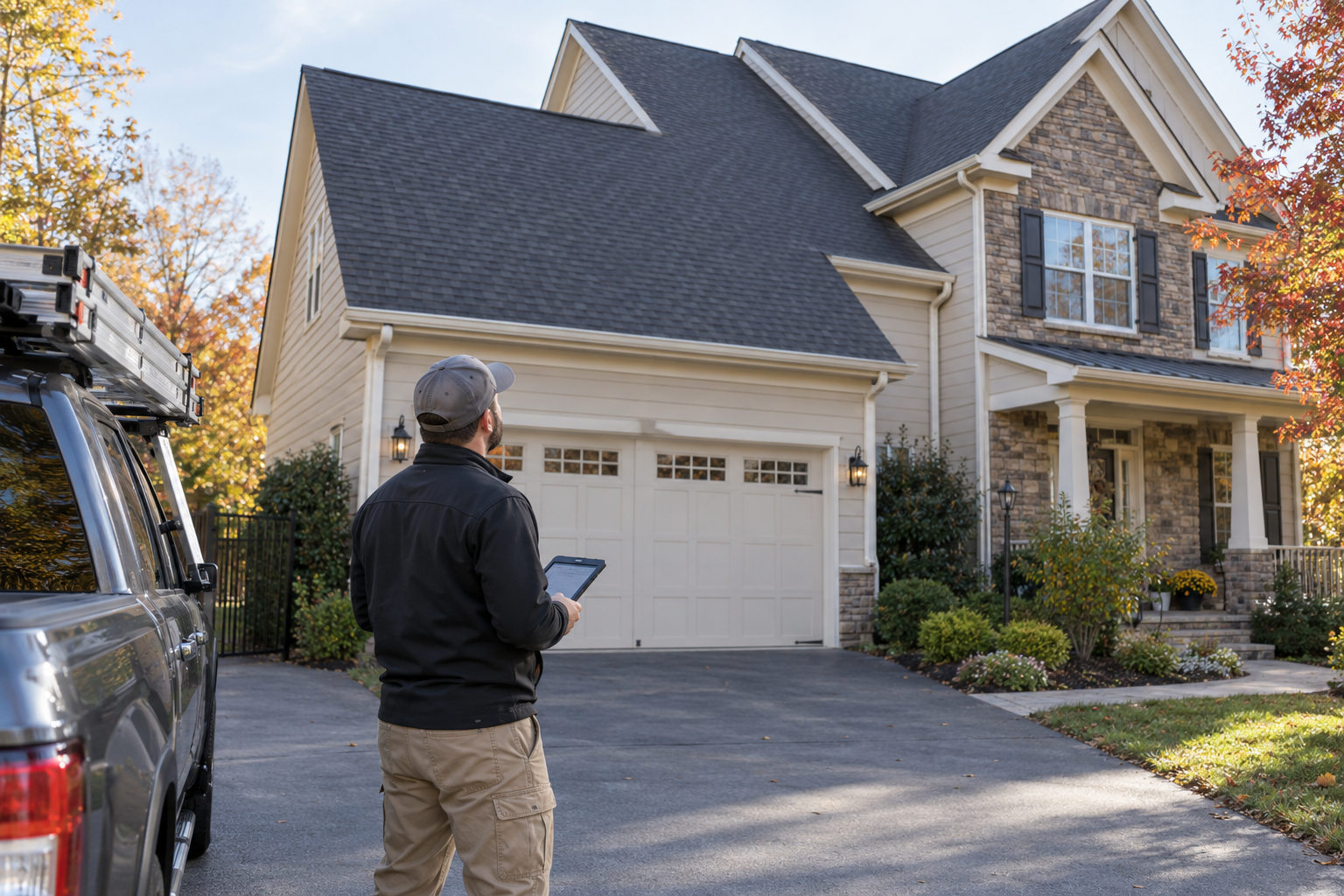
A professional assessment should look beyond the calendar age of the shingles. It may include checking:
- Shingle flexibility and overall surface condition
- Remaining granule coverage
- Cracked, loose, or missing shingles
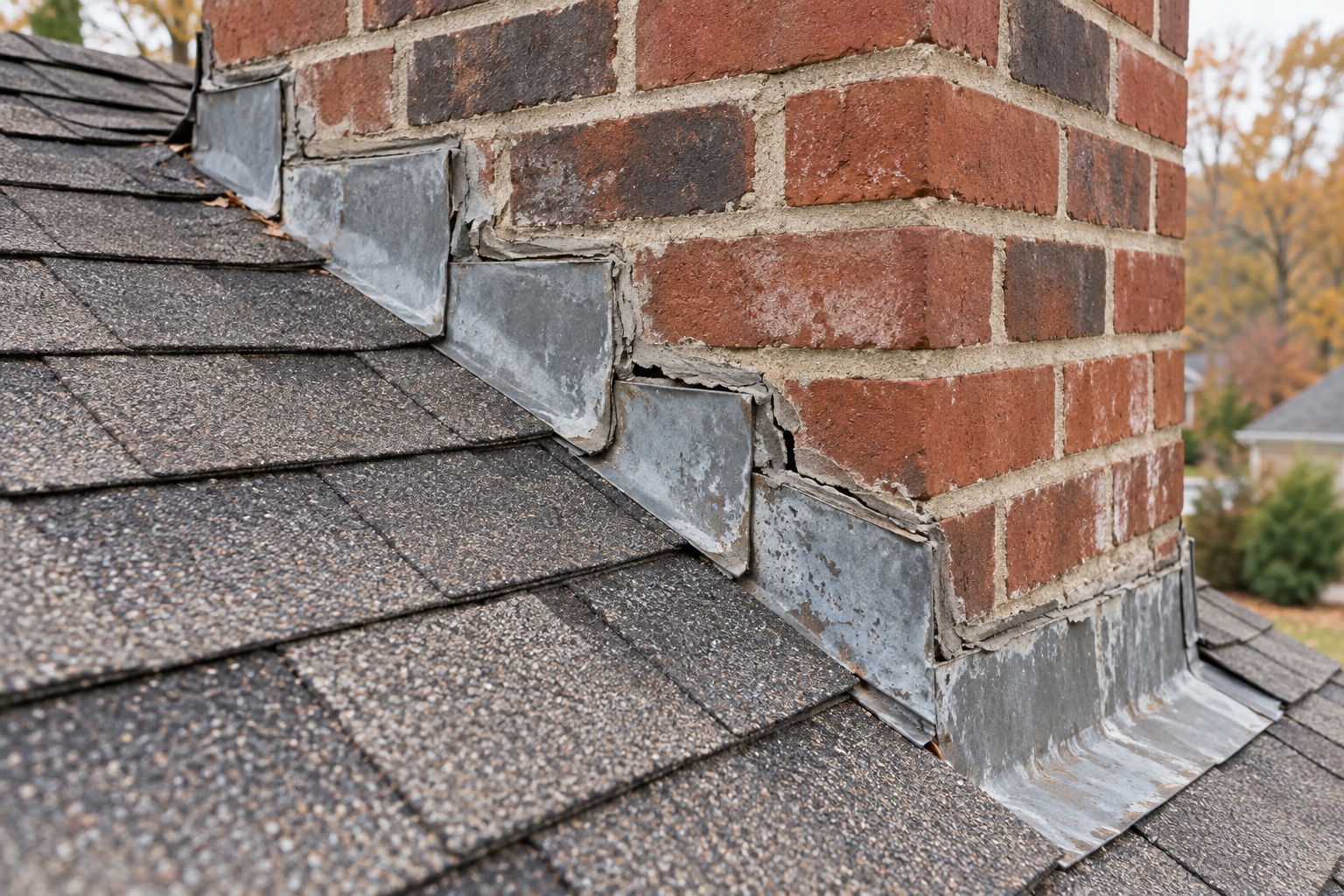
- Flashing and exposed fasteners
- Signs of leaks or moisture problems
- Whether preparatory repairs are needed
This evaluation helps separate a roof that may benefit from rejuvenation from one that needs repair or replacement.
Roof Planning in Midlothian and Central Virginia
Midlothian and the greater Richmond area experience hot summer sun, humidity, thunderstorms, wind, and seasonal temperature swings. Those conditions can contribute to ordinary roof aging, although every home and exposure pattern is different.
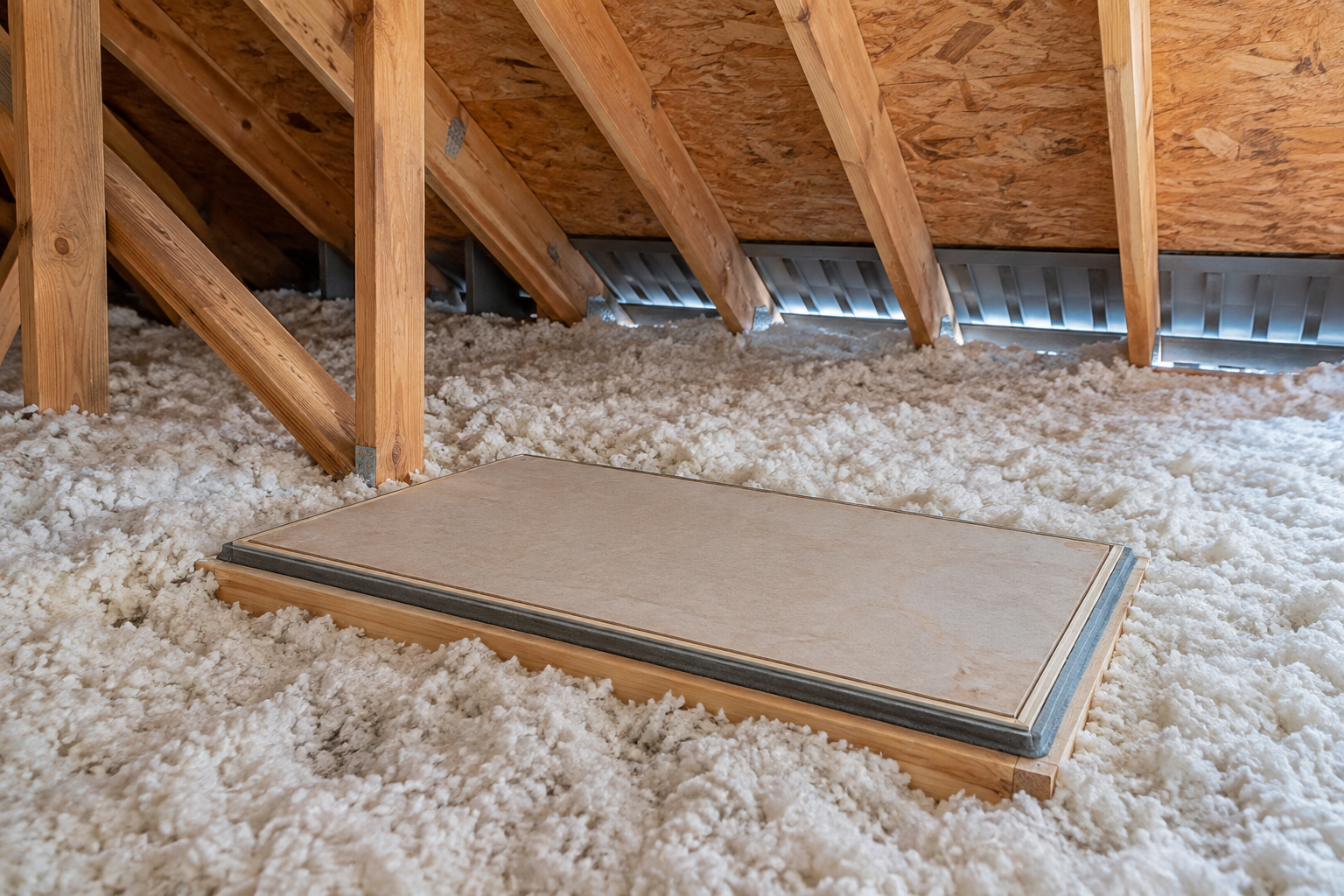
Homeowners can support a better roof-maintenance plan by keeping gutters clear, monitoring the attic and ceilings for moisture, trimming unsafe overhanging branches, and arranging an inspection when the roof shows visible changes. Avoid walking on the roof yourself; aging shingles can be damaged by foot traffic, and falls are a serious hazard.
If your roof is approaching the stage where replacement is being discussed, an assessment can clarify whether rejuvenation is still a reasonable option. The goal is not to postpone a necessary replacement. It is to avoid replacing a serviceable roof earlier than needed.
Make the Next Roof Decision with Better Information
Protecting your home investment starts with understanding the condition of what you already own. For a qualifying asphalt roof, Roof Max may help restore flexibility and provide additional serviceable time backed by a limited five-year flexibility warranty. For a roof with leaks, structural deterioration, or extensive damage, another solution will be more appropriate.
Roof Max serves homeowners in Midlothian, Richmond, and surrounding Central Virginia communities. Visit richmondroofrejuvenation.com to request an assessment and learn whether your roof may qualify.