
Roof Restoration Blog | Richmond VA & Central Virginia
Do Black Shingles Really Age Faster?
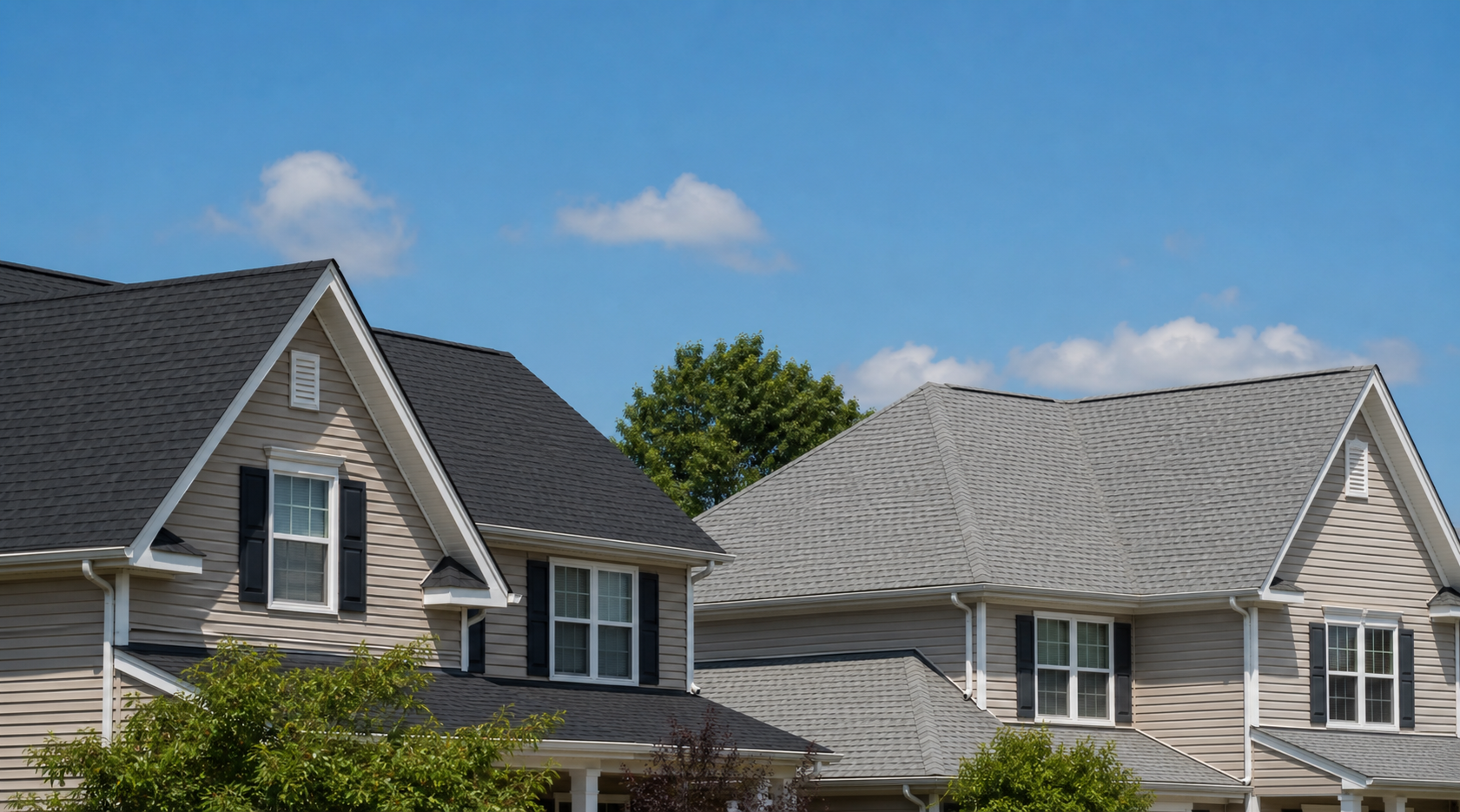
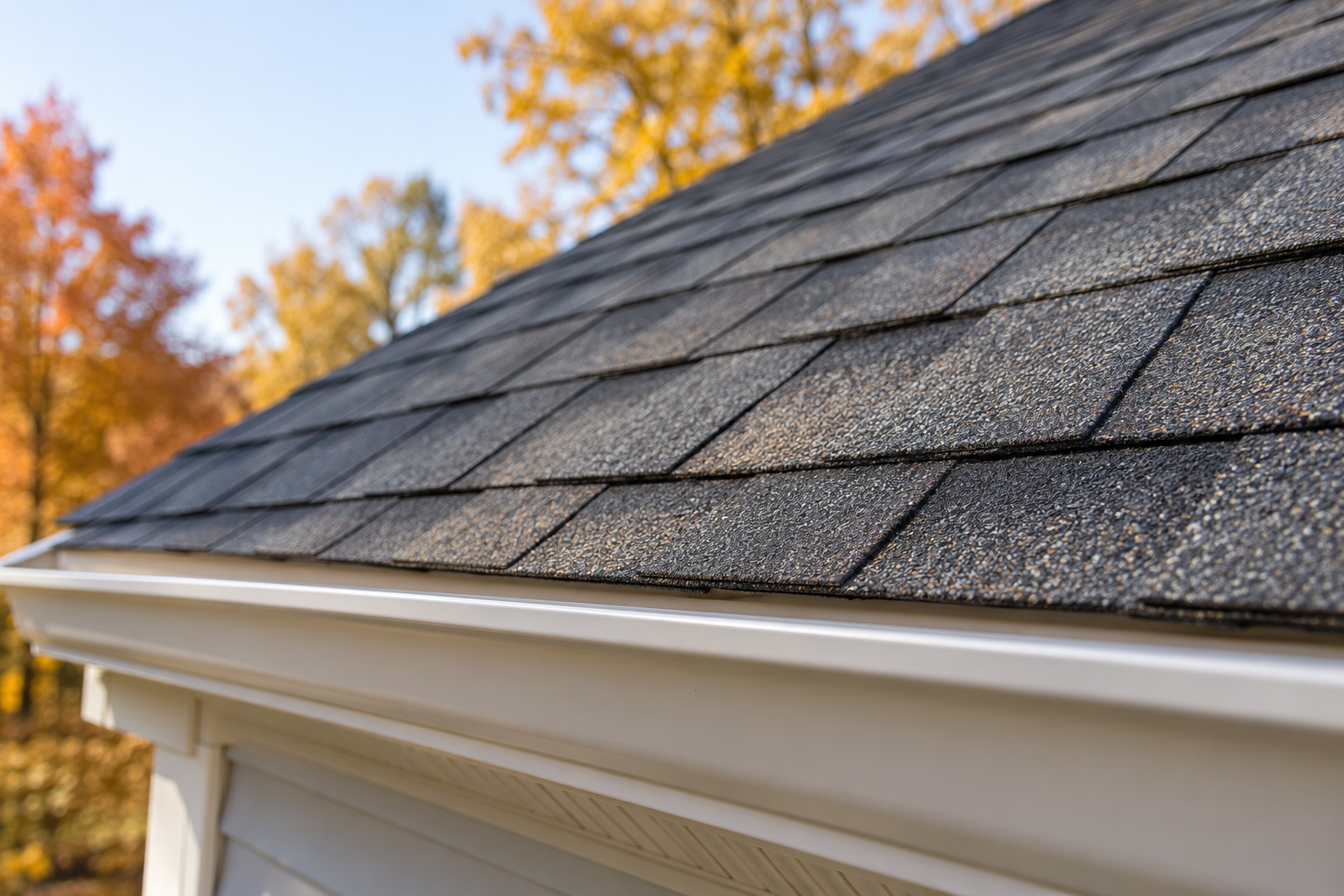
Black asphalt shingles can become hotter than lighter or more reflective roofing in direct sunlight. Because prolonged heat can contribute to asphalt aging, it is reasonable to say that a standard dark roof may experience more heat-related stress than a comparable cooler roof.
But the statement that black shingles always age fastest is too simple.
Color affects roof temperature, but it does not determine roof life by itself. Shingle construction, solar reflectance, roof orientation, shade, attic ventilation, installation quality, weather exposure, and maintenance all influence how an asphalt roof performs.
For homeowners in Midlothian, Richmond, and Central Virginia, the practical lesson is to evaluate the roof’s actual condition instead of judging it by color alone.
What Dark Color Changes
A roof’s surface temperature is affected partly by how much sunlight it reflects and how much it absorbs as heat.
Traditional dark roofing materials generally have lower solar reflectance than light or specially designed cool-roof products. The U.S. Department of Energy explains that typical dark roofs can absorb a large share of incoming solar energy and may reach temperatures above 150 degrees Fahrenheit during warm, sunny conditions.
That does not mean every black shingle has the same temperature. Products can differ in:
- Solar reflectance
- Thermal emittance
- Granule composition
- Shingle thickness and construction
- Exposure to direct sun
- Roof slope and direction
- Air movement around the roof
Two roofs that look nearly identical from the street may perform differently because their materials and surroundings are not identical.
Why Heat Matters to Asphalt Shingles
Asphalt changes as it ages. Over time, sunlight, heat, oxygen, rain, and repeated temperature cycling can make the material stiffer and less flexible.
Higher roof temperatures can increase the thermal load placed on the shingles. Each day, the roof heats in the sun and cools after sunset. Those repeated cycles cause expansion and contraction throughout the roofing system.
Heat is therefore part of the aging process, but it works together with other stresses. UV exposure, storm damage, moisture, manufacturing quality, and installation details can all affect the rate and pattern of wear.
Signs that the roof deserves closer attention include:
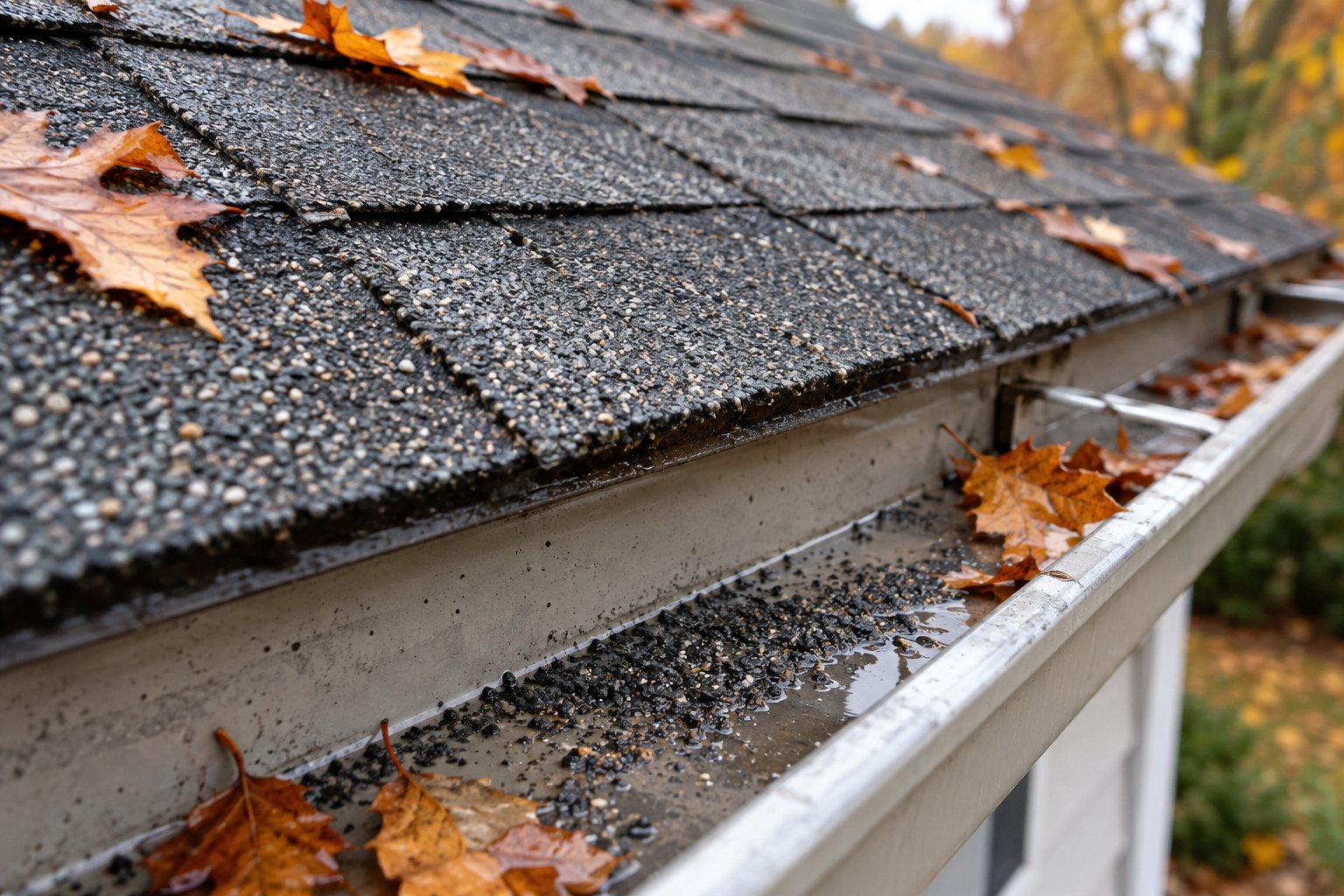
- Noticeable granules collecting in gutters or downspouts
- Shingle edges that are curling or lifting
- Cracks or splits in the shingle surface
- Brittle shingles that no longer flex normally
- Uneven wear on the south- or west-facing roof slopes
- Exposed asphalt where protective granules are missing
These conditions tell a homeowner more than color alone.
Why Black Does Not Automatically Mean Short-Lived
Modern roofing products cannot be evaluated by visible color alone.
Some dark-colored shingles use specially engineered reflective granules. Owens Corning, for example, explains that its cool-roof shingles are designed to reflect more solar energy and absorb less heat than standard shingles, including products offered in deeper colors.
That means a dark-looking cool-roof product may stay cooler than another product with a similar appearance. The manufacturer’s tested solar reflectance or Solar Reflectance Index provides more useful information than a visual guess.
Shingle quality and installation also matter. A properly installed dark architectural shingle may outperform a poorly installed light-colored product. Color is a factor, not a complete durability rating.
Ventilation Still Matters
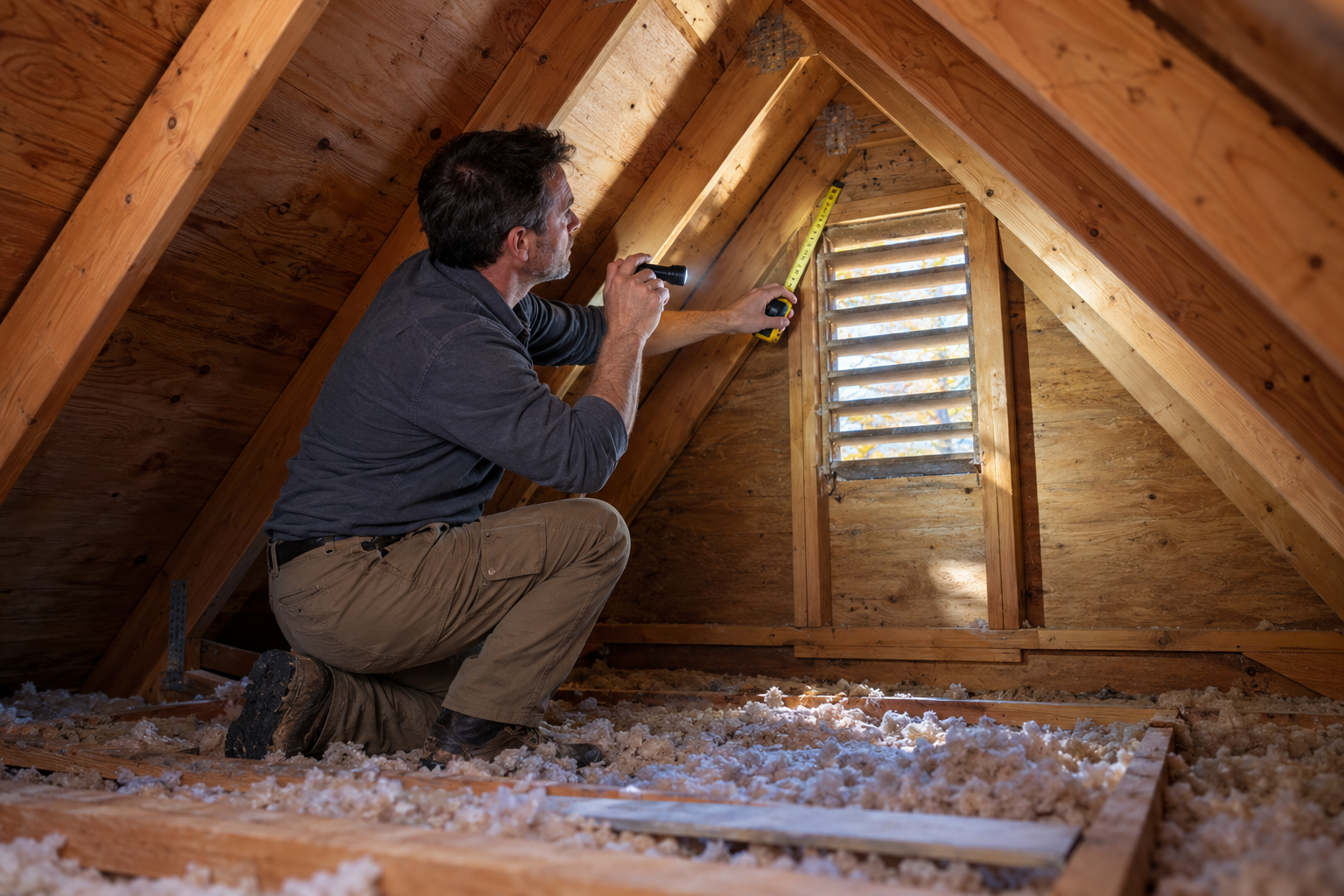
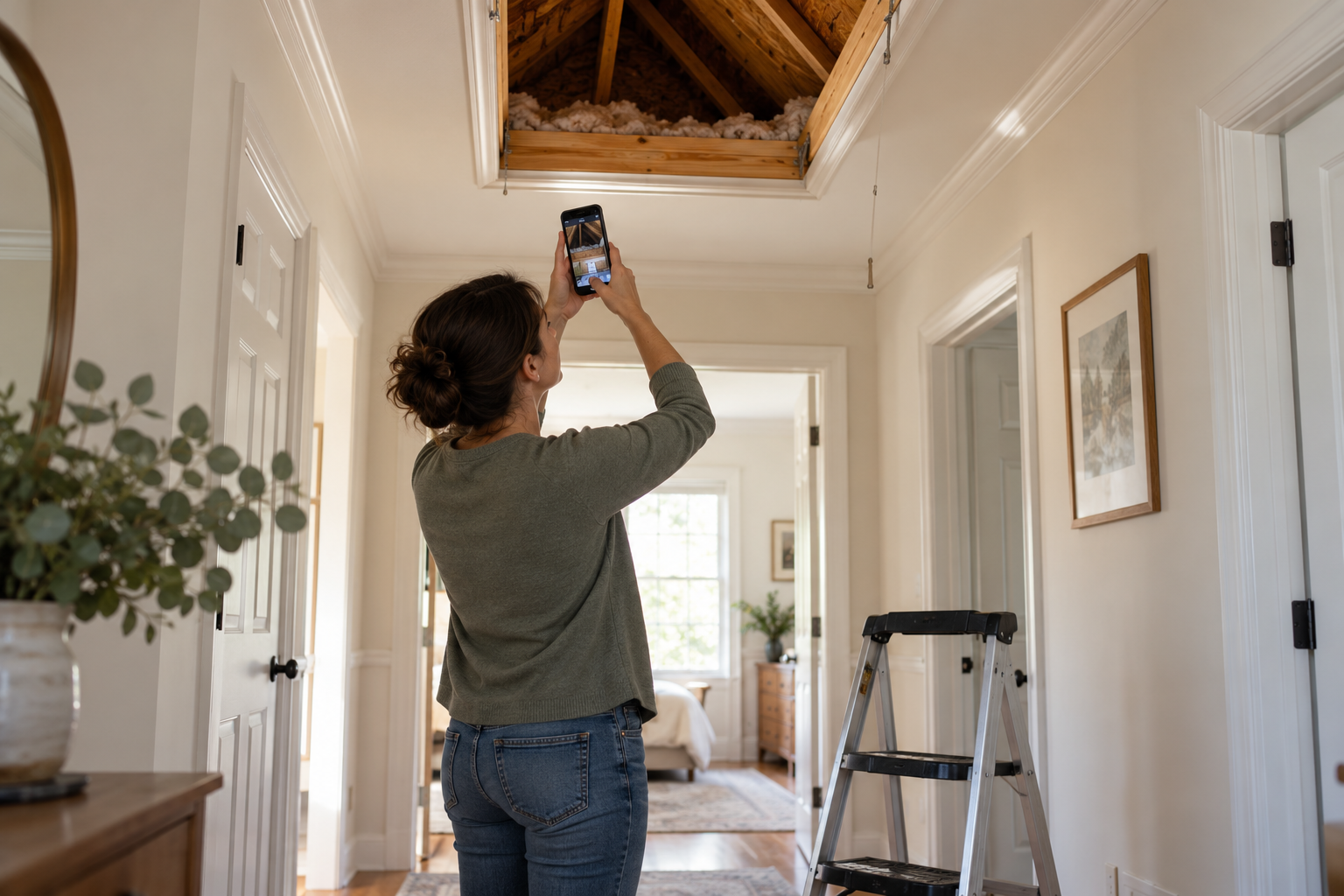
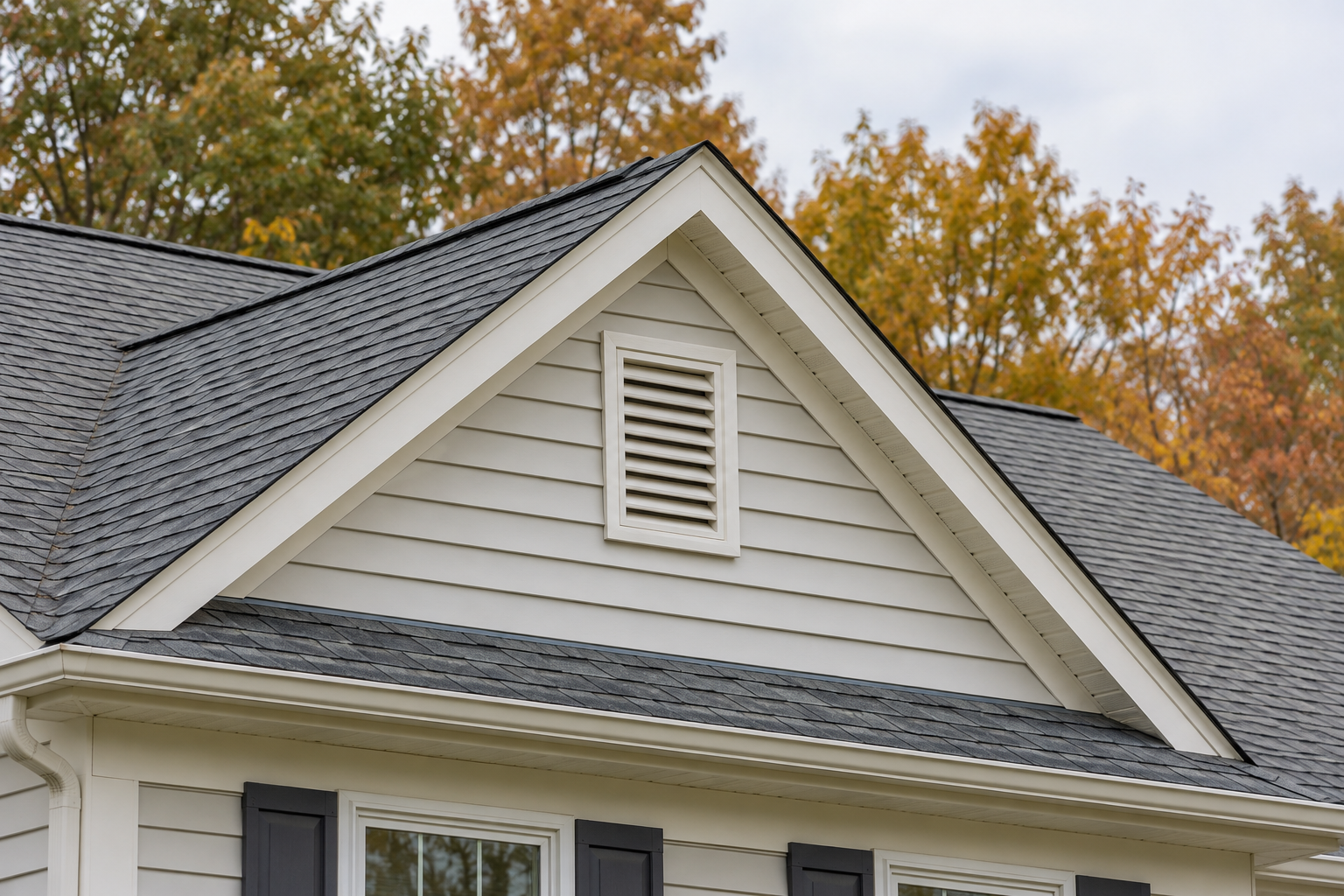
Attic ventilation does not change how much sunlight strikes the roof, but it is still an important part of a healthy roofing system.
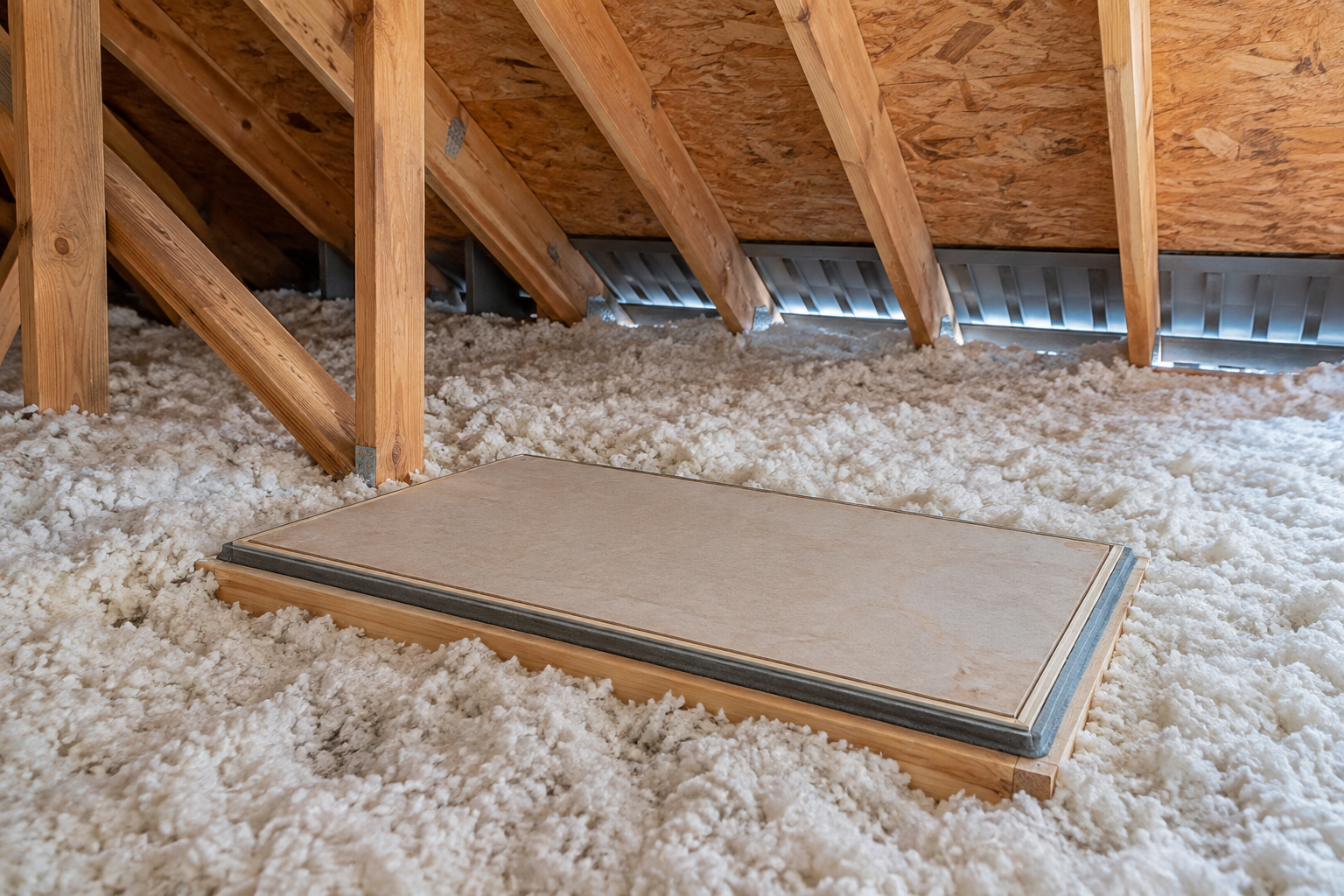
Balanced intake and exhaust ventilation helps manage heat and moisture in the attic. It can reduce excessive heat buildup below the roof deck and help prevent moisture-related problems such as condensation, mold growth, and damp insulation.
Ventilation should not be treated as a cure for every roofing problem. It must be properly sized and balanced, and blocked soffit vents can prevent the system from working as intended.
For Central Virginia homes, both summer heat and year-round humidity make attic airflow worth checking during a roof assessment.
Other Factors That Can Age One Roof Faster Than Another
When two asphalt roofs age at different rates, the reason may have little to do with color.
Important variables include:
Roof Orientation
South- and west-facing slopes often receive stronger afternoon sun. One side of the same roof may show more wear than another.
Shade and Debris
Trees can reduce direct solar exposure, but they can also drop leaves, needles, and branches. Debris that stays wet may create a different maintenance problem.
Installation Quality
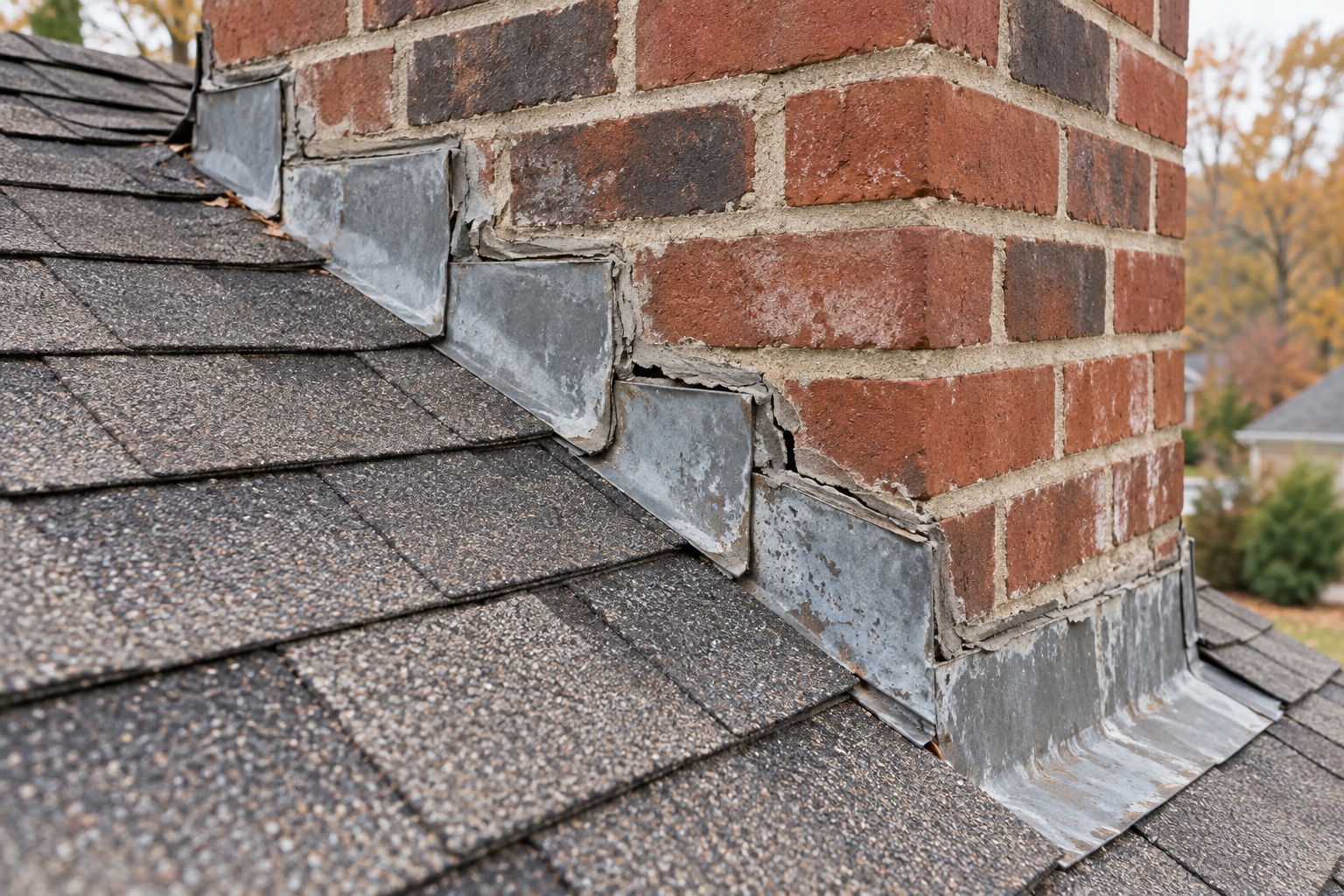
Incorrect nailing, poorly installed flashing, inadequate underlayment, and improper ventilation can shorten roof service life regardless of shingle color.
Storm Exposure
Wind and hail can loosen granules, lift edges, or bruise shingles. Damage may be concentrated on one roof plane.
Maintenance History
Early repairs, clear gutters, controlled algae growth, and periodic professional assessments help homeowners address small concerns before they become larger ones.
Can Roof Max Help a Heat-Aged Roof?
Asphalt shingles contain oils that help them remain flexible. As shingles age, they can lose oils and become stiffer and more brittle.
Roof Max is designed to replenish oils in qualifying asphalt shingles and help restore flexibility. It is a maintenance treatment, not a repair for leaks, structural problems, missing shingles, or severe deterioration.
Every roof must be assessed before treatment. If repairs are needed, they should be addressed first. Some roofs may be too damaged or deteriorated to qualify.
What Homeowners Should Do
If you have a black or dark-colored roof, there is no reason to assume that replacement is automatically required.
Instead:
- Identify the shingle product if records are available.
- Check the manufacturer’s reflectance and ventilation requirements.
- Look for changes in granule coverage, edge shape, and flexibility.
- Compare wear on different roof slopes.
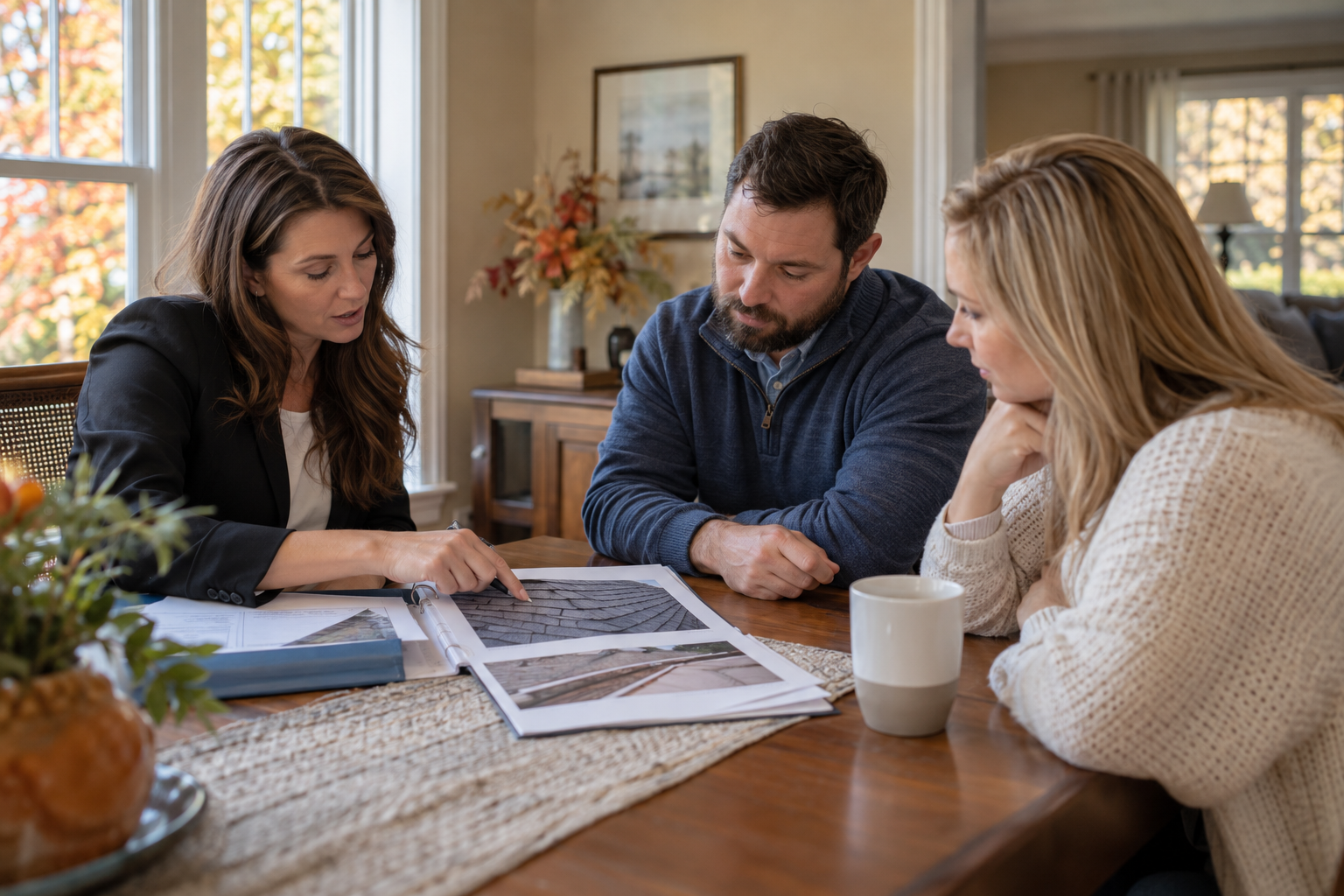
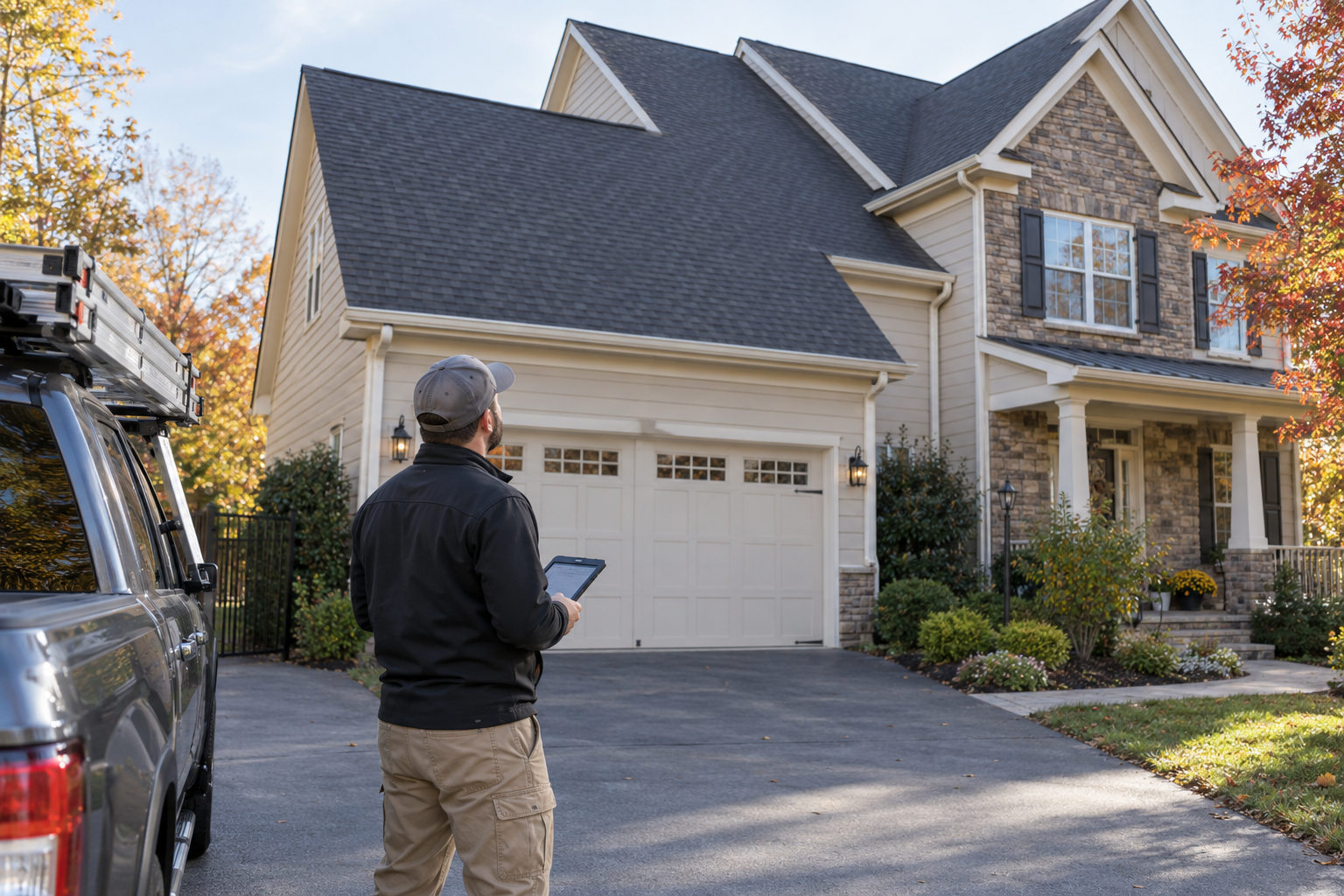
- Have the attic ventilation and roof condition professionally assessed.
- Discuss repair, maintenance, rejuvenation, or replacement based on the findings.
The best decision comes from the roof’s condition, not a color label.
Get a Condition-Based Roof Assessment
Darker shingles usually absorb more solar energy than lighter or more reflective options, and additional heat can contribute to asphalt aging. Still, roof color is only one part of a much larger system.
If your Midlothian or Richmond-area roof is showing granule loss, curling, cracking, or brittleness, Roof Max can help determine whether it needs repair, replacement, or may qualify for rejuvenation.
Visit richmondroofrejuvenation.com to request an assessment.