
Roof Restoration Blog | Richmond VA & Central Virginia
Roof Max vs. DIY Roof Products: What Homeowners Should Know
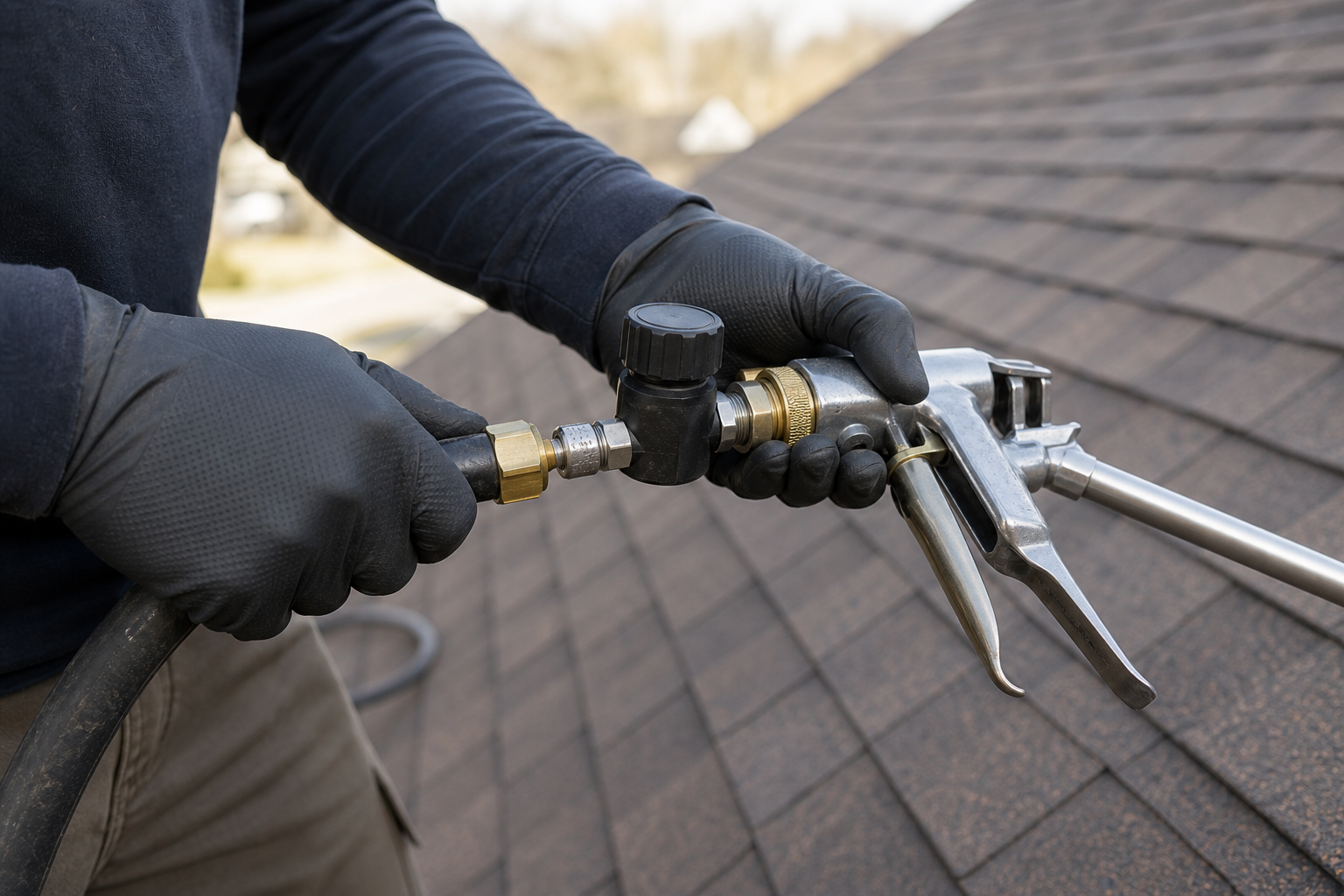
A bottle on a store shelf can make roof maintenance look simple: choose a product, spray it on, and expect the roof to improve. In practice, asphalt roofing is a system, and products marketed for roofs can perform very different jobs.
A cleaner is not a repair compound. A coating is not the same as an absorbent maintenance treatment. A temporary patch is not a roof assessment.
The most important difference between Roof Max and a typical DIY product is therefore not just the formulation. Roof Max is delivered as a professional, condition-based service that begins before treatment is applied.
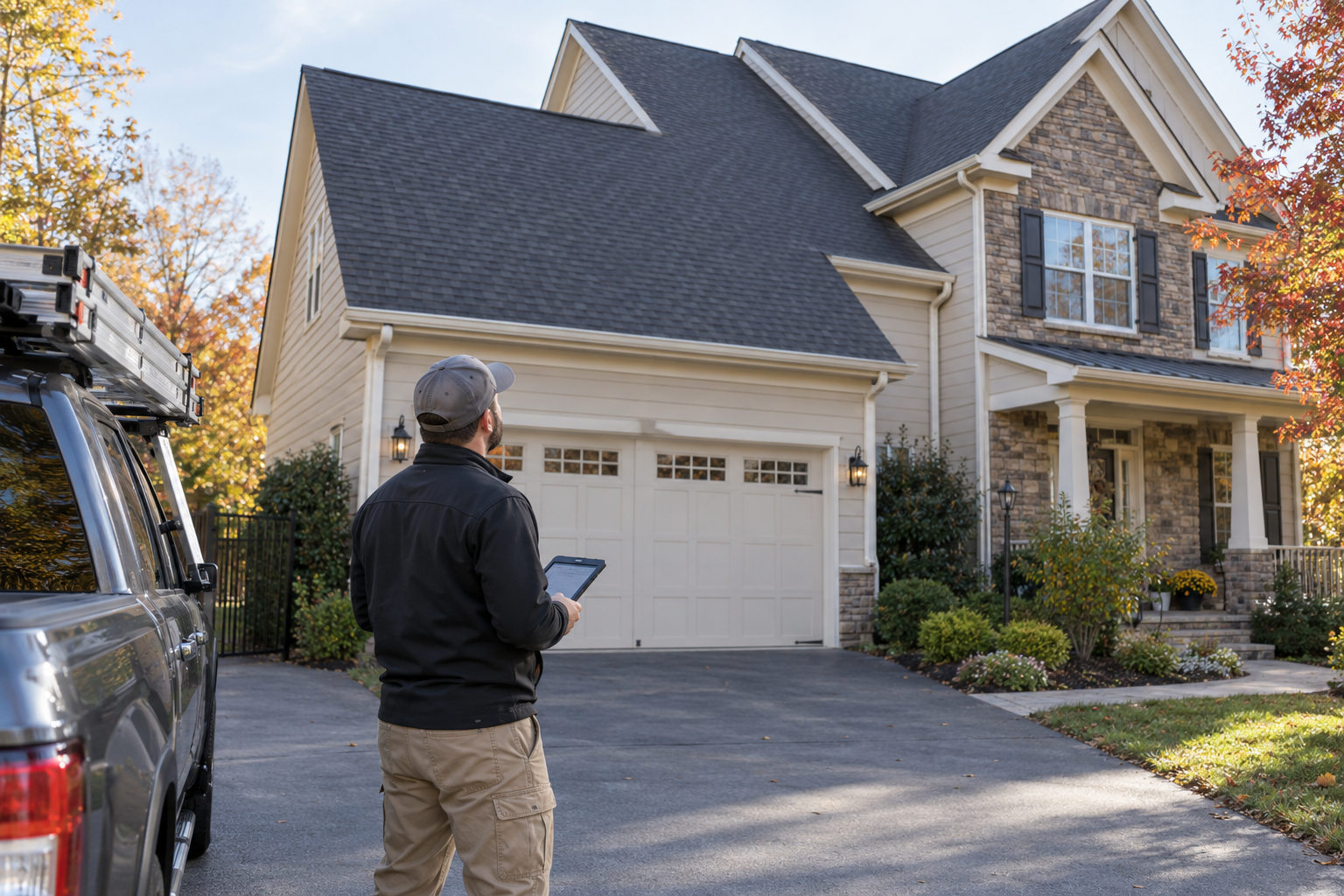
For homeowners in Midlothian, Richmond, and Central Virginia, understanding that process can help prevent the wrong product from being used for the wrong roof problem.
“DIY Roof Product” Can Mean Several Different Things
Products sold for homeowner roof use can fall into several categories:
- Cleaners for algae, moss, mildew, or surface staining
- Sealants and roofing cement for limited repairs
- Field-applied coatings intended to cover the shingle surface
- Generic resaturants or rejuvenation products
- Granule-replacement or color-restoration products
These categories are not interchangeable. Each product has its own instructions, limitations, compatibility concerns, and safety requirements.
A cleaner may change the appearance of a roof without restoring shingle flexibility. Roofing cement may be useful for a limited temporary repair but should not be treated as a permanent solution to a larger defect. A surface coating may change how the installed shingles shed moisture, release vapor, or perform as part of the roof assembly.
Before applying anything, a homeowner should identify both the roof problem and the product’s intended function.
Roof Max Starts With an In-Person Assessment
Roof Max is not sold directly as a do-it-yourself product. The company requires application by an approved contractor.
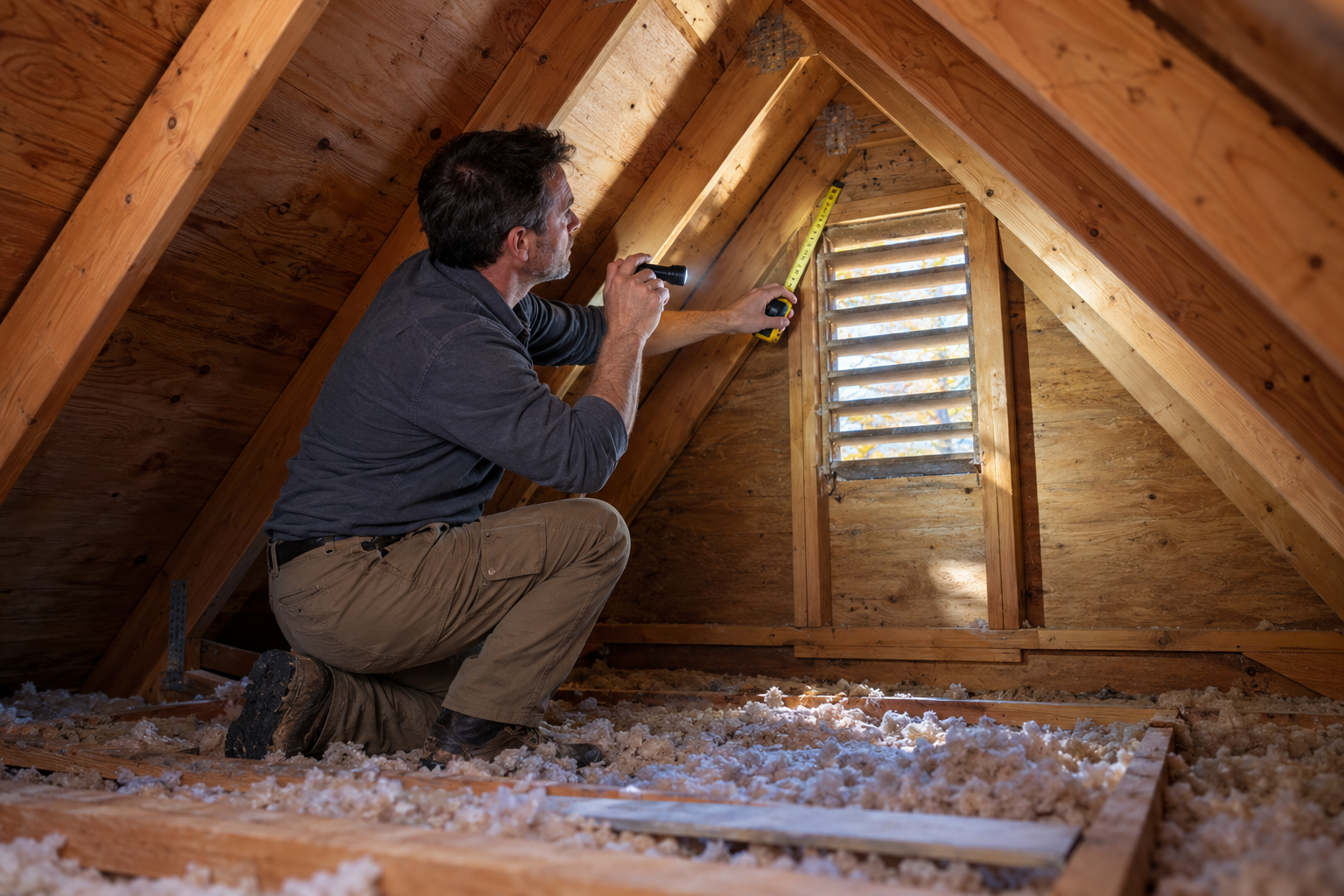
The process begins with an in-person roof assessment. The purpose is to determine:
- Whether the roof is made from a compatible asphalt-shingle product
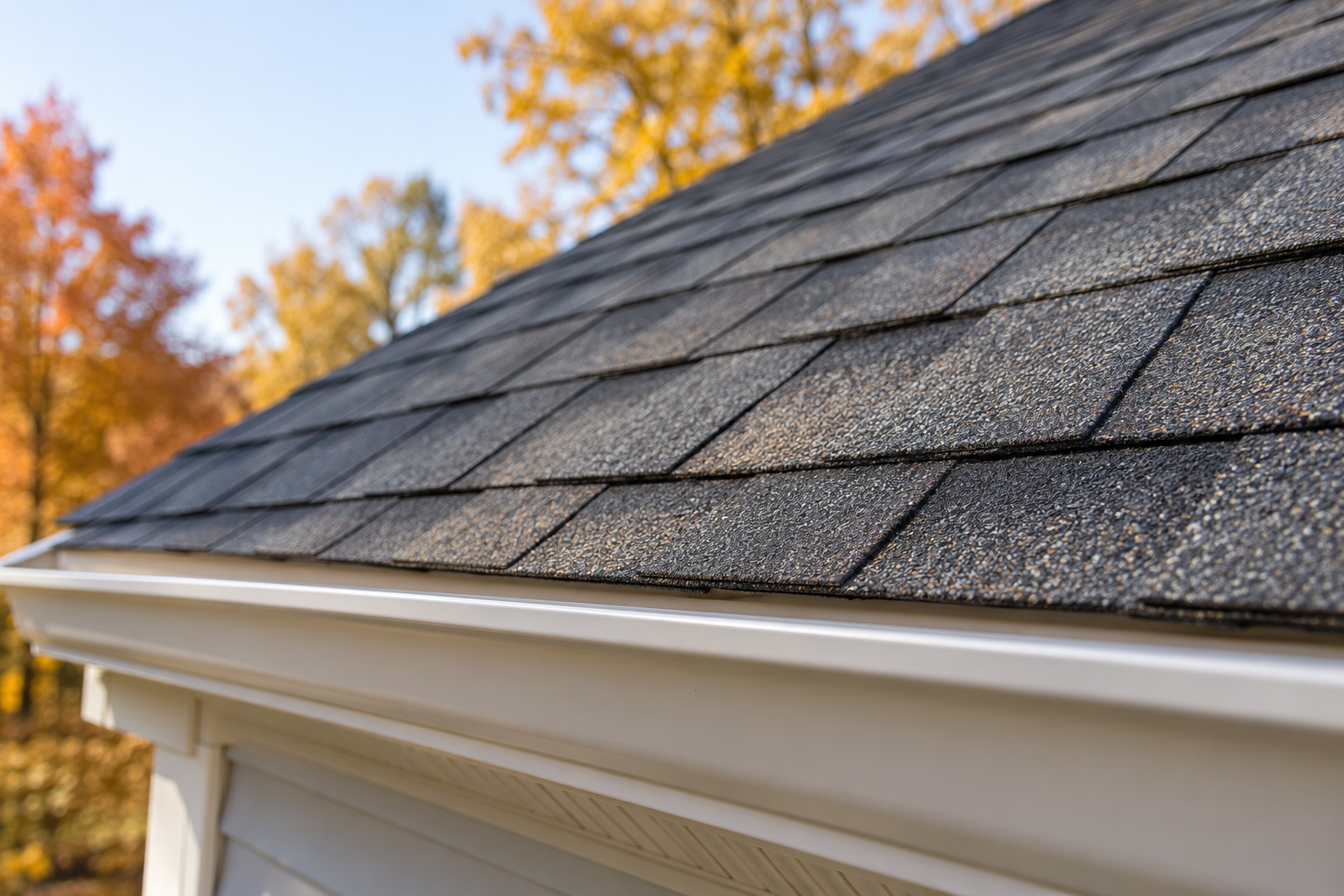
- Whether the shingles are dry and brittle but still structurally serviceable
- Whether active leaks or water intrusion are present
- Whether shingles are missing, broken, or severely deteriorated
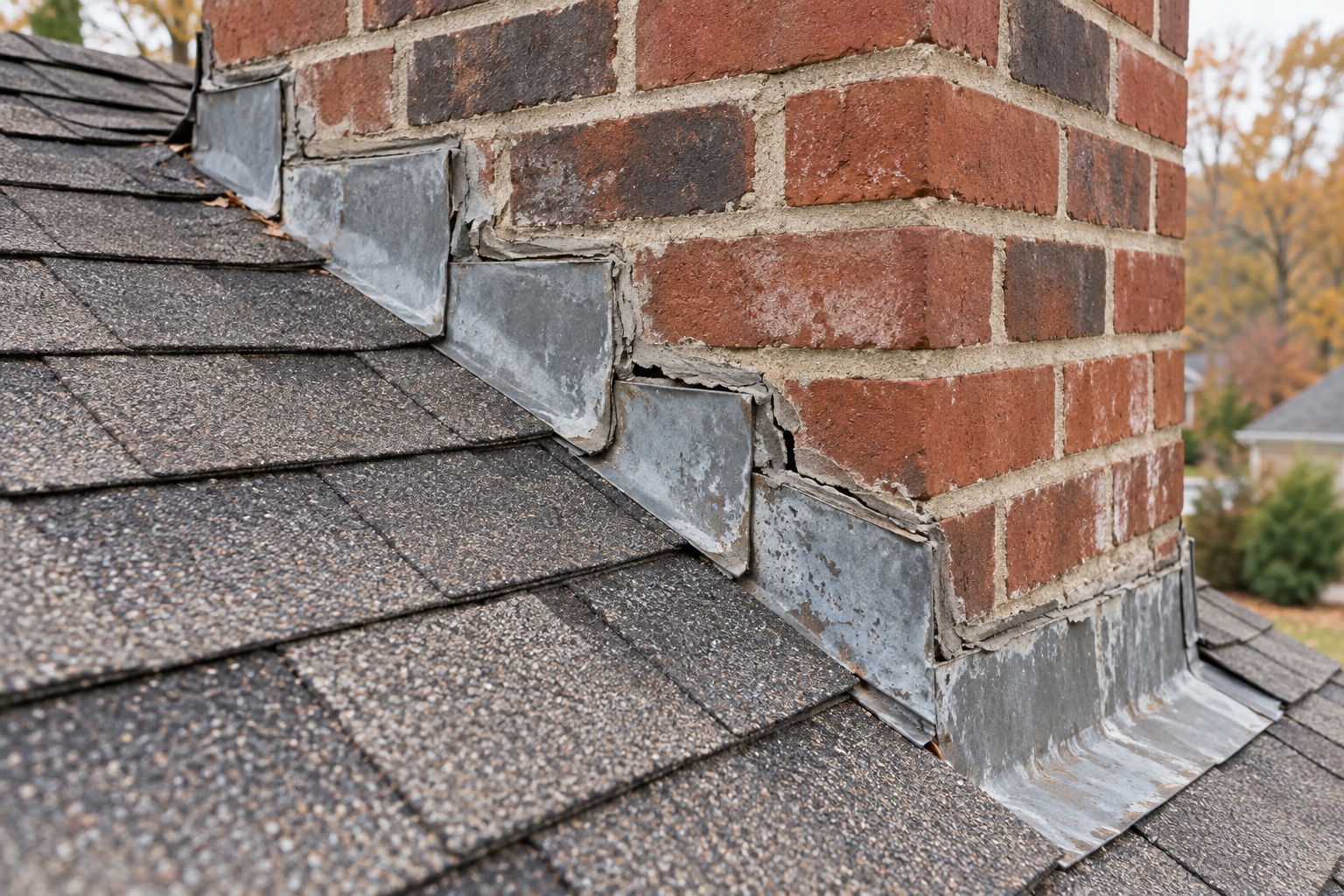
- Whether flashing, caulking, plumbing boots, or fasteners need attention
- Whether the roof is an appropriate candidate for rejuvenation
This step matters because not every aging roof qualifies. A product cannot correct rotten decking, structural movement, severe storm damage, widespread shingle loss, or a roof that has reached the end of its usable condition.
If the assessment shows that repair or replacement is the correct path, treatment should not be used to avoid that work.
The Tune-Up Comes Before Treatment
When a roof qualifies, a Roof Max service may include a roof tune-up before application.
Depending on the roof and agreed scope, that preparation can include:
- Removing leaves, branches, and surface debris
- Replacing limited damaged shingles
- Addressing raised or backed-out nails
- Checking flashing and caulking around roof penetrations
- Inspecting plumbing boots
- Identifying small maintenance concerns that should be corrected first
The goal is not to cover defects with a liquid product. It is to place the roof in an appropriate condition before the shingles receive a maintenance treatment.
This is a major distinction from choosing a bottle based only on a label or online description.
Professional Application Is More Than Spraying
Roof Max uses a plant-derived oil treatment designed to penetrate through the granule layer and into the asphalt portion of qualifying shingles. According to Roof Maxx, the treatment replenishes oils lost through age and weathering and helps restore flexibility.
Application conditions matter. The company specifies that the roof should be relatively dry, the temperature should be above 36 degrees Fahrenheit, and rainfall should remain away long enough for the treatment to soak into the shingles.
An approved contractor evaluates those conditions, prepares the equipment, applies the treatment evenly, and accounts for the size and condition of the roof.
The treatment is followed by service documentation and, when applicable, warranty information. A generic DIY purchase generally does not include an assessment, tune-up, professional application, or condition-based service record.
What Industry Guidance Says About Field-Applied Coatings
The Asphalt Roofing Manufacturers Association advises against applying field coatings over installed asphalt shingles without careful manufacturer review.
ARMA notes that some shingle manufacturers do not recommend field coating. It also warns that a coating may affect roof-system characteristics such as fire classification, algae resistance, or impact resistance.
Reported concerns can include:
- Coating shrinkage that contributes to curling or cupping
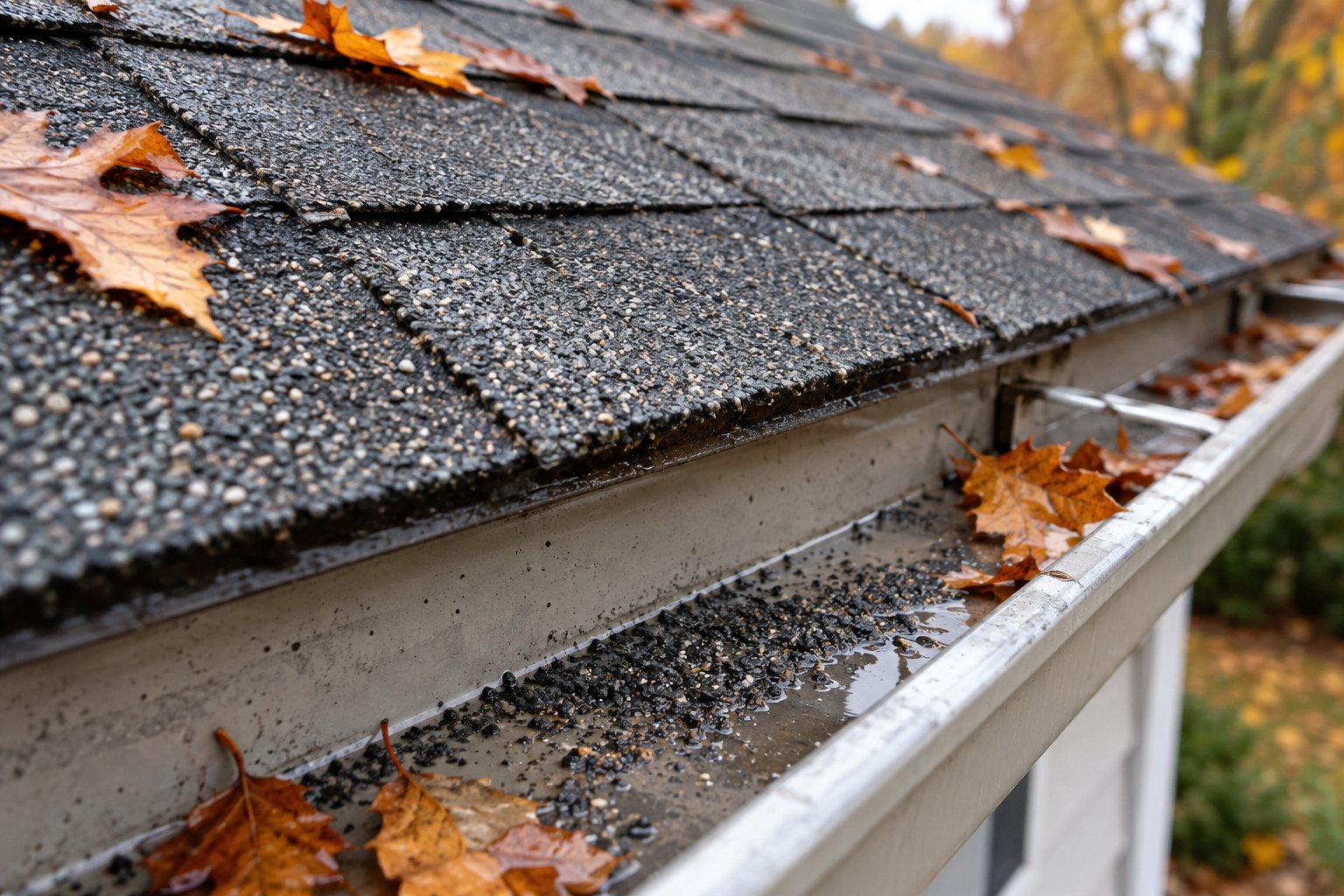
- Loosening of the shingle’s protective granules
- A non-permeable layer that may contribute to moisture accumulation
- Maintenance reapplications needed to preserve appearance
- Compatibility problems with the existing shingle system
That guidance does not mean every roof product is identical or that every homeowner maintenance product is inappropriate. It means compatibility should be verified before applying a material across an installed asphalt roof.
Check the shingle manufacturer’s instructions and warranty requirements. If the roof’s manufacturer is unknown, consult a qualified roofing professional before proceeding.
When a DIY Product May Have a Limited Role
Some homeowner products can have a legitimate, clearly defined purpose when their directions and safety requirements are followed.
For example, an approved low-pressure cleaning product may be used to address certain biological staining. Roof Maxx itself notes that existing moss, algae, or mildew may require cleaning before treatment.
However, cleaning does not repair a leak or reverse structural damage. A patch product may temporarily slow water entry, but it does not replace a permanent repair. A coating should not be assumed to rejuvenate asphalt simply because it changes the roof’s appearance.
The homeowner should ask:
- What exact problem is this product designed to address?
- Does the shingle manufacturer permit its use?
- Will it coat the surface or absorb into the asphalt?
- Could it affect drainage, ventilation, fire rating, or warranty coverage?
- Does the roof need repair before any treatment?
- Can the work be performed without walking on a steep or fragile roof?
If those questions cannot be answered clearly, stop and obtain professional guidance.
Roof Safety Is Part of the Comparison
Working on a roof involves fall hazards, fragile surfaces, steep slopes, heat, and the risk of damaging shingles or flashing.
ARMA recommends that roof inspection and repair work be handled by qualified professionals with appropriate experience, tools, and safety equipment.
Even a product advertised as simple to apply can become unsafe if its instructions require a homeowner to carry equipment onto a sloped roof or walk across brittle shingles.
Professional service does not remove every risk, but it assigns the work to trained personnel who can plan for access, equipment, weather, and roof condition.
What Roof Max Does—and Does Not Do
Roof Max is intended to help restore flexibility to qualifying asphalt shingles. It is not:
- A repair for active leaks
- A substitute for replacing missing or severely damaged shingles
- A solution for rotten decking or structural problems
- A surface coating that hides the existing roof
- A guarantee that every roof can avoid replacement
The correct recommendation depends on what the assessment finds.
Choose the Process Before the Product
The safest roof-maintenance decision starts with diagnosis, not a bottle.
Identify the roof’s current condition. Confirm the shingle manufacturer’s requirements. Address needed repairs. Then compare maintenance options according to what they are designed to do, how they are applied, and what documentation supports the work.
For qualifying asphalt roofs, Roof Max combines an assessment, preparation, professional application, and documented maintenance treatment.
To learn what your Midlothian or Richmond-area roof actually needs, visit richmondroofrejuvenation.com and request an assessment.