
Roof Restoration Blog | Richmond VA & Central Virginia
How Roof Preparation Can Help Sellers Defend Their Asking Price

When a buyer sees an aging asphalt roof, the first question is often not whether it is leaking today. The question is what the roof might cost tomorrow. If the answer is unclear, that uncertainty can become a request for a credit, a repair allowance, or a lower offer.
For homeowners preparing to sell in Midlothian, Richmond, or elsewhere in Central Virginia, the most useful strategy is not to make sweeping promises about the roof. It is to replace uncertainty with a clear assessment, necessary repairs, and organized documentation.
Roof preparation cannot guarantee a particular sale price, appraisal result, financing decision, or closing. It can, however, give buyers better information and help sellers explain the roof’s actual condition instead of allowing age alone to drive the conversation.
Why Roof Uncertainty Creates Negotiation Pressure
Buyers tend to price risk into an offer. A roof that looks old—but has no recent assessment or maintenance history—can appear to be a large unknown expense.
That uncertainty may lead a buyer to:
- Assume the roof needs immediate replacement
- Request a repair credit or closing concession
- Reduce an offer to cover a worst-case estimate
- Add a roof inspection or repair contingency
- Question whether insurance or financing could become more complicated
The seller’s goal should not be to dismiss those concerns. A stronger approach is to provide condition-specific information and show what has already been addressed.
Start With an Assessment Before the Home Is Listed
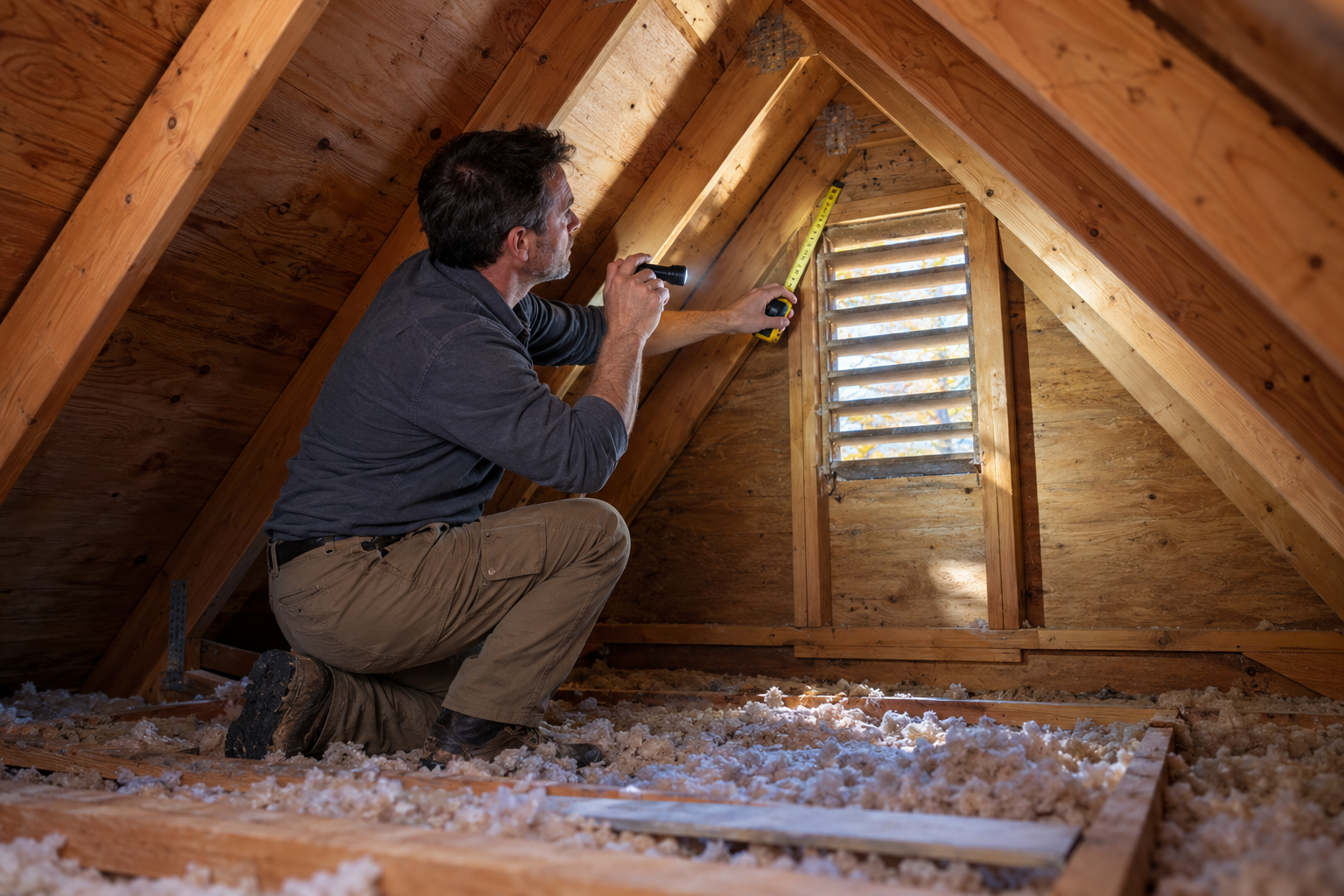
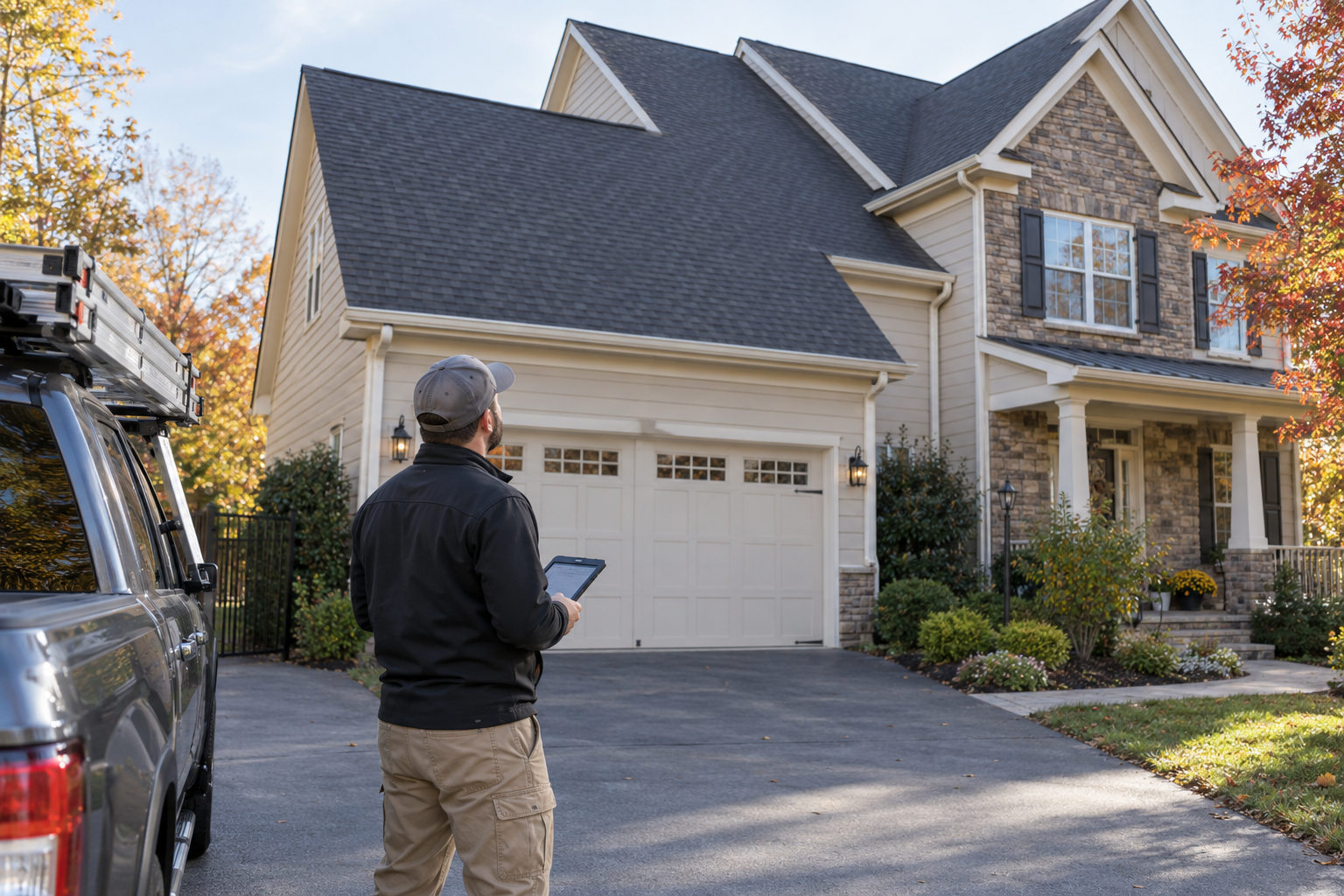
A professional roof assessment helps distinguish between age, normal weathering, repairable concerns, and conditions that require replacement. That distinction matters because calendar age alone does not describe the full condition of a roof.
Starting early gives a seller time to:
- Identify active leaks, missing shingles, flashing problems, or storm damage
- Complete appropriate repairs before buyer inspections begin
- Determine whether the asphalt shingles may qualify for Roof Max
- Gather current photographs and maintenance records
- Decide how to describe the roof accurately in the listing process
An assessment may also show that Roof Max is not the right option. Roofs with structural problems, active leaks, widespread deterioration, or damage that requires repair should have those issues addressed first.
Repair What Needs Repair
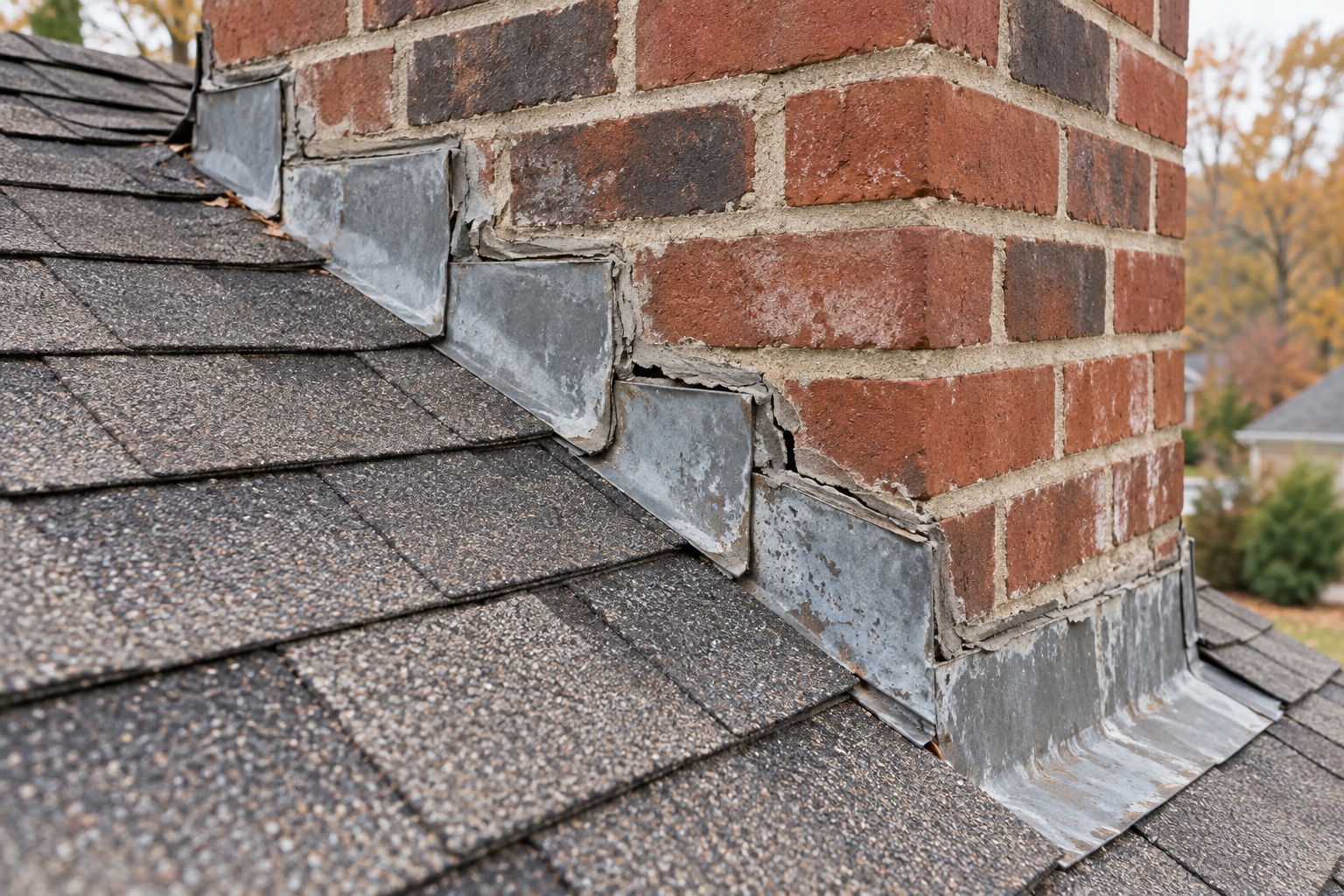
Roof Max is a maintenance treatment, not a substitute for roof repair. If an assessment identifies damaged flashing, missing shingles, leaks, rotten decking, or other defects, those conditions must be handled appropriately.
This step is important for both the home and the transaction. A seller who completes legitimate repairs can provide receipts and explain the work with confidence. A seller who tries to use a maintenance treatment to cover unresolved damage may create more concern when the buyer’s inspector arrives.
Repair and maintenance serve different purposes. A clear record of both helps buyers understand what was corrected and how the remaining roof has been cared for.
Where Roof Max May Fit
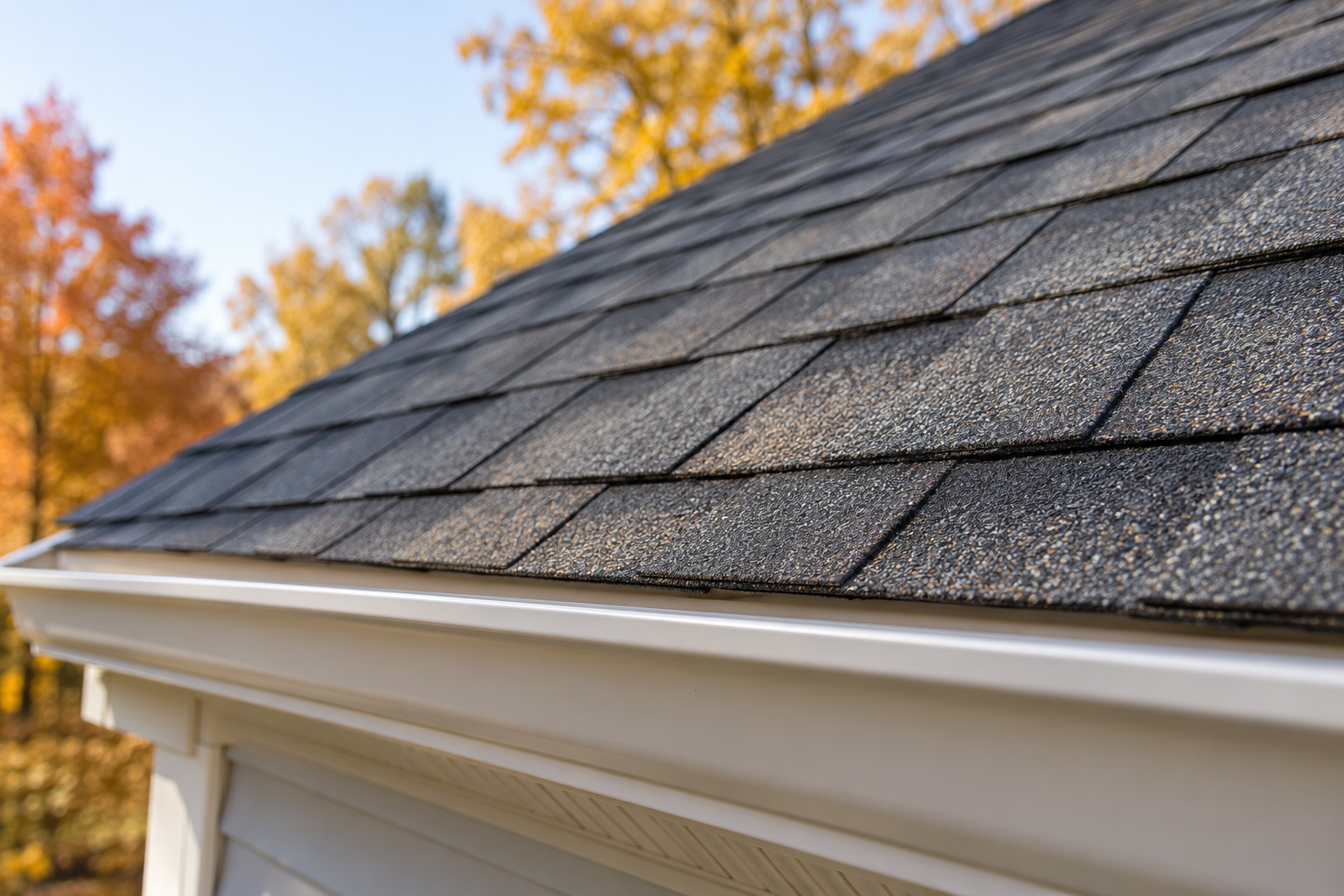
For an asphalt-shingle roof that qualifies, Roof Max may provide a proactive maintenance option before the home is marketed.
The treatment is designed to be absorbed by asphalt shingles and help restore lost flexibility. Qualification depends on the roof’s present condition, so an on-site assessment comes first.
For a seller, the value of this step is not a promise that the home will appraise higher or sell for more. The practical benefit is a documented maintenance action that can be discussed alongside the inspection findings, completed repairs, current roof photos, and applicable warranty information.
Roof Max reports that its five-year flexibility warranty can be transferred, subject to its terms. Sellers should keep the treatment invoice and warranty paperwork together and confirm the current transfer requirements before presenting them to a buyer.
Build a Buyer-Ready Roof File
A simple roof-information file can make the conversation more factual and less speculative. It should be easy for the listing agent, buyer, inspector, or appraiser to review.
Useful items may include:
- The roof’s approximate installation date, if known
- A recent assessment or inspection summary
- Invoices for completed repairs
- Current photographs of the roof
- Roof Max treatment documentation, if applicable
- Warranty information and transfer instructions
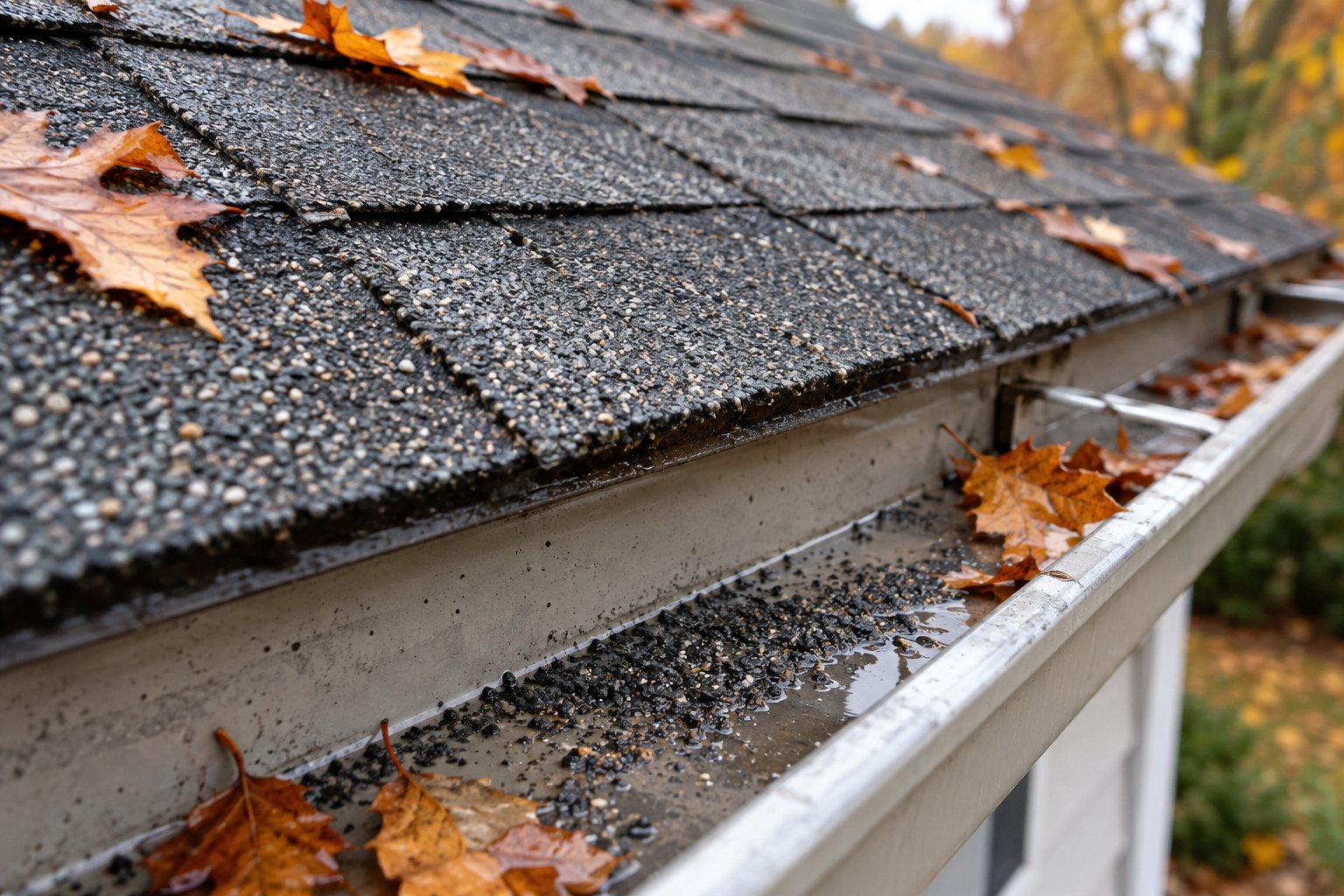
- Notes about routine maintenance, such as gutter cleaning or debris removal
- Contact information for the professionals who performed the work
Keep the file focused. Avoid unsupported claims such as “the roof is as good as new” or “the treatment adds a specific amount to the home’s value.” Accurate records are more credible than marketing language.
Explain the Roof Honestly
The best seller explanation is direct:
- The roof was assessed.
- Necessary repairs were completed.
- The shingles qualified for treatment, if applicable.
- The maintenance work is documented.
- The buyer is still free to conduct an independent inspection.
This approach respects the buyer’s due diligence while helping prevent the roof from being treated as a complete unknown.
It is also important to be clear about limits. Roof Max does not guarantee a home’s sale price, appraisal, insurance approval, lender decision, or the absence of buyer negotiations. Those outcomes depend on many factors beyond roof maintenance.
A Practical Pre-Listing Timeline
Central Virginia sellers can use the following sequence:
Four to Eight Weeks Before Listing
Schedule a professional roof assessment and identify any repair needs.
Two to Six Weeks Before Listing
Complete necessary repairs. If the roof qualifies and Roof Max is appropriate, schedule the treatment with enough time to organize the documentation.
Before Photography and Showings
Collect current roof photos, invoices, assessment notes, warranty information, and transfer instructions in one digital or printed file.
When Buyer Questions Begin
Share accurate records through the appropriate real-estate channels. Do not promise a result; let the documentation support the condition of the roof.
Prepare the Roof Story Before Buyers Write It for You
An aging roof does not automatically mean a home needs immediate replacement. It does mean buyers will want evidence.
By assessing the roof early, completing required repairs, considering Roof Max only when the shingles qualify, and organizing clear records, Midlothian-area sellers can present the roof as a maintained part of the property rather than an unanswered expense.
To learn whether your asphalt-shingle roof may qualify, visit richmondroofrejuvenation.com and request an assessment before listing your home.