
Roof Restoration Blog | Richmond VA & Central Virginia
Roof Max for Condos and Townhomes: What to Plan First

Roof rejuvenation can be straightforward for a single-family home with one owner and one roof. Condominiums and townhome communities often involve more coordination.
The roof may serve multiple units. Maintenance responsibility may belong to an association, an individual owner, or a combination defined by the community’s governing documents. Connected buildings may also share drainage paths, access areas, landscaping, parking, and resident schedules.
That does not prevent a community from considering Roof Max. It means the process should begin with clear responsibility, consistent assessment, and organized planning.
Confirm Responsibility Before Authorizing Exterior Work
The first question is not whether the shingles can be treated. The first question is who has authority and responsibility for the roof.
For Virginia condominiums, state law generally assigns maintenance, repair, restoration, and replacement responsibility for common elements to the unit owners’ association unless the condominium instruments provide otherwise. Individual-unit responsibilities and limited common elements may be handled differently.
Townhome communities can vary even more. One community may assign roof maintenance to the association, while another may make each owner responsible for the exterior of an individual unit.
Before requesting treatment, review:
- The declaration and bylaws
- Maintenance and architectural guidelines
- Common-element and limited-common-element definitions
- Board or architectural-review requirements
- Existing roofing contracts and warranties
- Insurance requirements
- Any reserve-study assumptions involving the roof
This article provides planning information, not legal advice. When responsibility is unclear, the association or owner should consult the community manager, qualified counsel, or another appropriate professional.
Assess the Relevant Rooflines Consistently
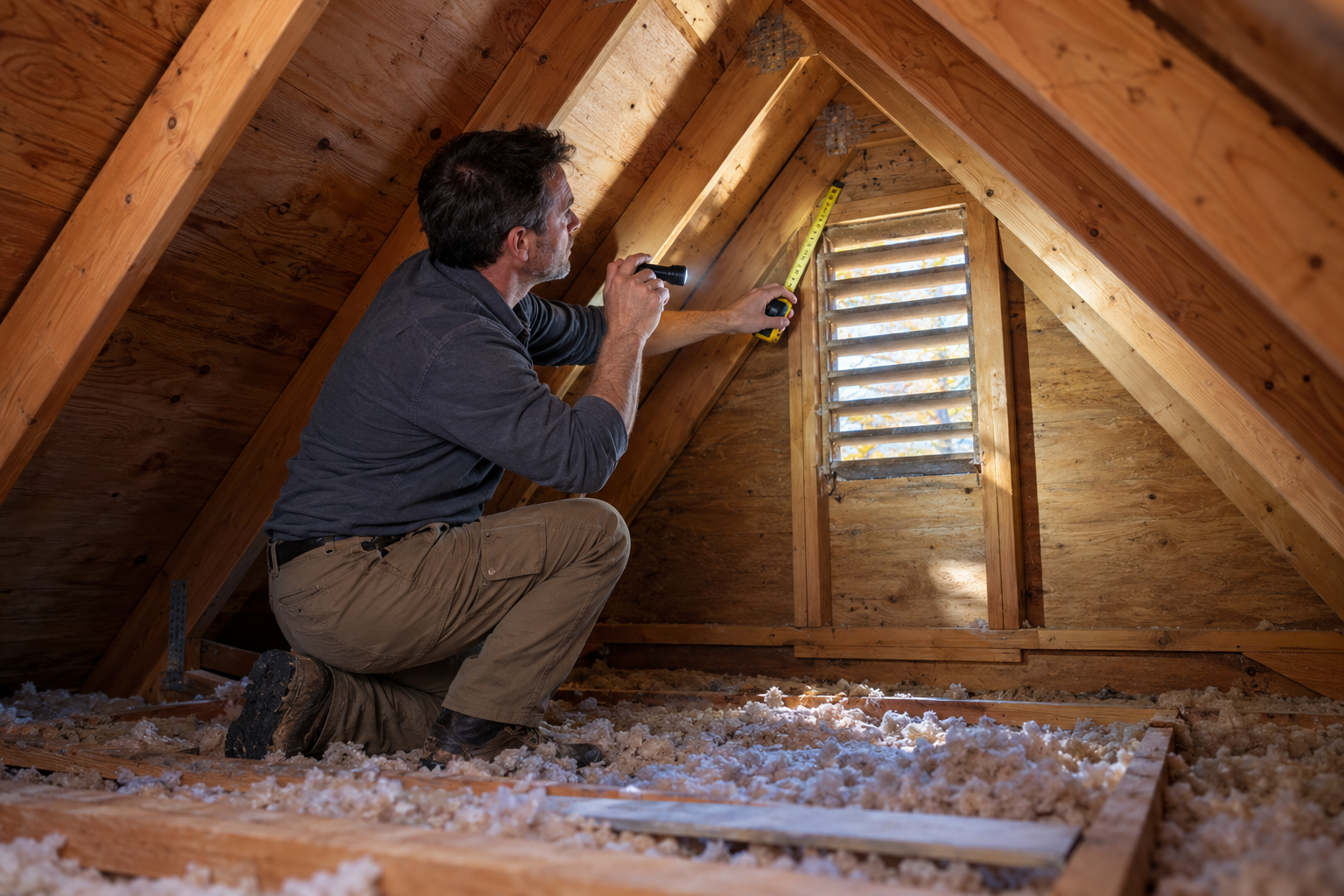
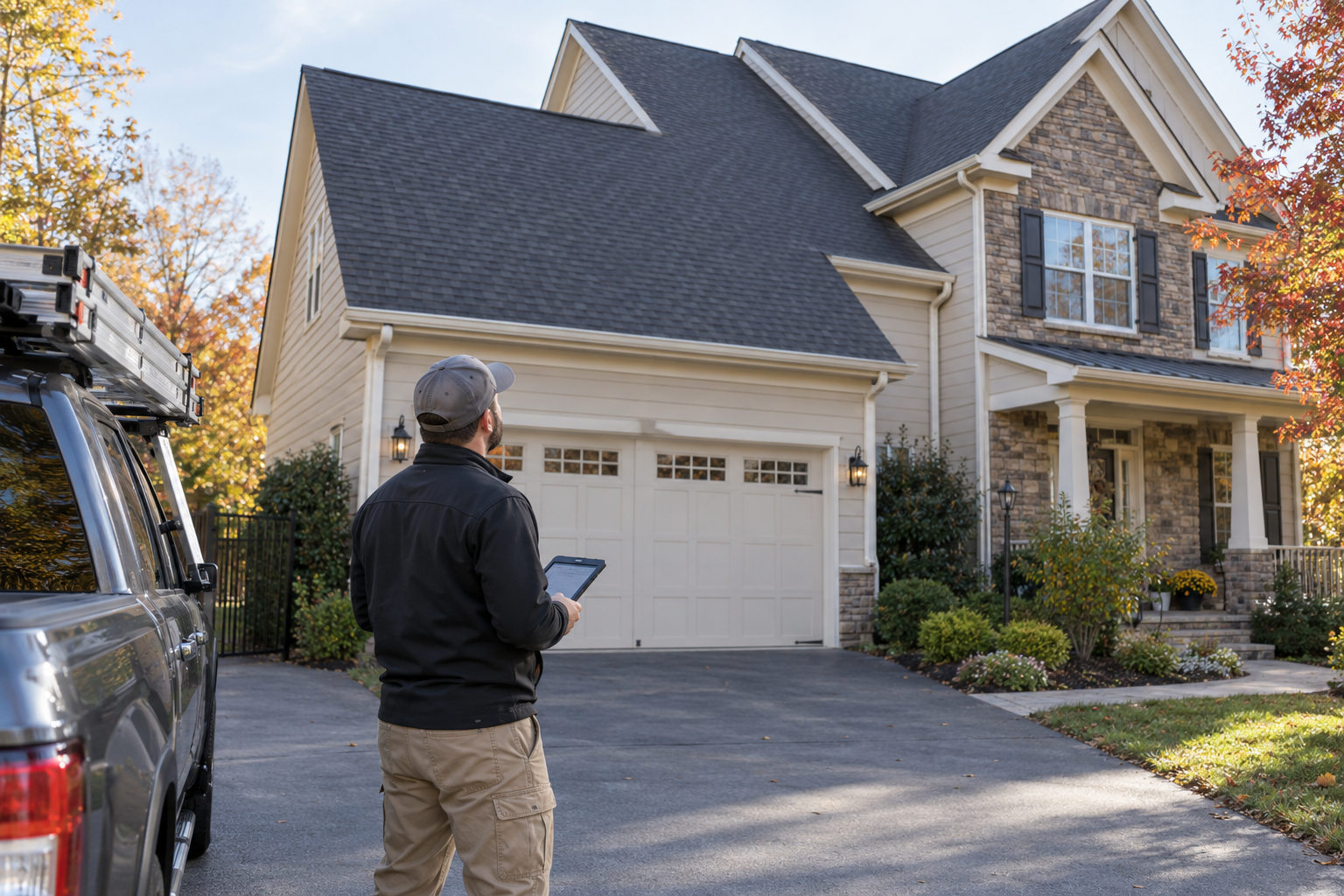
Connected roofs should not be evaluated only from one convenient spot. Shingle condition can vary across the same building because of sun exposure, shade, slope direction, ventilation, nearby trees, drainage, past repairs, and storm exposure.
A community assessment should identify:
- Which buildings and roof sections are included
- The approximate age and type of asphalt shingles
- Areas with different exposure or visible wear
- Missing, broken, lifted, or heavily deteriorated shingles
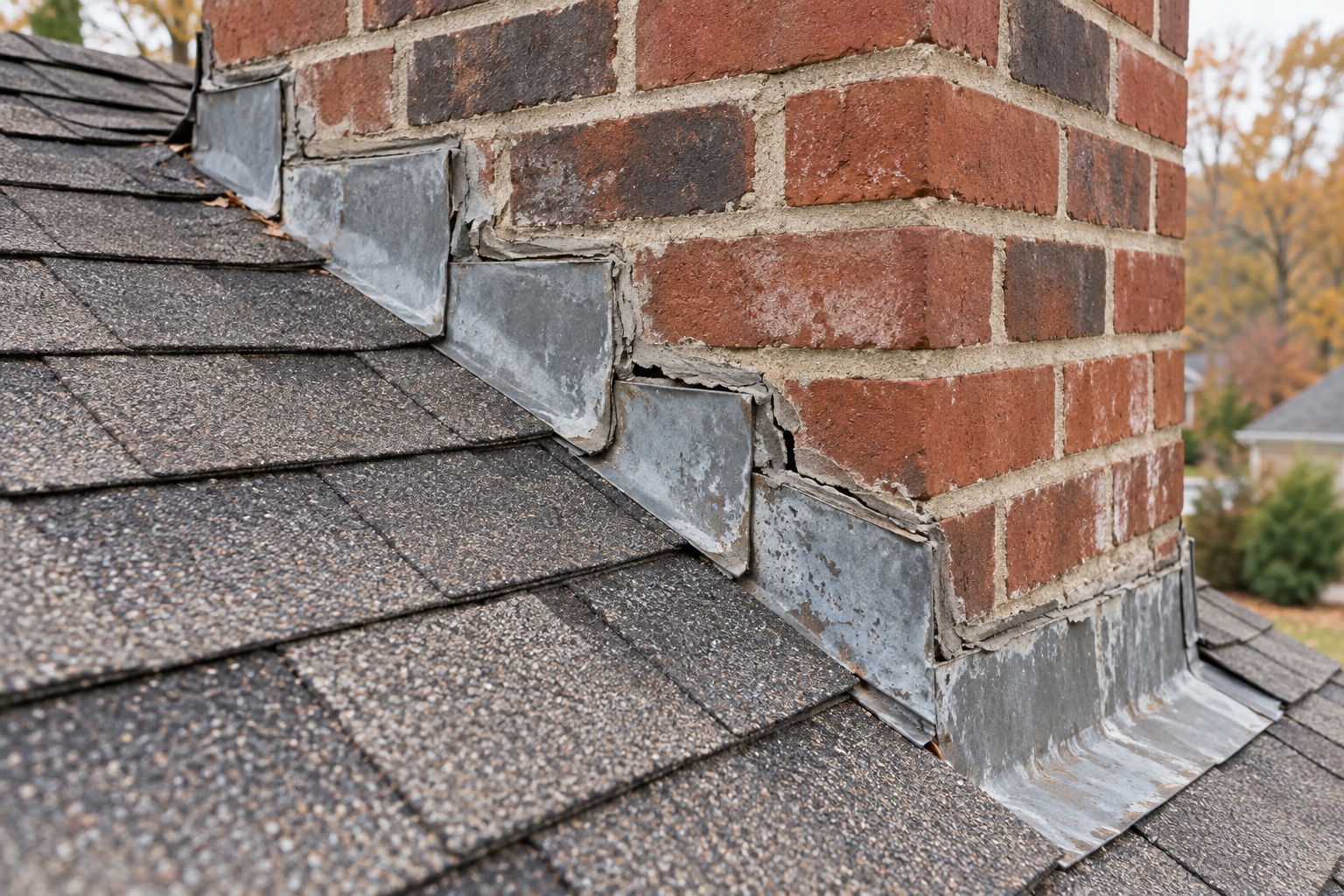
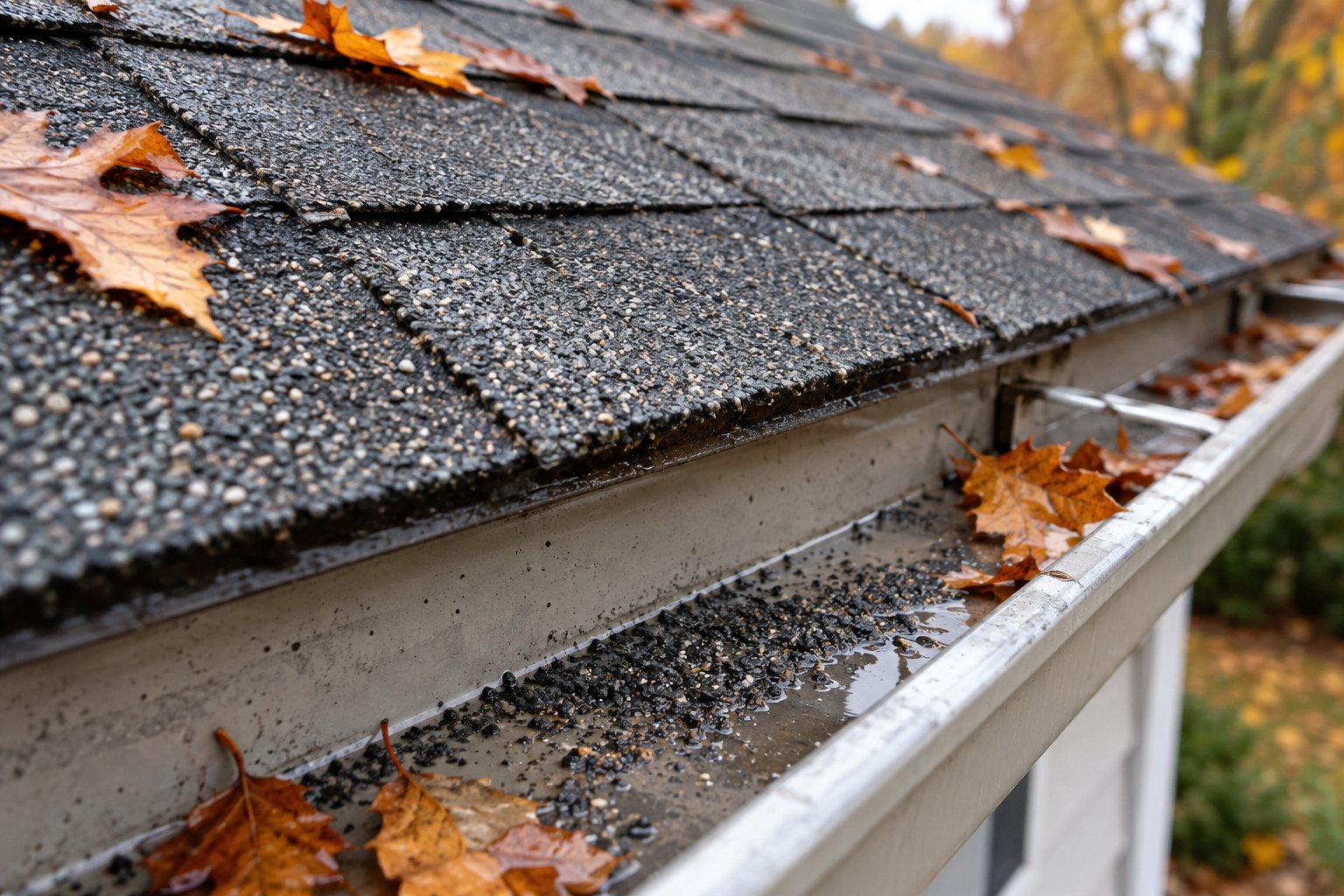
- Flashing, ventilation, gutter, and drainage concerns
- Signs of active leaks or moisture damage
- Previous repairs or sections replaced at different times
The goal is not to assume every connected roof is identical. The goal is to document the condition of each relevant section and determine whether treatment is suitable.
Roof Max Is for Qualifying, Serviceable Asphalt Shingles
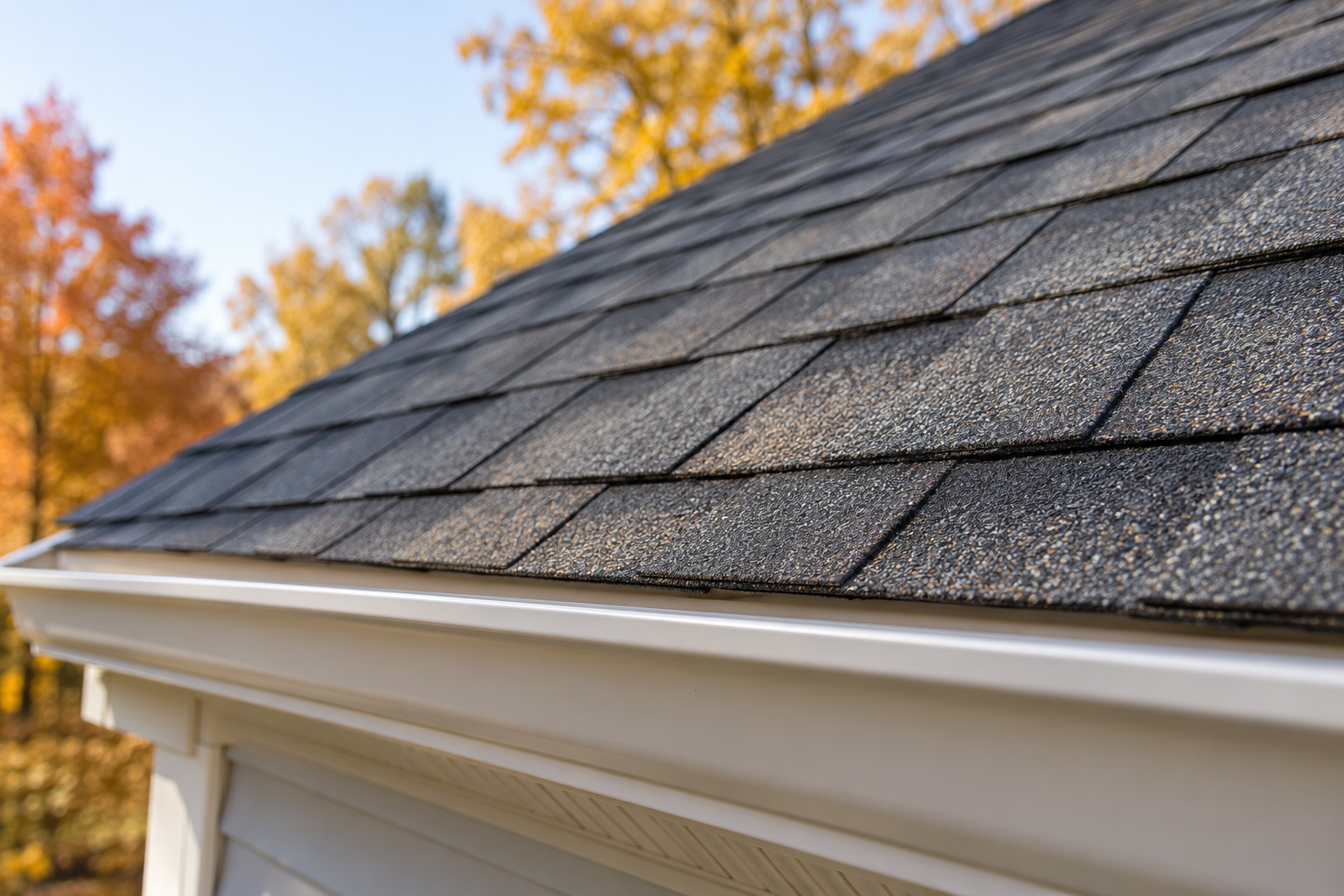
Roof Max is a plant-derived oil treatment designed to penetrate aging asphalt shingles and restore flexibility lost through weathering. Qualification depends on the roof’s current condition.
Treatment is not a substitute for correcting existing problems. Roof Max does not repair:
- Active leaks
- Rotten decking or structural damage
- Failed flashing
- Widespread missing or broken shingles
- Major storm damage
- Installation defects
- Roof sections that have reached the end of their serviceable life
Minor repair needs may sometimes be addressed before treatment, but significant or widespread failure can make repair or replacement the responsible choice.
For communities with several buildings, qualification may differ by building. One roof section may be suitable while another needs repair, monitoring, or replacement.
Coordinate Approvals and Scope
Once responsibility and roof condition are understood, the decision-makers need a clearly defined scope.
The proposal should identify:
- Buildings and roof sections included
- Areas excluded and the reason for exclusion
- Repairs required before treatment
- Treatment timing and anticipated duration
- Access points and work zones
- Landscaping, vehicle, or pedestrian considerations
- Documentation and warranty information
- The person authorized to approve changes
A single written scope helps the board, manager, owners, and service provider work from the same plan. It also reduces confusion if buildings are treated in phases.
Plan Resident Communication and Site Access
Community work affects more people than the person signing the proposal. Even when interior access is not expected, residents may need advance information about parking, outdoor belongings, pets, landscaping, noise, or temporary work areas.
A resident notice can explain:
- The scheduled date and weather contingency
- Which buildings are included
- Expected work hours
- Areas residents should keep clear
- Who residents should contact with questions
- What to do if an existing leak or roof concern has not been reported
Notices should be tailored to the actual project and the community’s rules. Avoid promising that residents will experience no impact; instead, provide a realistic plan and contact information.
Keep Building-Level Records Together
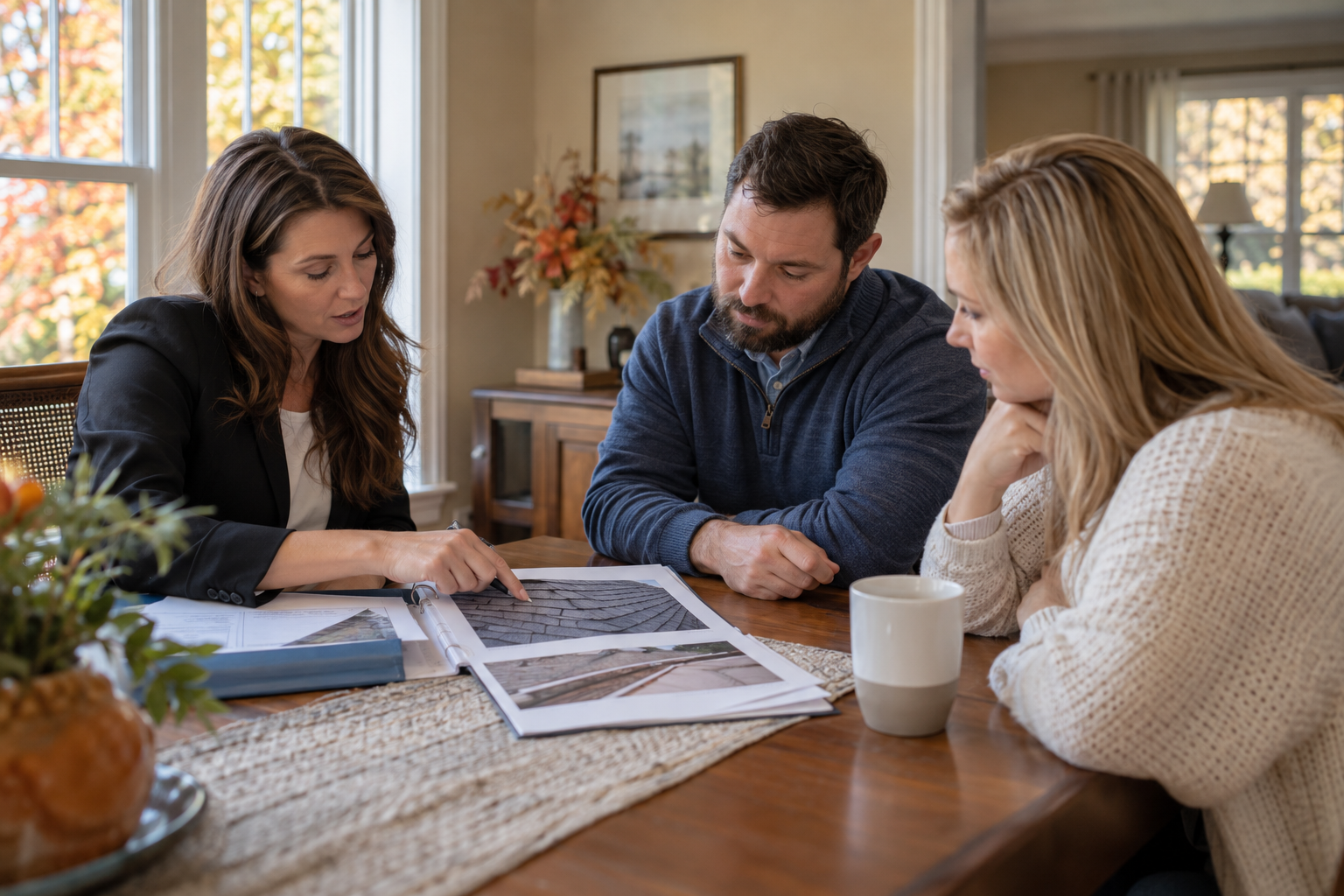
Good documentation becomes especially important when a community has multiple similar roofs.
Maintain records showing:
- Assessment date and findings
- Photographs organized by building or address
- Repairs completed before treatment
- Treatment date for each roof section
- Product and service documentation
- Current written warranty terms
- Follow-up observations or maintenance
- Contact information for the service provider
Roof Max’s official warranty addresses treated-shingle flexibility and serviceable condition for five years, subject to its current terms and exclusions. It is not a warranty against leaks, granule loss, faulty installation, or weather damage.
Association records should identify exactly which buildings and sections were treated so future boards, managers, owners, and service providers can understand the history.
Consider the Reserve and Replacement Plan
Roof rejuvenation does not eliminate eventual roof replacement. For a qualifying community, it may provide additional serviceable time that can be incorporated into a broader maintenance and reserve strategy.
Boards and managers can use that time to:
- Update roof-condition records
- Review reserve assumptions
- Plan future replacement phases
- Compare materials and contractors carefully
- Avoid making a rushed building-wide decision
- Coordinate roof work with siding, gutters, or other exterior projects
Any budget or reserve change should be based on professional advice, the community’s governing documents, current roof condition, and applicable requirements. Treatment should not be used to defer replacement when the roof is already failing.
Questions to Ask Before Moving Forward
Before approving Roof Max for connected or association-managed roofs, ask:
- Who owns and maintains each roof section?
- What board, owner, or architectural approvals are required?
- Are the relevant shingles asphalt and still serviceable?
- Do all buildings qualify, or only selected sections?
- What repairs must be completed first?
- How will residents and site access be coordinated?
- How will treatment and warranty records be organized?
- How does the decision fit the long-term replacement plan?
Clear answers make the project easier to evaluate and easier to explain to the community.
A Coordinated Assessment for Central Virginia Communities
Condominium boards, HOA leaders, property managers, and townhome owners in Midlothian, Richmond, and surrounding Central Virginia communities do not need to begin with an assumption that every roof should be treated—or replaced.
Begin with responsibility, documentation, and a professional condition assessment. Roof Max of Midlothian can evaluate qualifying asphalt roof sections and help decision-makers understand whether rejuvenation may be appropriate.
To discuss a community roof assessment, visit richmondroofrejuvenation.com.