
Roof Restoration Blog | Richmond VA & Central Virginia
How to Inspect Soffits for Damage Before Small Problems Spread
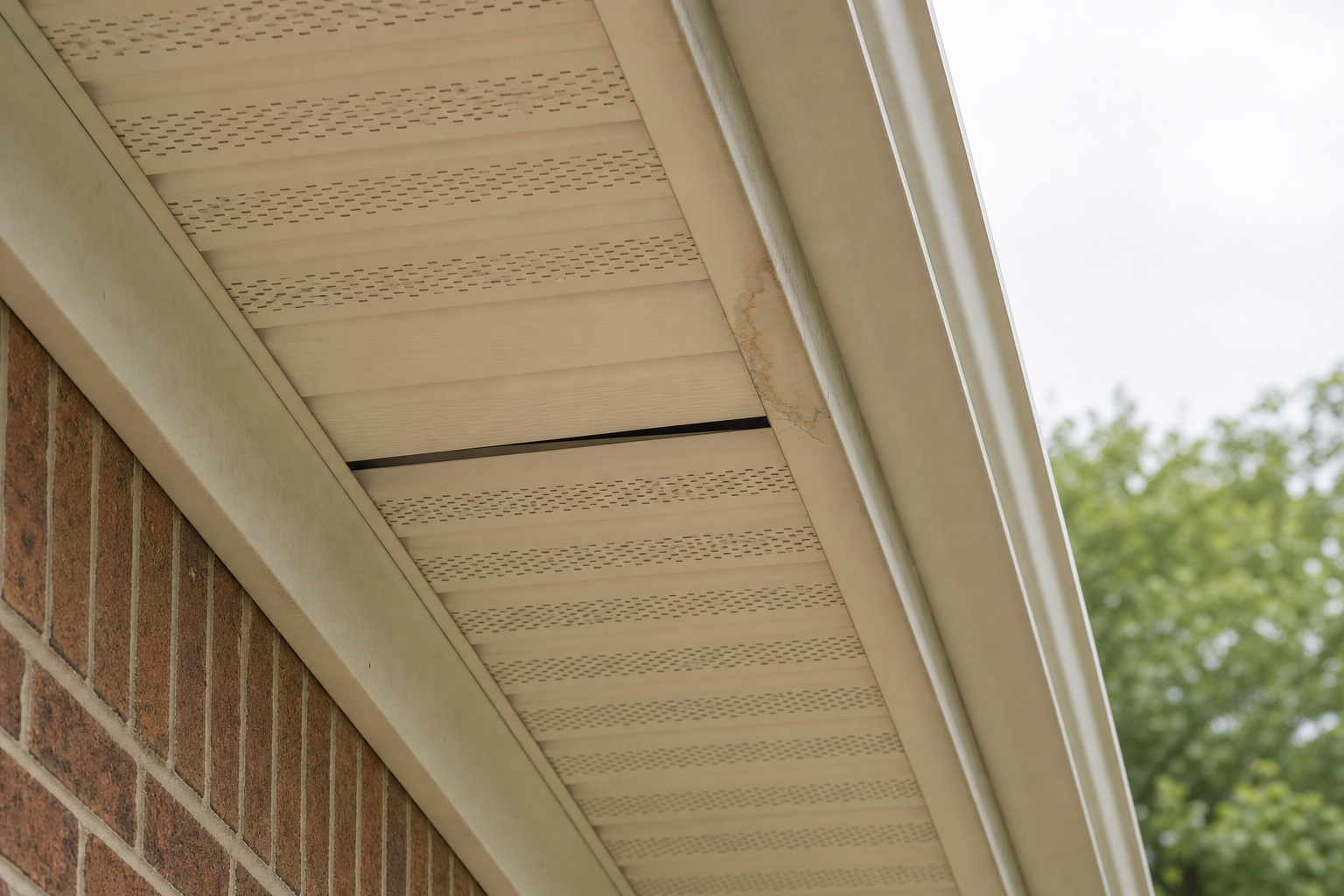
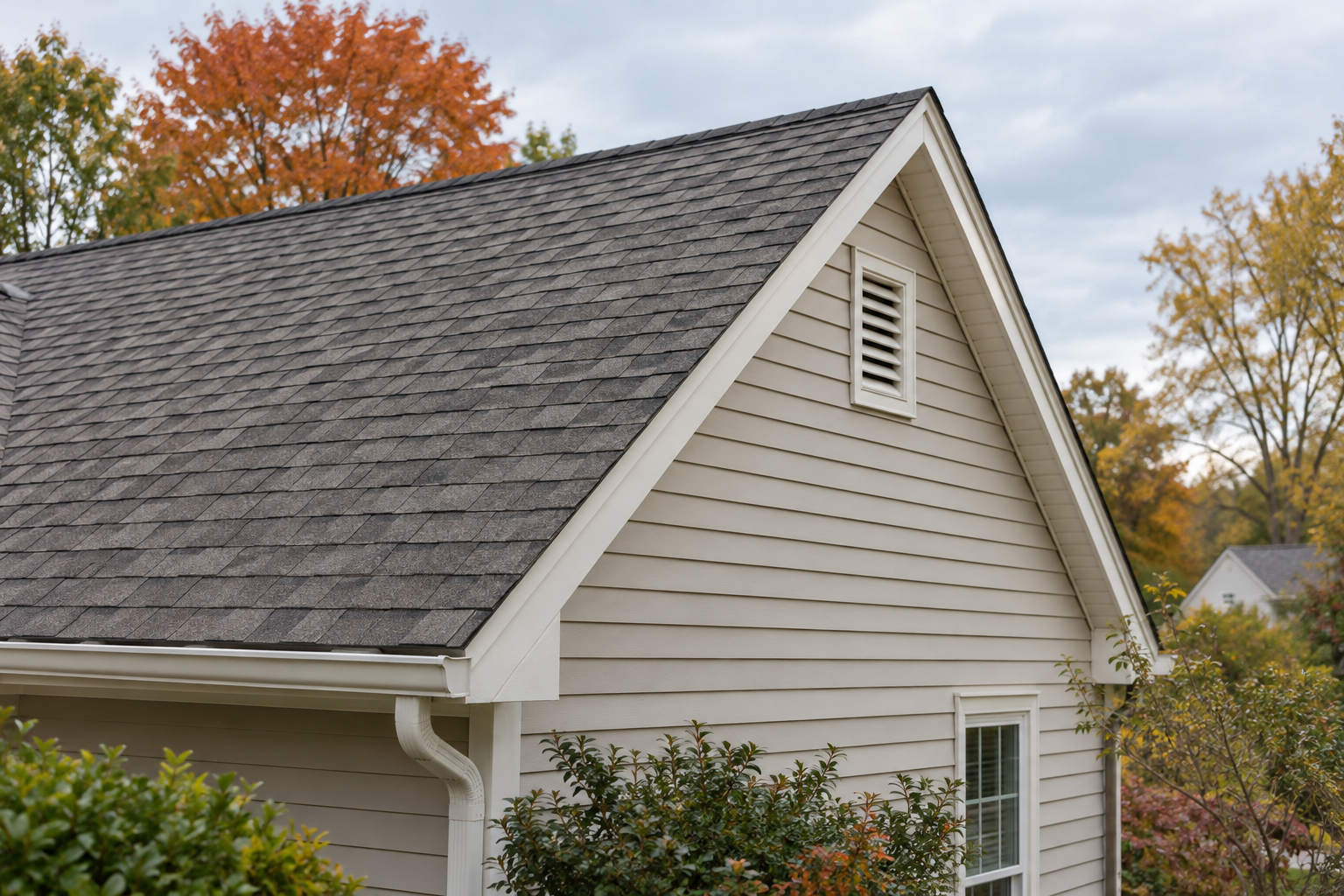
Soffits are easy to overlook because they sit beneath the roof overhang, outside the normal line of sight. Yet this narrow area helps protect the roof edge, covers the underside of the eaves, and—when vented—can provide important intake air for a balanced attic ventilation system.
For homeowners in Midlothian, Richmond, and across Central Virginia, a quick ground-level look at the soffits can reveal early clues about moisture, drainage, pests, or ventilation. The goal is not to diagnose the entire roof yourself. It is to recognize when the roof edge has changed and know when to call a professional.
What Soffits Do
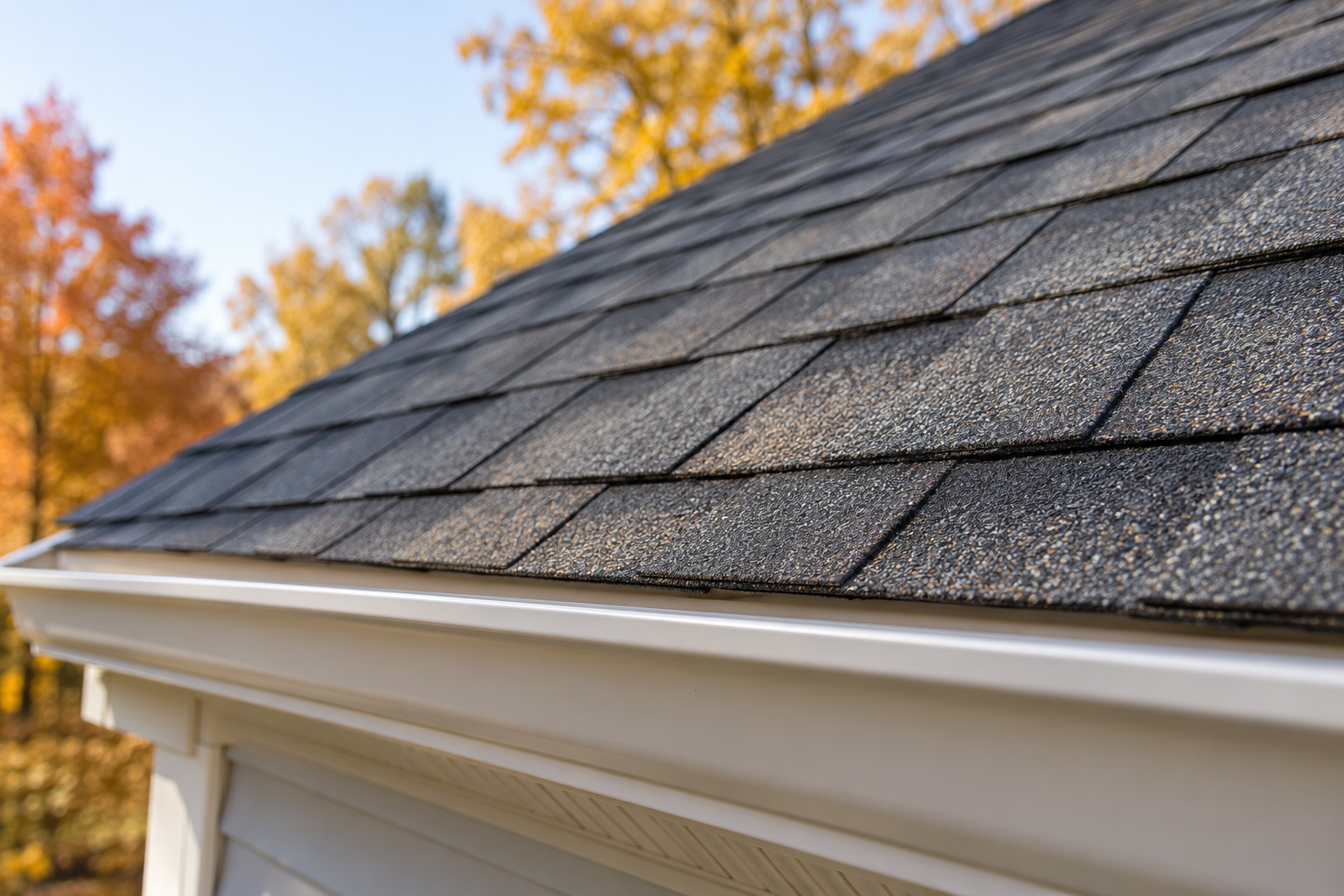
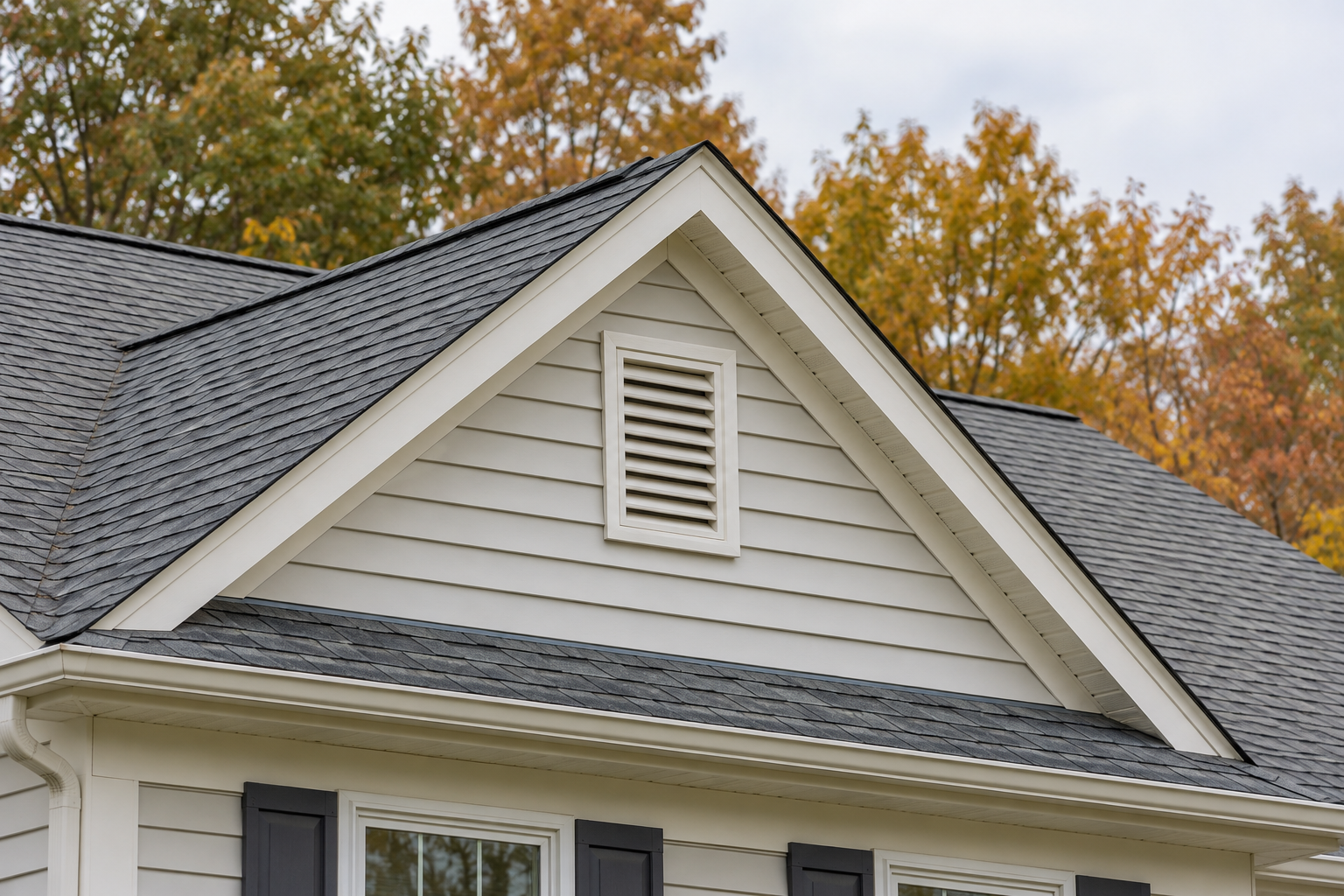
The soffit is the finished surface under the part of the roof that extends beyond an exterior wall. Depending on the home, it may be made from vinyl, aluminum, fiber cement, wood, or another material.
Soffits serve several practical purposes:
- They cover and protect the underside of the roof overhang.
- They help keep weather and pests away from exposed roof-edge components.
- Vented soffits can allow outside air to enter low at the eaves.
- They give the roofline a clean, finished appearance.
In a vented attic, air generally enters through lower intake vents—often at the soffits—and exits higher on the roof. This low-to-high airflow can help control moisture around roof sheathing and structural members. That is why damaged or blocked soffit vents deserve attention.
Warning Signs You Can See From the Ground
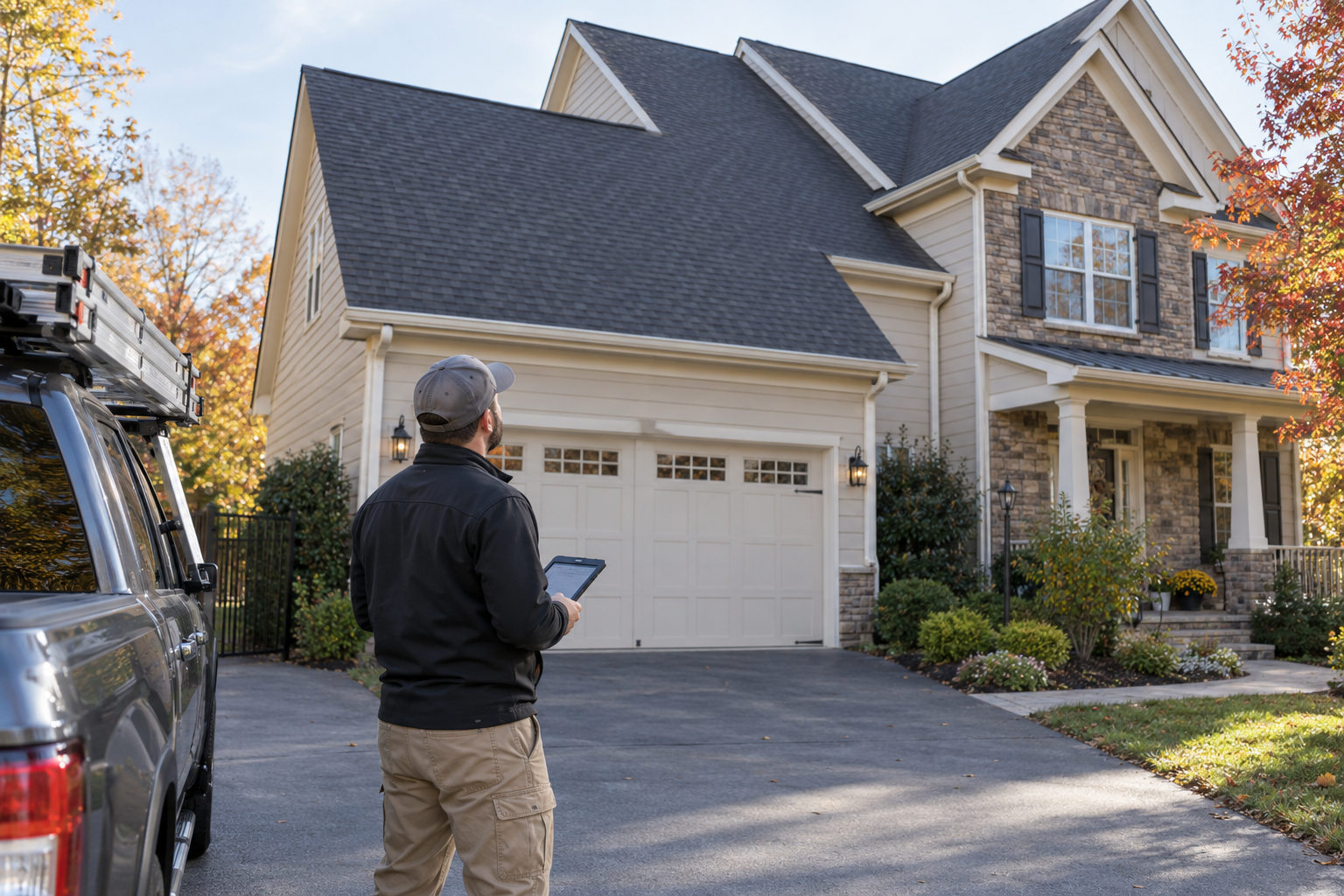
You do not need to climb onto the roof to make an initial observation. Walk around the home in daylight and look up from a safe position. Binoculars or a phone camera with zoom can help you inspect details without using a ladder.
Watch for:
- Water stains or discoloration. Tan, brown, or dark marks can indicate that moisture has reached the roof edge.
- Peeling, blistered, or bubbled paint. Paint failure can be a visible sign that the material behind it has been exposed to moisture.
- Sagging or wavy panels. A panel that no longer sits flat may be loose, warped, or affected by water.
- Open seams, cracks, or missing sections. Even a small gap can let insects, birds, or other pests reach the roof overhang.
- Soft, swollen, or rotted wood. Wood soffits and nearby fascia can deteriorate when they stay damp.
- Mold or mildew-like growth. Surface growth is a reason to look for the moisture source rather than simply painting over the area.
- Blocked vent openings. Paint, debris, insulation, nests, or displaced panels can reduce airflow at the eaves.
Compare one side of the home with another. A localized stain or sag beneath a roof valley, gutter joint, or downspout connection may help a professional trace the likely source.
What Soffit Damage May Be Telling You
Soffit damage is usually a symptom, not the whole problem. Replacing a panel without correcting the cause can allow the same damage to return.
Common sources include:
Roof-Edge or Flashing Leaks
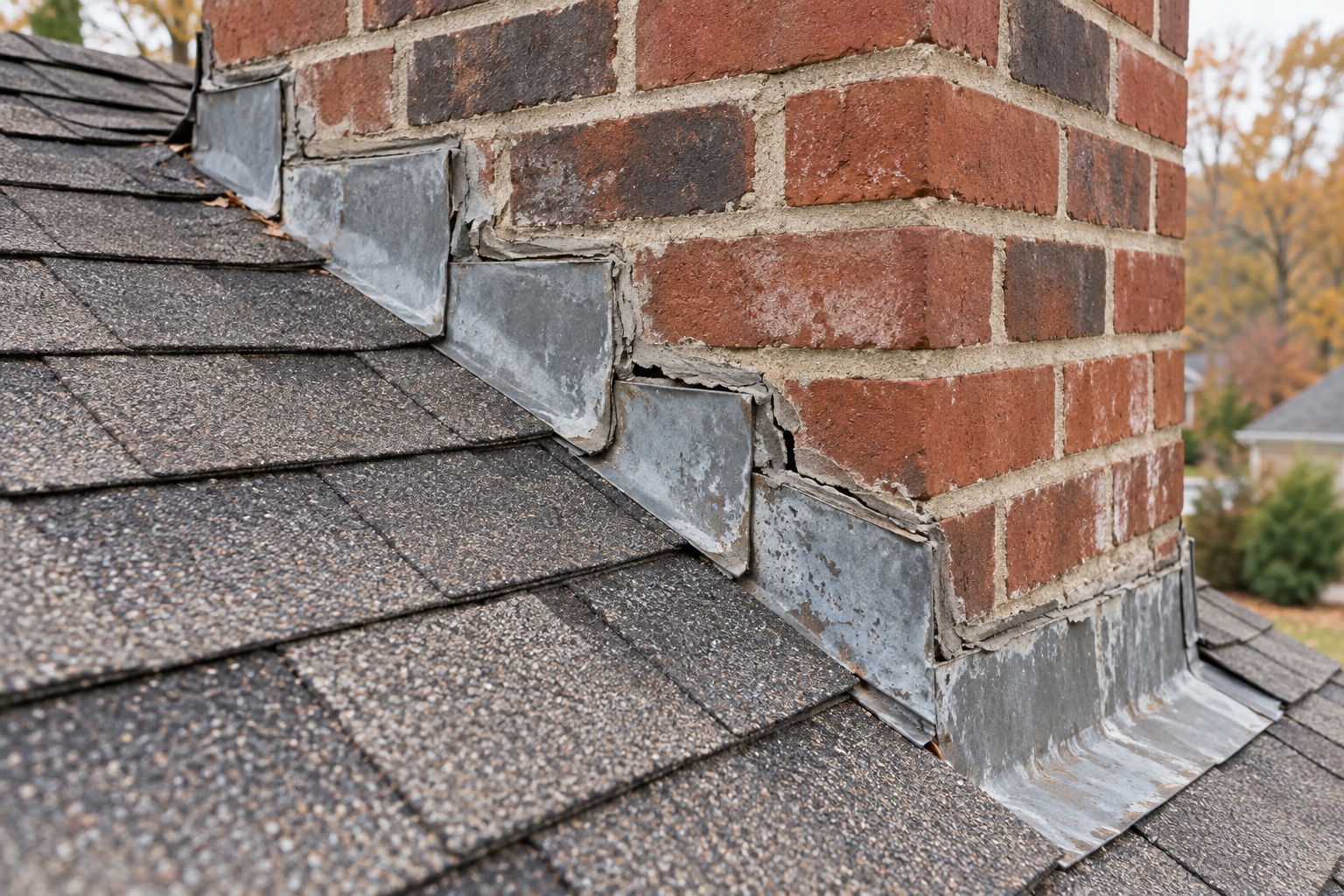
Water can travel behind roofing components before it becomes visible. A stain at the soffit may begin farther up the roof, near damaged shingles, flashing, a valley, or another penetration.
Gutter Overflow
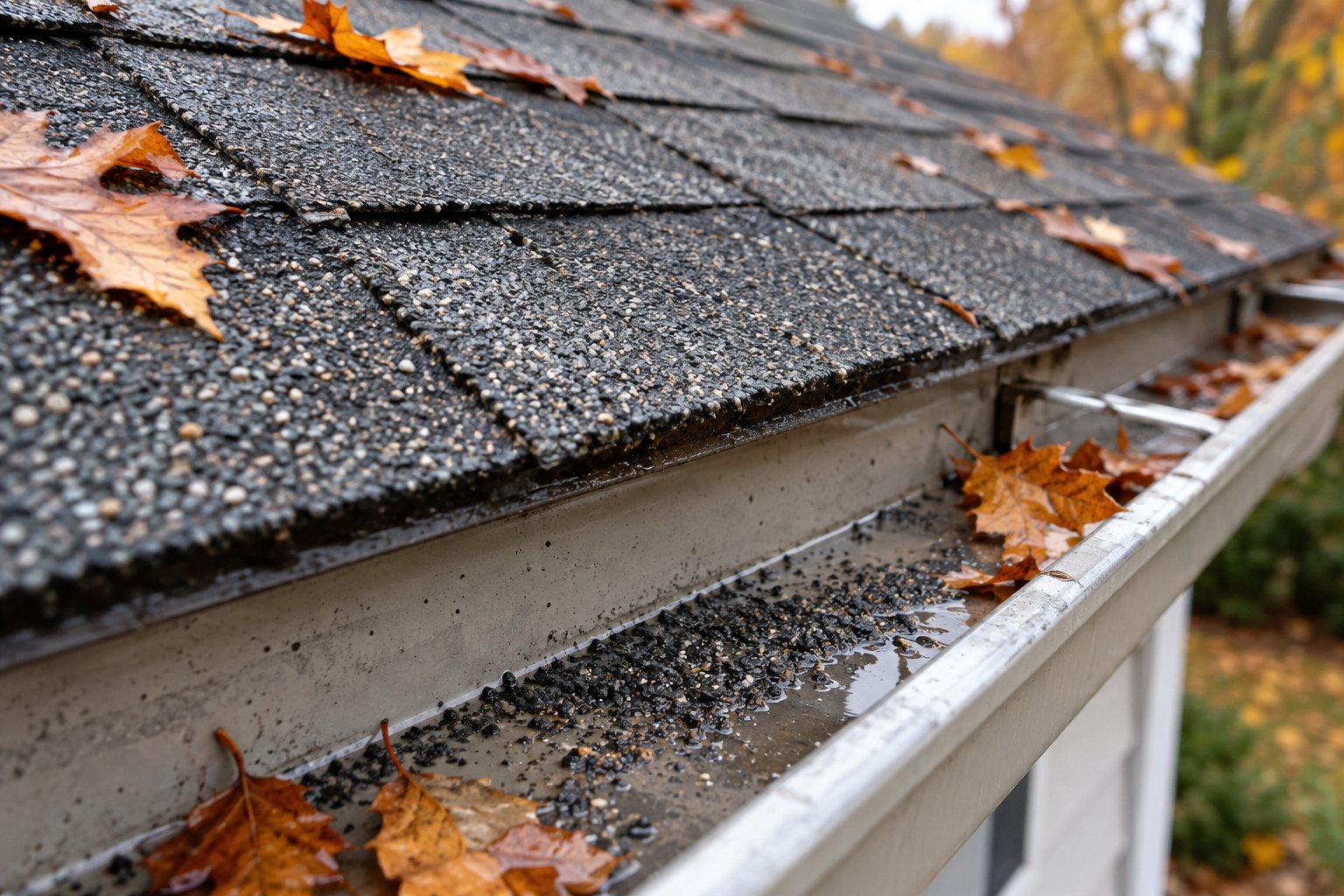
Clogged, leaking, or poorly draining gutters can spill water against the fascia and soffit. Keeping roof gutters clean and repairing leaks promptly helps reduce moisture problems.
Wind or Impact
Strong wind can loosen light soffit panels or open seams. Branches and storm debris can also damage the underside of an overhang even when the shingles above look intact from the yard.
Pests
Birds, insects, squirrels, and other animals may enlarge an existing gap. Nesting material can also block vent openings. Do not seal an active opening until you know whether an animal is inside and what local removal rules apply.
Moisture and Ventilation Problems
Moisture can accumulate near the eaves when attic ventilation paths are blocked or when indoor humidity reaches the attic. Warped or rotted soffit material, bubbled paint, wet insulation near the eaves, and mold or mildew can all be warning signs of moisture intrusion.
A Safe Soffit Inspection Routine
A practical check takes only a few minutes:
- Choose a dry, bright day. Wet surfaces and deep shadows can make discoloration harder to judge.
- Stay on the ground. Walk the full perimeter without stepping onto unstable landscaping or using a ladder.
- Scan every roof edge. Pay extra attention below valleys, gutter corners, roof-to-wall transitions, and areas with overhanging branches.
- Look for changes. Compare panels, seams, paint, and vent openings with the surrounding area.
- Check after weather events. Heavy rain and strong wind can reveal leaks, loosened panels, or fresh staining.
- Document what you find. Take a clear photo and note the location so a professional can inspect the same area.
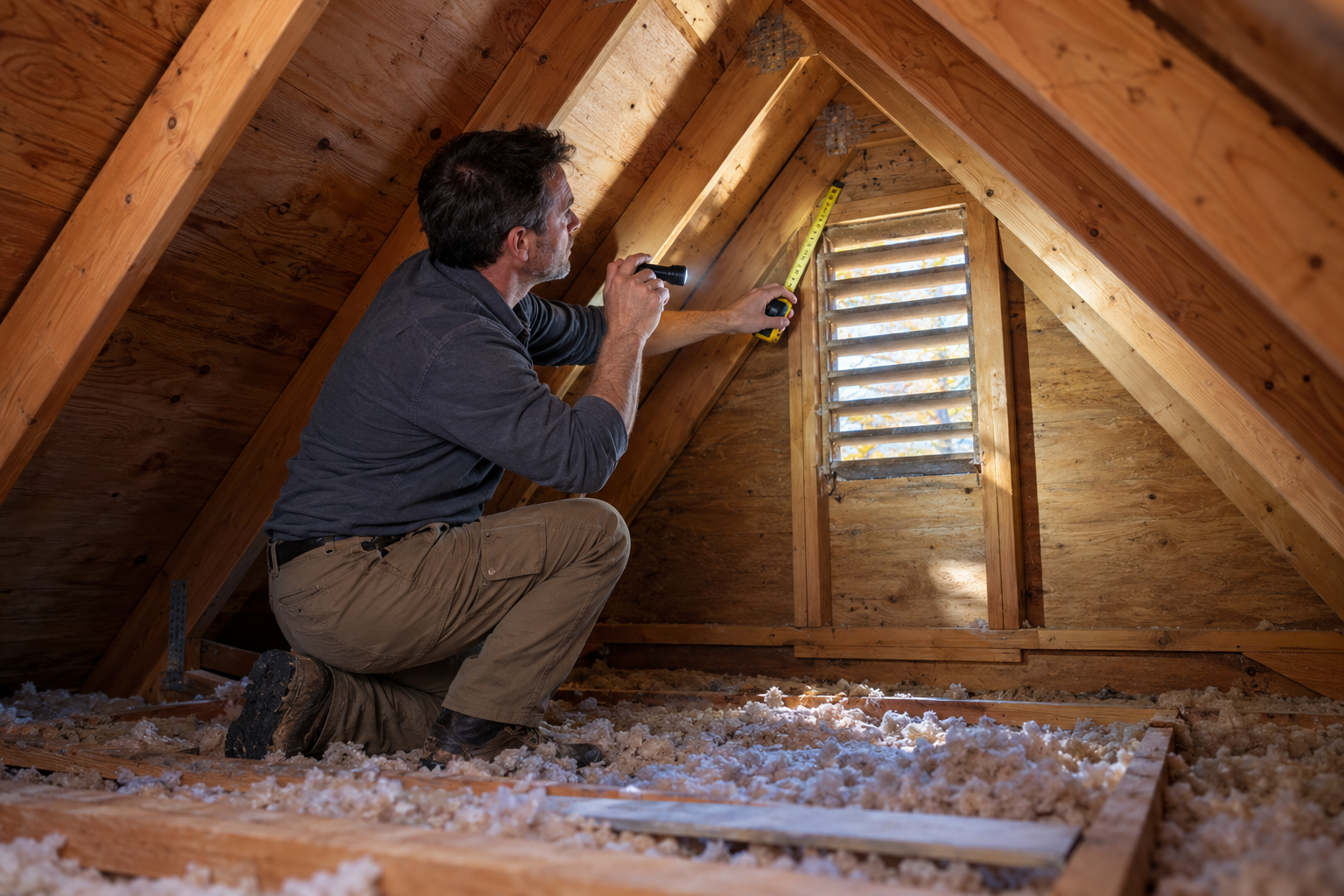
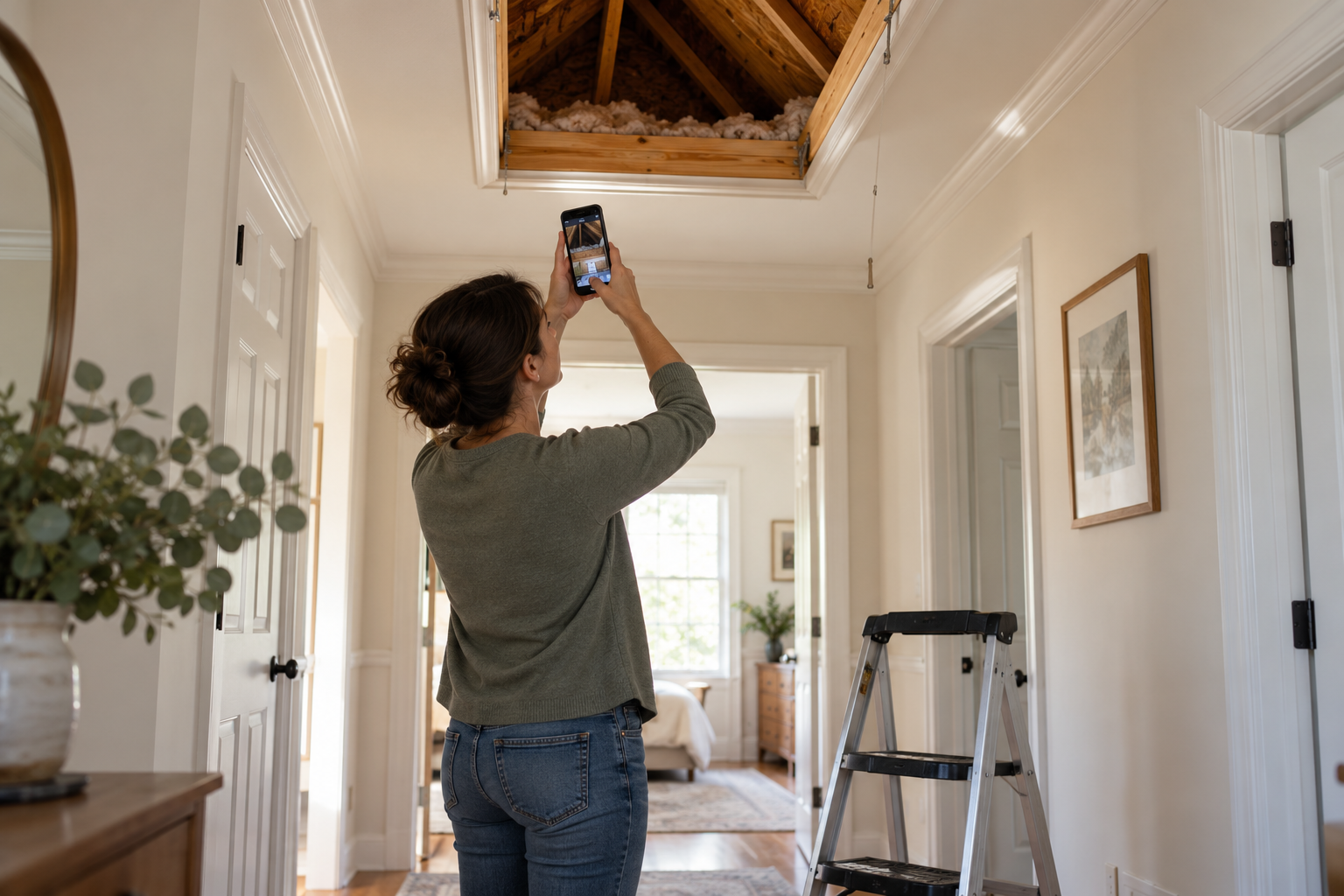
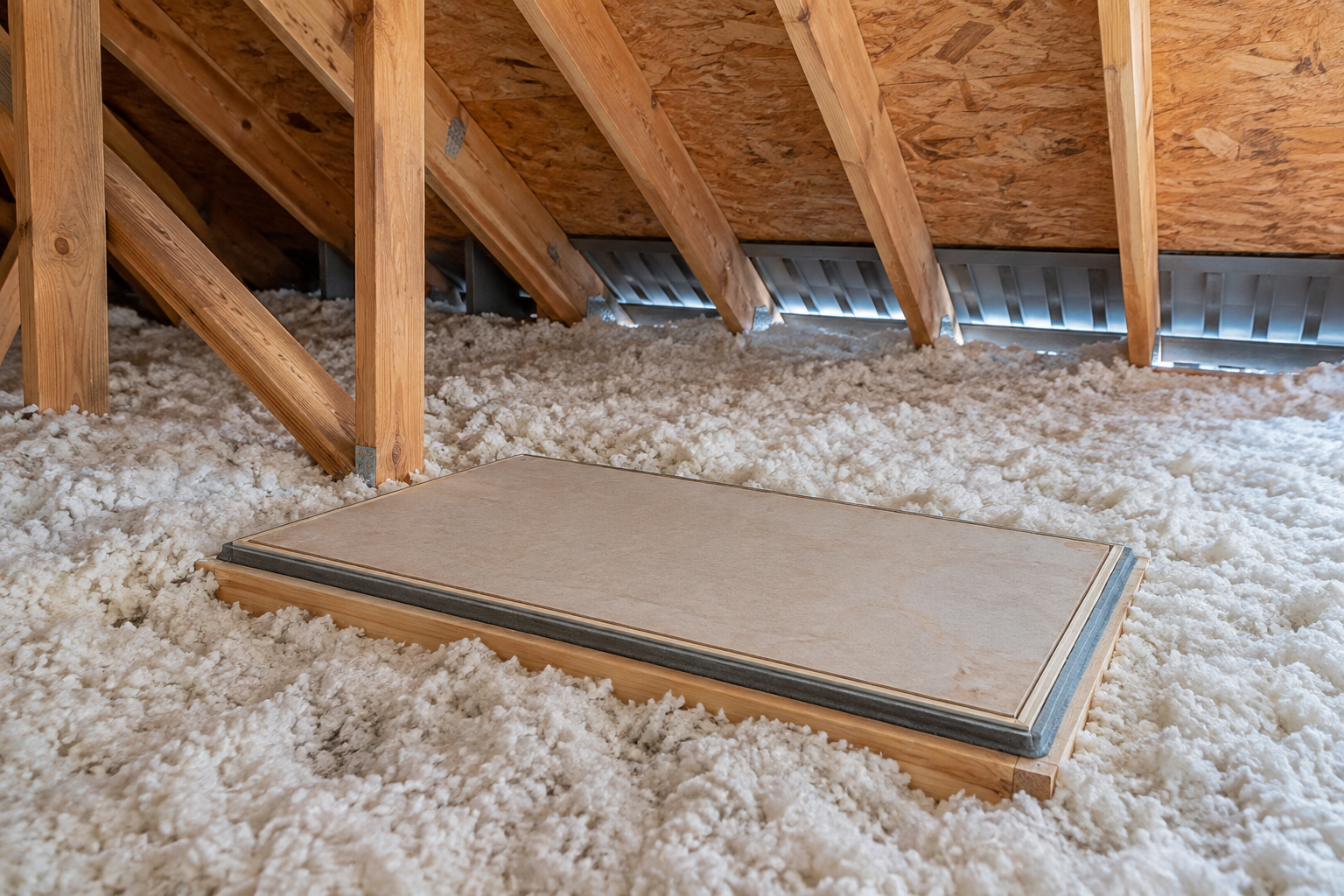
- Look inside when appropriate. From a safe attic access point, check for damp insulation, staining, or daylight near the eaves—without walking on uncovered ceiling joists.
Avoid pressing, pulling, or trying to reseat a panel from a ladder. A loose soffit may be near damaged fascia, hidden rot, electrical service, a nest, or an active leak.
When to Schedule a Professional Inspection
Arrange an inspection when you notice:
- New or spreading water stains
- A panel that is sagging, detached, or missing
- Rot, soft wood, or repeated paint failure
- Evidence of pests or nesting
- Blocked vents across a large section of the eave
- Interior moisture or attic staining near the same roof edge
- Damage after a strong storm
A professional can examine the soffit together with the shingles, fascia, drip edge, gutters, flashing, attic, and ventilation path. That broader view matters because the visible soffit may be only the final place where a problem appears.
Protect the Roof Edge by Finding the Source
Healthy soffits support a dry, protected, and properly ventilated roof assembly. Regular ground-level checks can help you notice subtle changes before the damage becomes more extensive.
If you see staining, gaps, sagging panels, or another roof-edge concern, Roof Max can help you evaluate the overall condition of your asphalt roof and identify the right next step. Visit richmondroofrejuvenation.com to learn more or request an evaluation in Midlothian, Richmond, or the surrounding Central Virginia area.