
Roof Restoration Blog | Richmond VA & Central Virginia
Why Professional Roof Maxx Application Matters
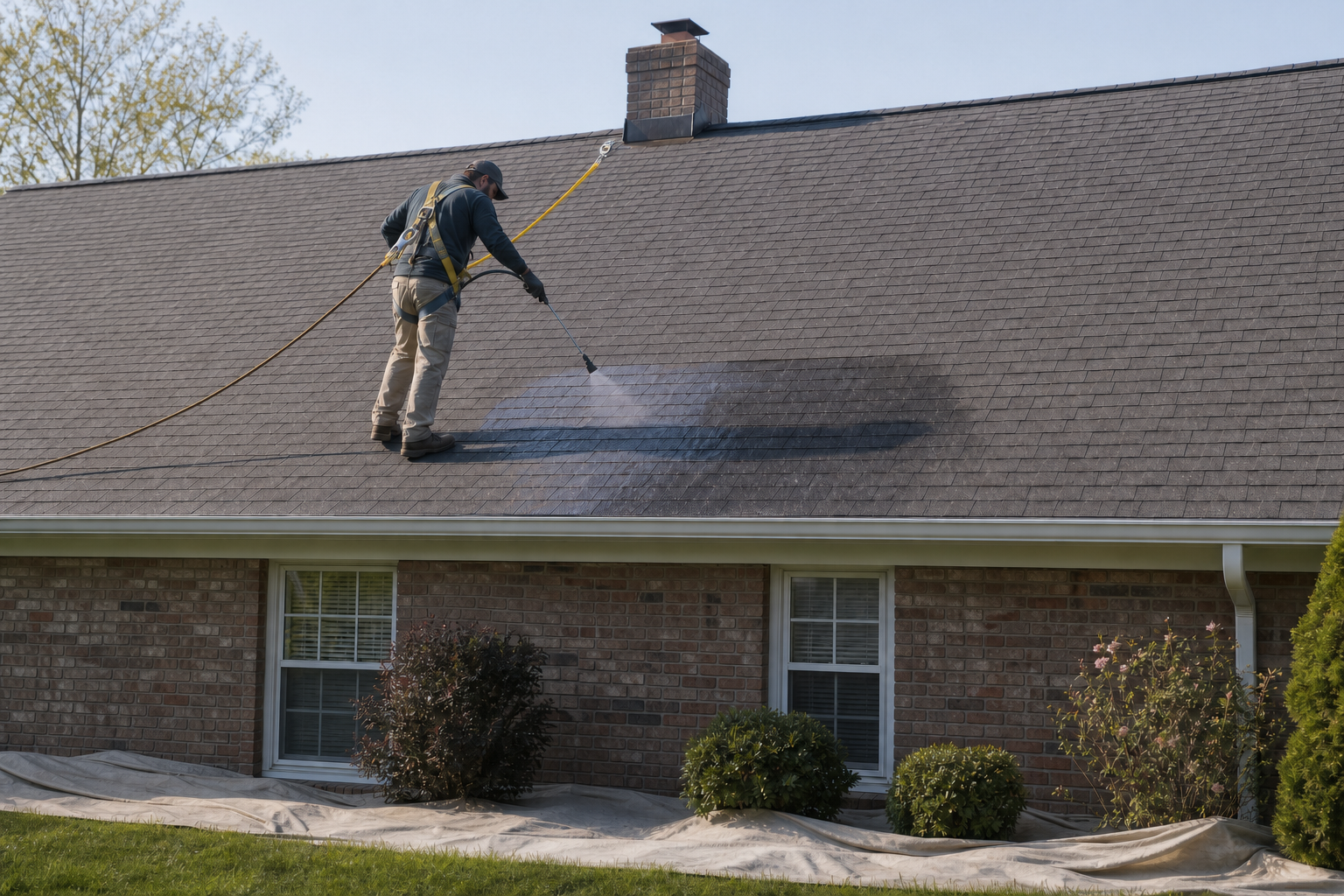
From the street, roof rejuvenation may look like a straightforward spray application. The visible treatment pass, however, is only one stage of a professional service.
Before Roof Max is applied, the roof must be evaluated, prepared, and confirmed as an appropriate candidate. The treatment then has to be mixed, scheduled, and applied under suitable conditions with controlled coverage. Safety, property protection, and documentation also matter.
For homeowners in Midlothian, Richmond, and surrounding Central Virginia communities, understanding this process makes it easier to compare a complete professional service with a product-only approach.
Professional Application Starts With Roof Qualification
Not every asphalt-shingle roof should receive a rejuvenation treatment. A roof may have active leaks, failed flashing, deteriorated decking, severe shingle damage, or other conditions that require repair or replacement instead.
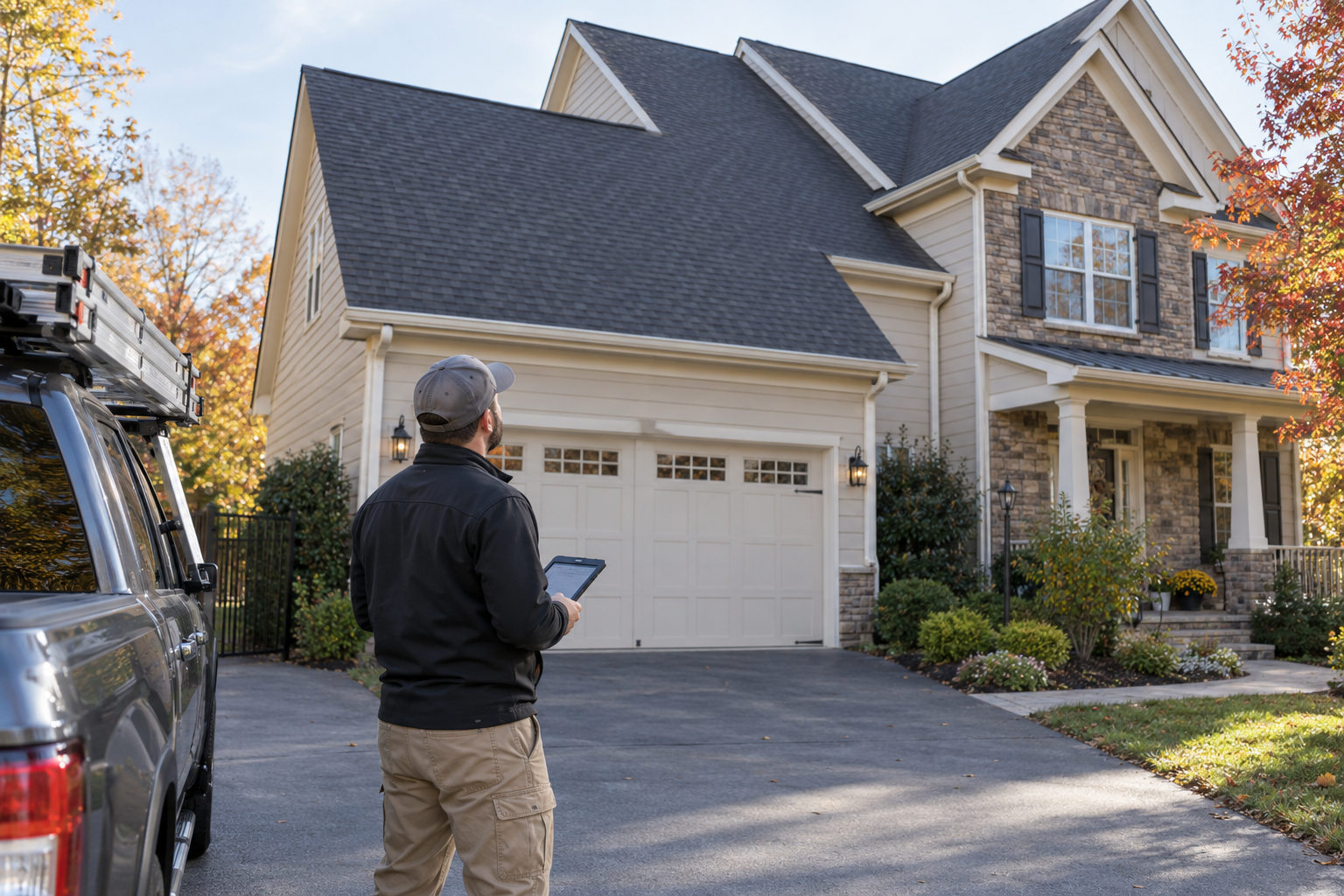
Roof Max states that its process begins with an in-person roof assessment. The dealer reviews the condition of the shingles, checks for visible problems, and determines whether the roof is a suitable candidate.
That step protects the homeowner from treating the wrong roof. It also establishes a baseline for recommendations and future documentation.
A professional assessment may consider:
- The age and general condition of the asphalt shingles
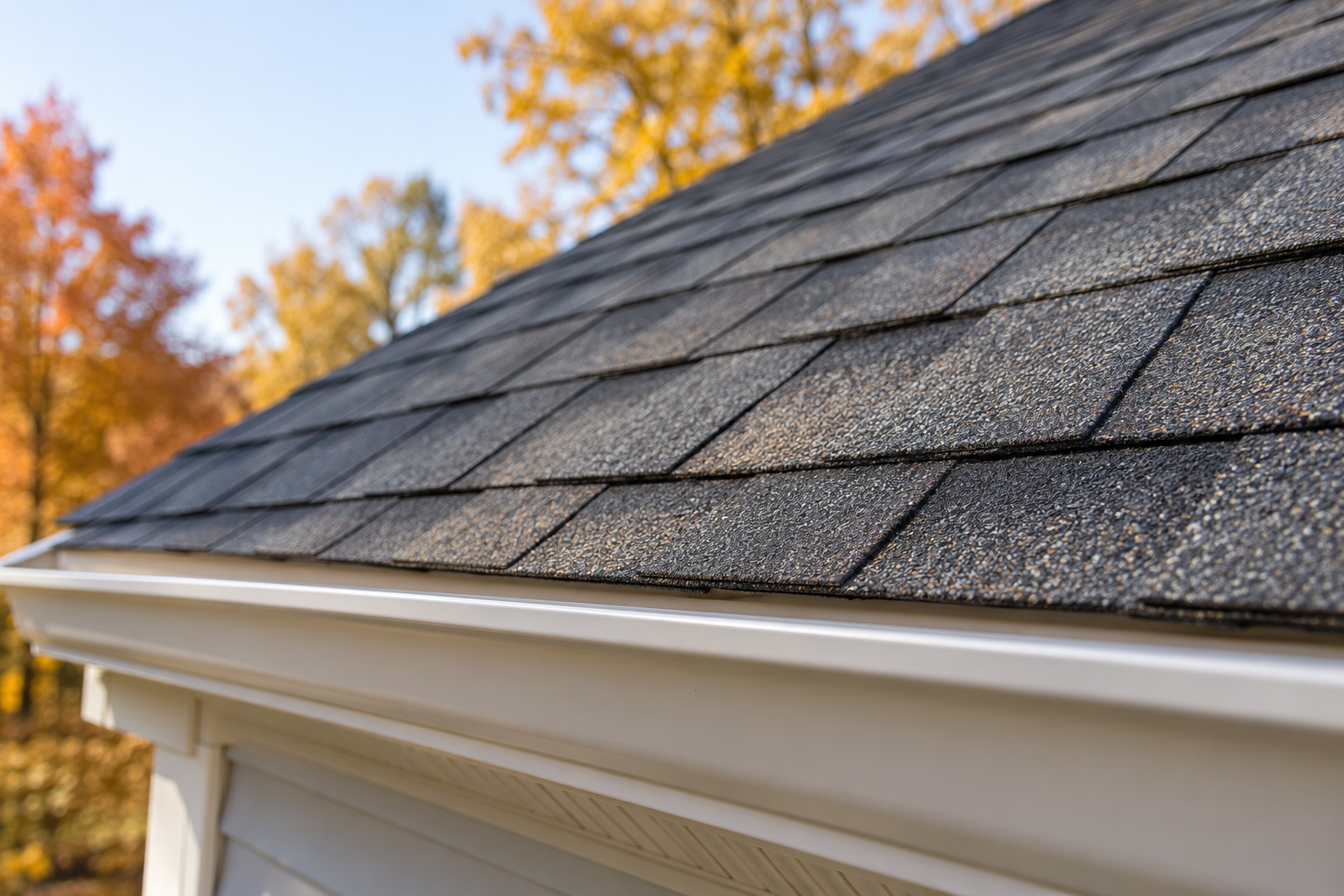
- Brittleness, cracking, curling, or missing material
- Visible leaks or moisture-related warning signs
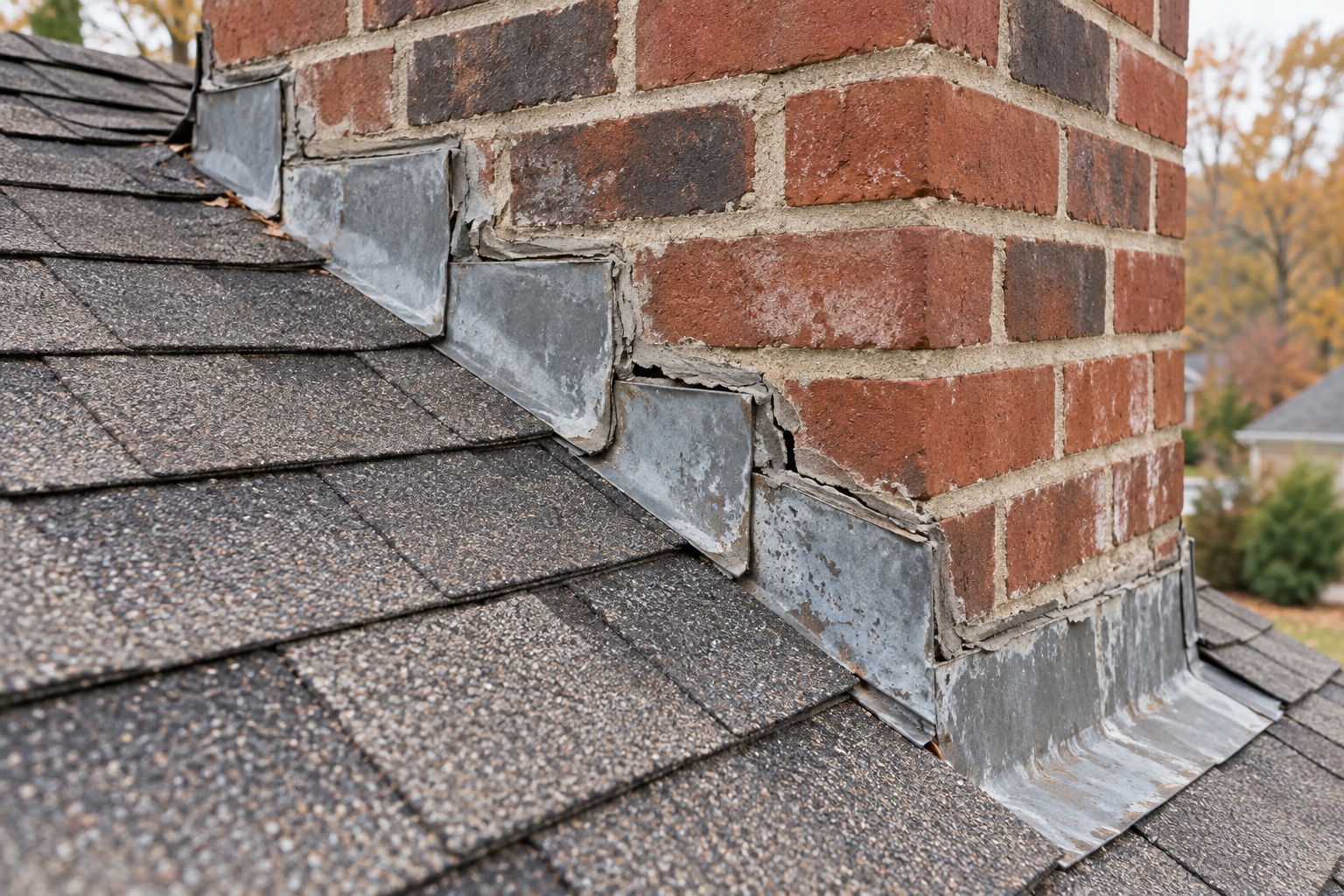
- Flashing, caulking, and plumbing-vent components
- Nail pops and damaged shingles
- Debris, moss, algae, or surface contamination
- Previous repairs and areas that need closer attention
The purpose is not simply to approve every roof. A responsible process should also identify roofs that need another solution.
Preparation Comes Before Treatment
Professional application includes preparing the roof so the treatment is applied to a suitable surface.
Roof Max describes a roof tune-up that may include clearing loose debris, replacing damaged shingles, addressing raised nails, examining flashing and caulking, and checking plumbing boots. The exact work depends on what the assessment reveals and the agreed scope of service.
This preparation matters because a rejuvenation treatment is not a substitute for roof repair. Spraying over a loose shingle, failed seal, or damaged flashing does not correct the underlying defect.
Homeowners should receive a clear explanation of:
- Which repairs are recommended before treatment
- Which items are included in the tune-up
- Which conditions fall outside the service
- Whether any separate specialist should be involved
Clear preparation requirements help keep the treatment focused on what it is designed to do.
Weather and Surface Conditions Affect the Application
Roof work is exposed to changing temperature, wind, moisture, and forecast conditions. A professional cannot treat the calendar as the only scheduling factor.
Roof Max application guidance calls for a dry roof surface and identifies temperature and near-term rain as important considerations. A trained dealer should check current conditions rather than beginning automatically because an appointment appears on the schedule.
This is particularly relevant in Central Virginia, where summer humidity, afternoon storms, morning moisture, and sudden changes in weather are common.
Before application, the professional should consider:
- Whether the shingles are dry and free of frost or surface moisture
- Whether the temperature is within the manufacturer’s application range
- Whether rain is expected too soon after treatment
- Whether wind could make controlled coverage or overspray management difficult
- Whether surrounding surfaces and landscaping need additional protection
Rescheduling for unsuitable conditions is part of professional judgment, not an inconvenience to overlook.
Controlled Mixing and Coverage Matter
A professional application follows manufacturer guidance for preparation, mixing, coverage, and the number of coats. Those requirements help create a repeatable process from one roof plane to another.
The technician has to consider roof size, geometry, dormers, valleys, penetrations, slopes, and access paths. A simple-looking roof can still contain several sections that require different positioning and spray angles.
Controlled application should address:
- Consistent product preparation
- Even passes across the roof surface
- Coverage appropriate to the measured roof area
- Overlap between application passes
- Avoidance of excessive runoff or pooling
- A planned route that avoids walking across wet treated surfaces
More material is not automatically better. Roof Max application guidance specifically warns against applying more than the prescribed coat. Professional application means following the defined process rather than improvising based on appearance.
Safety Is Part of the Service
Roof application work combines height, slopes, equipment, hoses, and a surface that can become slippery while wet.
Roof Max warns that treated surfaces and oversprayed ladder rungs can create serious slip hazards. OSHA also identifies falls as a leading hazard in residential roofing and emphasizes planning, suitable equipment, and worker training.
A professional should plan:
- Safe access to and from the roof
- Fall protection appropriate to the work
- Hose routing that reduces trip and snag hazards
- A sequence that avoids crossing wet roof sections
- Protection for ladders and walking surfaces
- Communication between workers when more than one person is present
Homeowners should stay clear of the work area and should not climb onto the roof during or immediately after treatment.
Property Protection Requires Attention
The roof is only one part of the jobsite. A professional also considers gutters, siding, windows, driveways, decks, vehicles, landscaping, and neighboring property.
Before application, the technician may need to move or cover items, identify sensitive surfaces, plan the spray direction, and prepare for cleanup. Roof Max guidance recommends testing surfaces when overspray could create a concern and washing affected areas as appropriate.
The goal is not to create a dramatic worksite. It is to make the application controlled, tidy, and predictable.
Homeowners can help by:
- Moving vehicles away from the immediate work area
- Closing windows
- Keeping pets and children indoors
- Identifying delicate landscaping or exterior materials
- Providing access to water when the service requires it
- Following the dealer’s preparation instructions
Verification and Documentation Complete the Process
Professional application does not end when the equipment is packed away.
The dealer should confirm that the planned roof sections were addressed, review any observations made during the service, explain what the homeowner should expect afterward, and provide relevant records.
Useful documentation may include:
- The assessment or roof-condition report
- The approved scope of work
- Repairs or tune-up items completed
- The treatment date
- The roof area treated
- Warranty or service documents
- Recommended follow-up and maintenance information
These records can help the homeowner track the roof’s maintenance history and explain the work to a future buyer, inspector, or contractor.
Questions to Ask Before Treatment Day
Before approving a professional roof rejuvenation service, ask:
- How will you determine whether my roof qualifies?
- What repairs or tune-up work are required first?
- What conditions could cause the appointment to be rescheduled?
- How will the property and landscaping be protected?
- What safety procedures will be used?
- How is coverage planned and verified?
- What documentation will I receive afterward?
- What does the treatment address—and what does it not repair?
Clear answers help distinguish a complete professional process from a product-only sales pitch.
The Process Around the Treatment Matters
Professional application matters because roof rejuvenation is not simply a liquid placed on shingles. The roof must qualify. Preparation must be completed. Conditions must be suitable. Coverage must be controlled. Workers and the property must be protected. The service should then be documented.
If your asphalt roof is showing signs of age, Roof Max can evaluate its condition and explain whether professional roof rejuvenation may be appropriate. Visit richmondroofrejuvenation.com to request an evaluation in Midlothian, Richmond, or the surrounding Central Virginia area.