
Roof Restoration Blog | Richmond VA & Central Virginia
Roof Max and Attic Heat: Understanding the Whole Roof System
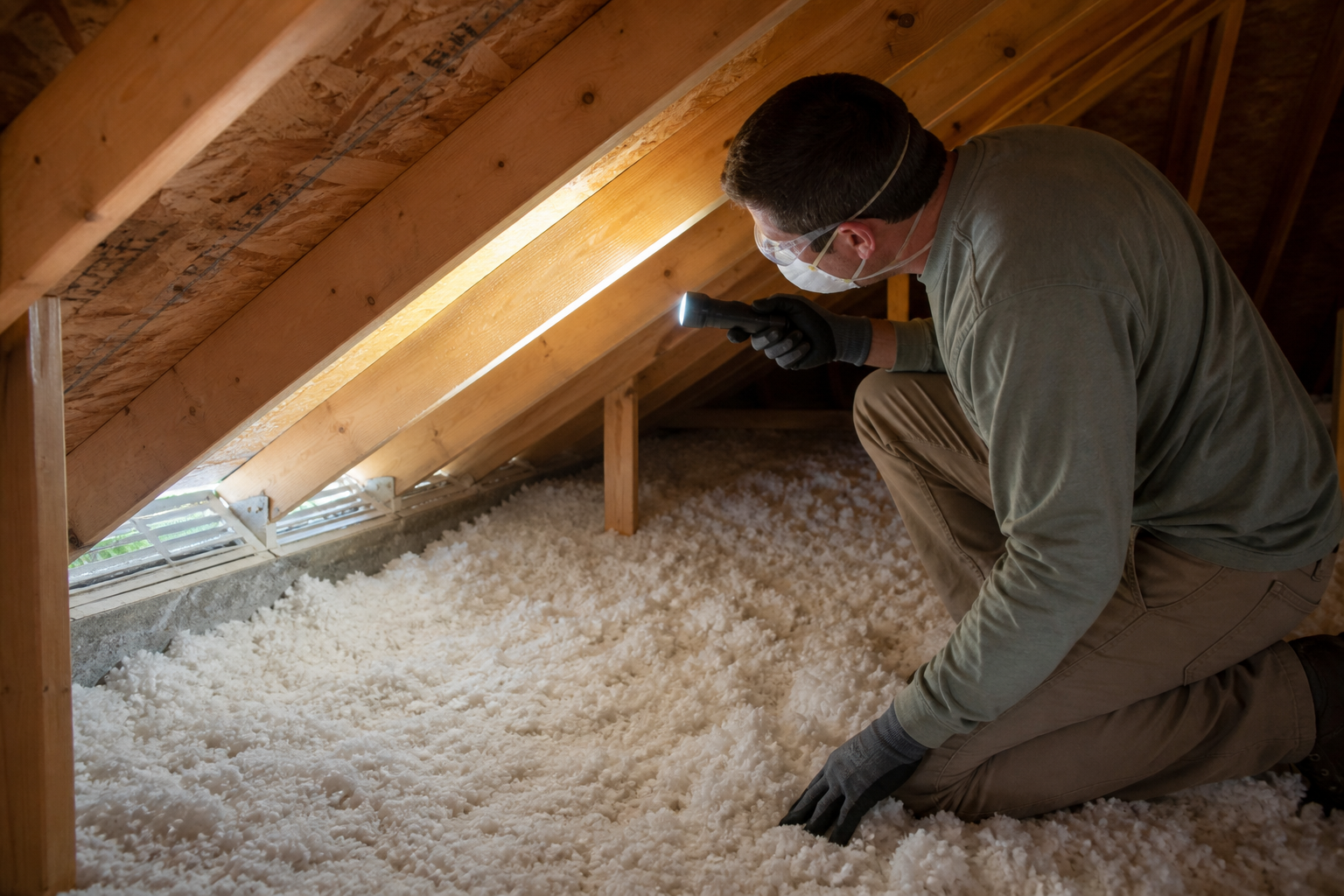
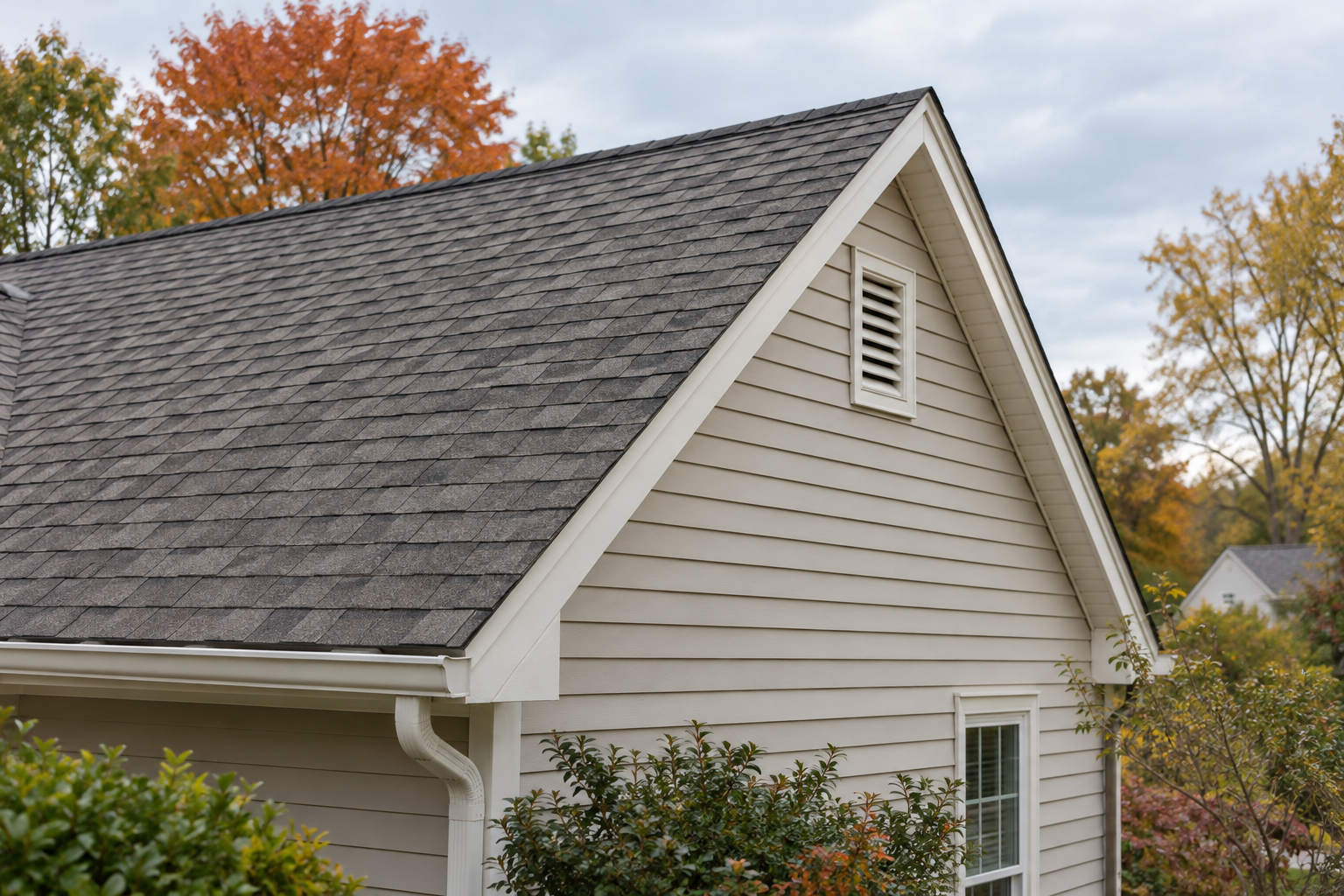
On a sunny Central Virginia afternoon, an asphalt roof can become much hotter than the outdoor air. Heat absorbed at the roof surface moves through the roof deck and affects the attic below.
That relationship can lead homeowners to ask whether Roof Max will reduce attic temperatures, improve upstairs comfort, or lower cooling costs. The accurate answer is that Roof Max and attic-efficiency improvements perform different jobs.
Roof Max is designed to restore flexibility in qualifying, serviceable asphalt shingles. It is not an attic-cooling product and does not replace ventilation, air sealing, insulation, duct improvements, or HVAC evaluation.
Understanding those separate functions helps homeowners in Midlothian, Richmond, and surrounding Central Virginia communities choose the right professional and avoid expecting one roof product to solve an unrelated building-performance problem.
How Summer Heat Moves Through the Roof
Sunlight strikes the roof covering first. Dark asphalt shingles absorb a substantial amount of solar energy, causing the shingle surface and roof deck to warm.
From there, heat can move toward the attic through conduction and radiation. The attic may also gain heat from air leaking out of the conditioned home, poorly sealed ductwork, or other mechanical equipment located in the attic.
Several conditions influence the result:
- Roof color and solar exposure
- Outdoor temperature and cloud cover
- Roof slope and orientation
- Shade from trees or nearby structures
- Attic ventilation design
- Air leakage through the ceiling plane
- Insulation amount, coverage, and installation quality
- Duct location and duct leakage
- Whether the attic is designed as vented or unvented space
Because several variables are involved, attic temperature alone does not diagnose a roof problem. A hot attic on a sunny day may be expected, while excessive upstairs heat, moisture, or poor HVAC performance can point to other issues that deserve evaluation.
What Heat Does to Asphalt Shingles
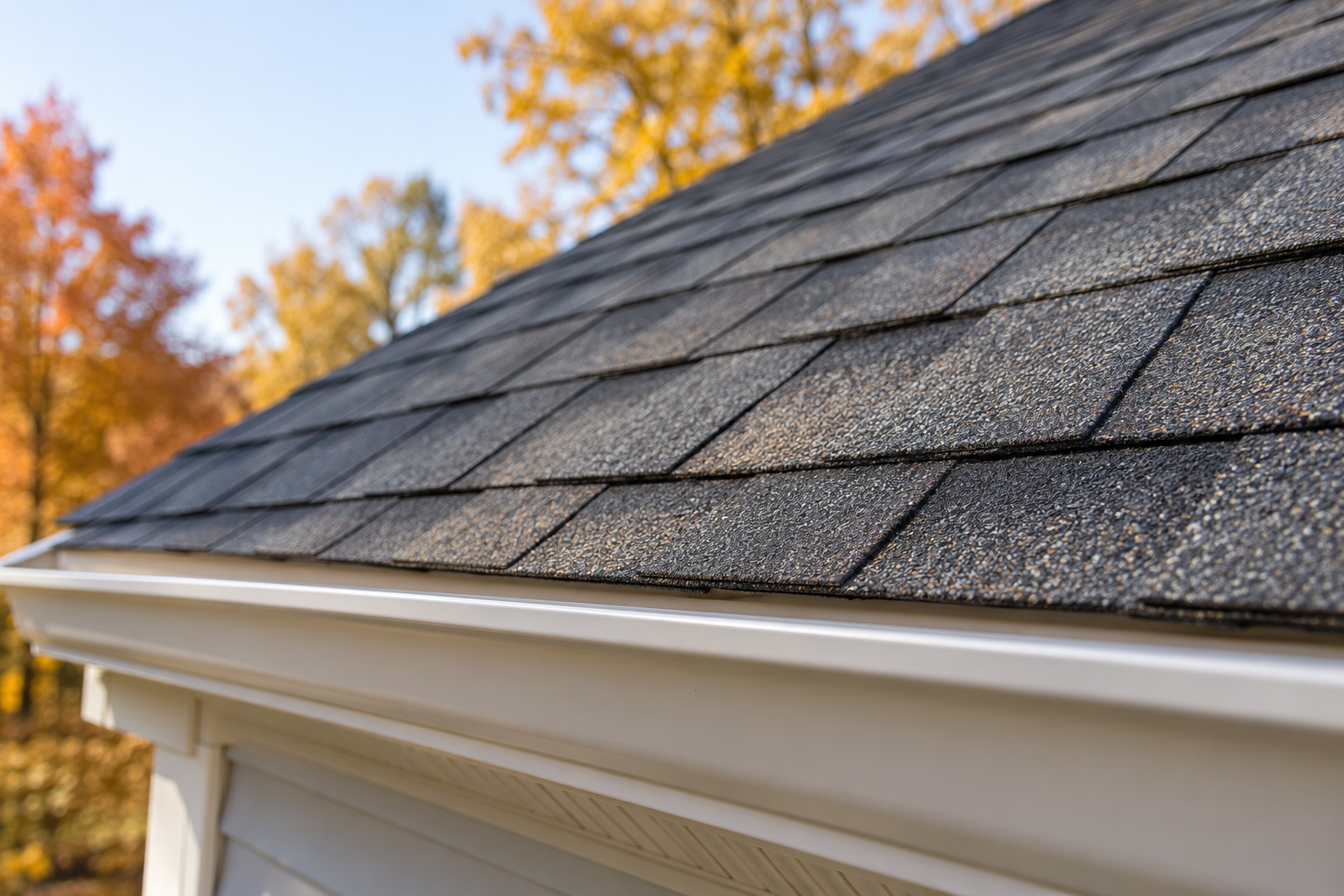
Asphalt shingles repeatedly heat and cool throughout their service life. They expand as temperatures rise and contract as temperatures fall.
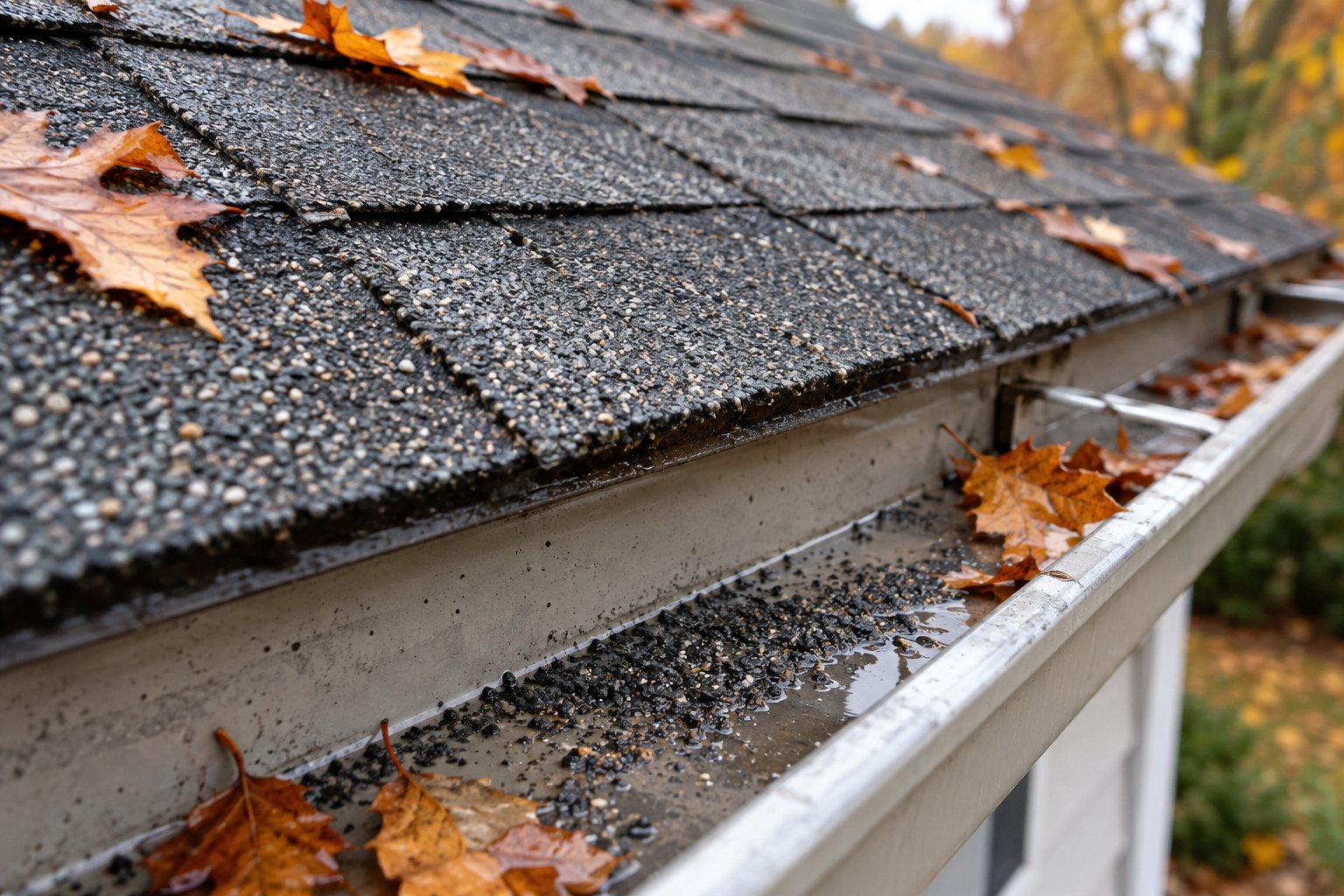
At the same time, ultraviolet exposure and oxidation contribute to the loss of oils that help asphalt remain pliable. As shingles age, they can become drier, more brittle, and less able to tolerate ordinary movement and weather exposure.
Possible age-related symptoms include:
- Reduced flexibility
- Curling or cupping
- Cracking or splitting
- Accelerated granule loss
- Lifted edges
- Increased vulnerability to wind or impact damage
Heat is therefore part of the shingle-aging environment, but the condition of a particular roof still must be assessed. Age by itself does not prove that a roof qualifies for treatment, and a high attic temperature does not establish that the shingles are failing.
What Roof Max Is Designed to Do
Roof Max is applied to qualifying asphalt shingles to replenish oils lost through normal aging and restore flexibility.
The treatment addresses the roof-covering material. A roof assessment should first determine whether the shingles remain serviceable and whether necessary repairs must be completed before treatment.
Roof Max does not:
- Ventilate the attic
- Seal air leaks in the ceiling
- Add or redistribute insulation
- Repair leaking HVAC ducts
- Reduce solar exposure
- Change roof color or reflectivity as a cool-roof coating would
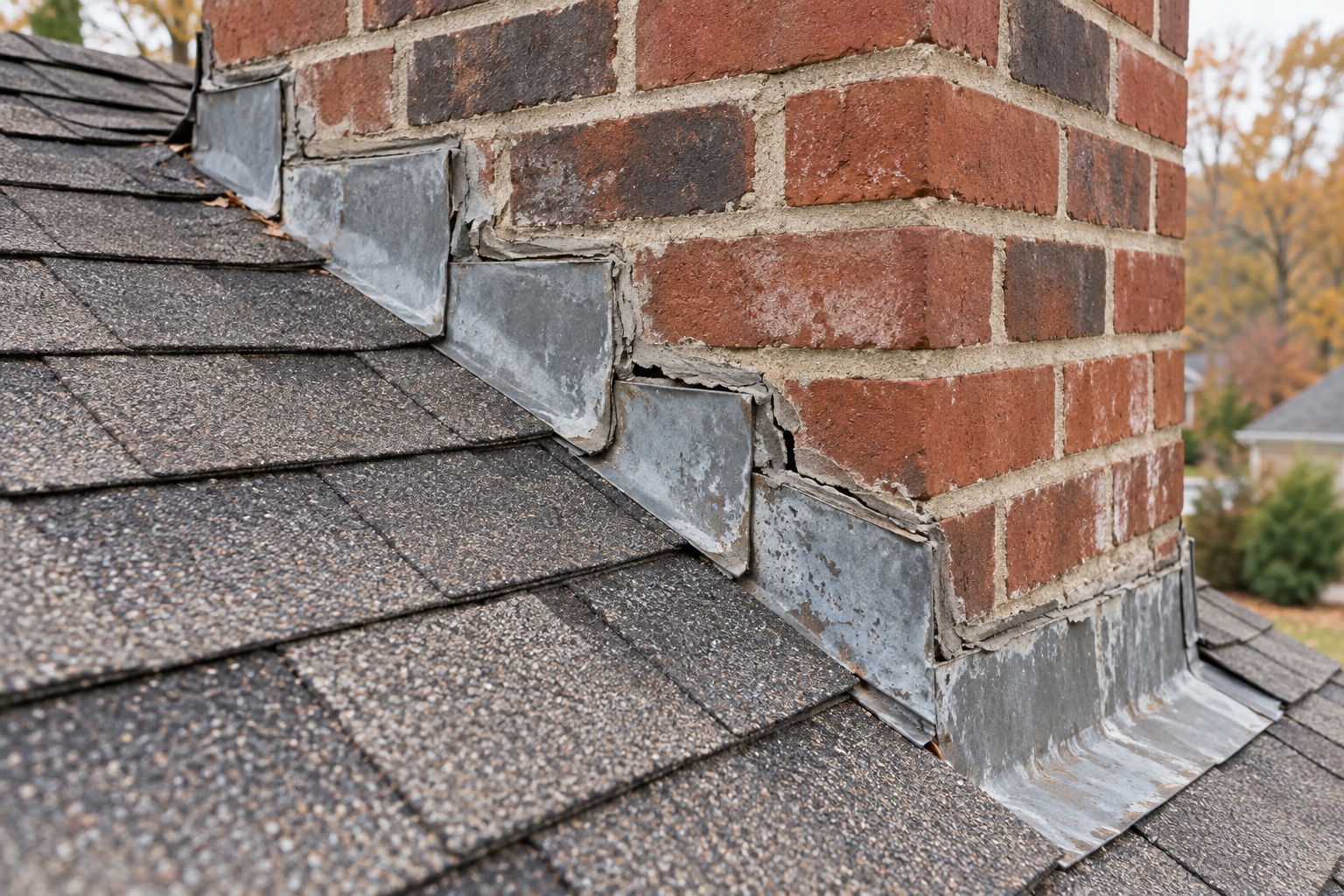
- Repair rotten decking, failed flashing, or structural damage
- Guarantee lower attic temperatures or energy bills
Homeowners should be skeptical of any claim that shingle rejuvenation by itself will solve an attic-comfort or cooling-cost problem.
Ventilation Has a Different Job
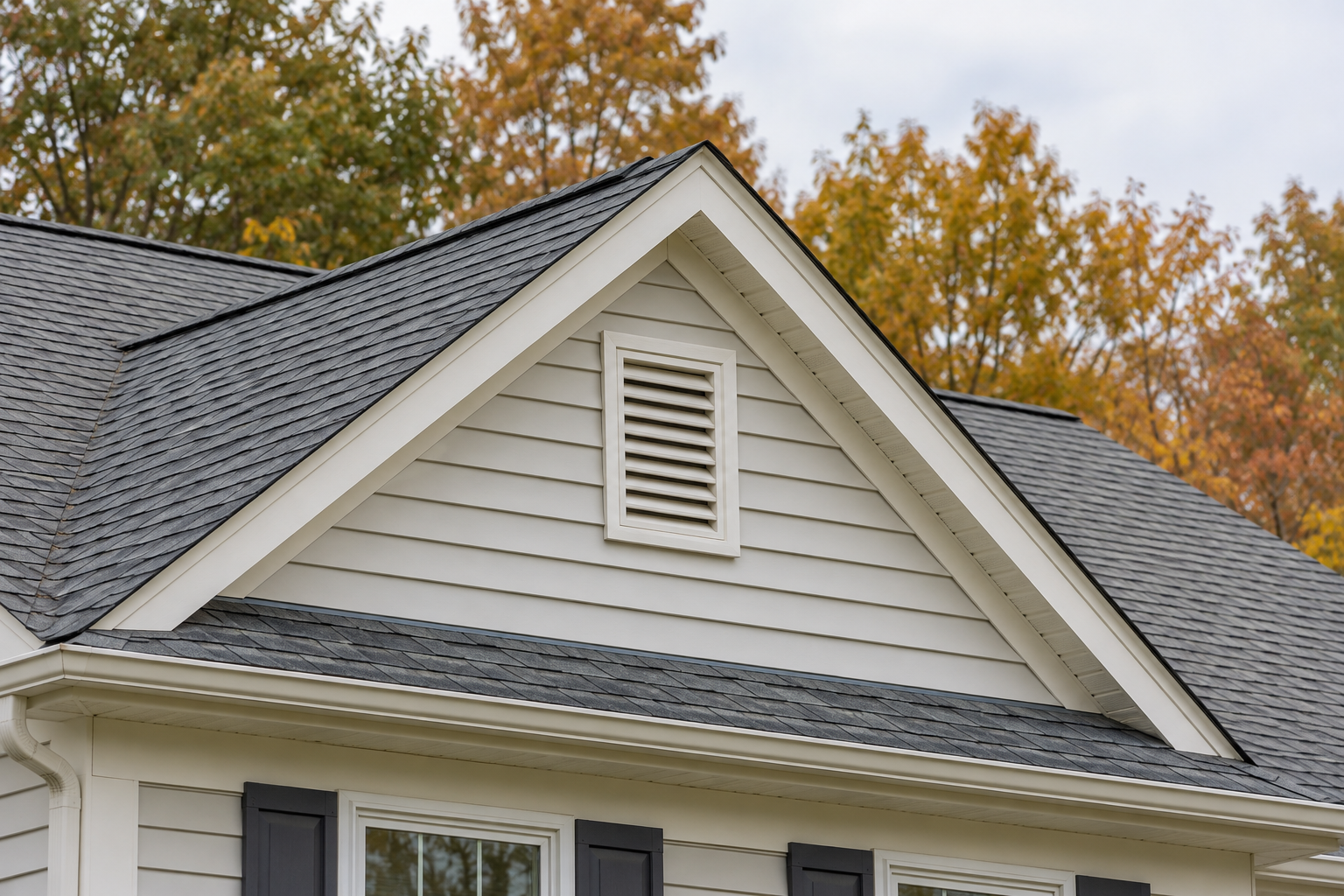
In a conventionally vented attic, outdoor air generally enters through lower intake vents—often at the soffits—and exits through higher exhaust vents near the ridge or roof peak.
The system works best when intake and exhaust are appropriately designed, balanced, and unobstructed. Problems can arise when:
- Soffit vents are blocked by insulation
- Baffles are missing or damaged
- Exhaust vents are inadequate or improperly mixed
- Bath or kitchen exhaust fans terminate in the attic
- Roof modifications interrupt the intended airflow path
- Additions create isolated attic spaces
More ventilation is not automatically better. Adding fans or vents without understanding the existing design can change attic pressure and potentially draw conditioned air from the home.
Unvented or conditioned attics follow a different building strategy and should not be converted casually. A qualified building professional should evaluate the assembly before ventilation changes are made.
Air Sealing Limits Leakage From the Home
Ventilation addresses outdoor airflow through a vented attic. Air sealing addresses leaks between the conditioned living space and the attic.
Common leakage locations include:
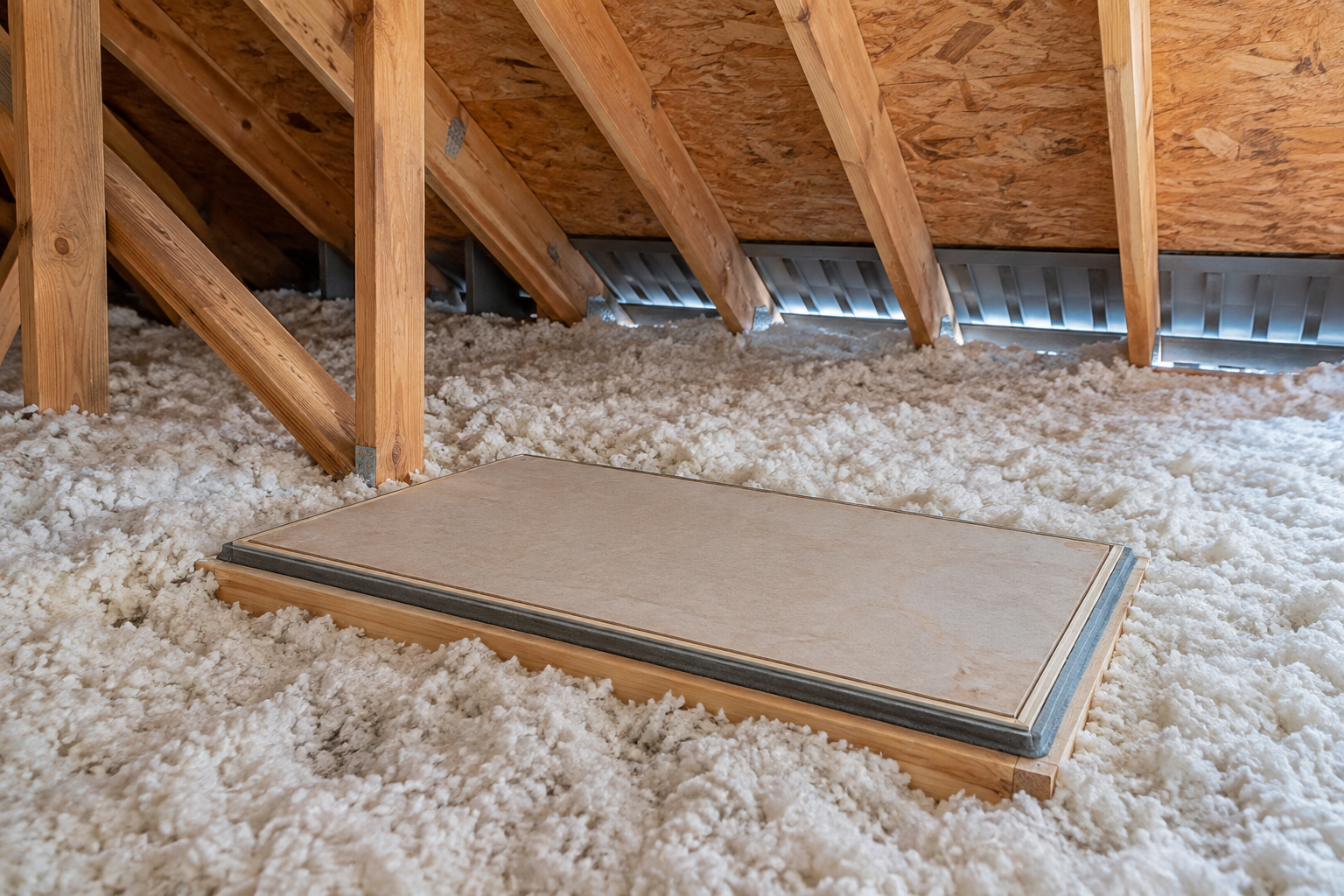
- Attic access hatches
- Plumbing and wiring penetrations
- Dropped soffits
- Chases around ducts or flues
- Gaps at partition walls
- Recessed fixtures not designed or detailed correctly
- Openings around exhaust-fan housings
During summer, these leaks can allow conditioned air to escape into the attic. During colder weather, they can carry warm, moisture-laden indoor air toward colder surfaces.
Air sealing should account for combustion safety, electrical clearances, ventilation requirements, and manufacturer instructions. Complex work belongs with qualified professionals.
Insulation Slows Heat Transfer
Insulation does not stop all heat movement, but it slows heat transfer between the attic and the living space.
Performance depends on more than the nominal insulation depth. Uneven coverage, compressed batts, wind washing near soffits, gaps around access points, and disturbed insulation can reduce effectiveness.
An attic evaluation may consider:
- Insulation type and approximate thermal resistance
- Coverage across the entire ceiling plane
- Thin or missing areas
- Compression or displacement
- Protection around heat-producing equipment
- Ventilation baffles at the eaves
- Evidence of moisture, pests, or roof leakage
Air sealing is often addressed before insulation is added because new insulation can hide leakage locations and make future work more difficult.
The Four-Part Way to Evaluate the Problem
When a homeowner is concerned about attic heat, it helps to separate the roof system into four functions.
1. Shingle Condition
Are the asphalt shingles still serviceable? Are they dry or brittle? Are repairs, replacement, or rejuvenation appropriate?
2. Ventilation
Is the attic intended to be vented? Are intake and exhaust paths present, balanced, and unobstructed?
3. Air Sealing
Is conditioned air leaking through the ceiling plane or through ductwork located in the attic?
4. Insulation
Is insulation continuous, evenly installed, dry, and appropriate for the home and climate?
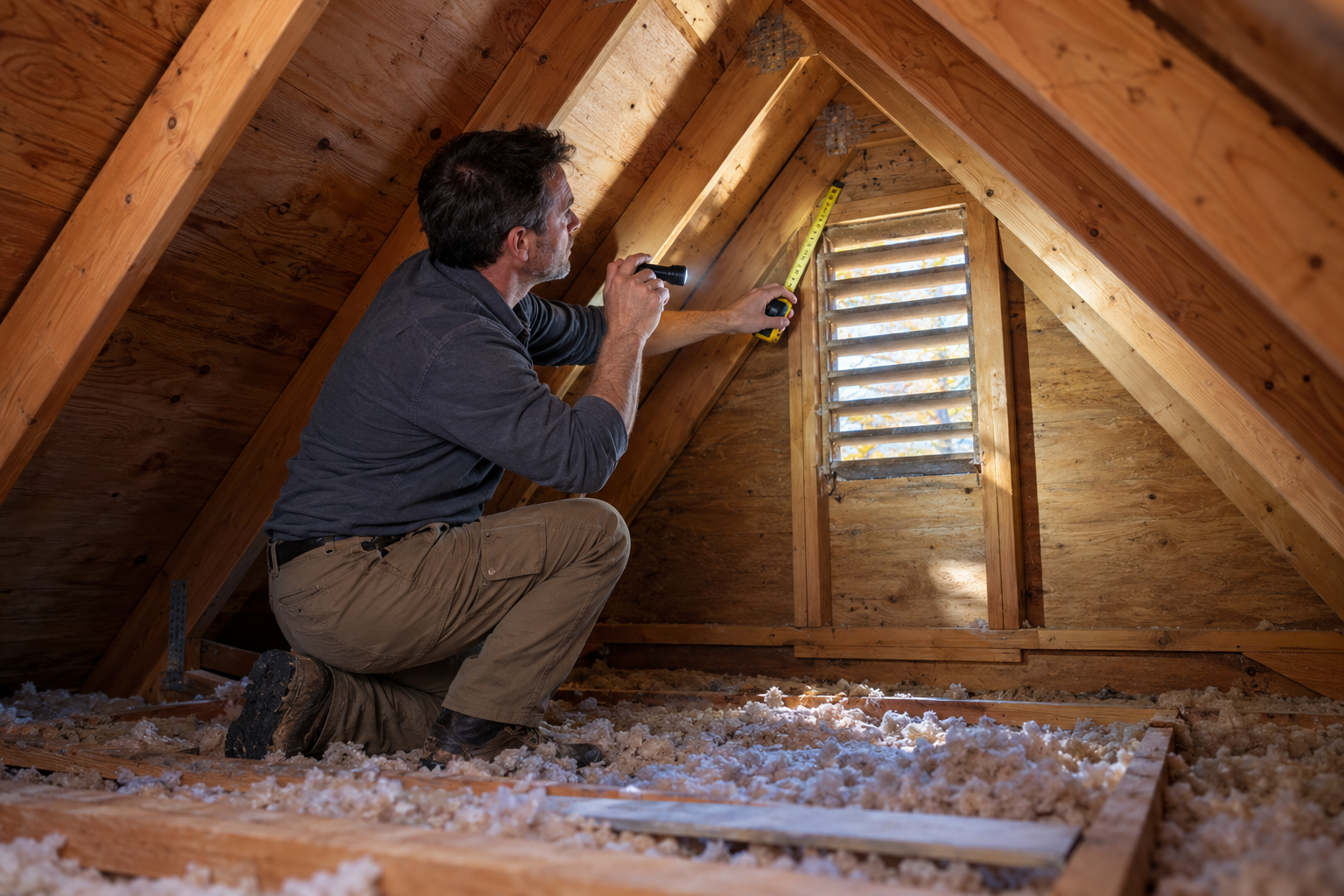
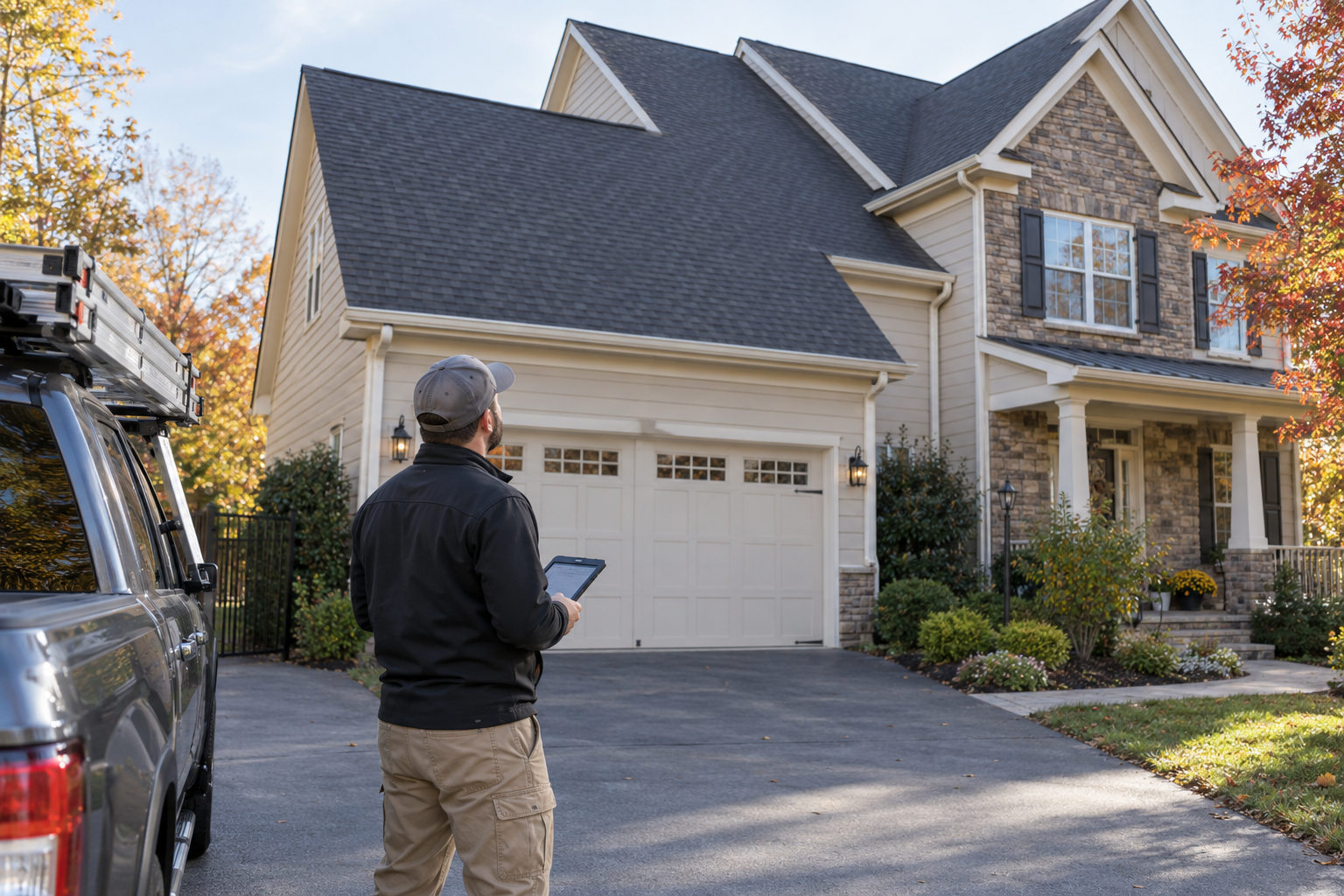
One professional may not evaluate every category. A roof assessor can examine shingles, flashing, and visible exterior conditions. A building-performance, insulation, HVAC, or energy professional may be needed for attic comfort and efficiency concerns.
Signs That the Attic Deserves Further Evaluation
Consider requesting a qualified attic or building-performance evaluation when you notice:
- Upstairs rooms that remain uncomfortable despite normal HVAC operation
- Large temperature differences between floors
- An air conditioner that runs unusually long
- High cooling bills without an obvious explanation
- Condensation, staining, or musty odors
- Uneven or disturbed insulation
- Blocked soffit areas
- Ducts that appear disconnected or damaged
- Bath fans exhausting into the attic
- Moisture around roof penetrations
These signs do not automatically identify the cause. They indicate that a closer assessment may be worthwhile.
Questions to Ask Before Authorizing Work
Before purchasing a roof treatment, ventilation change, insulation upgrade, or attic fan, ask:
- Which part of the roof or attic system is the proposed work addressing?
- What evidence shows that this part needs improvement?
- Is the attic designed to be vented or unvented?
- Has air leakage been considered before adding insulation?
- Are ducts or mechanical systems located in the attic?
- Are current roof leaks or moisture problems present?
- Are the shingles serviceable and suitable for Roof Max?
- What outcome is supported—and what should not be promised?
Clear answers help homeowners avoid paying for unrelated work or expecting one improvement to perform several different functions.
A Coordinated Roof and Attic Assessment in Central Virginia
Roof Max can be part of a roof-maintenance plan for qualifying asphalt shingles exposed to years of sunlight and temperature cycling. Its role is to restore shingle flexibility—not to cool the attic.
If the main concern is upstairs comfort, attic temperature, moisture, or energy use, ventilation, air sealing, insulation, ductwork, and HVAC performance may need separate evaluation.
Roof Max of Midlothian can assess asphalt-shingle condition for homeowners in Midlothian, Richmond, Chesterfield, Henrico, and surrounding Central Virginia communities and explain whether treatment may be appropriate.
To request a roof assessment, visit richmondroofrejuvenation.com.