
Roof Restoration Blog | Richmond VA & Central Virginia
Rusted Roof Flashing: What Homeowners Should Check
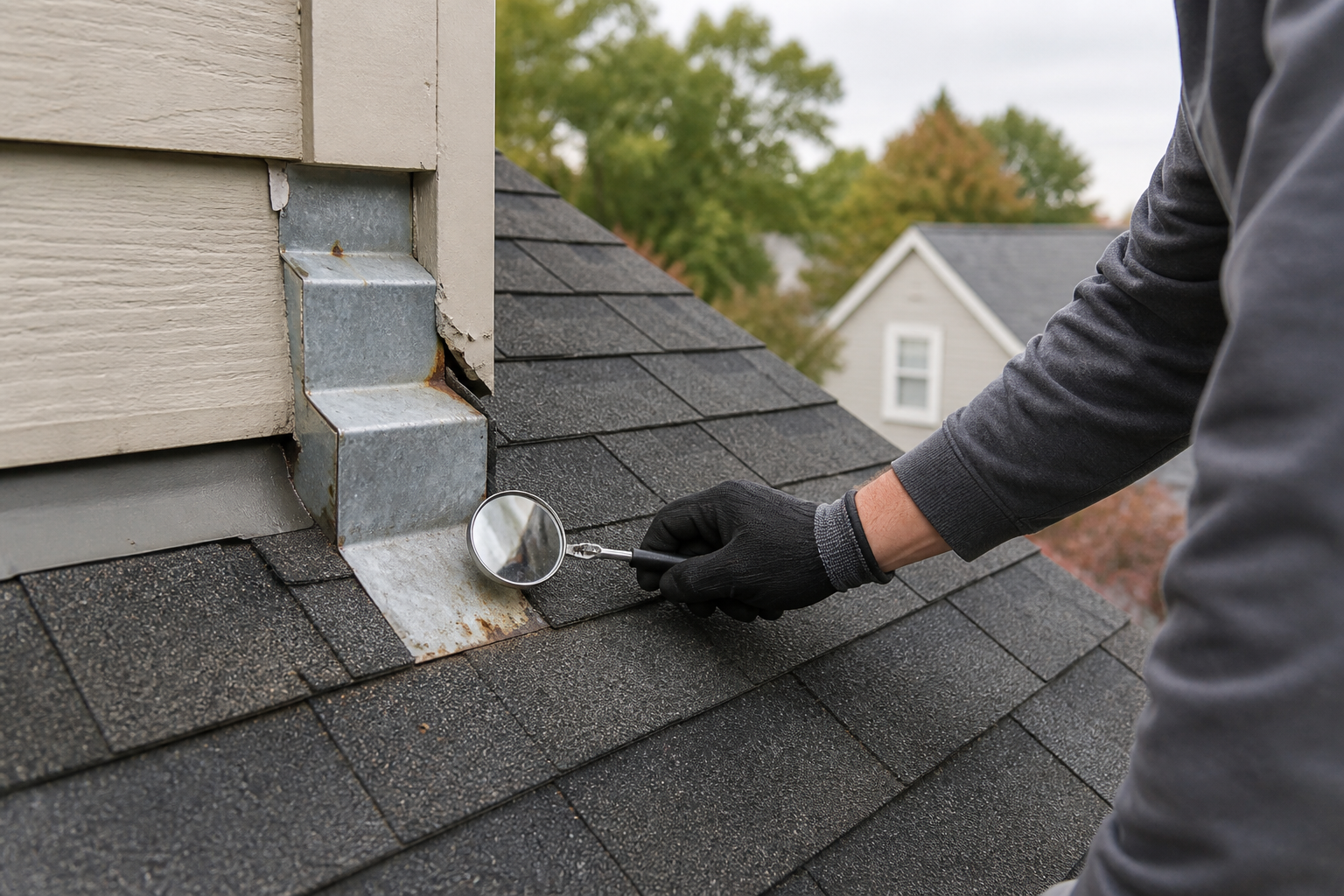
Roof flashing is easy to overlook because it occupies only a small part of the roof. Yet it performs an important job wherever shingles meet a wall, chimney, vent, skylight, or another roof surface.
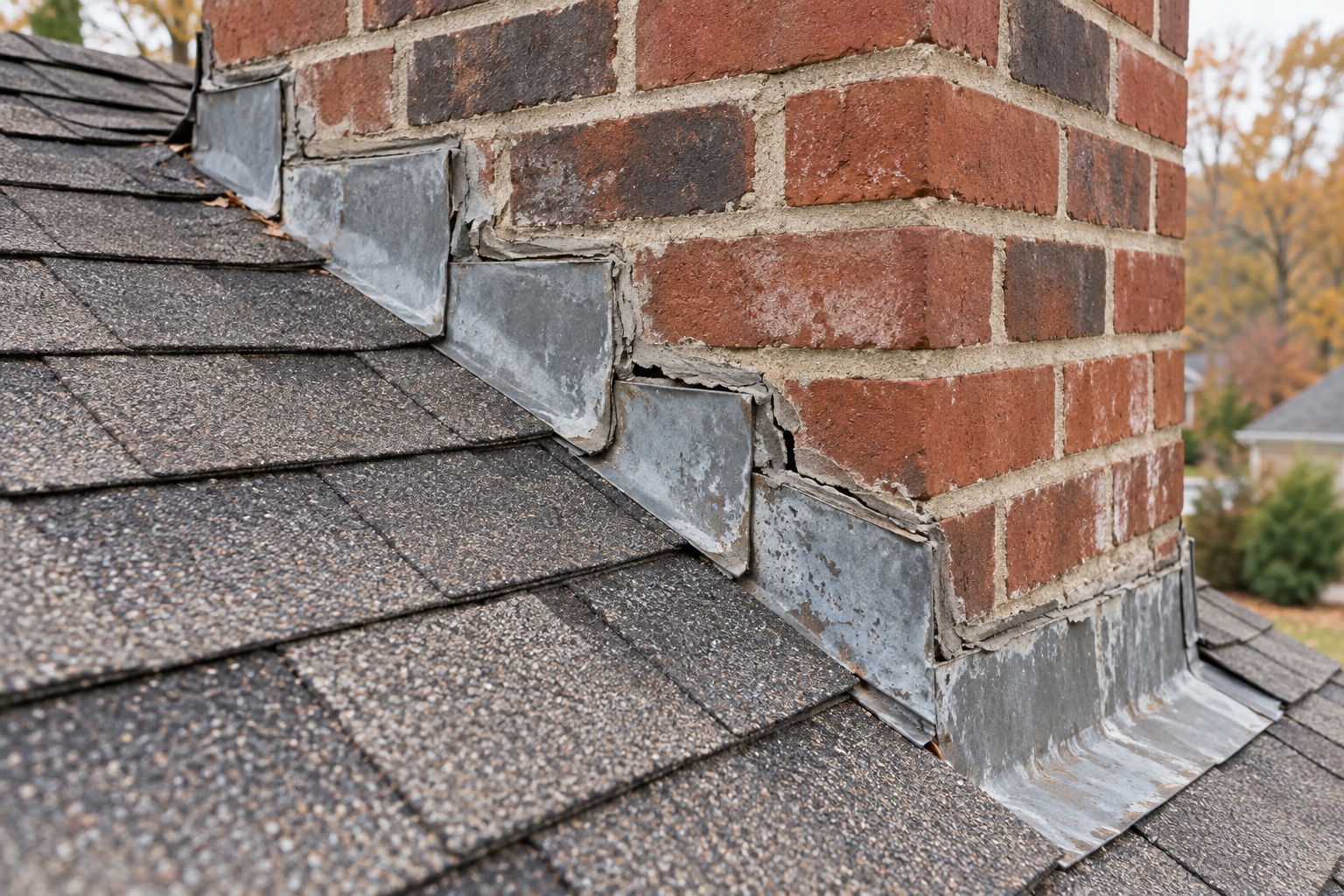
When visible flashing begins to rust, lift, warp, or separate, the condition deserves attention. The rust may be limited to the surface, or it may be one sign of more significant metal deterioration. Either way, a close professional inspection can determine whether the flashing still directs water correctly or needs repair or replacement.
For homeowners in Midlothian, Richmond, and surrounding Central Virginia communities, routine checks are especially useful after periods of heavy rain, strong wind, or repeated summer heat.
What Roof Flashing Does
Flashing is usually made from thin, corrosion-resistant metal. It is shaped and installed to direct water away from joints, edges, and penetrations where the roof covering alone cannot provide a continuous water-shedding surface.
Common flashing locations include:
- Around chimneys
- Where a sloped roof meets a vertical wall
- Along dormer sidewalls
- Around plumbing vents and other roof penetrations
- At skylights
- In some roof valleys
- Along certain roof edges
The exact flashing material and installation method depend on the roof design. Step flashing, counterflashing, valley metal, apron flashing, and vent flashing each address a different type of junction.
Why Flashing Can Rust
Galvanized steel and other common flashing metals are selected for weather resistance, but no exposed component is completely immune to aging or damage.
Corrosion can develop when a protective coating wears away or when moisture repeatedly remains on the metal. Scratches, incompatible materials, trapped debris, poorly draining details, failed sealant, and long-term exposure may also contribute.
Rust does not automatically mean water is entering the home. It does mean the metal should be examined closely enough to answer several questions:
- Is the corrosion only on the surface?
- Has the metal become thin, pitted, cracked, or perforated?
- Is the flashing still secured in the correct position?
- Are joints and overlaps still directing water downslope?
- Has sealant separated or deteriorated?
- Are nearby shingles, siding, mortar, or roof decking affected?
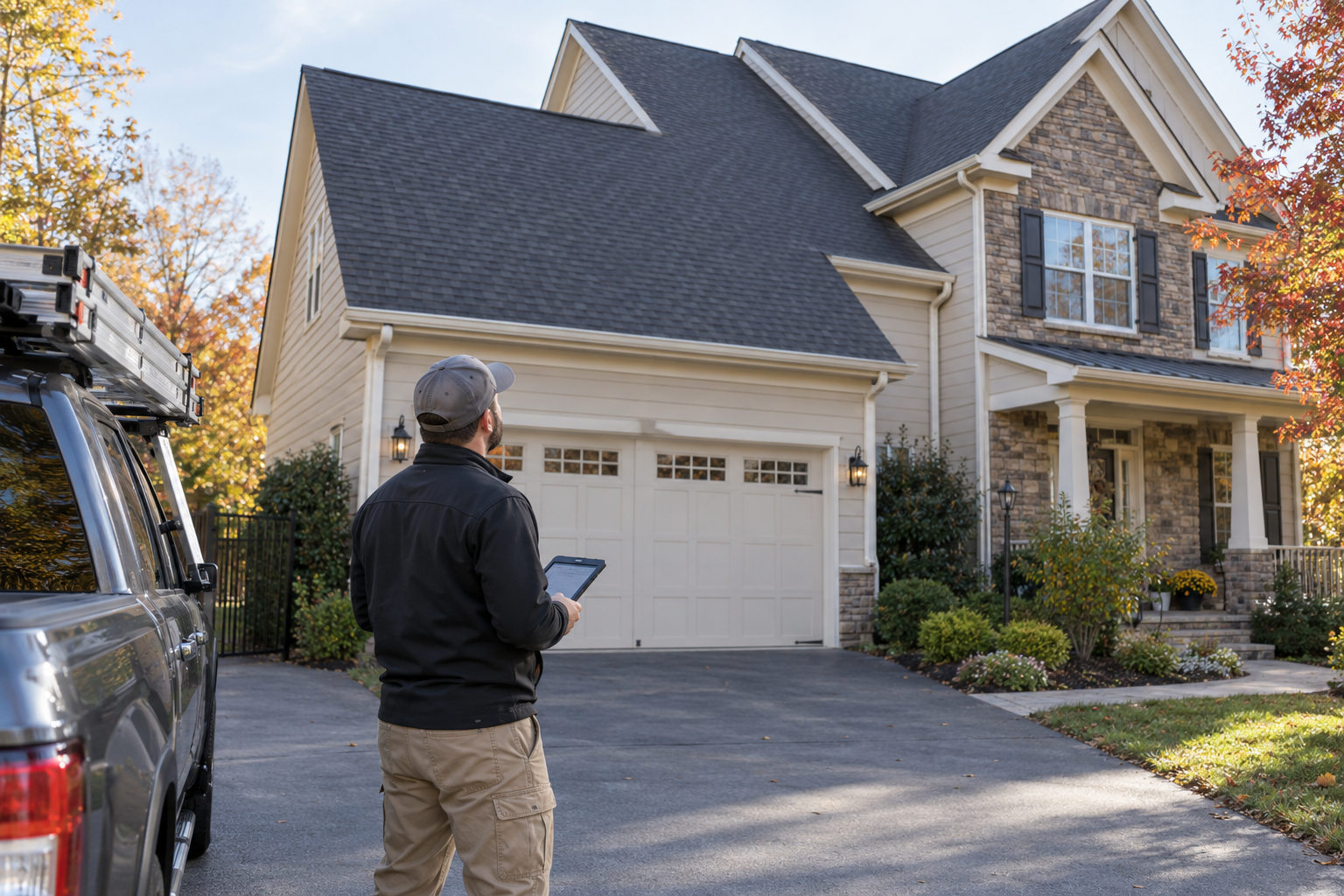
A photo taken from the ground cannot answer every question. A roofing professional may need to inspect the flashing from the roof and check the surrounding assembly.
Warning Signs Homeowners Can Watch For
You do not need to climb onto the roof to notice that an area may need attention. From the ground, a window, or another safe vantage point, look for:
- Orange-brown staining or visible corrosion
- Flashing that appears lifted, bent, warped, or displaced
- Gaps where metal should meet a wall, chimney, vent, or shingle course
- Loose or missing fasteners
- Cracked, separated, or deteriorated sealant
- Dark streaks beneath a flashing joint
- Water stains on ceilings or walls near a roof penetration
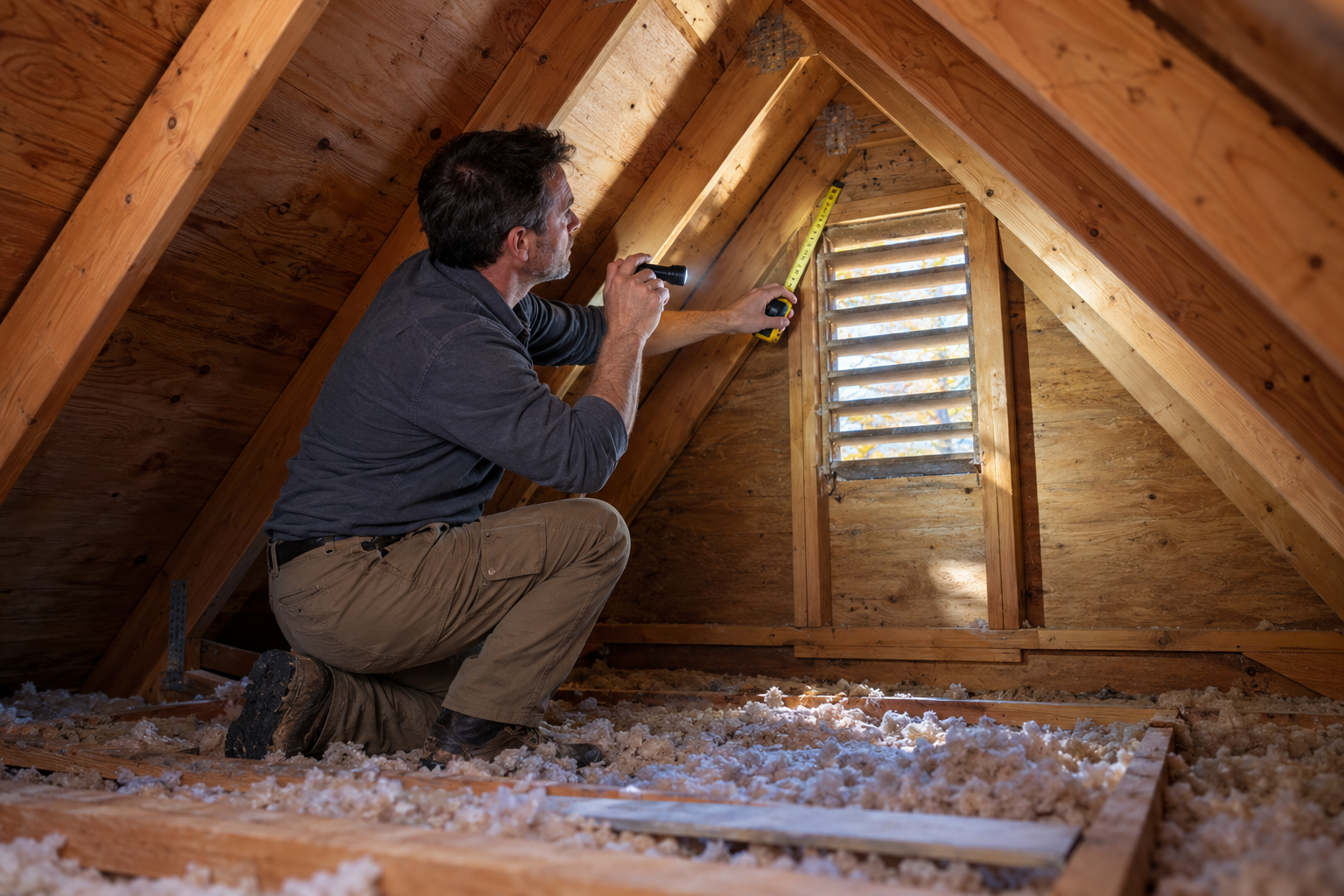
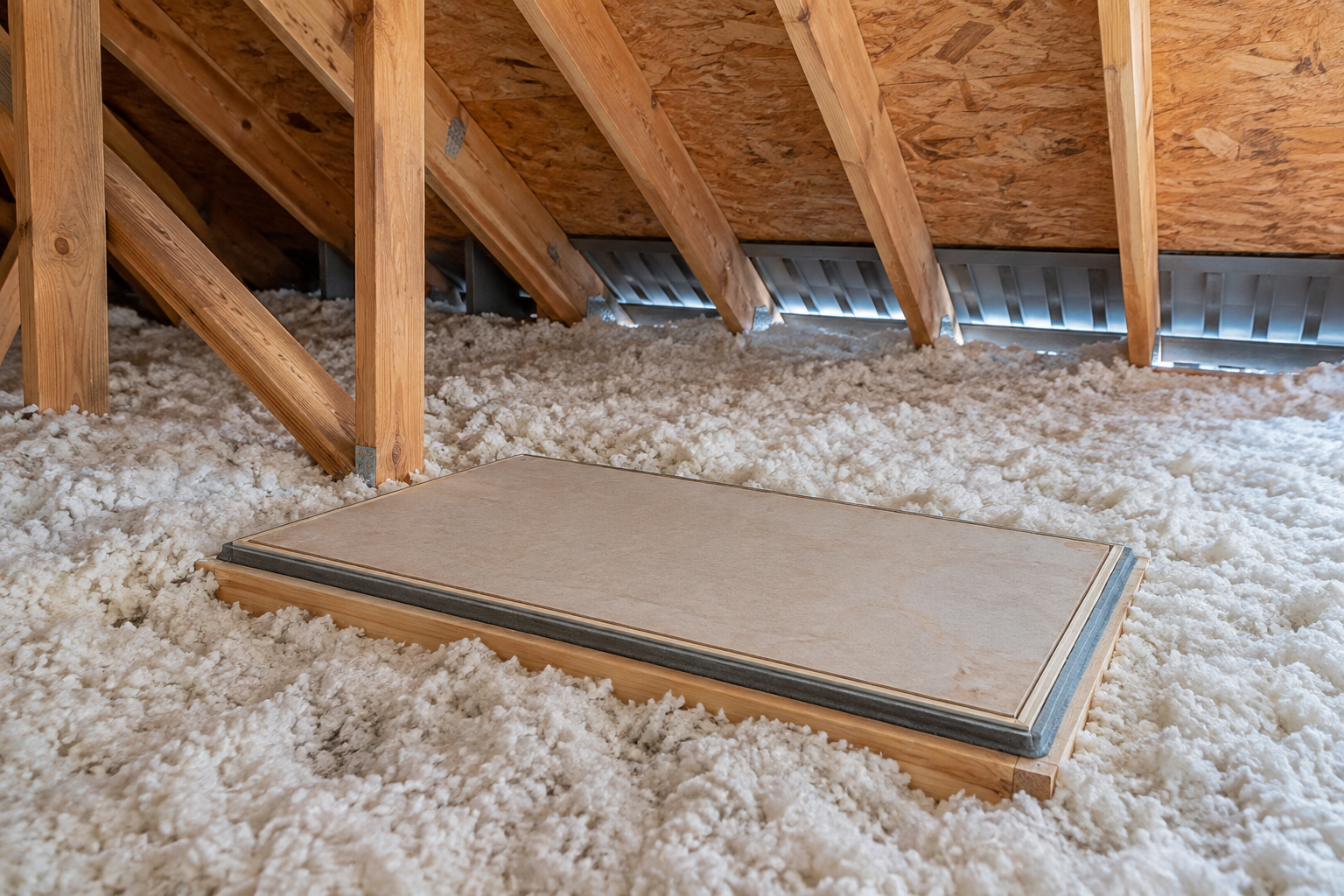
- Damp insulation, musty odors, or staining in the attic
These observations identify a reason for inspection, not a diagnosis. Water can travel along decking, framing, or other materials before it becomes visible indoors, so the first stain you notice may not be directly below the entry point.
Where Rusted Flashing Commonly Appears
Chimneys
Chimney flashing usually combines metal integrated with the shingles and counterflashing that covers the upper edges. Rust, open joints, failed sealant, or movement where masonry meets the roof can compromise the detail.
Dormers and Roof-to-Wall Intersections
Step flashing is typically woven with shingle courses along a sidewall. Only part of each piece may be visible. Rust streaks, lifting siding, or gaps at the lower edge can justify a closer look.
Plumbing Vents and Other Penetrations
Vent flashing may combine metal with a rubber or flexible boot. The metal can corrode while the boot dries, cracks, or separates. Both parts should be evaluated.
Valleys
Roof valleys carry concentrated water flow. When metal valley flashing is exposed, corrosion, displaced debris, dents, or open seams deserve attention. Walking in a valley can damage shingles or metal, so inspection is best left to a professional.
Surface Rust Versus Advanced Deterioration
Light surface oxidation and severe corrosion are not the same condition. A professional will consider the depth and spread of the rust, the remaining metal thickness, the flashing configuration, the surrounding materials, and evidence of water entry.
Repair may be possible when the metal is still sound and the issue is limited. Replacement may be more appropriate when flashing is perforated, badly warped, incorrectly installed, incompatible with adjacent materials, or difficult to repair without disturbing shingles or siding.
Applying paint or sealant over a visible spot is not a reliable diagnosis. A coating can conceal the surface without correcting a loose overlap, failed detail, or hidden deterioration. The repair method should match the flashing material and roof assembly.
Why Professional Inspection Matters
Roof access creates fall risks, and walking on an aging roof can damage shingles. The National Roofing Contractors Association advises homeowners to keep roof maintenance limited and leave most repair work to trained roofing professionals.
A professional inspection can evaluate:
- The flashing material and remaining condition
- Proper overlaps and water-shedding direction
- Fastener placement and security
- Sealant condition
- Nearby shingle damage
- Chimney mortar, siding, or trim conditions
- Roof deck or attic evidence of moisture
- Whether repair or full replacement is the better option
If active leaking is present, move belongings away from the affected interior area and arrange an inspection promptly. Avoid climbing onto a wet or storm-damaged roof.
How Roof Max Fits Into the Assessment
Roof Max is designed to restore flexibility in qualifying, serviceable asphalt shingles. It does not repair corroded metal, replace flashing, rebuild chimney joints, restore failed sealant, or stop an active leak.
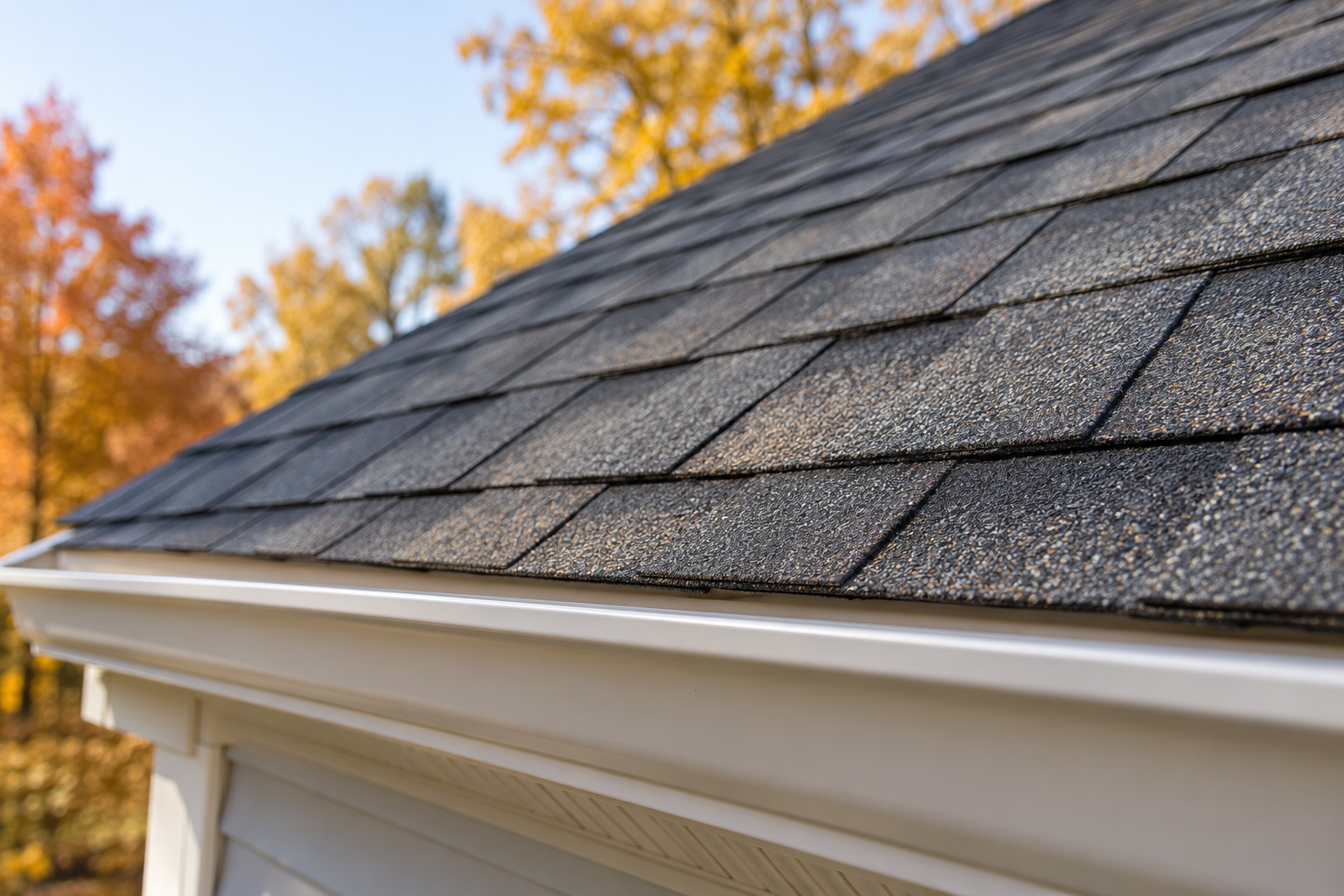
That distinction matters. Before an asphalt-shingle roof receives treatment, existing repair needs should be identified and addressed. A roof assessment can separate shingle condition from flashing, ventilation, decking, and other components that may require different work.
Homeowners should expect a clear explanation of what Roof Max can address and what must be repaired by another method.
A Practical Flashing Check for Central Virginia Homes
Central Virginia roofs experience summer heat, humidity, thunderstorms, wind, falling debris, and seasonal temperature changes. Those conditions make periodic visual checks worthwhile.
A simple routine is to look at visible roof junctions from a safe location:
- After a major storm, check for displaced metal or debris.
- During a seasonal exterior walkaround, look for rust streaks, lifting edges, and deteriorated sealant.
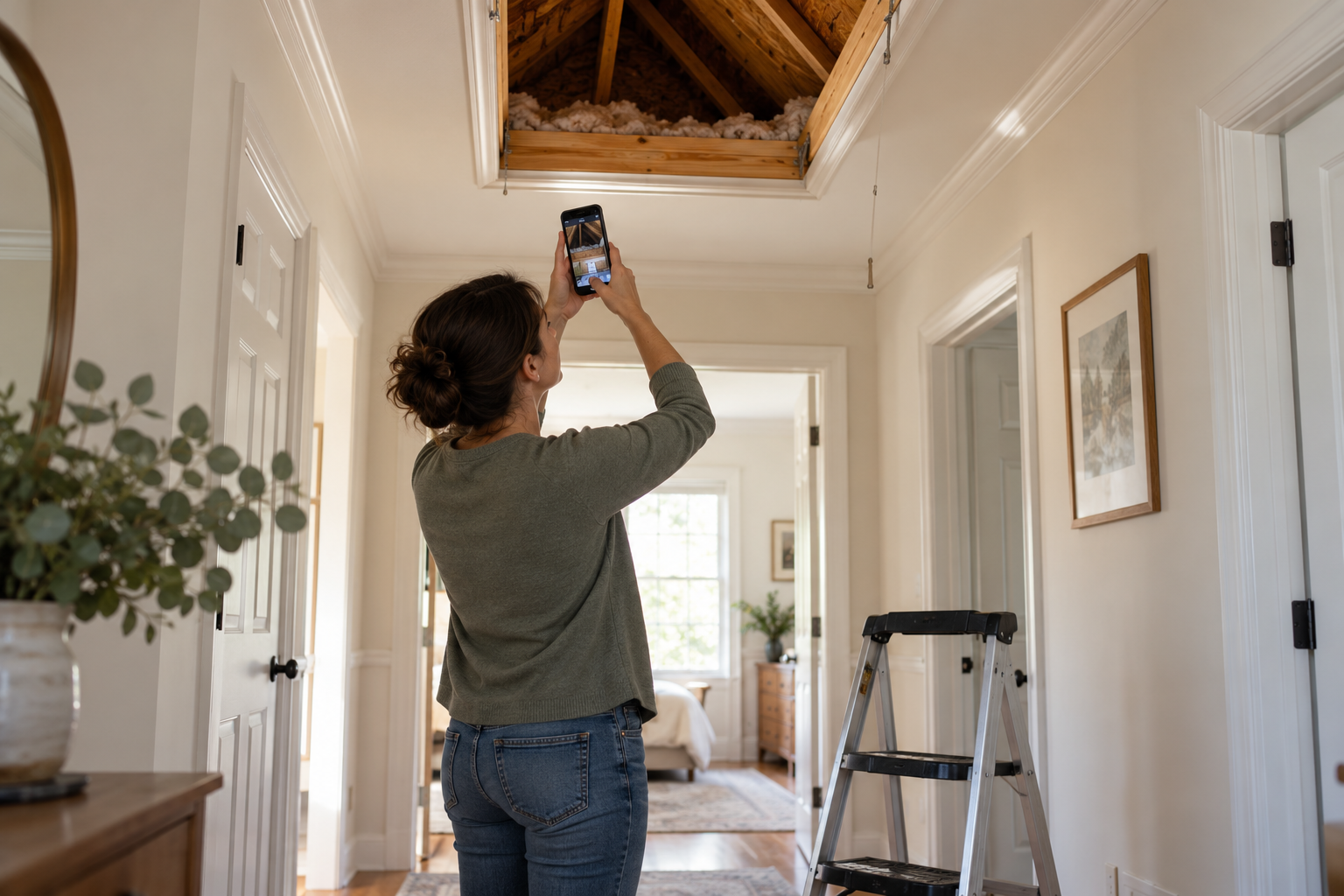
- Check the attic or upper ceilings for staining after heavy rain.
- Photograph any visible change so you can compare it over time.
- Contact a roofing professional when corrosion, movement, gaps, or indoor moisture appear.
Early evaluation does not guarantee that a repair will be minor, but it gives you better information before deterioration becomes harder to address.
Schedule a Roof Assessment in the Richmond Area
Rusted flashing should not be ignored, but it also should not be diagnosed from color alone. The important question is whether the metal and surrounding roof details still direct water safely away from vulnerable joints.
Roof Max of Midlothian can evaluate asphalt-shingle condition and identify visible repair concerns for homeowners in Midlothian, Richmond, Chesterfield, Henrico, and nearby Central Virginia communities.
To request a roof assessment, visit richmondroofrejuvenation.com.