
Roof Restoration Blog | Richmond VA & Central Virginia
How Roof Maxx Can Clarify Roof Questions During a Home Inspection
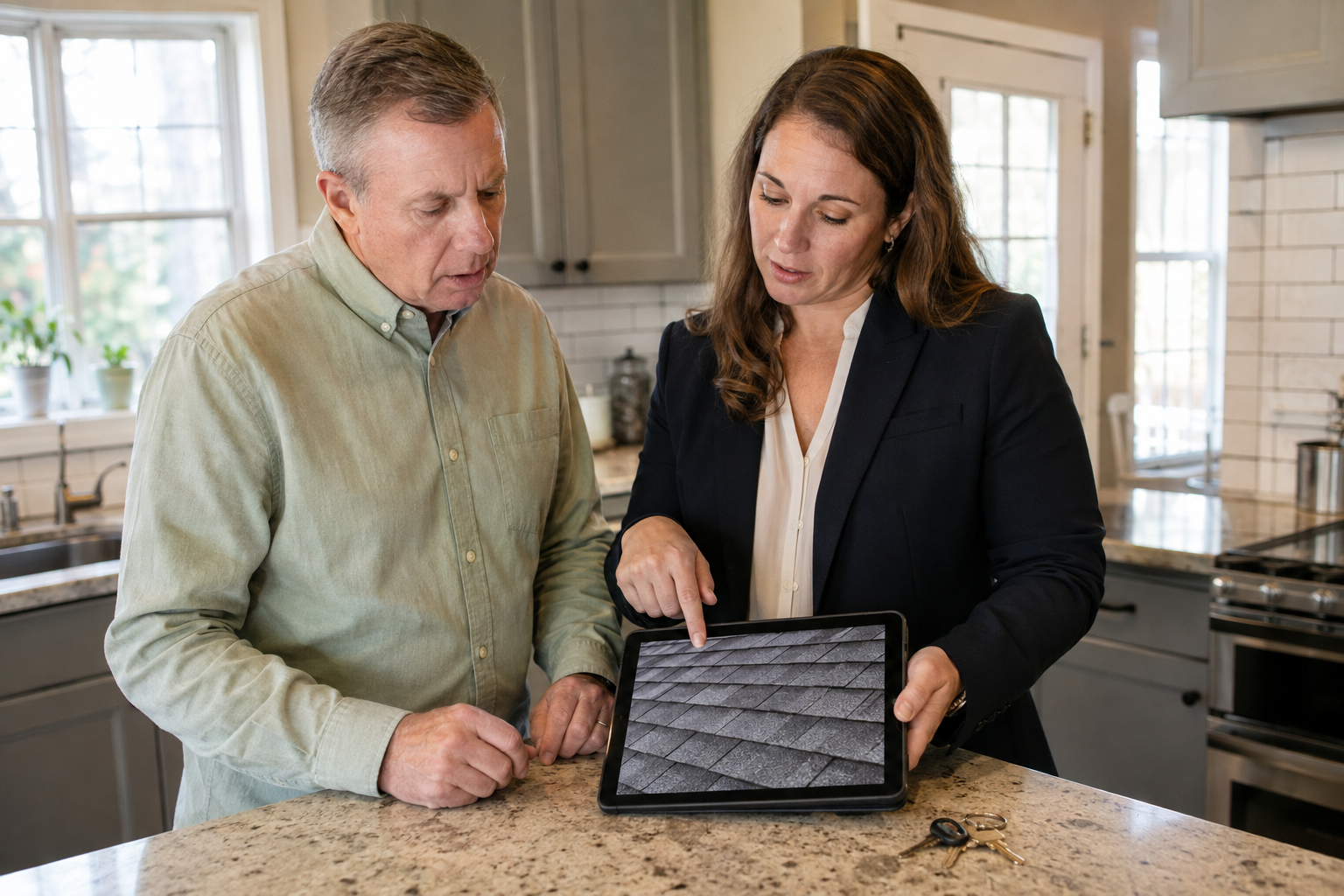
A home inspection can turn the roof into one of the biggest questions in a real estate transaction. A report may mention aging shingles, granule loss, lifted tabs, prior repairs, staining, or a concern that deserves a closer look. Buyers may worry about taking on a major expense. Sellers may feel pressure to agree to a full replacement before anyone has established what the roof actually needs.
That is where a roof-specific assessment can help. Roof Maxx does not replace the home inspector, decide contract terms, or guarantee that a buyer and seller will reach an agreement. It can provide focused information about the asphalt-shingle roof and help identify whether repair, treatment, or replacement is the appropriate next conversation.
For buyers, sellers, and real estate professionals in Midlothian, Richmond, and surrounding Central Virginia communities, clearer roof information can make inspection discussions more practical and less dependent on assumptions.
An Inspection Concern Is a Starting Point
A general home inspection covers many systems. The inspector may identify a visible roof concern and recommend additional evaluation, but that brief note may not answer every roof-specific question.
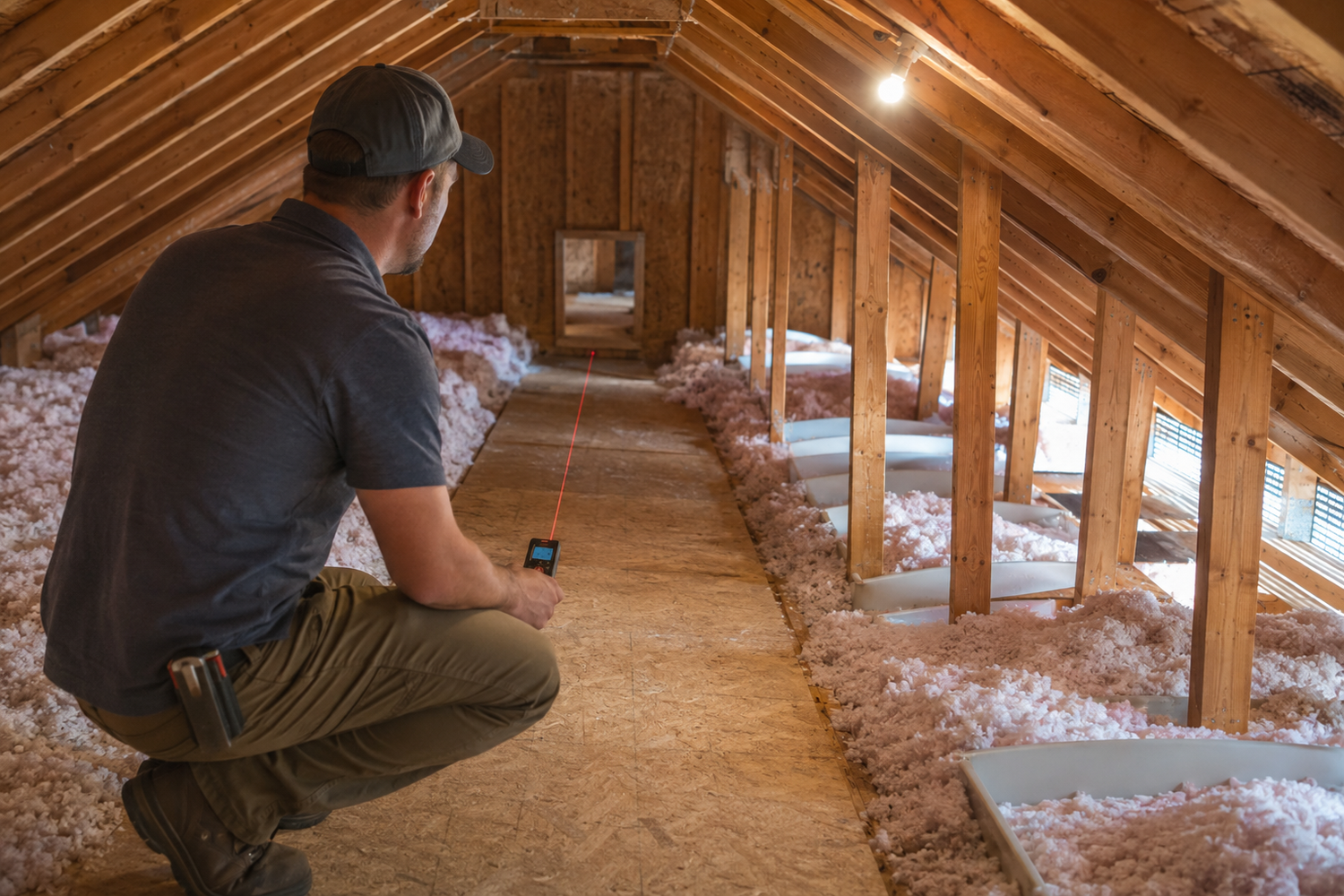
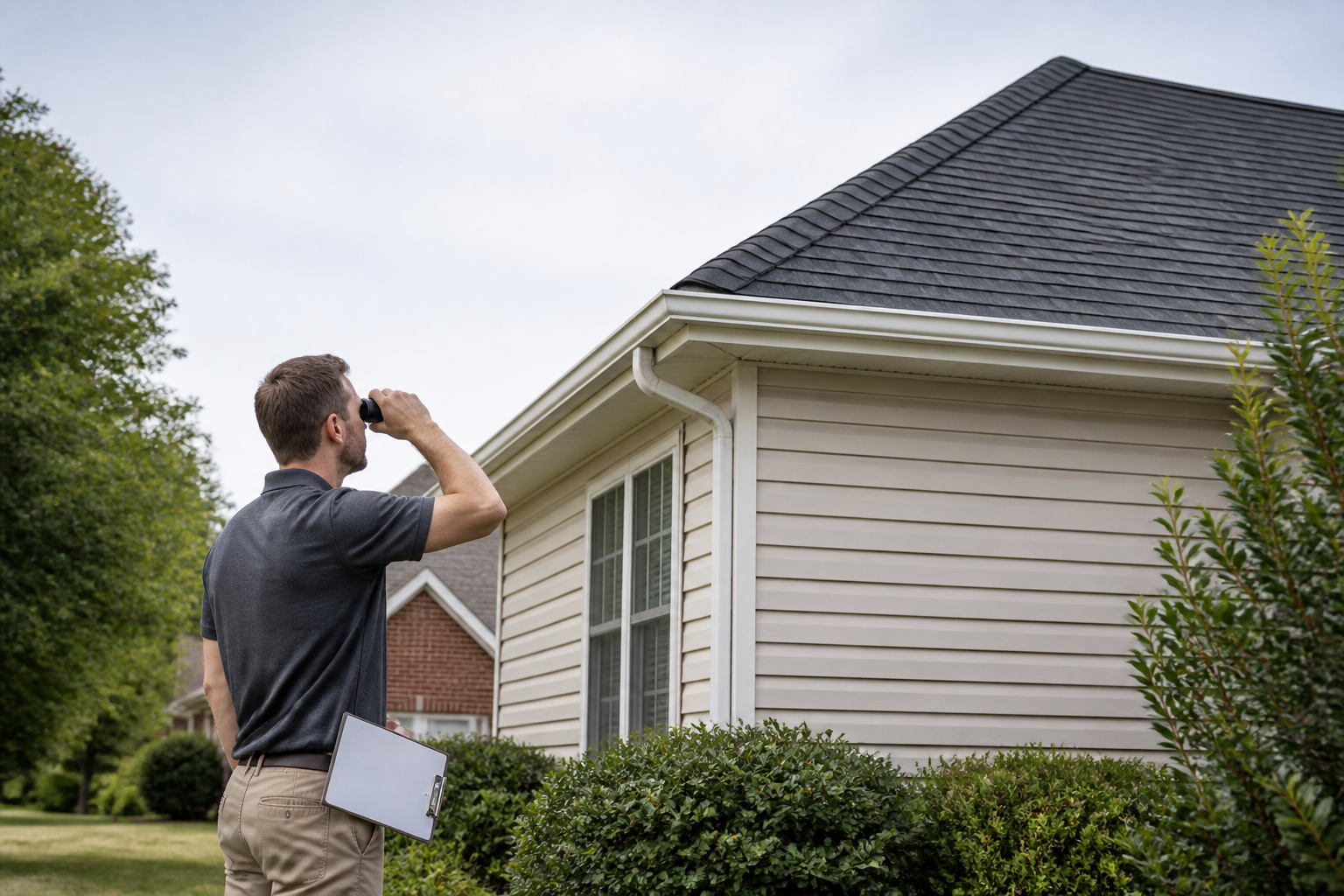
Roof Maxx describes its assessment as a review of the roofing system for visible and less-obvious signs of damage, leaks, age-related wear, and other vulnerabilities. The technician considers roof history and examines components such as shingles, flashing, ventilation, and accessible supporting areas. Hands-on checks can help evaluate shingle flexibility, durability, and granule condition.
The goal is not to argue with the home inspection. The goal is to add more detailed roof information so the parties understand what the inspection concern may require.
Step 1: Assess the Roof’s Actual Condition
Every Roof Maxx treatment begins with a condition assessment. That matters because not every aging roof qualifies for treatment.
An assessment should distinguish normal aging and loss of flexibility from conditions that require repair or replacement. Roof Maxx may not be suitable when a roof has serious problems such as widespread damaged or missing shingles, soft decking, a sagging roofline, openings through the decking, advanced rot, or structural water damage.
If the roof has repairable issues, the assessment can identify work that should happen before any treatment. If the shingles are still serviceable but have become dry and brittle, the roof may be a candidate for Roof Maxx. If the roof has reached the end of its serviceable life, replacement may be the responsible recommendation.
This condition-first approach gives buyers and sellers a more useful question than “How old is the roof?” The better question is: What condition is it in today, and what does that condition require?
Step 2: Document the Findings
Clear documentation helps keep the transaction discussion focused. Depending on the assessment, useful records may include:
- The approximate roof age and known repair history
- Photographs of the roof and any identified concerns
- Notes about damaged, missing, lifted, or brittle shingles
- Findings involving flashing, penetrations, gutters, or visible leak indicators
- Repairs recommended before treatment
- Whether the asphalt shingles appear eligible for Roof Maxx
- The recommended next step and its scope
Buyers can use the information to understand what they may be accepting with the property. Sellers can use it to explain work already completed or support a proposed solution. Real estate professionals can refer to the same written findings instead of relying on different interpretations of a short inspection comment.
A Roof Maxx assessment is still not a structural engineering report, code inspection, or legal opinion. More serious concerns may require a licensed home inspector, roofer, engineer, or other qualified professional.
Step 3: Put the Appropriate Options on the Table
Once the condition is clearer, the parties can discuss the option that fits the roof.
Repair
Some roofs need targeted repairs rather than immediate replacement. Work may include replacing isolated damaged shingles, addressing flashing or penetrations, sealing exposed fasteners, correcting a repair defect, or resolving another specific problem. Repairs should be completed before Roof Maxx treatment when they affect eligibility or performance.
Roof Maxx Treatment
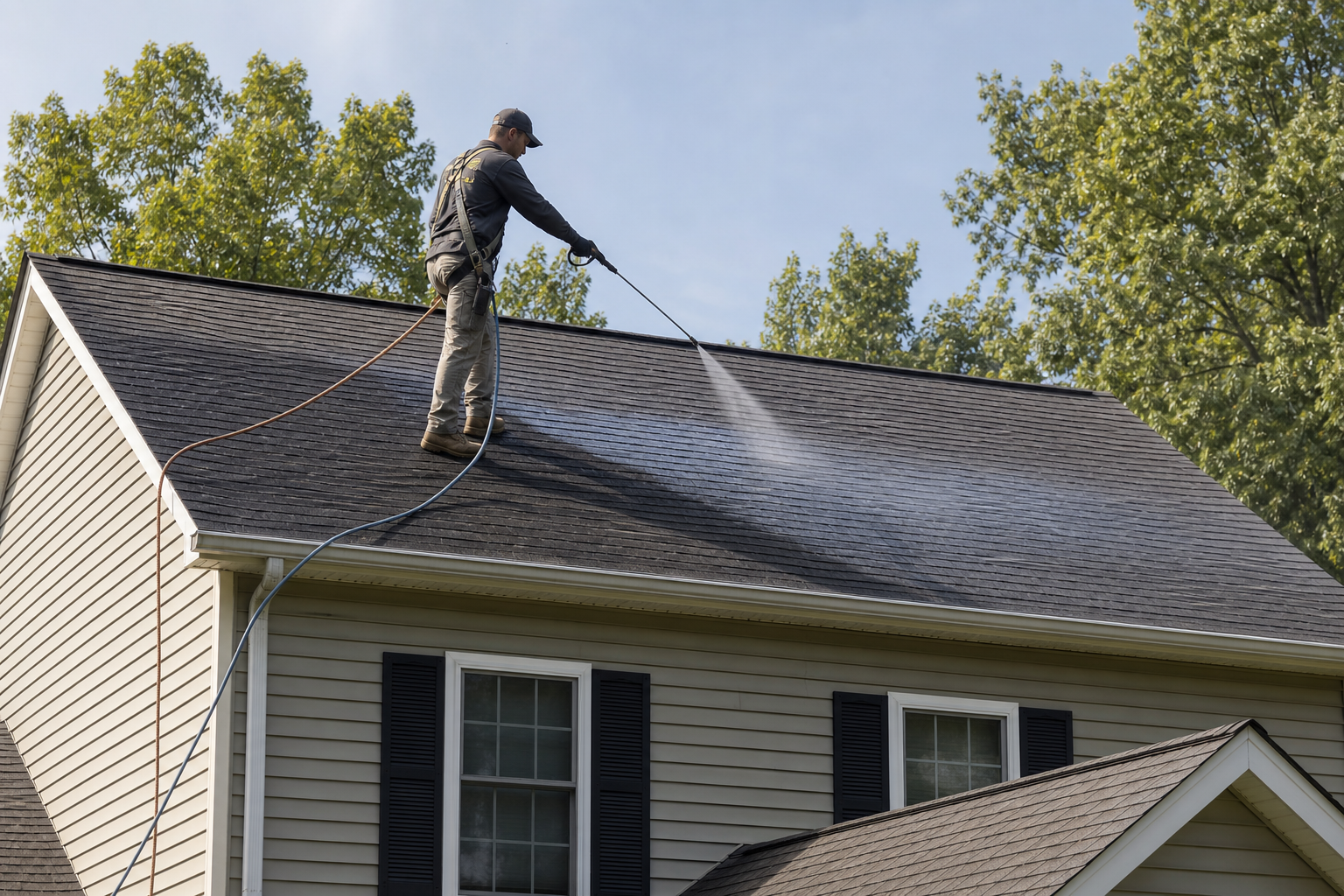
For eligible asphalt shingles that are still in serviceable condition, Roof Maxx may offer a restoration option. The treatment uses a plant-based oil that penetrates the shingle’s asphalt layer and replenishes oils lost through weathering and age. This restores flexibility rather than covering the roof with a surface coating.
Official Roof Maxx materials state that treatment can cost up to 80% less than full roof replacement. That is a comparison claim, not a guaranteed local savings amount. The actual price and difference depend on roof size, condition, repair needs, access, and the replacement proposal being compared.
Replacement
Roof Maxx is not the right answer for every property. A roof with severe or widespread damage, failing decking, structural concerns, or shingles that are no longer serviceable may need replacement. A credible assessment should say so when replacement is the appropriate path.
Presenting all three options keeps the conversation centered on the roof’s condition instead of forcing every inspection concern into a replacement-only decision.
How the Transferable Warranty Can Help the Conversation
Eligible Roof Maxx treatments include a five-year flexibility warranty. The current warranty states that treated asphalt shingles will remain flexible and in serviceable condition for five years from the treatment date. If the shingles lose the required flexibility under the standardized test, the affected area may be retreated on a prorated basis during the 60-month warranty period.
Roof Maxx also describes the warranty as transferable. In a home sale, that can give the buyer written information about the treatment and remaining coverage rather than only a verbal promise from the seller.
The warranty has limits that should be explained clearly. It is a flexibility warranty—not a guarantee against leaks, loss of granules, faulty installation, hail, wind, ice, snow, or every form of roof damage. Buyers and sellers should review the current warranty terms and transfer requirements as part of the documentation.
What Roof Maxx Does Not Promise
Responsible inspection discussions need clear boundaries. Roof Maxx does not:
- Make a damaged or structurally unsound roof eligible for treatment
- Repair rotten decking or structural damage
- Seal existing roof leaks
- Replace a licensed home inspection
- Establish the market value of the property
- Decide whether a buyer should proceed with the purchase
- Guarantee a seller credit, price adjustment, closing, or other negotiation result
What it can do is provide an assessment of the asphalt-shingle roof, identify whether treatment appears appropriate, and document a practical recommendation.
A Practical Checklist for Buyers and Sellers
When the roof comes up during the inspection period, ask for specific answers:
- What exact condition did the inspector observe?
- Is a focused roof assessment recommended?
- Are there active leaks or structural concerns?
- Which repairs are needed now?
- Are the asphalt shingles still serviceable?
- Does the roof qualify for Roof Maxx treatment?
- What is included in the treatment or replacement quote?
- What warranty applies, and can it transfer to the buyer?
- Which documents should remain with the property records?
These questions help both sides compare the same facts and understand the scope of each option.
Schedule a Roof Maxx Assessment in Central Virginia
If a home inspection has raised questions about an aging asphalt-shingle roof, Roof Maxx of Midlothian can provide a roof-specific assessment and explain whether repair, treatment, or replacement fits the condition found.
To request an assessment in Midlothian, Richmond, or a surrounding Central Virginia community, visit richmondroofrejuvenation.com.