
Roof Restoration Blog | Richmond VA & Central Virginia
Why Healthy Shingles Handle Storms Better
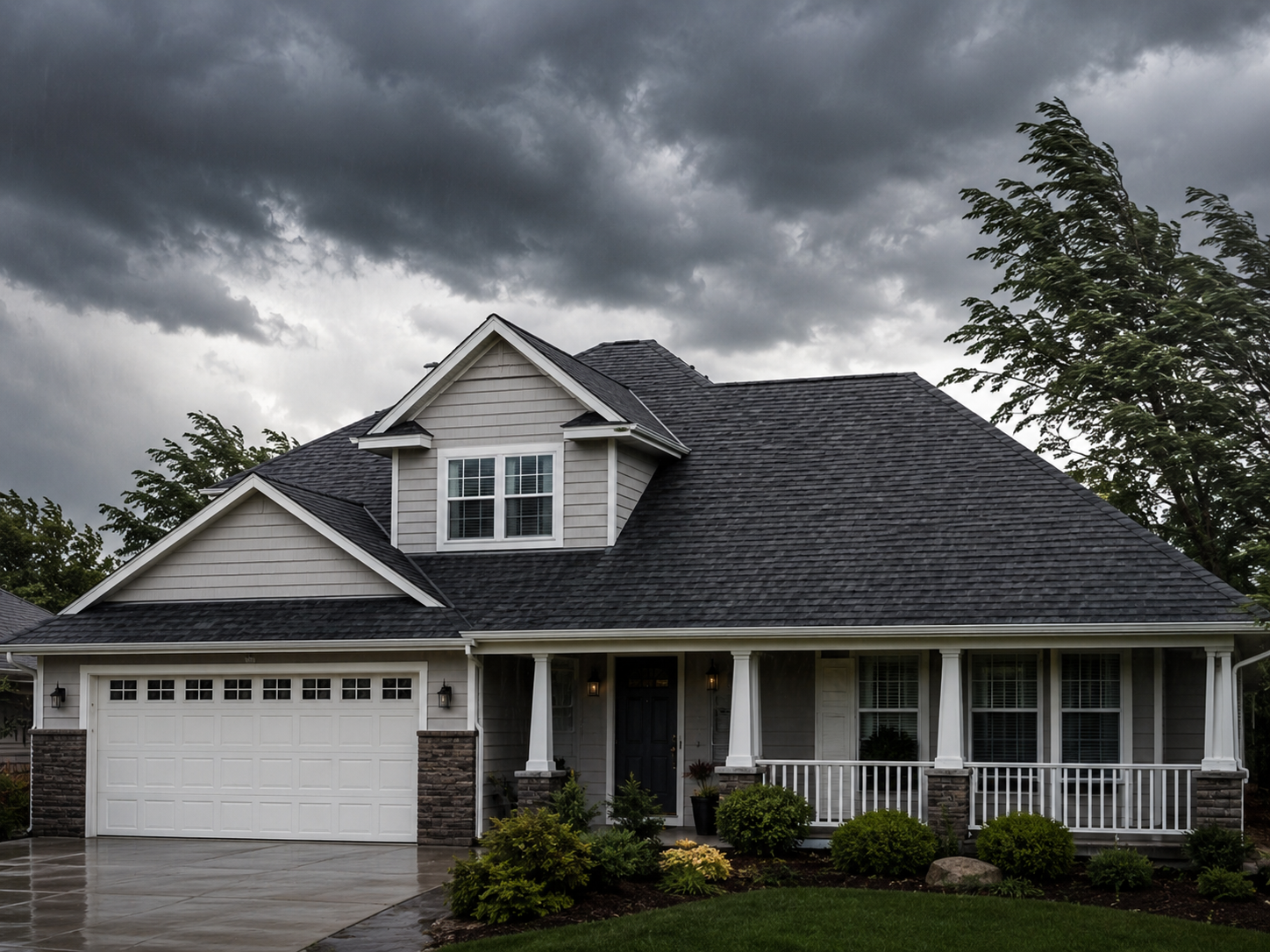
Storms can put a lot of stress on a roof. Strong wind, heavy rain, flying debris, and sudden weather changes can all test the condition of your shingles.
That is why roof health matters before severe weather arrives. A roof that is already dry, brittle, or showing signs of wear may be more vulnerable when storms hit. On the other hand, healthy asphalt shingles are generally better prepared to handle wind, rain, and storm-related stress.
For homeowners in Richmond, Midlothian, and surrounding Central Virginia areas, checking roof condition before storm season can help prevent surprises and support better long-term roof performance.
Why Shingle Health Matters During Storms
Your shingles are the outer protective layer of your roofing system. They help shed water, protect the roof structure, and defend your home against daily weather exposure.
When shingles are in better condition, they are usually more flexible and better able to respond to normal roof movement, temperature changes, and weather stress.
Healthy shingles can help:
- Shed rain more effectively
- Stay better sealed against wind and water
- Reduce the risk of cracking or lifting
- Hold granules better over time
- Support stronger roof performance
- Protect the home during changing weather
This does not mean any roof is storm-proof. Severe weather can damage even a well-maintained roof. But a healthier roof is usually in a better position before the storm arrives.
Aging Shingles Can Become Dry and Brittle
Asphalt shingles naturally age over time. Years of sun exposure, heat, humidity, rain, wind, and temperature changes can cause shingles to lose flexibility.
When shingles become dry and brittle, they may be more likely to crack, curl, lift, or lose granules. These small issues can become more noticeable during severe weather.
Warning signs of aging shingles include:
- Cracked shingles
- Curling or lifted edges
- Heavy granule loss
- Dry or brittle-looking surfaces
- Loose or missing shingles
- Uneven roof appearance
- Shingles that seem worn in sun-exposed areas
If these signs are present before storm season, it may be time to have the roof evaluated.
Why Flexibility Helps Shingles Perform Better
Flexibility is important because your roof is constantly dealing with movement and stress. Shingles expand and contract with temperature changes. They also face wind pressure, rain impact, and long-term sun exposure.
When shingles are flexible, they are better able to handle these normal conditions. When they become brittle, they may be more vulnerable.
Brittle shingles may:
- Crack more easily
- Lift during wind events
- Lose granules faster
- Break under pressure
- Allow weak spots to develop
- Age faster after repeated weather exposure
This is why homeowners should pay attention to shingle condition before severe weather becomes a problem.
Granules Help Protect the Roof
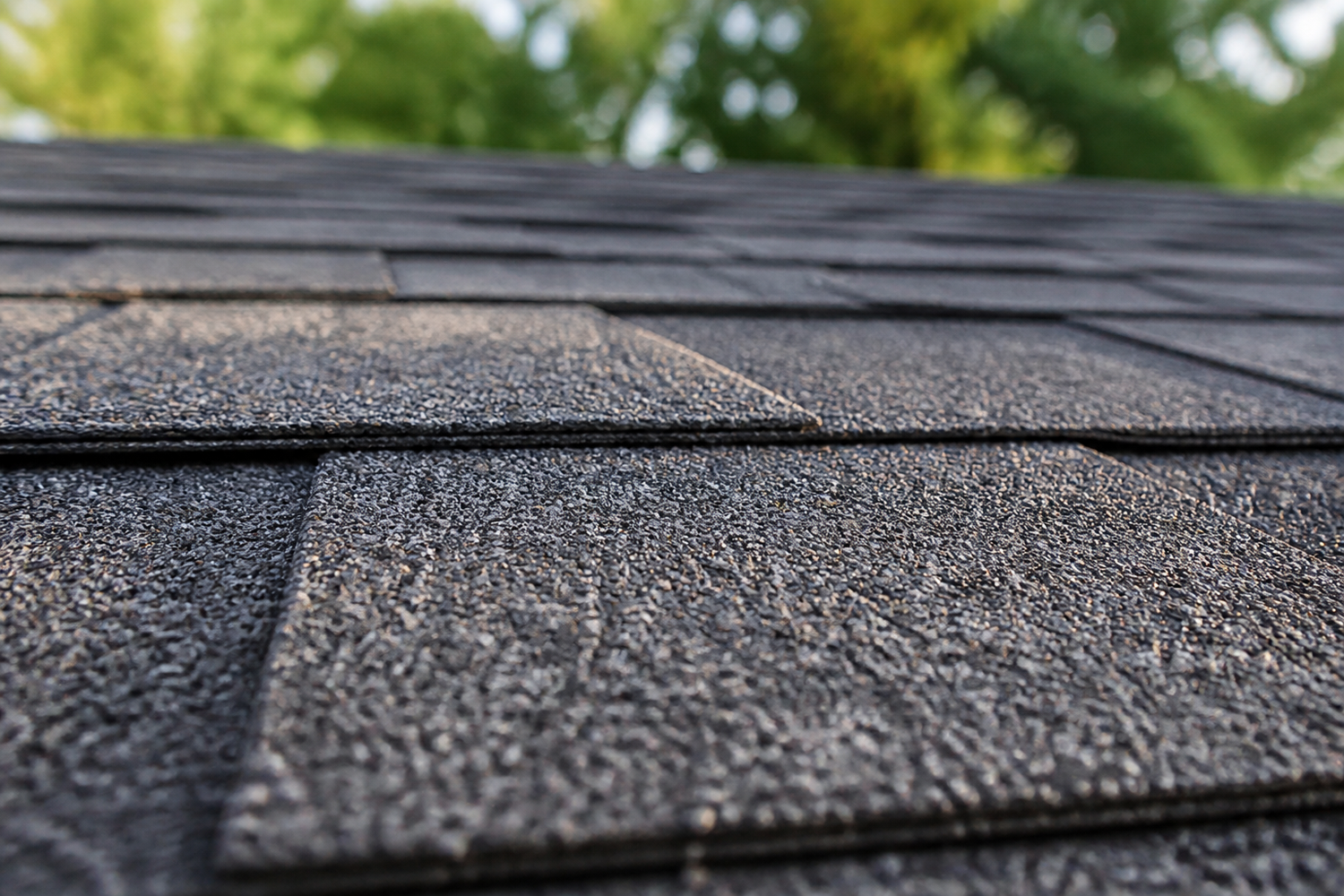
Granules are the small textured particles on the surface of asphalt shingles. They help protect shingles from sun exposure and weather wear.
When shingles are aging or stressed, granules can loosen and wash into gutters or downspouts. Some granule loss is normal over time, but heavy granule buildup can be a warning sign.
Granule loss matters because it can leave shingles more exposed to sunlight, heat, and rain. Once the protective surface starts wearing away, the roof may age faster.
Homeowners should watch for:
- Granules collecting in gutters
- Bare-looking shingle patches
- Uneven roof color
- Shingles that look thin or worn
- Faster wear on high-sun areas of the roof
These signs can help indicate whether the roof is still in good condition or needs attention.
Storm Preparation Starts Before the Forecast
Many homeowners only think about the roof after a storm. But the best time to understand your roof’s condition is before severe weather arrives.
A roof check before storm season can help identify weak spots, damaged shingles, worn flashing, clogged gutters, or other maintenance concerns.
Before storm season, homeowners should consider checking:
- Shingle condition
- Granule loss
- Vent boots and flashing
- Gutters and downspouts
- Roof debris
- Loose or missing shingles
- Attic signs of moisture
- Overall roof age and condition
Catching problems early can give homeowners more options and reduce the chance of being surprised after heavy wind or rain.
How Roof Maxx May Help Qualifying Asphalt Roofs
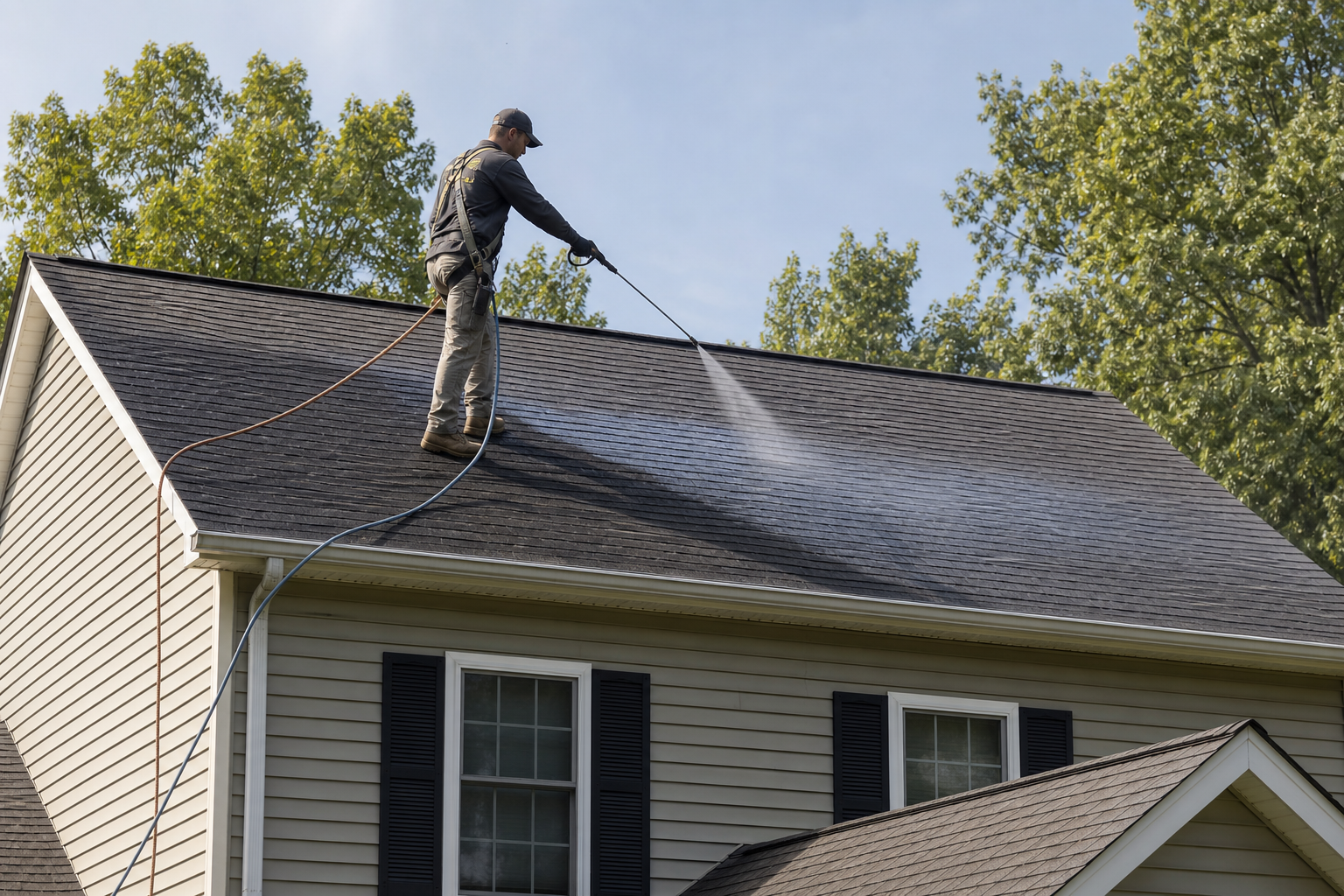
For qualifying asphalt shingle roofs, Roof Maxx is designed to help restore flexibility by replenishing lost oils in aging shingles.
As shingles age, they can dry out and become less flexible. Roof Maxx may help qualifying shingles regain flexibility and extend usable roof life before replacement becomes necessary.
For qualifying roofs, Roof Maxx may help homeowners:
- Restore flexibility to aging shingles
- Support better roof performance
- Extend usable roof life
- Delay full replacement
- Protect their roof investment
- Prepare more proactively before storm season
Roof Maxx is not a storm-proofing product. It does not repair active leaks, rotten decking, structural damage, or roofs that are already too far gone. A professional evaluation is needed to determine whether a roof qualifies.
When Replacement May Still Be Needed
Roof restoration is not the right solution for every roof. Some roofs are too damaged or too deteriorated to qualify.
Full replacement may be necessary if the roof has:
- Active leaks
- Rotten decking
- Structural damage
- Severe storm damage
- Widespread missing shingles
- Major installation problems
- Shingles that are beyond restoration
The goal is to make the right decision based on the roof’s actual condition.
Why Richmond and Midlothian Homeowners Should Be Proactive
Homes in Richmond, Midlothian, and Central Virginia experience storms, humidity, heat, wind, falling leaves, and seasonal weather changes. These conditions can all affect asphalt shingles over time.
Being proactive helps homeowners understand whether their roof is ready for storm season or whether maintenance, restoration, repair, or replacement should be considered.
A healthier roof can provide more confidence when the weather turns.
Final Thoughts
Healthy shingles are better prepared to handle storm stress because they are generally more flexible, better sealed, and less vulnerable to cracking, lifting, and granule loss.
Storms can damage any roof, but an aging roof with brittle shingles may face a greater risk when severe weather arrives. That is why roof condition matters before storm season begins.
If your asphalt shingle roof is aging, Roof Maxx of Midlothian can help evaluate whether it may qualify for restoration and whether Roof Maxx may be a smart option before replacement.