
Roof Restoration Blog | Richmond VA & Central Virginia
America’s Most Common Roof: Why Asphalt Shingles Are Everywhere
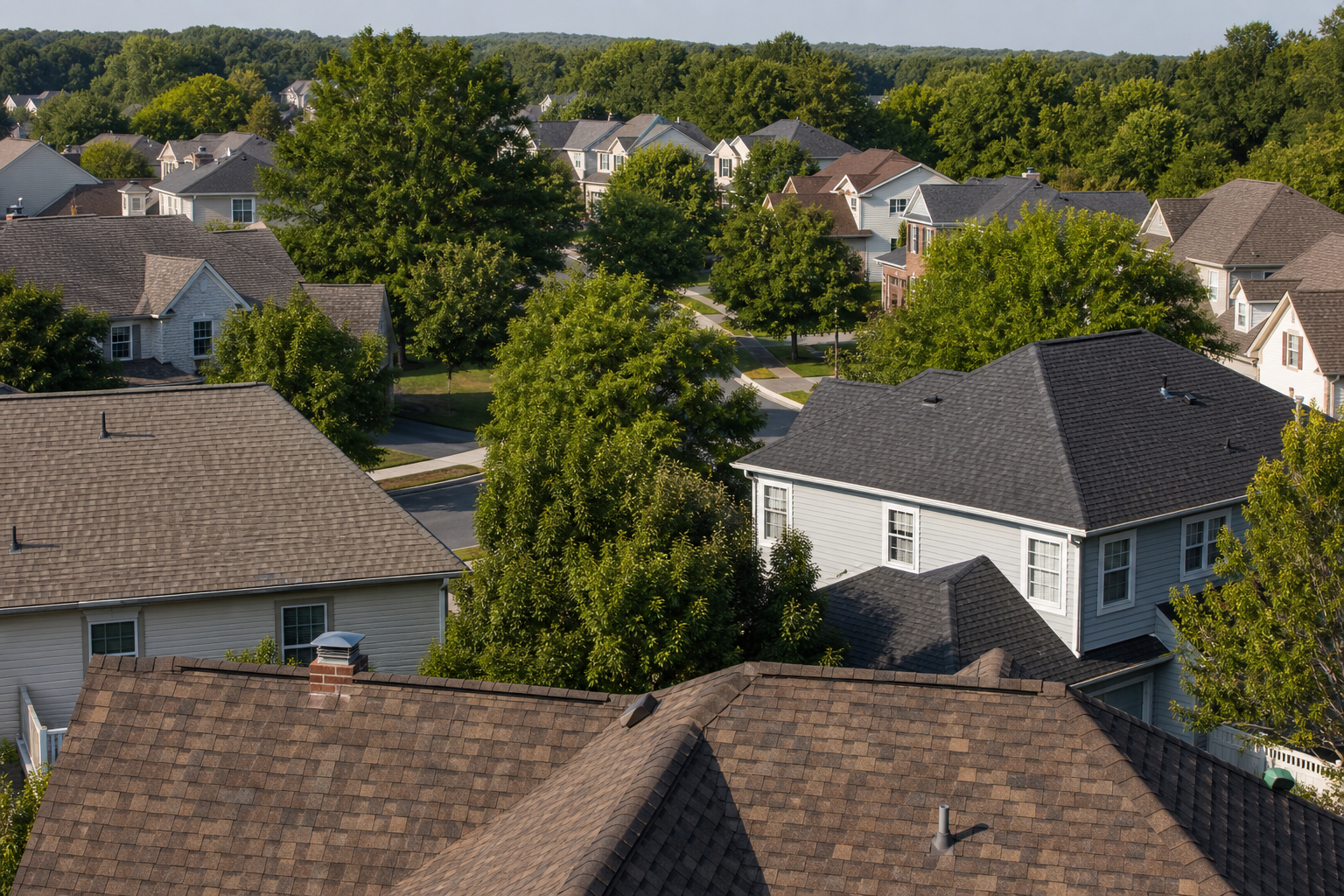
Drive through almost any neighborhood in Midlothian, Richmond, or elsewhere in the United States, and one roofing material appears again and again: asphalt shingles.
Industry estimates often place the number of U.S. asphalt roofs above 75 million. Because the housing supply changes and different estimates count roofs differently, that figure is best understood as a broad industry estimate rather than a live national census. The larger point is well supported. The Asphalt Roofing Manufacturers Association reports that four out of five U.S. homes are covered with asphalt shingles.
That level of adoption did not happen because every asphalt roof is the same. Asphalt shingles became the residential standard by offering a practical combination of protection, design flexibility, availability, and an installation system that is familiar across the roofing industry.
What Is an Asphalt Shingle?
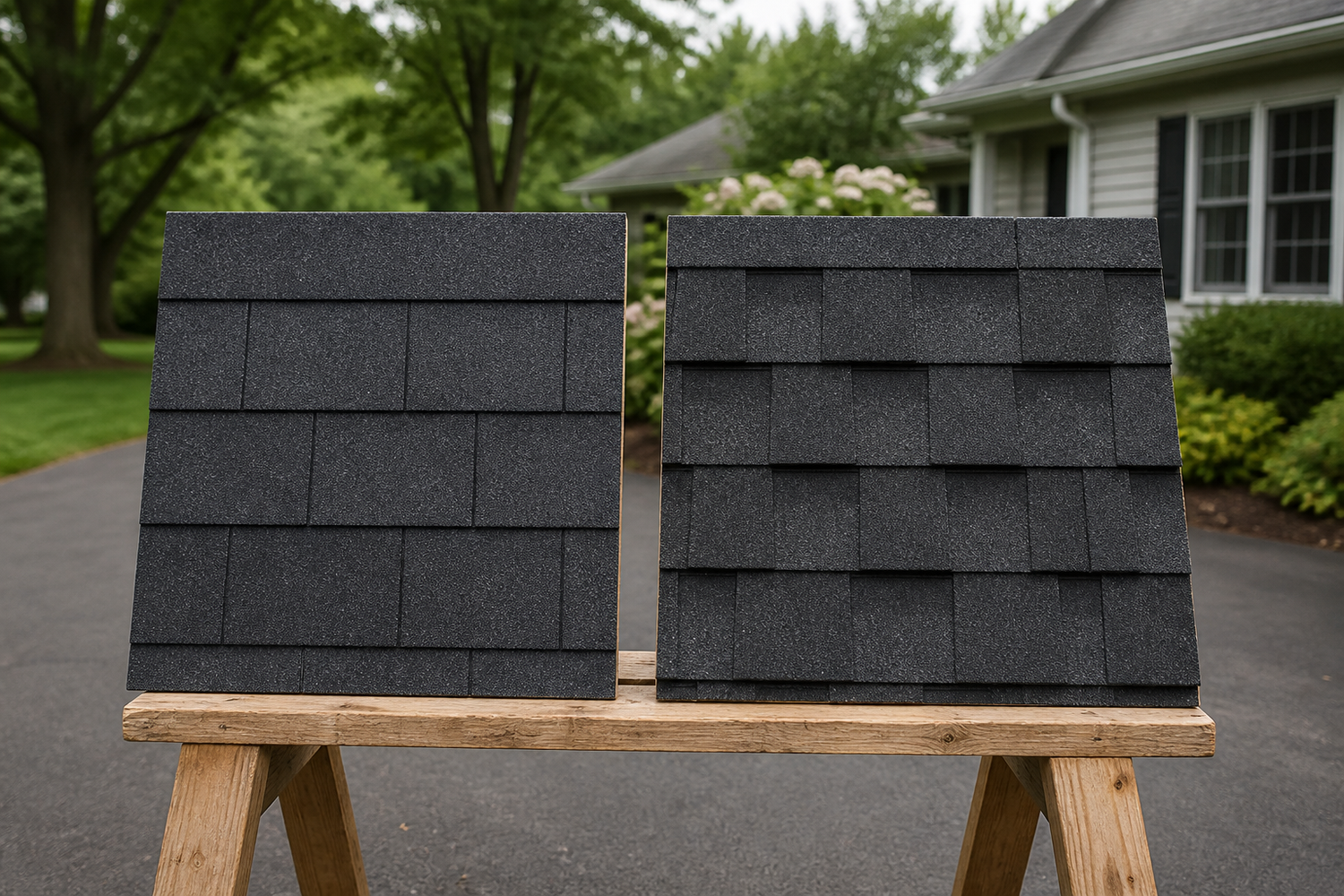
An asphalt shingle is a layered roofing product rather than a simple sheet of asphalt. Modern fiberglass shingles generally include:
- a reinforcing fiberglass mat;
- an asphalt coating that provides water-shedding properties;
- mineral stabilizers within the asphalt coating;
- a surface layer of ceramic-coated mineral granules; and
- sealant areas that help shingles bond together after installation.
The granules give shingles their color and help shield the asphalt from ultraviolet exposure. The asphalt layer provides the water-resistant properties, while the fiberglass mat helps reinforce the product.
These components work together as part of a complete roof assembly. Underlayment, roof decking, flashing, ventilation, fasteners, gutters, and installation details also influence how well the finished roof performs.
Why Asphalt Shingles Became So Common
No single feature explains why asphalt shingles cover most American homes. Their widespread use reflects several practical advantages working together.
A Broad Range of Styles
Asphalt shingles are manufactured in many colors, profiles, and dimensional patterns. That range allows them to complement traditional homes, newer subdivisions, historic-inspired designs, and many other residential styles.
An Established Roofing System
Manufacturers, distributors, contractors, inspectors, and building professionals are familiar with asphalt-shingle systems. Products, accessories, installation guidance, and replacement materials are broadly available in most U.S. markets.
Practical Residential Performance
When the product is appropriate for the structure and is installed correctly, an asphalt-shingle system provides a practical water-shedding roof for sloped residential construction. Different product classes and installation specifications are available for different design and performance needs.
Straightforward Inspection and Repair Decisions
Because asphalt roofs are so familiar, qualified professionals generally know what to look for when evaluating missing shingles, flashing problems, granule loss, wind damage, aging, ventilation concerns, or evidence of leakage.
Popular Does Not Mean Maintenance-Free
The fact that asphalt shingles are common does not mean every asphalt roof will perform the same way or require the same decision at the same age.
Roof condition can be influenced by:
- the specific shingle product;
- installation quality;
- roof slope and design;
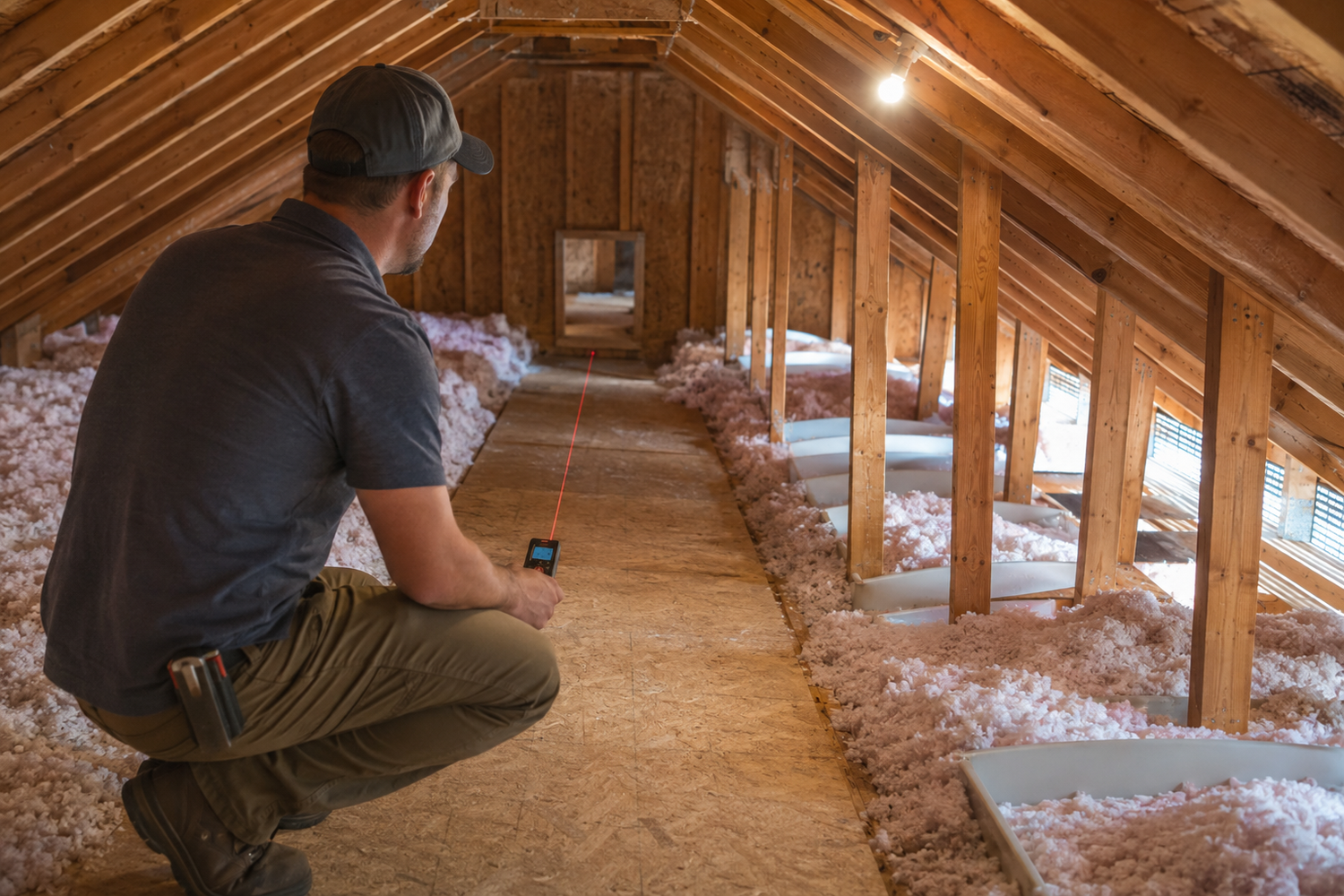
- attic ventilation and insulation;
- sunlight and temperature exposure;
- wind, hail, falling branches, and other weather events;
- drainage around valleys, gutters, and downspouts;
- flashing around walls, chimneys, skylights, and penetrations; and
- previous maintenance or repair work.
Two roofs installed in the same year can therefore age differently. A calendar age alone does not reveal whether a roof needs maintenance, repair, rejuvenation, or replacement.
What Homeowners Should Watch as a Roof Ages
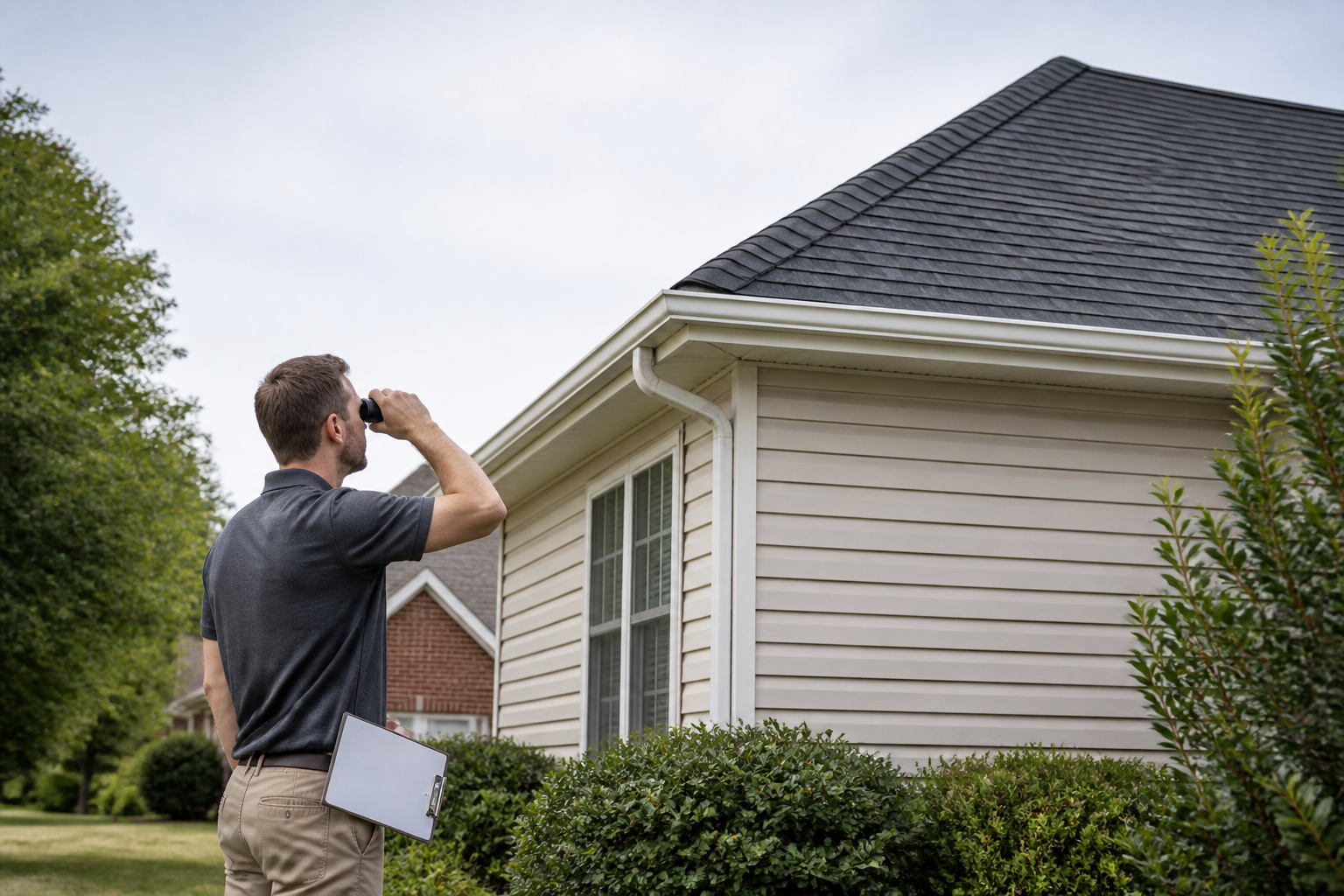
A safe visual check from the ground can reveal some concerns, but it cannot replace a professional assessment. Homeowners should pay attention to changes such as:
- missing, lifted, cracked, or visibly damaged shingles;
- unusual concentrations of loose granules near downspouts;
- damaged or separated flashing;
- sagging or uneven roof areas;
- recurring gutter overflow;
- water stains on ceilings or in the attic;
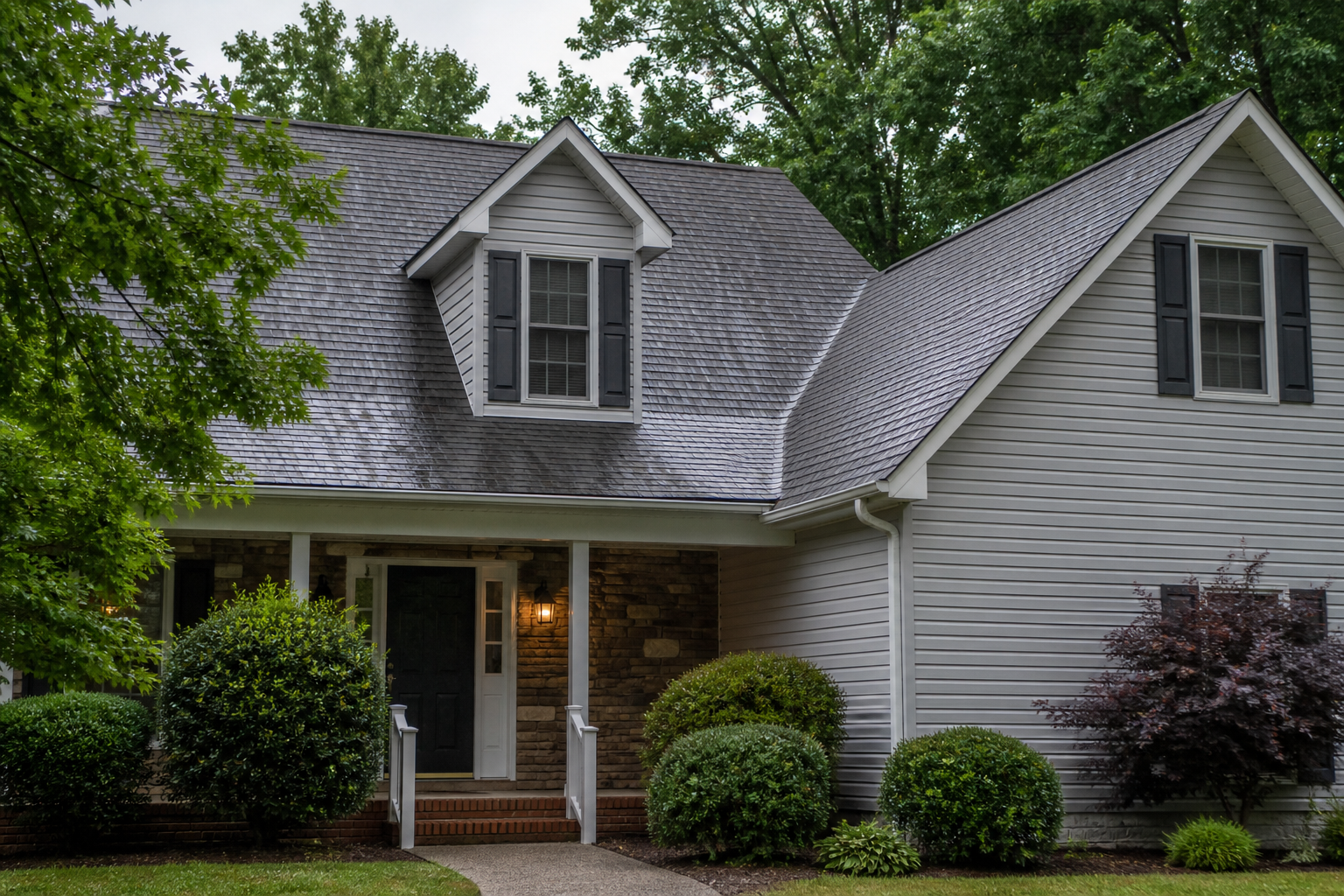
- dark streaking, moss, or debris accumulation; and
- changes that appear after strong wind or hail.
The Asphalt Roofing Manufacturers Association identifies flashing as a particularly important inspection area because roof transitions and penetrations are common places for water entry. Proper attic ventilation also matters to the performance of the broader roof assembly.
Homeowners should not climb onto a roof without the proper training and safety equipment. A roof can be steep, hot, wet, loose, or damaged even when it looks manageable from below.
Asphalt Shingles Change as They Weather
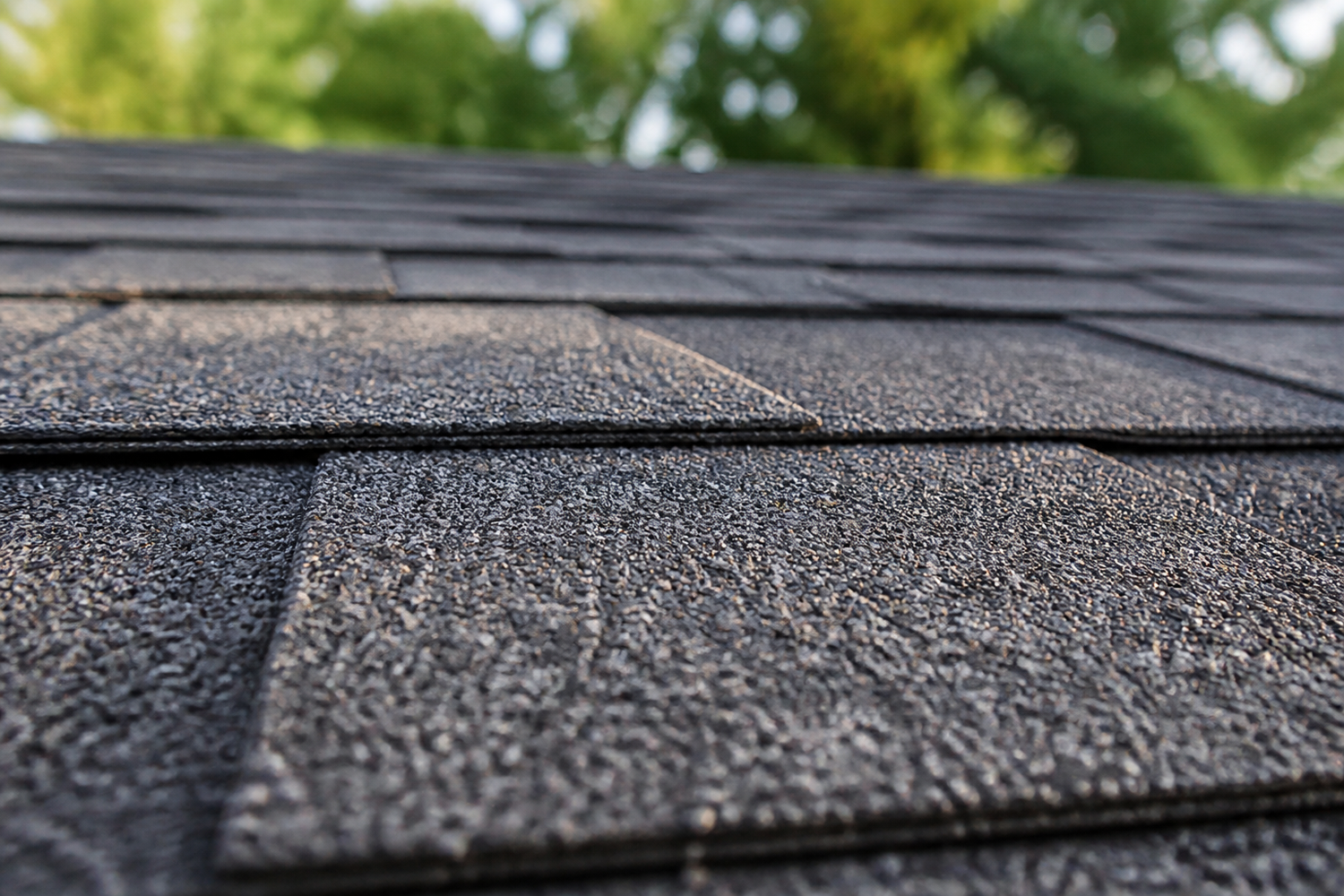
Asphalt shingles experience sunlight, heat, rain, wind, and temperature changes throughout their service life. Over time, the asphalt can lose oils that help the material remain flexible. The shingles may gradually become stiffer and more vulnerable to cracking or breaking.
That aging process is not always obvious from the street. A roof may still look generally intact while the material itself is becoming less pliable. Conversely, cosmetic staining does not automatically mean the shingles have lost their ability to function.
This is why an assessment should consider both visible conditions and the physical state of the shingles.
Where Roof Max Fits
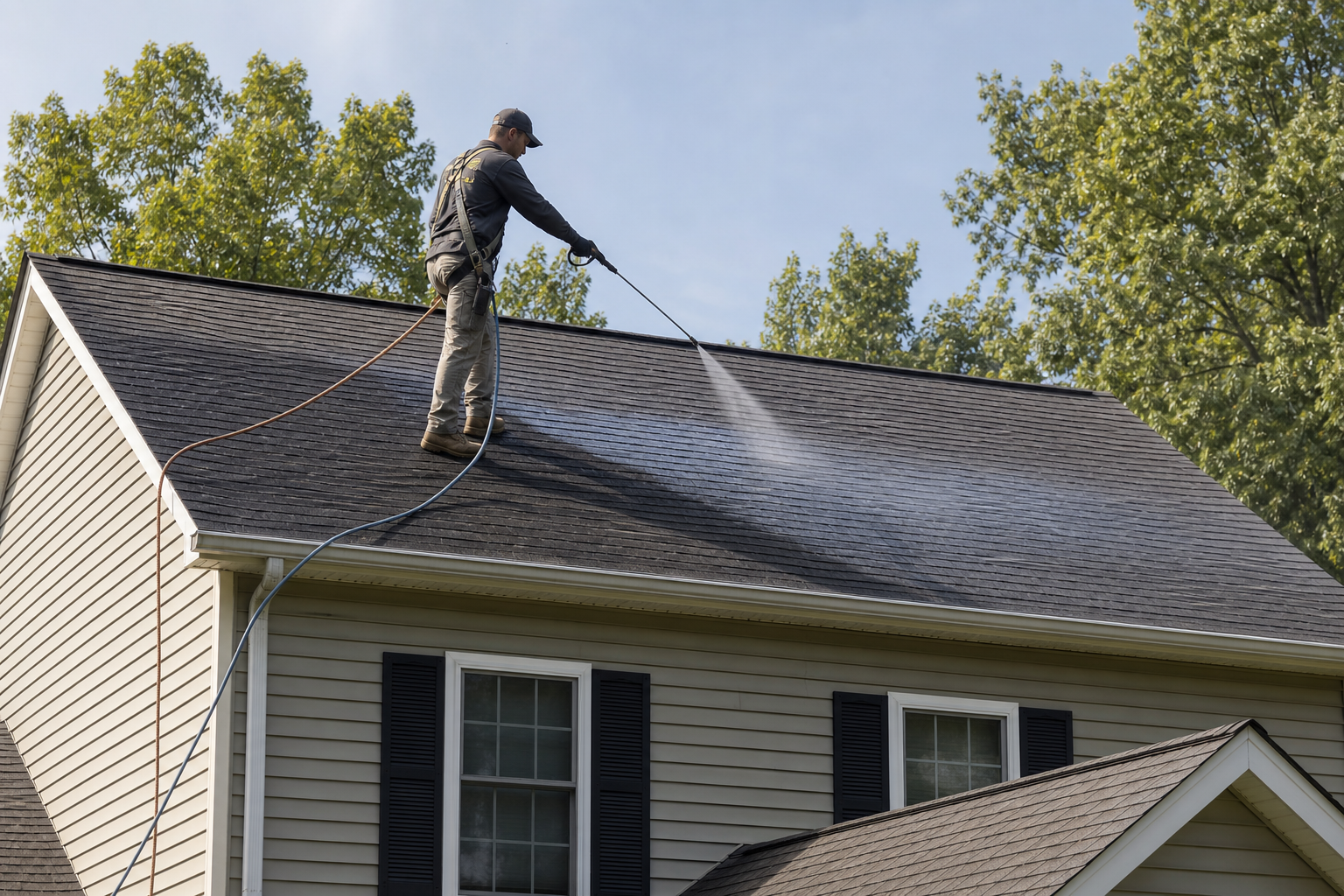
Roof Max is designed to penetrate qualifying asphalt shingles and restore lost flexibility. It is not a coating, leak sealant, mold treatment, algae cleaner, or substitute for necessary roof repairs.
Not every asphalt roof qualifies. Missing shingles, active leaks, structural concerns, extensive damage, or other conditions may need to be addressed separately. The roof’s material, age, installation, and current condition must be evaluated before rejuvenation is considered.
For a qualifying roof, rejuvenation may provide a maintenance option between doing nothing and replacing an otherwise serviceable asphalt-shingle system. The assessment is what determines whether that option is appropriate.
A Common Roof Still Deserves an Individual Assessment
Tens of millions of asphalt roofs may share the same basic material, but every home has its own exposure, installation history, maintenance record, and current condition.
For homeowners in Midlothian, Richmond, and surrounding Central Virginia communities, the useful question is not simply whether asphalt shingles are popular. It is whether your particular roof is still performing as intended and what responsible next step fits its condition.
If your asphalt roof is showing signs of age, visit richmondroofrejuvenation.com to learn more about Roof Max and request an assessment.